Bovine Gelatin vs. Vegan Custom Capsules: Stability analysis for high-humidity shelf-life requirements
Bovine gelatin vs vegan HPMC capsules: a practical humidity-stability comparison for shelf-life, packaging, and export-ready supplement brands.
Introduction: Why humidity stability matters
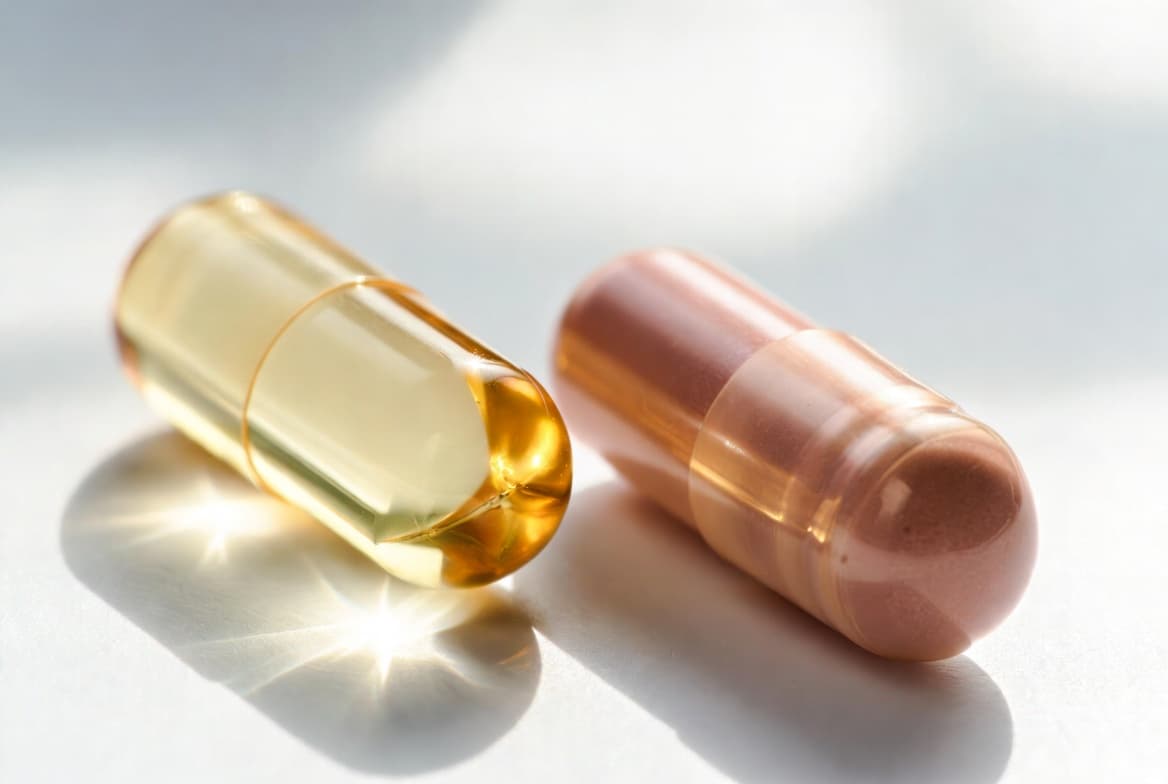
In humid markets, capsule choice is a stability decision, not just a branding decision. The shell material can affect appearance, handling, storage behavior, and shelf-life consistency.
For supplement brands selling into tropical, coastal, or long-shipping environments, bovine gelatin and vegan HPMC custom capsules behave differently under moisture stress. The right choice depends on formula sensitivity, packaging design, and the conditions the product will face from filling line to end consumer.
What humidity does to capsules
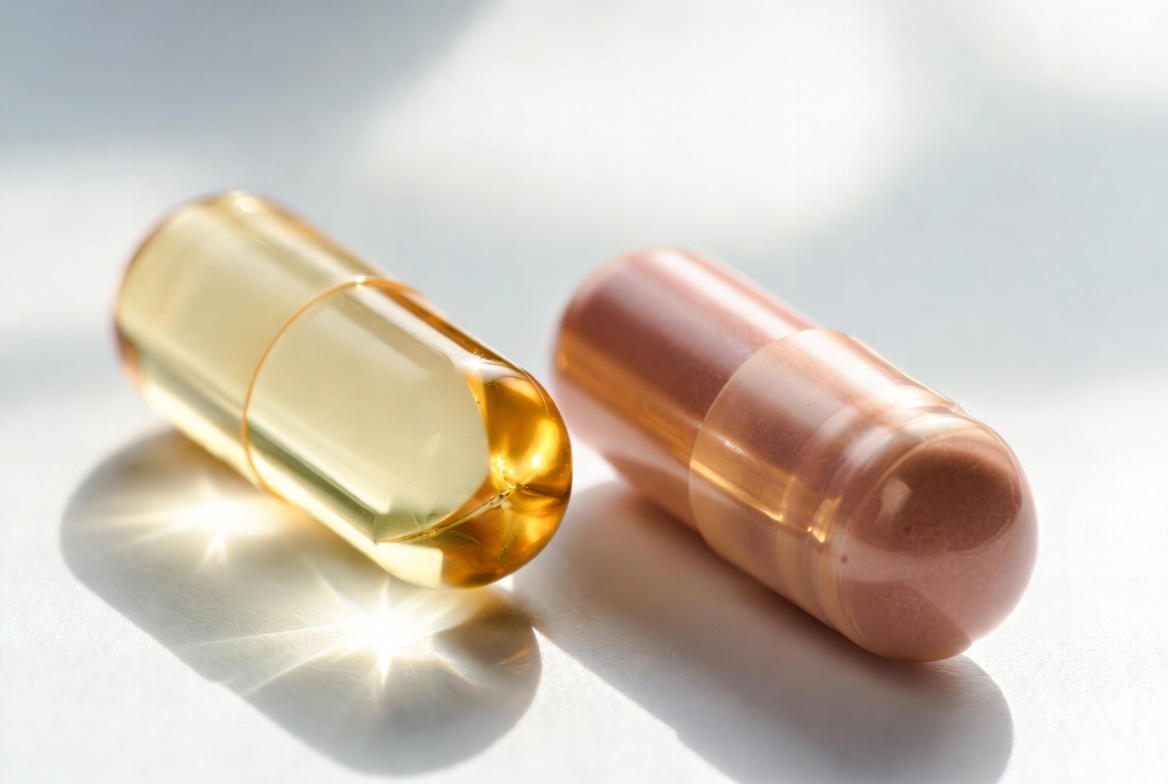
Humidity can change how capsule shells absorb or release moisture, which may affect softness, brittleness, sticking, and overall integrity. FDA dietary supplement rules require components and finished products to be held under appropriate conditions so they are not adversely affected by temperature or humidity exposure.
This matters especially for hygroscopic powders, herbal extracts, probiotics, and other moisture-sensitive fills. If the shell and the packaging system are not matched to the storage environment, the product can lose consistency before the expiration date.
Bovine gelatin capsule behavior
Bovine gelatin capsules are made from animal-derived gelatin and remain widely used because they are familiar, efficient, and cost-effective. They work well for many standard dry-fill applications and are still a practical option for numerous supplement formats.
Their weakness is moisture sensitivity. Peer-reviewed studies show gelatin shells generally have higher moisture content and stronger moisture uptake than HPMC shells, which makes them more vulnerable in hot and humid conditions. In plain terms, gelatin can perform well, but it usually needs tighter control of storage and packaging.
Vegan HPMC custom capsule behavior
HPMC capsules are plant-based hard capsules made from hydroxypropyl methylcellulose. They are often chosen for better performance in humid environments because they typically show lower equilibrium moisture content and weaker moisture sorption than gelatin.
That lower moisture behavior gives HPMC a practical advantage for products that may sit in warehouses, cross climate zones, or remain on retail shelves for long periods. HPMC also fits vegan, vegetarian, halal, and kosher positioning more naturally than bovine gelatin.
Formula compatibility
Capsule shell choice should always be matched to the fill. Gelatin is a strong option for many dry powders and standard supplement blends, and it can also work well in formulations where moisture exposure is carefully controlled.
HPMC is often a better fit when the formula is hygroscopic or when the product is expected to face warm, damp logistics. No shell can fully rescue an unstable formula, so the development process should evaluate the capsule, fill, and packaging together rather than separately.
Packaging and production control
Humidity performance is not determined by the shell alone. It also depends on how the product is manufactured, packed, and held after filling.
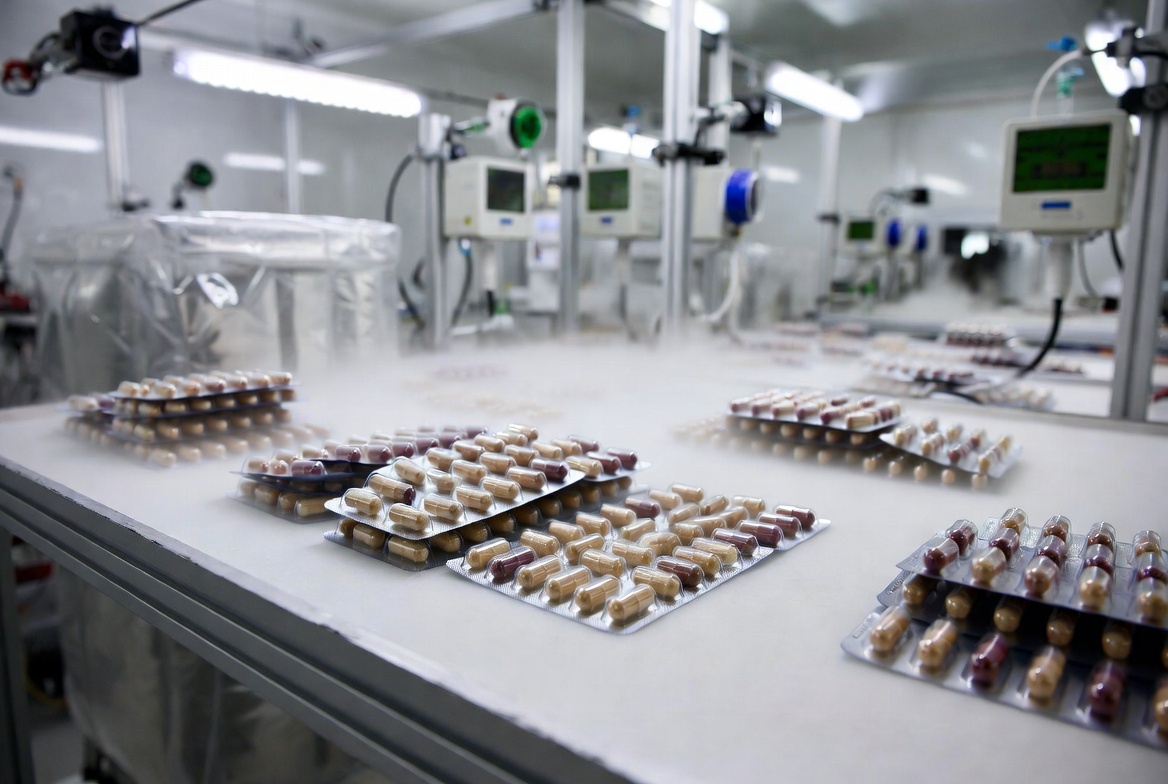
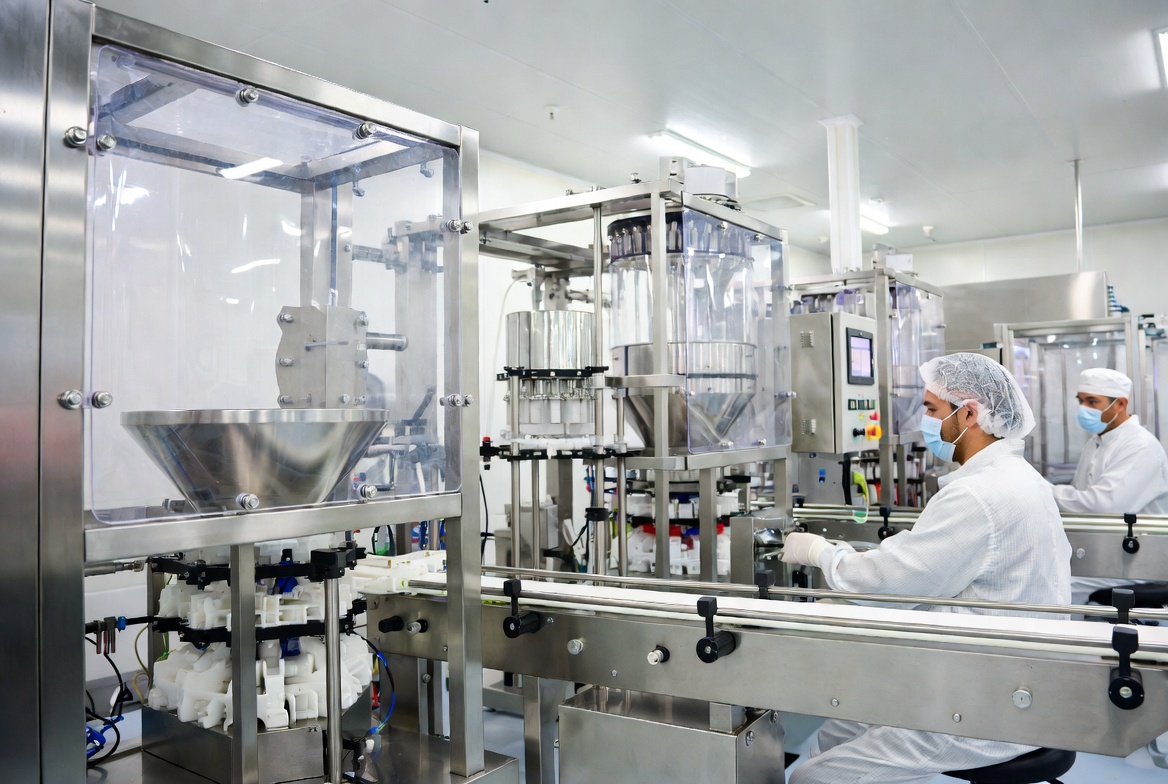
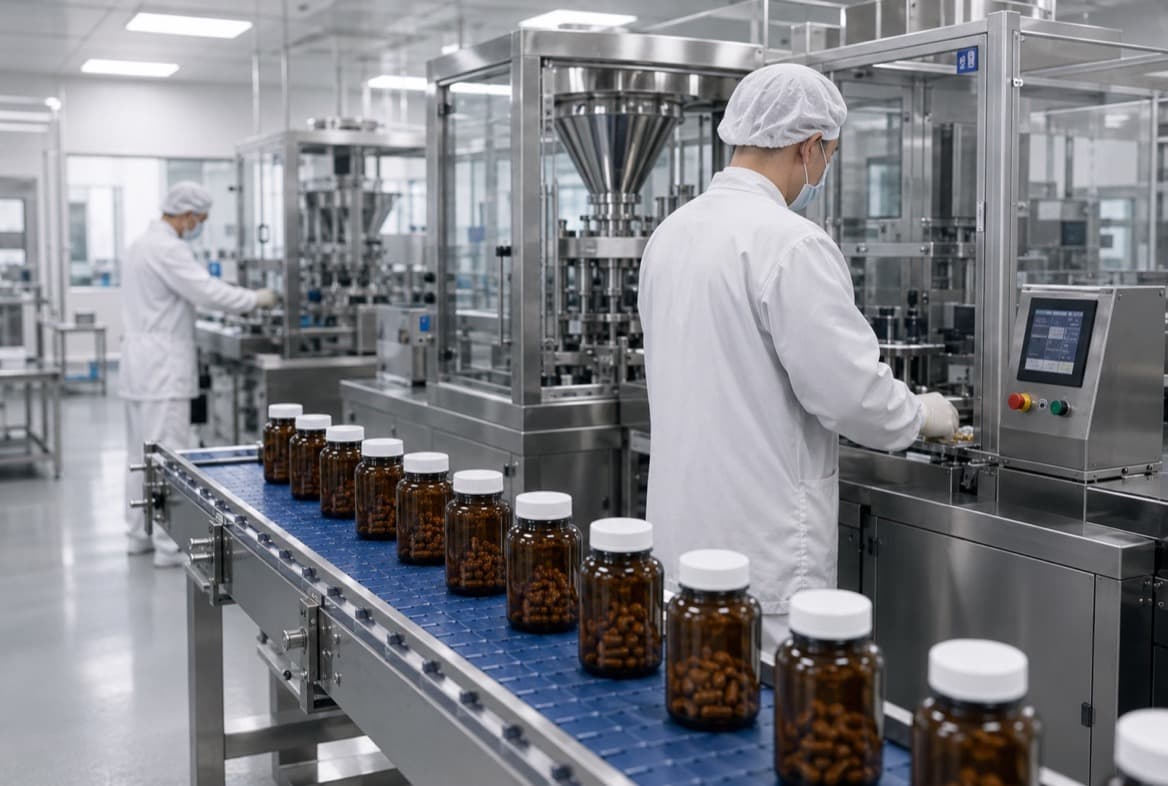
FDA current good manufacturing practice rules require dietary supplements and their components to be held under suitable conditions. For capsule projects, that means humidity control during production, proper packaging barrier selection, and disciplined storage conditions all matter. In controlled environments such as ISO 7 cleanrooms, manufacturers can better manage contamination risk and process consistency, which supports capsule quality during filling and packing.
When to choose each type
Use this simple guide:
1. Choose bovine gelatin when cost is a major priority and the product is a standard dry-fill supplement with controlled storage.
2. Choose vegan HPMC custom capsules when the product is headed for humid climates, long transit routes, or moisture-sensitive formulations.
3. Choose HPMC when vegan, vegetarian, halal, or kosher positioning is important.
4. Recheck both options if the formula contains oils, semi-liquids, or highly hygroscopic actives.
For export-oriented supplement brands, HPMC often gives more margin for real-world climate variation. For straightforward, budget-sensitive products, gelatin may still be the right commercial choice.
River Pharm perspective
From a manufacturing viewpoint, the biggest mistake brands make is choosing capsules only by price. A lower-cost shell can become expensive if it leads to sticking, shell distortion, poor appearance, or stability complaints later.
For high-humidity shelf-life requirements, the best result usually comes from three aligned decisions: the right shell, the right formula, and the right packaging. That is especially important for OEM and custom ODM projects where the product must perform consistently across production, shipping, and retail storage.
Conclusion
For high-humidity shelf-life requirements, vegan HPMC custom capsules usually offer stronger moisture resilience, while bovine gelatin remains a cost-efficient choice for many standard dry products. The best decision depends on the formula, target market, packaging barrier, and production controls.
In humid supply chains, capsule selection should be treated as part of the shelf-life strategy. When the product needs extra protection against moisture, HPMC is often the safer starting point.
FAQ
1. Are HPMC capsules always better than gelatin capsules?
No. HPMC is usually stronger in humid conditions, but gelatin can still be the right choice for many standard dry products.
2. Do gelatin capsules fail in high humidity?
Not automatically, but they are more moisture-sensitive and typically need tighter packaging and storage control.
3. Can HPMC capsules solve every stability problem?
No. If the fill itself is highly unstable, the formula still needs adjustment and testing.
4. Are HPMC capsules suitable for vegan products?
Yes. HPMC is plant-based and aligns well with vegan product positioning.
5. What matters most for shelf life in humid markets?
The full system matters: capsule shell, fill formula, packaging barrier, and holding conditions.
6. Should brands run humidity stability testing before launch?
Yes. It is one of the most practical ways to reduce launch risk and improve shelf-life confidence.
References
1. FDA. Small Entity Compliance Guide: Current Good Manufacturing Practice for Dietary Supplements. [FDA]
2. eCFR. 21 CFR Part 111. [eCFR]
3. Cornell Law School. 21 CFR § 111.455. [Cornell Law School]
4. PubMed. Influence of capsule shell composition on the performance indicators of hypromellose capsule in comparison to hard gelatin capsules. [PubMed]
5. PubMed. Moisture sorption and desorption properties of gelatin, HPMC and pullulan hard capsules. [PubMed]
6. ScienceDirect. Moisture diffusion and permeability characteristics of hydroxypropylmethylcellulose and hard gelatin capsules. [ScienceDirect]
7. Science Publishing Group. HPMC Capsules for Moisture Sensitive and Hygroscopic Products. [Science Publishing Group]
8. PubMed. The shell dissolution of various empty hard capsules. [PubMed]
Did you find this helpful?
Comments (0)
No comments yet. Be the first to comment!
Leave a comment
Related Posts
Riverpharm · Supplement Contract Manufacturing
Your supplement brand, manufactured to the highest standard
From first formula to finished product — we handle manufacturing, packaging, and fulfillment so you can focus on building your brand.
Core services
Contract Manufacturing
GMP-certified production with full batch testing and certificate of analysis on every run.
Custom Formulation & R&D
In-house scientists develop your formula from scratch or refine existing blends for efficacy.
Packaging & Labeling
Design-to-print label service — shelf-ready, FDA-compliant, and retail-tested.
FBA Prep & Fulfillment
Amazon-ready prep and direct-to-warehouse shipping — no extra steps on your end.
By the numbers
NSF
NSF/ANSI 455-2 certified
cGMP
Certified environment
24 hr
AI-accelerated quote turnaround
600K
cGMP+ encapsulator capacity per run
Why Riverpharm
Quality systems with higher standards
- NSF/ANSI 455-2 certified
- cGMP-certified environment
- In-house + third-party testing
- Source-locked ingredients
Production capacity with faster execution
- Heavy-duty hardware
- In-house core reserves
- AI-accelerated quotes
- In-house expert hub
Delivery formats we produce
Capsules
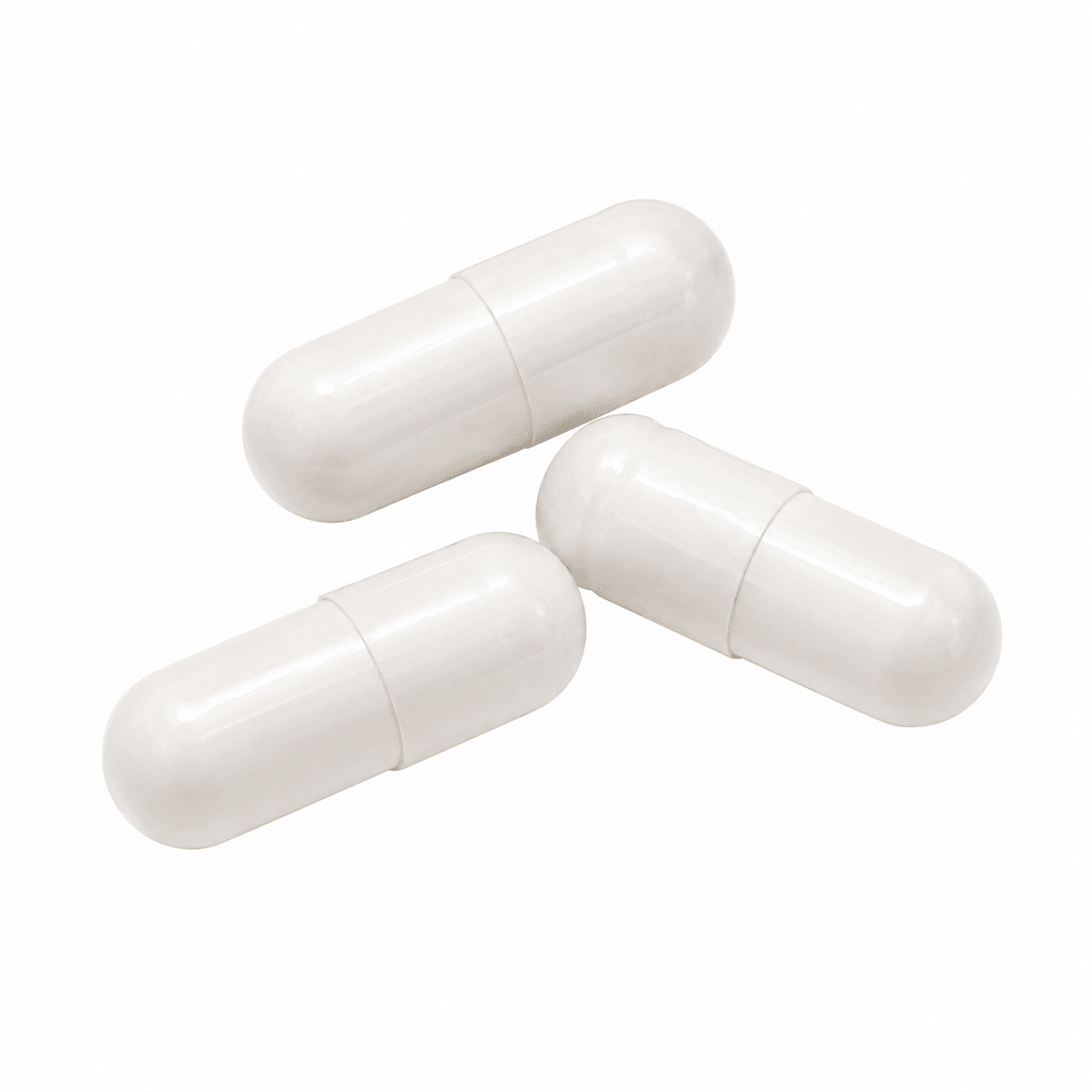
Gelatin & HPMC vegetarian
Sachets
Single-dose powder blends
Stick packs
Convenient single-serve
Pouches
Flexible, shelf-ready
Ready to bring your supplement to market?
Free consultation · 24-hour quote · No minimum commitment to get started