Buffered vs. Non-Buffered Vitamin Supplements: Understanding Formulation Choices for Sensitive Consumers
Compare buffered vs. non-buffered vitamin supplements, acidity, capsule formulation, consumer tolerance, and practical OEM/ODM development considerations.

For consumers with a sensitive stomach, the difference between buffered vs. non-buffered vitamin supplements can influence daily product satisfaction, repeat purchases, and perceived quality. While non-buffered vitamins such as standard ascorbic acid remain widely used, buffered vitamin supplements are formulated to reduce acidity by combining an acidic nutrient with mineral salts or other pH-modifying ingredients.
At River Pharm Inc., we work with supplement brands that need more than a standard capsule fill. A successful capsule formula must balance nutrient dose, ingredient compatibility, stomach tolerance, manufacturability, label clarity, and commercial positioning. For a brand targeting consumers who report discomfort from acidic supplements, buffered formulations can be an important development route—but they are not automatically the right choice for every product.
This guide explains how buffered and non-buffered vitamin supplements differ, why stomach acidity matters, and how brands can evaluate the best formulation path for their target audience.

What Are Buffered and Non-Buffered Vitamin Supplements?
A non-buffered vitamin supplement contains a vitamin in its conventional, often naturally acidic form. The most familiar example is vitamin C supplied as ascorbic acid. Ascorbic acid is a common, well-established form of vitamin C, but its acidic nature may be unsuitable for some consumers, particularly when it is delivered at a high dose or taken on an empty stomach.
A buffered vitamin supplement contains the vitamin together with compounds designed to reduce the formula’s overall acidity. For vitamin C, this commonly involves mineral ascorbates, such as:
Calcium ascorbate
Sodium ascorbate
Magnesium ascorbate
Potassium ascorbate
Mixed mineral ascorbates
These forms are produced by partially or fully neutralizing ascorbic acid with a mineral base. The resulting ingredient usually has a less acidic pH when dissolved in water than pure ascorbic acid.
The objective is not to change vitamin C into a different nutrient. The objective is to create a dosage form that may be more comfortable for consumers who are sensitive to acidity.
NIH notes that high supplemental intakes of vitamin C can cause gastrointestinal effects, including diarrhea, nausea, stomach cramps, and other digestive disturbances. These effects are often associated with the osmotic impact of unabsorbed vitamin C in the gastrointestinal tract.
Why Stomach Acidity Matters in Vitamin Formulation
Acidity is not merely a sensory issue. For many consumers, it is part of the overall product experience.
A consumer may take a vitamin C capsule in the morning, during travel, before exercise, or with limited food intake. If that person experiences burning, nausea, reflux-like discomfort, cramping, or loose stools after use, they may stop taking the supplement—even if the formula is otherwise well designed.
From a brand-development standpoint, this means that tolerance can be a retention factor.
Several variables can influence whether a consumer perceives an acidic vitamin supplement as uncomfortable:
The chemical form of the vitamin
The nutrient dose per serving
Whether the product is taken with food
Whether the consumer divides the serving into multiple doses
Individual gastrointestinal sensitivity
Existing digestive conditions or medication use
Capsule size and fill weight
Other acids, minerals, botanicals, enzymes, or excipients in the formula
It is important not to overstate the role of buffering. A buffered capsule may reduce the formula’s acid burden, but it does not guarantee that every user will avoid digestive symptoms. High-dose vitamin C can still produce gastrointestinal effects, especially when a large amount remains unabsorbed in the digestive tract.[ods.od.nih]
For brands, the strongest product-positioning language is usually measured and supportable. Rather than promising that a formula “will not upset the stomach,” a brand may consider substantiated, compliant language such as:
“Designed with a low-acid vitamin C form”
“Buffered vitamin C formulation”
“Formulated for consumers seeking a gentler vitamin C option”
“Made with mineral ascorbates”
“Designed for everyday vitamin C supplementation”
Final claims should always be reviewed against the intended market, product evidence, label format, and legal requirements.
Buffered vs. Non-Buffered Vitamin Supplements: Core Differences
The central difference is the chemical environment created by the ingredient form. Non-buffered vitamins may provide a direct, compact, economical ingredient option. Buffered vitamins may offer a more consumer-friendly alternative for certain high-dose or sensitive-stomach product concepts.
Formulation FactorBuffered Vitamin SupplementsNon-Buffered Vitamin SupplementsCommon vitamin C formCalcium ascorbate, sodium ascorbate, magnesium ascorbate, mixed ascorbatesAscorbic acidAcidity profileUsually lower acid impact when dissolvedMore acidic by natureConsumer positioningSensitive-stomach, low-acid, mineral-supported, premium wellnessTraditional, high-potency, value-focused, straightforwardMineral contributionMay contribute calcium, sodium, magnesium, or potassiumUsually does not add mineral content from the vitamin C sourceCapsule-fill considerationsMay require more space because mineral ascorbates can have lower vitamin C potency by weightOften more compact for high-dose vitamin C capsulesCost structureCan be higher depending on the mineral form and formula complexityOften more cost-efficientProduct-development flexibilityUseful for differentiated formulas and sensitive-consumer conceptsUseful for simple, conventional formulasMain cautionMineral load, capsule size, taste exposure in powder formats, compatibility reviewAcidity-related consumer discomfort at higher doses
The best option depends on the formula’s purpose. A 250 mg daily multivitamin capsule and a 1,000 mg vitamin C capsule for acid-sensitive consumers do not have the same formulation requirements.
How Buffered Vitamin C Is Formulated
In practical supplement development, buffering is usually achieved by selecting a mineral ascorbate or combining ascorbic acid with a suitable alkaline mineral component. The final approach depends on the desired dose, capsule size, target customer, mineral declaration, product cost, and manufacturing process.
For example, a brand may request a “gentle vitamin C capsule” with a target of 500 mg vitamin C per serving. A product-development team must then assess more than the headline dosage.
Key formulation questions include:
Does the 500 mg refer to elemental vitamin C or the total weight of the mineral ascorbate ingredient?
Which mineral is appropriate for the target consumer and market?
How much capsule volume is available?
Does the mineral contribution create a meaningful label declaration?
Is the formula intended for one large capsule, two capsules, or a powder stick pack?
Will the product include zinc, quercetin, citrus bioflavonoids, elderberry extract, or other ingredients?
Are there stability, hygroscopicity, flowability, or compatibility concerns?
What sensory expectations apply if the formula is later expanded into sachets or stick packs?
These questions are why a buffered supplement should not be treated as a simple label change. It is a formula-design decision.
Mineral Ascorbates Are Not Interchangeable
Although calcium ascorbate, sodium ascorbate, magnesium ascorbate, and potassium ascorbate can all support a buffered vitamin C concept, each has different commercial and technical implications.
Calcium ascorbate may appeal to brands that want to combine vitamin C with a calcium-containing ingredient story. However, the mineral contribution and total fill weight must be calculated carefully.
Sodium ascorbate is frequently used in buffered vitamin C concepts, but its sodium contribution should be assessed in the context of serving size, intended consumer group, and label strategy.
Magnesium ascorbate may fit a formula direction involving magnesium, but the final elemental magnesium contribution may be modest or may require separate magnesium ingredients to meet a targeted label amount.
Mixed mineral ascorbates can create a broader mineral-supported positioning. However, they also make the Supplement Facts panel, raw-material specifications, and quality-control program more complex.
A professional development process should evaluate the full formula—not only the active ingredient name.

Benefits of Non-Buffered Vitamin Supplements
Non-buffered does not mean inferior. Standard vitamin forms remain relevant in many successful supplement programs.
For brands with a clear value-oriented, high-potency, or traditional vitamin C concept, ascorbic acid can be an efficient choice. It has broad market familiarity, strong consumer recognition, and practical utility in capsules, tablets, powders, and certain functional beverage formats.
When Non-Buffered Vitamin C May Be the Better Choice
A non-buffered formula may be suitable when:
The intended dose is moderate rather than very high.
The product is designed to be taken with meals.
The brand prioritizes compact capsule size.
Price competitiveness is a major commercial objective.
The target customer already accepts standard ascorbic acid.
The formula includes flavor systems that benefit from tartness in a powder format.
The product is positioned as a simple, conventional vitamin C supplement.
For example, a brand developing a 250 mg vitamin C capsule for general daily nutrition may not need a buffered ingredient system. A standard ascorbic acid formula may meet the consumer need with fewer formulation variables and a more economical ingredient profile.
The important point is that consumer fit matters more than ingredient-fashion trends.
Limits of Buffered Formulations
Buffered vitamins can solve a meaningful formulation problem, but they also introduce trade-offs.
First, a buffered vitamin C ingredient can occupy more capsule space than ascorbic acid for the same labeled vitamin C dose. This may require a larger capsule, multiple capsules per serving, or a lower nutrient dose.
Second, the added mineral is not always nutritionally neutral. A formula using sodium ascorbate, calcium ascorbate, or magnesium ascorbate must be assessed for its mineral contribution and label implications.
Third, buffering does not eliminate the need for dose discipline. NIH lists an adult upper limit of 2,000 mg per day for vitamin C from food, beverages, and supplements. Excessive intake can still cause diarrhea, nausea, and stomach cramps.
Finally, buffered forms can raise material costs. Brands must decide whether the additional cost supports a meaningful consumer benefit and differentiated market position.
A Practical Development Framework for Brands
When a brand approaches River Pharm Inc. with a sensitive-stomach vitamin concept, we recommend beginning with a structured product brief rather than immediately selecting an ingredient.
Step 1: Define the Consumer Problem
Be precise about the target customer.
Examples include:
Adults who report discomfort from acidic vitamin C products
Consumers seeking a daily low-acid wellness capsule
Older consumers who prefer a gentler supplement routine
Customers who want high-dose vitamin C but dislike acidic powders
Users who want a capsule alternative to tart vitamin drink mixes
The more specific the consumer problem, the easier it becomes to develop an appropriate formula and product message.
Step 2: Define the Desired Dose and Serving Format
Dose drives almost every other decision.
A 250 mg buffered vitamin C capsule may be relatively straightforward. A 1,000 mg buffered vitamin C capsule with additional zinc and botanical extracts may require different capsule sizing, multiple capsules, or a different format such as a sachet, stick pack, or soft pouch.
River Pharm Inc. can support capsule, sachet, stick-pack, and soft-pouch packaging programs. The ideal format depends on dose, ingredient bulk density, consumer convenience, sensory requirements, and market positioning.
Step 3: Evaluate Mineral Selection
The mineral used for buffering should align with the product strategy.
Ask:
Is the mineral part of the consumer-facing story?
Does its quantity require a meaningful label declaration?
Is sodium appropriate for the product concept?
Will the final formula be suitable for the intended market?
Does the mineral interact with other ingredients?
Will the finished product remain stable throughout its proposed shelf life?
Step 4: Build a Label-Ready Formula
A strong product brief should define:
Active ingredients and target amounts
Serving size
Delivery format
Capsule shell preferences
Allergen and dietary-positioning requirements
Flavor or odor considerations where relevant
Packaging format
Target market
Intended structure/function claims
Required testing and documentation expectations
In the United States, dietary-supplement manufacturers are responsible for ensuring that products are safe and that label claims are truthful and not misleading. Supplement labels must also include required information, including a Supplement Facts panel and a list of other ingredients.
Step 5: Validate Manufacturing Feasibility
The development team should review ingredient identity, specifications, blend uniformity, capsule filling performance, in-process controls, finished-product specifications, and packaging compatibility.
U.S. dietary supplement manufacturing requirements under 21 CFR Part 111 require manufacturers to establish and follow current good manufacturing practices to ensure product quality and that products are packaged and labeled according to the master manufacturing record.
For a buffered formula, quality planning should also include raw-material verification and review of mineral ascorbate identity, potency, particle characteristics, moisture behavior, and compatibility with the selected capsule shell or packaging system.

Capsule Design Considerations for Buffered Vitamins
Capsules are often an excellent format for buffered vitamin supplements because they avoid the tart flavor that can be noticeable in powders and drink mixes. However, capsule development must consider physical limitations.
A high-dose buffered vitamin C formula may create challenges in:
Fill weight
Capsule size
Flow properties
Blend uniformity
Hygroscopicity
Ingredient segregation
Consumer swallowability
Serving-size expectations
For this reason, brands should avoid setting a target such as “1,500 mg buffered vitamin C in one small capsule” before technical evaluation. A more realistic approach may be:
Two capsules per serving
A combination of capsule and stick-pack formats
A lower daily dose with a clear daily-use positioning
A split-dose recommendation
A powder or sachet format for higher-dose programs
A well-designed product does not force an unrealistic dose into an inconvenient format. It aligns the formula, serving size, packaging, and customer experience.
Quality and Claim Discipline
Sensitive-stomach positioning requires careful language. Consumer comfort is a legitimate formulation consideration, but brands should not turn it into an unsupported medical claim.
Avoid disease-treatment language or promises such as:
“Treats gastritis”
“Prevents acid reflux”
“Heals stomach lining”
“Stops nausea”
“Safe for everyone with digestive disease”
Dietary supplements cannot legally claim to diagnose, cure, mitigate, treat, or prevent disease. Structure/function claims must be truthful and not misleading, and products using such claims require the appropriate disclaimer.
A safer approach is to communicate formulation facts:
“Formulated with calcium ascorbate”
“Buffered vitamin C capsule”
“Lower-acid vitamin C source”
“Designed for daily use”
“Made for consumers seeking an alternative to standard ascorbic acid”
Before launch, all label copy, advertising language, and product-page claims should be reviewed for substantiation and market-specific compliance.
Choosing the Right Formula for Your Brand
The buffered vs. non-buffered vitamin supplement decision should not be based on a single assumption that one form is always better. The right formula depends on your consumer, dosage target, packaging format, cost position, label strategy, and product differentiation goals.
Choose a buffered vitamin supplement when your concept focuses on lower acidity, sensitive consumers, premium positioning, or high-dose vitamin C with a more comfort-oriented ingredient story.
Choose a non-buffered vitamin supplement when you need a compact, familiar, economical, and straightforward vitamin formula, especially at moderate doses or in products designed to be taken with food.
At River Pharm Inc., our OEM service supports brands that already have a finished formula and need reliable manufacturing. Our customized ODM service supports brands that start with a reference product, ingredient concept, or desired functional direction and need help developing a manufacturable formula. We do not provide public-mold private-label products; each development project is evaluated according to its individual formulation and production requirements.
Ready to develop a buffered or non-buffered vitamin capsule? Share your target ingredient, desired dose, reference product, packaging preference, and intended market with River Pharm Inc. Our formulation and manufacturing team can help assess the most practical path from concept to finished supplement.
FAQ
1. What is the main difference between buffered and non-buffered vitamin C?
Non-buffered vitamin C is commonly supplied as ascorbic acid, which is naturally acidic. Buffered vitamin C uses mineral ascorbates or related pH-modifying systems to reduce the formula’s acid profile.
2. Is buffered vitamin C more effective than ascorbic acid?
Not necessarily. Both forms provide vitamin C. Buffered vitamin C is usually selected because of formulation positioning and potential comfort advantages for consumers who are sensitive to acidic products, not because it automatically delivers superior results for every user.
3. Can buffered vitamin C still cause digestive discomfort?
Yes. Buffering may reduce acidity, but high vitamin C intakes can still cause gastrointestinal effects, including diarrhea, nausea, and stomach cramps. Dose, timing, individual sensitivity, and the rest of the formula also matter.
4. Which buffered vitamin C form is best for capsules?
There is no universal best choice. Calcium ascorbate, sodium ascorbate, magnesium ascorbate, and mixed mineral ascorbates each have different fill-weight, cost, mineral-content, label, and positioning implications. The preferred option depends on the final product brief.
5. Can a buffered vitamin C formula include zinc or bioflavonoids?
Yes. Buffered vitamin C can be combined with ingredients such as zinc, citrus bioflavonoids, quercetin, or botanical extracts, subject to compatibility, dosage, label, and manufacturing feasibility review.
6. Does a buffered vitamin C capsule need a larger capsule size?
It may. Mineral ascorbates can require more ingredient mass than ascorbic acid to deliver the same labeled amount of vitamin C. High-dose buffered formulas may require a larger capsule, multiple capsules per serving, or another delivery format.
7. Can River Pharm Inc. manufacture both buffered and non-buffered vitamin capsules?
Yes. River Pharm Inc. can support OEM manufacturing for established formulas and customized ODM development for brands that provide a reference product, target ingredient, or functional direction. Capsule, sachet, stick-pack, and soft-pouch packaging options can be evaluated according to formula requirements.
References
National Institutes of Health, Office of Dietary Supplements. “Vitamin C: Fact Sheet for Health Professionals.” Discusses vitamin C functions, safety, and gastrointestinal effects associated with high supplemental intakes. NIH Office of Dietary Supplements.[ods.od.nih]
National Institutes of Health, Office of Dietary Supplements. “Vitamin C Fact Sheet for Consumers.” Provides vitamin C upper intake levels and notes that excessive intake may cause diarrhea, nausea, and stomach cramps. NIH Office of Dietary Supplements.[ods.od.nih]
U.S. Food and Drug Administration. “Small Entity Compliance Guide: Current Good Manufacturing Practice in Manufacturing, Packaging, Labeling, or Holding Operations for Dietary Supplements.” Explains current good manufacturing practice requirements under 21 CFR Part 111. FDA.[fda]
U.S. Government Publishing Office. “21 CFR Part 111: Current Good Manufacturing Practice in Manufacturing, Packaging, Labeling, or Holding Operations for Dietary Supplements.” Provides the federal regulatory text for dietary-supplement manufacturing and quality requirements. GovInfo.[govinfo]
National Institutes of Health, Office of Dietary Supplements. “Dietary Supplements: What You Need to Know.” Covers label content, manufacturer responsibilities, product claims, and good manufacturing practices. NIH Office of Dietary Supplements.[ods.od.nih]
National Institutes of Health, Office of Dietary Supplements. “Background Information: Dietary Supplements.” Explains permitted dietary-supplement claims, required disclaimers, and labeling requirements. NIH Office of Dietary Supplements.[ods.od.nih]
National Institutes of Health, Office of Dietary Supplements. “Dietary Supplement Health and Education Act of 1994.” Includes requirements governing substantiation and disclaimer language for structure/function claims. NIH Office of Dietary Supplements.[ods.od.nih]
Hot Tags: Dietary Supplement Manufacturing, Vitamin C Capsule Manufacturer, Buffered Vitamin C, Private Label Supplements, Custom Supplement Formulation, OEM Supplement Manufacturing, ODM Supplement Development, Capsule Supplement Manufacturer, Nutraceutical Contract Manufacturing, Vitamin Supplement Formulation
Did you find this helpful?
Comments (0)
No comments yet. Be the first to comment!
Leave a comment
Related Posts

Nov 27, 2026
Synthetic Vitamins vs. Whole-Food Based Nutrients: Which Performs Better for Long-Term Health Supplement Use?

Nov 26, 2026
Liposomal Vitamin C vs. Ascorbic Acid Capsules: Comparing Intracellular Delivery Efficiency for Immune Support

Nov 26, 2026
Top Capsule Supplement Manufacturers and Suppliers in Sweden
Riverpharm · Supplement Contract Manufacturing
Your supplement brand, manufactured to the highest standard
From first formula to finished product — we handle manufacturing, packaging, and fulfillment so you can focus on building your brand.
Core services
Contract Manufacturing
GMP-certified production with full batch testing and certificate of analysis on every run.
Custom Formulation & R&D
In-house scientists develop your formula from scratch or refine existing blends for efficacy.
Packaging & Labeling
Design-to-print label service — shelf-ready, FDA-compliant, and retail-tested.
FBA Prep & Fulfillment
Amazon-ready prep and direct-to-warehouse shipping — no extra steps on your end.
By the numbers
NSF
NSF/ANSI 455-2 certified
cGMP
Certified environment
24 hr
AI-accelerated quote turnaround
600K
cGMP+ encapsulator capacity per run
Why Riverpharm
Quality systems with higher standards
- NSF/ANSI 455-2 certified
- cGMP-certified environment
- In-house + third-party testing
- Source-locked ingredients
Production capacity with faster execution
- Heavy-duty hardware
- In-house core reserves
- AI-accelerated quotes
- In-house expert hub
Delivery formats we produce
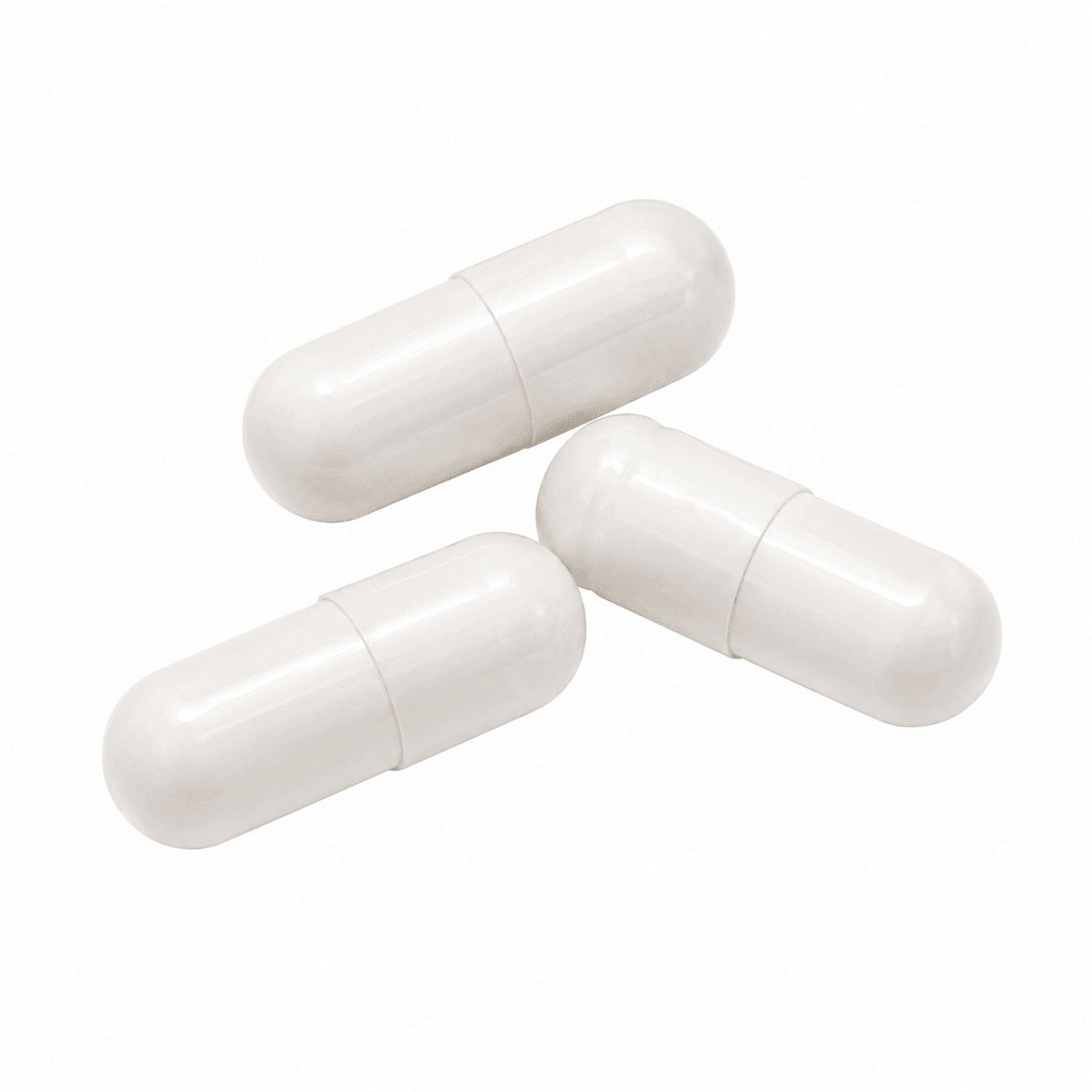
Capsules
Gelatin & HPMC vegetarian
Sachets
Single-dose powder blends
Stick packs
Convenient single-serve
Pouches
Flexible, shelf-ready
Ready to bring your supplement to market?
Free consultation · 24-hour quote · No minimum commitment to get started