Stress and Sleep Supplement Manufacturing: How OEM and Custom ODM Brands Can Build Better Capsule and Powder Formulas
Custom OEM and ODM stress and sleep supplement manufacturing guide for capsules and powders, with practical formulation and compliance insights.
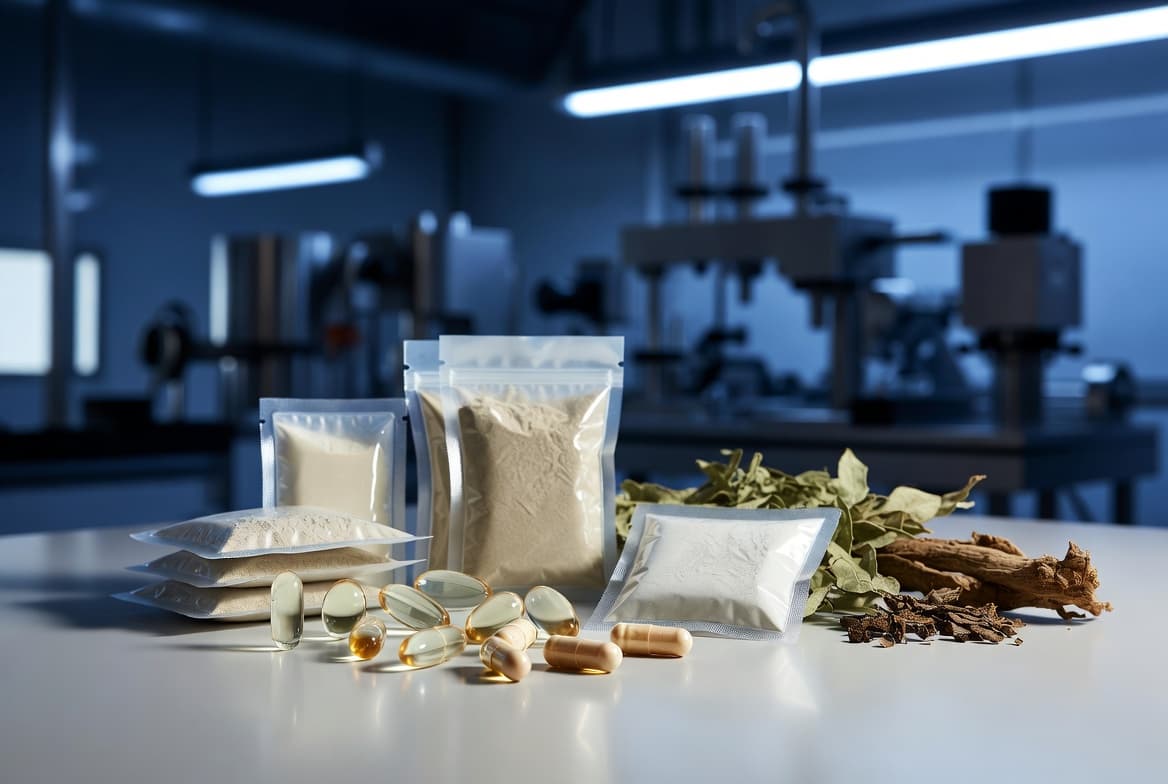
Stress and poor sleep have become two of the most common reasons people turn to dietary supplements. For brand owners, that creates a strong market opportunity, but only when the product is built with the right formula, format, and manufacturing strategy. In OEM and custom ODM development, the best products are not just trendy. They are practical, stable, and designed around how real consumers use them every day.
River Pharm Inc. supports brands that want to turn a formula idea, reference product, or ingredient direction into a finished supplement in capsule, sachet, stick pack, or pouch format. Our work begins with the client's product direction and ends with a manufacturable, market-ready supplement that can be produced with consistency and care.
Why Stress and Sleep Supplements Keep Growing
Stress support and sleep support are no longer small niche categories. They sit at the center of modern wellness because consumers want products that help them feel calmer during the day and more rested at night. Many people are also looking for supplement-based routines that feel easier to maintain than complicated wellness programs.
This growth has changed what buyers expect. They want formulas that feel credible, simple to understand, and easy to fit into daily life. A strong product should answer one clear need, such as daytime calm, evening wind-down, or sleep quality support, instead of trying to solve everything at once.
What OEM and Custom ODM Buyers Need
In an OEM model, the client provides the formula and the manufacturer produces it. In a custom ODM model, the client may provide a reference product, ingredient direction, or functional goal, and the manufacturer develops the formula before production. At River Pharm Inc., we focus on custom development rather than generic stock-based ODM.
Before development begins, buyers should define a few key points:
- Target consumer and usage scenario.
- Preferred format, such as capsules or powder.
- Ingredient direction, including botanical, mineral, or amino acid-based concepts.
- Product position, such as relaxation, calm focus, or sleep support.
- Packaging style and expected order quantity.
The clearer the brief, the faster the project moves. It also reduces revision time and helps the formulation team build something that is realistic to produce at scale.
Ingredient Framework for Stress and Sleep Formulas
The strongest formulas usually rely on a simple and believable ingredient structure. Common categories include adaptogens, amino acids, minerals, and soothing botanicals. One widely recognized ingredient in this space is ashwagandha, which has been studied for stress and sleep support and is often positioned as an adaptogen.
A practical ingredient framework may include:
- Adaptogens for stress resilience.
- Amino acids for relaxation support.
- Minerals for nervous system support.
- Botanicals for wind-down positioning.
For capsules, brands often prefer compact formulas with precise daily servings. For powders and stick packs, the formula may allow a broader ingredient profile, but taste, texture, and solubility become much more important.
Capsule and Powder Formats
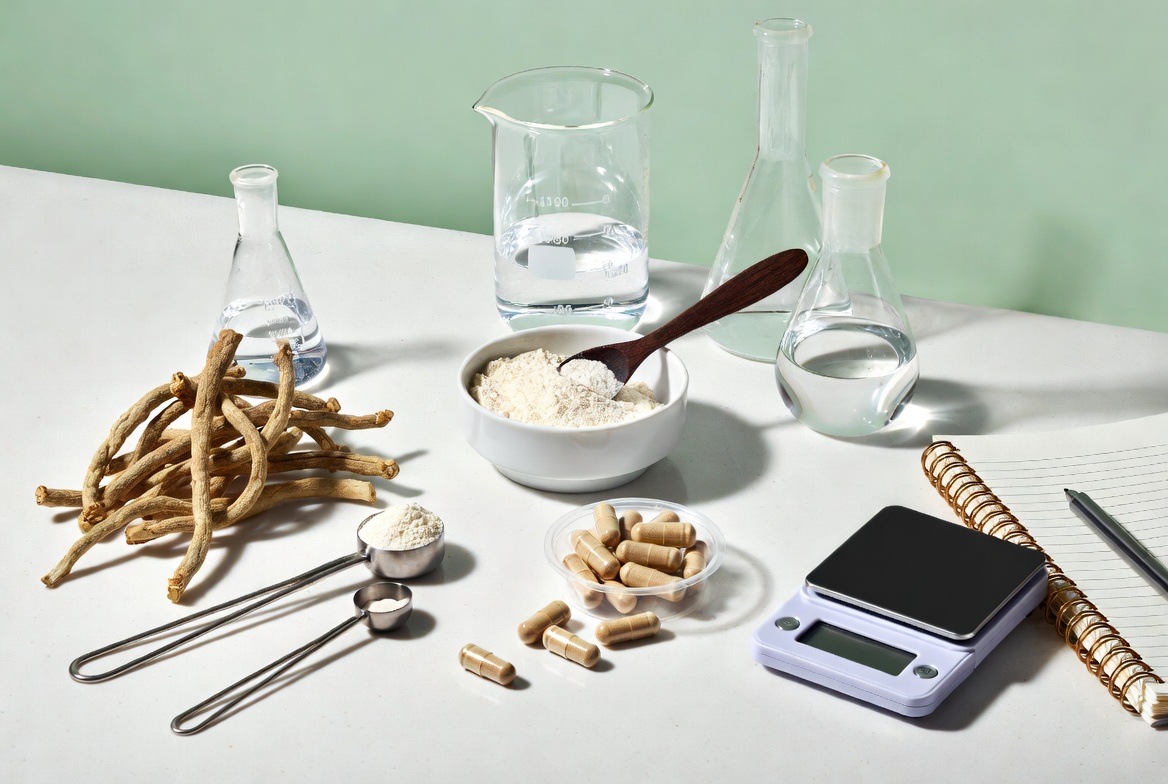
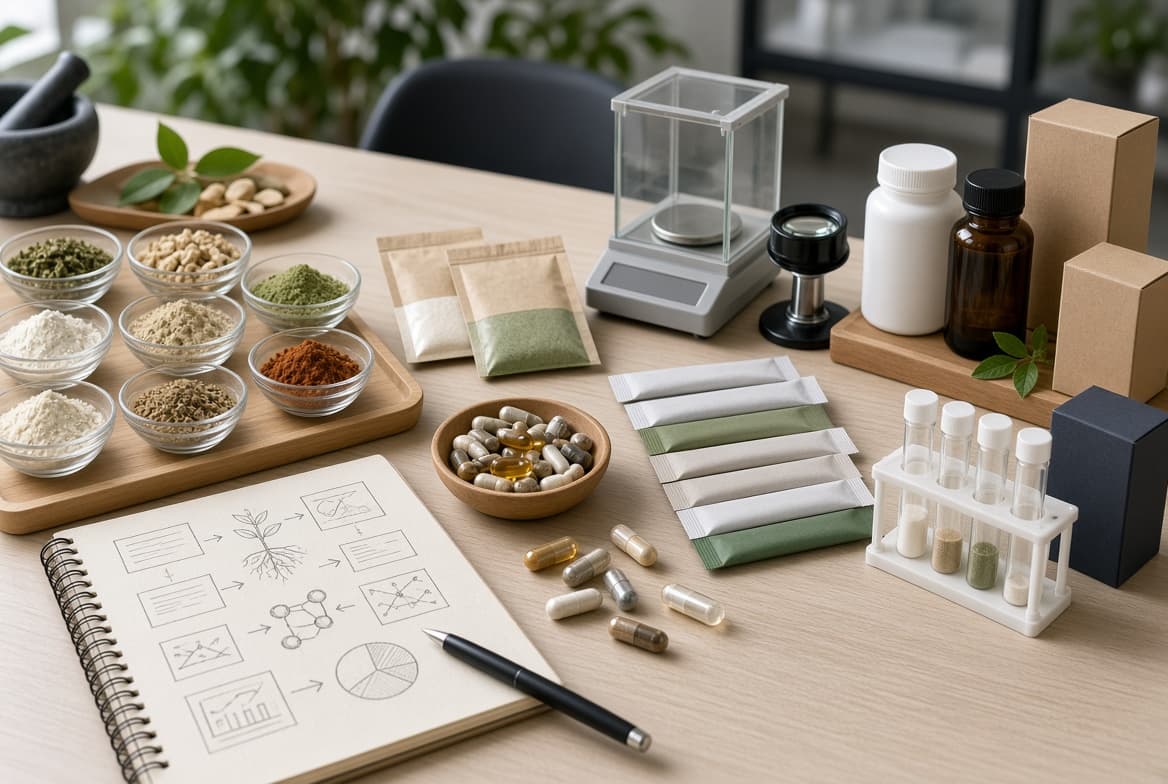
Capsules and powders solve different product needs. Capsules are convenient, familiar, and often better for consumers who want a simple, no-flavor routine. Powders can support larger servings and are often better when the brand wants a drinkable or ritual-based experience.
From a production perspective:
- Capsules are suitable for compact formulas and accurate dosing.
- Powders work well for flexible serving sizes and lifestyle positioning.
- Stick packs and sachets improve portability.
- Pouches and soft bags are useful for bulk or refill-style packaging.
The format should match the user experience. A nighttime formula may work well as a powder ritual, while a daytime stress support product may be easier to use as a capsule.
Adaptogen Formulation and Production
Adaptogens are one of the most important themes in the stress category. They are typically used in formulas aimed at resilience, balance, and daily stress support. They should be positioned carefully and not treated as one-size-fits-all ingredients.
When working with adaptogens, manufacturers need to consider:
- Which part of the plant is being used.
- Whether the extract is standardized.
- Extraction ratio and raw material consistency.
- Compatibility with capsule filling or powder blending.
- Odor, color, and batch-to-batch stability.
These details matter because botanical ingredients can vary more than isolated nutrients. A formula can look strong on paper but still create manufacturing problems if the raw material is unstable or difficult to process.、
Clinical and Market Insights
The market for sleep and stress supplements is becoming more evidence-aware. Recent reviews and health-professional summaries show that ingredients such as ashwagandha, magnesium, melatonin, L-theanine, valerian root, and glycine continue to be discussed in relation to sleep quality and relaxation. At the same time, the evidence is not identical for every ingredient, dose, or population.
This creates an important lesson for brand owners: the formula should be built around a clear use case and a realistic ingredient story. Products that explain why each ingredient is included usually feel more trustworthy than products that list many trending ingredients without a clear purpose. Consumers want a supplement that fits into a daily habit and makes sense from a formulation perspective.
Quality Control and Compliance
Any serious stress or sleep supplement should be developed with quality and compliance in mind from the start. Claims should remain within the allowed dietary supplement framework, and the final label language must avoid disease-treatment wording. Product copy should focus on support, maintenance, and general wellness rather than medical outcomes.
At the manufacturing level, quality control should include:
- Raw material identity and specification review.
- Microbial and heavy metal testing where needed.
- Blend uniformity checks.
- Capsule weight or sachet fill verification.
- Finished product stability planning.
- Final label review before production release.
This is especially important for botanical formulas, where source variation can affect odor, appearance, and consistency. Strong quality systems protect both the product and the brand.
Common Formulation Mistakes
Many product launches struggle because the formula is too crowded or too vague. A common mistake is trying to target stress, sleep, mood, and energy all in one formula. This makes the product harder to explain and more difficult to manufacture well.
Other mistakes include:
- Choosing ingredients only because they are popular.
- Ignoring real dosage and sensory constraints.
- Using ingredients that are hard to source consistently.
- Overpromising results in product language.
- Delaying compliance review until after the formula is finished.
The best products usually have one clear function, one clear routine, and one clear customer promise.
OEM and ODM Launch Checklist
Before starting development, brand owners should prepare a short and clear product brief. This makes the process much more efficient and helps the manufacturer recommend the right formula and format.
A useful checklist includes:
1. Target market and sales region.
2. Product goal, such as calm support or sleep support.
3. Preferred format, such as capsule, powder, or stick pack.
4. Ingredient direction and any restrictions.
5. Desired serving size.
6. Packaging style.
7. Timeline and first-order quantity.
If a client has a reference product, competitor example, or customer feedback, that information is also helpful. It gives the manufacturer a better understanding of what the market expects and where the new product can improve.
Why River Pharm Inc.
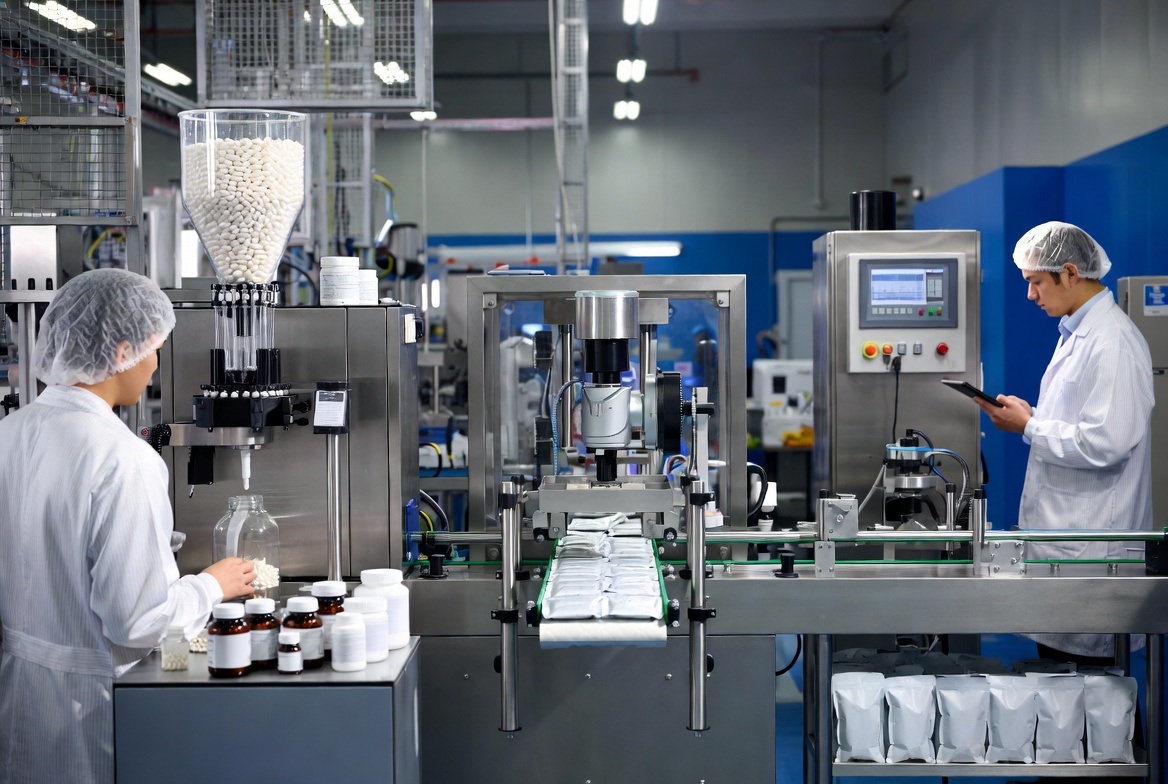
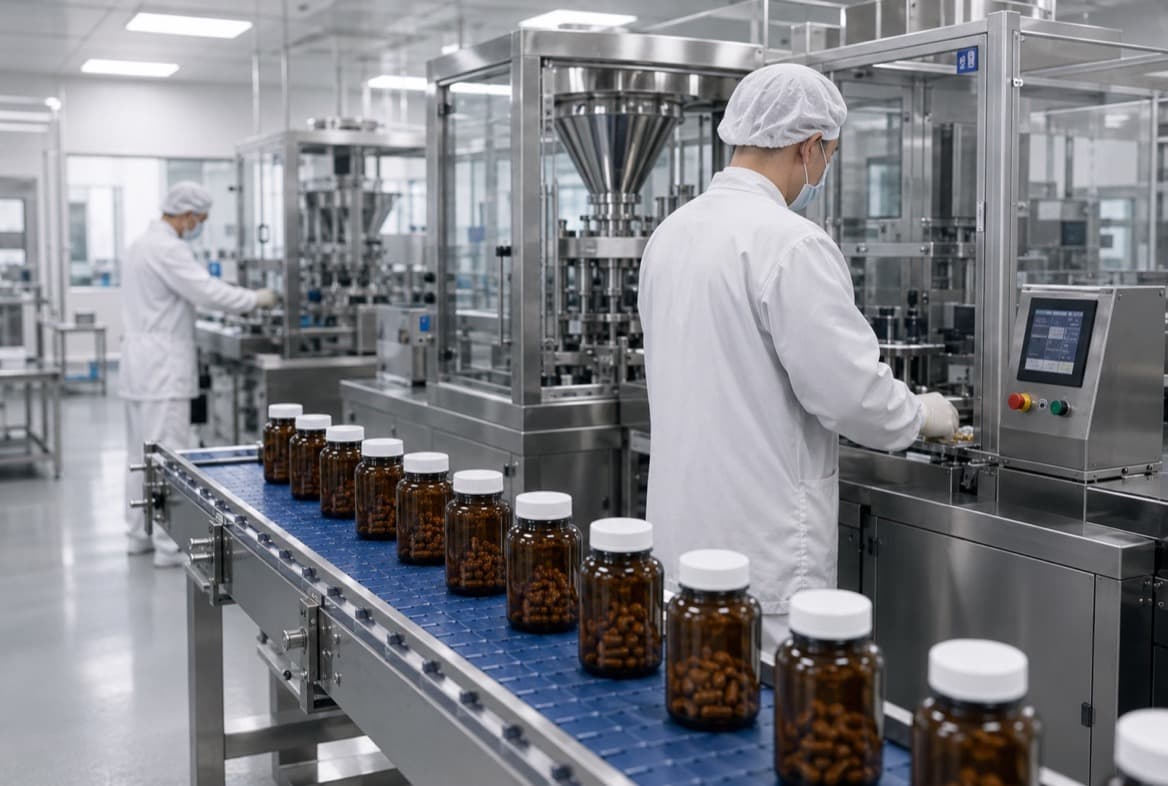
River Pharm Inc. is built for brands that need more than a basic stock formula. We support OEM production from client-provided formulas and custom ODM development from ingredient direction or product goals. Our manufacturing scope includes capsules, sachets, stick packs, and flexible pouch-style formats, which makes it easier to match the product concept with the right delivery system.
For brands entering the stress and sleep category, the real advantage is not just production capacity. It is the ability to convert a market need into a stable, compliant, and commercially useful product. That takes formulation discipline, strong quality control, and clear communication between brand owner and manufacturer.
FAQ
1. What is the difference between OEM and custom ODM?
OEM means the client provides the formula and the manufacturer produces it. Custom ODM means the client provides a reference product, ingredient direction, or functional concept, and the manufacturer develops the formula and produces it.
2. Which format is better for stress and sleep supplements?
Capsules are usually better for compact formulas and simple daily use. Powders and stick packs are better when the brand wants a larger serving size or a ritual-style experience.
3. Can adaptogens be used in sleep formulas?
Yes. Adaptogens are often used in stress and sleep positioning, especially when the formula aims to support relaxation and resilience. The formula still needs to be built carefully around dosage, stability, and compliance.
4. What should brands prepare before requesting a quote?
Brands should define target market, product goal, preferred format, packaging needs, compliance direction, and expected order quantity. This helps speed up development and pricing.
5. Are stress and sleep supplement claims regulated?
Yes. Dietary supplement claims must stay within allowed structure/function boundaries and should not claim to diagnose, treat, cure, or prevent disease. Proper disclaimer language is also required for qualifying supplement claims.
References
1. FDA. Structure/Function Claims. https://www.fda.gov/food/nutrition-food-labeling-and-critical-foods/structurefunction-claims
2. NIH Office of Dietary Supplements. Ashwagandha: Is it helpful for stress, anxiety, or sleep? https://ods.od.nih.gov/factsheets/Ashwagandha-HealthProfessional/
3. PubMed. Dietary Protocols to Promote and Improve Restful Sleep. https://pubmed.ncbi.nlm.nih.gov/40418260/
4. PMC. Herbal and Natural Supplements for Improving Sleep. https://pmc.ncbi.nlm.nih.gov/articles/PMC11321869/
5. PMC. Effect of Ashwagandha (Withania somnifera) extract on sleep. https://pmc.ncbi.nlm.nih.gov/articles/PMC8462692/
6. Maker's Nutrition. Private Label Stress and Sleep Support Supplements. https://www.makersnutrition.com/news/private-label-stress-and-sleep-support-what-supplement-brands-need-to-know
Did you find this helpful?
Comments (0)
No comments yet. Be the first to comment!
Leave a comment
Related Posts
Riverpharm · Supplement Contract Manufacturing
Your supplement brand, manufactured to the highest standard
From first formula to finished product — we handle manufacturing, packaging, and fulfillment so you can focus on building your brand.
Core services
Contract Manufacturing
GMP-certified production with full batch testing and certificate of analysis on every run.
Custom Formulation & R&D
In-house scientists develop your formula from scratch or refine existing blends for efficacy.
Packaging & Labeling
Design-to-print label service — shelf-ready, FDA-compliant, and retail-tested.
FBA Prep & Fulfillment
Amazon-ready prep and direct-to-warehouse shipping — no extra steps on your end.
By the numbers
NSF
NSF/ANSI 455-2 certified
cGMP
Certified environment
24 hr
AI-accelerated quote turnaround
600K
cGMP+ encapsulator capacity per run
Why Riverpharm
Quality systems with higher standards
- NSF/ANSI 455-2 certified
- cGMP-certified environment
- In-house + third-party testing
- Source-locked ingredients
Production capacity with faster execution
- Heavy-duty hardware
- In-house core reserves
- AI-accelerated quotes
- In-house expert hub
Delivery formats we produce
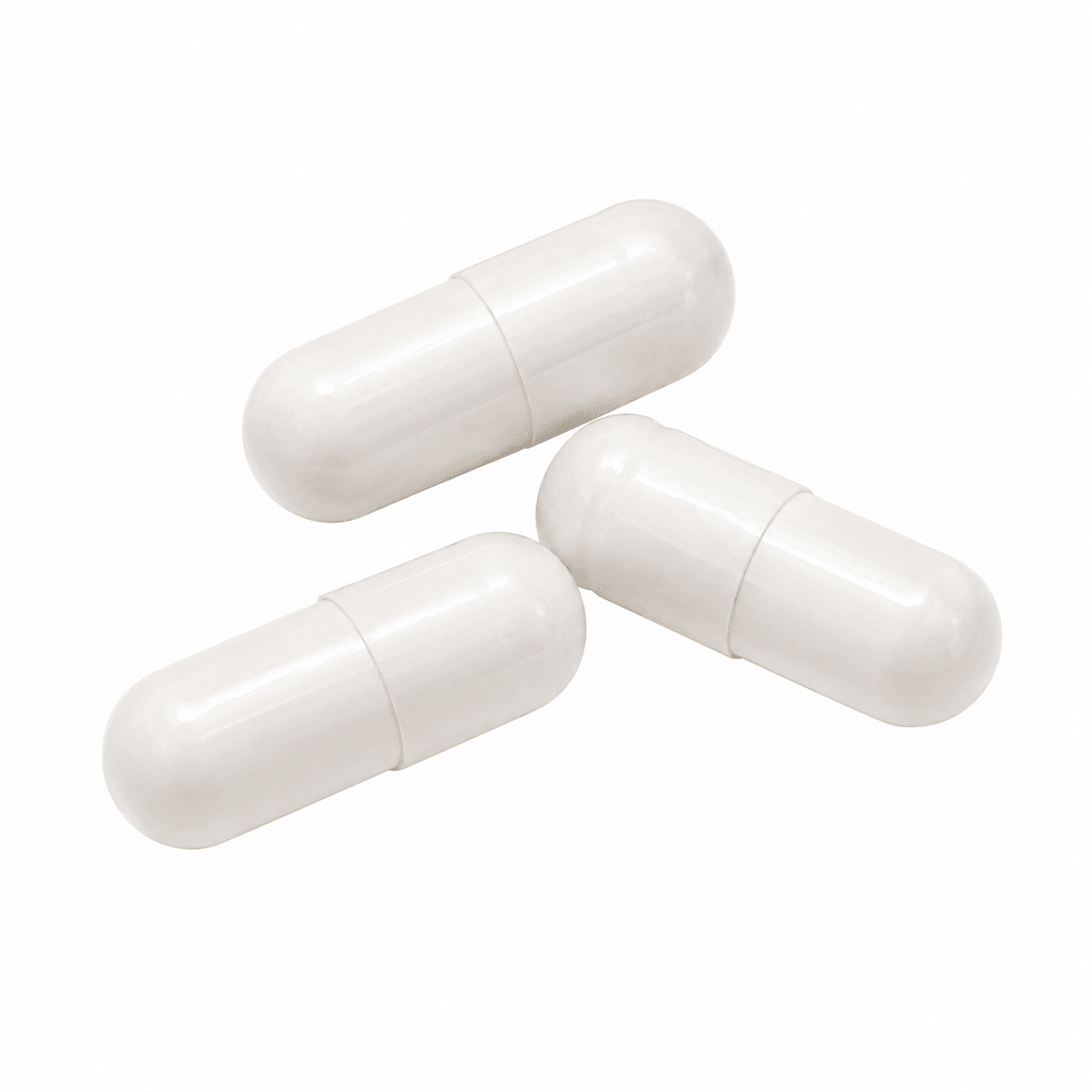
Capsules
Gelatin & HPMC vegetarian
Sachets
Single-dose powder blends
Stick packs
Convenient single-serve
Pouches
Flexible, shelf-ready
Ready to bring your supplement to market?
Free consultation · 24-hour quote · No minimum commitment to get started