Active vs Inactive Ingredients in Capsules: How River Pharm Builds Effective, Stable Supplement Formulas
Learn how active and inactive ingredients work together in capsule supplements, and how River Pharm’s cGMP OEM/ODM processes engineer stability, bioavailability and clean‑label excipient systems for high‑performance, market‑ready capsule formulas.
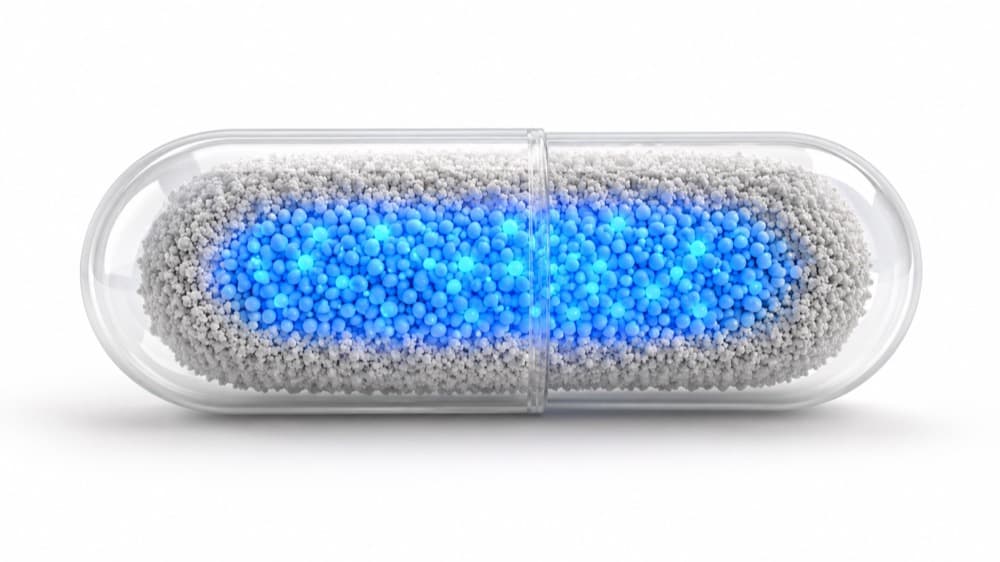
Capsule products are never just about the active ingredient. They succeed or fail based on how well active and inactive ingredients are engineered to work together across the entire cGMP manufacturing process. As an OEM/ODM dietary supplement manufacturer, River Pharm has seen many "good" formulas underperform simply because the excipient system was treated as an afterthought.
In this guide, I will break down what active and inactive ingredients really do inside a capsule, how they influence stability and bioavailability, and how River Pharm's development process helps brands design smarter, safer, and more scalable capsule supplements.
What Are Active Ingredients in Capsules?
Active ingredients are the components in a capsule that are intended to produce a specific physiological effect or health benefit in the body. In dietary supplements, they typically include vitamins, minerals, amino acids, herbal extracts, probiotics, and other bioactive compounds.
From a formulation and manufacturing perspective, an active ingredient must not only demonstrate evidence‑backed functionality, but also be compatible with capsule excipients, encapsulation conditions, and the expected shelf life.
Key characteristics of capsule active ingredients:
- Provide the primary health benefit or functional claim
- Have defined dosage ranges (minimum effective and maximum safe intake)
- Are sensitive to factors like moisture, oxygen, heat, light, and pH
- Often have poor flowability, compressibility, or solubility, which must be corrected with excipients
When brands come to River Pharm with a custom formula through our OEM pathway, the active ingredient set is usually fixed by the brand's R&D or marketing team. Our job is to protect those actives and ensure they can be manufactured consistently at scale.

What Are Inactive Ingredients (Excipients) in Capsules?
Inactive ingredients—also called excipients—are all of the other components in the capsule that are not responsible for the primary health effect. While they are termed "inactive," they play critical functional roles in making the dose form manufacturable, stable, and user‑friendly.
According to regulatory definitions, an inactive ingredient is any component of a drug or supplement product other than the active ingredient in the final dosage form. This includes diluents, binders, disintegrants, lubricants, coatings, and more.
Typical roles of capsule excipients:
- Improve powder flow and uniform filling
- Adjust bulk density and capsule size
- Protect actives from moisture, oxygen, light, and heat
- Control disintegration and dissolution profiles
- Enhance bioavailability for poorly soluble actives
- Improve mouthfeel, taste masking, swallowability, and visual appeal
In many oral solid products, inactive ingredients can represent more than half of the total mass of the capsule. In other words, excipients are not minor; they are the engineering system around your actives.
Why Inactive Ingredients Are Critical for Stability and Bioavailability
In the supplement industry, it is still common to view excipients as "fillers" that simply occupy space. In reality, modern functional excipients can dramatically improve both stability and bioavailability.
Stability: protecting sensitive actives
Many natural actives—such as probiotics, omega‑3s, and botanical polyphenols—are highly sensitive to moisture, heat, and oxidation. Without a well‑designed excipient and packaging system, potency loss during shelf life is inevitable.
Stability‑oriented excipient strategies include:
- Moisture‑scavenging excipients to reduce water activity in the capsule core
- Antioxidant systems in the powder blend or soft sachet packaging
- Buffering agents to maintain a stable micro‑environmental pH
- Flow agents and lubricants that reduce mechanical stress and heat during encapsulation
At River Pharm, we routinely adjust these parameters during pilot runs to secure the right balance between manufacturability and long‑term stability under cGMP conditions.
Bioavailability: helping actives reach the body
Functional excipients can also improve the rate and extent to which an active ingredient becomes available in the body. For example:
- Disintegrants that break the capsule mass apart quickly upon contact with GI fluids
- Solubility‑enhancing excipients such as cyclodextrins or specific polymeric carriers for poorly soluble actives
- Controlled‑release systems that modulate dissolution to improve absorption windows
In poorly soluble actives (e.g., some plant extracts or fat‑soluble vitamins), we frequently design excipient systems that improve dispersion and dissolution, rather than simply increasing the label dose.
River Pharm's cGMP Approach to Active Ingredient Protection
From an OEM/ODM manufacturer's viewpoint, protecting the integrity of active ingredients is a process, not a one‑time decision. River Pharm's cGMP framework connects raw material characteristics, process design, and excipient selection into a unified quality strategy.
1. Raw material and active profile assessment
When a client submits a formula or a reference product, we start with a detailed assessment of the active ingredient profile:
- Physical form (powder, granulate, microencapsulated, etc.)
- Hygroscopicity, thermal sensitivity, and oxidation tendency
- Known incompatibilities with common excipients (e.g., acids, bases, peroxides)
- Regulatory considerations (upper intake levels, target markets)
This informs our process design window: filling speed, target humidity, temperature control, and blending sequence.
2. Process‑compatible excipient design
We then design excipient systems not just for functionality in the body, but for compatibility with the encapsulation process:
- Flow modifiers to achieve uniform capsule fill weights at production speed
- Compressibility enhancers when pre‑compaction or slugging is used
- Anti‑adherents and lubricants to reduce friction and heat at scale
For example, in high‑dosage herbal capsules, we might move from a simple diluent system to a more robust multifunctional excipient matrix to avoid segregation and ensure content uniformity.
3. Packaging and format integration
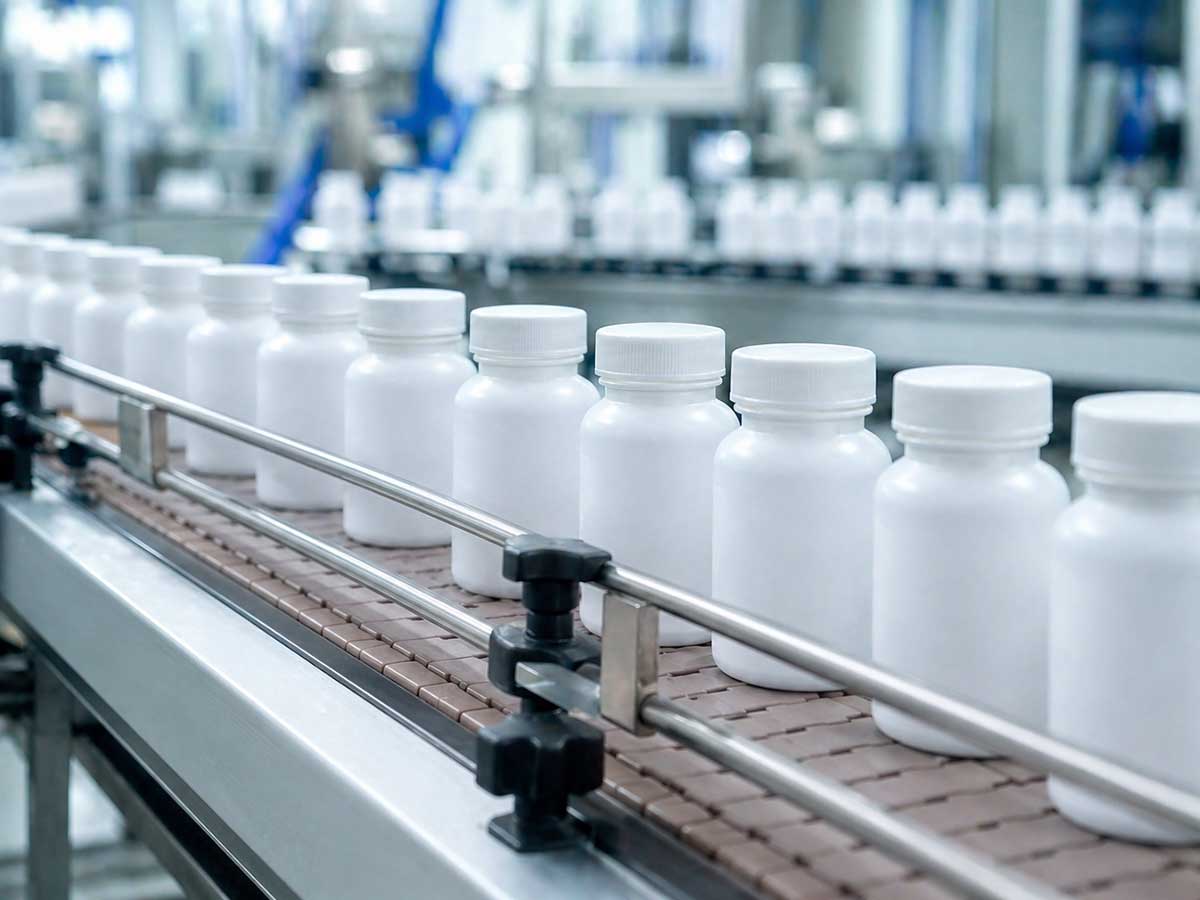
Finally, our protection strategy extends beyond the capsule shell. River Pharm offers capsules, stick packs, sachets, and soft pouch formats, and the packaging choice is directly tied to stability needs:
- Oxygen‑barrier films and desiccant systems for moisture‑sensitive probiotics
- Light‑shielding structures for photo‑sensitive actives
- Multi‑layer laminates for stick packs to balance barrier performance and user experience
We see packaging as a continuation of excipient engineering, not a separate afterthought.
River Pharm's Excipients Selection Standards in Capsule Manufacturing
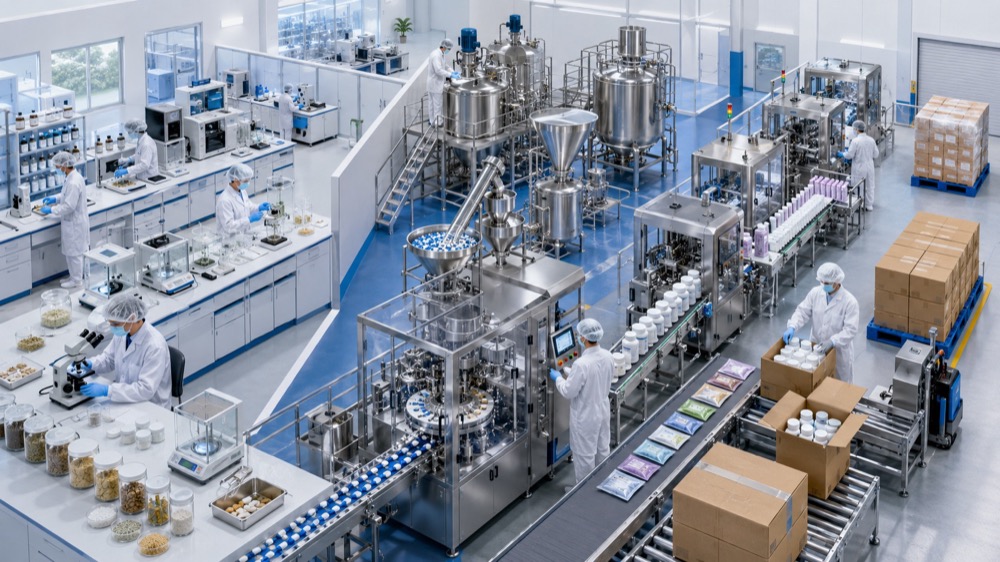
While the FDA's Inactive Ingredient Database (IID) provides a baseline for excipient use and exposure limits, manufacturers still have significant responsibility to choose and control excipients appropriately. At River Pharm, our selection standards for capsule excipients focus on functionality, safety, and brand positioning.
Functional and safety criteria
Our internal criteria for excipients used in cGMP capsule lines include:
- Regulatory acceptability in target markets and alignment with IID when applicable
- Functional necessity, avoiding unnecessary additives that complicate labels
- Stability contribution under realistic storage conditions
- Known allergen and intolerance risk, including lactose, gluten, and specific sugars
Research has shown that many oral products contain potential allergens or intolerant excipients, including lactose, certain dyes, and FODMAP sugars. We therefore pay careful attention to excipient profiles when clients target sensitive consumer segments.
Brand and consumer‑centric considerations
Today's supplement consumers are increasingly label‑aware. Brands often want "cleaner label" excipient systems that avoid controversial components while still enabling robust manufacturing. River Pharm supports this by:
- Providing alternative excipient systems (e.g., plant‑based, allergen‑reduced)
- Prioritizing multi‑functional excipients to minimize total ingredient count
- Aligning capsule shell materials (e.g., gelatin vs. vegetarian options) with brand positioning
This is particularly important in ODM projects where we design the formulation to meet both performance and market expectations from day one.
OEM vs Custom ODM: How Active and Inactive Ingredient Decisions Differ
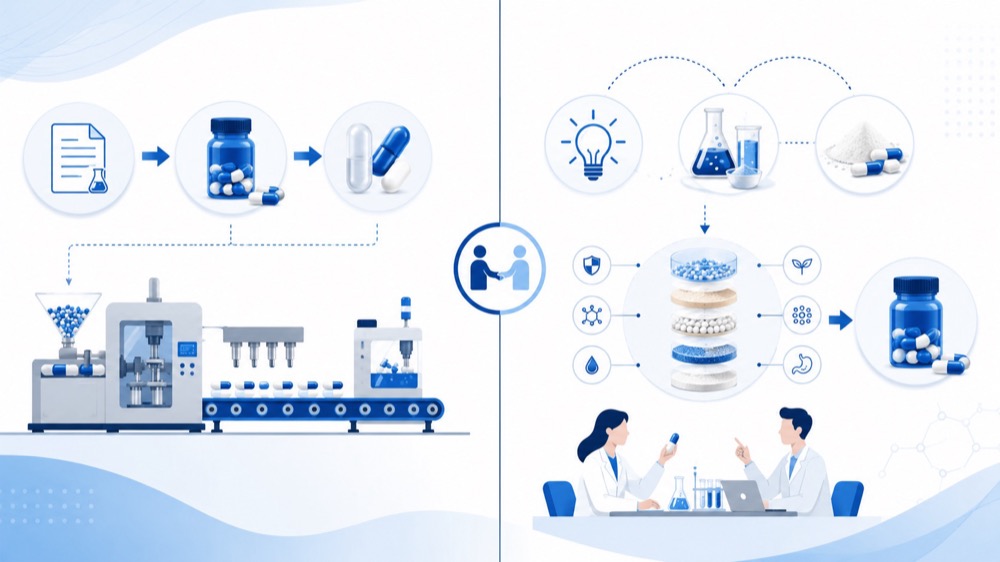
Because River Pharm offers both OEM (you provide the formula) and custom ODM (you provide the direction, we develop the formula) services, our role in active vs inactive ingredient decisions differs by model.
OEM: you define actives, we engineer manufacturability
In OEM projects:
- The active ingredient set and dosages are typically defined by the client.
- We assess manufacturability, stability risks, and regulatory feasibility.
- Our primary influence is in optimizing excipients, process parameters, and packaging.
We will recommend adjustments when actives pose obvious manufacturability or stability issues, but the core active profile remains client‑driven.
Custom ODM: we co‑design both actives and excipients
In custom ODM projects (no generic white‑label / public molds, fully custom):
- The client provides a functional direction, target claims, or reference products.
- River Pharm designs the active ingredient system and excipients holistically.
- We can incorporate advanced functional excipients early to support specific performance goals (e.g., faster onset, better stability under ambient shipping conditions).
This often results in more robust products that scale smoothly, with fewer surprises during tech transfer and commercial launch.
Practical Steps for Brands: How to Evaluate Active vs Inactive Ingredient Choices
From a brand or formulation owner perspective, you can de‑risk capsule projects by systematically reviewing both active and inactive ingredient decisions.
Step 1: Clarify your functional and regulatory targets
- Define primary health benefits and supporting evidence for each active.
- Align dosages with recognized guidelines and upper intake levels.
- Confirm target markets and associated regulatory frameworks early.
Step 2: Map stability and bioavailability risks
- Identify heat, moisture, and oxidation sensitivity for each active.
- Flag poorly soluble actives that may need functional excipients for better dissolution or dispersion.
- Discuss shelf‑life targets and realistic distribution conditions with your manufacturer.
Step 3: Review excipient lists with your cGMP partner
- Ask for the functional role of each excipient, not just its name.
- Screen for allergens, intolerances, and consumer‑sensitive components in advance.
- Explore "cleaner label" alternatives when feasible, understanding trade‑offs.
Step 4: Integrate packaging into your stability strategy
- Match capsule formulas with suitable packaging (bottles, blisters, sachets, stick packs, pouches) to protect actives.
- Consider barrier needs, desiccant systems, and labeling implications early.
Working with a partner like River Pharm allows you to turn these steps into a structured development process, rather than ad‑hoc decisions made under launch pressure.
Expert Insight: Common Capsule Formulation Pitfalls We See (and How to Avoid Them)
Drawing on River Pharm's capsule projects, several recurring pitfalls emerge when brands treat active and inactive ingredients in isolation:
- Overloaded actives with no excipient strategy
Formulas that push maximum active loading without sufficient attention to flow, compressibility, or stability often suffer from poor yield, weight variability, or rapid potency loss.
- Ignoring known excipient‑related intolerances
Research indicates that many oral products contain excipients that can trigger allergies or intolerances in specific populations, including lactose, dyes, and certain sugars. For sensitive consumer segments, this can quickly become a brand risk.
- Packaging chosen for marketing, not stability
Capsules with moisture‑sensitive actives placed in aesthetically pleasing but low‑barrier packaging frequently underperform over shelf life.
- Late‑stage formula changes
Rushing excipient changes after stability issues appear can require revalidation, updated documentation, and potential label changes. Involving your OEM/ODM partner early reduces this risk.
Avoiding these pitfalls starts with recognizing that both active and inactive ingredients are strategic levers—not just technical details.
Call to Action: Partner With River Pharm for Smarter Capsule Formulation
If you are planning a new capsule supplement or optimizing an existing SKU, the way you balance active and inactive ingredients will directly impact product performance, scalability, and regulatory comfort.
River Pharm can work with you either as an OEM partner—manufacturing your existing formulas under cGMP standards—or as a custom ODM developer, helping you design evidence‑driven active profiles and robust excipient systems tailored to your brand strategy.
If you would like to review an existing formula or explore a new concept, consider sharing your target actives, desired claims, and packaging preferences so that we can propose a technically sound, market‑ready capsule solution.
FAQs: Active vs Inactive Ingredients in Capsules
1. Are inactive ingredients really "inactive"?
From a pharmacological standpoint, inactive ingredients do not provide the primary health effect, but they are functionally active in terms of stability, manufacturability, and bioavailability. Some excipients can also trigger allergies or intolerances in sensitive individuals.
2. How much of a capsule is made up of inactive ingredients?
In many oral dosage forms, inactive ingredients can represent more than half of the total mass, and in some formulations up to 90–99%. The exact proportion depends on potency, density, and processability of the active ingredients.
3. How does River Pharm choose excipients for a new capsule formula?
We start from the active profile, stability needs, and regulatory targets, then select excipients that provide necessary functions—flow, disintegration, protection—while minimizing allergen risk and aligning with the brand's positioning. All choices must be justifiable under cGMP and relevant regulatory frameworks.
4. Can I request "clean label" excipient systems for my capsules?
Yes. Many brands now request plant‑based, allergen‑reduced, or simplified excipient systems. River Pharm can propose alternative excipients or multi‑functional materials to reduce total ingredient count, while still achieving acceptable manufacturability and stability. Trade‑offs will be discussed early in development.
5. What is the difference between River Pharm's OEM and custom ODM capsule services?
In OEM, you provide a complete formula and we focus on cGMP manufacturing, optimization of excipients, and process parameters. In custom ODM, you provide a concept or target benefits, and River Pharm develops both the active ingredient system and excipient matrix from scratch, without using generic white‑label molds, to create a differentiated product tailored to your brand strategy.
References
1. U.S. Food & Drug Administration. "Inactive Ingredients in Approved Drug Products Search (IID)." [fda]
2. U.S. Food & Drug Administration. "Using the Inactive Ingredient Database: Guidance for Industry." [fda]
3. Tablets & Capsules. "Quick Look: The Role of Functional Excipients." 2024. [tabletscapsules]
4. Colorcon. "What Are Excipients? 9 Common Examples." 2024. [colorcon]
5. MIT News. "Inactive ingredients may not be, study finds." 2019. [news.mit]
6. Australian Government, Department of Health. "About active and inactive medicine ingredients." 2025. [health.gov]
7. Research & Reviews in Pharmacy and Pharmaceutical Sciences. "Excipients used in the Formulation of Tablets." 2016. [rroij]
Hot tags: Capsule OEM Manufacturing, Capsule ODM Development, Dietary Supplement Manufacturer, Capsule Excipients Selection, Active And Inactive Ingredients, cGMP Supplement Factory, Custom Capsule Formulation, B2B Supplement Partner, Private Label Capsule Alternatives, Nutritional Supplement Contract Manufacturing
Did you find this helpful?
Comments (0)
No comments yet. Be the first to comment!
Leave a comment
Related Posts

Riverpharm · Supplement Contract Manufacturing
Your supplement brand, manufactured to the highest standard
From first formula to finished product — we handle manufacturing, packaging, and fulfillment so you can focus on building your brand.
Core services
Contract Manufacturing
GMP-certified production with full batch testing and certificate of analysis on every run.
Custom Formulation & R&D
In-house scientists develop your formula from scratch or refine existing blends for efficacy.
Packaging & Labeling
Design-to-print label service — shelf-ready, FDA-compliant, and retail-tested.
FBA Prep & Fulfillment
Amazon-ready prep and direct-to-warehouse shipping — no extra steps on your end.
By the numbers
NSF
NSF/ANSI 455-2 certified
cGMP
Certified environment
24 hr
AI-accelerated quote turnaround
600K
cGMP+ encapsulator capacity per run
Why Riverpharm
Quality systems with higher standards
- NSF/ANSI 455-2 certified
- cGMP-certified environment
- In-house + third-party testing
- Source-locked ingredients
Production capacity with faster execution
- Heavy-duty hardware
- In-house core reserves
- AI-accelerated quotes
- In-house expert hub
Delivery formats we produce
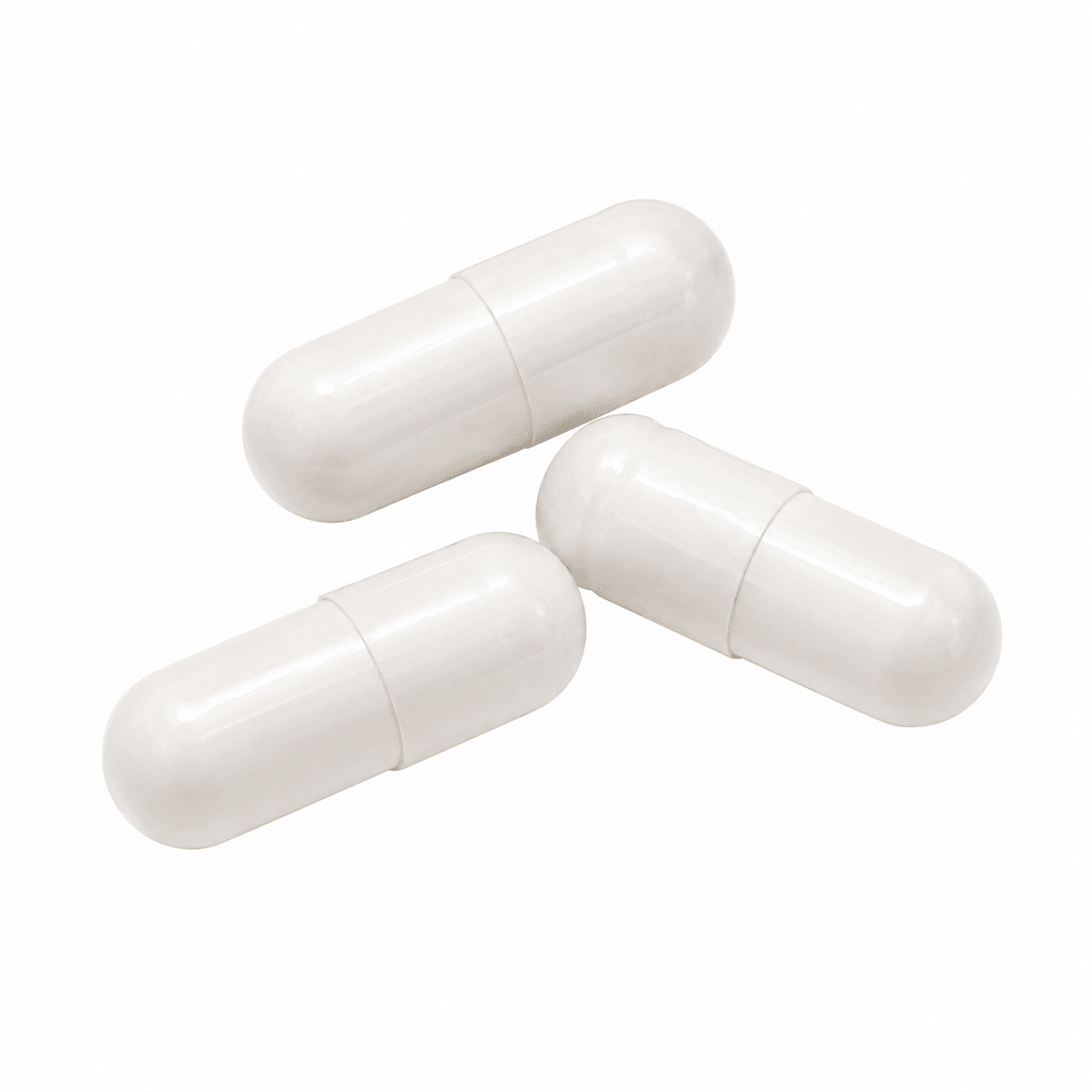
Capsules
Gelatin & HPMC vegetarian
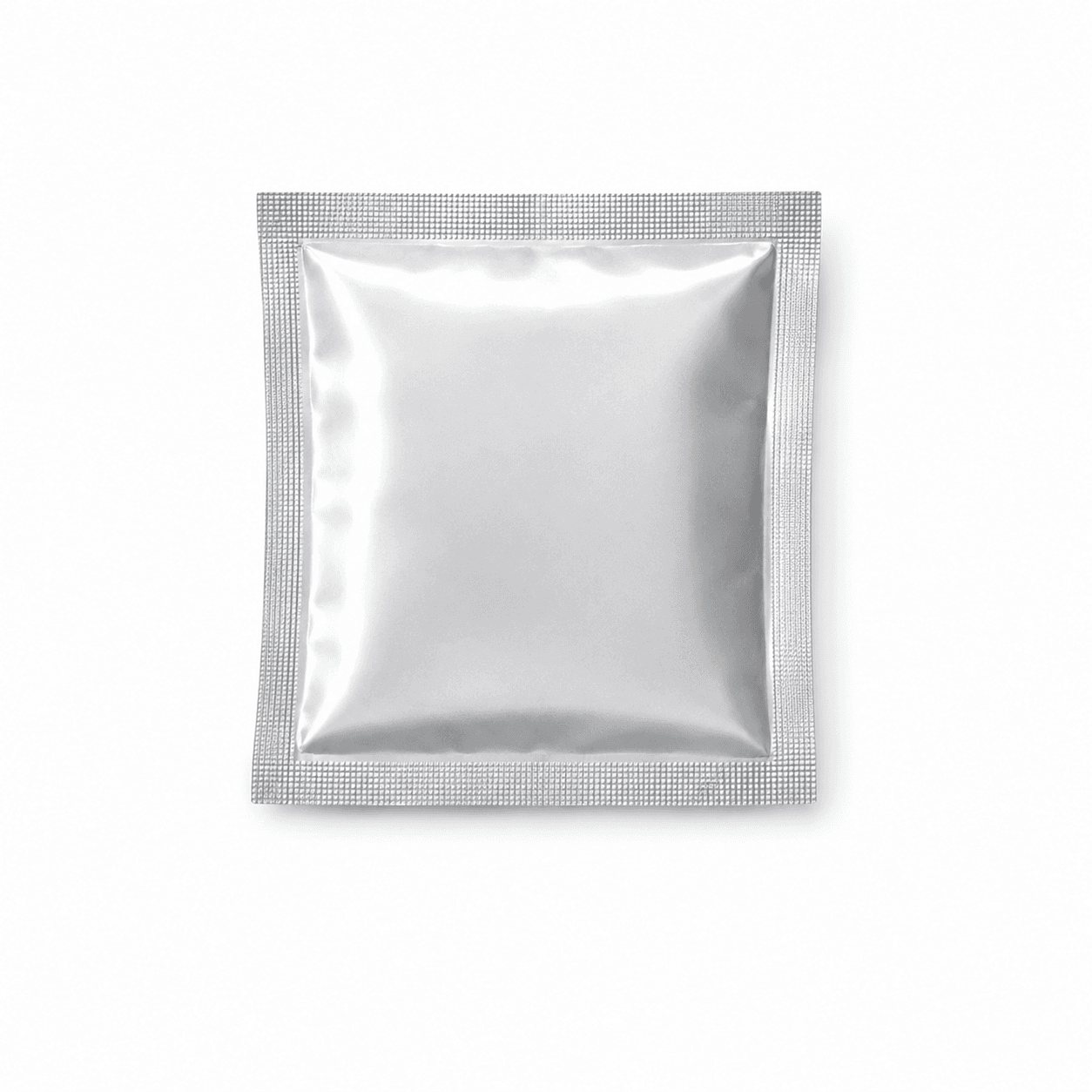
Sachets
Single-dose powder blends
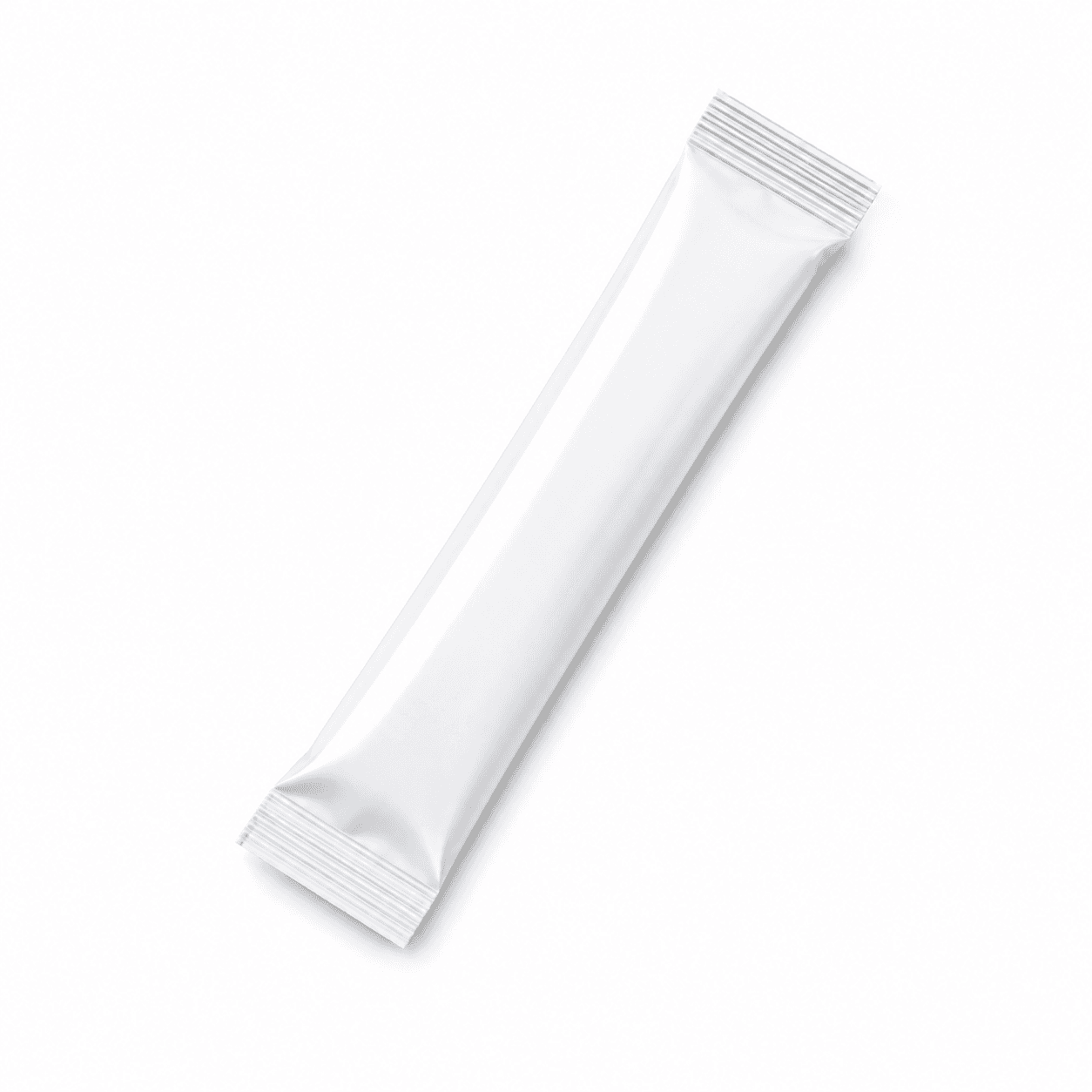
Stick packs
Convenient single-serve
Pouches
Flexible, shelf-ready
Ready to bring your supplement to market?
Free consultation · 24-hour quote · No minimum commitment to get started