Prebiotic Gut Health Supplements: Inulin, Chicory Root and Advanced OEM/ODM Manufacturing for B2B Brands
Evidence‑driven guide for B2B brands on prebiotic gut health supplements. Learn how inulin and chicory root support the microbiome, key regulatory points, and how River Pharm Inc. delivers OEM/ODM powders, capsules, and stick packs aligned with current science and quality standards.
Prebiotics and Gut Health: What Serious Brands Need to Know
In the last decade, prebiotics have transformed from a niche fiber category into a core building block of gut health portfolios across global supplement and functional food brands. For B2B players, this shift represents a clear opportunity to create differentiated products that connect microbiome science with everyday consumer benefits such as digestive comfort, regularity, metabolic support and overall wellness.
Unlike probiotics, which introduce live microorganisms into the body, prebiotics are non‑digestible ingredients that selectively stimulate the growth and activity of beneficial bacteria already present in the colon. This "feed the microbiome" approach has strong appeal to consumers who want a more natural, nutrition‑driven way to support their gut ecosystem. Brands that understand how to translate this science into well‑designed prebiotic products are in a powerful position to lead the next wave of gut health innovation.

Inulin and Chicory Root: The Science Backbone of Modern Prebiotics
Among the many prebiotic candidates, inulin and chicory root stand out as two of the most studied and commercially relevant ingredients in the supplement space. Inulin is a type of carbohydrate known as a fructan, composed of chains of fructose units that humans cannot digest in the small intestine. Instead, inulin arrives intact in the colon, where it becomes a high‑value food source for beneficial bacteria such as Bifidobacteria.
Chicory root is one of the primary botanical sources of inulin‑type fructans used in foods and supplements. It provides a fiber‑rich matrix that is naturally aligned with digestive health positioning and can be labeled in consumer‑friendly ways. Research on chicory root and chicory‑derived inulin has associated their intake with improvements in bowel function, changes in gut microbiota composition and, in specific contexts, favorable effects on metabolic markers such as glucose and lipid parameters.
For brand owners, this combination of strong scientific backing, label familiarity and functional versatility makes chicory‑derived inulin an ideal cornerstone ingredient for prebiotic gut health lines.
Regulatory and Claim Considerations for Prebiotic Brands
Before scaling a gut health line, brands must navigate the regulatory framework that governs dietary supplements and functional foods in their target markets. In the United States, prebiotics are typically regulated as dietary ingredients within foods or supplements. Non‑digestible carbohydrates can be classified as dietary fiber when they demonstrate beneficial physiological effects, such as improved laxation, reduced blood glucose response or other recognized outcomes.
From a claims perspective, prebiotic products in the U.S. generally rely on structure/function language rather than disease claims. Typical statements include supporting digestive health, helping maintain a healthy gut microbiome, or promoting regularity. These claims must be truthful, not misleading and supported by competent and reliable scientific evidence. While finished‑product clinical trials are ideal, many brands rely on robust ingredient‑level data to substantiate their formulas and marketing messages.
Working closely with a manufacturing partner that understands current regulatory expectations, documentation requirements and labeling standards is critical. This ensures that your prebiotic product not only performs in the market but also withstands scrutiny from regulators, retailers and informed consumers.
From Concept to Formula: Strategic Prebiotic Product Design
The most successful prebiotic launches do not start with a single ingredient; they start with a clearly defined use case and end‑user. Only then do they translate that vision into evidence‑aligned ingredient systems and executable manufacturing specifications.
A structured formulation strategy typically includes questions such as:
- What is the primary outcome: digestive comfort, bowel regularity, microbiome support, weight management support or metabolic health?
- Who is the target user: general adults, athletes, individuals with sedentary lifestyles, or consumers with specific digestive sensitivities?
- How should the product be used: once daily, divided doses throughout the day, or integrated into existing routines such as breakfast or post‑workout?
Different prebiotic fibers offer distinct fermentation profiles and sensory characteristics. Inulin from chicory root provides a strong bifidogenic effect and a solid evidence base for gut health and metabolic applications. Other fibers, such as fructooligosaccharides (FOS), galactooligosaccharides (GOS) or resistant starch, can complement inulin by altering the fermentation speed, gas production, and location of fermentation along the colon. A thoughtful combination of fibers can improve tolerability, broaden the spectrum of microbiota changes and support more nuanced claims.
In practice, dose and tolerability are crucial. Many consumers benefit from gram‑level daily intakes of inulin‑type fructans, but sensitive users may experience gas or bloating if the dose is increased too quickly. Effective product design often includes clear usage instructions and titration guidance to help users ramp up slowly and stay compliant.
Manufacturing‑Oriented Considerations: Making Prebiotic Formulas Work at Scale
From a manufacturing perspective, prebiotic ingredients present both opportunities and challenges. Inulin and chicory root powders can influence flowability, hygroscopicity, compression and solubility in ways that affect how they behave on production lines and in finished products.
Key technical aspects a manufacturer must consider include:
- Particle size and distribution, which impact blend uniformity, flow properties and mouthfeel.
- Moisture content and water activity, which affect stability, caking tendencies and microbial safety over shelf life.
- Compatibility with other ingredients such as probiotics, botanicals, enzymes, vitamins and minerals.
- Sensory characteristics including sweetness, texture and aftertaste, especially in flavored powders and stick packs.
A prebiotic formula that looks excellent on paper but fails to run smoothly on high‑speed equipment will create delays, cost overruns and inconsistent product quality. That is why collaboration between formulation scientists and process engineers is essential from the earliest stages of development. For B2B brands, working with an OEM/ODM partner that integrates formulation expertise with practical production experience can dramatically reduce time to market and minimize iteration cycles.
Key Product Formats: Powders, Capsules and Stick/Sachet Packs
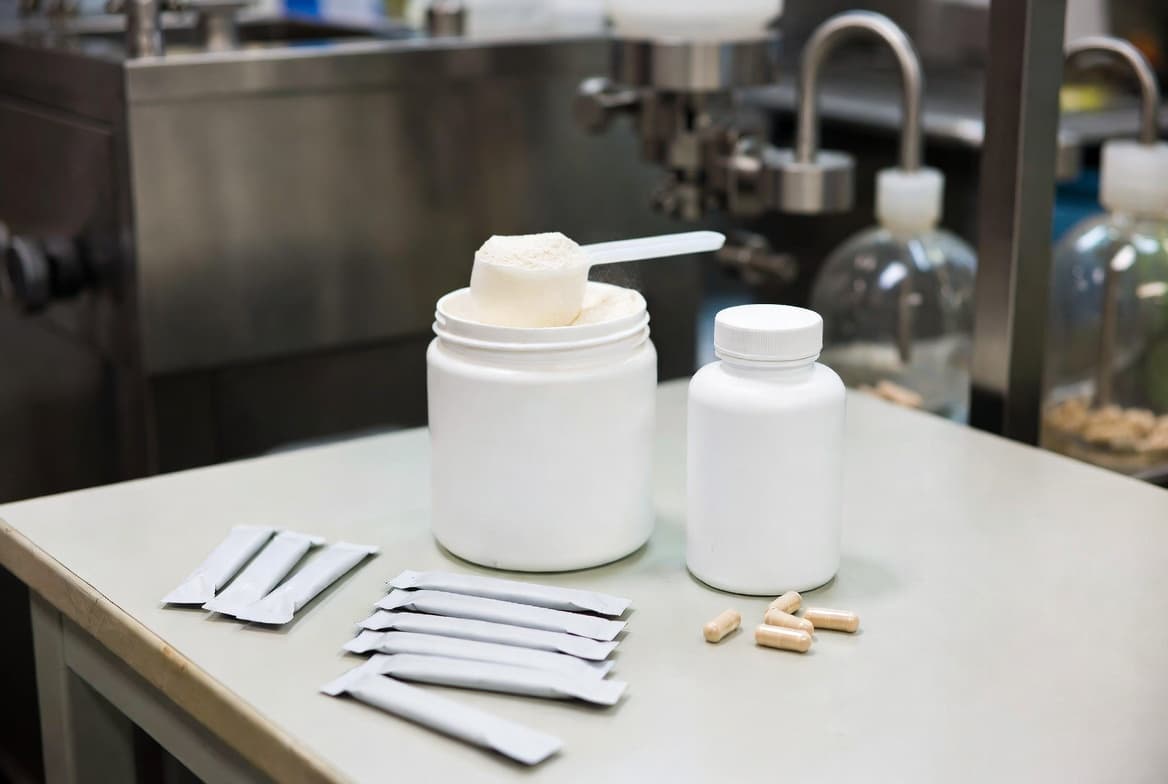
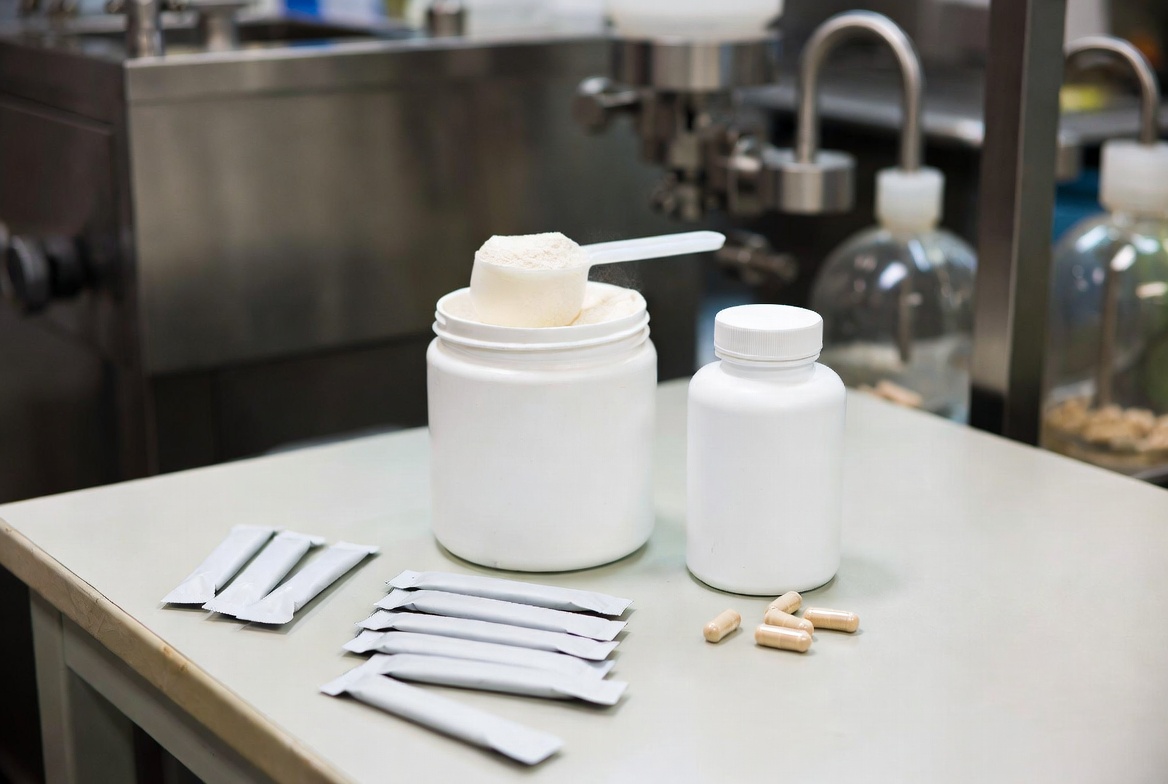
Prebiotic ingredients lend themselves to multiple dosage forms, each aligned with different consumer preferences and channel strategies. River Pharm Inc. focuses on delivering high‑quality prebiotic gut health products in formats that match real‑world usage patterns.
Prebiotic Powder Blends
Powdered blends are ideal when brands need flexible dosing and the ability to combine prebiotics with other functional ingredients. Typical applications include daily gut health drink mixes, metabolic or satiety‑support formulas and comprehensive wellness blends that combine fibers with proteins, plant extracts or micronutrients.
In powder formulations, inulin and chicory root provide not only fiber but also textural and organoleptic functions. They can contribute to mouthfeel, body and mild sweetness, reducing the need for additional excipients. At the same time, powders require careful management of flow properties, dusting, agglomeration behavior and flavor masking to maintain consistent quality across large production runs.
Prebiotic Capsules and Tablets
Capsules and tablets remain popular for their simplicity, portability and precise dosing. This format is well suited for standardized inulin‑based blends, multi‑fiber combinations and complex digestive formulas that incorporate enzymes or botanicals.
From a manufacturing standpoint, prebiotic capsules and tablets require optimized granulation, compression and encapsulation parameters. The high fiber load must be balanced with suitable excipients to ensure content uniformity and mechanical strength without compromising label preferences. A well‑designed capsule or tablet product gives consumers an easy way to maintain a daily prebiotic habit without changing their diet or routine.
Stick Packs and Small Sachets
Single‑serve stick packs and sachets have become a leading format for prebiotic and gut health products in many markets. They support on‑the‑go lifestyles, subscription models and cross‑channel distribution from online to retail and clinic settings.
These small‑dose packaging solutions demand precise filling, excellent powder flow and consistent particle size distribution. Moisture control is particularly important to prevent clumping and to maintain taste and solubility. When executed correctly, stick packs and sachets can deliver a highly convenient, premium‑feeling prebiotic experience that encourages daily adherence.
Custom ODM Development: From Benchmark to Differentiated Product
River Pharm Inc. does not offer generic private‑label templates for prebiotic products. Instead, its custom ODM services are designed for brands that bring a target direction, benchmark product or functional goal and want a tailored, science‑informed formula built around that brief.
A typical ODM collaboration follows a clear, professional workflow:
1. Concept and Market Definition
The brand and technical team clarify the target market, key benefits, desired claims and competitive landscape. Benchmark products are analyzed to identify strengths, weaknesses and gaps.
2. Evidence‑Aligned Ingredient Strategy
Based on the concept, the formulation team selects appropriate prebiotic fibers (for example, chicory‑derived inulin alone or in combination with other fibers) and any complementary ingredients. Scientific literature, safety data and regulatory constraints are considered to ensure that the formulation supports the intended positioning.
3. Prototype Development and Internal Testing
Lab‑scale prototypes are produced in the chosen format: powder, capsule, stick pack or sachet. These prototypes are evaluated for taste, texture, solubility, tolerability and technical feasibility. Iterations refine both performance and sensory profile.
4. Scale‑Up, Validation and Documentation
Once the prototype is approved, process parameters are optimized for full‑scale production. Stability, packaging compatibility and quality control specifications are validated. The brand receives technical data needed for labels, regulatory notifications and quality assurance processes.
This structured approach ensures that every custom prebiotic product is built on a solid foundation of science, manufacturability and market fit.

OEM Manufacturing: Executing Your Existing Prebiotic Formulas
For brands that already have validated formulations, River Pharm Inc. provides OEM manufacturing services that focus on consistent execution, quality and scalability. In this model, the client provides the formula, and the manufacturing team takes responsibility for sourcing qualified ingredients, establishing production parameters and delivering finished products that meet specification.
Key OEM value points for prebiotic supplements include:
- Reliable sourcing of chicory‑derived inulin and other fibers with defined quality attributes.
- Reproducible blending, encapsulation and filling processes that protect fiber integrity.
- Robust in‑process controls and final testing to verify weight, content uniformity, microbial safety and packaging integrity.
- Flexible batch sizes and packaging options to support both pilot launches and large‑scale distribution.
This model is particularly suited to brands transitioning from smaller facilities to industrial‑scale production or those expanding their lines into new regions while maintaining formula continuity.
Market Momentum: Why Now Is the Time to Upgrade Your Prebiotic Line
Demand for gut health solutions continues to expand worldwide, driven by consumer awareness of the microbiome, interest in holistic well‑being and growing recognition of the link between digestive function, mood, immunity and metabolic health. Within this context, prebiotics occupy a strategic position as backbone ingredients that can be integrated into multiple categories, from dietary supplements to functional foods and beverages.
At the same time, competition has intensified. Many markets are now crowded with basic fiber products and simplistic claims. Brands that want to stand out need to move beyond generic formulations and shallow messaging. The next wave of growth will belong to companies that combine:
- Evidence‑aligned ingredient choices centered on well‑studied fibers such as chicory‑derived inulin.
- Sophisticated formulation strategies that address real‑world tolerability and usage patterns.
- Strong manufacturing partners capable of delivering consistent quality across formats and markets.
For many B2B players, this is the ideal moment to evaluate existing gut health portfolios, close scientific and technical gaps and move toward products that can sustain premium positioning over the long term.
UX‑Driven Labeling and Communication for Prebiotic Products
Scientific strength and manufacturing quality are essential, but user experience ultimately determines repeat purchase. Content, labeling and digital touchpoints should make prebiotic products easy to understand, easy to use and easy to trust.
Leading brands in this space tend to:
- Use clear, benefit‑focused language rather than relying solely on technical jargon.
- Explain in simple terms what prebiotics do, how they should be taken and what users can realistically expect over time.
- Provide practical guidance on starting dose, titration and possible initial digestive sensations as the microbiome adapts.
- Highlight key facts such as inulin source, fiber content per serving and any complementary ingredients that support the overall benefit story.
This type of transparent, educational communication reduces anxiety, aligns expectations and encourages consistent daily use, which is crucial for realizing the full value of a prebiotic regimen.
Why Partner with River Pharm Inc. for Prebiotic Gut Health Projects
River Pharm Inc. specializes in the research, development and production of dietary and nutritional supplements as an OEM/ODM manufacturer. For prebiotic gut health projects, the company integrates formulation science, regulatory awareness and industrial‑scale manufacturing capabilities to support brands at different stages of growth.
For OEM engagements, River Pharm Inc. manufactures according to the client's formula and specifications, focusing on quality systems, ingredient control and reliable execution. For custom ODM collaborations, the company works with brands from concept through commercialization, building differentiated prebiotic solutions in powder, capsule, stick pack and sachet formats.
If you are planning to launch a new prebiotic gut health line, optimize an existing formula to reflect the latest science, or expand into new formats and channels, partnering with an experienced prebiotic manufacturer can significantly reduce risk and accelerate time to market. River Pharm Inc. is positioned to help align science, regulation and production into a cohesive, scalable solution that supports both your brand story and your long‑term business goals.
Call to Action: Map Your Prebiotic Gut Health Roadmap
For brand owners, product managers and formulation leads, this is a pivotal time to strengthen your position in the gut health category. Rather than waiting for competitors to define the standards in prebiotic quality and performance, you can set those standards yourself.
Reach out to River Pharm Inc. to:
- Review your current prebiotic and gut health portfolio.
- Identify opportunities for science‑aligned reformulation, line extension or format diversification.
- Scope an OEM or custom ODM project tailored to your target market, claims strategy and growth ambitions.
A focused conversation today can be the first step toward a next‑generation prebiotic product line that your customers understand, trust and consistently choose.
FAQs
1. What is the main difference between prebiotics and probiotics in supplements?
Prebiotics are non‑digestible ingredients, often fibers, that nourish beneficial bacteria already present in the gut, whereas probiotics supply live microorganisms. Prebiotics focus on feeding and shaping the microbiome, while probiotics focus on adding specific strains.
2. Why are inulin and chicory root so common in prebiotic products?
Inulin and chicory root have been widely studied and shown to support beneficial gut bacteria, bowel function and certain metabolic outcomes. They offer a strong combination of scientific backing, versatile functionality and consumer‑friendly labeling.
3. How should brands think about dosing for prebiotic supplements?
Effective daily doses for inulin‑type prebiotics typically fall in the gram range, but the exact level depends on the target benefit, product format and user tolerability. Many brands provide titration instructions so new users can gradually increase their intake.
4. Which dosage forms are best for prebiotic gut health products?
Powder drink mixes, capsules, tablets and single‑serve stick or sachet packs are all viable. The best choice depends on user preferences, positioning and channel strategy. Many brands use multiple formats to reach different segments of their audience.
5. Do brands need clinical trials on the finished product to make prebiotic claims?
Not all markets require finished‑product clinical trials for basic structure/function claims, but all claims must be supported by reliable evidence. Robust ingredient‑level data is a common foundation, and product‑level studies can be a strong differentiator in competitive or professional channels.
References
1. U.S. Food and Drug Administration. Guidance for Industry: Complementary and Alternative Medicine Products and Their Regulation by the Food and Drug Administration.
2. Veronese N, et al. Revisiting the Use of the Fiber‑Rich Cichorium intybus L. Inulin for Health Promotion. National Institutes of Health / PubMed Central.
https://pmc.ncbi.nlm.nih.gov/articles/PMC7360457/
3. International Probiotics Association. Prebiotic Regulatory Guide – US.
https://prebioticassociation.org/prebiotic-regulatory-guide/us/
4. Genta SB, et al. Effects of the Extract from Roasted Chicory (Cichorium intybus L.) Root on Metabolic Parameters and Bowel Function. National Institutes of Health / PubMed Central.
https://pmc.ncbi.nlm.nih.gov/articles/PMC4488567/
5. Neyrinck AM, et al. Interest of Inulin in Obesity: Comparison of the Prebiotic Effect of Edible‑Food Sources versus Purified Inulin from Chicory Root. PubMed.
https://pubmed.ncbi.nlm.nih.gov/40186782/
6. Baets D, et al. A Case Study of Root Chicory for Inulin Production. National Institutes of Health / PubMed Central.
https://pmc.ncbi.nlm.nih.gov/articles/PMC9582860/
7. Holscher HD, et al. Dried Chicory Root Improves Bowel Function and Benefits Intestinal Health in Subjects at Risk for Type 2 Diabetes. National Institutes of Health / PubMed Central.
https://pmc.ncbi.nlm.nih.gov/articles/PMC11407914/
8. Roberfroid M, et al. Health Effects and Mechanisms of Inulin Action in Human Nutrition. National Institutes of Health / PubMed Central.
https://pmc.ncbi.nlm.nih.gov/articles/PMC11397174/
9. Nwafor IC, et al. Chemical Composition and Nutritive Benefits of Chicory (Cichorium intybus L.). National Institutes of Health / PubMed Central.
https://pmc.ncbi.nlm.nih.gov/articles/PMC5745685/
10. Kellow NJ, et al. The Effects of Chicory Inulin‑Type Fructans Supplementation on Weight and Metabolic Parameters. National Institutes of Health / PubMed Central.
https://pmc.ncbi.nlm.nih.gov/articles/PMC11600113/
Hot Tags: Prebiotic Supplement Manufacturer, Inulin Chicory Root Prebiotics, Gut Health OEM Services, Prebiotic Supplement ODM, B2B Nutraceutical Manufacturing, Custom Prebiotic Formulation, Prebiotic Powder Stick Packs, Gut Health Capsule Production, Dietary Fiber Contract Manufacturing, Microbiome Focused Supplement Brand
Did you find this helpful?
Comments (0)
No comments yet. Be the first to comment!
Leave a comment
Related Posts


Riverpharm · Supplement Contract Manufacturing
Your supplement brand, manufactured to the highest standard
From first formula to finished product — we handle manufacturing, packaging, and fulfillment so you can focus on building your brand.
Core services
Contract Manufacturing
GMP-certified production with full batch testing and certificate of analysis on every run.
Custom Formulation & R&D
In-house scientists develop your formula from scratch or refine existing blends for efficacy.
Packaging & Labeling
Design-to-print label service — shelf-ready, FDA-compliant, and retail-tested.
FBA Prep & Fulfillment
Amazon-ready prep and direct-to-warehouse shipping — no extra steps on your end.
By the numbers
NSF
NSF/ANSI 455-2 certified
cGMP
Certified environment
24 hr
AI-accelerated quote turnaround
600K
cGMP+ encapsulator capacity per run
Why Riverpharm
Quality systems with higher standards
- NSF/ANSI 455-2 certified
- cGMP-certified environment
- In-house + third-party testing
- Source-locked ingredients
Production capacity with faster execution
- Heavy-duty hardware
- In-house core reserves
- AI-accelerated quotes
- In-house expert hub
Delivery formats we produce
Capsules
Gelatin & HPMC vegetarian
Sachets
Single-dose powder blends
Stick packs
Convenient single-serve
Pouches
Flexible, shelf-ready
Ready to bring your supplement to market?
Free consultation · 24-hour quote · No minimum commitment to get started