Custom Sports Nutrition Manufacturing: Turning Pre-Workout Anxiety Into Performance Advantage
Discover how sports nutrition brands can develop custom pre-workout products that specifically target anxiety while supporting performance. Learn the role of OEM and custom ODM manufacturing, powder and stick formats, and data-driven formulation improvements.
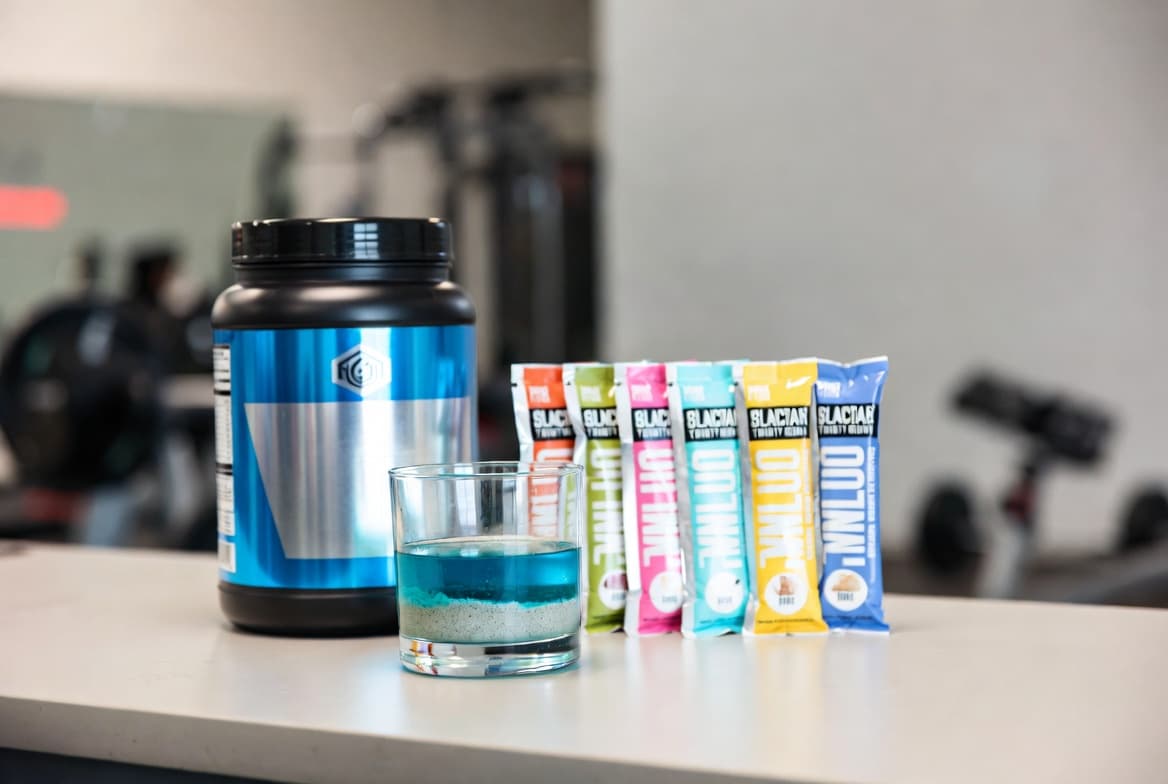
Pre-workout anxiety has quietly become one of the most important product opportunities in sports nutrition. Athletes, gym-goers, and high-performance professionals are no longer satisfied with products that only deliver raw stimulation. They want stable energy, mental clarity, and emotional readiness before a workout. For ambitious sports nutrition brands, this shift opens a premium, defensible niche: custom pre-workout formulations designed specifically to reduce anxiety and support consistent performance. From the perspective of an OEM/ODM supplement manufacturer, this requires a different way of thinking about formulation, format, and the entire development process.

Why Pre-Workout Anxiety Deserves Its Own Product Category
Pre-workout anxiety is more than "nerves" before training. It includes fear of underperforming, discomfort in crowded gyms, worry about heart rate spikes from stimulants, and mental fatigue from a stressful workday. When these factors combine, even motivated customers can skip sessions, under-dose their pre-workout, or avoid stimulants entirely.
Treating this as a dedicated product category has several advantages for brands:
- It creates a clear, emotionally resonant positioning beyond generic "energy and focus".
- It appeals to both beginners and experienced users who are sensitive to aggressive stimulant blends.
- It aligns with the broader market trend toward mental wellness and mood support within sports nutrition.
Brands that acknowledge this problem directly and design formulas around it can differentiate themselves, justify premium pricing, and build stronger loyalty than products that simply promise "intense pumps" or "extreme focus".
From Commodity Pre-Workout to Custom Functional System
Traditional pre-workouts often focus on maximum stimulation: high caffeine, intense flavors, and heavy use of performance ingredients. This strategy can create impressive short-term effects but also leads to jitters, anxiety, and post-workout crashes for a significant portion of users.
A modern, anxiety-conscious pre-workout instead behaves like a functional system:
- Moderate, controlled stimulant levels rather than maximal dosing.
- Complementary calming and cognitive-support ingredients to balance stimulation.
- Sensory profiles designed to feel clean and reassuring rather than aggressive.
- Flexible dosing options that allow users to adjust according to tolerance and time of day.
From a manufacturing point of view, this means working backwards from the user experience: how should the customer feel in the first 20–40 minutes, during the workout, and after finishing? The answer to that question shapes everything from ingredient selection to powder matrix and packaging format.
OEM vs Custom ODM: Which Path Fits Your Brand?
For sports nutrition brands, it is essential to understand the difference between OEM and custom ODM before starting any serious project.
Under an OEM model, the brand provides the complete formula, dosage, and usually a detailed brief of raw materials. The manufacturer's responsibility is to validate feasibility, adjust for manufacturability, source compliant ingredients, and produce consistent, high-quality batches. This path makes sense for brands that already have in-house formulation expertise or external consultants and want to retain maximum control over the recipe.
Custom ODM follows a different logic. The brand provides a functional direction ("pre-workout anxiety support", "caffeine-free mental readiness", "smooth performance for stimulant-sensitive users") and possibly reference products, but delegates formulation work to the manufacturer's R&D team. The result is a unique, proprietary formula built around the brand's positioning and technical constraints, not a public template or shared "house blend".
Serious manufacturers do not offer public-label ODM formulas in this context. Each custom ODM project is treated as a private development, with its own recipe and documentation, and is not resold to other brands. This is especially important in a niche such as anxiety-focused pre-workout, where subtle formulation differences can significantly affect user experience and brand reputation.
Ingredient Strategy for Anxiety-Focused Pre-Workout Formulas
When designing a pre-workout that supports a calmer, more controlled state, the formulation strategy has to integrate three elements: performance, mental readiness, and risk reduction.
Performance remains non-negotiable. Customers still expect improved endurance, power, or focus. However, instead of relying solely on very high stimulant levels, brands can emphasize:
- Moderate caffeine ranges or even low-dose options designed for stacking.
- Co-factors that support neuromuscular function and energy metabolism.
- Calming or mood-support components that help reduce perceived stress.
Mental readiness covers clarity, confidence, and decision-making under physical stress. This can be supported by cognitive-focused ingredients, thoughtful flavor design, and consistent dosing that users can trust.
Risk reduction focuses on minimizing jitters, rapid heart rate spikes, "wired but tired" sensations, and post-workout crashes. It is achieved not only through ingredient choices but also through controlled serving sizes, clear usage instructions, and transparent labeling.
The most successful brands treat these three pillars as a single system rather than three disconnected checkboxes. In collaboration with an experienced manufacturer, they fine-tune each component through sample testing, feedback from pilot users, and ongoing adjustments.
Why Powders, Stick Packs, and Soft Sachets Lead This Category
For anxiety-conscious pre-workout products, powder-based formats offer important advantages over many solid dosage forms.
They allow flexible dosing. Users can easily adjust from half to full scoops or even less on days when they feel more anxious or train later in the evening. This flexibility can be supported by clear measuring tools, simple mixing instructions, and explicit guidance on how to titrate the dose.
They dissolve relatively quickly, which often translates into faster onset compared with certain solid forms. For customers driven by routine and ritual, mixing a powder drink becomes part of the psychological preparation for training.
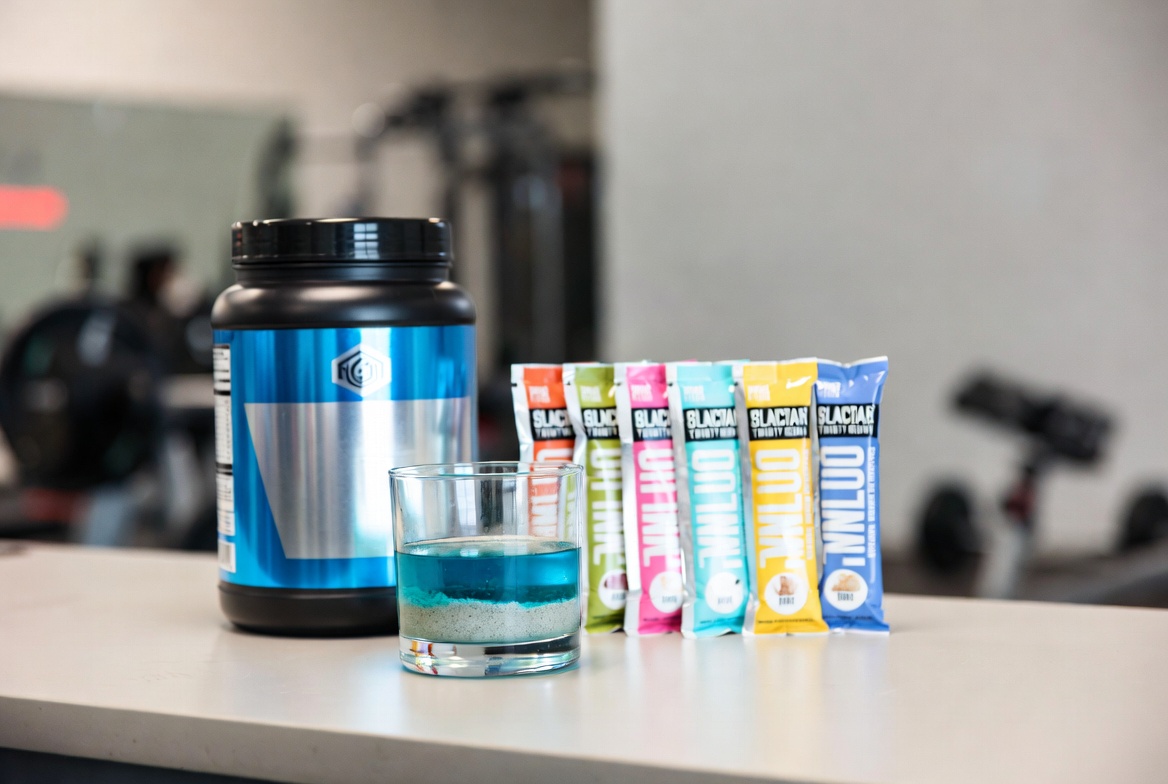
Stick packs and small soft sachets extend these benefits into more mobile use cases. Single-serve packaging simplifies dosing and supports hygienic, on-the-go usage at gyms, workplaces, or outdoor training environments. It also allows brands to design multipack strategies, such as anxiety-focused sticks for weekday training and higher-intensity blends for competition days.
From the manufacturer's perspective, each format requires specific technical considerations: flowability, hygroscopicity, flavor system stability, sealing integrity, and compatibility between active ingredients and excipients. When the brand clearly defines the priority format in the early stages, the R&D team can design a formulation tailored to that format rather than compromising across incompatible requirements.
The Manufacturing Journey: From Brief to First Batch
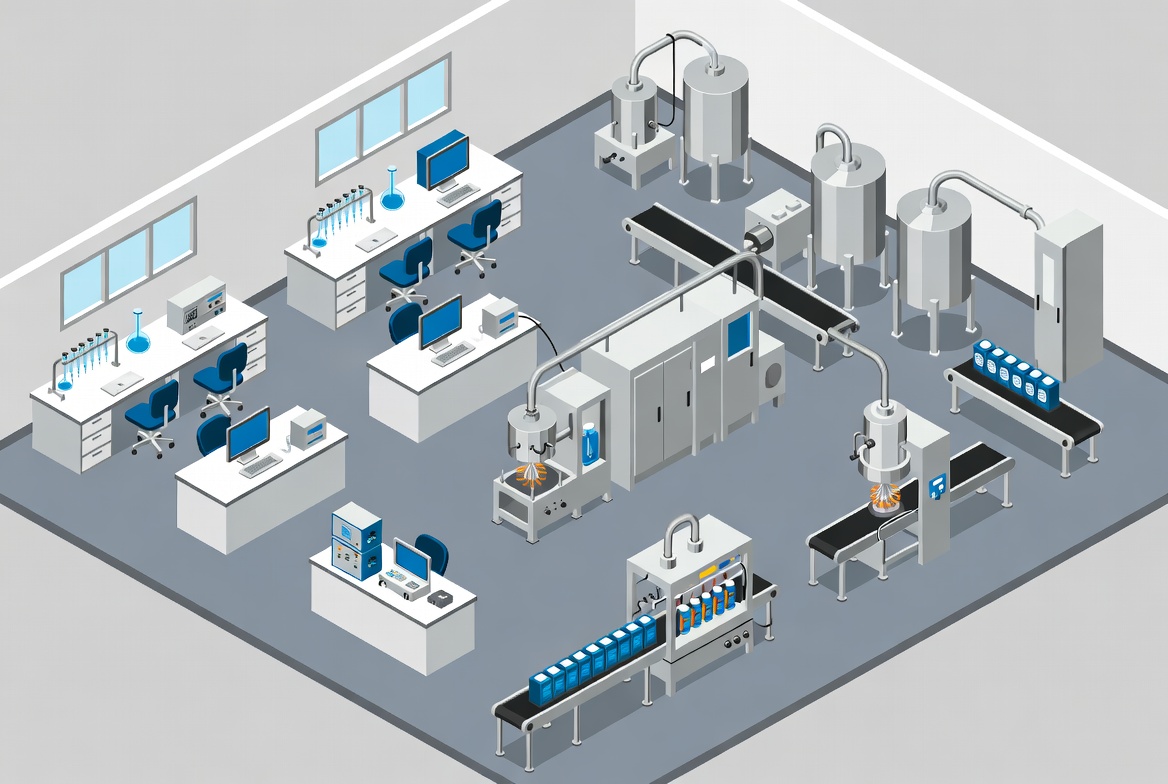
Launching a custom pre-workout product that genuinely addresses anxiety requires a structured journey rather than a simple one-step order. A professional OEM/ODM process usually includes the following stages.
First, concept definition. The brand and manufacturer align on the target use case, user persona, price positioning, packaging format, and regulatory markets. At this stage, the brand should be able to clearly describe the emotional state they want customers to move from and to: for example, "from tense and distracted to steady and focused within 30 minutes".
Second, technical formulation and feasibility review. The R&D team translates marketing language into a concrete recipe, considering interactions between ingredients, maximum load for the chosen format, solubility, taste profile, and regulatory limits in target markets. This is where reference products and scientific literature are evaluated and adapted to practical manufacturing realities.
Third, sample development and internal testing. Laboratory or pilot-scale batches are produced and tested for taste, mouthfeel, mixability, and perceived effects. Multiple iterations are common, especially with delicate flavor and sweetness profiles. Anxiety-oriented products often benefit from more "reassuring" flavor directions and cleaner aftertaste.
Fourth, scale-up and stability assessment. Once a formula is accepted, the team verifies its behavior in larger production runs, evaluates stability under different storage conditions, and confirms that sensory and analytical parameters stay within specification over the declared shelf life.
Finally, full-scale production and release. Standard operating procedures, batch records, in-process testing, and final product checks are implemented to ensure reproducibility from lot to lot. Documentation is prepared for customers, importers, and any necessary compliance checks.
This process is iterative. Brands that gather feedback and performance data after launch can return to their manufacturer with insights that guide second-generation and third-generation versions of the product.
Quality, Safety, and Regulatory Mindset
Any brand positioning itself around mental state and stimulant use inevitably attracts more scrutiny from informed consumers and regulators. That makes a strong quality and safety framework non-negotiable.
A competent manufacturer operates under established quality systems for dietary supplements, including documented procedures, validated processes, and routine audits. Raw materials should be sourced from reliable suppliers, verified for identity, and tested for contaminants and potency. This is especially critical for botanicals and specialty actives that may vary in composition.
In-process controls—such as blend uniformity checks, fill weight verification, and moisture monitoring—help ensure that every serving contains what the label claims. Post-production testing confirms microbial safety and label conformity.
Regulatory alignment is not just a paperwork exercise. For anxiety-related claims, wording must stay within the boundaries of structure/function description rather than drifting into disease treatment territory. Transparent communication between brand and manufacturer helps avoid risky language on labels, websites, and advertising materials.
Brands that combine strong product experience with visible commitment to safety and compliance tend to gain more trust, especially in categories involving mood, nervous system, and stimulant use.
How Custom ODM Adds Strategic Value for Brands
While OEM is efficient for brands that already know exactly what they want, custom ODM can add significant strategic value when entering a new functional niche such as pre-workout anxiety support.
By sharing a clear brief and reference products, the brand leverages the manufacturer's accumulated experience across multiple projects and markets. The R&D team can identify hidden formulation risks and propose more robust alternatives, for example by:
- Rebalancing stimulant and calming components.
- Adjusting ingredient forms for better solubility or stability in powder.
- Choosing excipients that support clean sensory profiles and shelf life.
- Considering future product line extensions while designing the first formula.
In addition, a custom ODM project encourages long-term collaboration. As real-world feedback comes in, the same team can lead refinements, flavor extensions, or new formats. Over time, the result is not just a single product but a coherent, data-informed product family that grows with the brand.
Using User Feedback to Improve Formulas Over Time
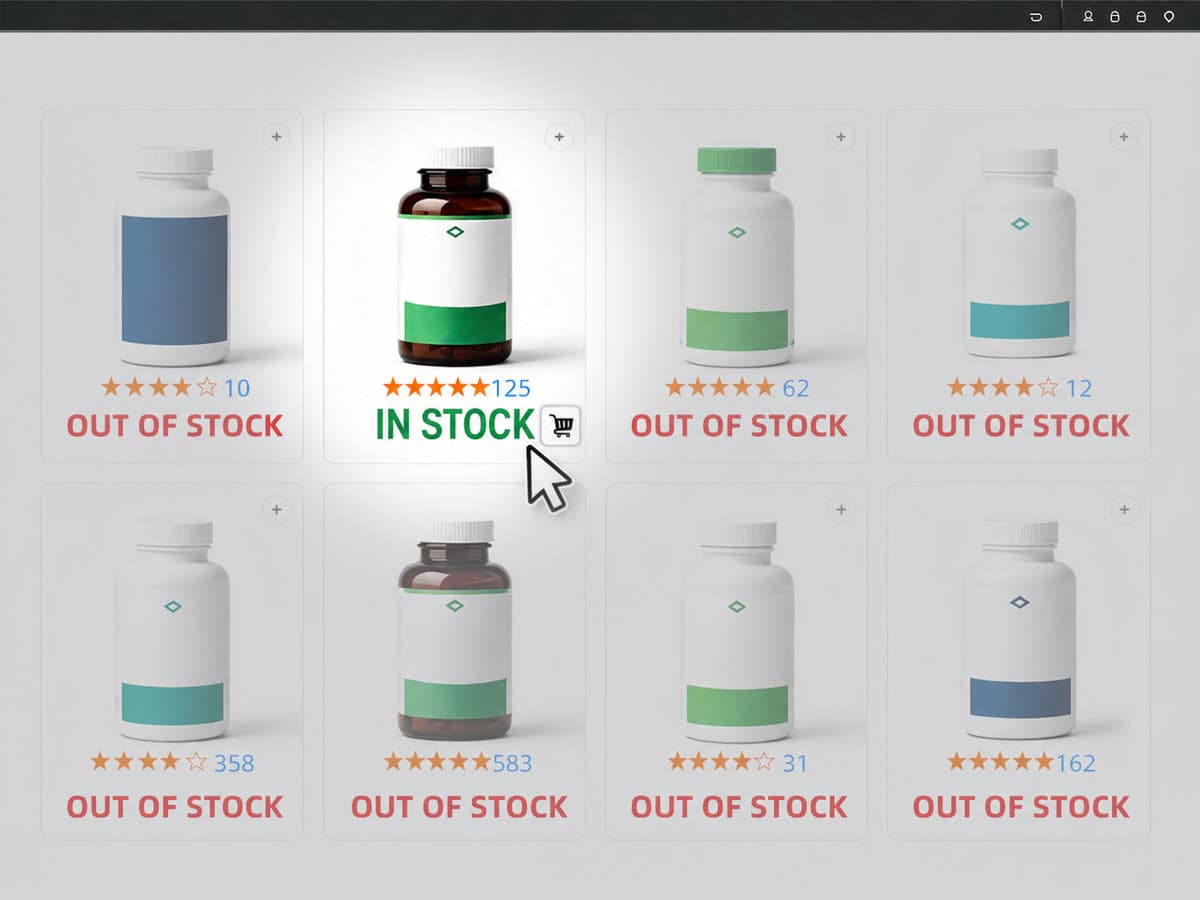
Most sports nutrition launches today generate a steady flow of user reviews and qualitative feedback on social platforms, marketplaces, and brand-owned channels. Brands that systematically monitor this data gain a major advantage in formulation and positioning.
For anxiety-focused pre-workouts, comments about jitters, sleep quality, mood before training, and recovery can be especially informative. Patterns in these comments often point to specific, actionable changes: slightly lower stimulant levels, more flexible serving guidance, adjusted flavor intensity, or the addition of complementary calming ingredients.
When brands maintain an open channel with their manufacturer, these insights can be converted into concrete formulation improvements. Instead of treating the first launch as final, they treat it as version one in a continuous optimization cycle. This approach fits well with the custom ODM model, where the same technical team remains involved beyond the first batch.
Practical Roadmap for Launching Your Own Anxiety-Focused Pre-Workout
For brands planning to enter this space with the support of an OEM/ODM manufacturer, a practical roadmap might look like this:
First, define your target user and core promise. Are you aiming at beginners who feel intimidated by the gym, experienced lifters who dislike heavy stimulants, or late-evening office workers who train after a stressful day? Your answer will shape every other decision.
Second, choose your primary format and packaging. Decide whether powder tubs, single-serve stick packs, or flexible soft sachets best match user behavior, channel strategy, and price point. Consider whether you will later need travel-friendly or sampler formats.
Third, prepare a structured project brief. Include your positioning, desired ingredient directions, flavor preferences, regulatory markets, target ex-factory cost range, and any non-negotiable restrictions such as sugar-free, vegan, or allergen policies.
Fourth, select a manufacturing partner with clear experience in custom sports nutrition, powder processing, and sachet or stick pack filling. Look for a team that can offer both OEM and custom ODM collaboration, with transparent communication about feasibility, lead times, and testing.
Fifth, treat the first launch as the beginning, not the end. Build a feedback loop that collects user experiences and retail data, and schedule periodic formulation reviews with your manufacturer to keep improving your product line.
Brands that follow this roadmap and work closely with a capable manufacturer are well positioned to create pre-workout products that not only deliver performance but also help users feel calmer, more confident, and more consistent over the long term.
FAQs
Q1. Why should a brand create a dedicated pre-workout anxiety product instead of just lowering caffeine in its existing pre-workout?
A dedicated product allows you to redesign the entire experience around anxiety support, including ingredient balance, sensory profile, dosing guidance, and messaging. Simply lowering caffeine in an existing formula may reduce intensity but rarely creates a coherent, premium solution or clear positioning in the market.
Q2. Is OEM or custom ODM better for a brand's first anxiety-focused pre-workout?
If your team already has strong formulation capabilities and a detailed recipe, OEM can be efficient. If you mainly have a market insight and positioning idea but need help turning it into a robust, manufacturable formula, custom ODM is usually the stronger choice.
Q3. Which formats work best for anxiety-conscious pre-workout users?
Powder tubs and stick packs are often the most suitable. They offer flexible dosing, quick preparation routines that support mental readiness, and convenient packaging for both home and gym environments.
Q4. How can a brand reduce the risk of negative experiences such as jitters or crashes?
This involves moderating stimulant levels, combining them with supportive ingredients, designing clear dosing instructions, and testing the formula through samples and pilot user groups before scaling up to full production.
Q5. What role does user feedback play after launch?
User feedback provides real-world data on how the formula behaves across different body types, training styles, and daily routines. When shared with the manufacturer, this feedback becomes a powerful tool for refining future batches and building a stronger product family over time.
References
1. Makers Nutrition – "How to Create Custom Sports Nutrition Products to Help with Pre-Workout Anxiety".
2. U.S. Food and Drug Administration – Dietary Supplements: Regulatory and cGMP Resources.
https://www.fda.gov/food/dietary-supplements
3. National Institutes of Health, Office of Dietary Supplements – Fact Sheets on Dietary Supplement Ingredients.
https://ods.od.nih.gov/factsheets/list-all/
4. NutraIngredients – Sports and Active Nutrition News and Ingredient Trends.
https://www.nutraingredients.com/
5. U.S. Food and Drug Administration – Structure/Function Claims and Dietary Supplement Labeling Guidance.
https://www.fda.gov/food/food-labeling-nutrition/dietary-supplement-labeling-guide
Hot Tags: Custom Sports Nutrition Manufacturing, Pre Workout Anxiety Supplement, Sports Nutrition OEM Services, Custom ODM Pre Workout Formulas, B2B Supplement Manufacturing, Stick Pack Sports Nutrition, Powder Pre Workout Production, Anxiety Focused Sports Supplements, OEM ODM Sports Nutrition Partner, Sports Nutrition Contract Manufacturer
Did you find this helpful?
Comments (0)
No comments yet. Be the first to comment!
Leave a comment
Related Posts

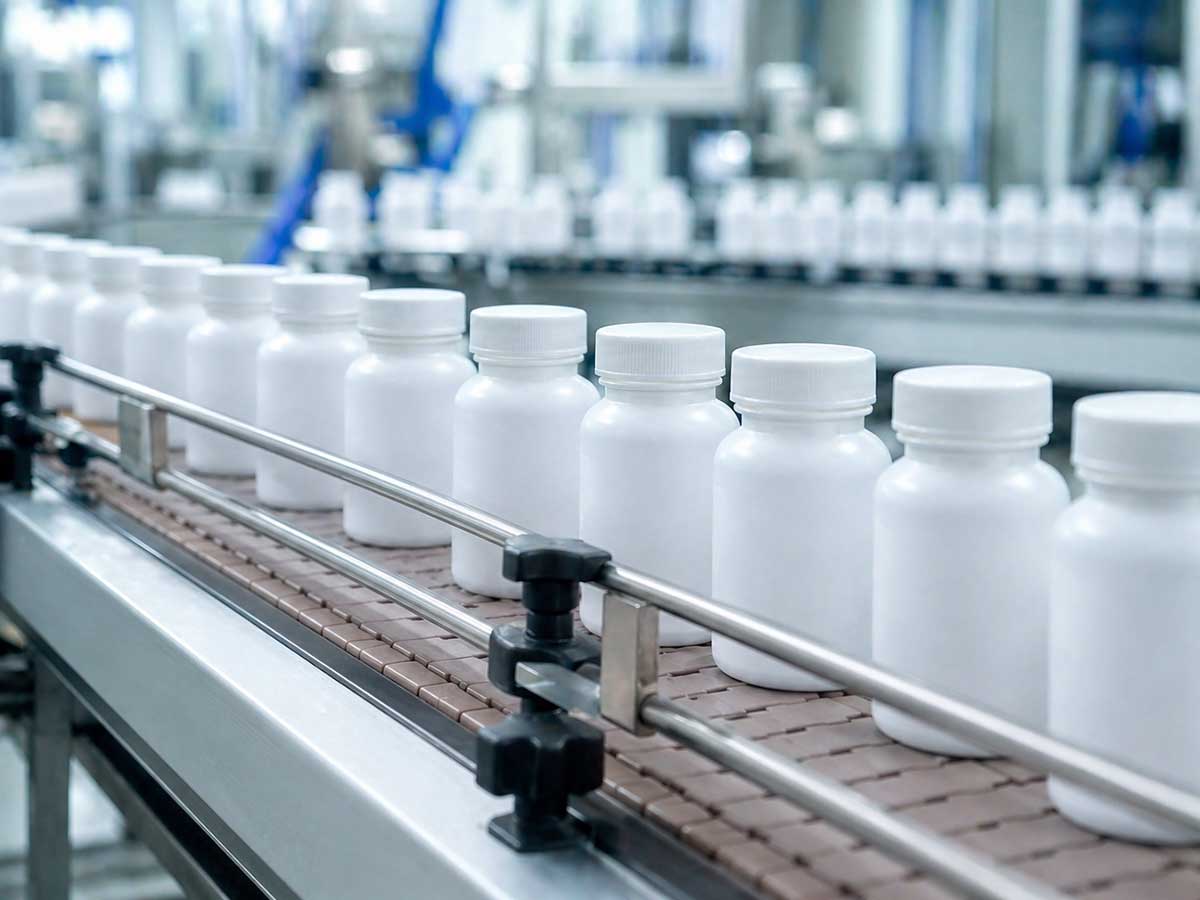
Riverpharm · Supplement Contract Manufacturing
Your supplement brand, manufactured to the highest standard
From first formula to finished product — we handle manufacturing, packaging, and fulfillment so you can focus on building your brand.
Core services
Contract Manufacturing
GMP-certified production with full batch testing and certificate of analysis on every run.
Custom Formulation & R&D
In-house scientists develop your formula from scratch or refine existing blends for efficacy.
Packaging & Labeling
Design-to-print label service — shelf-ready, FDA-compliant, and retail-tested.
FBA Prep & Fulfillment
Amazon-ready prep and direct-to-warehouse shipping — no extra steps on your end.
By the numbers
NSF
NSF/ANSI 455-2 certified
cGMP
Certified environment
24 hr
AI-accelerated quote turnaround
600K
cGMP+ encapsulator capacity per run
Why Riverpharm
Quality systems with higher standards
- NSF/ANSI 455-2 certified
- cGMP-certified environment
- In-house + third-party testing
- Source-locked ingredients
Production capacity with faster execution
- Heavy-duty hardware
- In-house core reserves
- AI-accelerated quotes
- In-house expert hub
Delivery formats we produce
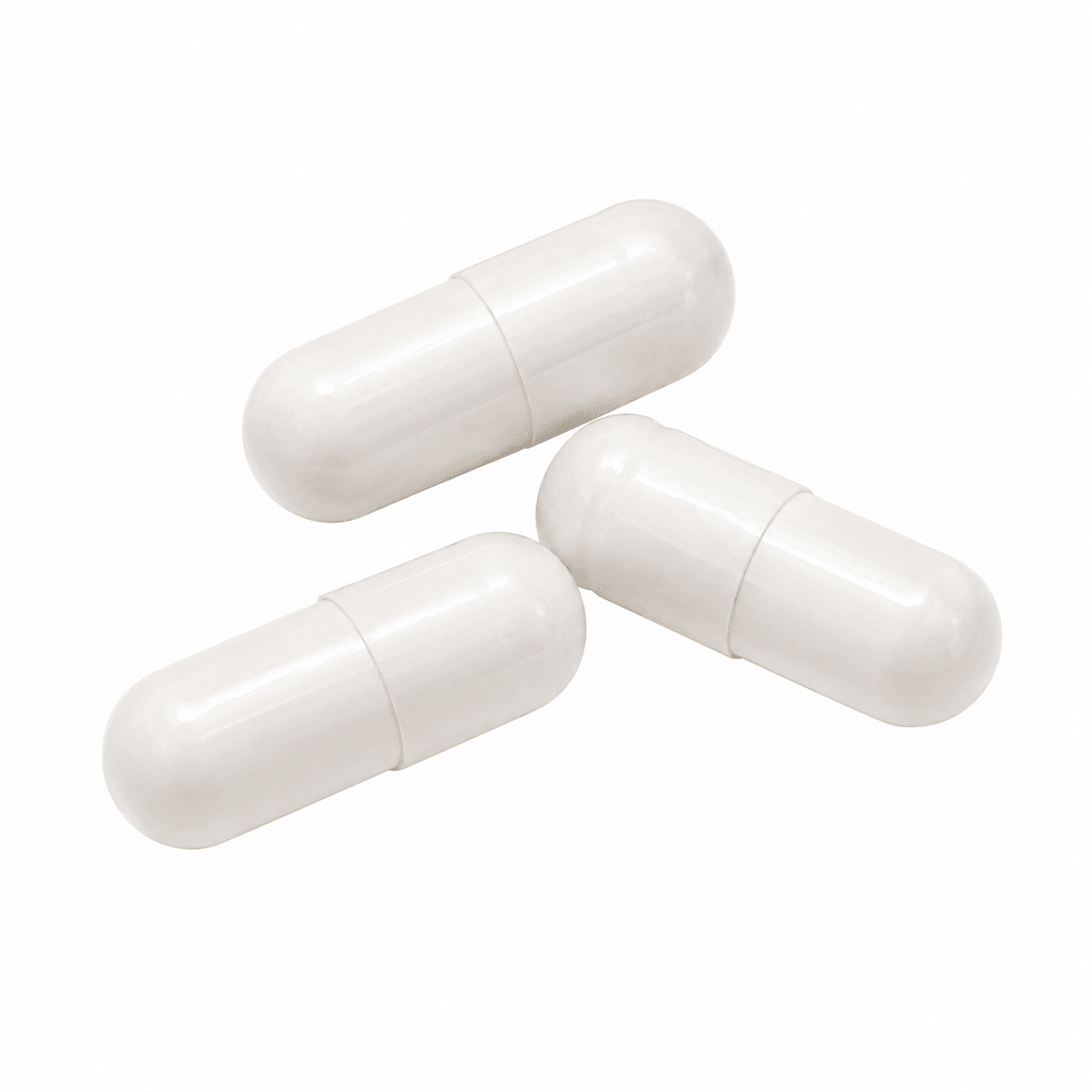
Capsules
Gelatin & HPMC vegetarian
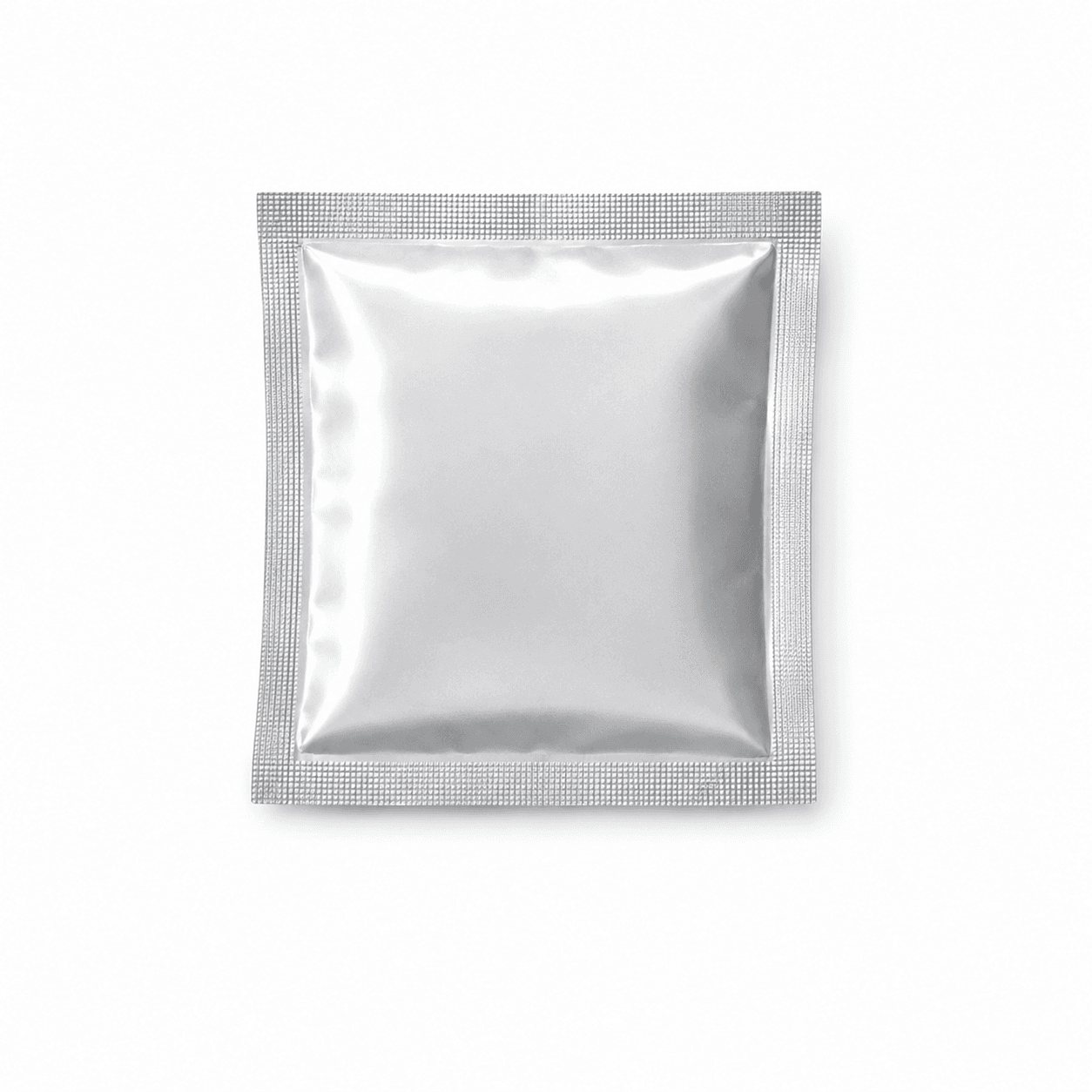
Sachets
Single-dose powder blends
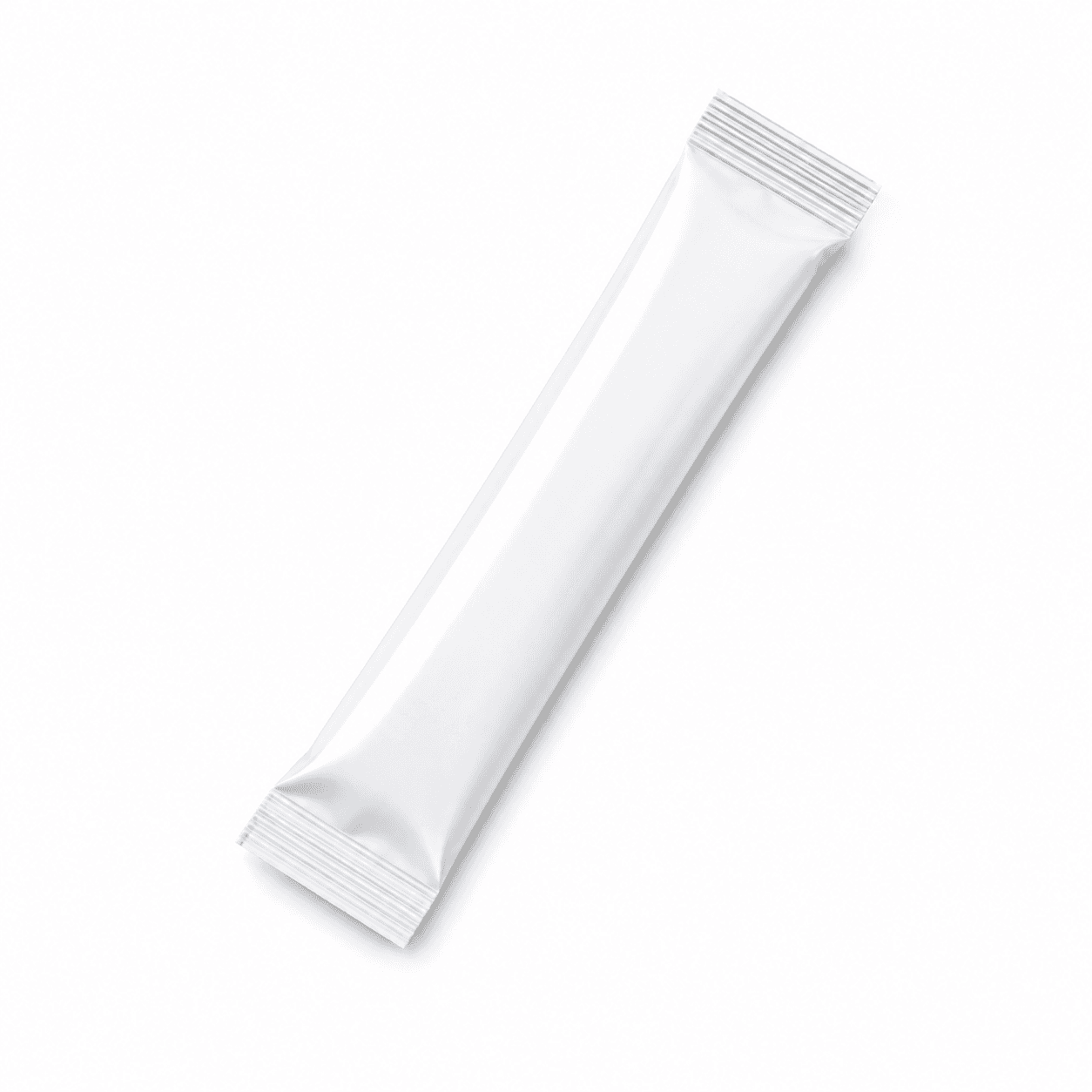
Stick packs
Convenient single-serve
Pouches
Flexible, shelf-ready
Ready to bring your supplement to market?
Free consultation · 24-hour quote · No minimum commitment to get started