How Growing Supplement Brands Prevent Stockouts During Demand Spikes
A practical guide to preventing costly stockouts when supplement demand suddenly accelerates.
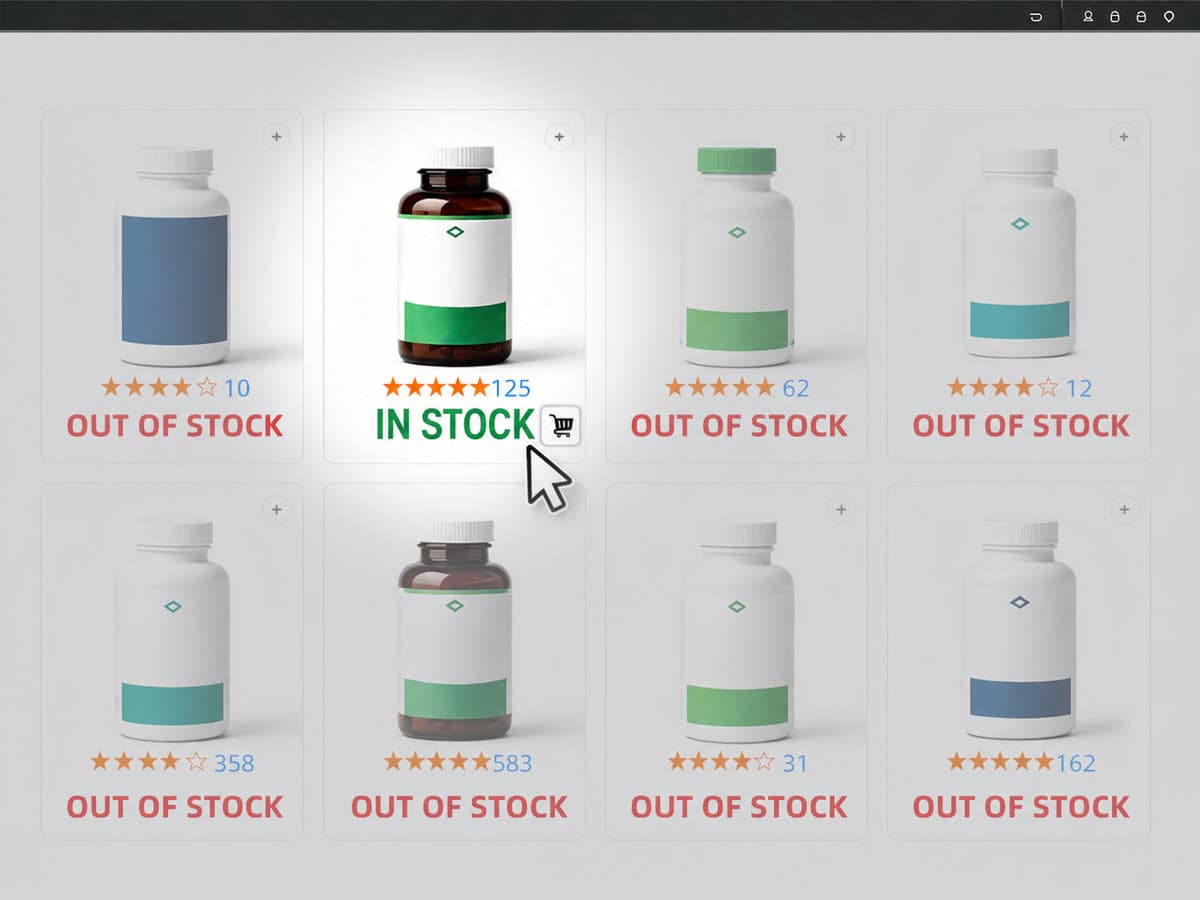
For growing supplement brands, stockouts are not just an inventory problem. They are a revenue problem, a reputation problem, and often a ranking problem across retail and e-commerce channels. Once demand spikes, delays in manufacturing, packaging, or release timing can quickly turn a growth moment into a lost-opportunity moment. RiverPharm’s public case studies highlight one example where an urgent need for 5 million capsules within 30 days was addressed through multiple high-speed lines running 24/7, with delivery completed three days early. That scenario reflects the broader truth: demand spikes reward brands that prepare their manufacturing systems before the spike happens.
The brands that handle sudden growth best usually do three things well:
They share better forecasts.
They work with manufacturers that can actually absorb volume.
They treat packaging and release timing as part of supply planning, not as afterthoughts.
Who this article is for
This guide is for supplement brands that:
are scaling fast through DTC, Amazon, retail, or wholesale
have experienced volatile demand around launches or promotions
are preparing for seasonal surges
need stronger replenishment planning with their manufacturer
1. Understand Why Stockouts Really Happen
Most stockouts are not caused by demand alone.
They usually happen because one or more of the following breaks under pressure:
raw material positioning
production slot availability
packaging readiness
QA release timing
forecasting accuracy
communication speed between brand and factory
In other words, stockouts are often coordination failures disguised as sales success.
A demand spike only reveals the weaknesses that were already there.
2. Forecast Sharing Should Start Earlier Than Most Brands Think
Many brands wait too long to tell manufacturing partners that demand may rise.
That creates problems because even a fast factory still needs visibility into:
likely order volume
timing of replenishment windows
packaging requirements
material expectations
whether production needs to be staged in advance
If you only contact your manufacturer after inventory is already at risk, your options become narrower and more expensive.
Stronger brands treat forecasts as a planning tool, not a secret. They share directional demand early, even if the exact final number is still moving.
3. Packaging Is Often the Hidden Bottleneck
Brands often think of manufacturing and packaging as one continuous process. Operationally, they are related, but they are not the same risk point.
A product may be blended or filled on time and still get delayed because:
packaging components are not ready
artwork approvals are incomplete
labeling is behind schedule
final pack-out becomes the chokepoint
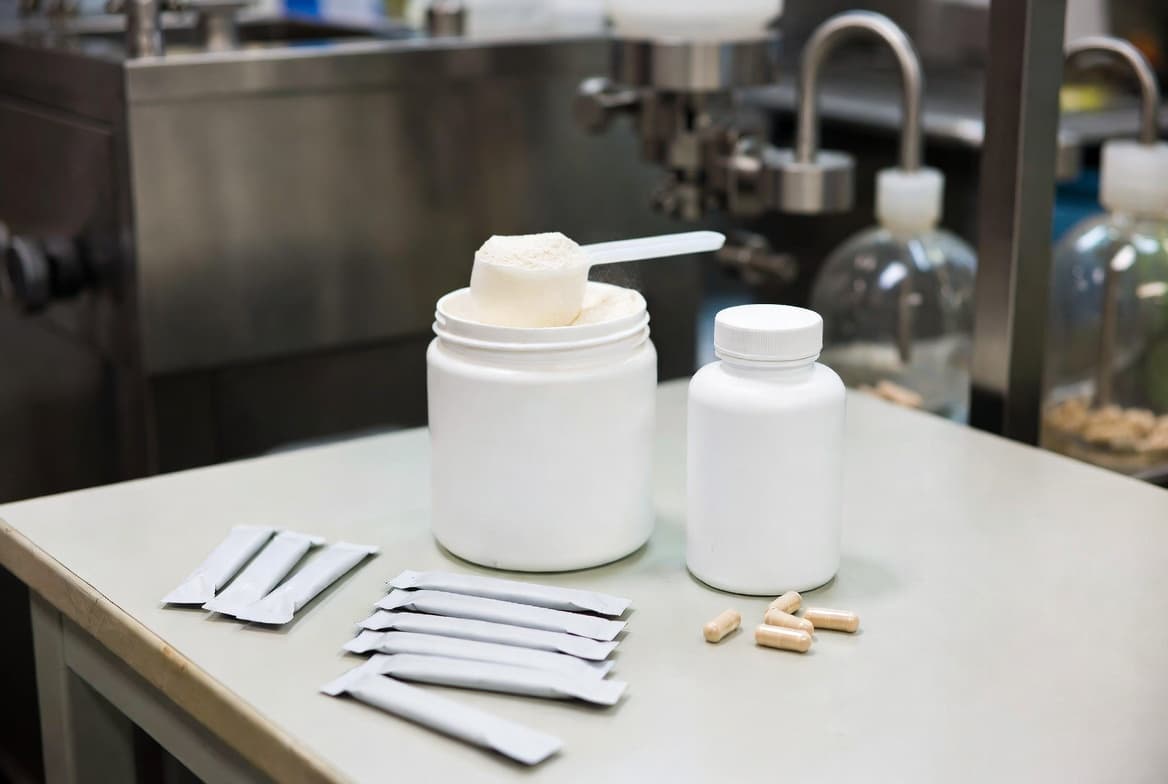
This matters especially for brands using multiple SKUs, multiple formats, or new packaging styles. RiverPharm’s public site repeatedly positions packaging formats such as stick packs, sachets, and pouches as part of the manufacturing offer, which highlights how tightly linked packaging readiness is to commercial delivery.
4. Manufacturing Partners Need Real Surge Capacity, Not Just Marketing Language
A factory may say it handles volume. The better question is whether it can handle your volume under pressure.
A surge-ready manufacturing partner should be able to explain:
how urgent restocks are prioritized
whether multiple lines can be deployed
what happens if demand rises mid-cycle
how 24/7 operations are used when timing is critical
whether production, bottling, and release can move in sync
RiverPharm’s published urgent-restock case describes using three high-speed filling lines plus automated bottling on 24/7 shifts to avoid a nationwide stockout, which is the kind of operational detail buyers should look for when assessing surge-readiness.
5. Build Buffer Logic Around Risk, Not Hope
Buffer inventory is not just about “ordering extra.” It is about understanding where the real risk sits.
For example:
Is your raw material lead time unstable?
Is your packaging custom and slow to replace?
Is demand highly promotion-driven?
Would a stockout damage rankings, retailer relationships, or customer trust?
The higher the downside of a stockout, the more disciplined your buffer strategy needs to be.
Smart brands align buffer decisions with actual exposure, not just with cash-flow preferences.
6. Emergency Planning Should Exist Before You Need It
Demand spikes do not always arrive with much notice. That is why brands should discuss emergency production scenarios with their manufacturing partner before a crisis begins.
That conversation should include:
what counts as an urgent program
what turnaround acceleration is realistic
which product formats are easiest to prioritize
whether packaging components need reserve planning
how status updates are communicated during a rush cycle
If you do not define these rules in advance, the emergency plan is usually just improvisation.
7. Questions to Ask Your Manufacturer Before the Next Spike
Ask your partner:
How much advance visibility do you need to prepare for a demand increase?
What are the most likely bottlenecks in our current production path?
Can you support urgent replenishment if a product sells faster than forecast?
How do packaging and QA affect the restock timeline?
Can you run multiple shifts or multiple lines if required?
What data should we share now to make fast response possible later?
These questions are much easier to answer when inventory is still healthy.
8. Why the Right Manufacturing Relationship Protects Revenue
When a product is growing quickly, manufacturing responsiveness becomes part of brand performance.
It affects:
sales continuity
retail reliability
customer retention
marketplace ranking stability
internal planning confidence
A good manufacturing partner helps your team keep momentum. A weak one forces your growth team to spend time managing avoidable operational breakdowns.
Final Thoughts
Demand spikes are a good problem only if your supply chain is ready for them.
The brands that prevent stockouts most effectively do not simply buy more inventory. They build better visibility, stronger manufacturing coordination, and smarter packaging and replenishment planning before pressure arrives.
That is what protects revenue when growth stops being theoretical and starts becoming real.
CTA
Planning for a launch, seasonal push, retailer reset, or viral demand scenario? RiverPharm can review your volume outlook, format needs, and replenishment timing to help reduce stockout risk.
Hot Tags: psyllium capsules weight loss, psyllium fiber capsule, psyllium fiber supplement capsules, psyllium husk capsules weight loss, apple cider vinegar with the mother capsules, beetroot extract capsules, best olive leaf extract capsules, capsules weight loss, fiber supplements capsules, grapefruit seed extract capsules, custom, private label, manufacturing company, manufacturers, suppliers, factory, Customized, Bulk, quotation, oem, contract manufacturing, manufacturer, b2b manufacturing, gmp certified manufacturing
Did you find this helpful?
Comments (0)
No comments yet. Be the first to comment!
Leave a comment
Related Posts


Riverpharm · Supplement Contract Manufacturing
Your supplement brand, manufactured to the highest standard
From first formula to finished product — we handle manufacturing, packaging, and fulfillment so you can focus on building your brand.
Core services
Contract Manufacturing
GMP-certified production with full batch testing and certificate of analysis on every run.
Custom Formulation & R&D
In-house scientists develop your formula from scratch or refine existing blends for efficacy.
Packaging & Labeling
Design-to-print label service — shelf-ready, FDA-compliant, and retail-tested.
FBA Prep & Fulfillment
Amazon-ready prep and direct-to-warehouse shipping — no extra steps on your end.
By the numbers
NSF
NSF/ANSI 455-2 certified
cGMP
Certified environment
24 hr
AI-accelerated quote turnaround
600K
cGMP+ encapsulator capacity per run
Why Riverpharm
Quality systems with higher standards
- NSF/ANSI 455-2 certified
- cGMP-certified environment
- In-house + third-party testing
- Source-locked ingredients
Production capacity with faster execution
- Heavy-duty hardware
- In-house core reserves
- AI-accelerated quotes
- In-house expert hub
Delivery formats we produce
Capsules
Gelatin & HPMC vegetarian
Sachets
Single-dose powder blends

Stick packs
Convenient single-serve
Pouches
Flexible, shelf-ready
Ready to bring your supplement to market?
Free consultation · 24-hour quote · No minimum commitment to get started