When Should a Supplement Brand Add a Second Manufacturing Partner?
A decision framework for brands considering a second manufacturing partner for risk reduction or overflow support.

Many supplement brands begin with a single manufacturing partner because it simplifies early operations. But as volume, channel exposure, and customer expectations increase, relying on only one factory can become a concentration risk. At a certain stage, adding a second manufacturing partner is not a sign of disloyalty or unnecessary complexity. It is often a sign that the business is becoming more operationally mature. RiverPharm publicly positions itself as a direct U.S.-based manufacturing partner built for established brands, high-volume programs, and formula-transfer scenarios, which makes the topic of overflow capacity and second-source planning especially relevant.
For most brands, the question is not whether two manufacturers are always better than one. The real question is when a second partner becomes strategically justified.
Who this article is for
This guide is for supplement brands that:
are growing into larger monthly volume
have broader retail or marketplace commitments
want to reduce supply-chain concentration risk
are considering a backup, overflow, or regional manufacturing option
already have a proven formula and stable demand
1. Add a Second Partner When One Factory Becomes a Single Point of Failure
A second manufacturing partner starts making sense when your current arrangement creates too much downside if anything goes wrong.
That risk may come from:
limited capacity during demand spikes
long or unstable lead times
weak communication
packaging delays
geographic concentration
insufficient documentation support
inability to add new formats quickly
If a single disruption could materially damage sales continuity, customer trust, or retailer commitments, it may be time to evaluate a second source.
2. Overflow Capacity Is Often the First Reason
Many brands do not begin with a full dual-source strategy. They begin with overflow support.
This usually happens when:
growth is outpacing current slot availability
promotions or retail windows increase pressure
the brand wants surge protection
one manufacturer can no longer absorb short-notice spikes
RiverPharm’s public urgent-restock case, involving 5 million capsules in 30 days through multiple high-speed lines and 24/7 shifts, illustrates the kind of scale-readiness buyers often look for when assessing whether a manufacturer can function as overflow support.
3. A Second Partner Can Reduce Strategic Risk, Not Just Operational Risk
The value of a second manufacturer is not limited to faster replenishment.
It can also reduce:
negotiating dependency
launch vulnerability
channel exposure during delays
risk from supplier-specific process constraints
future bottlenecks when adding formats or expanding regions
For larger brands, resilience becomes part of margin protection. The cost of over-dependence can be much higher than the cost of controlled complexity.
4. Not Every Brand Is Ready for a Second Manufacturer Yet
Adding a second partner too early can create unnecessary confusion.
A second manufacturer usually makes more sense when:
the formula is already commercially validated
demand is predictable enough to allocate volume intelligently
documentation is strong enough to support transfer or qualification
the brand has clear reasons for adding redundancy
If your product is still changing frequently or your volume is still highly uncertain, the priority may be strengthening the current system first.
5. Formula Transfer Discipline Matters
A second-source strategy only works if the transfer process is handled carefully.
That means the brand should be prepared to share:
formula specifications
excipient logic
packaging details
quality expectations
testing references
stability requirements
target volume
timeline and channel priorities
RiverPharm publicly promotes a “Bring Your Formula” pathway and describes a factory review and approval process that includes QC and R&D review before production, which aligns well with how brands should think about second-source onboarding.
6. Questions Procurement Teams Should Ask
Before adding a second manufacturing partner, ask:
Are we solving a temporary capacity problem or building long-term redundancy?
Which SKUs or formats should move first?
Can the new manufacturer support our likely future volume?
What documentation is needed for a clean transfer?
How will QA and release expectations be aligned?
Do we want full duplication or selective overflow capacity?
Can the new partner support additional formats later?
These questions help ensure the second-source strategy is operationally coherent rather than reactive.
7. Why Direct Factory Relationships Often Work Well for Second-Source Planning
When brands add another manufacturer, communication quality becomes even more important.
A direct factory relationship may offer better visibility into:
technical review
production feasibility
timing assumptions
capacity logic
change-management decisions
That is one reason direct manufacturing partners can be attractive in second-source planning. Shorter communication loops reduce the risk of misunderstanding during a transfer or overflow setup.
Final Thoughts
A second manufacturing partner is not always necessary. But when growth, channel pressure, and operational exposure increase, it can become one of the smartest risk-management decisions a supplement brand makes.
The right time to add one is usually before the business is forced into it by a preventable disruption.
CTA
Evaluating backup or overflow manufacturing for an existing supplement line? RiverPharm can review your formula, current setup, and volume goals to help determine whether a second-source strategy makes sense.
Hot Tags: maca extract capsules, natural turmeric capsules, psyllium husk fiber supplement capsules, pumpkin seed extract capsules, reishi extract capsules, reishi mushroom extract capsules, saw palmetto extract capsules, soluble fiber capsules, vinagre de manzana en capsula, acacia fiber capsules, amla extract capsules, artichoke leaf extract capsules,beauty white capsule benefits, custom, private label, manufacturing company, manufacturers, suppliers, factory, Customized, Bulk, quotation, oem, contract manufacturing, manufacturer, b2b manufacturing, gmp certified manufacturing
Did you find this helpful?
Comments (0)
No comments yet. Be the first to comment!
Leave a comment
Related Posts

Riverpharm · Supplement Contract Manufacturing
Your supplement brand, manufactured to the highest standard
From first formula to finished product — we handle manufacturing, packaging, and fulfillment so you can focus on building your brand.
Core services
Contract Manufacturing
GMP-certified production with full batch testing and certificate of analysis on every run.
Custom Formulation & R&D
In-house scientists develop your formula from scratch or refine existing blends for efficacy.
Packaging & Labeling
Design-to-print label service — shelf-ready, FDA-compliant, and retail-tested.
FBA Prep & Fulfillment
Amazon-ready prep and direct-to-warehouse shipping — no extra steps on your end.
By the numbers
NSF
NSF/ANSI 455-2 certified
cGMP
Certified environment
24 hr
AI-accelerated quote turnaround
600K
cGMP+ encapsulator capacity per run
Why Riverpharm
Quality systems with higher standards
- NSF/ANSI 455-2 certified
- cGMP-certified environment
- In-house + third-party testing
- Source-locked ingredients
Production capacity with faster execution
- Heavy-duty hardware
- In-house core reserves
- AI-accelerated quotes
- In-house expert hub
Delivery formats we produce
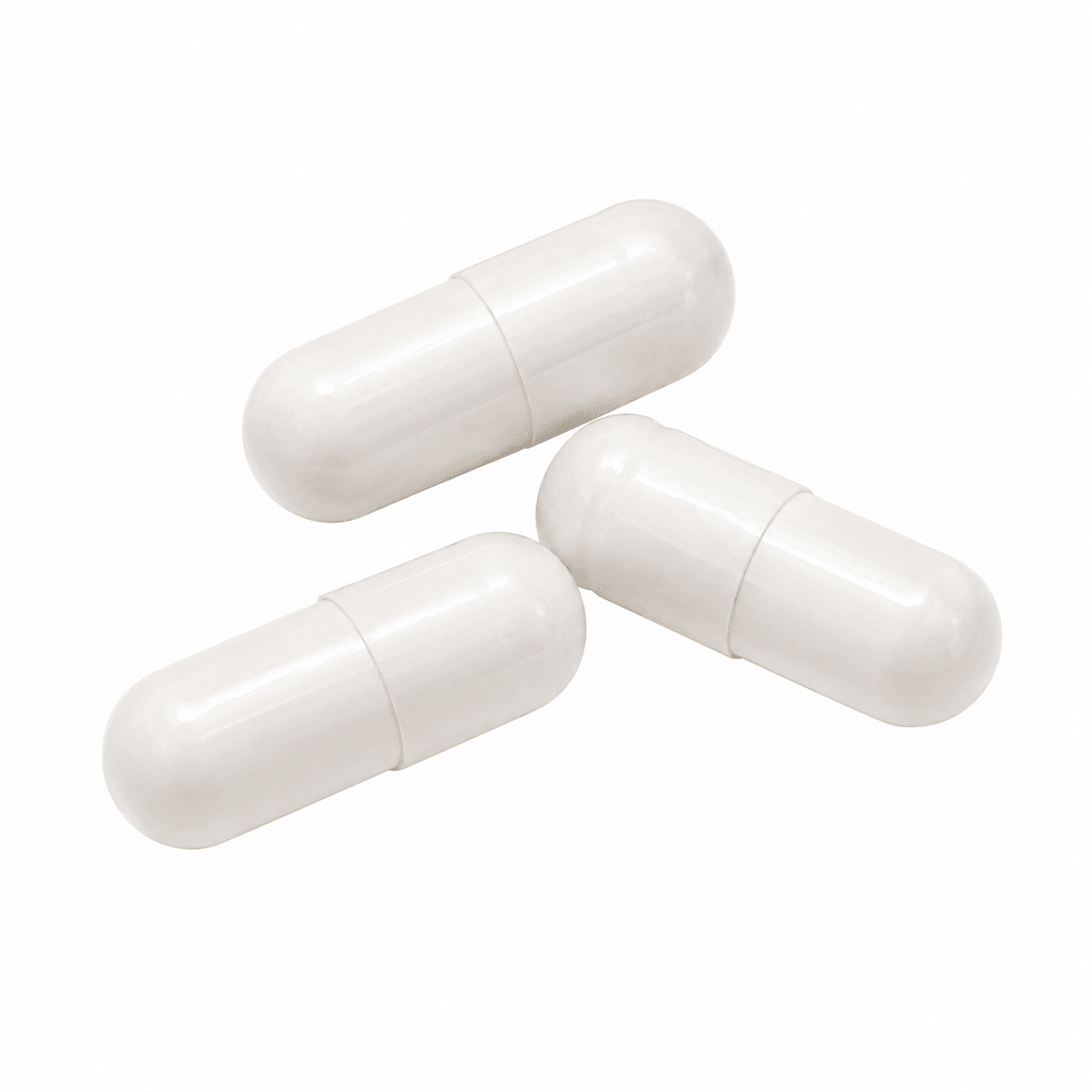
Capsules
Gelatin & HPMC vegetarian
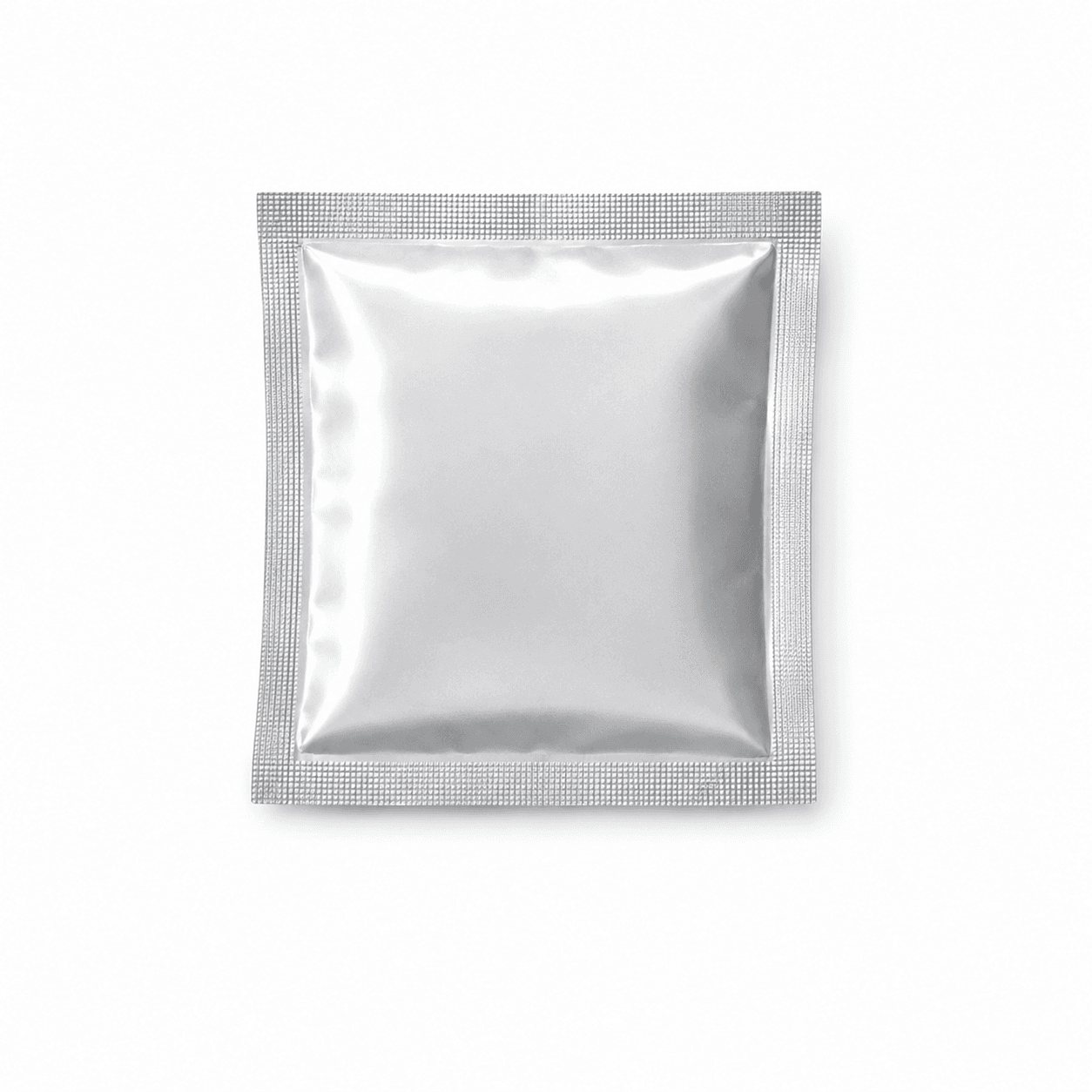
Sachets
Single-dose powder blends
Stick packs
Convenient single-serve
Pouches
Flexible, shelf-ready
Ready to bring your supplement to market?
Free consultation · 24-hour quote · No minimum commitment to get started