How to Evaluate a Supplement Contract Manufacturer for Large-Volume Growth
A practical guide for supplement brands that need a manufacturing partner capable of supporting scale, documentation, and reliable replenishment.

When a supplement brand starts preparing for larger purchase orders, wider retail distribution, or faster replenishment cycles, choosing a contract manufacturer becomes a strategic decision, not just a sourcing task. At that stage, the cheapest quote is rarely the safest choice. What matters more is whether your manufacturing partner can deliver consistent quality, reliable lead times, clear documentation, and enough operational depth to support growth without disrupting your supply chain.
For growing brands, the real question is not, “Can this factory make my product?” It is, “Can this factory keep making my product well, on time, and at scale?”
Who this article is for
This guide is for supplement brands that:
are scaling beyond small-batch production
are preparing for retail, Amazon, or national distribution
need more stable replenishment cycles
are considering switching from a broker-led model to a direct factory relationship
want stronger operational control as volume increases
1. Look Beyond Stated Capacity
Many manufacturers talk about capacity, but serious buyers should distinguish between theoretical capacity and usable capacity.
A factory may own fast equipment, but that does not automatically mean it can reliably support your production schedule. Real usable capacity depends on line availability, labor organization, packaging bottlenecks, QA release timing, and how quickly the team can move from approval to execution.
If you are evaluating a manufacturer for large-volume growth, ask:
How many lines are dedicated to your product category?
How are urgent replenishment runs handled?
What happens if demand spikes unexpectedly?
Is packaging likely to become the bottleneck?
A growing brand needs more than machine speed. It needs a production system that can absorb operational pressure without creating downstream delays.
2. Documentation Matters as Much as Output
As your brand grows, documentation becomes more important, not less.
Retailers, distributors, investors, and internal QA teams increasingly expect stronger documentation around batch records, testing, traceability, ingredient specifications, and release standards. Even if your current sales channels are more flexible, your future channels may not be.
That means your manufacturing partner should be able to support:
clear QC and release workflows
ingredient documentation
batch-level consistency
testing coordination
traceable production records
A manufacturer that communicates well and documents well usually scales better than one that only promises speed.
3. Evaluate Lead Times in a Real-World Context
Lead time should never be treated as a single number.
A better question is: what conditions must be in place for that lead time to be true?
For example, some manufacturers can move faster on existing formulations than on new ones. Others may quote attractive lead times without accounting for packaging approvals, technical review, pilot work, or material readiness.
When evaluating a partner, ask:
Is the lead time for an existing formula or a new one?
Does the timeline start after packaging is approved?
What internal review steps are included?
Can the manufacturer support faster execution for urgent restocks?
These questions matter because a “4-week” promise means very little if it only applies under ideal conditions.
4. Multi-Format Capability Creates Flexibility
A manufacturer that supports only one product format may be fine for a narrow project. But for a growing brand, format flexibility often becomes valuable sooner than expected.
Today you may only need capsules. Tomorrow you may want stick packs for travel, sachets for sampling, or pouches for bulk powders. Expanding into new channels often changes packaging needs, serving formats, and customer expectations.
Working with a manufacturer that already supports multiple delivery formats can reduce future friction by giving your team more room to adapt without restarting the supplier qualification process from scratch.
5. Communication Is an Operational Asset
Brands often underestimate how much growth is slowed by poor communication.
Delayed technical answers, unclear timelines, slow quoting, and fragmented responsibility can damage launch timing just as much as line downtime. A factory relationship works best when commercial, technical, and production teams are aligned and responsive.
Strong manufacturers do not just make products. They reduce decision lag.
If your team regularly waits days for basic answers, that problem tends to get worse as order complexity increases.
6. Questions Procurement Teams Should Ask
Before onboarding a supplement contract manufacturer for larger-volume growth, ask:
What product formats do you support in-house?
How do you handle urgent restock scenarios?
What testing and verification processes are standard?
What documentation can you provide during qualification?
What are your normal lead times for existing formulations versus new projects?
Can brands visit the facility or take a virtual tour?
How do you manage scale without compromising consistency?
These questions will tell you far more than a polished capability deck.
7. Why Direct Factory Relationships Often Work Better at Scale
As volume grows, many brands realize they need tighter coordination and shorter communication loops. That is one reason direct factory relationships become more attractive over time.
A direct manufacturing partner typically gives brands better visibility into production logic, scheduling realities, technical review, and change management. That can be especially valuable when forecasting becomes more aggressive, packaging becomes more complex, or channel commitments become harder to miss.
For brands planning serious growth, the best manufacturing partner is not simply the one that can produce. It is the one that can keep your supply chain stable while your business becomes more demanding.
Final Thoughts
Large-volume growth exposes weak manufacturing relationships very quickly. The right partner should help your team scale with more confidence, better documentation, and less operational drag.
If your brand is preparing for larger runs, new channels, or tighter replenishment windows, evaluate manufacturers based on what actually matters at scale: execution, visibility, consistency, and responsiveness.
CTA
Looking for a U.S.-based supplement manufacturing partner that can support scale, documentation, and faster operational response? RiverPharm can review your formula, format, and projected volume to help determine the right production path.
Hot Tags: turmeric capsules, fiber capsules, acetyl l-carnitine capsules - alcar hcl, weight loss capsules, psyllium fiber capsules, best weight loss capsules, capsulas de vinagre de manzana, fiber capsules psyllium, apple cider capsules, turmeric powder capsules, best capsule for weight loss, fast weight loss capsules, green tea capsules for weight loss, keto weight loss capsules, psyllium husk fiber capsules, custom, private label, manufacturing company, manufacturers, suppliers, factory, Customized, Bulk, quotation, oem, contract manufacturing, manufacturer, b2b manufacturing, gmp certified manufacturing
Did you find this helpful?
Comments (0)
No comments yet. Be the first to comment!
Leave a comment
Related Posts

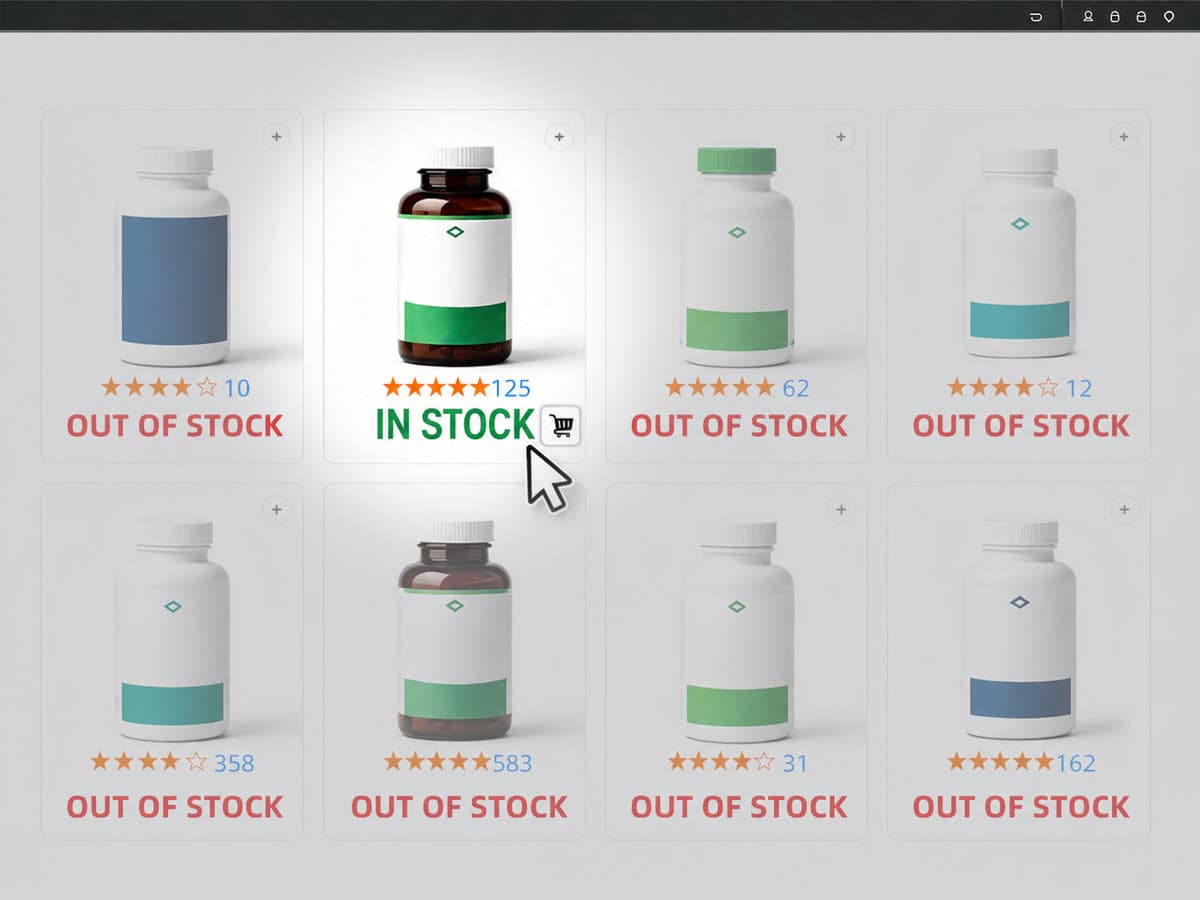

Riverpharm · Supplement Contract Manufacturing
Your supplement brand, manufactured to the highest standard
From first formula to finished product — we handle manufacturing, packaging, and fulfillment so you can focus on building your brand.
Core services
Contract Manufacturing
GMP-certified production with full batch testing and certificate of analysis on every run.
Custom Formulation & R&D
In-house scientists develop your formula from scratch or refine existing blends for efficacy.
Packaging & Labeling
Design-to-print label service — shelf-ready, FDA-compliant, and retail-tested.
FBA Prep & Fulfillment
Amazon-ready prep and direct-to-warehouse shipping — no extra steps on your end.
By the numbers
NSF
NSF/ANSI 455-2 certified
cGMP
Certified environment
24 hr
AI-accelerated quote turnaround
600K
cGMP+ encapsulator capacity per run
Why Riverpharm
Quality systems with higher standards
- NSF/ANSI 455-2 certified
- cGMP-certified environment
- In-house + third-party testing
- Source-locked ingredients
Production capacity with faster execution
- Heavy-duty hardware
- In-house core reserves
- AI-accelerated quotes
- In-house expert hub
Delivery formats we produce
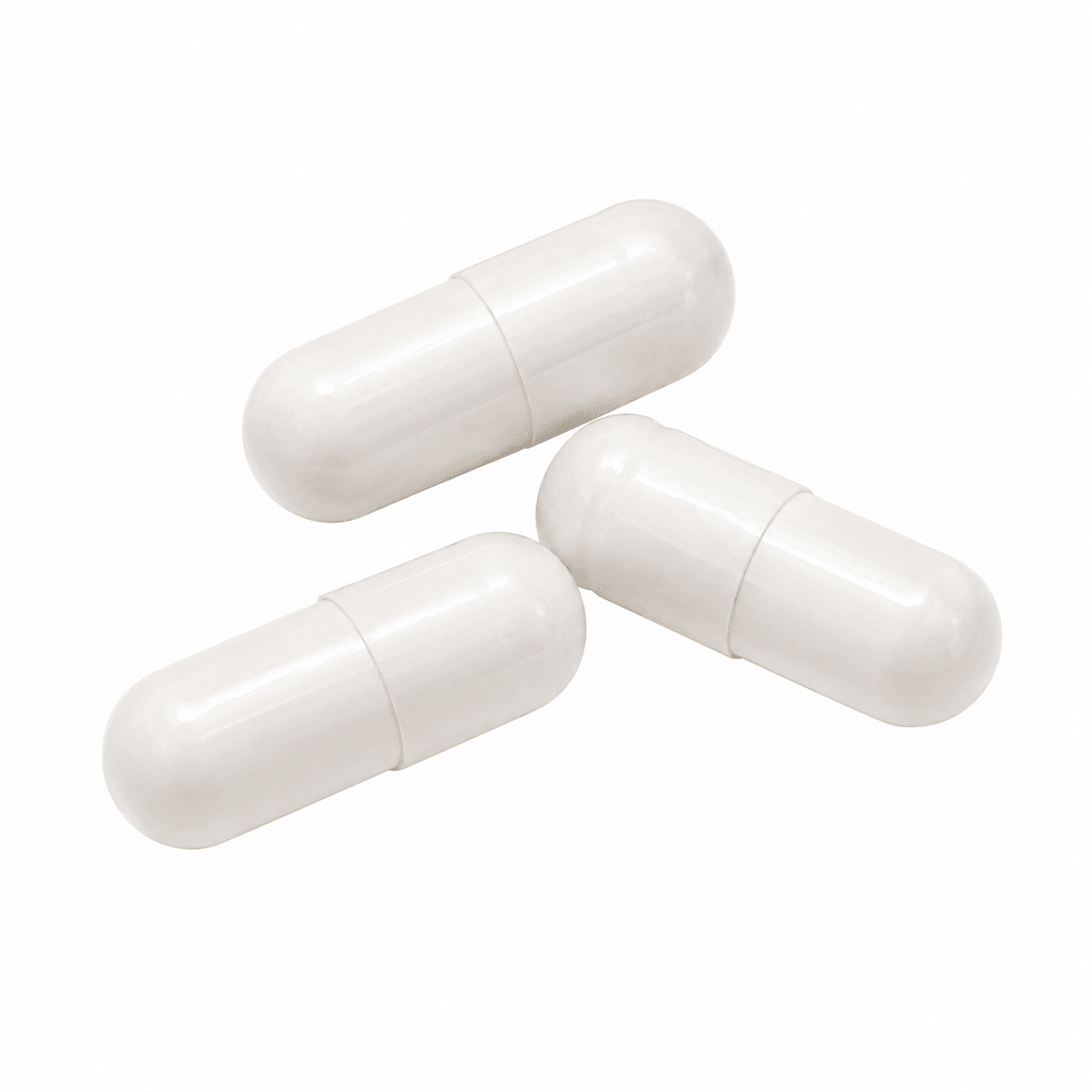
Capsules
Gelatin & HPMC vegetarian

Sachets
Single-dose powder blends

Stick packs
Convenient single-serve
Pouches
Flexible, shelf-ready
Ready to bring your supplement to market?
Free consultation · 24-hour quote · No minimum commitment to get started