Brain Health Supplement Manufacturing: How OEM/ODM Partners Help Build Trustworthy Cognitive Support Brands
Brain health supplements are booming, but evidence and quality vary. Learn how OEM/ODM manufacturers help brands design and produce compliant, user‑centric cognitive support formulas in capsules and stick packs grounded in modern science and regulation.

As someone who has spent years helping B2B nutraceutical brands bring cognitive support products from idea to shelf, I have seen one thing become very clear: the brands that win in brain health supplements are those that treat science, safety, and manufacturing standards as non‑negotiables. In a fast‑growing and sometimes confusing nootropics market, choosing the right brain health supplement manufacturing partner is no longer just a cost decision – it is a strategic choice that directly affects brand reputation and long‑term customer trust.
This article explains how serious brands should approach brain health supplement manufacturing with an OEM/ODM partner like River Pharm Inc, from ingredient choices and regulatory expectations to format selection, process controls, and product claims.

Why Cognitive Support Supplements Are a Strategic Category
Global consumer interest in brain health, focus, memory, and mental performance has grown rapidly over the last decade. Older adults are looking to maintain cognitive function, while younger consumers such as students, gamers, and busy professionals seek sharper focus and mental stamina in daily life.
Several structural trends continue to drive this category:
- Aging populations concerned about cognitive decline.
- High levels of work and study‑related stress.
- Increased awareness of the link between diet, lifestyle, and brain performance.
At the same time, regulators and scientific organizations have become more vocal about limitations in the current evidence base and quality gaps in some cognitive supplement products. This makes manufacturing rigor and transparent OEM/ODM processes a key differentiator for B2B buyers who want more than just a generic "nootropic blend".
OEM vs Custom ODM in Brain Health Supplements
For brands entering or expanding in cognitive health, two collaboration models are especially relevant: OEM and custom ODM.
OEM: You Bring the Formula, We Manufacture
In an OEM (Original Equipment Manufacturing) model, your team provides a complete or near‑complete formula, and the manufacturer focuses on scaling it safely and compliantly into capsules, sachets, stick packs, or soft pouch formats.
A high‑value OEM brain health manufacturing partner will typically:
- Evaluate ingredient feasibility, including flow, compressibility, and compatibility.
- Check formulations against regulatory expectations and label compliance in your target market.
- Review whether proposed dosages and ingredient combinations are consistent with current safety and scientific data.
- Translate your formulation into clear specifications and manufacturing instructions.
For established brands with existing formulas, OEM offers speed, control, and continuity, provided the manufacturer is transparent about quality systems, testing, and documentation.
Custom ODM: From Concept or Benchmark to Finished Product
In a custom ODM (Original Design Manufacturing) model, brands usually come with a benchmark product or a desired benefit direction instead of a finished formula. Examples include "a caffeine‑free focus capsule for professionals", "memory and learning support for adults over 50", or "a daily brain health stick pack for busy parents".
A custom ODM partner like River Pharm Inc will then:
- Develop a proprietary formula tailored to your concept and positioning.
- Select and dose ingredients based on the latest available scientific and regulatory guidance.
- Design the delivery format (capsule or powder) and excipient system for stability and user experience.
- Provide documentation that supports your quality story and claims strategy.
Unlike generic "label slap" approaches that rely on public templates, custom ODM creates formulations that are unique to your brand, aligned with your market segment, and designed to be more future‑proof as evidence evolves.
Regulatory and Scientific Foundations for Brain Health Products
Evolving Evidence in Cognitive Support
Many ingredients promoted for cognitive enhancement in healthy adults have been studied, but the strength and consistency of the evidence varies considerably. Reviews of dietary supplement ingredients for optimizing cognitive performance often highlight that:
- Only a subset of ingredients has multiple high‑quality human studies.
- Results across trials can be mixed or modest in size.
- There are gaps in the quality, dose selection, and population relevance of existing research.
For brand owners, this reality has important consequences. It does not mean "do not enter the category", but it does mean:
- Avoiding disease‑like claims such as "prevents dementia" or "treats Alzheimer's".
- Anchoring positioning around support for normal cognitive function and mental performance.
- Being transparent about the level of evidence supporting each ingredient or benefit.
- Working with an OEM/ODM partner that understands regulatory expectations for dietary supplements, including labelling, cGMP, and the difference between structure/function and disease claims.
What Nutrients and Ingredients Do for the Brain
The scientific literature suggests that several nutrient classes can influence aspects of cognition, synaptic plasticity, mood, and brain structure. Examples include:
- Omega‑3 fatty acids, especially DHA, which are critical structural components of neuronal membranes and are associated with normal cognitive function.
- B vitamins and folate, which support normal homocysteine metabolism and neurological health.
- Vitamin D, which is important for brain function, with low status in some studies linked to poorer cognitive outcomes.
- Antioxidants such as vitamin E and certain polyphenols, which may help protect neurons from oxidative stress.
- Specific botanicals and compounds such as Bacopa monnieri, Ginkgo biloba, Rhodiola rosea, choline, and creatine, which have varying levels of supportive data in cognitive and fatigue contexts.
From a formulation perspective, a responsible OEM/ODM partner will balance foundational nutrients with targeted nootropic botanicals or compounds, and will clearly distinguish between areas with strong human data and areas where evidence is still emerging.
Designing Evidence‑Aware Brain Health Formulas
When designing or refining cognitive support formulas, the most successful B2B brands tend to use a layered approach:
- A base of well‑established nutrients that support overall brain health, such as omega‑3 fatty acids, B vitamins, and vitamin D.
- Focused nootropic botanicals or compounds chosen for the specific benefit cluster the product addresses, such as memory, focus, stress resilience, or mental energy.
- Supportive components to improve bioavailability, stability, and user experience, such as appropriate excipients and flavour systems in powders.
A skilled formulation team at your OEM/ODM partner should help you:
- Prioritize ingredients based on your target consumer, price point, and regulatory market.
- Avoid unnecessary formula complexity that increases cost without clear benefit.
- Ensure ingredients and dosages align with human data where available, or at least with thoughtful, conservative safety rationale.
- Plan for future iterations as new clinical research emerges.
From Concept to Capsule or Stick Pack: The OEM/ODM Manufacturing Journey
From my perspective working with multiple nutraceutical brands, the most successful brain health launches follow a structured, transparent process with their manufacturing partner.
1. Concept and Requirement Definition
The first step is a clear, strategic brief. Together with your manufacturer, you should specify:
- Target consumer segment and use cases.
- Core benefits and secondary benefits (for example, "memory and recall" as the primary focus, "mental energy" as a secondary benefit).
- Target markets and regulatory environments.
- Preferred delivery format and packaging style.
- Dietary or positioning constraints such as vegan, allergen‑free, stimulant‑free, or sugar‑free.
This stage aligns product intent with technical and regulatory reality, and prevents costly redesigns later.
2. Formulation Design and Technical Feasibility
Next, the OEM/ODM team designs or evaluates the formula. For OEM projects, this means translating your existing recipe into a manufacturable specification. For custom ODM projects, it involves:
- Proposing one or more formulation options with rationales for each active.
- Assessing interactions, stability, and sensory properties.
- Identifying any ingredients with restricted status or special regulatory requirements in your target market.
- Building in flexibility for future line extensions, such as different flavours or capsule strengths.
Technical feasibility also includes considering flow properties, hygroscopicity, and the behaviour of powder blends in capsules or stick pack filling.
3. Pilot Batches, Testing, and Optimization
Before full‑scale production, pilot or small‑scale batches are essential. This stage enables you and your manufacturer to:
- Validate capsule fill weight, hardness, disintegration, or powder solubility and mouthfeel.
- Confirm the product meets internal standards for taste, odour, and appearance.
- Perform analytical testing for identity, potency, microbial limits, and potential contaminants.
- Identify and correct process issues that could affect consistency or shelf life.
Good pilots save time and money by preventing large‑scale quality problems and product returns.
4. Full‑Scale Production and Packaging
Once the formula and process are validated, the OEM/ODM partner moves to scale. For brain health supplements, popular formats include:
- Hard capsules, suitable for multi‑ingredient nootropic stacks and precise dosing.
- Stick packs or small sachets, ideal for "on‑the‑go focus" or "daily brain drink" concepts.
- Soft pouches or bags containing multiple sachets, designed for convenience and sustainability stories.
Throughout production, the manufacturer should follow standard operating procedures that align with current Good Manufacturing Practice (cGMP) requirements for dietary supplements. This includes in‑process controls and batch release criteria designed to ensure consistent quality.

Quality, Safety, and Compliance in Everyday Practice
A modern brain health supplement manufacturer should be able to demonstrate quality not only on paper but in daily operations. Key elements include:
- cGMP‑compliant facilities and clear documentation to back this up.
- Robust supplier qualification programs covering raw material sourcing, traceability, and ongoing evaluation.
- Identity and purity testing of incoming ingredients using appropriate analytical methods.
- In‑process monitoring and finished product testing for potency, microbiology, and, where relevant, contaminants such as heavy metals or residual solvents.
- Stability data to support shelf‑life and label claim over the product's intended storage conditions.
For brand owners, these elements are not just operational details. They directly address long‑standing concerns in the cognitive supplement market about inconsistencies between label claim and actual content, and they help protect both consumers and brand equity.
User Experience–Driven Formulation and Product Design
From a user experience perspective, the best‑selling cognitive supplements rarely win on formula complexity alone. They succeed because they are realistic to use, easy to understand, and pleasant to consume.
Important UX considerations include:
- Dosing convenience: Daily regimens should be realistic for your user. For example, one or two capsules per day or one stick pack drink is usually more acceptable than many large capsules.
- Sensory profile: In powders, taste, sweetness, and texture should support repeat purchase and brand loyalty. This may require targeted flavour development to mask bitterness from botanicals.
- Clear and honest labelling: Ingredient lists, amounts per serving, and suggested use should be easy to read and understand. Simple, non‑exaggerated claim language enhances trust.
- Stack compatibility: Many consumers take multiple dietary supplements. Designing formulas that do not overload common nutrients helps reduce risk of excessive intake and improves overall safety.
Aligning UX with manufacturing reality is where experienced OEM/ODM partners add real value, turning scientific intent into products that fit into everyday life.

How Diet, Lifestyle, and Supplements Work Together
One of the most important messages for modern cognitive brands is that brain health is multifactorial. Diet, physical activity, sleep, stress levels, and social engagement all contribute to cognitive performance and aging.
Research has linked nutrient‑rich, balanced diets to more favorable brain outcomes, while diets high in saturated and trans fats and refined sugars are associated with poorer cognition and structural brain changes. Exercise appears to enhance synaptic plasticity, and some nutrients may support these effects further.
Positioning your brain health supplement as part of a broader toolkit – rather than a "magic bullet" – builds credibility. It also opens opportunities for educational content, cross‑selling with other product lines, and deeper relationships with practitioners and informed consumers.
Risk Management and Responsible Labeling in Cognitive Products
Because the evidence for many cognitive ingredients is promising but not definitive, responsible brands must pay close attention to risk management and labeling. Key principles include:
- Avoiding explicit disease prevention or treatment claims for conditions such as dementia, Alzheimer's disease, or depression.
- Making it clear that products are not suitable for everyone, and that individuals with underlying health conditions or those taking medications should consult healthcare professionals.
- Ensuring all claims are grounded in the best available evidence and are phrased as support for normal functions rather than cures.
Your OEM/ODM partner should be able to collaborate with you and your regulatory advisors to ensure labels, marketing copy, and formula design are aligned with current rules and good practice.
A Practical Framework to Brief Your OEM/ODM Partner
To streamline collaboration and avoid misalignment, you can use a simple framework when briefing your manufacturer:
1. Define your primary user scenario, such as "professionals working long hours at a computer" or "adults over 55 worried about memory."
2. Select one or two core benefits you want the product to emphasize, such as "focus and productivity," "memory and recall," or "stress resilience."
3. Choose your preferred format, for example capsule, stick pack, or small sachet.
4. Specify key constraints, such as vegan, caffeine‑free, allergen‑free, or sugar‑free.
5. Indicate whether you already have internal data, clinical experience, or IP that should influence the formula.
This simple framework helps your OEM/ODM partner quickly understand your goals and respond with targeted, realistic options instead of generic proposals.
Call to Action for Brand Owners
If your team is developing a new cognitive support line or planning to upgrade an existing brain health product, it is essential to work with a manufacturing partner who can convert scientific evidence and regulatory expectations into robust, scalable products.
River Pharm Inc focuses on OEM manufacturing for customer‑provided formulas and custom ODM development for brands that want differentiated brain health supplements in capsules, stick packs, sachets, or soft pouches. By combining rigorous quality systems with evidence‑aware formulation support, we help brands launch cognitive products that are not only marketable, but also responsible and sustainable.
To explore how we can support your next brain health project, contact the River Pharm Inc team and share your concept, target market, and preferred format.
Frequently Asked Questions (FAQ)
Q1: Can brain health supplements prevent dementia or Alzheimer's disease?
Dietary supplements are not medicines and should not be promoted as preventing or treating dementia or Alzheimer's disease. Responsible brain health products are positioned to support normal cognitive function and should always encourage users to seek medical advice for serious concerns.
Q2: Which ingredients are most promising for cognitive support?
Nutrients such as omega‑3 fatty acids, B vitamins, vitamin D, and certain antioxidants are widely studied. Botanicals like Bacopa monnieri, Ginkgo biloba, and Rhodiola rosea also have some human data. However, effects vary, and no ingredient is a guaranteed "cure" for cognitive issues.
Q3: How do regulations affect cognitive support supplements?
Regulated markets typically require dietary supplements to comply with manufacturing standards, labelling rules, and restrictions on health claims. In many cases, only structure/function claims such as "supports cognitive function" are acceptable, while disease claims are reserved for approved drugs.
Q4: What format works best for brain health products, capsules or powders?
Both formats can be successful. Capsules allow for precise dosing and are convenient for multi‑ingredient blends. Powder stick packs or sachets are well‑suited for users who prefer drinks and want an "on‑the‑go" solution. The choice should match your concept, dosage needs, and consumer habits.
Q5: How can I evaluate whether an OEM/ODM partner is suitable for my brain health product?
Key factors include evidence of cGMP compliance, transparent quality control processes, experience with cognitive formulas, and willingness to discuss ingredient rationales and claim strategies. A good partner should be comfortable answering detailed questions about sourcing, testing, and documentation.
References
1. "Dietary Supplement Ingredients for Optimizing Cognitive Performance."
PubMed – National Institutes of Health.
https://pubmed.ncbi.nlm.nih.gov/34370563/
2. "Addressing gaps surrounding dietary supplement ingredients for boosting brain health and optimizing cognitive performance."
PubMed – National Institutes of Health.
https://pubmed.ncbi.nlm.nih.gov/34890857/
3. Gómez‑Pinilla F. "Brain foods: the effects of nutrients on brain function."
National Center for Biotechnology Information (NCBI).
https://www.ncbi.nlm.nih.gov/pmc/articles/PMC2805706/
4. U.S. Food and Drug Administration – Dietary Supplements: Overview and Resources.
https://www.fda.gov/food/dietary-supplements
5. Industry example: brain health supplement manufacturing positioning.
Hot Tags: Brain Health Supplement Manufacturing, Nootropic Supplement Manufacturer, Cognitive Support OEM, Brain Health ODM Services, Dietary Supplement Contract Manufacturing, Cognitive Health Capsule Production, Brain Supplement Stick Pack OEM, GMP Brain Health Factory, Custom Nootropic Formulation, B2B Brain Health Brand Development
Did you find this helpful?
Comments (0)
No comments yet. Be the first to comment!
Leave a comment
Related Posts

Riverpharm · Supplement Contract Manufacturing
Your supplement brand, manufactured to the highest standard
From first formula to finished product — we handle manufacturing, packaging, and fulfillment so you can focus on building your brand.
Core services
Contract Manufacturing
GMP-certified production with full batch testing and certificate of analysis on every run.
Custom Formulation & R&D
In-house scientists develop your formula from scratch or refine existing blends for efficacy.
Packaging & Labeling
Design-to-print label service — shelf-ready, FDA-compliant, and retail-tested.
FBA Prep & Fulfillment
Amazon-ready prep and direct-to-warehouse shipping — no extra steps on your end.
By the numbers
NSF
NSF/ANSI 455-2 certified
cGMP
Certified environment
24 hr
AI-accelerated quote turnaround
600K
cGMP+ encapsulator capacity per run
Why Riverpharm
Quality systems with higher standards
- NSF/ANSI 455-2 certified
- cGMP-certified environment
- In-house + third-party testing
- Source-locked ingredients
Production capacity with faster execution
- Heavy-duty hardware
- In-house core reserves
- AI-accelerated quotes
- In-house expert hub
Delivery formats we produce
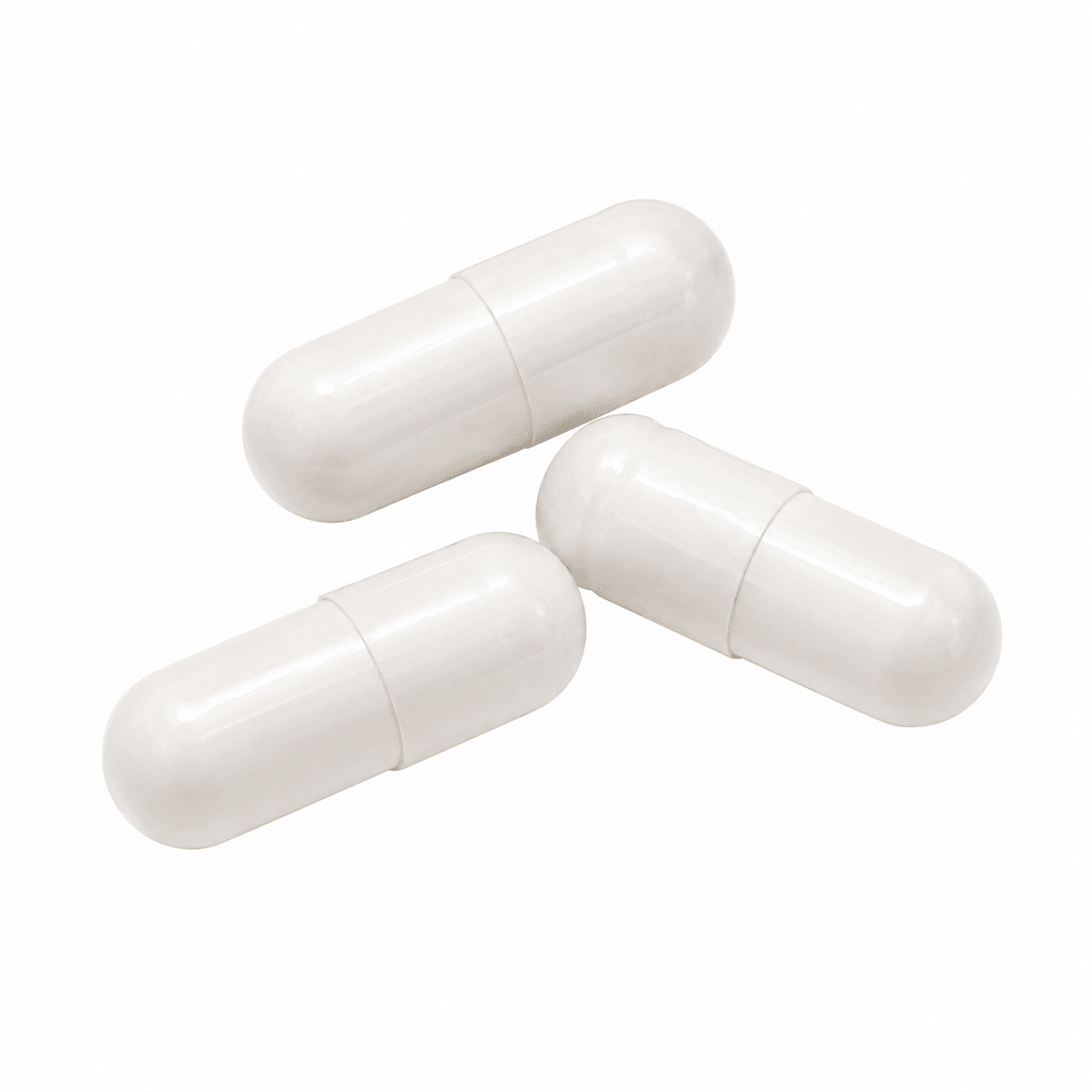
Capsules
Gelatin & HPMC vegetarian
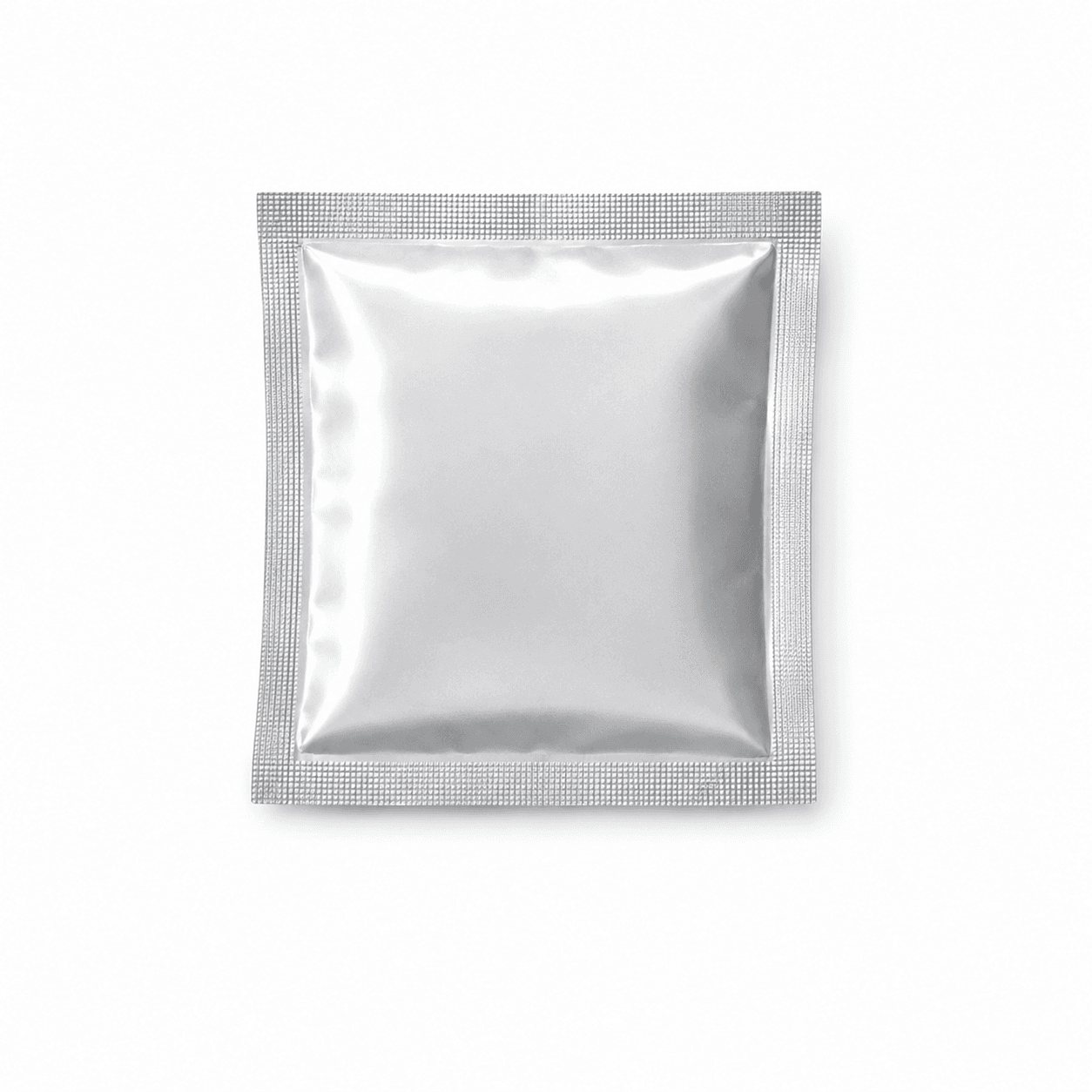
Sachets
Single-dose powder blends
Stick packs
Convenient single-serve
Pouches
Flexible, shelf-ready
Ready to bring your supplement to market?
Free consultation · 24-hour quote · No minimum commitment to get started