Bringing Your Formula to a New Manufacturer: A B2B Transfer Checklist
A step-by-step guide for brands moving a proven formula to a new manufacturing partner.

Moving an existing supplement formula to a new manufacturer is not just a purchasing decision. It is a transfer process that affects quality, timing, packaging, documentation, and supply continuity all at once.
For growing brands, formula transfer usually happens for one of four reasons:
the current manufacturer cannot support future volume
lead times have become unreliable
communication or documentation is weak
the brand wants a second source or a U.S.-based production option
Whatever the reason, a successful transfer depends on preparation. The goal is not simply to recreate the formula on paper. The goal is to reproduce it in a way that protects quality, consistency, and commercial timelines.
Who this article is for
This guide is for supplement brands that:
already have an existing formula in market
want to move production to a new factory
need overflow or backup manufacturing capacity
are scaling an established SKU into larger volume
want to reduce risk during a change in manufacturing partner
1. Start With a Transfer Package, Not Just a Formula Sheet
One of the most common mistakes brands make is assuming the manufacturer only needs the ingredient breakdown.
In reality, a formula transfer should begin with a full technical package that may include:
active and inactive ingredient specifications
target serving size and fill weight
capsule or powder format details
flavor or organoleptic expectations
packaging specifications
current label claims
historical COAs or testing references
shelf-life or stability expectations
target annual or monthly volume
A good transfer begins with complete information. Incomplete inputs create delays later.
2. Confirm Manufacturability Early
A formula that worked at one facility may still require technical review at another.
Why? Because manufacturability depends on more than ingredients. It can be affected by:
powder flow behavior
excipient choices
capsule shell compatibility
moisture sensitivity
blend uniformity
equipment fit
packaging line compatibility
This is especially important for probiotics, complex blends, hygroscopic powders, and performance-focused formulas where consistency matters commercially.
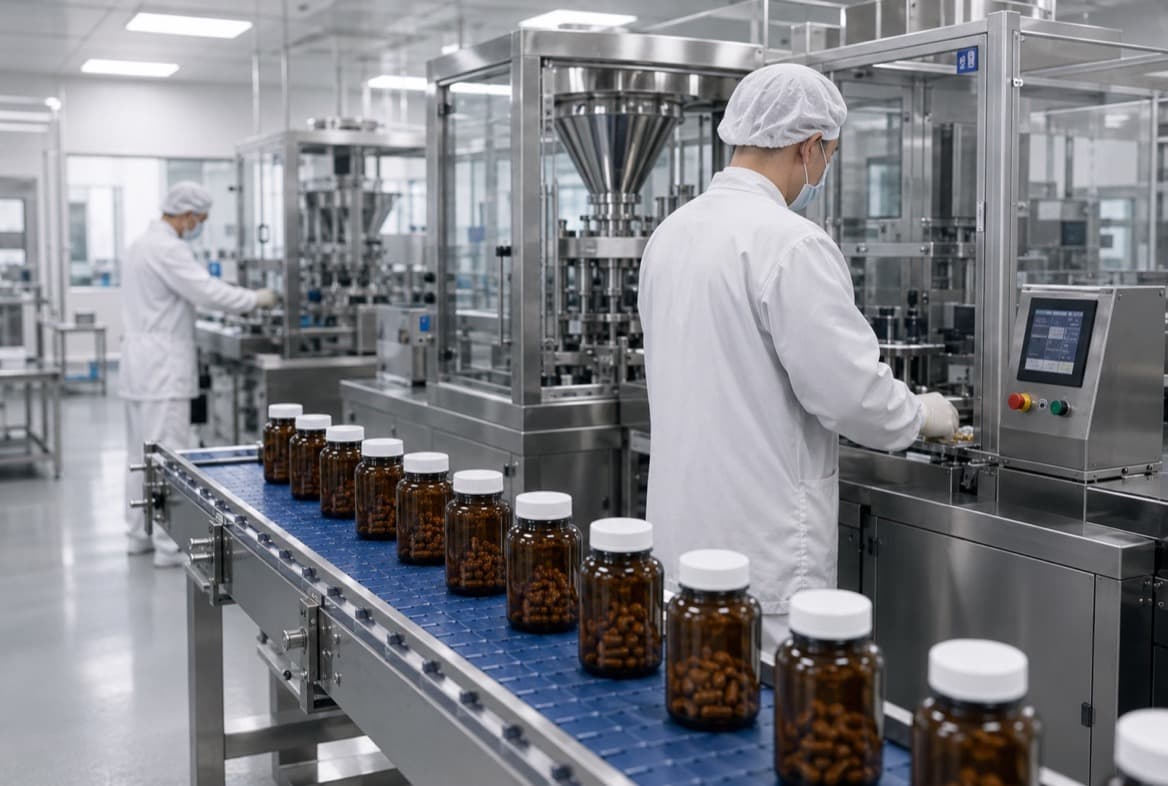
Before timelines are discussed too confidently, the new manufacturer should review whether the formula fits its equipment and process environment.
3. Clarify Packaging Requirements Up Front
Many transfer delays come from packaging, not formulation.
If your brand uses bottles, pouches, stick packs, or sachets, the new manufacturer needs to understand not just the product, but the exact packaging workflow. That includes:
size and material requirements
barrier needs
artwork and compliance review status
labeling format
finishing expectations
ship-ready configuration
If packaging approval is required before production timing begins, that should be made explicit early in the process.
For many brands, packaging is the hidden critical path.
4. Decide Whether a Pilot Run Is Necessary
Not every existing formula needs a full pilot. But some definitely do.
A pilot or technical trial may be smart if:
the formula is sensitive
the target format is changing
the original manufacturer used different equipment logic
flowability or fill accuracy is a concern
packaging is new
shelf-life performance is especially important
Brands should never assume that “already in market” automatically means “ready for direct full-scale transfer.”
A short technical validation step can prevent a much more expensive commercial delay.
5. Align on Timeline Reality
Transfer projects often fail because teams confuse ideal timing with actual timing.
A realistic timeline should account for:
NDA and document exchange
formula review
technical feedback
raw material alignment
packaging approval
pilot work if needed
QA release
first production scheduling
If the new manufacturer distinguishes between lead time for existing formulations and lead time for new custom projects, pay attention to that difference. It helps your team plan more accurately and reduces internal pressure later.
6. Protect Supply Continuity During the Change
A manufacturing transfer should not be managed as a simple switch. It should be managed as a continuity project.
That means brands should think about:
overlap inventory
timing of final runs at the current factory
launch timing at the new factory
buffer stock strategy
retailer or marketplace commitments
seasonal volume spikes
The most successful brands treat transfer planning as part sourcing, part operations, and part risk management.
7. Questions to Ask Your New Manufacturer
Before moving forward, ask:
Have you reviewed the formula for manufacturability?
What documents do you need from us first?
What could delay transfer timing?
Is packaging approval part of the lead-time clock?
When would you recommend a pilot run?
Can you support our projected future volume as well as our first transfer batch?
How do you handle technical questions during onboarding?
These questions help reveal whether the manufacturer is simply quoting or actually thinking through the project.
8. Common Transfer Mistakes
The most common transfer errors are:
sending incomplete technical data
treating packaging as an afterthought
assuming the new facility can mirror the old process automatically
underestimating QA and release timing
switching too aggressively without continuity stock
choosing a manufacturer based only on price
A formula transfer is successful when the new relationship is stronger operationally than the old one, not merely cheaper.
Final Thoughts
Bringing your formula to a new manufacturer should increase control, not introduce chaos.
The right transfer partner will help your team evaluate manufacturability, clarify timing, anticipate risks, and support a stable handoff into production. For established supplement brands, that level of discipline matters far more than a fast quote alone.
If your brand already has a proven formula, the next step is not to ask who can make it cheapest. The next step is to ask who can make it reliably, repeatedly, and at the scale your business actually needs.
CTA
Have an existing supplement formula and need a new manufacturing partner for U.S. production, overflow capacity, or long-term scale? RiverPharm can review your specs, packaging format, and projected volume to help map the transfer process.
Hot Tags: grapefruit extract capsules, creatine hcl capsules, saffron extract capsules, shilajit extract capsules, turmeric with pepper capsules, turmeric and ginger capsules, tylenol extra strength capsules, vitality capsules, apple cider vinegar capsule, ashwagandha extract capsules, best apple cider vinegar capsules, custom, private label, manufacturing company, manufacturers, suppliers, factory, Customized, Bulk, quotation, oem, contract manufacturing, manufacturer, b2b manufacturing, gmp certified manufacturing
Did you find this helpful?
Comments (0)
No comments yet. Be the first to comment!
Leave a comment
Related Posts

Riverpharm · Supplement Contract Manufacturing
Your supplement brand, manufactured to the highest standard
From first formula to finished product — we handle manufacturing, packaging, and fulfillment so you can focus on building your brand.
Core services
Contract Manufacturing
GMP-certified production with full batch testing and certificate of analysis on every run.
Custom Formulation & R&D
In-house scientists develop your formula from scratch or refine existing blends for efficacy.
Packaging & Labeling
Design-to-print label service — shelf-ready, FDA-compliant, and retail-tested.
FBA Prep & Fulfillment
Amazon-ready prep and direct-to-warehouse shipping — no extra steps on your end.
By the numbers
NSF
NSF/ANSI 455-2 certified
cGMP
Certified environment
24 hr
AI-accelerated quote turnaround
600K
cGMP+ encapsulator capacity per run
Why Riverpharm
Quality systems with higher standards
- NSF/ANSI 455-2 certified
- cGMP-certified environment
- In-house + third-party testing
- Source-locked ingredients
Production capacity with faster execution
- Heavy-duty hardware
- In-house core reserves
- AI-accelerated quotes
- In-house expert hub
Delivery formats we produce
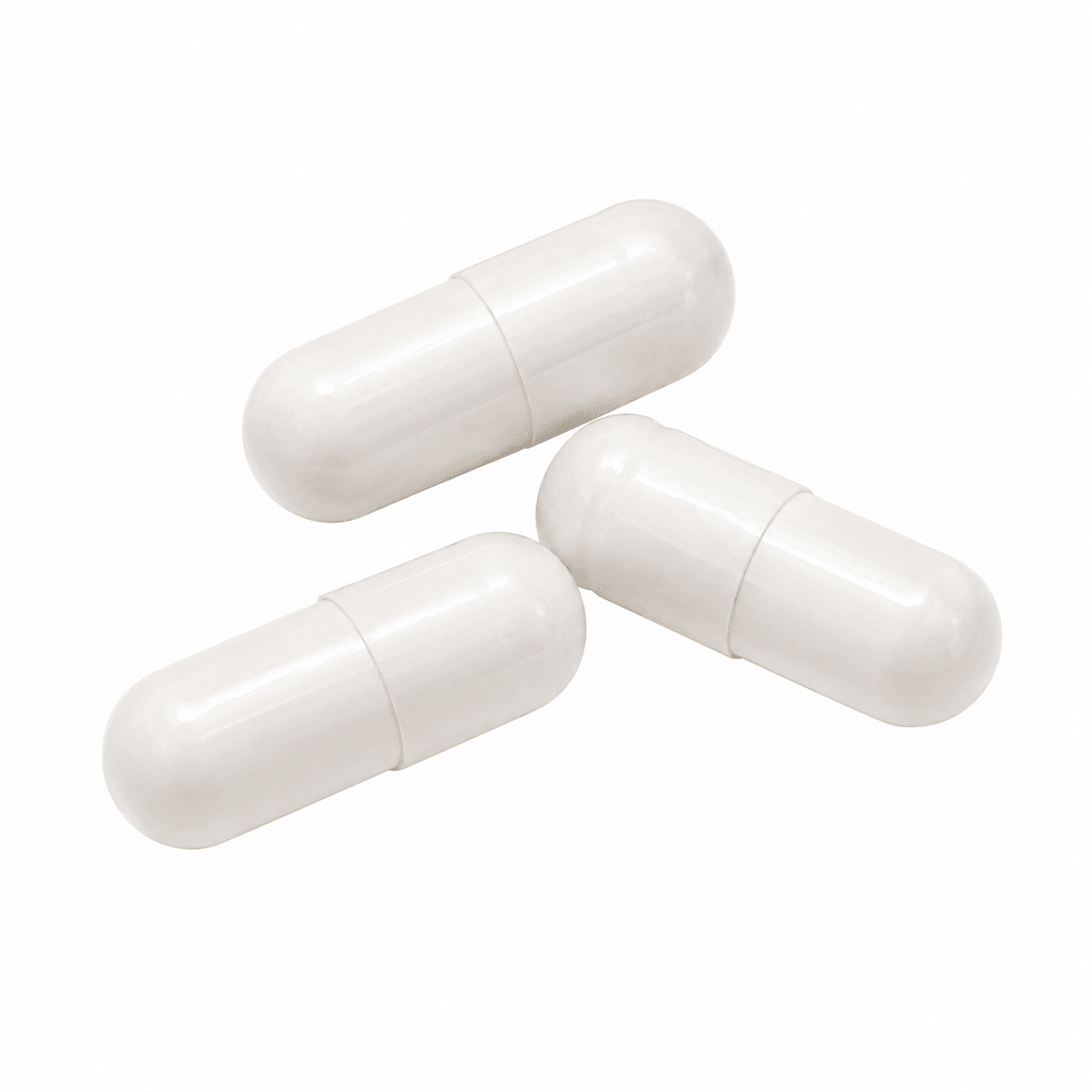
Capsules
Gelatin & HPMC vegetarian
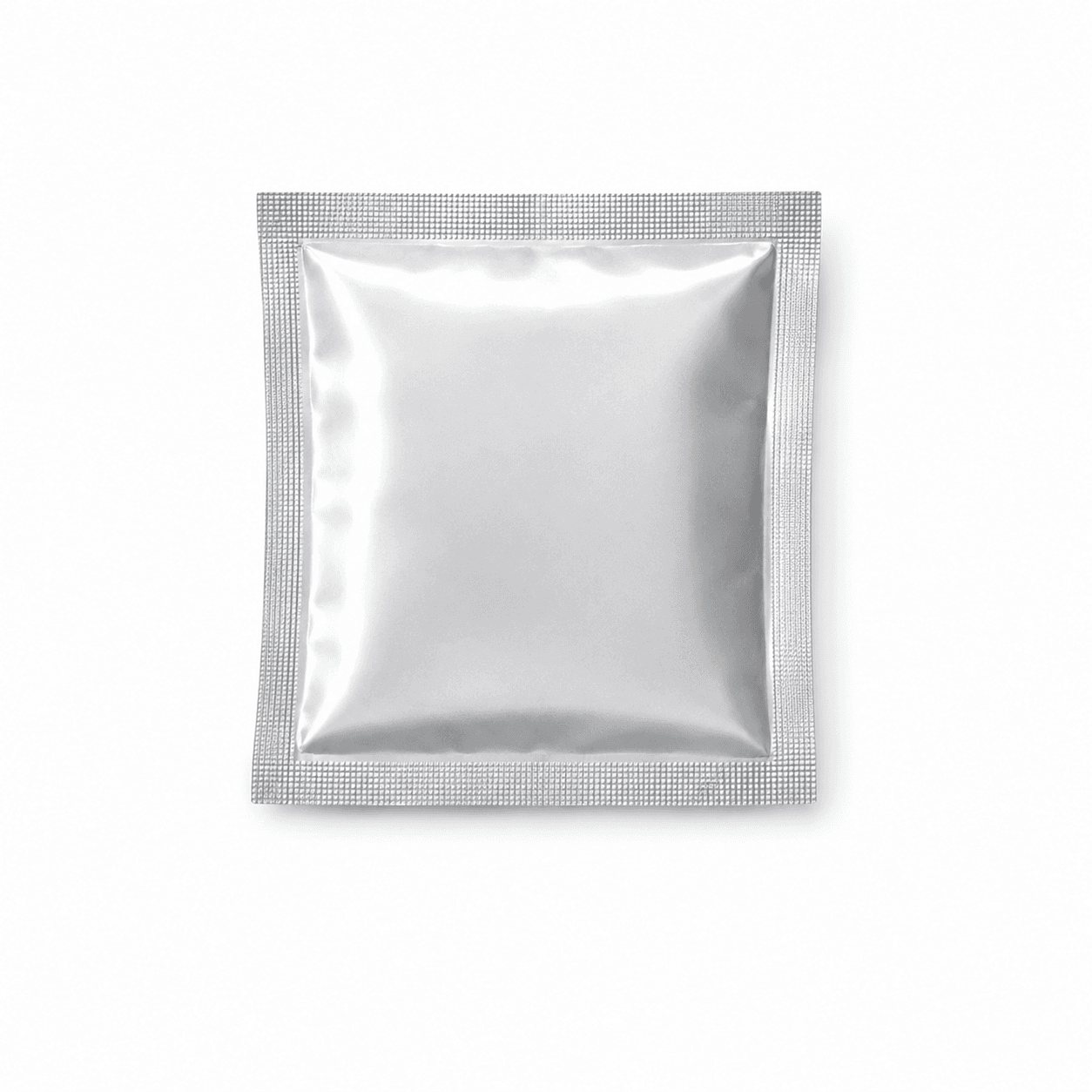
Sachets
Single-dose powder blends
Stick packs
Convenient single-serve
Pouches
Flexible, shelf-ready
Ready to bring your supplement to market?
Free consultation · 24-hour quote · No minimum commitment to get started