Amino Acids vs Protein Powder in Sports Nutrition Manufacturing: How Contract Brands Should Choose Their Next Formula
Compare amino acid and protein powder formulas from a sports nutrition OEM/ODM perspective to choose the best strategy for your next supplement launch.

When sports nutrition brands brief a contract manufacturer, one of the first strategic questions is whether to lead with amino acid formulas, such as BCAA blends, or with full protein powders. From a formulation and positioning standpoint, this single decision shapes raw material sourcing, dosage strategy, labeling, cost structure, and long‑term portfolio planning. For an OEM/ODM sports nutrition manufacturer like River Pharm Inc, working across bulk powders and capsules, the role is not just to fill tubs and bottles but to co‑engineer market‑ready products that align with scientific evidence, regulatory expectations, and current consumer demand.
This article compares amino‑acid‑focused products and full protein powders from a B2B manufacturing perspective and offers a practical framework for brand owners and product managers. The goal is to help you choose the right direction for your next sports nutrition launch while meeting modern expectations for scientific rigor, regulatory compliance, and user‑centric product design.

Amino Acids vs Protein Powder: Defining the Two Pillars
In sports nutrition, amino acid supplements and protein powders are best seen as complementary tools rather than direct competitors. Amino acid products deliver selected amino acids in concentrated doses, often targeting specific performance or recovery mechanisms. Protein powders provide complete proteins that the body breaks down into amino acids, supplying the broader foundation needed for muscle maintenance, recovery, and growth.
From a brand strategy angle, amino acid products tend to live in the performance and "stack" space, often used around workouts or in combination with other supplements. Protein powders typically occupy a foundational role in daily nutrition, serving as meal complements or post‑workout staples. The most successful brands use both categories in a coordinated portfolio rather than choosing one forever at the expense of the other.
The Science in Short: What Protein and Amino Acids Actually Do
Dietary protein supplies essential amino acids that the body cannot synthesize but requires for muscle protein synthesis, tissue repair, and many metabolic processes. For active individuals and athletes, total daily protein intake is a primary determinant of recovery quality, training adaptation, and long‑term body composition. Well‑designed protein powders are therefore powerful tools to help consumers reach targeted protein intakes consistently, especially when whole‑food intake is insufficient or inconvenient.
Amino acid supplements, by contrast, concentrate on particular amino acids or amino acid blends. Branched‑chain amino acids (BCAAs) such as leucine, isoleucine, and valine, as well as essential amino acids (EAAs), have been investigated for their role in stimulating muscle protein synthesis, influencing fatigue, and modulating recovery markers. In practice, amino acid products work best as precision tools that "sit on top of" an adequate protein intake, fine‑tuning acute training responses rather than substituting for daily protein needs.
BCAA and Amino Acid Formulas: Where They Shine
From a manufacturing and formulation perspective, amino‑acid‑focused products are highly versatile. They can be delivered as flavored powders, capsules, or stick packs, which gives brands more freedom in terms of serving size, format, and stacking strategies. This versatility is particularly valuable for River Pharm Inc, given its capabilities in capsules and multiple powder packaging formats.
Amino acid formulas make the most sense in scenarios such as:
- Targeting experienced trainees or athletes who already have a strong base diet and use protein powder regularly.
- Designing intra‑workout or pre‑workout products where lighter mouthfeel and smaller serving sizes improve adherence.
- Building stack‑oriented ecosystems, where users take a protein shake post‑workout but also add BCAA or EAA products before or during training.
- Positioning the brand as highly technical or performance‑driven, with transparent gram‑level disclosures of key amino acids like leucine.
Because amino acids can have intense and sometimes bitter taste profiles, they demand careful flavor system design, sweetener selection, and possibly the inclusion of mouthfeel agents. This is where an experienced OEM/ODM manufacturer adds immediate value by balancing active dose, palatability, and manufacturability.
Protein Powders: The Daily Foundation for Sports and Active Lifestyles
Protein powders generally serve as the backbone of a sports nutrition lineup. Whether based on whey, casein, plant proteins, or blends, they help consumers meet daily protein targets in an efficient, repeatable way. They are especially effective for:
- Beginners and lifestyle consumers who want a simple, intuitive way to support muscle maintenance and recovery.
- Post‑workout and meal‑adjacent occasions, where a shake is routine and easy to integrate.
- Weight management and healthy aging use cases, where adequate protein intake supports satiety and preservation of lean mass during calorie restriction or in older adults.
- Subscription and repeat‑purchase models, because daily use drives recurring orders.
From the manufacturing side, protein powders take full advantage of large‑scale blending and filling lines. They also open strong opportunities for flavor innovation, limited editions, and region‑specific taste profiles. However, their success hinges on texture, solubility, flavor quality, and consistent macro delivery per serving, all of which depend on tight process control in blending, filling, and packaging.
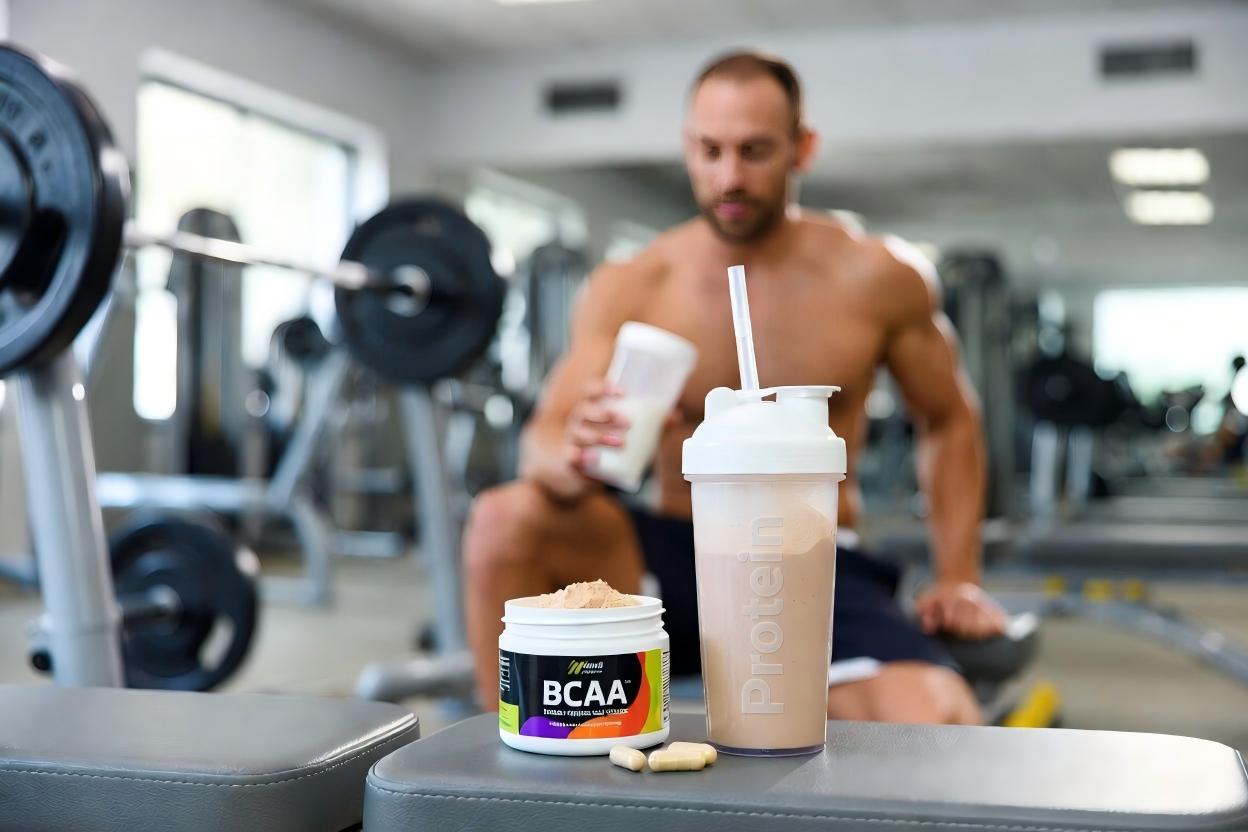
Evidence Overview: What Research Suggests About BCAA vs Protein
Research on amino acids and protein intake in sports performance provides several useful insights for B2B decision‑making:
First, total daily protein intake remains the cornerstone. Studies consistently indicate that athletes and highly active individuals benefit from higher protein intakes compared with sedentary populations, within reasonable and safe ranges. When daily protein is inadequate, adding amino acids alone is unlikely to compensate for the deficit. For product strategy, this means that protein powders deserve a prominent role wherever consumers struggle to meet their protein targets through diet alone.
Second, branched‑chain amino acids and essential amino acids have shown potential in supporting training adaptations and recovery markers under certain conditions. Some trials have reported improvements in lean mass and strength when BCAA supplements are used alongside resistance training and compared with carbohydrate or lower‑protein controls. However, outcomes vary and depend heavily on underlying diet, training protocols, dosages, and study design.
For contract brands, the practical takeaway is clear: amino acid formulas should be constructed with dose‑justified levels of actives and marketed with modest, evidence‑aligned language. They can legitimately sit alongside protein powders in a portfolio but should not be positioned as magic bullets or as unequivocal replacements for a solid protein intake.
Regulatory and Labeling Considerations: Claim Strategy for Both Categories
Any brand operating in the sports nutrition space must navigate the regulatory framework governing dietary supplements. In the United States, that means aligning products and labels with FDA expectations around dietary supplement status, claim categories, and proper labeling.
For both amino acid products and protein powders, most front‑of‑pack and marketing communications will center on structure/function claims rather than disease claims. Structure/function claims describe how a nutrient supports normal physiological functions, such as "supports muscle recovery," "helps maintain lean muscle," or "supports exercise performance." They must be truthful, not misleading, and supported by reasonable evidence. They must also be accompanied by the standard dietary supplement disclaimer and, in the U.S. market, be properly notified to the agency.
Because amino acid formulas often target performance and acute effects, there can be a temptation to push claim language too far. An experienced OEM/ODM partner can help clients stay within the structure/function category, avoid disease‑related phrasing, and align serving sizes and ingredient dosages with the claims that appear on pack. This alignment is essential not only for regulatory compliance but also for brand credibility in an increasingly discerning market.
OEM vs Custom ODM: Two Routes to Sports Nutrition Formulas
In practice, sports nutrition brands tend to work with manufacturers under either an OEM model or a custom ODM model. Understanding the boundary between these two models makes project planning and expectation management much easier.
Under a classic OEM model, the client supplies the formula. The brand arrives with a fully or mostly developed recipe, target dosages, and a desired dosage form. The manufacturer's responsibility is to validate feasibility at scale, adapt the formula as needed for manufacturing efficiency and stability, and produce the product under agreed quality standards. In this model, the manufacturer's value lies in technical execution, process optimization, and consistency.
Under a custom ODM model, the client provides a concept rather than a complete formula. They may bring a reference product, an initial ingredient idea, or just a high‑level benefit direction such as "recovery support for recreational lifters" or "plant‑based daily protein for active women." The manufacturer's development team then designs the formula, selects ingredient sources, defines dosage ranges, performs sensory optimization, and prepares documentation and label suggestions. This model is ideal for brands that lack in‑house R&D or want to move quickly from concept to differentiated product without building a full development team.
For River Pharm Inc, custom ODM is particularly relevant where clients only have a target effect, like "intra‑workout endurance" or "lean mass support," and need guidance on whether amino‑focused blends or protein‑centered shakes are the better fit.

When to Lead With Amino Acids in Your Portfolio
From a strategic perspective, amino‑forward products are well suited to brands that want to emphasize performance nuance, stacking, and advanced user knowledge. Situations where leading with amino acid products is advantageous include:
- Targeting niche, high‑engagement communities such as powerlifters, competitive bodybuilders, or endurance athletes with specific intra‑workout needs.
- Launching a performance‑first brand identity, where the promise is precision, transparency, and science‑driven formulation.
- Operating in channels where small pack sizes and high margin per gram are important, such as specialty retail, boutiques, or high‑end direct‑to‑consumer channels.
- Building product architectures where amino products upsell around a core set of basic products (for example, stacking BCAA or EAA products on top of an existing protein base used by the same customers).
From the manufacturing side, amino‑based products can be flexible in packaging and convenient in logistics due to their smaller serving sizes and lower per‑unit shipping weight. They also provide more opportunities for capsule formats, which River Pharm's capsule and small‑pack capabilities are well positioned to support.
When to Lead With Protein Powder as the Hero SKU
Protein powders remain the default hero SKU for many sports and active‑nutrition brands, and with good reason. Leading with protein is often the better choice when:
- The brand is new to market and needs to educate a broad audience with a simple, easily understood proposition.
- The key communication revolves around daily habits, body composition, or general wellness, rather than solely on acute training performance.
- The business model relies on high‑volume repeat purchases, subscriptions, or grocery and mass retail distribution, where protein tubs and bags can anchor shelf presence.
- The target audience includes older adults, casual gym users, or weight‑management customers who recognize protein's role in satiety and muscle maintenance but may not be familiar with the nuances of BCAA or EAA blends.
From a production standpoint, protein powders require expertise in handling large volumes of raw materials, ensuring homogenous blending, preventing clumping, and maintaining flavor consistency across batches. An OEM/ODM partner with robust powder lines and quality systems can transform a good high‑level idea for a protein product into a reliable commercial reality.
Industry Trends: Combining Protein and Amino Strategies
Modern sports nutrition portfolios increasingly combine both protein and amino products in a cohesive lineup. Several trends are shaping how brands structure their ranges:
First, many consumers now take multiple supplements simultaneously, such as a daily protein shake, a pre‑workout drink, and an intra‑workout or recovery formula. This creates strong opportunities for product ecosystems, where a brand designs each SKU to work synergistically rather than seeing them as competing options.
Second, there is a rising interest in plant‑based and hybrid formulations. Some brands combine plant proteins with essential amino acids to optimize amino acid profiles while supporting plant‑based positioning. Others offer both whey and plant versions of their hero protein product, then layer BCAA or EAA products that fit both lines.
Third, consumers are becoming more aware of dosing transparency. They increasingly expect clear disclosure of grams of protein per serving and grams of active amino acids in blends. Brands that partner with manufacturers capable of precise dosing, analytical verification, and transparent labeling gain an advantage in trust and perceived quality.
In all these trends, the manufacturer's role is to support rapid innovation, small test runs where appropriate, and scalable production once winners are identified. For River Pharm Inc, the ability to produce both bulk powders and capsules, as well as multiple small‑pack formats, directly supports this type of layered, test‑and‑scale portfolio strategy.
Expert Perspective: How to Decide Which Product to Launch Next
In advising sports nutrition brands on whether their next launch should be an amino‑led formula or a protein‑centered product, three decision axes are particularly useful.
The first axis is audience maturity. If you are aiming at advanced users who already understand macro intake, leucine thresholds, and training periodization, then specialized amino formulas can reinforce your brand's technical credibility. If your target audience consists mainly of everyday gym members and active lifestyle consumers, a protein powder is usually a more intuitive and lower‑friction entry point.
The second axis is business model and price architecture. Protein powders tend to be lower‑margin on a per‑gram basis but stronger drivers of volume, repeat purchase, and subscription revenue. Amino acid products, especially in capsule or stick pack form, often carry higher margins, function as profitable add‑ons, and provide more room for upsell strategies. Ideally, your product roadmap will balance a protein hero SKU with amino‑based secondary products that increase average order value.
The third axis is regulatory and messaging risk tolerance. Even when both product types are compliant, amino formulas can easily drift into more aggressive and less defensible marketing language if not carefully supervised. Protein powders lend themselves more naturally to broad, conservative claims about supporting muscle maintenance and recovery. A sophisticated OEM/ODM partner can help you calibrate claims to your risk appetite and evidence base while maintaining a coherent brand voice.
Practical ODM Briefing Checklist for Amino vs Protein Projects
To translate strategic thinking into actionable development projects, it helps to brief your manufacturing partner with a concise but structured document. For sports nutrition projects, consider including at least the following elements in your brief:
- Target consumer profile: training frequency, experience level, dietary restrictions, and typical use occasions.
- Primary benefit hierarchy: daily protein support, muscle growth support, endurance performance support, or post‑exercise recovery support.
- Preferred dosage form: bulk powder tub, sachets, stick packs, or capsules, aligned with your channel strategy and pricing.
- Nutritional targets: grams of protein or key amino acids per serving, desired calorie range, sugar and sweetener preferences, and any banned ingredients to avoid.
- Flavor direction and brand feel: milkshake‑style flavors, light fruit flavors, "clean label" cues, or indulgent dessert profiles.
- Regulatory market focus: key regions or countries so that the formula, label, and documentation can be designed to fit the relevant regulatory environments.
- Portfolio roadmap: whether this product is a one‑off or the first element in a larger ecosystem of related SKUs.
Providing this information early saves time, reduces reformulation loops, and lets the OEM/ODM team design a formula that is not only scientifically sound but also manufacturable and commercially aligned with your growth strategy.
Call to Action: Turning Strategy into Scalable Sports Nutrition Products
Choosing between amino acids and protein powder for your next sports nutrition launch is not just a question of ingredients. It is a strategic decision about audience, brand story, business model, and regulatory positioning. A partner like River Pharm Inc, with experience in both OEM and custom ODM services, is well placed to guide you through this decision and translate a concept into a finished product ready for market.
If you are evaluating your next move in sports nutrition, consider preparing a concise concept brief that covers your target user, primary benefit, dosage form, and regional focus. Sharing this with an experienced manufacturing partner allows for an informed discussion on whether an amino‑forward product, a protein‑centered formula, or a coordinated combination of both will serve your brand and customers best.
FAQ
Q1: Are amino acid supplements a complete substitute for protein powder?
A1: No. Amino acid supplements are best used as targeted additions to a diet that already provides sufficient total protein. Protein powders remain the primary tools for helping consumers meet daily protein intake recommendations.
Q2: If my customers eat a high‑protein diet, does a BCAA or EAA product still make sense?
A2: It can. Some evidence suggests that specific amino acid blends may support training adaptations or perceived recovery when layered on top of adequate protein intake. However, they should be positioned as precision support products rather than basic nutritional requirements.
Q3: Is plant protein as effective as whey in sports nutrition?
A3: When properly formulated and consumed in adequate amounts, plant protein blends can support muscle maintenance and recovery. Differences in digestibility and amino acid profiles can be mitigated by thoughtful blending and, in some cases, by fortifying with specific amino acids.
Q4: How do regulatory rules affect how I talk about protein and amino acid products?
A4: In markets like the United States, you must avoid disease claims and instead rely on structure/function claims, which describe how nutrients support normal body functions. These claims must be truthful, supported by evidence, and accompanied by appropriate disclaimers.
Q5: Should a new sports nutrition brand launch protein or amino acids first?
A5: Many new brands benefit from starting with a hero protein SKU because it is easier to explain and integrates smoothly into daily routines. Once that foundation is established, amino acid products can be introduced as higher‑margin, performance‑oriented additions for more advanced users.
References
1. U.S. Food and Drug Administration. "Label Claims for Conventional Foods and Dietary Supplements." https://www.fda.gov/food/nutrition-food-labeling-and-critical-foods/label-claims-food-dietary-supplements
2. U.S. Food and Drug Administration. "Structure/Function and Related Claims in Dietary Supplement Labeling." https://www.fda.gov/food/information-industry-dietary-supplements/notifications-structurefunction-and-related-claims-dietary-supplement-labeling
3. Rafii, M. et al. "Dietary Intake of Protein and Essential Amino Acids for Optimal Muscle Function." Nutrients, 2023. National Institutes of Health (NIH) – PubMed Central. https://www.ncbi.nlm.nih.gov/pmc/articles/PMC10535035/
4. Spillane, M. et al. "Consuming a supplement containing branched-chain amino acids during a resistance-training program increases lean mass, muscle strength and fat loss." Journal of the International Society of Sports Nutrition. https://jissn.biomedcentral.com/articles/10.1186/1550-2783-6-6
5. Maughan, R. et al. "Dietary Supplements and Sports Performance: Amino Acids." Journal of the International Society of Sports Nutrition. https://jissn.biomedcentral.com/articles/10.1186/1550-2783-2-2-63
6. "Efficacy of amino acids in sports nutrition – review of clinical evidences." Food Research International (ScienceDirect).
7. "The Impact of Protein and Amino Acid Supplementation on Sports Nutrition Supplement Use Among Recreational Gym-Goers." Sports (MDPI).
8. River Pharm Inc. Company information and service overview. https://www.riverpharm.com/
Hot Tags: Amino Acids Vs Protein Powder, Sports Nutrition OEM, BCAA Contract Manufacturing, Protein Powder OEM Services, Sports Supplement ODM, Amino Acid Supplement Manufacturer, Custom Sports Nutrition Formulation, Private Label Sports Supplements, Protein And BCAA Manufacturer, Sports Nutrition Contract Manufacturer
Did you find this helpful?
Comments (0)
No comments yet. Be the first to comment!
Leave a comment
Related Posts


Riverpharm · Supplement Contract Manufacturing
Your supplement brand, manufactured to the highest standard
From first formula to finished product — we handle manufacturing, packaging, and fulfillment so you can focus on building your brand.
Core services
Contract Manufacturing
GMP-certified production with full batch testing and certificate of analysis on every run.
Custom Formulation & R&D
In-house scientists develop your formula from scratch or refine existing blends for efficacy.
Packaging & Labeling
Design-to-print label service — shelf-ready, FDA-compliant, and retail-tested.
FBA Prep & Fulfillment
Amazon-ready prep and direct-to-warehouse shipping — no extra steps on your end.
By the numbers
NSF
NSF/ANSI 455-2 certified
cGMP
Certified environment
24 hr
AI-accelerated quote turnaround
600K
cGMP+ encapsulator capacity per run
Why Riverpharm
Quality systems with higher standards
- NSF/ANSI 455-2 certified
- cGMP-certified environment
- In-house + third-party testing
- Source-locked ingredients
Production capacity with faster execution
- Heavy-duty hardware
- In-house core reserves
- AI-accelerated quotes
- In-house expert hub
Delivery formats we produce
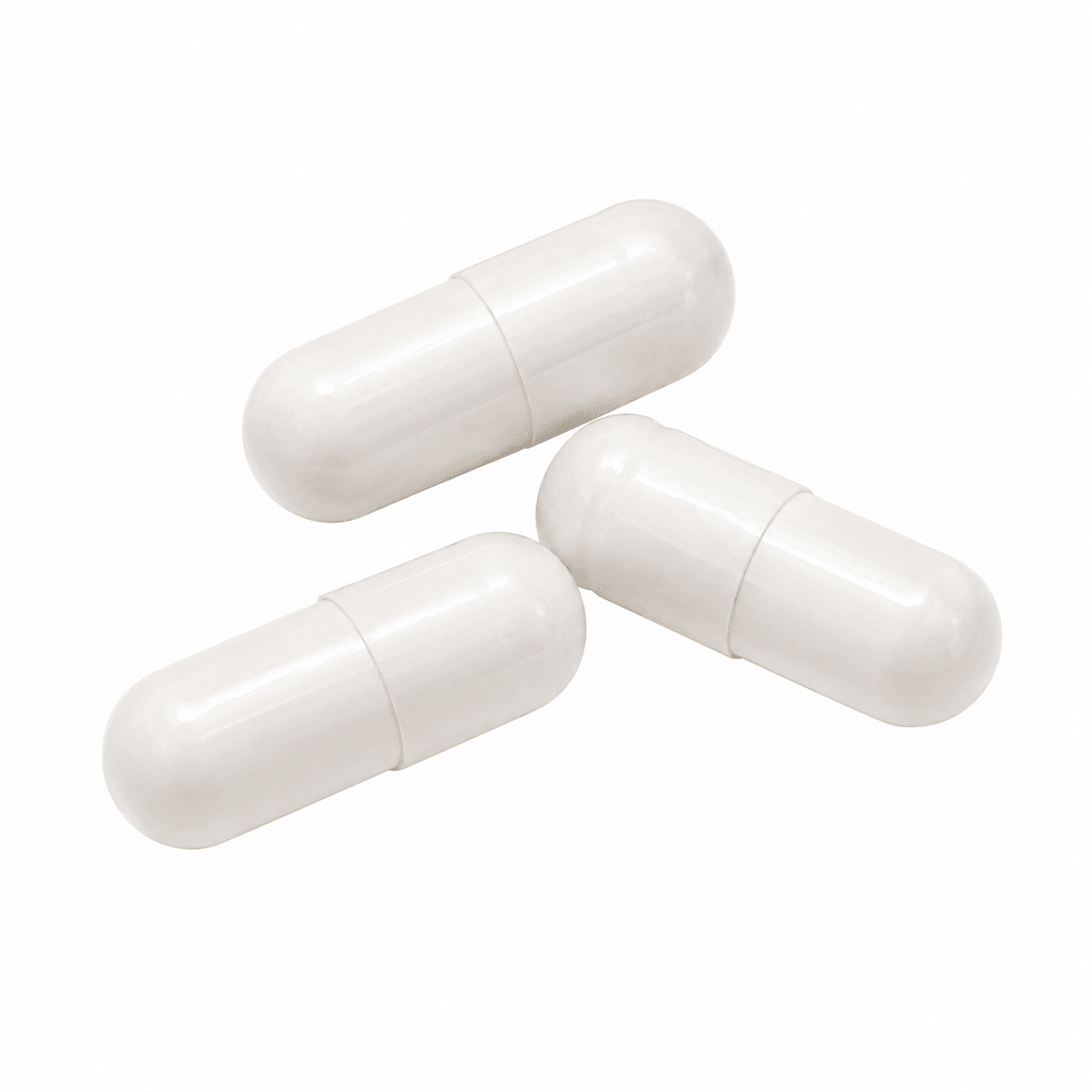
Capsules
Gelatin & HPMC vegetarian
Sachets
Single-dose powder blends

Stick packs
Convenient single-serve
Pouches
Flexible, shelf-ready
Ready to bring your supplement to market?
Free consultation · 24-hour quote · No minimum commitment to get started