L Leucine for Muscle Protein Synthesis: Formulation Insights for Sports Nutrition Brands
Explore L-leucine for muscle protein synthesis and discover custom capsule, powder, sachet, stick-pack, and pouch manufacturing options.
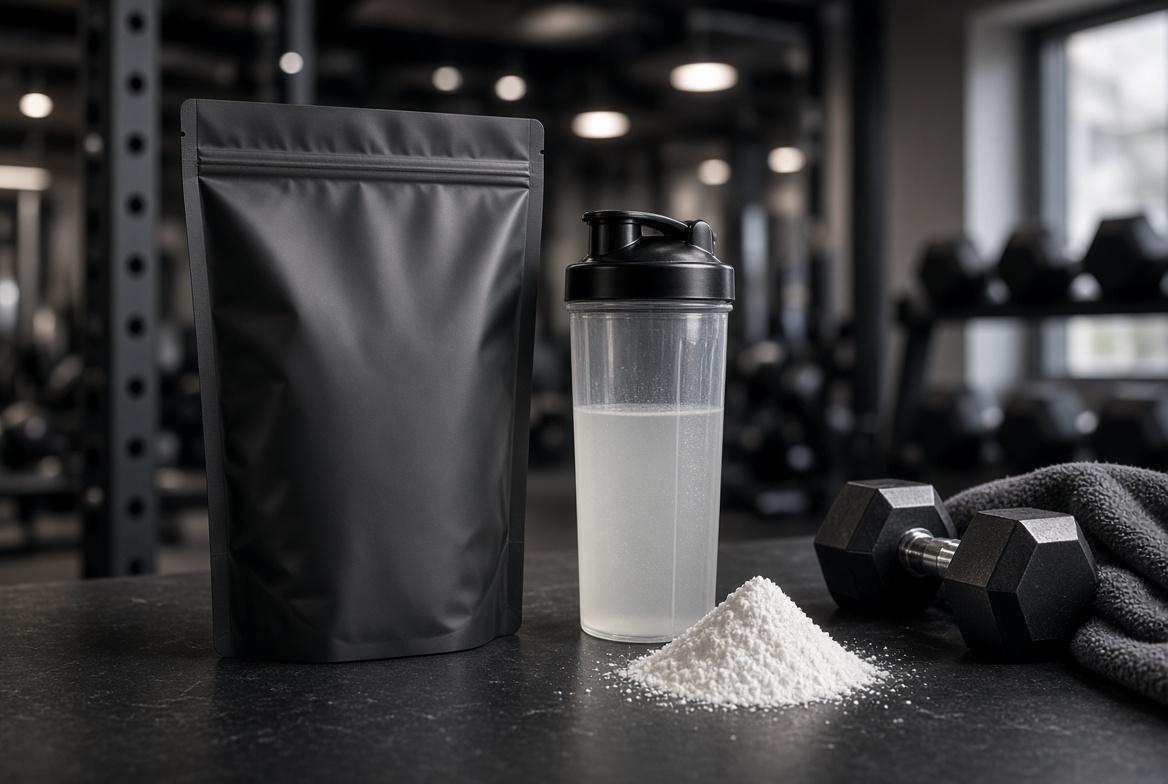
L-leucine is a widely used amino-acid ingredient in modern sports nutrition and has been extensively studied for its role in pathways associated with muscle protein synthesis. For brands developing capsules, powder sachets, stick packs, or flexible pouch products, the opportunity is not simply to add leucine—it is to build a well-positioned, evidence-aware formula that fits real training routines, taste expectations, serving sizes, and quality requirements.
As a professional dietary supplement OEM/ODM manufacturer, River Pharm Inc supports brands that bring their own formula for manufacturing, as well as brands that begin with a reference product, preferred ingredients, or a desired functional direction. We develop and manufacture customized products; we do not offer generic stock-formula private labeling.
What Is L-Leucine?
L-leucine is an essential branched-chain amino acid. "Essential" means the body cannot produce enough of it independently, so it must be obtained through food or supplementation. It is one of the three branched-chain amino acids, together with L-isoleucine and L-valine.
Protein-rich foods such as dairy products, meat, fish, eggs, soy, and legumes naturally provide leucine. In sports nutrition, L-leucine is often used as a standalone ingredient or as part of a broader protein, essential amino acid, or branched-chain amino acid formula.
Its relevance to muscle-focused formulations comes from more than its presence in protein. Research has examined leucine as a nutrient signal involved in pathways associated with muscle protein synthesis, including mTOR-related signaling. However, this mechanistic role should not be considered in isolation, because muscle protein synthesis also depends on an adequate supply of all essential amino acids.
For product developers, this distinction matters. A high-leucine concept can be compelling, but the formulation should be designed around the intended user, dietary context, protein intake, training behavior, and dosage format—not around a single ingredient claim alone.
L-Leucine in Muscle Protein Synthesis Research
Muscle protein synthesis is the process through which the body produces new muscle proteins. Resistance training can stimulate this process, and dietary protein or essential amino acids provide the building blocks needed to support it.
L-leucine has gained attention because it appears to function as a nutritional signal. Studies have examined leucine and essential amino acids in relation to mTOR-related signaling and postprandial muscle protein synthesis. In this research context, leucine is often discussed as a nutrient signal, while the full set of essential amino acids provides the substrates required for protein synthesis.
This is why a complete formulation strategy is stronger than a simplistic "more leucine equals more muscle" message.
A product concept may be designed around one of several positions:
- Standalone L-leucine powder for experienced consumers who already use protein powder or essential amino acid products.
- Leucine-enhanced EAA formulas for consumers seeking a more complete amino acid profile.
- Leucine plus protein concepts for post-workout, meal-support, or age-specific nutrition positioning.
- BCAA products containing leucine for brands targeting familiar category language.
- Leucine-containing stick packs for convenient use before, during, or after training.
- Capsule formats for consumers who prioritize portability and flavor-free supplementation.
The strongest product is usually the one that makes the intended use easy to understand. A pre-workout drink powder, for example, may need a different sensory profile and ingredient architecture than a capsule product designed to supplement a low-protein meal.
The "Leucine Trigger" Is Useful—But Not the Whole Story
The phrase "leucine trigger" is widely used to describe the hypothesis that muscle protein synthesis responses may vary according to leucine exposure within a protein-containing meal. A systematic review published in Nutrients evaluated the leucine-trigger hypothesis in studies involving younger and older adults, both at rest and after exercise.
Still, responsible product development requires context.
Leucine Is a Signal, Not a Complete Protein Substitute
Leucine is studied for its role in nutrient signaling, but it does not provide every amino acid involved in muscle protein synthesis. If total protein or essential amino acid intake is inadequate, a leucine-only product does not provide the same nutritional composition as complete dietary protein.
This is particularly important for sports nutrition brands using aggressive single-ingredient positioning. A clear and responsible communication approach is to explain that L-leucine may be used alongside a balanced diet, adequate protein intake, and a structured resistance-training program.
Training Remains the Primary Stimulus
No amino-acid product can replace progressive resistance training. Product communication should place supplementation within a broader nutrition and training context that includes:
1. Regular resistance exercise.
2. Adequate daily protein intake.
3. Sufficient energy intake for the individual's goal.
4. Recovery, hydration, and sleep.
5. Product use that matches the consumer's actual habits.
Controlled studies have examined post-exercise muscle protein synthesis following protein intake after resistance exercise. At the same time, available evidence does not consistently show an additional increase in acute muscle protein synthesis or long-term lean-body-mass outcomes when carbohydrate is added to an otherwise adequate protein intervention.
For formula designers, that means carbohydrate inclusion should be based on the product's complete purpose—such as energy replenishment, taste, or training duration—rather than assuming that carbohydrate necessarily changes the outcomes measured in protein-feeding studies.
Practical L-Leucine Formulation Directions
L-leucine is versatile, but its physical and sensory characteristics create important formulation decisions. It is generally practical for powdered products, while capsule dosage capacity, flavor masking, flowability, and serving size should all be considered early in development.

L-Leucine Powder Formulas
Powder is often the most flexible format for an L-leucine product because it can accommodate a meaningful serving size more efficiently than capsules. It also enables the addition of complementary ingredients such as essential amino acids, electrolytes, flavors, acids, sweeteners, protein fractions, or functional carbohydrates.
Potential product concepts include:
- Unflavored L-leucine powder for mixing with protein shakes.
- Flavored leucine-enhanced EAA drink mixes.
- Post-workout powders combining amino acids and electrolytes.
- High-protein meal-support powders with leucine-focused positioning.
- Workout stick packs for gym bags, travel, and single-serve convenience.
One challenge is sensory design. Amino acids can contribute bitterness, dryness, or an aftertaste. A commercially viable powder therefore requires more than a formula sheet. It requires careful work on flavor selection, sweetness balance, acidity, mouthfeel, anti-caking performance, and mixing behavior.
For example, a citrus-flavored stick pack may use a different flavor-masking strategy than a creamy protein powder. The format, serving size, and intended mixing volume should guide the development work from the beginning.
L-Leucine Capsules
Capsules can be attractive for consumers who prefer a flavorless, portable product. They are also suitable for brands that want a simple single-ingredient SKU or a compact amino-acid blend.
However, high-dose amino acids can require multiple capsules per serving. This is a key user-experience issue. A brand should not develop a capsule product based only on an attractive front-label dosage if consumers must swallow an impractical number of capsules to achieve that serving.
Capsules may be particularly appropriate when the target user:
- Already consumes protein-rich meals or protein powders.
- Wants a convenient add-on ingredient.
- Prefers precise, flavor-free servings.
- Uses supplementation while traveling or commuting.
- Is familiar with multi-capsule sports nutrition routines.
A transparent label, clear serving directions, and a realistic capsule count can make the difference between a technically valid product and one customers actually reorder.
Sachets, Stick Packs, and Flexible Pouches
Single-serve packaging can reduce measuring requirements, improve portability, and make consistent product use more convenient. For brands developing a leucine powder product, sachets and stick packs are especially relevant for gym use, office use, travel, and subscription programs.
Flexible pouches can work well for multi-serving powder products, particularly when the formula is designed for home use or repeated post-workout consumption.
When selecting packaging, consider:
- Target serving size.
- Powder density and fill-volume requirements.
- Moisture sensitivity.
- Flavor and aroma protection.
- Tear convenience and consumer handling.
- Carton configuration for retail or e-commerce.
- Label space for directions, Supplement Facts, warnings, and branding.
The packaging format should support the product's use case. A 30-serving pouch can suit a daily-use sports nutrition powder, while a box of individually packed sticks may better serve a premium on-the-go concept.
Expert Product-Development Checklist
A successful L-leucine product starts with sharper questions than "Can you make this ingredient?" The better questions are: Who will use it? What role does leucine play in the formula? What serving experience will encourage repeat use? And what evidence-aligned language can the brand use responsibly?
Before moving to manufacturing, brands should clarify the following points.
1. Define the Formula's Job
Decide whether leucine is the hero ingredient, a protein-fortification component, or part of an EAA/BCAA blend.
A standalone product may appeal to educated fitness consumers. A more complete amino-acid formula may be easier to explain to a broader audience. A protein-plus-leucine concept may fit meal-support, active-lifestyle, or post-workout positioning.
2. Match Dosage Format to Serving Size
Leucine serving size influences the best delivery system. Powders are often more convenient for higher gram-level servings, while capsules may make sense for smaller complementary doses or for users who value convenience over a low capsule count.
Some studies in older adults have evaluated meals containing approximately 3–4 g of leucine when measuring postprandial muscle protein synthesis. These study conditions should not be presented as a universal consumer dosage recommendation, because study populations, dietary protein intake, health status, and research designs vary.
3. Build Around Complete Nutrition
If the formulation concept is built around muscle-protein-synthesis research, consider whether the formula should include, or be positioned alongside, complete protein or essential amino acids. Leucine's signaling role is one part of the physiological background, while muscle protein synthesis also depends on the availability of other essential amino acids.
4. Design Claims Conservatively
Avoid drug-like claims, disease-related claims, or guarantees about changes in body composition. Product positioning should be consistent with substantiated structure/function language and supported by the product's actual formula, labeling, and intended use.
For a U.S. dietary supplement product, manufacturing, packaging, labeling, and holding operations are governed by current good manufacturing practice requirements under 21 CFR Part 111. The regulation includes requirements related to production and process controls, specifications, quality control operations, master manufacturing records, and batch production records.
5. Plan for the Consumer's Daily Routine
The best formula can fail if it is inconvenient. Consider when and how the consumer will take the product:
- After resistance training.
- With a protein-containing meal.
- Between meals.
- While traveling.
- As part of a daily wellness routine.
- In a shaker bottle, water bottle, or protein shake.
Clear directions and packaging that supports the intended routine can improve satisfaction more than adding unnecessary ingredients.
L-Leucine and Different Consumer Groups
L-leucine products are not only relevant to competitive athletes. The most appropriate formulation and communication strategy may differ substantially by audience.
Resistance-Training Consumers
People who follow resistance-training programs may already be familiar with amino-acid products and may be comfortable with powders, stick packs, or multi-ingredient workout formulas. For this group, practical mixability, flavor quality, and transparent dosage disclosure are essential.
Active Adults With Busy Schedules
Consumers who exercise consistently but do not follow detailed nutrition plans may prefer convenient options such as single-serve packs or capsules. They may respond better to simple education about using the product with a protein-rich meal or post-workout shake than to highly technical biochemical explanations.
Research Involving Older Adults
Research in older populations has examined protein quality, leucine intake, and leucine-enriched protein strategies, including studies involving participants with different habitual protein intakes. These findings should be understood within the specific populations and study designs in which they were observed.
Brands should avoid generalizing findings from older-adult studies to all consumers. Medication use, health status, dietary intake, and individual nutrition needs can vary substantially, and consumers with medical concerns should be encouraged to consult a qualified healthcare professional.
River Pharm Inc: Custom L-Leucine Manufacturing
River Pharm Inc works with supplement brands that need more than a ready-made label. Our role is to help turn a defined formula, benchmark product, ingredient idea, or functional direction into a customized finished product.
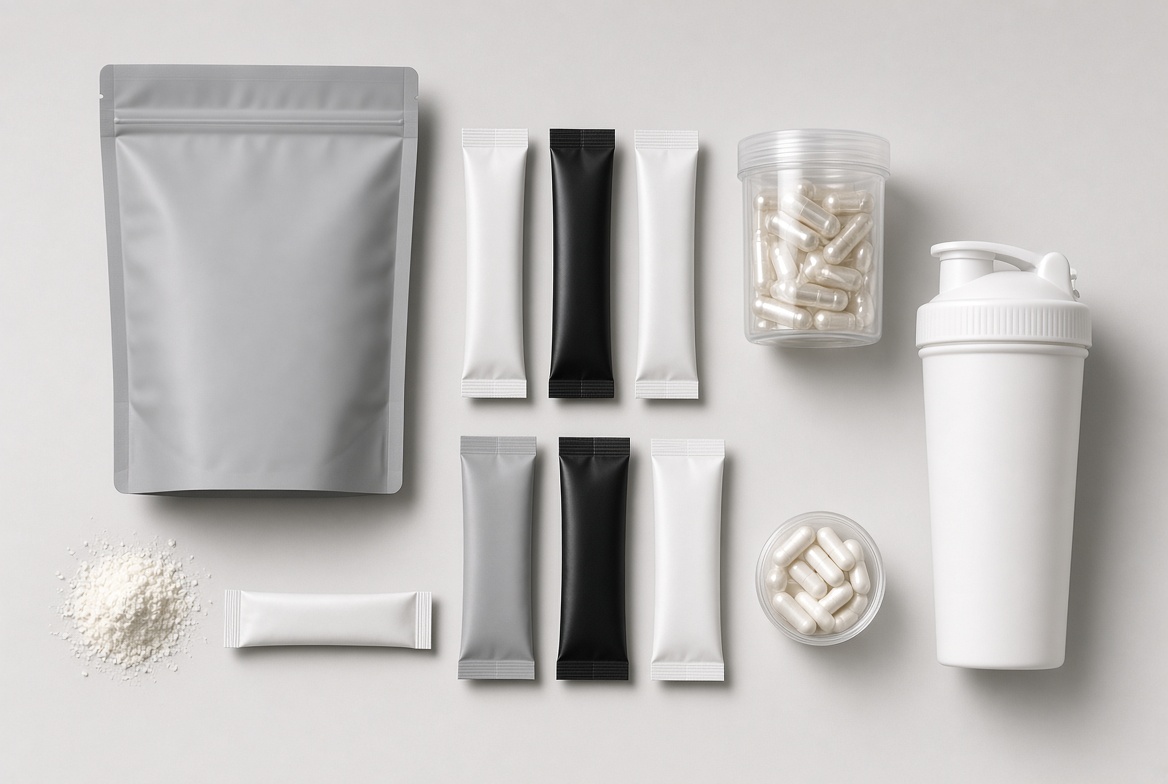
Our manufacturing capabilities can support L-leucine and amino-acid product concepts in formats such as:
- Capsules
- Powder products
- Sachets
- Stick packs
- Flexible pouches
For OEM projects, the client provides the formula and River Pharm Inc manufactures it according to the agreed specifications. For customized ODM projects, the client may provide a reference product, target ingredients, preferred dosage form, desired market positioning, or functional direction; our development team then works toward a tailored formula and manufacturing solution.
We do not provide generic public-mold ODM or simple stock-product relabeling. This approach helps brands develop more distinctive product concepts, better align formulas with their market strategy, and avoid competing only on packaging design.
Start Your L-Leucine Product Development Project
An L-leucine product can be simple on paper, but a scalable commercial formula requires decisions about dosage, companion ingredients, flavor, packaging, labeling, quality specifications, and target users.
If your brand has an existing L-leucine formula, River Pharm Inc can support your OEM manufacturing project. If you have a reference product or a concept such as a leucine-enhanced EAA stick pack, a capsule-based amino-acid blend, or a post-workout powder, our customized ODM team can help develop and manufacture a solution built around your requirements.
Contact River Pharm Inc to discuss your L-leucine capsule, powder, sachet, stick-pack, or flexible-pouch project.
FAQ
Is L-leucine the same as BCAA?
No. L-leucine is one of the three branched-chain amino acids. The other two are L-isoleucine and L-valine. A BCAA formula commonly includes all three, while an L-leucine product may contain leucine alone or combine it with other ingredients.
Can L-leucine replace protein powder?
No. L-leucine is studied for its role in signaling pathways associated with muscle protein synthesis, while complete protein supplies a broader range of amino acids. A leucine product may be included within an adequate-protein dietary pattern, but it should not be presented as nutritionally equivalent to complete protein.
What is the best format for an L-leucine supplement?
The best format depends on dosage and customer preference. Powder, sachets, stick packs, and flexible pouches are often practical for gram-level amino-acid servings. Capsules are portable and flavor-free but may require several capsules for a larger serving.
Can L-leucine be included in a post-workout formula?
Yes. L-leucine can be included in post-workout powders, essential amino acid blends, protein products, and other sports-nutrition concepts. The overall formula should be designed around the desired serving size, taste profile, protein strategy, and intended user experience.
Is more L-leucine always better?
Not necessarily. A larger amount is not automatically more appropriate for formulation, taste, cost, or ease of use. The appropriate amount depends on the formula, whether other essential amino acids or protein are present, the target audience, and the product's intended use.
Can River Pharm Inc develop a custom L-leucine product?
Yes. River Pharm Inc can manufacture client-owned formulas through OEM services and can develop a customized product from a reference product, ingredient list, or desired functional direction through customized ODM services. Available formats include capsules, powders, sachets, stick packs, and flexible pouches.
References
1. National Institutes of Health, Office of Dietary Supplements. [Dietary Supplements for Exercise and Athletic Performance: Health Professional Fact Sheet]. Accessed September 2026.
2. U.S. Food and Drug Administration. [Small Entity Compliance Guide: Current Good Manufacturing Practice in Manufacturing, Packaging, Labeling, or Holding Operations for Dietary Supplements].
3. Electronic Code of Federal Regulations. [21 CFR Part 111—Current Good Manufacturing Practice in Manufacturing, Packaging, Labeling, or Holding Operations for Dietary Supplements].
4. Phillips SM, et al. [Is carbohydrate needed to further stimulate muscle protein synthesis/hypertrophy following resistance exercise?]. Journal of the International Society of Sports Nutrition.
5. Churchward-Venne TA, et al. [Leucine-Enriched Nutrients and the Regulation of mTOR Signalling and Human Skeletal Muscle Protein Synthesis]. Current Opinion in Clinical Nutrition and Metabolic Care.
6. Murphy CH, et al. [Evaluating the Leucine Trigger Hypothesis to Explain the Post-prandial Regulation of Muscle Protein Synthesis]. Nutrients.
7. Borack MS, Volpi E. [Is Leucine Content in Dietary Protein the Key to Muscle Protein Synthesis?]. Nutrients.
8. Devries MC, Phillips SM. [Supplemental Leucine, Protein Metabolism, and Skeletal Muscle Health]. Nutrients.
9. Pasiakos SM, et al. [An Update on Protein, Leucine, Omega-3 Fatty Acids, and Vitamin D in the Prevention and Treatment of Sarcopenia and Functional Decline]. Nutrients.
Hot Tags: L Leucine Supplement Manufacturer, Sports Nutrition OEM, Amino Acid Supplement Manufacturer, Custom Supplement Formulation, Dietary Supplement Contract Manufacturing, BCAA Powder Manufacturer, EAA Supplement OEM, Stick Pack Supplement Manufacturer, Capsule Supplement Manufacturer, Sports Nutrition Private Label
Did you find this helpful?
Comments (0)
No comments yet. Be the first to comment!
Leave a comment
Related Posts

Nov 20, 2026
L-Threonine: An Essential Amino Acid for Collagen, Gut Barrier, and Product Development

Nov 19, 2026
L-Histidine Benefits, Food Sources, and Supplement Manufacturing Considerations

Nov 17, 2026
Soil-Based Probiotics vs. Lacto-Bifido Blends: Choosing the Right Strain for Extreme-Shelf-Life Custom Capsules
Riverpharm · Supplement Contract Manufacturing
Your supplement brand, manufactured to the highest standard
From first formula to finished product — we handle manufacturing, packaging, and fulfillment so you can focus on building your brand.
Core services
Contract Manufacturing
GMP-certified production with full batch testing and certificate of analysis on every run.
Custom Formulation & R&D
In-house scientists develop your formula from scratch or refine existing blends for efficacy.
Packaging & Labeling
Design-to-print label service — shelf-ready, FDA-compliant, and retail-tested.
FBA Prep & Fulfillment
Amazon-ready prep and direct-to-warehouse shipping — no extra steps on your end.
By the numbers
NSF
NSF/ANSI 455-2 certified
cGMP
Certified environment
24 hr
AI-accelerated quote turnaround
600K
cGMP+ encapsulator capacity per run
Why Riverpharm
Quality systems with higher standards
- NSF/ANSI 455-2 certified
- cGMP-certified environment
- In-house + third-party testing
- Source-locked ingredients
Production capacity with faster execution
- Heavy-duty hardware
- In-house core reserves
- AI-accelerated quotes
- In-house expert hub
Delivery formats we produce
Capsules
Gelatin & HPMC vegetarian
Sachets
Single-dose powder blends
Stick packs
Convenient single-serve
Pouches
Flexible, shelf-ready
Ready to bring your supplement to market?
Free consultation · 24-hour quote · No minimum commitment to get started