L-Threonine: An Essential Amino Acid for Collagen, Gut Barrier, and Product Development
Discover L-threonine benefits for protein nutrition, collagen-support formulas, gut mucin research, and custom capsule or powder manufacturing.
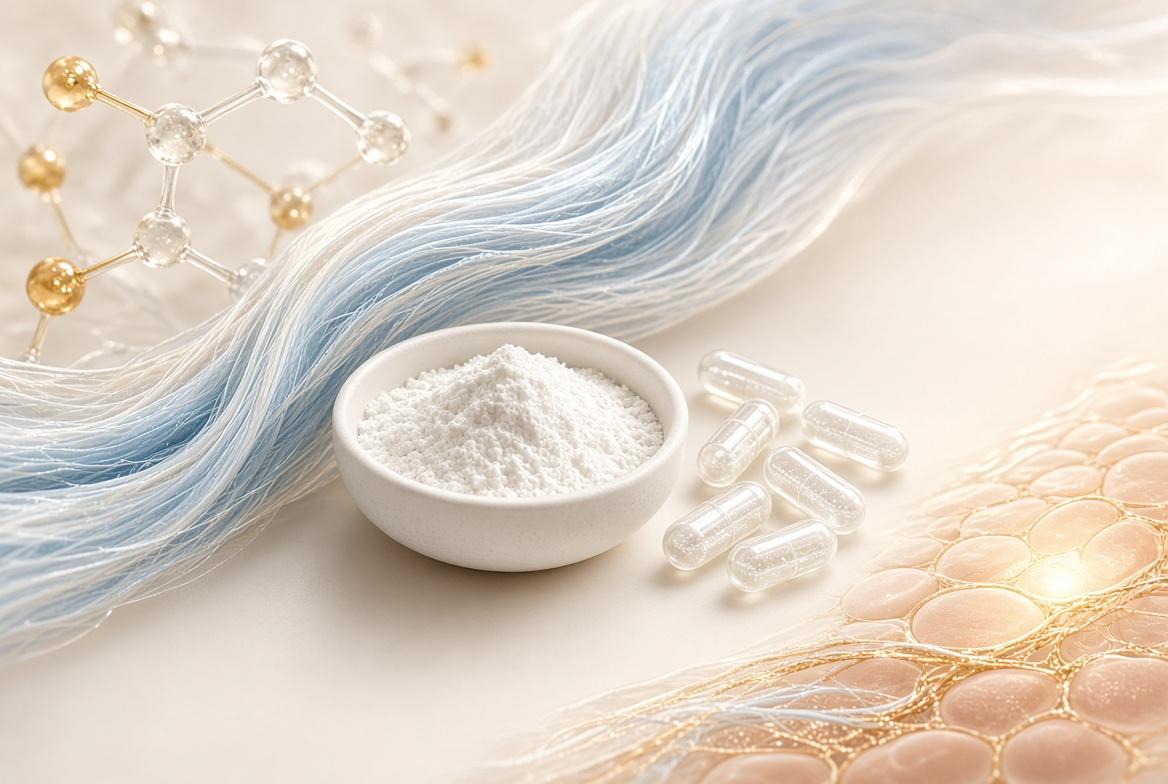
L-threonine is an essential amino acid used by the body in normal protein synthesis, including proteins found in connective tissues and intestinal mucins. For supplement brands developing collagen-related, beauty-from-within, digestive-wellness, or foundational amino acid product concepts, L-threonine can be a scientifically relevant ingredient—but it should be positioned accurately, with realistic claims and responsible formulation choices.
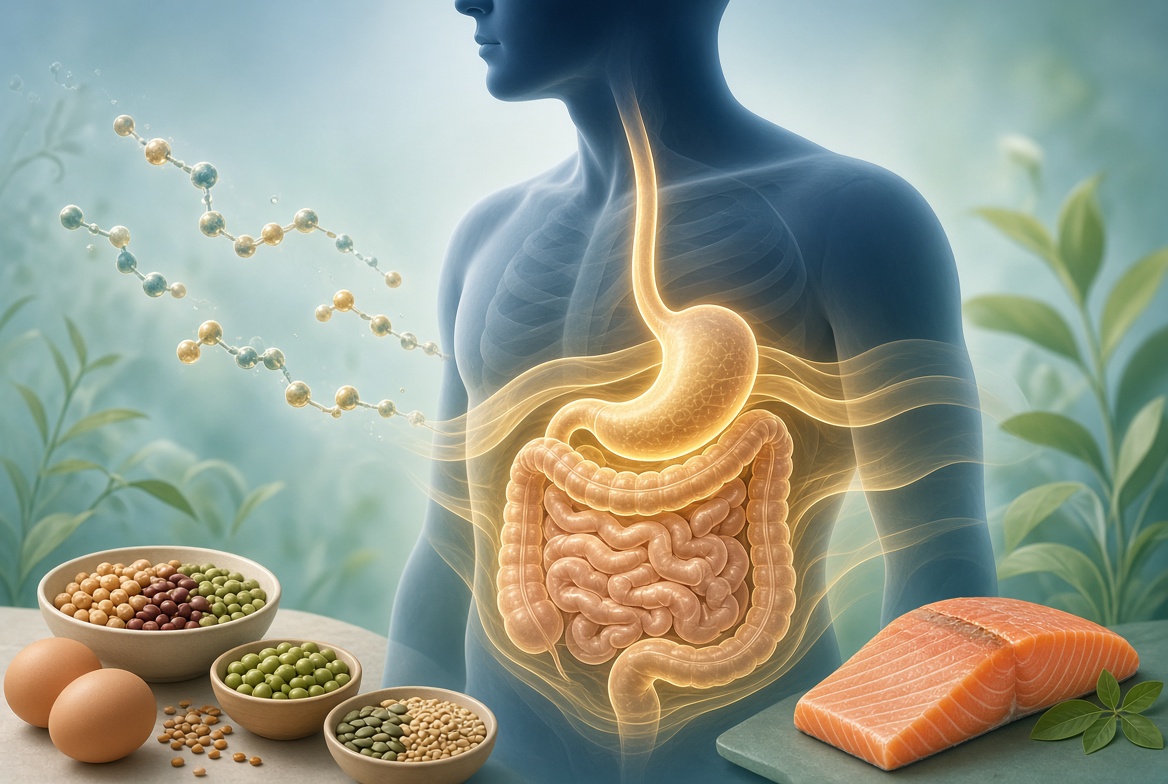
Unlike nonessential amino acids, the body cannot make sufficient threonine on its own. It must come from protein-containing foods or, when appropriate, dietary supplements. L-threonine is naturally found in meat, fish, eggs, dairy products, soy foods, beans, lentils, seeds, and other protein-rich ingredients.
The strongest discussion around L-threonine is not that it "creates collagen" by itself. Instead, it is a required dietary building block used in the body's protein metabolism. Threonine is present in proteins associated with connective tissues and is also abundant in gastrointestinal mucins. Mucins are large glycoproteins that form part of the mucus layer lining portions of the gastrointestinal tract. Experimental research, including animal studies, indicates that threonine availability can affect intestinal mucin synthesis under specific study conditions. These findings should not be interpreted as evidence that L-threonine supplementation improves digestive health in generally healthy consumers.
For brands, the opportunity is clear: formulate L-threonine with the right delivery format, clear positioning, quality controls, and evidence-conscious messaging.
What Is L-Threonine?
L-threonine is one of the nine essential amino acids in human nutrition. Amino acids are often described as the building blocks of protein because the body uses them to assemble enzymes, structural proteins, transport proteins, signaling molecules, and many other biologically active compounds.
Threonine is sometimes confused with collagen-specific ingredients such as hydrolyzed collagen peptides. They are related, but they are not interchangeable.
- L-threonine is a single free-form amino acid.
- Collagen peptides are short chains of amino acids derived from collagen protein.
- Complete dietary protein provides multiple indispensable amino acids in varying proportions.
- Amino acid blends combine L-threonine with other free-form amino acids for a targeted nutritional concept.
Threonine is incorporated into body proteins, including elastin and collagen-containing tissues. However, collagen itself has a distinctive amino acid profile and is particularly rich in glycine, proline, and hydroxyproline. A well-designed collagen-support formula should therefore avoid presenting L-threonine as a standalone replacement for adequate protein intake, vitamin C, or a complete collagen-focused nutritional strategy.
The practical point: L-threonine may be a meaningful supportive ingredient, but responsible product messaging should distinguish "supporting normal protein synthesis" from making exaggerated cosmetic, joint, digestive, or therapeutic promises.
How L-Threonine Fits Into Protein and Connective-Tissue Nutrition
Collagen is the most abundant structural protein in the human body. It contributes to the architecture of skin, bones, tendons, ligaments, cartilage, blood vessels, and other connective tissues. The body continually breaks down and rebuilds proteins, so regular dietary protein intake and adequate essential amino acid intake remain important.
L-threonine participates in this broader protein-building process. It is present in proteins throughout the body and is involved in the metabolism of other amino acids and related compounds. Because collagen and elastin are proteins, indispensable amino acids are required as part of normal protein turnover.
Still, it is important to describe the science carefully.
L-Threonine in the Context of Collagen-Related Nutrition
A capsule containing L-threonine does not directly become collagen in the skin. After consumption, dietary proteins and free-form amino acids enter complex metabolic pathways. Their use depends on a person's overall dietary protein intake, amino acid balance, energy intake, age, health status, activity level, and individual physiology.
A more appropriate product-positioning framework may include:
- Essential amino acid nutrition
- Essential amino acid nutrition related to normal protein synthesis
- Beauty-from-within formulas with complementary nutrients
- Daily nutrition for active lifestyles
- Digestive wellness concepts featuring amino acid support
- Collagen-support blends that include broader nutritional cofactors
Vitamin C, for example, is necessary for normal collagen formation and is often relevant in connective-tissue or skin-health product concepts. The wider dietary context matters more than a single ingredient narrative.
Harvard's Nutrition Source notes that evidence on collagen supplementation and visible skin or joint outcomes remains variable, while independent research remains limited in some areas. This makes precise language particularly important when building claims around collagen-related ingredients.
Formula Strategy for Collagen-Related Nutrition Concepts
For brands, L-threonine can work best as part of a formula architecture rather than as the sole hero ingredient. Depending on the intended market and regulatory review, a development team might consider a concept combining:
- L-threonine as an essential amino acid component
- Vitamin C for normal collagen formation
- Glycine and proline as collagen-associated amino acids
- Hydrolyzed collagen peptides where permitted and appropriate
- Hyaluronic acid or ceramides for a beauty-from-within concept
- Biotin, zinc, or copper where the product rationale and compliant claims support their inclusion
The final formula should be developed according to the target market's rules, label requirements, ingredient specifications, allergen profile, dosage form, and stability needs.
L-Threonine and Research on Intestinal Mucins
One area of threonine research examines its relationship with intestinal mucins and mucus production.
The digestive tract is lined with mucus that forms an interface between the intestinal epithelium and luminal contents, including digestive enzymes and microorganisms. Mucin proteins are major components of this protective layer, and threonine is especially abundant in these proteins.
Experimental studies have examined how dietary threonine availability influences mucin synthesis. A frequently cited rat study reported that dietary threonine restriction reduced intestinal mucin synthesis under the experimental conditions used. The finding helps describe threonine metabolism under the conditions studied but does not establish a supplementation benefit in healthy adults.
A review discussing intestinal threonine metabolism reported that a substantial portion of dietary threonine can be utilized in intestinal mucosal proteins, including mucins. The review also discussed altered threonine requirements in certain physiological and clinical contexts. Such observations should not be generalized into digestive-health benefits for healthy consumers or used to support disease-oriented product claims.
What This Means for Supplement Brands
The available evidence can support educational discussion of threonine, dietary protein, and intestinal mucosal proteins. It does not establish that supplemental L-threonine corrects gastrointestinal disorders or abnormal intestinal conditions.
Appropriate positioning may include phrases such as:
- "Provides the essential amino acid L-threonine."
- "Designed to complement a balanced protein-focused nutrition routine."
- "Amino acid support for daily wellness formulations."
- "Formulated for brands exploring digestive wellness and foundational nutrition concepts."
Claims implying correction of intestinal injury, gastrointestinal disease, or abnormal barrier conditions should be avoided for conventional dietary supplement products unless specifically permitted and substantiated under the applicable regulatory framework. Unless a qualified regulatory and legal review confirms that such language is permitted in the relevant market—which is unlikely for conventional dietary supplement products.
Food Sources of L-Threonine
For most healthy adults, balanced dietary protein intake is the primary source of essential amino acids. Foods containing threonine include:
- Poultry, beef, pork, and seafood
- Eggs and dairy products
- Soybeans, tofu, tempeh, and edamame
- Lentils, beans, peas, and chickpeas
- Pumpkin seeds, sesame seeds, and nuts
- Whole grains and protein-enriched foods
A dietary supplement is not intended to replace a varied diet. However, a free-form L-threonine product may appeal to consumers who want a convenient way to include a defined amino acid in their broader nutrition plan.
This is especially relevant for brands serving active adults, plant-forward consumers, healthy-aging audiences, and customers who prefer precise, label-transparent formulas.
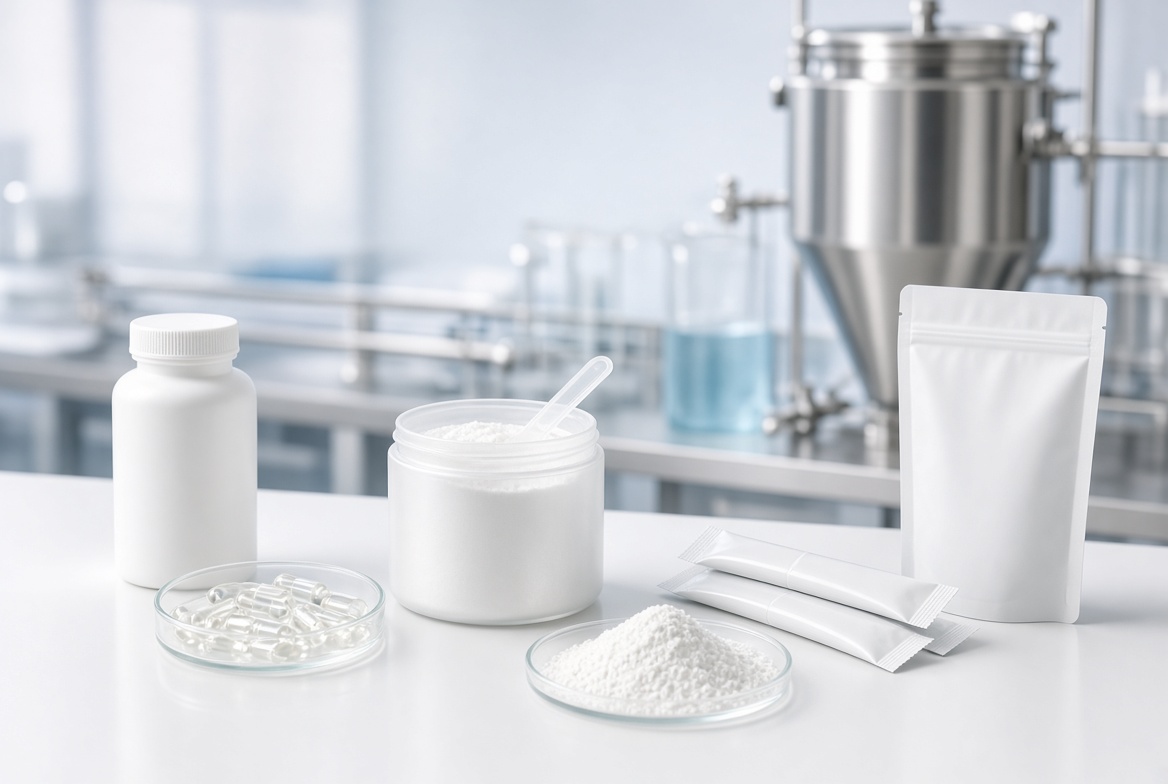
L-Threonine Supplement Formats: Capsules, Powder, Stick Packs, and Sachets
The best L-threonine delivery format depends on the intended dose, ingredient combination, user experience, target audience, and brand positioning.
Capsules for Precise, Convenient Daily Use
Capsules are often suitable for simple, focused L-threonine products and multi-amino-acid blends. They offer convenient portion control and can support a clean-label presentation with fewer flavoring considerations.
Capsule formats may be well suited for:
- Single-ingredient L-threonine products
- Essential amino acid complexes
- Beauty-support capsules
- Daily wellness formulas
- Travel-friendly nutritional supplements
For larger total daily serving sizes, brands should evaluate capsule count carefully. A formula that requires several large capsules may create a poor consumer experience, even if the ingredient list is attractive.
Powder for Flexible Dosing and Formula Expansion
L-threonine powder is a practical choice when a formula requires a larger serving size or when the brand wants to combine multiple amino acids, collagen peptides, electrolytes, vitamin C, or flavor systems.
Powder formats can support:
- Amino acid drink mixes
- Beauty and collagen-support beverages
- Sports nutrition powders
- Plant-protein companion formulas
- Personalized wellness programs
Powder development requires close attention to taste, solubility, flowability, hygroscopicity, serving scoop accuracy, and packaging protection. Even a technically strong formula can disappoint consumers if it clumps, tastes overly bitter, or is difficult to mix.
Stick Packs and Sachets for On-the-Go Wellness
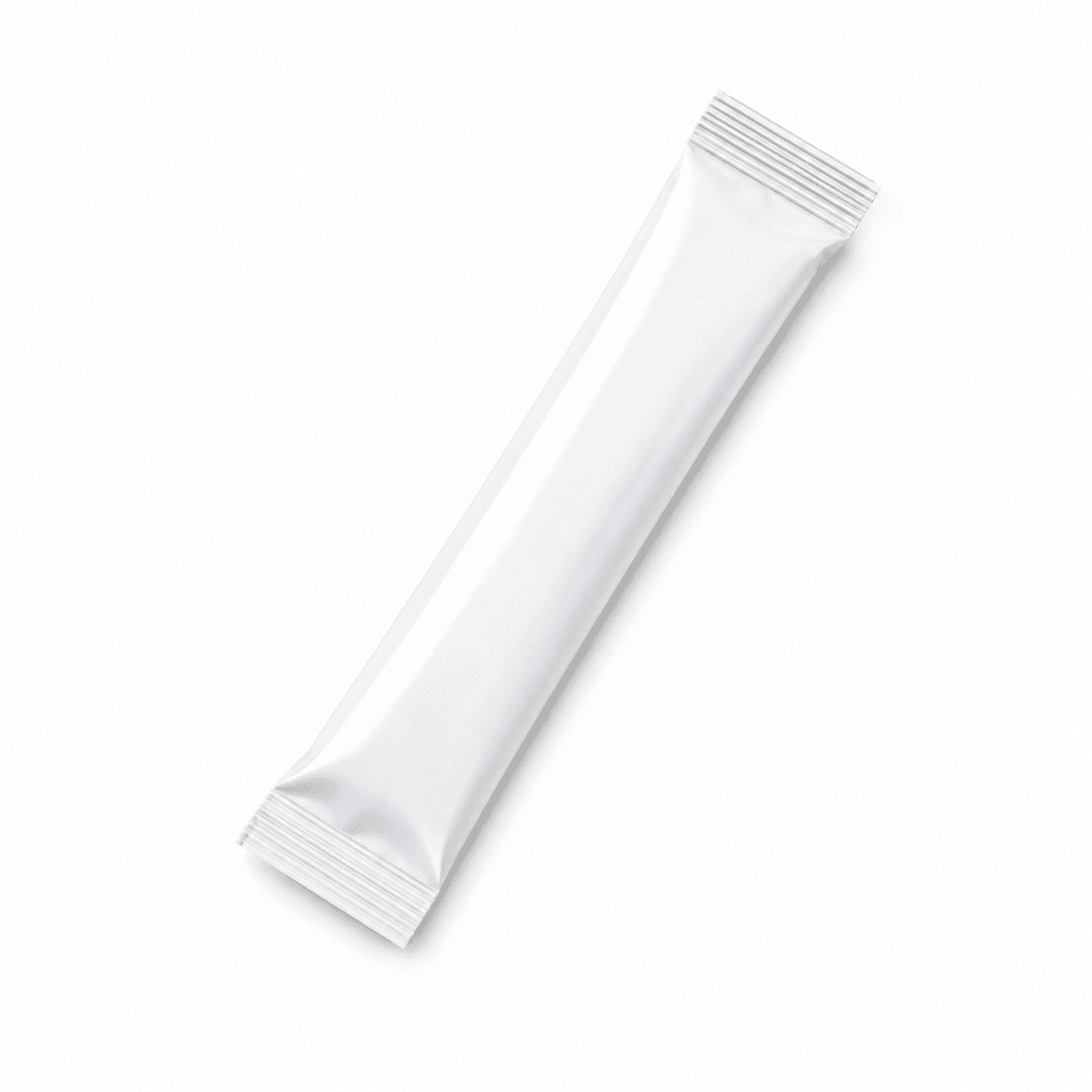
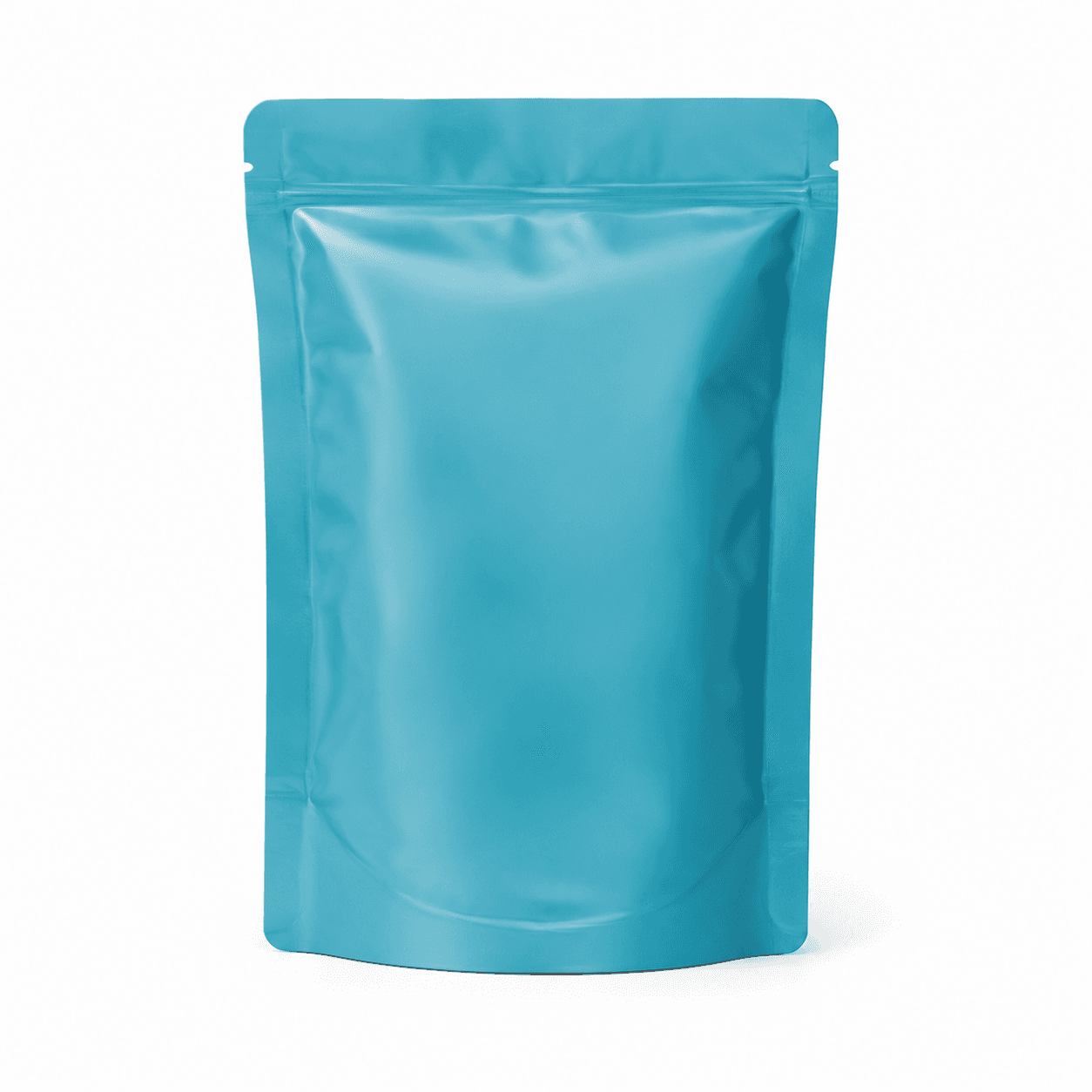
Single-serve stick packs, sachets, and soft pouches can make an amino acid formula easier to use consistently. These formats are particularly useful for portable drink mixes, travel-friendly routines, beauty supplement programs, and subscription products.
They also give brands room for differentiated positioning:
- One stick pack per day
- Morning beauty-and-nutrition routine
- Post-workout amino acid drink
- Convenient protein-support addition
- Trial-size or sample programs
For a brand building a premium user experience, single-serve packaging can improve dosage consistency and reduce the inconvenience of measuring loose powder.
How to Build a Responsible L-Threonine Product
A high-quality finished product starts long before filling capsules or sealing pouches. It begins with a clear product brief.
1. Define the Ingredient's Real Role
First, decide whether L-threonine is:
- The lead ingredient in a simple amino acid product
- One component in a collagen-support formula
- Part of a beauty-from-within blend
- An ingredient in a digestive-wellness positioning concept
- Included in a broader essential amino acid product
This decision guides dosage format, serving size, label language, ingredient pairing, and the type of evidence the brand should evaluate.
2. Start With a Manufacturing-Ready Formula Brief
For an OEM project, the brand typically provides a finalized formula, target dosage, dosage form, packaging requirements, label direction, and product specifications. The manufacturing team then evaluates feasibility and produces the product according to the approved formula and quality requirements.
For a custom development project, the brand may instead provide:
- A reference product
- A desired ingredient list
- A target consumer group
- A product positioning direction
- Preferred packaging format
- Price and minimum-order expectations
- Flavor or sensory preferences for powder products
A development partner can then help translate that direction into a custom formula and production plan. This is different from simply choosing a stock formula and applying a label. For brands that want genuine differentiation, custom product development can create more control over dosage, ingredient rationale and compatibility, format, packaging, and market positioning.
3. Select Packaging That Protects Product Quality
L-threonine-containing products may need protection from moisture, oxygen exposure, light, or physical damage depending on the final formula and packaging system.
Common choices include:
- Bottles for capsules
- Jars or canisters for powder
- Stick packs for single-serve drink mixes
- Sachets for portion-controlled powder servings
- Soft pouches for flexible, lightweight packaging
Packaging selection should be evaluated alongside shelf-life planning, stability testing, fill weight, material barrier properties, transport conditions, and consumer convenience.
4. Build Quality Into Every Batch
In the United States, dietary supplement manufacturers, packagers, labelers, and holders are subject to current good manufacturing practice requirements under 21 CFR Part 111. These requirements address areas such as personnel qualifications, quality control, master manufacturing records, batch production records, sanitation, and ensuring that products are manufactured and packaged according to specifications.
For a brand launching an L-threonine supplement, useful quality questions include:
- Is the raw material identity verified?
- Are ingredient specifications established before production?
- Is the batch made according to an approved master manufacturing record?
- Are in-process checks documented?
- Is finished-product testing aligned with the formula and dosage form?
- Are packaging components verified before use?
- Are batch records retained and traceable?
- Does the product label match the approved specification?
These questions matter because a polished label alone does not demonstrate product quality. Consistent manufacturing systems, documented controls, and appropriate testing are what help support a reliable finished supplement.
Safety and Labeling Considerations
L-threonine is an amino acid found naturally in foods, and many people obtain it through normal dietary protein intake. But "natural" does not mean a supplement is appropriate for every individual.
People who are pregnant, breastfeeding, managing a medical condition, using prescription medicines, or considering higher-dose amino acid supplementation should speak with a qualified healthcare professional before using a product. Brands should avoid individualized dosing advice or language that implies diagnosis or individualized medical care.
L-threonine products should also be evaluated for:
- Serving size and total daily amino acid intake
- Other active ingredients in the formula
- Potential interactions or population-specific considerations
- Allergen declarations where applicable
- Supplement Facts formatting
- Appropriate structure/function claim substantiation
- Required label statements for the target market
A responsible label should help consumers understand exactly what they are taking, how much they are taking, and how the product fits into a normal wellness routine.
Partner With River Pharm Inc. for Custom L-Threonine Supplements
River Pharm Inc. provides OEM and customized ODM manufacturing services for dietary supplements and nutritional products. If your brand already has an approved L-threonine formula, we can manufacture it according to your product specifications.
If you have a reference product, an ingredient direction, or a target positioning concept—such as collagen-related nutrition, beauty-from-within, amino acid nutrition, or convenient wellness drink mixes—our customized ODM process can help develop and manufacture a differentiated product.
We support multiple product and packaging options, including:
- Capsules
- Powder formulations
- Stick packs
- Sachets
- Soft pouch packaging
Our approach is designed for brands that want a custom-developed product rather than a generic private-label formula. Share your desired ingredients, target dosage form, reference sample, packaging idea, and product positioning direction, and our team can assess formulation and manufacturing feasibility.
Frequently Asked Questions
Is L-threonine the same as collagen?
No. L-threonine is one essential amino acid, while collagen is a structural protein made from many amino acids. L-threonine can contribute to the body's overall protein metabolism, but it is not a direct substitute for collagen peptides or adequate dietary protein.
What is the relationship between L-threonine and collagen-related nutrition?
As an essential amino acid, L-threonine is used by the body in normal protein synthesis. Because collagen is a protein, overall amino acid nutrition is part of normal protein turnover. Current evidence does not establish that supplemental L-threonine alone increases collagen production or produces visible skin changes in generally healthy consumers.
Why is L-threonine studied in relation to intestinal mucins?
Threonine is abundant in mucin proteins, which are major components of the mucus layer in the gastrointestinal tract. Experimental research, including animal studies, indicates that dietary threonine availability can influence mucin synthesis under specific nutritional conditions. These findings do not establish a gut-health benefit from L-threonine supplementation in healthy consumers.
Is L-threonine better in capsules or powder?
Neither format is universally better. Capsules are convenient for straightforward, measured daily servings. Powder is usually more practical for larger serving sizes, flavored drink mixes, collagen-support blends, and multi-amino-acid formulas. Stick packs and sachets can add portable, single-serve convenience.
Can L-threonine be combined with collagen peptides?
Yes. L-threonine can be included in a formula with collagen peptides, vitamin C, glycine, proline, or other complementary ingredients, subject to formulation feasibility, stability, market requirements, and claim review. The formula should be designed around a clear consumer need rather than adding ingredients without a defined role.
Can River Pharm Inc. manufacture a custom L-threonine formula?
Yes. River Pharm Inc. can manufacture a client-provided formula through its OEM service. For customized ODM development, brands can provide a reference product, desired ingredients, or a product-positioning direction, and the team can evaluate a custom formula and suitable packaging format. River Pharm Inc. does not offer generic stock-formula relabeling as its ODM model.
References
1. U.S. Food and Drug Administration. "Small Entity Compliance Guide: Current Good Manufacturing Practice in Manufacturing, Packaging, Labeling, or Holding Operations for Dietary Supplements." Explains the requirements of the Dietary Supplement current good manufacturing practice rule under 21 CFR Part 111, including quality, manufacturing records, and sanitation requirements. [FDA guidance] [fda]
2. Electronic Code of Federal Regulations. "21 CFR Part 111—Current Good Manufacturing Practice in Manufacturing, Packaging, Labeling, or Holding Operations for Dietary Supplements." Provides the regulatory text governing dietary supplement manufacturing controls in the United States. [eCFR regulation] [ecfr]
3. Faure, M., et al. "Dietary Threonine Restriction Specifically Reduces Intestinal Mucin Synthesis in Rats." Journal of Nutrition, 2005. Reports that dietary threonine restriction specifically impaired intestinal mucin synthesis in the study model. [PubMed record] [pubmed.ncbi.nlm.nih]
4. Mao, X., et al. "Specific Roles of Threonine in Intestinal Mucosal Integrity and Barrier Function." Frontiers in Bioscience, 2011. Reviews threonine utilization in intestinal mucosal proteins and mucin synthesis. [PubMed record] [pubmed.ncbi.nlm.nih]
5. Nichols, N. L., et al. "Luminal Threonine Concentration Acutely Affects Intestinal Mucin Synthesis in Piglets." Journal of Nutrition, 2008. Describes sensitivity of intestinal mucin synthesis to dietary threonine availability in an experimental model. [PubMed record] [pubmed.ncbi.nlm.nih]
6. Harvard T.H. Chan School of Public Health, The Nutrition Source. "Collagen." Discusses collagen supplementation, dietary context, and limitations in available evidence. [Harvard Nutrition Source] [nutritionsource.hsph.harvard]
7. U.S. Food and Drug Administration. "Current Good Manufacturing Practices for Food and Dietary Supplements." Provides an overview of cGMP frameworks and links to dietary supplement manufacturing resources. [FDA cGMP overview] [fda]
Hot Tags: L Threonine Supplement Manufacturer, Amino Acid Supplement Manufacturer, Custom Supplement Formulation, Dietary Supplement OEM, Dietary Supplement ODM, Capsule Supplement Manufacturing, Powder Supplement Manufacturing, Stick Pack Manufacturing, Collagen Supplement Manufacturing, Custom Amino Acid Formula
Did you find this helpful?
Comments (0)
No comments yet. Be the first to comment!
Leave a comment
Related Posts
Nov 19, 2026
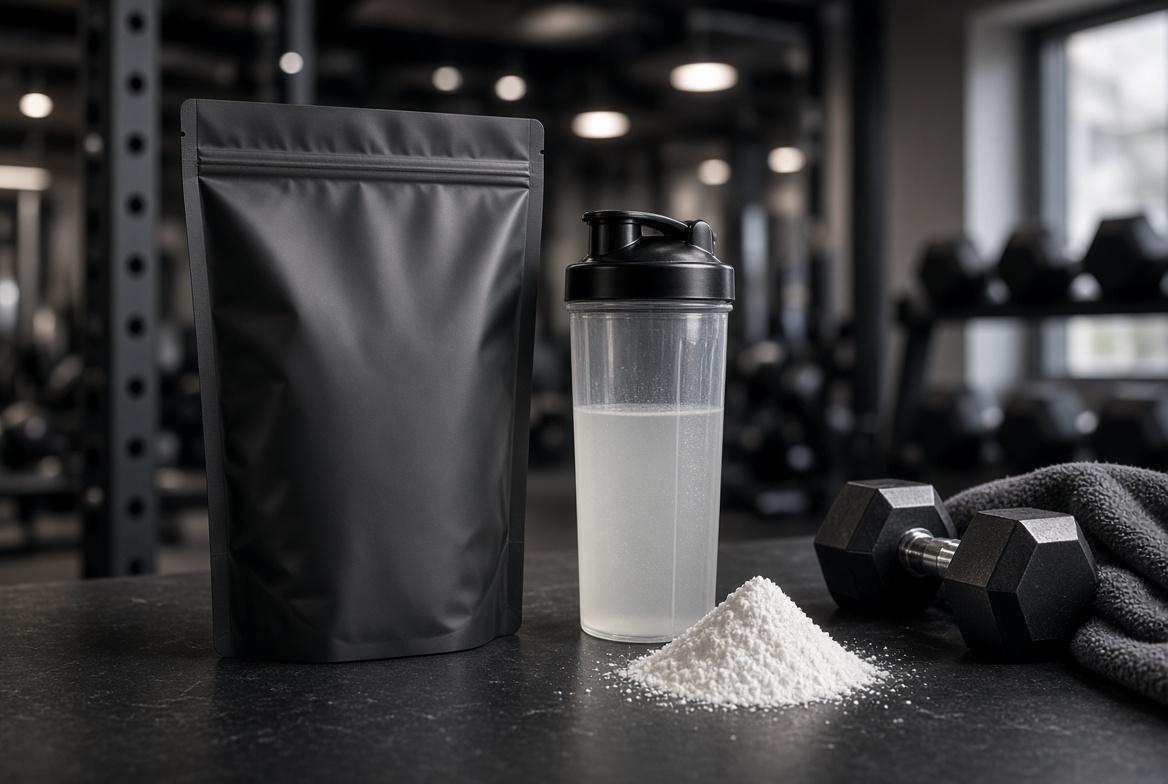
L Leucine for Muscle Protein Synthesis: Formulation Insights for Sports Nutrition Brands

Nov 19, 2026
L-Histidine Benefits, Food Sources, and Supplement Manufacturing Considerations
Nov 17, 2026
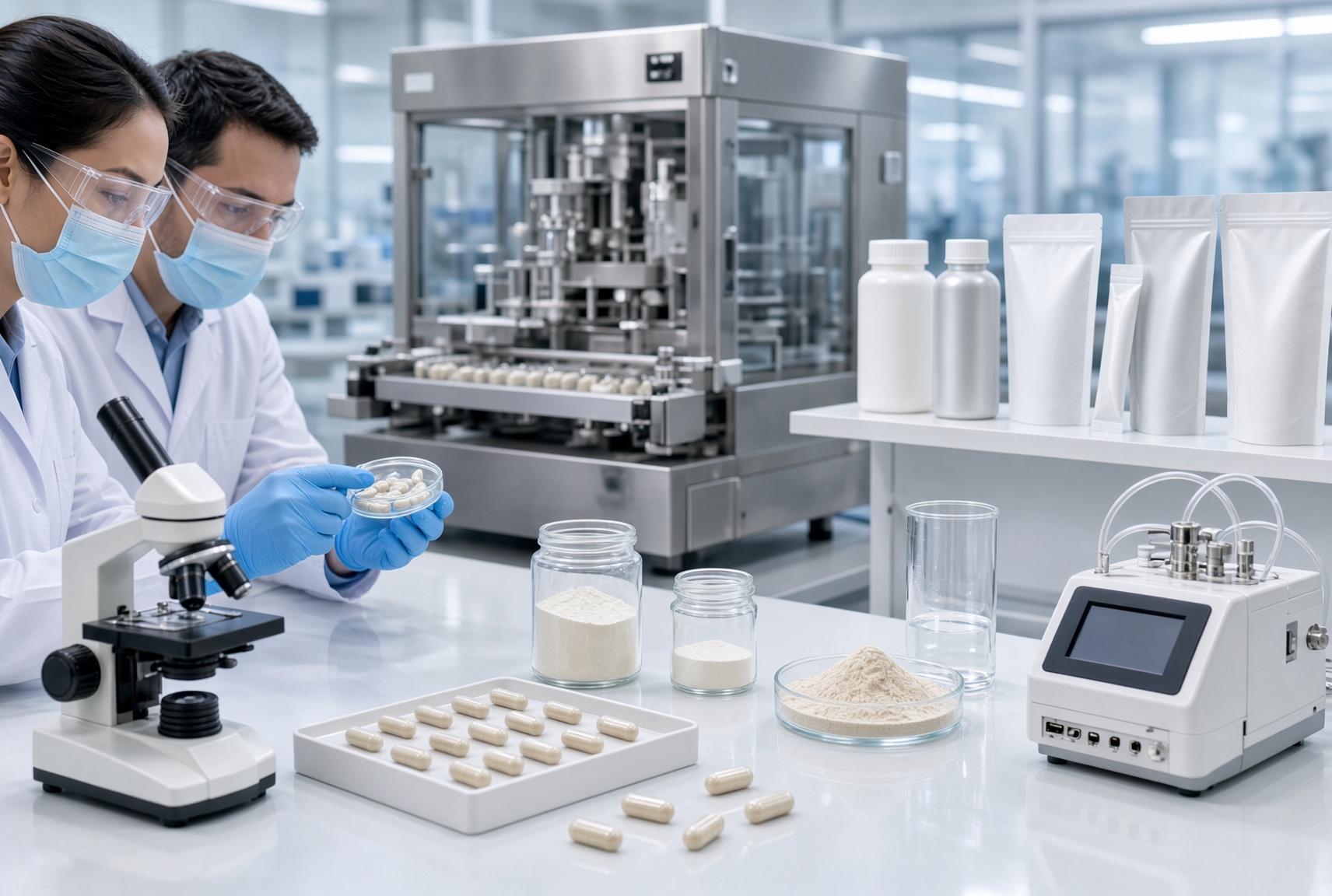
Soil-Based Probiotics vs. Lacto-Bifido Blends: Choosing the Right Strain for Extreme-Shelf-Life Custom Capsules
Riverpharm · Supplement Contract Manufacturing
Your supplement brand, manufactured to the highest standard
From first formula to finished product — we handle manufacturing, packaging, and fulfillment so you can focus on building your brand.
Core services
Contract Manufacturing
GMP-certified production with full batch testing and certificate of analysis on every run.
Custom Formulation & R&D
In-house scientists develop your formula from scratch or refine existing blends for efficacy.
Packaging & Labeling
Design-to-print label service — shelf-ready, FDA-compliant, and retail-tested.
FBA Prep & Fulfillment
Amazon-ready prep and direct-to-warehouse shipping — no extra steps on your end.
By the numbers
NSF
NSF/ANSI 455-2 certified
cGMP
Certified environment
24 hr
AI-accelerated quote turnaround
600K
cGMP+ encapsulator capacity per run
Why Riverpharm
Quality systems with higher standards
- NSF/ANSI 455-2 certified
- cGMP-certified environment
- In-house + third-party testing
- Source-locked ingredients
Production capacity with faster execution
- Heavy-duty hardware
- In-house core reserves
- AI-accelerated quotes
- In-house expert hub
Delivery formats we produce
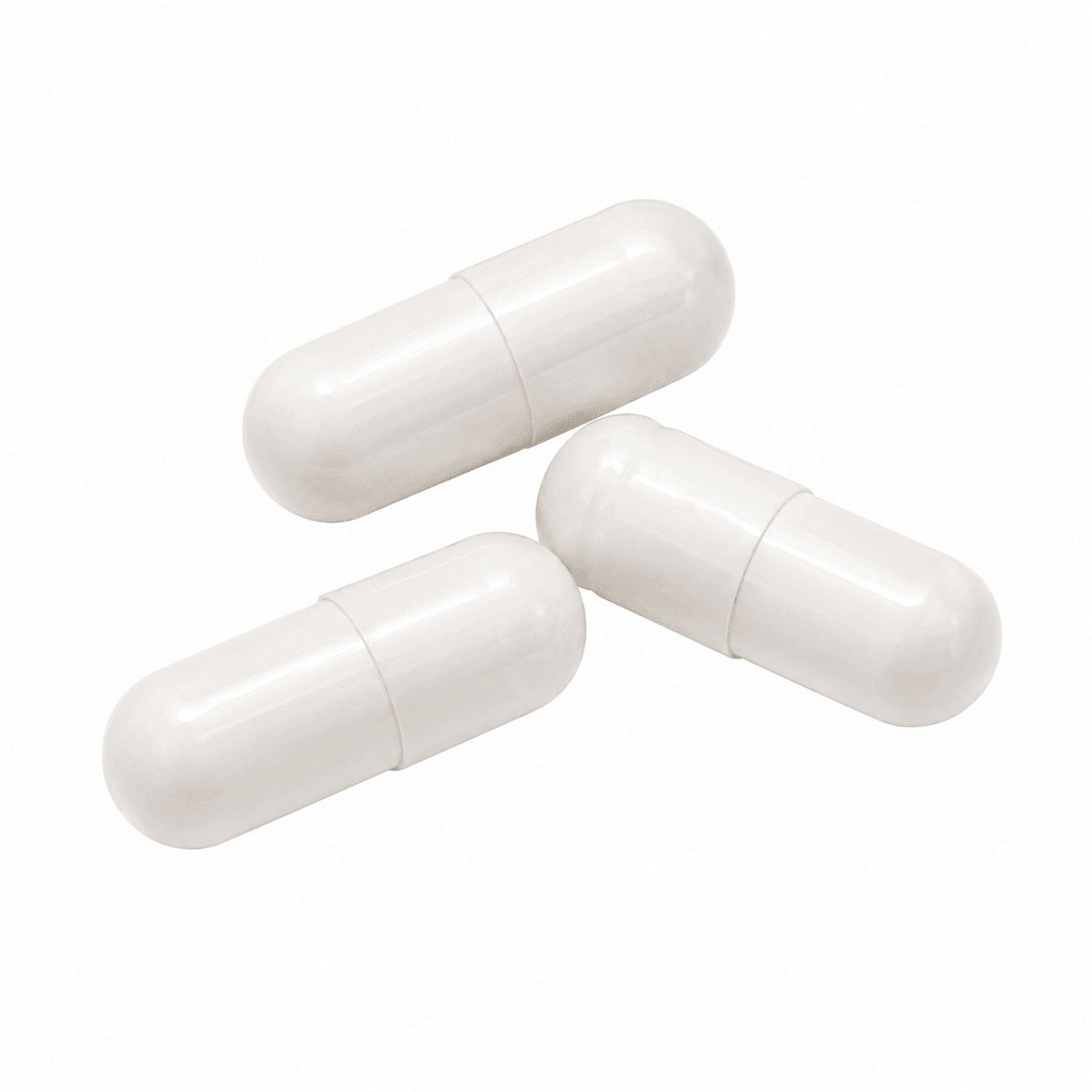
Capsules
Gelatin & HPMC vegetarian
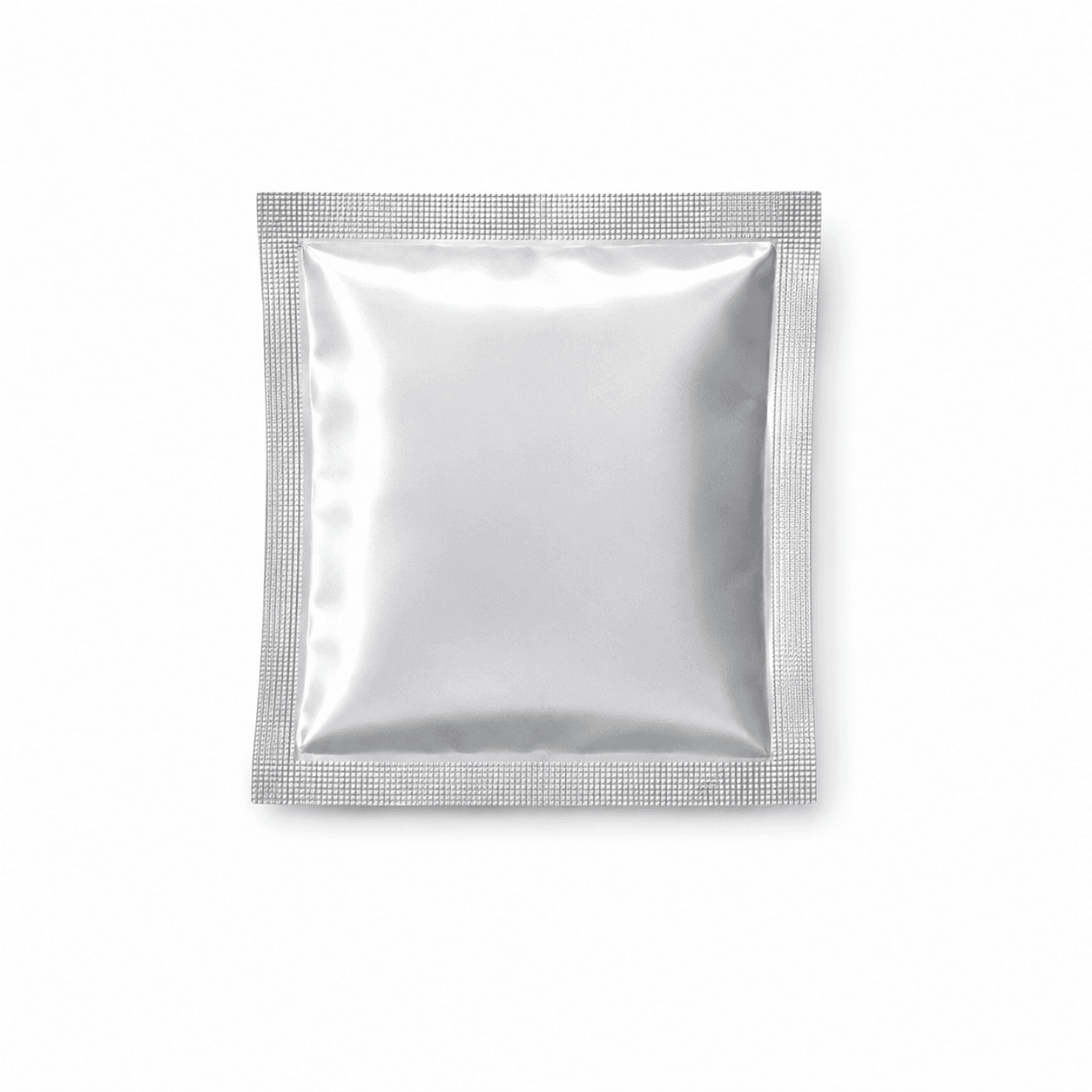
Sachets
Single-dose powder blends
Stick packs
Convenient single-serve
Pouches
Flexible, shelf-ready
Ready to bring your supplement to market?
Free consultation · 24-hour quote · No minimum commitment to get started