L-Histidine Benefits, Food Sources, and Supplement Manufacturing Considerations
Discover L-histidine benefits, food sources, safety insights, and capsule or powder manufacturing options for customized amino acid supplements.

L-histidine is an indispensable amino acid involved in protein synthesis, histamine formation, and several normal physiological pathways. It is also studied in relation to myelin biology, carnosine formation, redox-related processes, and histaminergic signaling. These biological associations provide scientific background for ingredient education, but they do not by themselves establish specific outcomes from L-histidine supplementation.
For brands developing amino acid supplements, L-histidine can be positioned as a scientifically relevant ingredient for daily amino acid nutrition, protein-focused formulations, and general wellness product concepts. River Pharm Inc. supports brands with OEM manufacturing when they provide a completed formula, as well as custom ODM development when they bring a reference product, ingredient concept, or desired functional direction. Available delivery formats include capsules, sachets, stick packs, and flexible pouch packaging.

What Is L-Histidine?
L-histidine is one of the amino acids used by the body to build proteins. It is considered an indispensable amino acid, meaning the body must obtain an adequate amount from food because internal production does not fully meet physiological needs.
Histidine has distinctive chemical properties. Its imidazole side chain can participate in acid-base balance, bind certain metal ions, and support enzyme activity. These properties help explain why histidine appears in many proteins and why it is involved in several biological pathways.
L-histidine is relevant to:
- Protein synthesis and tissue maintenance
- Hemoglobin and red-blood-cell-related processes
- Histamine production
- Formation of histidine-containing compounds, including carnosine
- Acid-base buffering functions
- Enzyme structure and catalytic activity
- Nutritional support for normal growth and maintenance
Scientific reviews describe histidine as having roles in proton buffering, metal-ion chelation, reactive oxygen and nitrogen species handling, erythropoiesis, and the histaminergic system. However, biological roles do not automatically mean that supplemental L-histidine will deliver a specific therapeutic outcome in every person.
Why L-Histidine Is Studied in Relation to Nervous-System Physiology
Histidine participates in biological pathways relevant to normal nervous-system structure and signaling. Research into myelin biology and histaminergic signaling helps explain scientific interest in histidine, but these mechanisms do not demonstrate a specific neurological outcome from L-histidine supplementation.
Histidine and Myelin Structure
Myelin is a lipid-rich insulating layer around many nerve fibers. It helps nerve impulses travel efficiently. Histidine residues are involved in the hydroxylation of galactosylceramide, a process associated with myelin compaction. This is one mechanistic reason histidine appears in scientific discussions of myelin biology.
For supplement brands, this mechanism should be communicated carefully. A compliant, consumer-friendly approach may focus on histidine as an amino acid that supports normal protein metabolism and nutritional adequacy, rather than making unsupported disease-related claims.
Histidine Is a Precursor to Histamine
L-histidine is converted into histamine by the enzyme histidine decarboxylase. Histamine is commonly associated with allergic responses, but it also acts as a signaling molecule in the brain and elsewhere in the body.
Within the central nervous system, histamine participates in functions related to wakefulness, appetite, attention, and other neural activities. Histidine is therefore relevant to the nutritional supply chain behind histamine synthesis. Still, individual responses to histidine-containing supplements can vary, particularly among people with sensitivities, complex medical conditions, or medications that affect histamine pathways.
Histidine, Carnosine, and Oxidative Processes
Histidine is also a precursor for carnosine, a dipeptide found in skeletal muscle and other tissues. Carnosine has been studied for biochemical properties related to buffering and oxidative processes. Because L-histidine contributes to carnosine synthesis, this pathway is relevant as scientific background for amino acid formulation. Mechanistic findings involving histidine or histidine-containing compounds should not be presented as evidence that an L-histidine supplement produces the same oxidative or inflammatory outcomes in consumers.
The scientific literature identifies histidine and histidine-containing compounds as relevant to oxidative and inflammatory processes. But research remains ongoing, and product copy should distinguish between preliminary mechanisms, limited human findings, and established nutritional functions.
L-Histidine Research: What Current Evidence Does—and Does Not—Show
A strong ingredient article should avoid overstating early or population-specific findings. Current evidence differs by endpoint, dose, study population, and study design. Findings from mechanistic research or studies in specific clinical populations should be presented as research context rather than as expected outcomes for general consumers.
1. Role in Dietary Amino Acid Intake
The most direct role of L-histidine is nutritional. It contributes to the body’s amino acid pool and is used in protein synthesis. Adults need dietary sources of indispensable amino acids, including histidine.
A WHO/FAO/UNU report has cited an estimated histidine requirement of approximately 8 mg per kilogram of body weight per day for adults, while recognizing that requirements differ across age groups and circumstances.
For example, an adult weighing 70 kg would have an estimated histidine requirement of about:
70×8=560 mg per day
In real diets, histidine is usually consumed as part of total dietary protein rather than separately calculated milligram by milligram.
2. A Clinical Trial in Women With Obesity and Metabolic Syndrome
One randomized, double-blind, placebo-controlled trial studied histidine supplementation in women with obesity and metabolic syndrome. One 12-week randomized, double-blind, placebo-controlled trial evaluated histidine supplementation in women with obesity and metabolic syndrome. Researchers reported between-group differences in several metabolic, anthropometric, inflammatory, and oxidative-stress-related measures. Because the trial enrolled a specific clinical population, these findings should not be extrapolated to healthy consumers or presented as general consumer benefits of L-histidine supplementation. Additional research is needed across populations, doses, and formulations.
The study is valuable, but it should not be generalized into a universal promise. It involved a specific population and clinical context. More research is needed to determine how findings apply across different age groups, diets, health statuses, and formulations.
A responsible brand message might say:
> For brand communication, this study is better presented as background research rather than converted into a consumer-facing functional claim.
3. Histidine and Normal Histamine-Related Physiology
Histidine is the nutritional precursor of histamine. Histamine contributes to immune signaling, gastric processes, and neurotransmission. This relationship describes an established physiological pathway. It should not be interpreted as evidence that supplemental L-histidine produces a specific immune, digestive, or neurological outcome.
Consumers who have a history of histamine intolerance, recurrent unexplained reactions, or use medications that affect histamine-related pathways should speak with a qualified healthcare professional before using an L-histidine product.
4. L-Histidine in Protein and Amino Acid Formulations
In formulation planning, L-histidine can be used in single-ingredient or multi-amino-acid products intended for consumers interested in amino acid nutrition. Product positioning should focus on composition, serving format, and intended use rather than imply correction of a clinical deficiency unless specifically substantiated.
However, isolated amino acids are not automatically superior to eating adequate protein foods. A well-designed product should have a clear purpose: for example, a targeted single-ingredient capsule, a multi-amino acid powder, a protein-support stick pack, or a clinician-directed nutritional concept.
Food Sources of L-Histidine
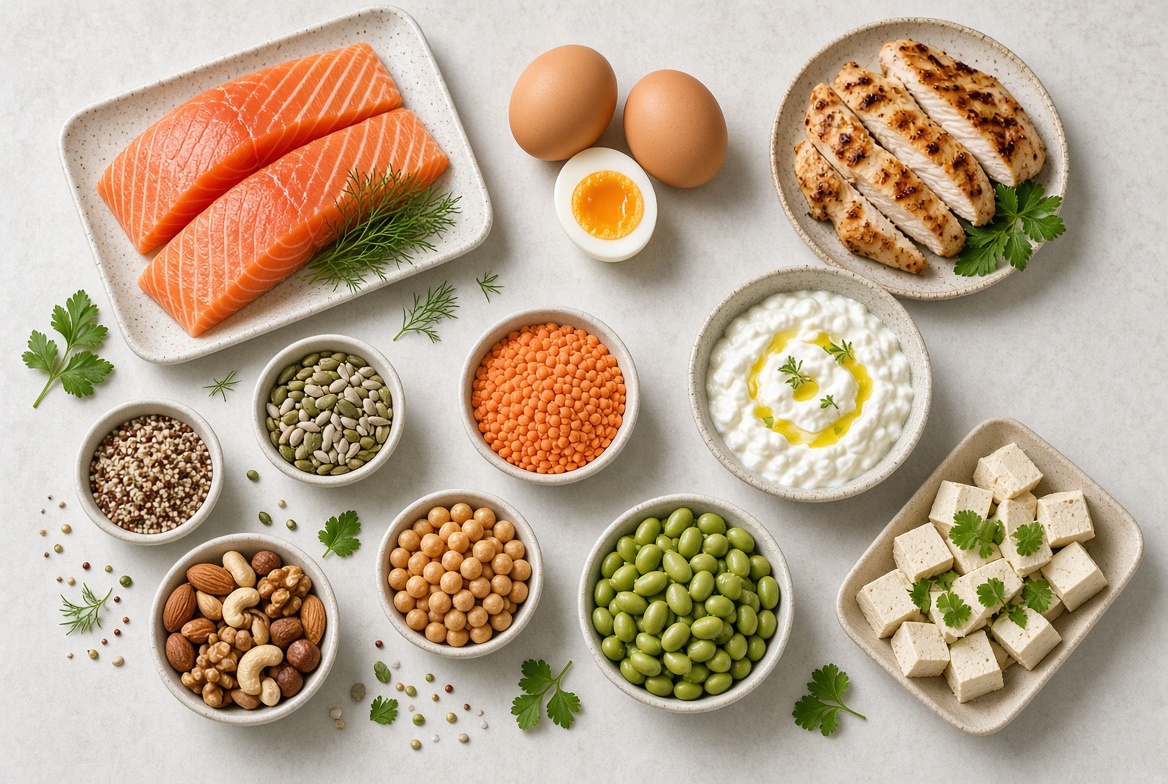
L-histidine is naturally present in many protein-containing foods. Animal-source proteins generally provide all indispensable amino acids, while plant-based foods can also contribute significantly when eaten in varied combinations.
Common dietary sources include:
- Beef, poultry, pork, and other meats
- Fish and shellfish
- Eggs
- Milk, yogurt, cheese, and other dairy foods
- Soybeans, tofu, tempeh, and soy protein
- Beans, lentils, peas, and chickpeas
- Nuts and seeds
- Whole grains
- Protein powders made from dairy, soy, pea, rice, or blended plant proteins
The USDA FoodData Central database provides food-composition information based on analyzed food samples and is a useful resource for comparing amino acid content across foods and ingredients.
A Practical Food-First Perspective
For most healthy adults, regular consumption of protein-containing foods can contribute meaningful amounts of histidine. A supplement may be more relevant when a brand is building a targeted amino acid product, when consumers want a convenient portable format, or when a finished formula uses L-histidine alongside complementary nutrients.
The key question is not simply what biological roles histidine has. It is:
What role should L-histidine play in the finished formula, and are the dosage form, serving size, and product communication aligned with that purpose?
L-Histidine Supplement Formats for Brands
L-histidine is a versatile ingredient, but the most suitable format depends on dose level, serving experience, ingredient compatibility, target market, and packaging strategy.
Capsule Formulations
Capsules are a practical option for brands that want a straightforward L-histidine product with a clean label and convenient daily use. Development decisions can include:
- L-histidine quantity per capsule
- Vegetarian capsule shell selection
- Use of flow agents or other processing aids
- Single-ingredient versus blended amino acid formula
- Bottle count and serving directions
- Allergen and dietary-positioning considerations
Capsules are often ideal for brands whose customers prefer measured servings and minimal flavor exposure.
Sachet and Stick Pack Formulations
Sachets and stick packs can help brands create a more modern, portable consumer experience. They work especially well for powder-based amino acid blends, daily nutrition programs, and active-lifestyle concepts.
Yet L-histidine powder products require more than simply filling powder into a packet. Product teams should evaluate:
- Taste and aftertaste
- Solubility in water
- Particle size and powder flow
- Hygroscopicity and moisture protection
- Compatibility with flavors, sweeteners, acids, minerals, and other amino acids
- Target fill weight and packaging barrier performance
A stick pack can make a formula easier to use, but poor sensory performance can reduce repeat purchases. Early bench work and pilot-scale evaluation are therefore essential.
A Smarter L-Histidine Product Development Process
Developing an amino acid supplement is a cross-functional project involving formulation, manufacturing, quality, packaging, and claims review. Brands can reduce avoidable delays by clarifying their direction before the first production run.
Step 1: Define the Product Objective
Start with the consumer need and product category. Possible directions may include:
- Daily amino acid nutrition
- Active-lifestyle nutrition
- Protein-support formulations
- General adult nutrition concepts
- General wellness capsules
- Multi-amino acid powder systems
Avoid designing from a claim first. Build the formula around the intended consumer, format, dose, and use occasion.
Step 2: Choose OEM or Custom ODM Support
For an OEM project, the brand provides the final formula, target dosage, format, and product specifications. The manufacturer produces the product according to the agreed manufacturing and quality requirements.
For a custom ODM project, the brand provides a reference product, ingredient list, performance direction, target demographic, or market concept. The development team then works to create a customized formulation and manufacturing solution.
River Pharm Inc. supports these two paths:
- OEM manufacturing: You provide the formula; we manufacture the finished supplement.
- Custom ODM development: You provide a reference product, ingredient direction, or desired functional concept; we research, formulate, and manufacture a tailored solution.
River Pharm Inc. does not support public-mold ODM or simple off-the-shelf private-label copying. This approach helps preserve differentiation and gives brands more room to build a distinctive formulation and market position.
Step 3: Confirm Quality and Documentation Expectations
Dietary supplement manufacturing should be supported by written specifications, master manufacturing records, batch documentation, identity verification, in-process controls, and finished-product testing appropriate to the product.
FDA dietary supplement current good manufacturing practice requirements under 21 CFR Part 111 require manufacturers, packers, labelers, and holders to establish and follow procedures that help ensure products are manufactured, packaged, labeled, and held in a manner that meets quality requirements.
For an L-histidine product, a development brief should address:
- Ingredient identity and supplier documentation
- Active level per serving
- Finished-product specifications
- Microbiological requirements
- Packaging material and barrier needs
- Label review and suggested use
- Batch record and release documentation
- Stability strategy where appropriate
Step 4: Review Product Communication Before Launch
Ingredient education must be aligned with the level of evidence. It is better to use accurate, consumer-understandable language than to make aggressive promises that create regulatory, reputational, or marketplace risk.
Product communication should stay within substantiated nutritional or appropriate structure/function positioning. It should not imply neurological, metabolic, immune, or other clinical outcomes; correction of tissue damage; substitution for medical care; or guaranteed results for consumers.
Strong brands build credibility through transparent formulas, careful language, reliable quality systems, and realistic ingredient education.
L-Histidine Safety and Responsible Use
L-histidine is an amino acid found in food and used in dietary supplements, but "natural" does not mean appropriate for every individual at every dose.
Consumers should consider professional guidance before using a high-dose or specialized amino acid supplement if they:
- Are pregnant or breastfeeding
- Have kidney or liver disease
- Have a diagnosed medical condition
- Use prescription medication
- Have known histamine-related sensitivities or concerns
- Are considering the product for a child
- Have been advised to follow a restricted protein or amino acid intake plan
Research has examined histidine in a range of physiological and clinical contexts, including neurological, dermatologic, and metabolic settings. These areas of study are best presented as scientific background and do not establish general benefits of L-histidine supplementation for healthy consumers. At the same time, researchers have emphasized the need for additional studies to clarify the effects of histidine supplementation in these contexts.
Build a Differentiated L-Histidine Supplement With River Pharm Inc.
An L-histidine supplement can be a focused single-ingredient product or part of a broader amino acid innovation platform. The difference between an average launch and a credible long-term product often comes down to thoughtful formulation, format selection, consistent manufacturing, clear documentation, and market-appropriate positioning.
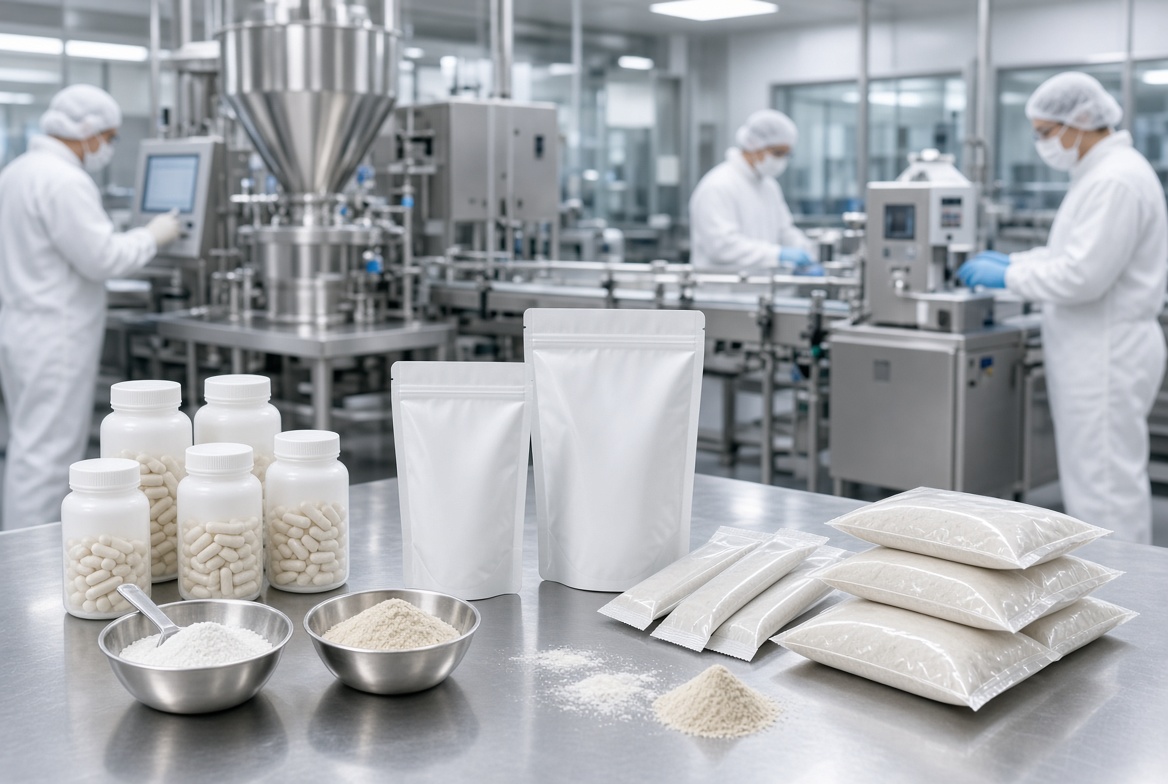
River Pharm Inc. can help turn your L-histidine product concept into a customized capsule, sachet, stick pack, or flexible pouch solution. Bring us your finalized formula for OEM manufacturing, or share a reference product, ingredient direction, and functional concept for a custom ODM development discussion.
Contact River Pharm Inc. to discuss your target dosage form, ingredient requirements, packaging goals, and product-development timeline.
Frequently Asked Questions
Is L-histidine an essential amino acid?
Yes. L-histidine is classified as an indispensable amino acid, meaning adequate intake must come from the diet. It contributes to protein synthesis and participates in several physiological pathways.
What are the best natural sources of L-histidine?
Protein-rich foods are the main dietary sources. Meat, fish, eggs, dairy, soy foods, legumes, nuts, seeds, whole grains, and protein powders can all contribute histidine to the diet. FoodData Central can be used to compare nutrient composition among foods.
How Is L-Histidine Related to Nervous-System Physiology?
Histidine participates in biological pathways relevant to myelin biology and is a precursor to histamine, a signaling molecule in the nervous system. These mechanisms help explain why histidine is studied in neuroscience, but they do not demonstrate a specific neurological outcome from an L-histidine supplement.
Can L-histidine be used in capsule supplements?
Yes. Capsules are a common format for L-histidine, especially for single-ingredient products or targeted amino acid blends. The final design should consider dose per capsule, capsule count, excipients, target user experience, and finished-product specifications.
Can L-histidine be made into stick packs or sachets?
Yes. L-histidine can be considered for stick packs and sachets, particularly as part of powdered amino acid formulas. Successful development depends on powder flow, flavor design, solubility, moisture protection, packaging performance, and serving size.
What is the difference between L-histidine OEM and custom ODM manufacturing?
OEM manufacturing means the brand provides the finished formula and the manufacturer produces it. Custom ODM means the brand provides a reference product, ingredient direction, or intended function, while the manufacturer supports formulation development and manufacturing. River Pharm Inc. provides both options but does not provide public-mold ODM or simple off-the-shelf private-label copying.
Is L-histidine suitable for everyone?
Not necessarily. People who are pregnant, breastfeeding, managing medical conditions, taking medication, or considering high-dose amino acid products should consult a qualified healthcare professional before use.
References
The references below are provided for scientific background. Findings reported in individual studies, particularly studies involving specific clinical populations, should not be interpreted as finished-product claims or as expected outcomes for general consumers.
1. Kessler AT, Raja A. "Biochemistry, Histidine." StatPearls, National Center for Biotechnology Information. Discusses histidine's nutritional importance, enzymatic functions, and relationship to myelin-associated processes. [ncbi.nlm.nih]
2. Holeček M. "Histidine in Health and Disease: Metabolism, Physiological Importance, and Use as a Supplement." Nutrients. A comprehensive scientific review of histidine metabolism, histamine-related pathways, carnosine, oxidative processes, and research limitations. [pmc.ncbi.nlm.nih]
3. Feng RN, Niu YC, Sun XW, et al. "Histidine Supplementation Improves Insulin Resistance Through Suppressed Inflammation in Obese Women With the Metabolic Syndrome: A Randomised Controlled Trial." Diabetologia. Reports findings from a 12-week randomized, double-blind, placebo-controlled clinical trial. [link.springer]
4. World Health Organization, Food and Agriculture Organization of the United Nations, United Nations University. Protein and Amino Acid Requirements in Human Nutrition. Provides estimates for histidine requirements, including 8 mg/kg/day for adults. [iris.who]
5. U.S. Food and Drug Administration. "Small Entity Compliance Guide: Current Good Manufacturing Practice in Manufacturing, Packaging, Labeling, or Holding Operations for Dietary Supplements." Explains the binding requirements of 21 CFR Part 111 for dietary supplement quality practices. [fda]
6. Electronic Code of Federal Regulations. "21 CFR Part 111—Current Good Manufacturing Practice in Manufacturing, Packaging, Labeling, or Holding Operations for Dietary Supplements." Provides the federal regulatory text governing dietary supplement manufacturing practices. [ecfr]
7. U.S. Department of Agriculture. FoodData Central. A public food-composition database that provides nutrient data derived from food samples and related analytical resources. [fdc.nal.usda]
Hot Tags: L Histidine Supplement Manufacturer, Amino Acid Supplement Manufacturing, Custom Supplement Formulation, Dietary Supplement OEM, Dietary Supplement ODM, Capsule Supplement Manufacturer, Powder Supplement Manufacturer, Stick Pack Manufacturing, Sachet Supplement Manufacturing, Nutraceutical Contract Manufacturing
Did you find this helpful?
Comments (0)
No comments yet. Be the first to comment!
Leave a comment
Related Posts

Nov 20, 2026
L-Threonine: An Essential Amino Acid for Collagen, Gut Barrier, and Product Development
Nov 19, 2026
L Leucine for Muscle Protein Synthesis: Formulation Insights for Sports Nutrition Brands
Nov 17, 2026
Soil-Based Probiotics vs. Lacto-Bifido Blends: Choosing the Right Strain for Extreme-Shelf-Life Custom Capsules
Riverpharm · Supplement Contract Manufacturing
Your supplement brand, manufactured to the highest standard
From first formula to finished product — we handle manufacturing, packaging, and fulfillment so you can focus on building your brand.
Core services
Contract Manufacturing
GMP-certified production with full batch testing and certificate of analysis on every run.
Custom Formulation & R&D
In-house scientists develop your formula from scratch or refine existing blends for efficacy.
Packaging & Labeling
Design-to-print label service — shelf-ready, FDA-compliant, and retail-tested.
FBA Prep & Fulfillment
Amazon-ready prep and direct-to-warehouse shipping — no extra steps on your end.
By the numbers
NSF
NSF/ANSI 455-2 certified
cGMP
Certified environment
24 hr
AI-accelerated quote turnaround
600K
cGMP+ encapsulator capacity per run
Why Riverpharm
Quality systems with higher standards
- NSF/ANSI 455-2 certified
- cGMP-certified environment
- In-house + third-party testing
- Source-locked ingredients
Production capacity with faster execution
- Heavy-duty hardware
- In-house core reserves
- AI-accelerated quotes
- In-house expert hub
Delivery formats we produce
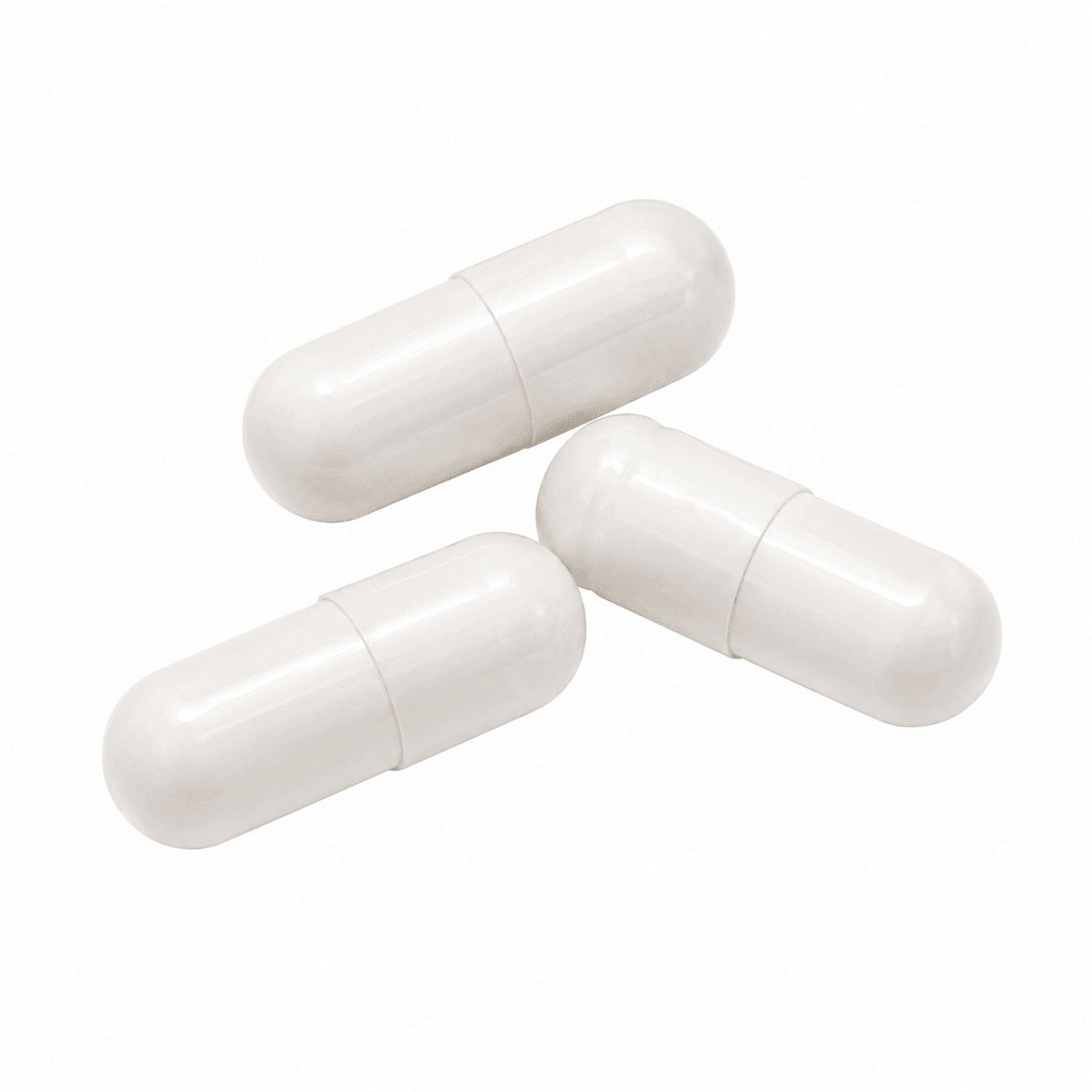
Capsules
Gelatin & HPMC vegetarian
Sachets
Single-dose powder blends
Stick packs
Convenient single-serve
Pouches
Flexible, shelf-ready
Ready to bring your supplement to market?
Free consultation · 24-hour quote · No minimum commitment to get started