Amino Acids vs Proteins: How Supplement Brands Should Choose OEM or Custom ODM Paths
Amino acids vs proteins for supplement brands: learn how to design evidence‑based formulas and choose OEM or custom ODM paths for scalable manufacturing.

Amino acids and proteins are closely related, but they are not interchangeable—and understanding their differences is critical if you are building a science‑driven dietary supplement line and selecting the right OEM or custom ODM manufacturing path. From bioavailability and dosage design to regulatory labeling and brand positioning, the way you use amino acids versus proteins in your formulas will directly influence product performance, production costs, and long‑term competitiveness in the global nutrition market.
What Are Amino Acids?
Amino acids are organic compounds that contain an amino group, a carboxyl group, and a unique side chain that determines their chemical behavior and physiological role. They are the fundamental units from which proteins are built, but they also have important independent functions, acting as precursors for hormones, neurotransmitters, and other bioactive molecules. Because amino acids participate in energy production, cell signaling, and the regulation of gene expression, they are central to sports nutrition, clinical nutrition, and advanced wellness formulations.
In human nutrition, amino acids are commonly described as indispensable (essential), dispensable (non‑essential), and conditionally indispensable. Indispensable amino acids must be supplied by the diet because the body cannot synthesize them in sufficient amounts. This group includes leucine, isoleucine, valine, lysine, methionine, threonine, tryptophan, phenylalanine, and histidine. They are especially important in products aimed at muscle protein synthesis, immune support, and recovery.
Dispensable amino acids can generally be synthesized by the body from other amino acids or metabolic intermediates under normal physiological conditions. Examples include alanine, aspartate, and glutamate. However, several amino acids are considered conditionally indispensable because the body's capacity to produce them may be insufficient during stress, illness, growth, or intense training. Arginine, cysteine, glutamine, glycine, proline, and tyrosine are often discussed in this category, and targeted supplementation can be justified for specific populations.
From a formulation perspective, amino acids can be provided as single‑ingredient supplements or as blends designed around particular outcomes. Free‑form amino acids and small peptides are rapidly absorbed, which makes them suitable for products focused on acute effects such as performance, immediate recovery, or fast support during catabolic stress. This rapid uptake also means your dosage choices and combination strategies must be carefully thought through, especially when you are working with higher‑dose formulas or stacking multiple products.

What Are Proteins?
Proteins are large macromolecules made from one or more polypeptide chains, each formed by amino acids linked through peptide bonds. A polypeptide chain typically contains dozens to hundreds of amino acid residues, and the way those chains fold into three‑dimensional structures determines the protein's functional role. Enzymes, structural components such as collagen, transporters such as hemoglobin, and immune factors are all examples of proteins that underpin essential biological processes.
In the context of dietary supplements, proteins are usually provided in the form of concentrated or isolated food proteins. Common sources include dairy proteins such as whey and casein, as well as plant proteins from soy, pea, rice, or blends designed to improve amino acid balance. All of these proteins are evaluated based on their amino acid composition and digestibility, because what matters for human nutrition is ultimately whether they supply adequate amounts of indispensable amino acids and can be efficiently used by the body.
Dietary proteins must be digested into peptides and amino acids before absorption, which creates a different kinetic profile compared with free amino acids. Some proteins digest quickly and are used in products targeting rapid delivery of amino acids, while others digest more slowly and are used to sustain amino acid availability over time. For brands, this opens up a broad design space for products that support long‑term muscle maintenance, satiety, and general nutritional needs, rather than just acute performance or recovery.
Amino Acids vs Proteins: Key Scientific and Practical Differences
The first major difference is structural: amino acids are single, small molecules, while proteins are large polymers composed of many amino acids arranged in specific sequences. This structural distinction leads to differences in molecular weight, folding, and functional versatility. Proteins can form complex structures with active sites and binding domains, whereas amino acids exert their main effects through participation in metabolic pathways and as precursors to larger molecules.
The second difference is in absorption and utilization. Free amino acids and small peptides are generally absorbed quickly, which can translate into rapid changes in plasma amino acid levels and faster engagement with metabolic pathways. Proteins must be broken down during digestion, leading to a more gradual release of amino acids. This matters when you design products for pre‑workout use, intra‑workout support, post‑exercise recovery, or daily nutrition. Rapid delivery is often desirable in performance‑oriented formulas, while slower release may be more suitable for satiety or overnight recovery products.
A third key difference lies in nutritional requirements and dosing schemes. Recommendations for protein intake are typically expressed in grams per day as a function of body weight, reflecting total nitrogen and amino acid supply. Requirements for indispensable amino acids, on the other hand, are defined individually in milligrams per kilogram body weight per day. This dual framework affects how you structure your formulas. Amino acid products must be built around specific intake ranges for each component, while protein products are usually positioned around total grams per serving and total daily protein targets.
Finally, there is a regulatory nuance. A product that contains only isolated amino acids is not treated identically to a product that provides complete dietary protein. This affects how protein content is declared on labels, how you describe the product's role in supporting protein intake, and how you frame your structure–function claims. You need to be very clear whether your product is intended to increase total dietary protein or provide targeted amino acid support, and your label language must align with that distinction.
Strategic Use Cases for Amino Acid Supplements
Amino acid supplements fit best into strategies where precision and targeting are more important than broad coverage. In sports nutrition, indispensable amino acids—especially leucine—are central to muscle protein synthesis, and blends enriched with specific amino acids are frequently used around training. Products based on conditionally indispensable amino acids can support immune function, gut integrity, and recovery in circumstances where demand exceeds the body's ability to synthesize these compounds.
Amino acid formulations can also be designed for specific life stages or clinical contexts. Older adults dealing with muscle loss may benefit from targeted essential amino acid doses, while certain patient populations might require amino acid support during recovery or metabolic stress. Because amino acid dosing can be tailored closely to research data, brands can position these products as highly specialized solutions built on precise scientific rationales.
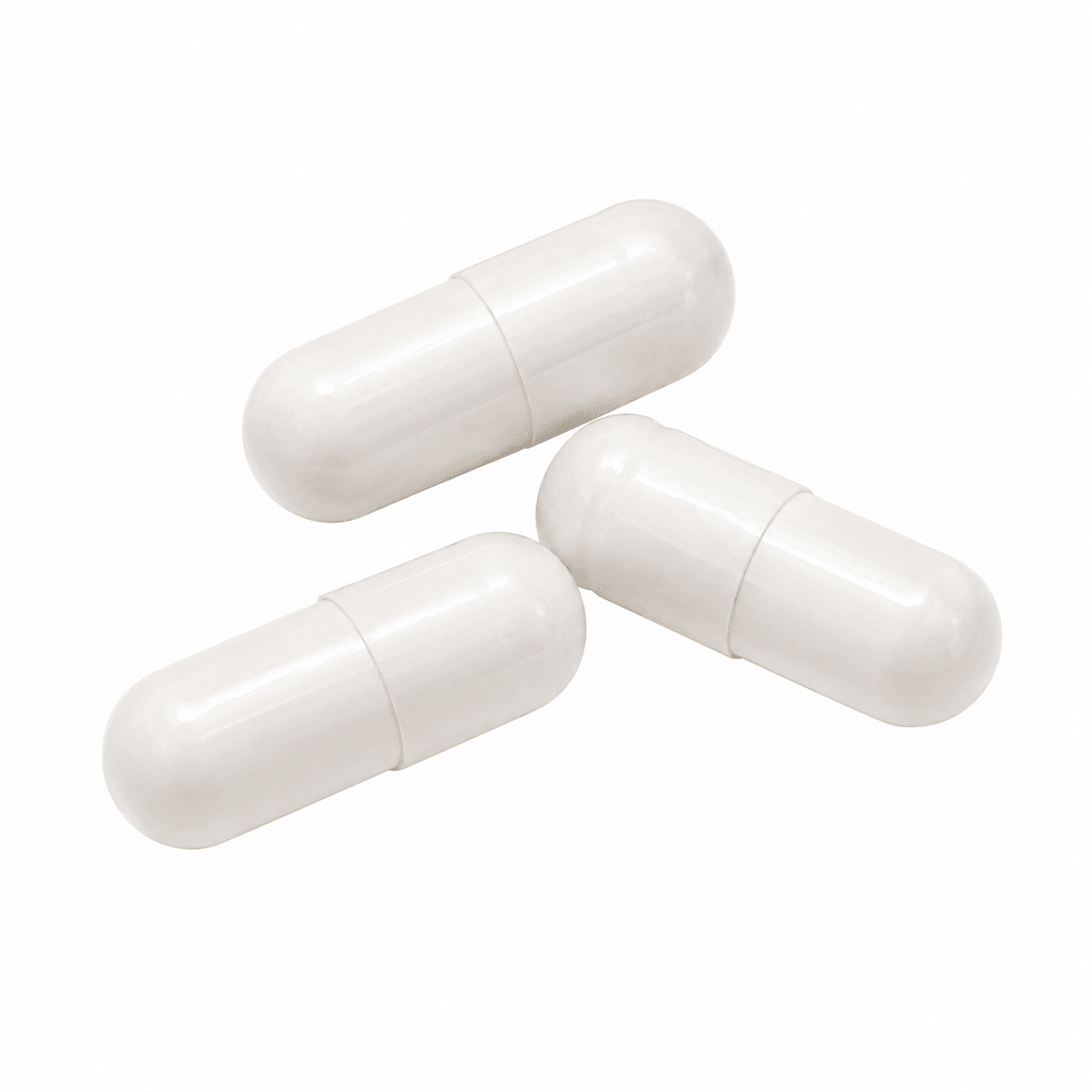
From a manufacturing standpoint, amino acid products tend to work well in capsules and small sachets. Free‑form amino acids usually occupy less volume than equivalent protein doses, allowing you to deliver meaningful amounts in relatively compact formats. Capsules are practical for precise dosing and stackability across multiple products, while sachets or stick packs are suitable for on‑the‑go use and combination with liquids. The main challenge is ensuring compatibility, stability, and palatability when you move beyond capsules into powder formats.
Strategic Use Cases for Protein Supplements
Protein supplements are ideal when the goal is to support total protein intake, maintain or build lean mass, and provide broader nutritional support. In sports and active lifestyle markets, protein products are designed to help users reach daily protein targets that might be hard to achieve through food alone. In general wellness, protein can be used to support healthy aging, satiety, and weight management.
Whole proteins deliver a complete or near‑complete amino acid profile with one ingredient, simplifying certain aspects of formulation. However, they also introduce new technical challenges. Solubility, mouthfeel, flavor systems, and compatibility with sweeteners or fibers all play large roles in how the finished product is perceived. The type of protein source you choose will influence not only nutritional value but also texture, allergen status, and consumer preference.
Protein products usually require larger serving sizes than amino acid products, which makes format selection critical. Capsules are generally impractical for high‑protein servings because of the number of capsules required. Instead, sachets, stick packs, and soft pouches are used to hold powder that can be mixed with water or other beverages. For brands, this means considering how serving size, packaging, and preparation instructions fit into the desired user experience and distribution channel.

OEM Manufacturing: When Your Formula Is Ready
OEM manufacturing is the appropriate route when you already own the formula and want to focus on high‑quality, compliant production rather than development. In this model, you provide the full formulation, target dosage, and preferred format—capsules, small sachets, stick packs, or soft pouches—and the manufacturer executes according to your specifications.
If you are working with amino acid products, OEM allows you to lock in proprietary blends based on your own R&D and intellectual property. You can define exact ratios of indispensable and conditionally indispensable amino acids, encapsulation parameters, and batch sizes that match your sales projections. For protein products, OEM lets you specify protein sources, flavor systems, and packaging preferences that align with your brand identity.
The value of OEM lies in consistency and scalability. Once the process is validated, you can rely on repeatable quality and predictable lead times. This is particularly important when your products are already on the market or when you are rolling out coordinated launches across multiple regions. By partnering with a manufacturer that specializes in dietary supplements and follows robust quality standards, you can maintain control over the scientific and marketing aspects while delegating the industrial execution.

Custom ODM Development: From Concept to Formula
ODM is a better choice when you have a clear concept, reference product, or benefit direction, but not a final formula. Instead of using generic white‑label options, custom ODM is focused on building a unique formulation tailored to your positioning and desired outcomes. You bring your market insight, brand narrative, and target user profile; the development team translates those inputs into a technically and scientifically sound product.
In practice, this means carefully defining whether amino acids, proteins, or a combination will best deliver the benefits you want. A performance‑focused brand might decide to anchor its hero product in targeted essential amino acid blends, supported by secondary products based on complete proteins. A healthy aging line might combine conditionally indispensable amino acid capsules with protein‑based sachets to address both acute functional needs and long‑term nutritional support.
Custom ODM development also involves rigorous dose selection and an evidence‑based approach to ingredient choice. Amino acid dosages must respect known intake ranges and safety considerations, while protein levels per serving need to be realistic and supported by your label claims. The development process should integrate neutral, authoritative sources so that the final formula is not just inspired by trends but grounded in recognized science.
Another advantage of ODM is that it allows a portfolio view. Instead of designing individual products in isolation, you can plan a family of supplements that work together. This might include stacking strategies, such as combining amino acid capsules with protein sachets, or building tiered offerings for different segments and price points. A manufacturer experienced in both amino acid and protein products can ensure that the formulations, formats, and production processes stay coherent across the range.
Practical Formula Design Examples
Consider a sports brand evaluating whether to build a flagship product around amino acids or protein. One option is a formula centered on essential amino acids, with a particular focus on leucine and related amino acids involved in training adaptation and recovery. This type of product might be delivered in capsules or small sachets, emphasizing fast absorption, precise dosing, and compatibility with other supplements.
An alternative is a protein‑based recovery product that focuses on total daily protein support. Made as a powder in stick packs or soft pouches, this product could be positioned as a convenient way to reach protein targets, with secondary messaging around satiety and overall nutrition. For some brands, the optimal strategy is to deploy both: one product for targeted amino acid support around workouts, another for broader protein needs throughout the day.
In healthy aging, a brand might develop an essential amino acid capsule designed for older adults experiencing muscle loss. This product would target specific amino acid intakes aligned with current research, delivered in a convenient format with straightforward dosing. The same brand could also launch a protein powder sachet that supports overall protein intake for users who struggle to consume enough from food, creating a complementary pair that addresses different aspects of the problem.
How to Decide Between Amino Acid and Protein Focus
When choosing between amino acid‑centered and protein‑centered products, brands should evaluate several dimensions:
First, be clear about the primary outcome. If your goal is highly targeted support—such as stimulating specific metabolic pathways, supporting immune function under stress, or delivering precise intakes for particular amino acids—then amino acid products may be the better choice. If your goal is to support general protein intake, muscle maintenance, or satiety, then protein products are more appropriate.
Second, consider your audience's usage patterns. Athletes and highly engaged users may be more willing to use multiple products and understand the nuances of amino acid formulas, while mainstream consumers may prefer simpler messages centered on protein per serving. Your content, claims, and educational materials need to match this level of sophistication.
Third, think about format and user experience. Amino acid products often fit well into capsules and small sachets that are easy to use and stack with other supplements. Protein products will usually require larger stick packs or soft pouches. Serving size, preparation steps, and portability should all align with how your target users actually live, train, and consume their products.
Finally, align with your brand story. If your brand identity is built around precision, personalization, and cutting‑edge science, amino acid formulas may express that positioning more clearly. If your brand aims to make nutrition simple and accessible, protein products may be a more natural fit.
Call to Action
If you are planning your next generation of amino acid or protein supplements, this is the moment to align your formulation strategy with a manufacturing partner that understands both the biochemistry and the realities of global dietary supplement markets. By working with an OEM provider when your formula is ready, or engaging in custom ODM development when you are still at the concept stage, you can turn scientific insight and market knowledge into differentiated, regulation‑ready products in capsules, small sachets, stick packs, and soft pouches.
The most successful brands treat amino acids and proteins not as interchangeable commodities, but as complementary tools that can be combined strategically across a portfolio. With the right collaboration, you can design products that deliver targeted, evidence‑based benefits while meeting users' practical expectations on taste, convenience, and usability. The next step is to map your core benefit, audience, and positioning, then engage with a manufacturing team capable of translating that blueprint into real‑world formulations and scalable production.
References
1. NIH Office of Dietary Supplements – Dietary Supplement Fact Sheets https://ods.od.nih.gov/factsheets/list-all/
2. NCBI Bookshelf – Protein and Amino Acids (Recommended Dietary Allowances) https://www.ncbi.nlm.nih.gov/books/NBK234922/
3. FAO – Chapter 3: Proteins and Amino Acids https://www.fao.org/4/x5738e/x5738e04.htm
4. StatPearls (NIH) – Biochemistry, Essential Amino Acids https://www.ncbi.nlm.nih.gov/books/NBK557845/
5. NIH PMC – Relevance and Safe Utilization of Amino Acids in Humans https://pmc.ncbi.nlm.nih.gov/articles/PMC12845092/
6. FDA – Dietary Supplement Labeling Guide (Nutrition Labeling) https://www.fda.gov/food/dietary-supplements-guidance-documents-regulatory-information/dietary-supplement-labeling-guide-chapter-iv-nutrition-labeling
7. FDA – Food/Dietary Supplement Guidance and Regulatory Information https://www.fda.gov/food/guidance-regulation-food-and-dietary-supplements/guidance-documents-regulatory-information-topic-food-and-dietary-supplements
8. NutraIngredients – Coverage of amino acid and protein trends in sports and clinical nutrition https://www.nutraingredients.com/
Hot Tags: Amino Acid Supplements, Protein Supplements, Dietary Supplement OEM, Custom ODM Formulation, Sports Nutrition Brands, Healthy Aging Nutrition, B2B Contract Manufacturing, Capsule And Sachet Production, Evidence Based Formulation, Regulatory Compliant Labeling
Did you find this helpful?
Comments (0)
No comments yet. Be the first to comment!
Leave a comment
Related Posts
Aug 21, 2026
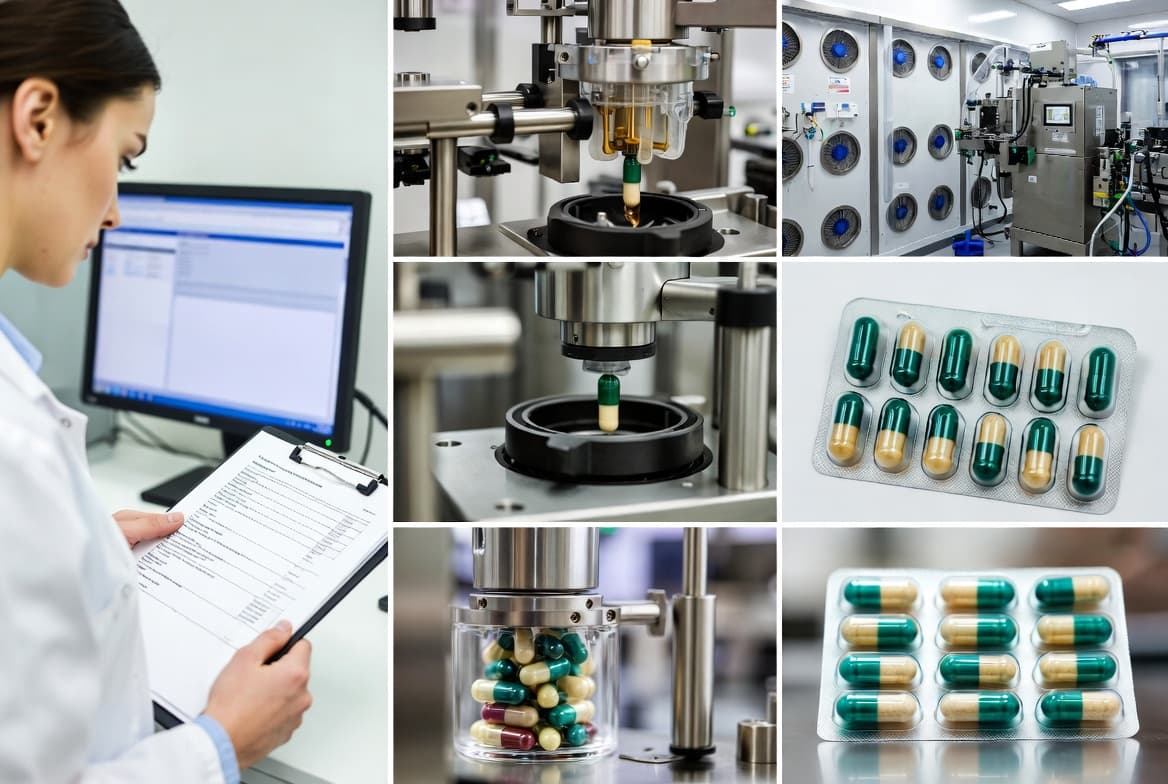
Hard-Shell Capsules vs. Softgels: Which performs better for complex nutraceutical formulations with high oil content?

Aug 21, 2026
Top Capsule Supplement Manufacturers and Suppliers in Asia

Aug 20, 2026
Neuroplasticity Supplements: What B2B Brands Need to Know About the Future of Cognitive Health OEM/ODM Manufacturing
Riverpharm · Supplement Contract Manufacturing
Your supplement brand, manufactured to the highest standard
From first formula to finished product — we handle manufacturing, packaging, and fulfillment so you can focus on building your brand.
Core services
Contract Manufacturing
GMP-certified production with full batch testing and certificate of analysis on every run.
Custom Formulation & R&D
In-house scientists develop your formula from scratch or refine existing blends for efficacy.
Packaging & Labeling
Design-to-print label service — shelf-ready, FDA-compliant, and retail-tested.
FBA Prep & Fulfillment
Amazon-ready prep and direct-to-warehouse shipping — no extra steps on your end.
By the numbers
NSF A
Grade A, zero defect tolerance
ISO 7
Cleanroom controlled production
24 hr
AI-accelerated quote turnaround
600K
cGMP+ encapsulator capacity per run
Why Riverpharm
Quality systems with higher standards
- NSF Grade A excellence
- ISO 7 cleanroom control
- In-house + third-party testing
- Source-locked ingredients
Production capacity with faster execution
- Heavy-duty hardware
- In-house core reserves
- AI-accelerated quotes
- In-house expert hub
Delivery formats we produce
Capsules
Gelatin & HPMC vegetarian
Sachets
Single-dose powder blends

Stick packs
Convenient single-serve
Pouches
Flexible, shelf-ready
Ready to bring your supplement to market?
Free consultation · 24-hour quote · No minimum commitment to get started