Aniracetam Nootropic Science and the Realities of Capsule Manufacturing: An OEM/ODM Perspective
Explore aniracetam's nootropic science, FDA regulatory status, and what OEM/ODM manufacturers must know to formulate compliant, stable capsules.

Aniracetam nootropic supplements remain one of the most searched cognitive-support categories among brand owners exploring specialty ingredient capsules, yet few articles explain what happens between raw compound and finished product. As an OEM/ODM nutraceutical manufacturer serving global supplement brands, we look at aniracetam not only as a nootropic ingredient with a documented pharmacological profile, but as a case study in how regulatory nuance, bioavailability science, and encapsulation precision determine whether a nootropic capsule succeeds on shelf.
This guide breaks down the current science on aniracetam, the regulatory landscape brand owners must understand before sourcing it, and the manufacturing decisions that separate a mediocre capsule from a premium, market-ready product.

What Is Aniracetam? A Racetam-Class Nootropic Explained
Aniracetam is a synthetic compound belonging to the racetam family, first developed by Hoffmann-La Roche and studied since the 1970s for its cognitive-enhancing potential . Structurally classified as a pyrrolidinone derivative, aniracetam is registered in chemical databases under PubChem CID 2196 with the molecular formula C12H13NO3 .
Unlike simple dietary vitamins, aniracetam's activity is receptor-specific. Research published in the Journal of Alzheimer's Disease describes how aniracetam positively modulates AMPA receptors and metabotropic glutamate receptors (mGluRs), increases cholinergic activity in the hippocampus and prefrontal cortex, and is associated with elevated brain-derived neurotrophic factor (BDNF) expression. A pharmacology study in Molecular Pharmacology further shows that aniracetam slows the desensitization rate of AMPA receptor channels, a property distinct from earlier racetams like piracetam.
In short: aniracetam does not act through a single pathway. It interacts with at least three neurotransmitter systems simultaneously, which is precisely why formulation and dosing precision matter so much when a brand moves it into a finished capsule.
Reported Cognitive and Mood-Related Benefits
Clinical and mechanistic research on aniracetam has focused primarily on populations with mild cognitive impairment rather than healthy adults, and results are described by researchers as encouraging rather than conclusive.
- Cognitive performance in mild dementia. A comparative open study published in CNS Neuroscience & Therapeutics found aniracetam monotherapy produced significantly better cognitive scores at six months than cholinesterase inhibitors in patients with mild-to-moderate cognitive impairment .
- Emotional stability. The same study reported measurable improvement in emotional state after three months of continuous use .
- Neuroprotective signaling. A 2024 evidence-based model proposes aniracetam may help limit amyloid-beta accumulation by raising alpha-secretase activity through BDNF and mGluR pathways, though the author is explicit that this remains a theoretical model requiring human trials.
- Emerging behavioral research. A 2025 study in eNeuro found that aniracetam improved attention-related behavioral deficits in an ADHD mouse model by acting on AMPA and glutamate receptor systems, suggesting a possible future application beyond age-related cognitive decline.
It is worth noting plainly: most positive findings come from small clinical trials, animal models, or patients with diagnosed cognitive impairment — not from healthy, general-population users. Brands and content teams referencing aniracetam should frame benefit language around "supports" or "may help," never "treats" or "cures," a distinction regulators enforce strictly.
The Regulatory Landscape Every Sourcing Team Must Understand
This is the section most nootropic ingredient articles skip, and it is arguably the most important one for any brand considering an aniracetam-based product.
Aniracetam is sold as a prescription drug in several countries, marketed under brand names such as Draganon, Ampamet, and Memodrin . In the United States, however, the compound has a different legal status. The FDA has issued warning letters to supplement companies specifically for marketing aniracetam-containing products with disease-treatment claims, determining that racetam-class ingredients including aniracetam are "not generally recognized as safe and effective" for the uses being marketed and therefore qualify as unapproved new drugs under the Federal Food, Drug, and Cosmetic Act .
A peer-reviewed analysis published in Neurology: Clinical Practice went further, testing ten commercial cognitive-enhancement supplements and finding aniracetam present at dosages up to 502 mg per serving — frequently at levels inconsistent with what was declared on the label, with 75% of tested products showing inaccurate dosage claims . The researchers concluded that consumers using these products may be exposed to pharmaceutical-level dosing without any clinical oversight.
What this means for brand owners:
1. Aniracetam cannot currently be legally marketed as a conventional dietary supplement ingredient for US retail sale under FDA's stated interpretation.
2. Any brand sourcing aniracetam or comparable racetam-class compounds for other jurisdictions must verify country-specific drug-versus-supplement classification before formulation begins.
3. A manufacturing partner with genuine regulatory literacy — not just production capacity — is non-negotiable when handling specialty or borderline-classified compounds.
This regulatory complexity is exactly why serious OEM/ODM partners screen ingredient requests against current FDA guidance and destination-market drug schedules before any capsule enters development, rather than after a product is already on shelf.
Nootropic Category Growth: A Market Snapshot
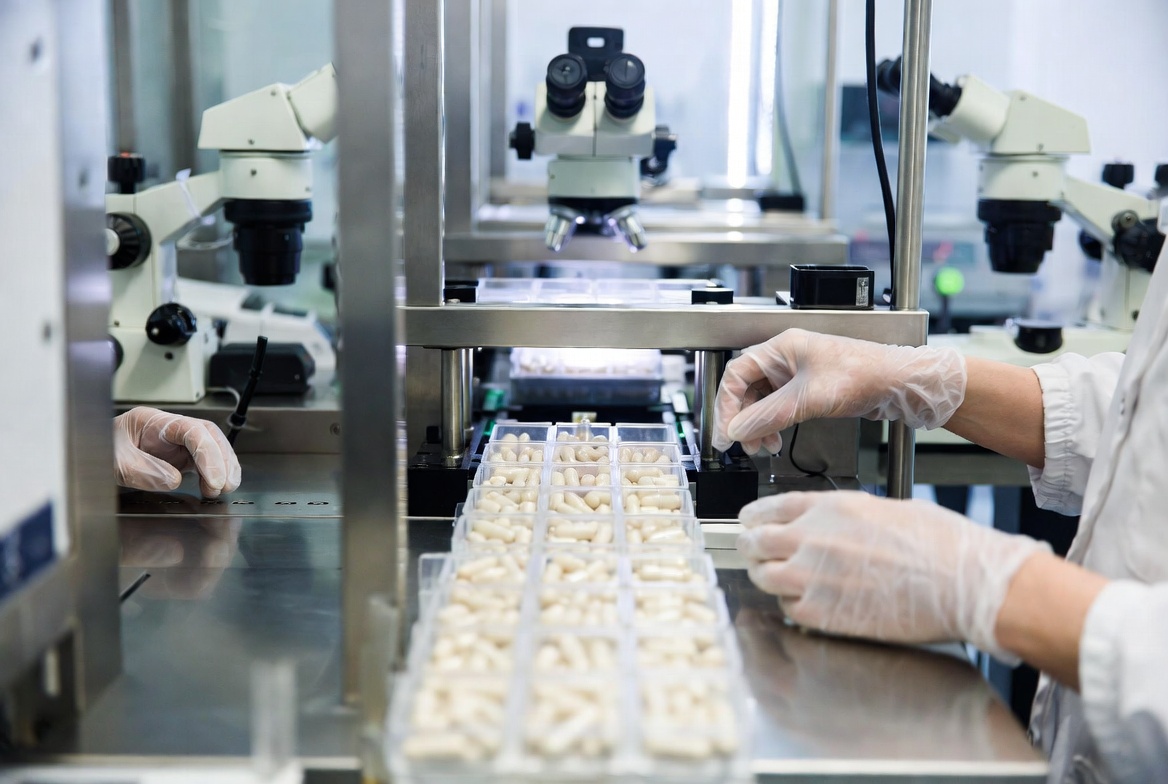
Despite regulatory friction around specific compounds, consumer demand for cognitive-support formats keeps expanding. Grand View Research places the global nootropics market at USD 5.22 billion in 2025, projecting growth to USD 13.29 billion by 2033 at a compound annual growth rate of 12.7% . A separate industry forecast projects capsules and tablets will hold roughly 41.8% share of the category in 2026, with Asia-Pacific expected to be the fastest-growing regional market through the same period .
For contract manufacturers and brand owners alike, the takeaway is clear: demand for compliant, well-formulated nootropic capsules is rising faster than the category's regulatory clarity — which raises, rather than lowers, the bar for manufacturing due diligence.
From Ingredient to Capsule: Why Formulation Science Decides Product Quality
Even for compounds with a clear path to market, moving from raw active ingredient to a stable, bioavailable capsule involves technical decisions that consumer-facing content rarely covers.
Bioavailability and lipid pairing. Fat-soluble absorption behavior is a documented characteristic of several racetam-class and lipophilic nootropic actives, meaning formulation timing and co-ingredient pairing — such as phospholipid or medium-chain triglyceride carriers — can materially change how much active compound reaches systemic circulation. A capsule formulated without attention to lipid solubility can under-deliver on its label claim regardless of raw material purity.
Encapsulation shell selection. Gelatin versus HPMC (vegetarian) shells affect disintegration speed, moisture sensitivity, and shelf stability differently — a critical variable for hygroscopic or light-sensitive actives.
Dose-accuracy control. The 75% labeling-inaccuracy rate identified in independent testing of commercial nootropic products is largely a manufacturing and quality-control failure, not a formulation one. Batch-level potency testing, not just raw-material certificates of analysis, is what actually prevents this outcome at scale.
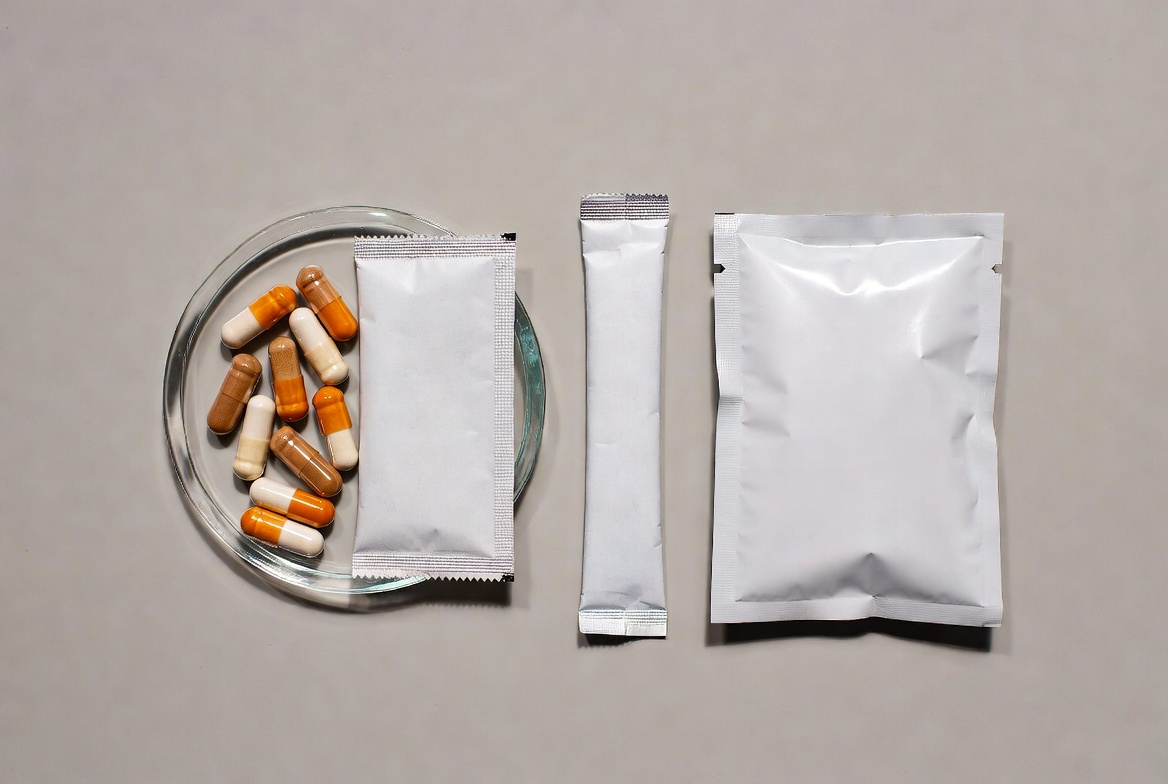
Format-stability interaction. Moisture-sensitive actives behave differently across capsule, sachet, stick pack, and soft-pouch formats. Stick packs use a longitudinal seal design suited to free-flowing powders and single-dose convenience, sachets accommodate a wider range of textures including gels and softgels, and soft pouches typically offer stronger barrier protection for actives sensitive to oxygen or humidity . Choosing the wrong format for a given active's stability profile is one of the most common — and most preventable — errors in specialty supplement development.
Where OEM and ODM Approaches Diverge
For brands entering the nootropic capsule category, the sourcing model matters as much as the ingredient itself.
OEM production is appropriate when a brand already holds a validated formula and needs precise, compliant execution: ingredient sourcing, encapsulation, potency verification, and packaging built exactly to specification. Custom ODM development, by contrast, is appropriate when a brand has a reference product, a target ingredient, or a desired efficacy direction but needs formulation science, stability testing, and dosage-form engineering built around it from the ground up. Neither path should be confused with template-formula "me-too" development, where an identical pre-made formula is simply relabeled for multiple brands.
Both paths demand a manufacturing partner capable of reading primary research, tracking evolving ingredient classifications, and translating that into a formulation that is effective and compliant in its intended market.
What Separates Reliable Nootropic Manufacturing
Having formulated dietary supplements across capsule, sachet, stick pack, and soft-pouch formats for export-focused brands, our formulation teams consistently see the same failure pattern: brands select a trending ingredient based on consumer search interest alone, without first confirming its legal classification in the target retail market or its physical compatibility with the intended packaging format.
A more disciplined approach follows three checkpoints before formulation begins:
1. Classification verification — confirm the active ingredient's legal status (dietary ingredient, novel food, or drug) in every country the finished product will be sold.
2. Compatibility testing — assess the active's moisture sensitivity, light sensitivity, and lipid solubility against candidate shell and packaging materials.
3. Potency validation — build third-party batch testing into the production schedule rather than relying solely on supplier certificates of analysis.
This is the level of process discipline that turns a scientifically interesting compound into a commercially viable, regulator-safe product line — and it is where an experienced OEM/ODM partner earns its role, not merely as a producer, but as a technical collaborator.
Ready to Develop a Compliant Nootropic Capsule Line?
Whether your brand has an existing nootropic formula prepared for manufacturing or is evaluating a new cognitive-support concept based on selected ingredients or market requirements, early formulation decisions play an important role in creating a stable, accurately dosed, and market-ready product.
Our team works with brand owners to review ingredient specifications, assess formulation feasibility, evaluate applicable regulatory considerations, and select suitable delivery formats — including capsules, sachets, stick packs, or soft pouches — based on product requirements and stability considerations.
Contact our team to discuss your nootropic supplement project and request a formulation feasibility review before moving forward with product development and manufacturing planning.
Frequently Asked Questions
Is aniracetam legal to sell as a dietary supplement in the United States?
No. The FDA has issued warning letters classifying aniracetam-containing products as unapproved new drugs when marketed with structure/function or disease-related claims, meaning it cannot currently be lawfully marketed as a conventional US dietary supplement ingredient .
What does aniracetam actually do in the brain?
Research indicates it modulates AMPA and metabotropic glutamate receptors, increases cholinergic signaling, and is linked to elevated BDNF expression — mechanisms associated with memory, learning, and mood regulation in preclinical and small clinical studies.
Why do dosage amounts vary so much between commercial nootropic products?
Independent laboratory testing found that 75% of tested cognitive-enhancement supplements had inaccurate label claims, with some products containing dosages several times higher than declared . This reflects inconsistent manufacturing quality control rather than an inherent property of the ingredient itself.
Should fats or oils be taken with nootropic capsules for better absorption?
Lipophilic actives generally show improved absorption when paired with dietary fat or lipid-based delivery systems, which is why formulation teams often build carrier-oil or phospholipid components directly into capsule design rather than leaving absorption to consumer behavior.
What is the difference between OEM and custom ODM nootropic manufacturing?
OEM manufacturing executes a brand's own validated formula exactly as specified. Custom ODM manufacturing starts from a reference product, ingredient, or efficacy goal and involves original formulation research and development before production, excluding pre-made, publicly shared template formulas sold to multiple brands.
Which packaging format is best for a moisture-sensitive nootropic ingredient?
Soft pouches generally offer stronger barrier protection against oxygen and humidity, stick packs suit free-flowing powders needing single-dose portability, and sachets offer flexibility for gels, granules, or softgel products . The right choice depends on the specific active's stability profile.
References
1. Koliaki, C.C., Messini, C., Tsolaki, M. (2012). Clinical Efficacy of Aniracetam, Either as Monotherapy or Combined with Cholinesterase Inhibitors, in Patients with Cognitive Impairment: A Comparative Open Study. CNS Neuroscience & Therapeutics. [PMC]
2. Love, R.W.B. (2024). Aniracetam: An Evidence-Based Model for Preventing the Accumulation of Amyloid-β Plaques in Alzheimer's Disease. Journal of Alzheimer's Disease. [PMC]
3. Lawrence, J.J., Brenowitz, S., Trussell, L.O. (2003). The Mechanism of Action of Aniracetam at Synaptic AMPA Receptors. Molecular Pharmacology, via PubMed. [PubMed]
4. Sun, X.L., Cui, J., Bai, H., Zhang, W., Bai, W.J. (2025). Aniracetam Ameliorates Attention Deficit Hyperactivity Disorder Behavior in Adolescent Mice. eNeuro. [PMC]
5. U.S. Food and Drug Administration. (2019). Warning Letter: Peak Nootropics LLC (aka Advanced Nootropics). [FDA.gov]
6. Cohen, P.A., Avula, B., Wang, Y.H., Zakharevich, I., Khan, I. (2021). Five Unapproved Drugs Found in Cognitive Enhancement Supplements. Neurology: Clinical Practice. [PMC]
7. National Institutes of Health, National Library of Medicine, PubChem. Aniracetam, Compound CID 2196. [PubChem]
8. Grand View Research. Nootropics Market Size, Share & Trends Analysis Report, 2025–2033. [Grand View Research]
9. Qualipak. Stick Pack vs Sachet: What Is the Difference? [Qualipak]
Hot Tags: Aniracetam Nootropic, Nootropic Capsule Manufacturing, OEM Nootropic Supplements, Custom ODM Formulation, Nootropic Contract Manufacturer, Private Label Nootropic Capsules, Capsule Manufacturing Services, Nootropic Supplement Market, FDA Dietary Supplement Compliance, Brain Health Supplement Manufacturer
Did you find this helpful?
Comments (0)
No comments yet. Be the first to comment!
Leave a comment
Related Posts

Oct 14, 2026
Why Full-Service Supplement Manufacturing Matters for Growing Brands
Oct 13, 2026
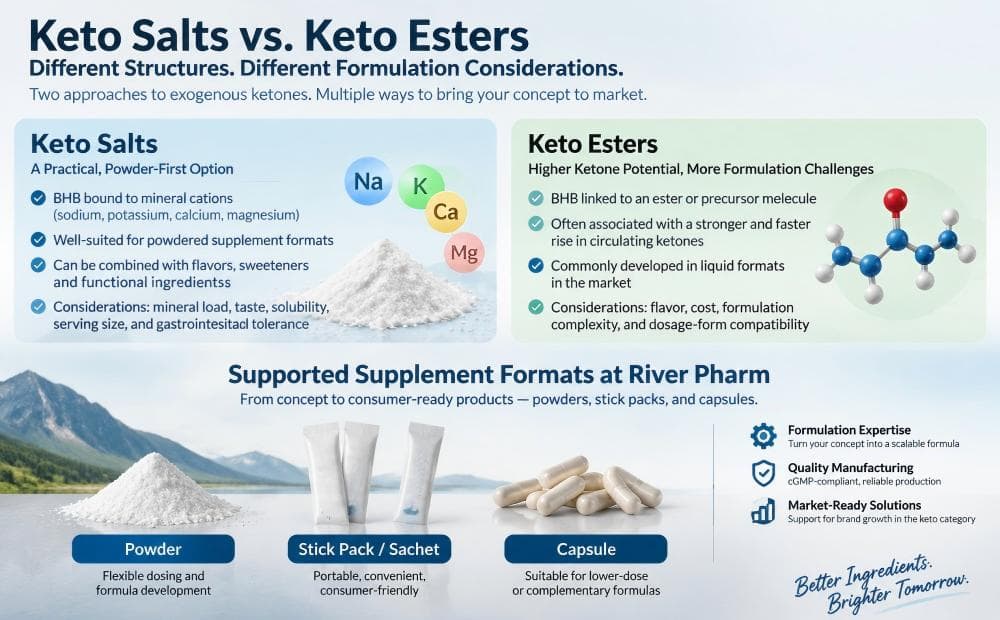
Keto Salts vs. Keto Esters: Formulation, Dose, Stability, and Manufacturing Considerations for Rapid Ketosis
Oct 13, 2026
Batch Consistency vs. Rapid Prototyping: Solving the Scaling Issues in Custom Supplement Formulation
Riverpharm · Supplement Contract Manufacturing
Your supplement brand, manufactured to the highest standard
From first formula to finished product — we handle manufacturing, packaging, and fulfillment so you can focus on building your brand.
Core services
Contract Manufacturing
GMP-certified production with full batch testing and certificate of analysis on every run.
Custom Formulation & R&D
In-house scientists develop your formula from scratch or refine existing blends for efficacy.
Packaging & Labeling
Design-to-print label service — shelf-ready, FDA-compliant, and retail-tested.
FBA Prep & Fulfillment
Amazon-ready prep and direct-to-warehouse shipping — no extra steps on your end.
By the numbers
NSF
NSF/ANSI 455-2 certified
cGMP
Certified environment
24 hr
AI-accelerated quote turnaround
600K
cGMP+ encapsulator capacity per run
Why Riverpharm
Quality systems with higher standards
- NSF/ANSI 455-2 certified
- cGMP-certified environment
- In-house + third-party testing
- Source-locked ingredients
Production capacity with faster execution
- Heavy-duty hardware
- In-house core reserves
- AI-accelerated quotes
- In-house expert hub
Delivery formats we produce
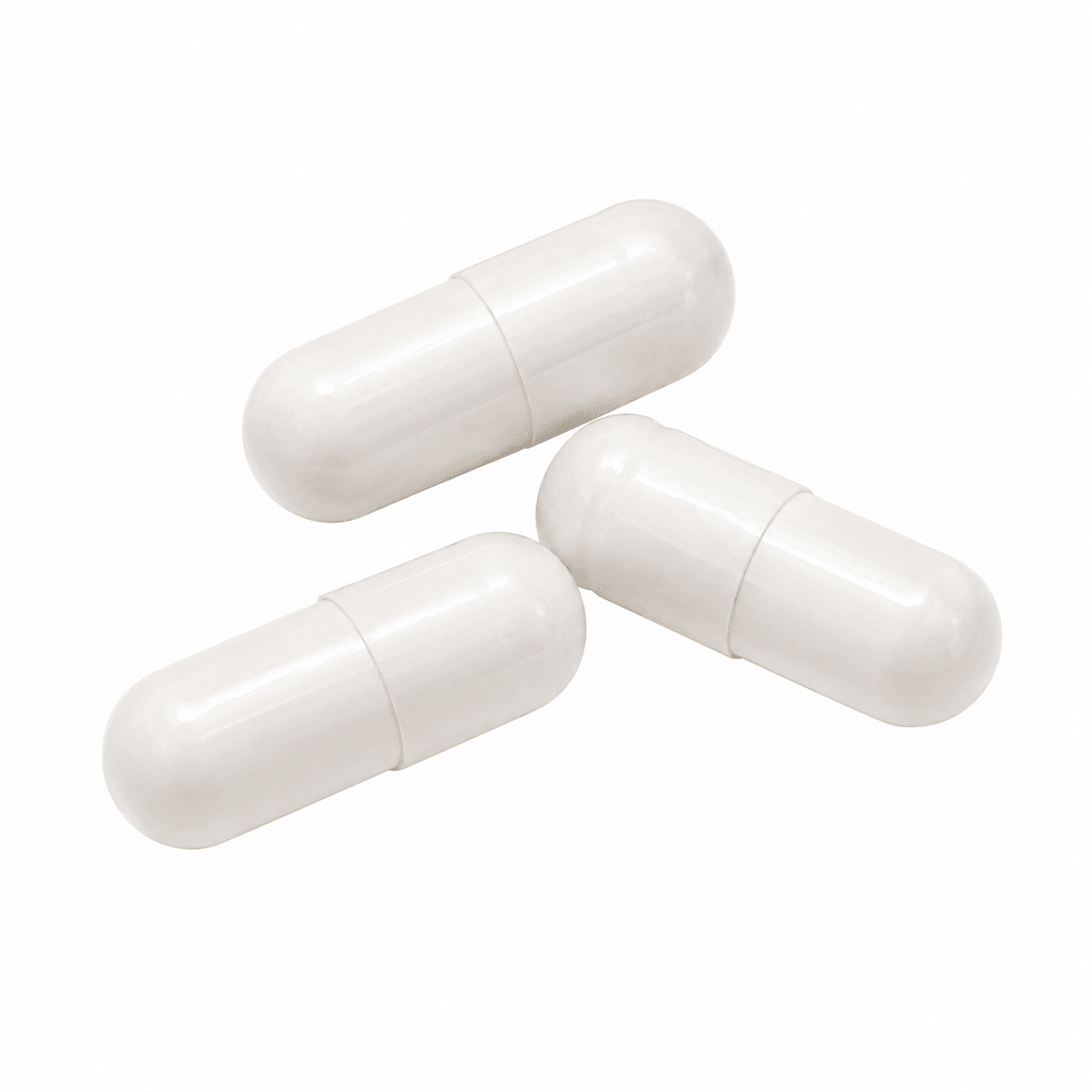
Capsules
Gelatin & HPMC vegetarian
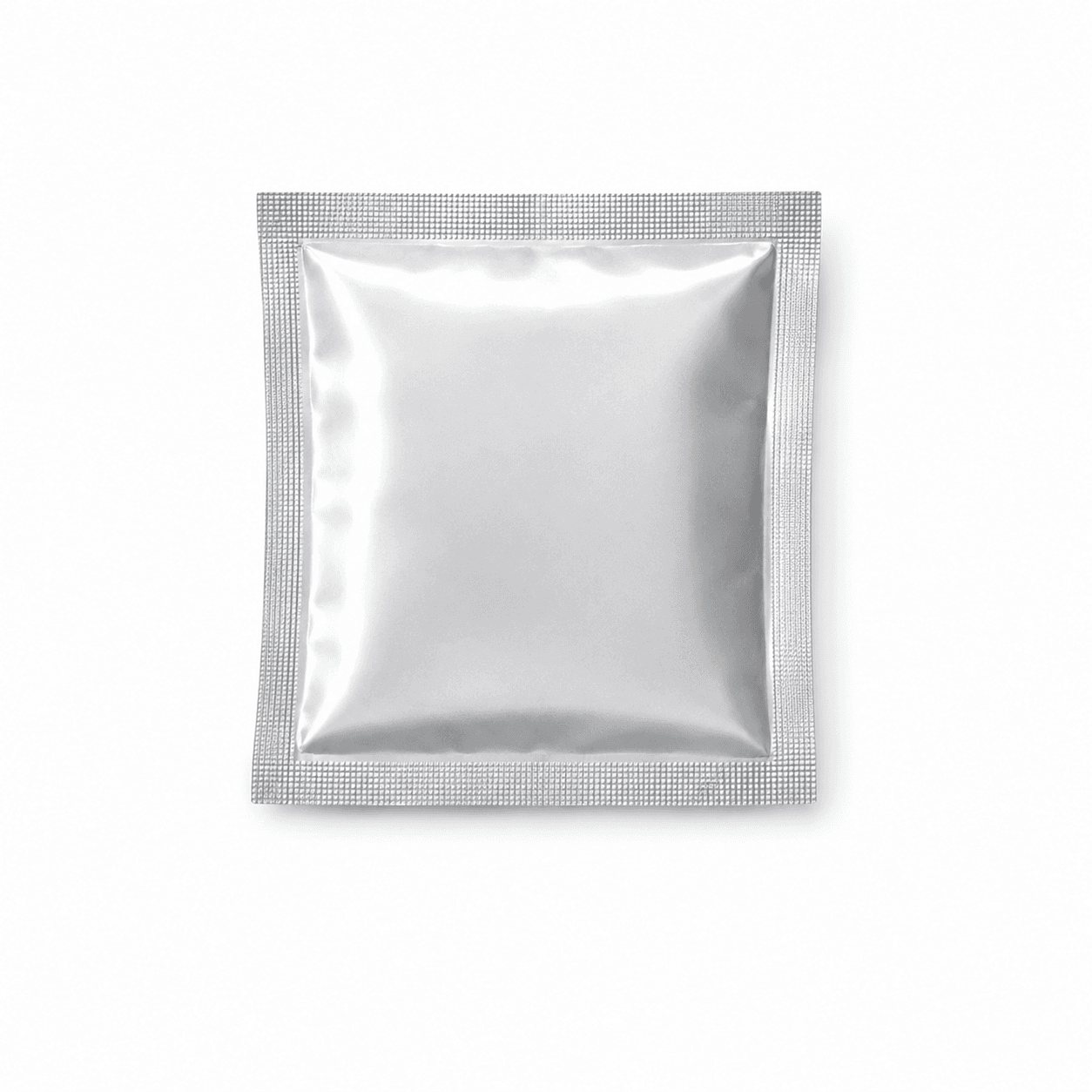
Sachets
Single-dose powder blends
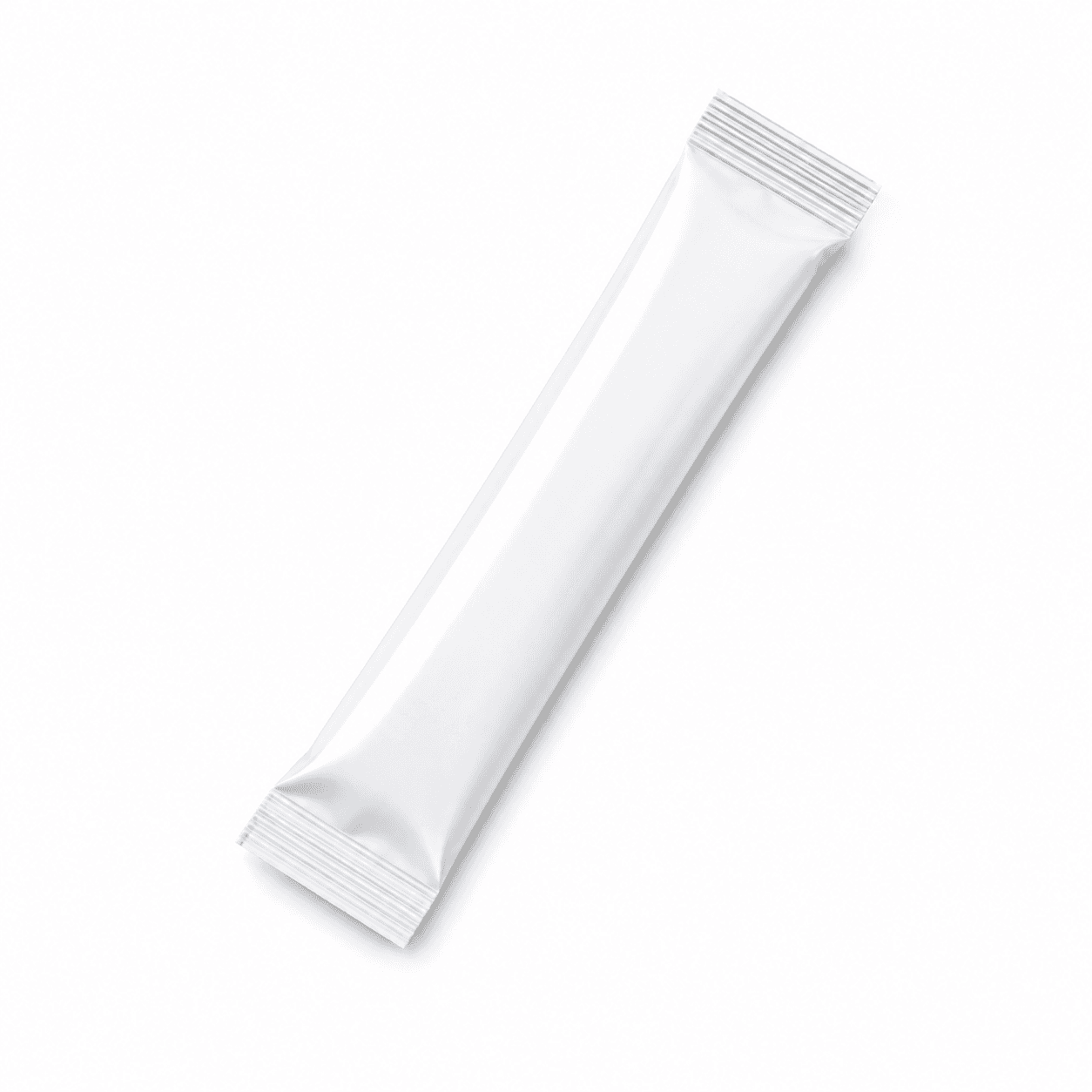
Stick packs
Convenient single-serve
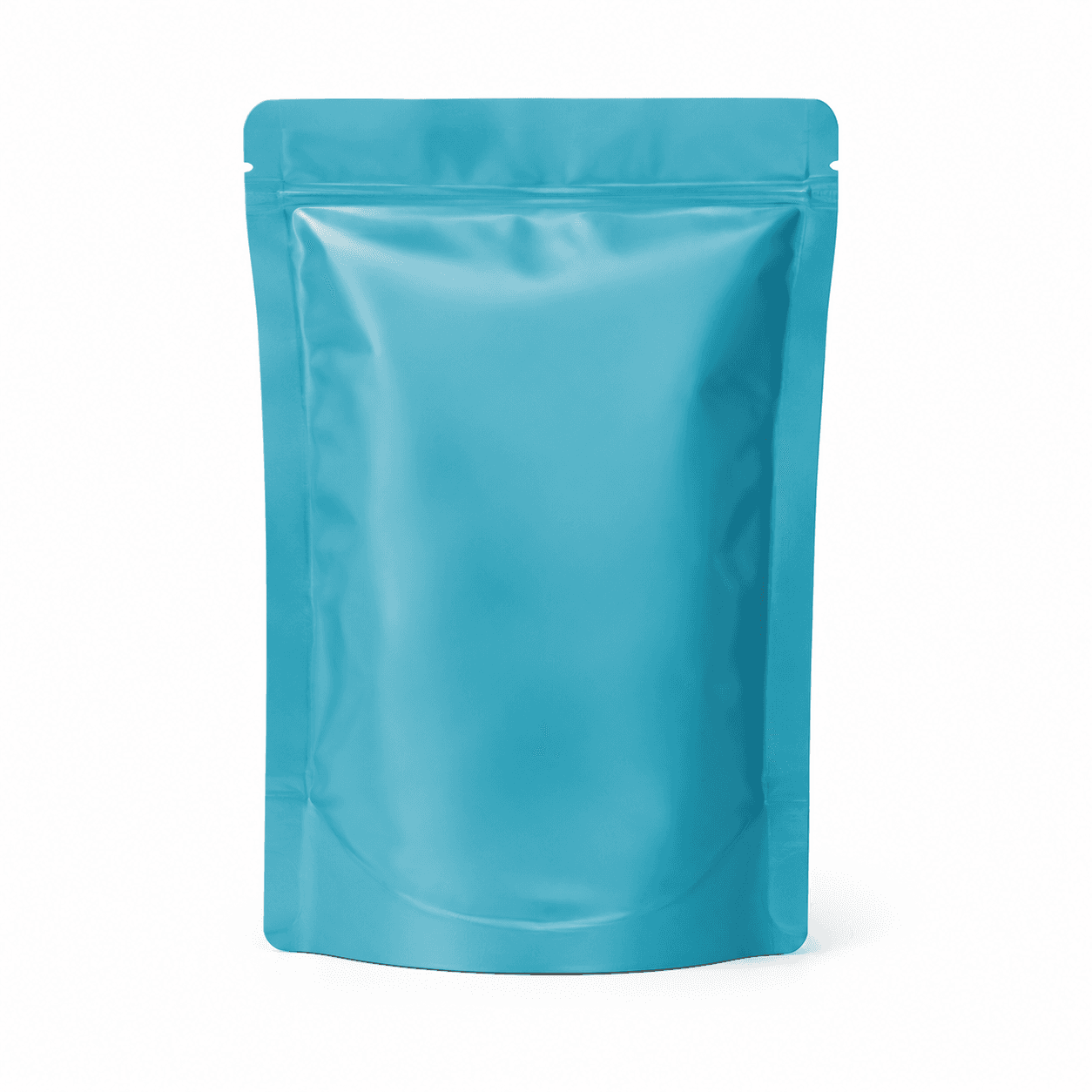
Pouches
Flexible, shelf-ready
Ready to bring your supplement to market?
Free consultation · 24-hour quote · No minimum commitment to get started