Apple Pectin: What It Is, What It Does, and How Brands Bring It to Market
Discover the science behind apple pectin's cholesterol, gut, and blood sugar benefits—plus how brands turn it into capsules, powders, or sachets via OEM/ODM manufacturing.
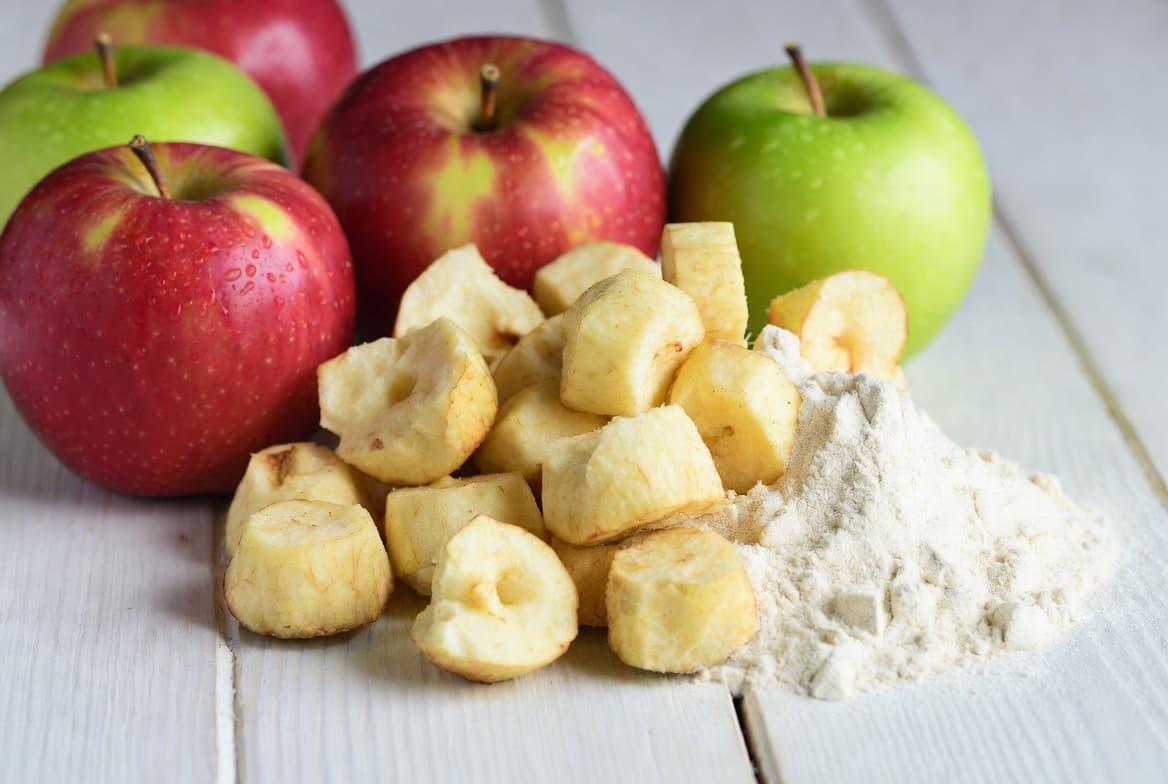
Apple pectin is a soluble, fermentable fiber extracted from apple pomace, and it is one of only a handful of isolated fibers that the FDA formally recognizes as meeting the regulatory definition of "dietary fiber." For supplement brands, apple pectin is more than a science topic. It is also a manufacturing decision: choosing the right format, capsule material, and production partner determines whether a well-researched ingredient becomes a stable, sellable finished product.
This guide covers the biology of apple pectin, what the clinical literature actually shows about its effects on cholesterol, gut health, and blood sugar, and the practical steps a brand owner takes to move from raw fiber to a finished capsule, powder, sachet, or soft pouch product.
What Is Apple Pectin?
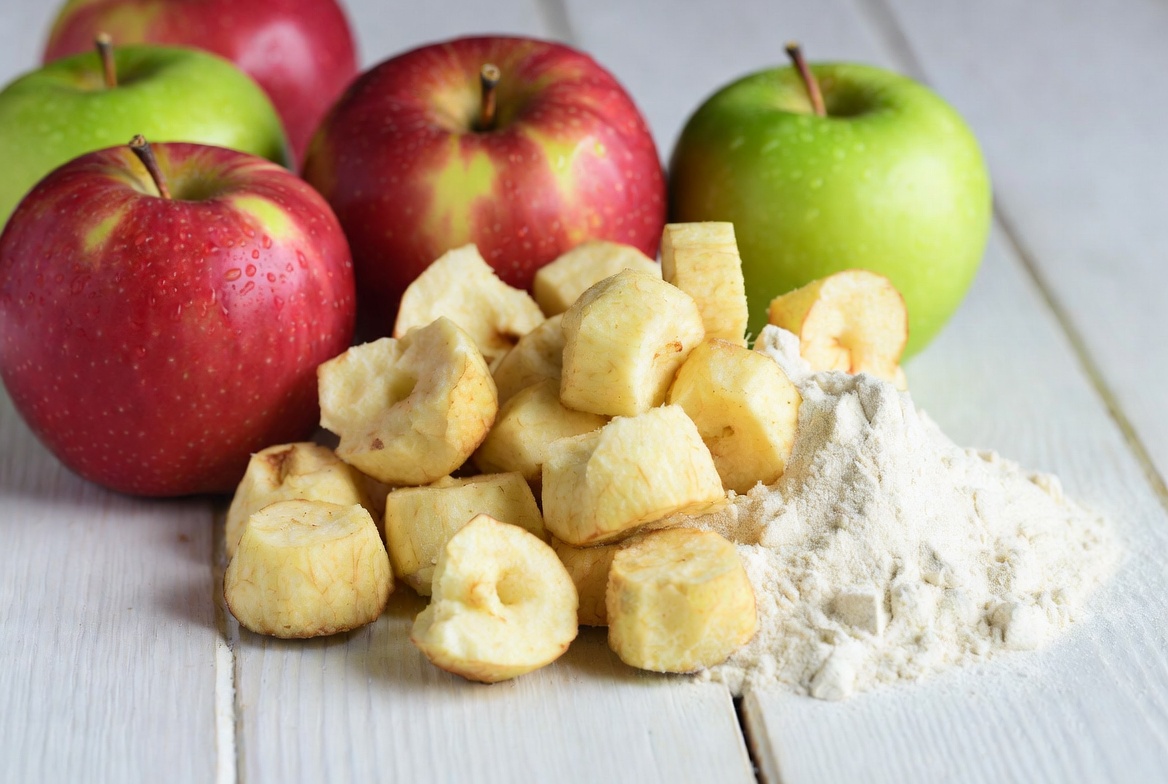
Pectin is a structural polysaccharide built mainly from galacturonic acid units, and it makes up roughly 15% to 20% of the pulp left over after apples are pressed for juice, known as pomace. Manufacturers recover this pomace, purify it, and dry it into a standardized powder, then classify it by degree of esterification, a measurement of how many carboxyl groups are methylated. This single specification determines how the fiber gels, ferments, and performs once ingested, and it is the first thing a formulator should request on a certificate of analysis.
Chemically, apple pectin is a soluble, viscous, fermentable fiber. That combination of properties is exactly why regulators single it out: the FDA's dietary fiber definition includes only seven isolated or synthetic non-digestible carbohydrates proven to have a beneficial physiological effect, and pectin is one of them, alongside beta-glucan, psyllium husk, cellulose, guar gum, locust bean gum, and hydroxypropylmethylcellulose.
What the Research Actually Shows
Apple pectin's supplement-aisle reputation is backed by a substantial body of published research, not just tradition.
Cholesterol and cardiovascular markers. A controlled comparison of pectin sources found that apple pectin with a high degree of esterification lowered LDL cholesterol by 7% to 10% relative to a control diet, a magnitude comparable to citrus pectin of the same specification. Separately, a broader meta-analysis spanning nearly 3,000 adults found pectin supplementation reduced total cholesterol by 5% to 16% while leaving HDL, the "good" cholesterol, unaffected. The proposed mechanism is direct: pectin binds bile acids in the small intestine, forcing the liver to draw more circulating cholesterol out of the blood to synthesize replacement bile acids.
Gut microbiota and metabolic markers. A controlled animal study published in Nutrients and archived by the National Institutes of Health measured apple-derived pectin's effect on diet-induced obesity directly. Pectin-supplemented animals showed a 29% lower serum total cholesterol than untreated high-fat-diet animals (1.46 vs. 2.06 mmol/L), along with restored gut bacterial balance, reduced circulating endotoxin (2.09 vs. 2.83 EU/mL), and significantly lower inflammatory markers TNF-alpha and IL-6. While this is animal data rather than a human clinical trial, it is one of the most detailed mechanistic pictures available for how apple pectin interacts with the gut barrier and systemic inflammation.
Blood sugar and satiety. A 2025 peer-reviewed review in the International Journal of Molecular Sciences concluded that pectin's viscosity slows gastric emptying and blunts the post-meal glucose and insulin response, with the effect more pronounced in normal-weight subjects than in individuals who are overweight or obese. The same review notes that the European Food Safety Authority has referenced daily intakes of up to 30 grams of pectin for benefits including reduced post-meal glycemia, cholesterol maintenance, and increased satiety.
Where the evidence is thinner. Not every popular claim holds up equally well. Heavy-metal binding and chelation research, for instance, is well documented for modified citrus pectin but far less studied for standard apple pectin specifically, so brands should be careful not to extrapolate citrus-pectin chelation data directly onto an apple pectin label claim.

Why Fiber Is Having a Moment
Fiber has quietly become one of the fastest-growing dietary supplement categories, and apple pectin sits right in the middle of that shift.
- A 2026 retail trend report covering more than 640 US stores found consumer searches for "fiber" rose 59% year-over-year, with psyllium husk searches up 150% and accounting for 40% of category sales, evidence that fiber has moved from a niche digestive aid to a mainstream wellness pillar.
- Total US supplement industry sales grew more than 11% for the twelve months ending February 2026, according to SPINS data cited in the same report, indicating that category growth is outpacing broader retail trends.
- Consumers are increasingly demanding ingredient transparency and third-party verification before purchase, nearly half say they will not buy a supplement if the label lacks sufficient disclosure, a shift that raises the bar for how raw material sourcing and manufacturing documentation are communicated to end buyers.
For contract manufacturers and the brands they serve, this means apple pectin formulations increasingly need to be paired with credible sourcing documentation and format flexibility, not just a compliant label.
From Raw Fiber to Finished Product
Turning apple pectin powder into a retail-ready product involves a handful of format and material decisions that materially affect shelf stability, dosing accuracy, and consumer experience.
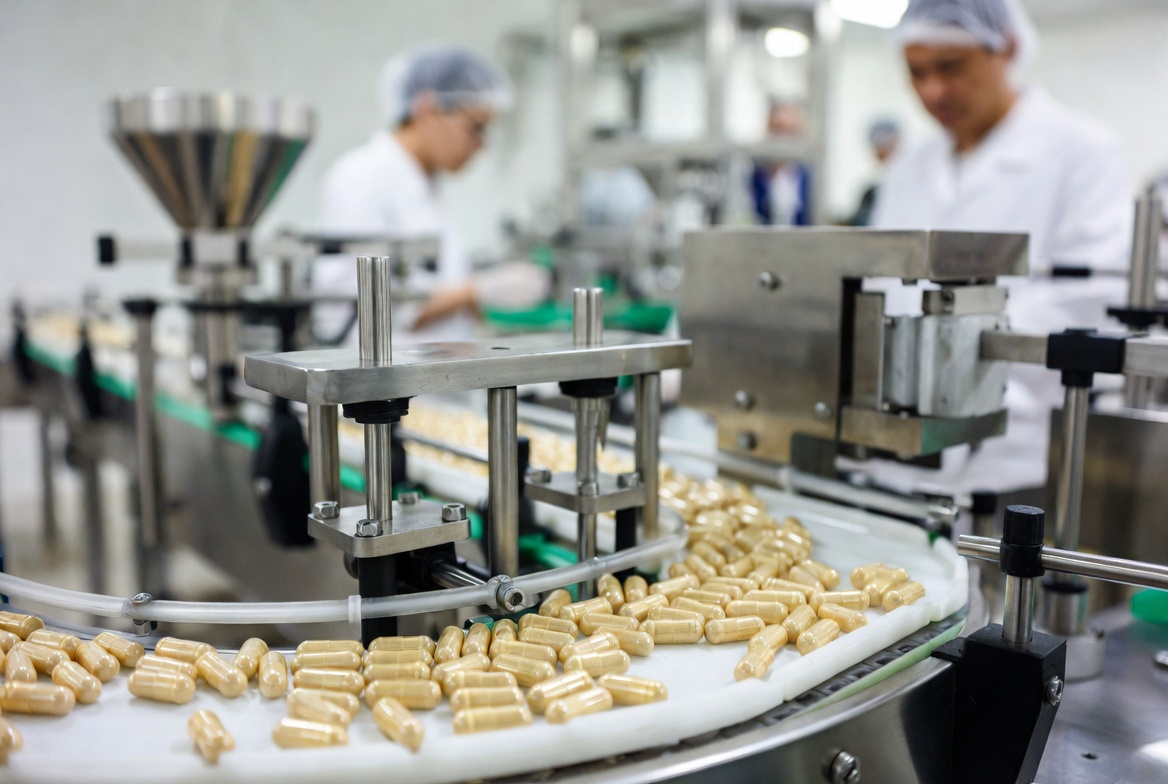
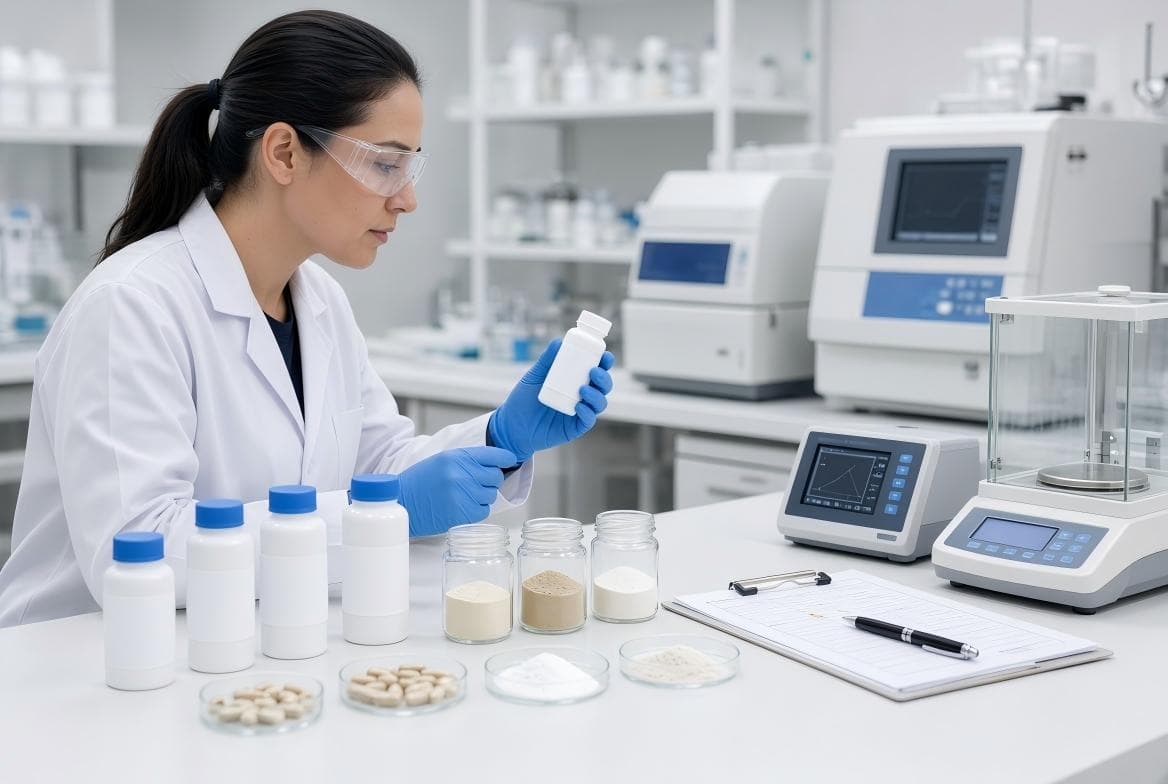
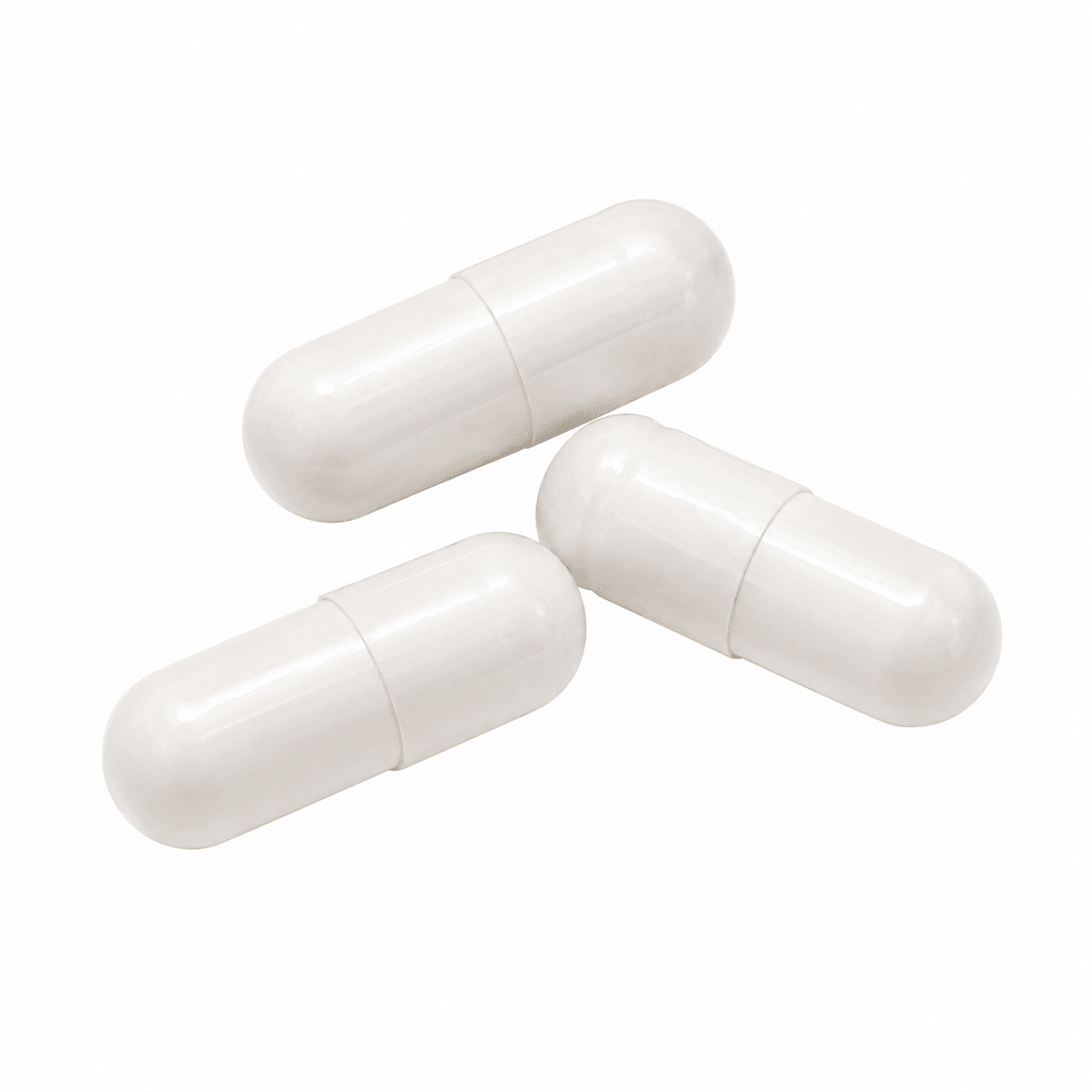
Capsule manufacturing. Because pectin is hygroscopic, it readily absorbs ambient moisture and can clump if it is not processed under climate-controlled, low-humidity conditions. Encapsulation also requires tightly controlled fill weights, since inconsistent powder flow leads to dose variability between capsules. A growing share of pectin-based fiber products now use HPMC shells rather than gelatin, since HPMC is vegetarian, halal- and kosher-compatible, and holds up better across a wider humidity range during storage and shipping.
Powder, sachet, and soft-pouch formats. Apple pectin gels when hydrated, which makes single-serve powder sachets and stick packs a natural fit, especially at higher, clinical-range doses of 5 grams or more that would otherwise require an impractical number of capsules per serving. Soft pouch packaging has also gained ground for combination formulas that blend pectin with other soluble fibers such as psyllium or inulin, producing a smoother, less gritty texture than pectin alone.
Matching format to dose. As a practical rule, capsules work well for maintenance-level doses in the 500 to 1,400 milligram range, while therapeutic or clinical-range doses of several grams are better delivered as a powder, sachet, or stick pack that a consumer mixes into water or juice.
OEM or ODM: Choosing the Right Manufacturing Path
Brands entering the apple pectin category generally choose one of two manufacturing routes, and picking the wrong one wastes both time and formulation budget.
1. OEM production fits a brand that already has a complete, finalized formula. The manufacturer produces exactly to the supplied specification, which is the fastest path to market when the recipe is already proven.
2. ODM development fits a brand that has a reference product, a target ingredient, or a functional-outcome direction in mind, for example, "a gentle daily fiber capsule that supports cholesterol management," without a finished formula of its own. The manufacturer's research and development team then builds a proprietary formulation from that direction, rather than simply relabeling an existing generic stock recipe.
Both paths require a manufacturing partner operating under current Good Manufacturing Practice standards for dietary supplements, the federal quality-system framework covering raw material identity testing, batch documentation, and finished-product specifications. Skipping this verification step is one of the most common and costly mistakes brand owners make when selecting a new production partner.
A Practical Checklist Before Launch
Before committing to a production run, most experienced brand managers work through the same short list of checks:
- Confirm the fiber specification. Request a certificate of analysis showing degree of esterification, particle size, and moisture content, since these determine gel strength and how consistently the product doses.
- Match format to target dose. Use capsules for lower daily amounts and sachets or stick packs for clinical-range servings above roughly 3 grams.
- Choose the capsule shell deliberately. Decide between gelatin and HPMC based on target market dietary requirements, including vegan, halal, and kosher positioning.
- Verify raw material traceability. Ask for documentation on apple sourcing, extraction method, and residue testing for pesticides and heavy metals.
- Select OEM or ODM based on formulation readiness. Brands without an existing formula should default to ODM development rather than attempting to reverse-engineer a competitor's product.
- Plan stability testing early. Hygroscopic fibers like pectin need accelerated stability data across humidity ranges before final packaging is locked in.
Where the Category Is Headed
Formulation teams tracking the fiber space increasingly point to combination products, apple pectin paired with prebiotic fibers, polyphenols, or minerals, as the next growth wave, rather than single-ingredient pectin products competing on price alone. This mirrors a broader pattern across the supplement industry: a well-studied legacy ingredient often gets a second growth cycle once it is paired with complementary actives and delivered in a format that matches current consumer habits, such as a flavored sachet instead of a jar of tablets.
For manufacturers, this raises the value of formulation flexibility. The ability to move quickly from a client's reference concept to a stable, testable prototype across capsule, powder, sachet, and soft pouch formats is becoming as important a differentiator as raw material sourcing itself.
Ready to Develop an Apple Pectin Formula?
Whether a finished apple pectin formula is ready for OEM production, or the starting point is only a reference product and a functional-benefit direction that needs full ODM research and development, the manufacturing partner selected at this stage shapes how fast and how credibly the finished product reaches shelves. Brands weighing capsule, powder, stick pack, or soft pouch production for an apple pectin launch should request a formulation consultation and a sample certificate of analysis before finalizing a production timeline.
Frequently Asked Questions
Is apple pectin the same as citrus pectin?
No. Both are soluble fibers built from galacturonic acid, but they come from different plant sources and are often processed to different degrees of esterification, which changes their gelling behavior and, in some studies, their relative cholesterol-lowering potency.
How much apple pectin should a daily supplement contain?
Most commercial capsule products deliver 500 to 1,400 milligrams per serving for general digestive support, while research-referenced intakes for metabolic benefits go up to 30 grams per day, a level typically only practical in powder or sachet form.
Are HPMC capsules better than gelatin for apple pectin products?
HPMC capsules are plant-based and better suited to markets requiring vegan, halal, or kosher certification, and they tend to perform more consistently across varying humidity conditions during storage. Gelatin remains a lower-cost, well-established option where those dietary requirements are not a factor.
Can apple pectin supplements cause side effects?
Apple pectin is generally well tolerated, though some users report bloating, gas, or changes in bowel habits, particularly when starting at a high dose. Introducing the fiber gradually and with adequate fluid intake is the standard recommendation.
What is the difference between OEM and ODM manufacturing for a new apple pectin product?
OEM manufacturing produces a brand's own finished formula exactly as supplied. ODM manufacturing starts from a reference product or a functional-benefit direction and relies on the manufacturer's research and development team to build a new, proprietary formulation, rather than simply relabeling an existing generic product.
Does apple pectin interact with medications?
Because pectin can bind to substances in the digestive tract, it may reduce the absorption of certain oral medications if taken at the same time. Spacing supplement and medication intake by a couple of hours and consulting a healthcare provider is the standard precaution.
References
1. U.S. Food and Drug Administration. [Questions and Answers on Dietary Fiber] [fda]
2. Valladares, L., Vio, F. [Pectin and Its Beneficial Effect on Health: New Contributions in Research and the Need to Increase Fruits and Vegetables Consumption], International Journal of Molecular Sciences, 2025
3. Jiang, T., et al. [Apple-Derived Pectin Modulates Gut Microbiota, Improves Gut Barrier Function, and Attenuates Metabolic Endotoxemia in Rats with Diet-Induced Obesity], Nutrients, 2016
4. Brouns, F., et al. [Cholesterol-lowering properties of different pectin types in mildly hyper-cholesterolemic men and women], European Journal of Clinical Nutrition, 2012
5. NutraIngredients. [Top Trends Shaping Supplement Purchases in 2026, According to The Vitamin Shoppe] [nutraingredients]
6. National Institutes of Health, MedlinePlus. [Pectin – Uses, Side Effects, and More]
Hot Tags: Apple Pectin Manufacturer, Apple Pectin OEM, Apple Pectin ODM, Dietary Fiber Supplement Manufacturing, Soluble Fiber Capsule Manufacturer, Pectin Powder Contract Manufacturing, HPMC Capsule Manufacturer, Private Label Fiber Supplement, cGMP Supplement Manufacturer, Custom Supplement Formulation Services
Did you find this helpful?
Comments (0)
No comments yet. Be the first to comment!
Leave a comment
Related Posts

Oct 14, 2026
Why Full-Service Supplement Manufacturing Matters for Growing Brands
Oct 13, 2026
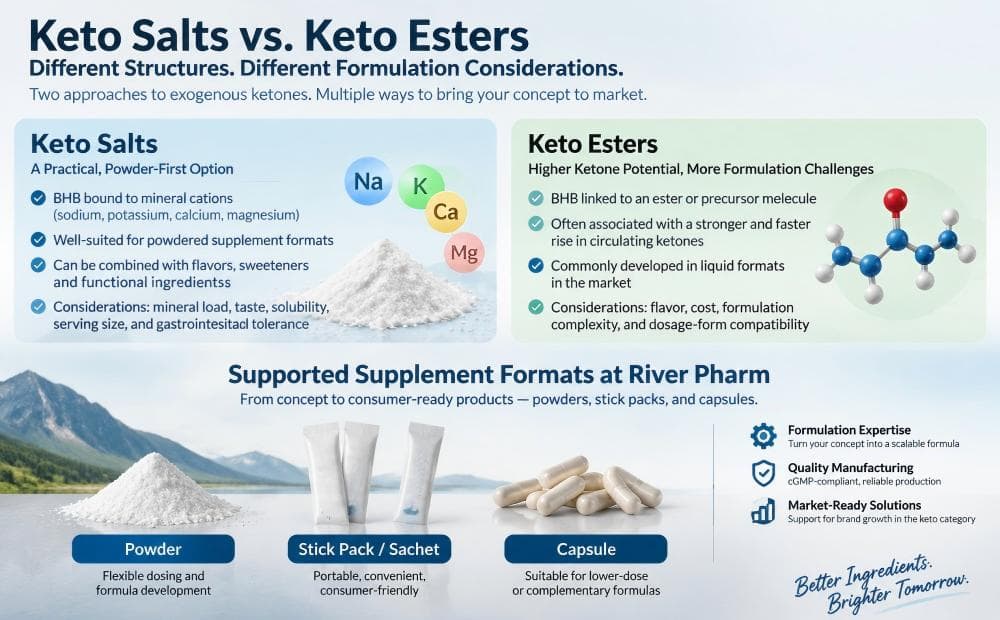
Keto Salts vs. Keto Esters: Formulation, Dose, Stability, and Manufacturing Considerations for Rapid Ketosis
Oct 13, 2026
Batch Consistency vs. Rapid Prototyping: Solving the Scaling Issues in Custom Supplement Formulation
Riverpharm · Supplement Contract Manufacturing
Your supplement brand, manufactured to the highest standard
From first formula to finished product — we handle manufacturing, packaging, and fulfillment so you can focus on building your brand.
Core services
Contract Manufacturing
GMP-certified production with full batch testing and certificate of analysis on every run.
Custom Formulation & R&D
In-house scientists develop your formula from scratch or refine existing blends for efficacy.
Packaging & Labeling
Design-to-print label service — shelf-ready, FDA-compliant, and retail-tested.
FBA Prep & Fulfillment
Amazon-ready prep and direct-to-warehouse shipping — no extra steps on your end.
By the numbers
NSF
NSF/ANSI 455-2 certified
cGMP
Certified environment
24 hr
AI-accelerated quote turnaround
600K
cGMP+ encapsulator capacity per run
Why Riverpharm
Quality systems with higher standards
- NSF/ANSI 455-2 certified
- cGMP-certified environment
- In-house + third-party testing
- Source-locked ingredients
Production capacity with faster execution
- Heavy-duty hardware
- In-house core reserves
- AI-accelerated quotes
- In-house expert hub
Delivery formats we produce
Capsules
Gelatin & HPMC vegetarian
Sachets
Single-dose powder blends
Stick packs
Convenient single-serve
Pouches
Flexible, shelf-ready
Ready to bring your supplement to market?
Free consultation · 24-hour quote · No minimum commitment to get started