Contract Manufacturing for Amazon Supplement Brands: 3 Ways Manufacturers Are Reshaping Market Success
Discover how contract manufacturing helps supplement brands meet Amazon's 2026 cGMP rules, choose smart packaging, and win with custom ODM formulas.
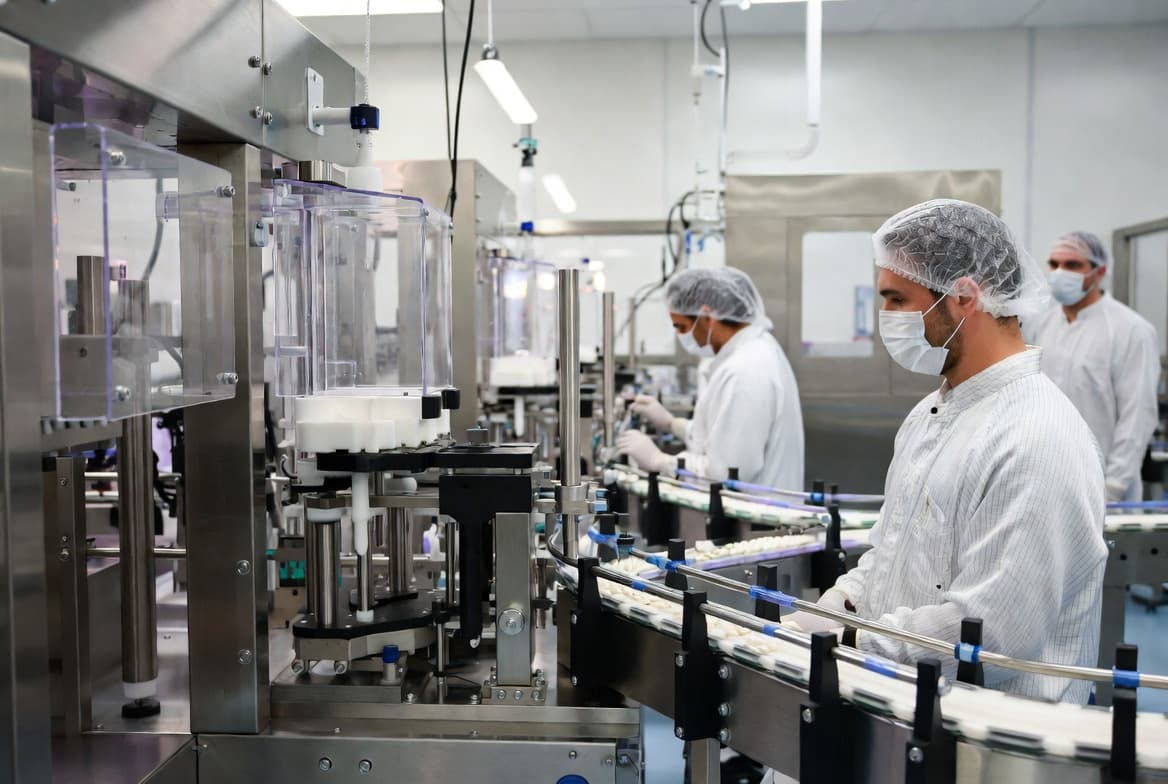
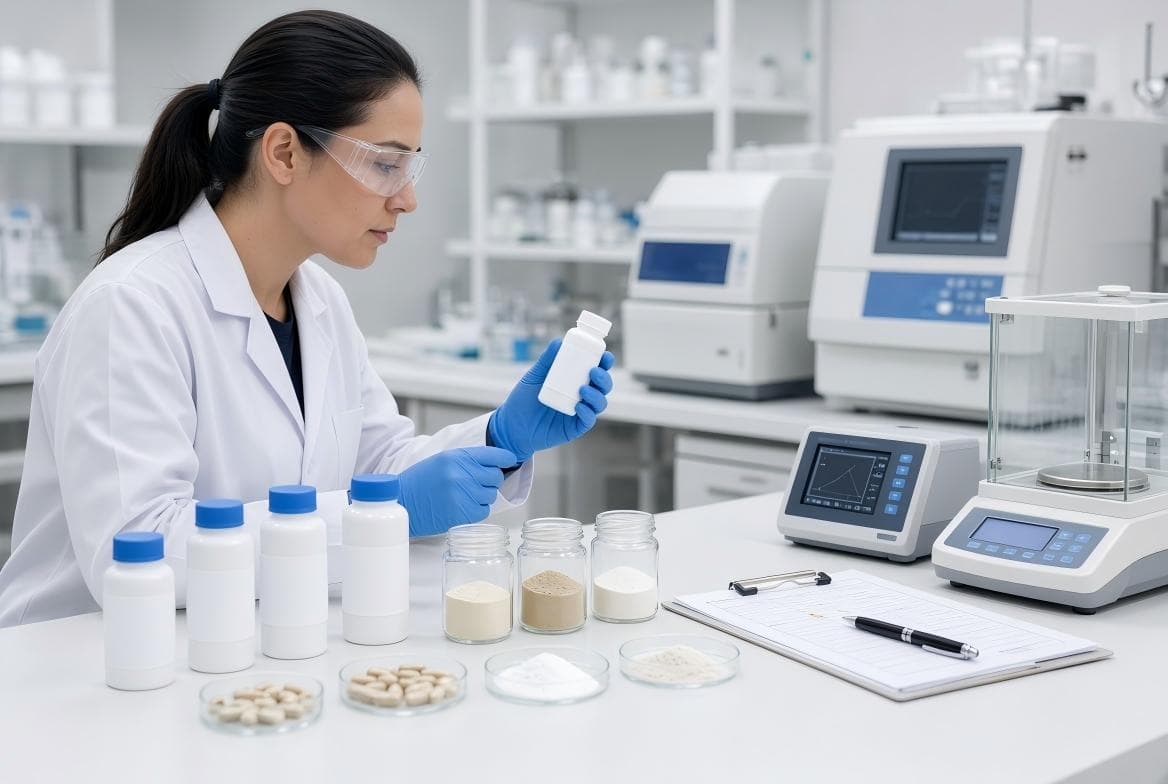
Amazon has become the largest single sales channel for vitamins, minerals, and supplements in the United States, and the brands winning there rarely build their advantage alone. Behind almost every fast-growing supplement label sits a dietary supplement contract manufacturer handling formulation, compliance, and packaging at scale. For brand owners evaluating how to compete on Amazon in 2026, understanding how contract manufacturing shapes market access, product quality, and speed to shelf is no longer optional homework — it is the foundation of a defensible growth strategy.
The Amazon Supplement Market Is Growing Faster Than Most Brands Can Scale Alone
The numbers explain why so many founders are racing toward this channel. The U.S. dietary supplement market is projected to nearly double, from $64 billion in 2024 to $124 billion by 2033, according to market data reported by NutraIngredients. Amazon's vitamins, minerals, and supplements category alone grew 32% year over year, with units sold climbing 29%.
Consumer behavior backs up the category's staying power. The Council for Responsible Nutrition's 2023 consumer survey found that 74% of U.S. adults take dietary supplements, and 55% qualify as regular users. Separately, Amazon has captured somewhere between 70% and 80% of all vitamin, mineral, and supplement e-commerce sales, according to retail analytics cited by SupplySide Supplement Journal .
That scale is a double-edged sword. More search volume and more first-time buyers also mean more scrutiny, more competitors, and — increasingly — more compliance checkpoints a brand cannot pass without a qualified manufacturing partner behind it.
Three Ways Contract Manufacturers Help Brands Capture the Opportunity
1. Compliance-Ready Production Meets Amazon's Tightening Standards
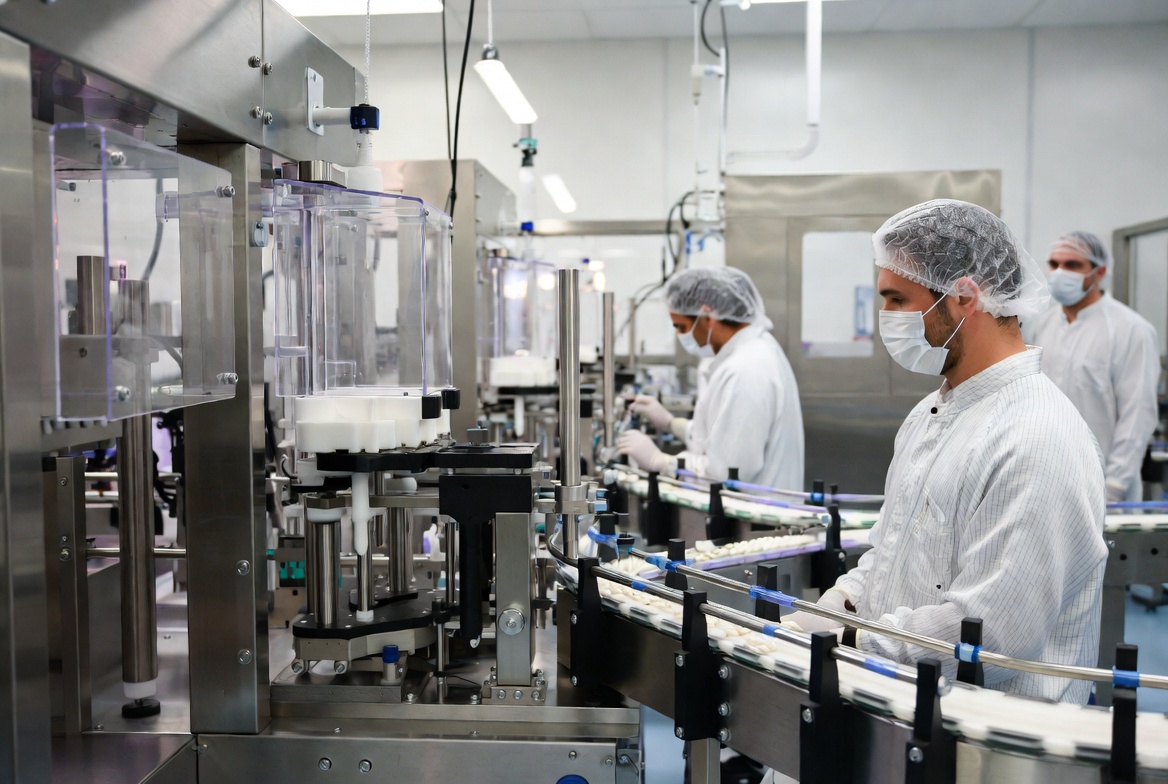
Amazon's dietary supplement policy has moved well past a simple listing approval. As of 2024, the platform began requiring third-party Testing, Inspection, and Certification (TIC) verification for high-risk categories such as sports nutrition and weight management. By 2026, that requirement expanded to every dietary supplement category on the platform .
Under the expanded policy, sellers typically have a 90-day window to prove their products are made in a facility that meets the U.S. Food and Drug Administration's Current Good Manufacturing Practice standards under 21 CFR Part 111 . Self-issued documentation, private audits, and even FDA inspection reports alone will not satisfy the requirement — only accredited third-party certification does .
This is precisely where a manufacturer's infrastructure becomes a brand's competitive shield. A production partner that already holds current Good Manufacturing Practice certification, maintains batch records under FDA's master manufacturing record requirements, and tests raw materials for identity and potency before use gives a brand a documented paper trail the moment Amazon asks for it . Brands that wait until they receive an Amazon compliance notice to start this process are already behind; brands manufacturing with a certified partner from day one are simply asked to submit paperwork that already exists.
2. Flexible Packaging Formats Match How Consumers Actually Use Supplements
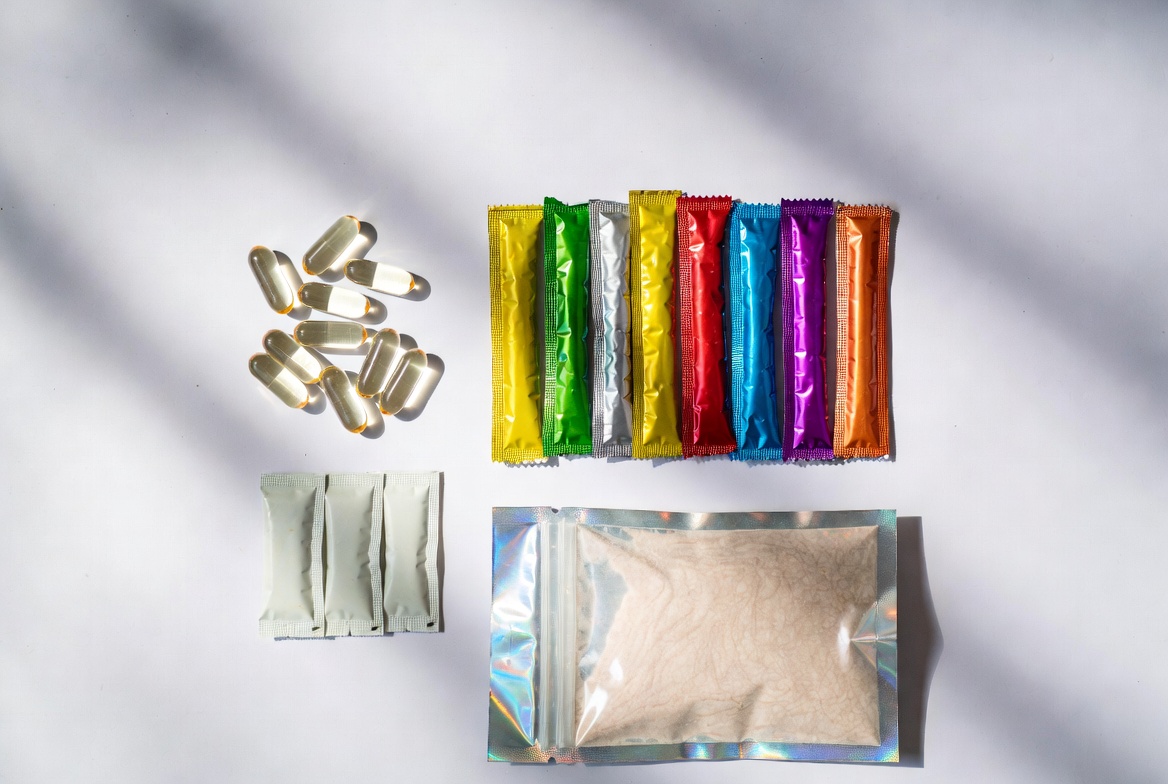
Format decisions influence conversion rates as much as formulation does. Industry packaging analysts note that nutraceutical brands are steadily shifting away from rigid bottles toward stick packs and flexible pouches, driven by consumer demand for single-serve, on-the-go convenience . Stick packs typically use 15% to 40% less packaging film than sachets and support faster production runs, while sachets remain the stronger choice for liquid formulas, gels, and products that need a larger printable surface for claims and instructions .
For a brand selling on Amazon, packaging format is a strategic lever, not a cosmetic afterthought:
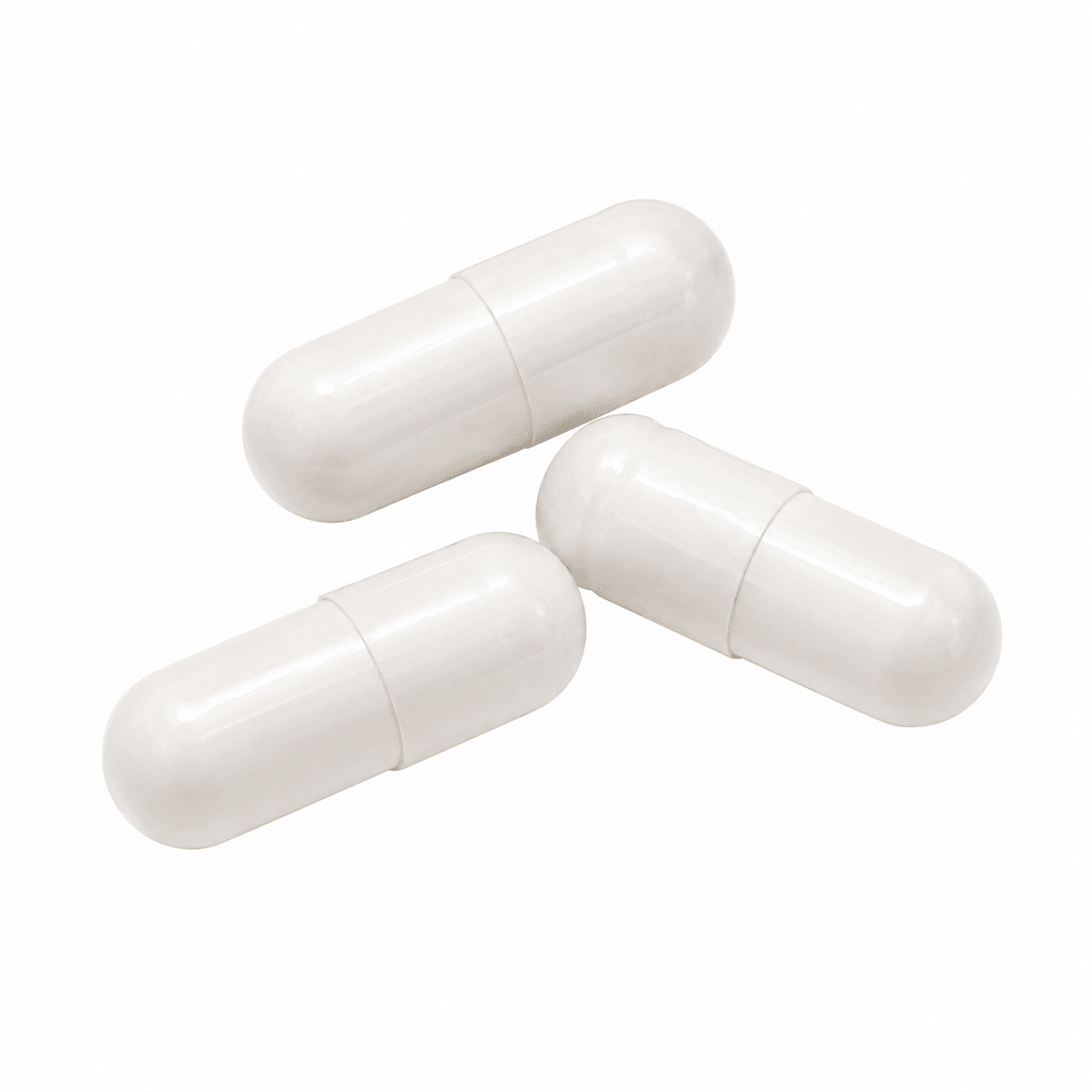
- Capsules and softgels suit brands prioritizing shelf-stable, precisely dosed formulas with strong repeat-purchase potential.
- Stick packs fit hydration blends, greens powders, and electrolyte mixes aimed at travel-ready, single-serve buyers.
- Sachets work well for liquid concentrates, gummies-adjacent formats, or products needing more label space for claims and directions.
- Soft pouches support powders and blends that need moisture and light protection during long-distance export shipping.
A manufacturer capable of producing across all four formats lets a brand test packaging-market fit without switching production partners mid-launch — a meaningful advantage when Amazon's algorithm rewards listings that convert quickly after launch.
3. OEM and ODM Models Determine How Fast a Brand Can Launch and Differentiate
Brand owners generally choose between two manufacturing paths, and the difference matters more on Amazon than in almost any other channel.
Under an Original Equipment Manufacturer (OEM) model, the brand supplies its own formula, dosage specifications, and often its label design; the manufacturer executes production, quality control, and testing exactly to those specifications . This path offers maximum control and differentiation but requires the brand to already have a validated formulation.
Under an Original Design Manufacturer (ODM) model, the manufacturer takes the lead on research and development. Two very different ODM approaches exist in practice, and brands frequently confuse them:
1. Generic ODM (sometimes called "public mold" or stock-formula ODM) — the manufacturer offers an existing, pre-validated formula that multiple brands can license and simply relabel. This is fast but offers little differentiation, since competitors can access the identical formula.
2. Custom ODM — the brand shares a reference product, target ingredient profile, or desired health benefit, and the manufacturer's research team develops a tailored formulation exclusively around that brief, without reselling the resulting formula to other clients.
The second path is the one that actually protects a brand's Amazon listing over time. A generic formula available to dozens of sellers invites price competition and Buy Box erosion; a custom-developed formulation gives a brand a defensible reason for its price point and its claims. Brands entering a crowded category — probiotics, collagen, or joint-health blends, for example — increasingly favor custom ODM development specifically because it closes the door on direct formula-for-formula price wars.
The Hidden Risk Behind Amazon's Growth: Label Accuracy
Growth numbers rarely capture what happens once a product actually ships. A peer-reviewed case series published in JAMA Network Open, funded in part through the National Institutes of Health's Office of Dietary Supplements, analyzed 30 top-featured immune-health supplements purchased on Amazon. Laboratory testing found that 17 of the 30 products had inaccurate labels; 13 were misbranded, and 9 contained undisclosed additional ingredients .
None of the 30 products carried a recognized third-party certification seal on their packaging . That detail is the clearest evidence yet that certification is not paperwork for its own sake — it is the difference between a product that survives a compliance audit and one that gets pulled from shelves mid-season.
For a brand owner, this study is a direct argument for vetting manufacturing partners on testing rigor, not just price per unit. A manufacturer that verifies every raw material's identity before production, retains reserve samples, and documents batch-level testing is not adding cost for no reason — it is building the exact evidence trail that both Amazon's TIC requirement and a brand's own reputation depend on .

A Practical Vetting Checklist Before Choosing a Manufacturing Partner
Brands preparing to launch or relaunch on Amazon should confirm the following before signing a production agreement:
1. Current cGMP certification issued by an accredited third-party body recognized under Amazon's approved list, such as NSF, USP, or UL programs.
2. In-house or partnered laboratory testing for raw-material identity, heavy metals, and microbial contaminants, not reliance on supplier certificates alone .
3. Documented master manufacturing records for every formulation and batch size, as required under FDA's production control standards .
4. Multi-format packaging capability, so the brand is not locked into one delivery form as consumer preferences shift.
5. Clear intellectual property terms confirming whether a custom-developed formula is exclusive to the brand or shared with other clients.
6. FDA foreign facility registration and a designated U.S. agent, if the manufacturing site is located outside the United States and exports to the U.S. market .
Skipping any one of these steps rarely surfaces immediately — it tends to surface the moment Amazon requests documentation, which is exactly when a brand can least afford delays.
Where the Opportunity Is Heading
Search behavior data suggests the next wave of Amazon growth will reward brands built around specific, well-substantiated formulations rather than broad category plays. Non-branded product searches on Amazon have grown 93% since 2022, meaning shoppers increasingly search by need — "probiotic for gut health" or "magnesium for sleep" — rather than by brand name. Searches tied to women's health and brain health, in particular, have surged, with some formulation-specific queries up several hundred percent in just a few years.
That shift favors brands that can move quickly from a reference product or ingredient concept into a validated, testable formulation — precisely the value a custom ODM partnership is designed to deliver. Brands still relying on generic, widely licensed formulas will find it harder to defend both their pricing and their search visibility as this need-based search behavior accelerates.
Building Your Amazon Strategy on a Solid Manufacturing Foundation
Amazon's supplement market will keep growing, and so will its compliance bar. Brands that treat contract manufacturing as a back-office cost rather than a strategic partnership are the ones most exposed when policy requirements tighten again. Choosing a manufacturer that combines certified production, rigorous testing, flexible packaging formats, and genuine custom formulation development is what turns a single product launch into a durable Amazon presence.
If your brand is evaluating a manufacturing partner for an Amazon launch — whether you already have a formula ready for OEM production or only have a reference product and a target health benefit in mind for custom ODM development — start the conversation with your compliance documentation checklist in hand, not after a listing gets flagged.
Frequently Asked Questions
1. What is the difference between OEM and ODM supplement manufacturing?
OEM means the brand provides its own formula and specifications, and the manufacturer produces exactly to that brief. ODM means the manufacturer leads formulation development, either from an existing shared formula or, in a custom arrangement, from a brand's reference product or ingredient direction .
2. Does every supplement sold on Amazon need third-party cGMP certification now?
As of the platform's 2026 policy expansion, yes — all dietary supplement categories require third-party Testing, Inspection, and Certification verification of cGMP compliance, not just previously flagged high-risk categories .
3. Why did so many Amazon supplement products fail label-accuracy testing in independent research?
A National Institutes of Health-affiliated study published in JAMA Network Open found that many top-featured immune-health products lacked third-party certification seals altogether, which likely contributed to the high rate of labeling inaccuracies detected through laboratory analysis .
4. Can a foreign manufacturer legally produce supplements for the U.S. Amazon market?
Yes, provided the facility completes FDA foreign food facility registration, renews it biennially, and designates a U.S. agent to serve as the FDA's point of contact .
5. Is custom ODM more expensive than choosing a generic pre-made formula?
Custom ODM typically involves a longer development timeline and higher upfront investment than licensing a generic formula, but it gives the brand formulation exclusivity, which helps protect pricing power and reduces direct copy-and-undercut competition on the same listing.
6. What packaging format works best for a first Amazon supplement launch?
It depends on the product: capsules suit shelf-stable dosed formulas, stick packs suit single-serve powders for on-the-go use, sachets suit liquids or larger label-space needs, and soft pouches suit export shipments requiring extra moisture protection .
References
1. NutraIngredients — [Connected commerce drives supplement market growth]
2. Nutritional Outlook — [Latest CRN consumer survey finds that three quarters of Americans take dietary supplements]
3. SupplySide Supplement Journal — [Amazon dominates dietary supplement market in wake of Covid-19]
4. Certified Laboratories — [Amazon Supplements Update 2026: What Sellers Need to Know]
5. U.S. Food and Drug Administration — [Small Entity Compliance Guide: cGMP for Dietary Supplements]
6. California Department of Public Health (hosting FDA text) — [21 CFR Part 111 – Dietary Supplement cGMP]
7. Crawford C, et al. — [Analysis of Select Dietary Supplement Products Marketed to Support or Boost the Immune System], JAMA Network Open, 2022
8. Amazon Seller Central — [Dietary supplement compliance requirements]
9. TCI Bio — [What Supplement Manufacturers Suit You Better? OEM vs ODM vs CDMO]
10. Nutriavenue — [What is the difference between OEM and ODM supplement factories?]
11. Lily of the Desert — [Stick Pack vs. Sachet: Guide to Portable Packing]
12. Ruida Packing — [What's Driving the Rapid Shift to Stick Pack Packaging in Supplements]
13. U.S. Food and Drug Administration — [Foreign food facility registration requirements]
Hot Tags: Dietary Supplement Contract Manufacturing, Amazon Supplement Compliance, cGMP Certification, Custom ODM Formulation, OEM Supplement Manufacturing, Stick Pack Packaging, Softgel Manufacturing, Private Label Supplements, FDA 21 CFR Part 111, Nutraceutical Manufacturing
Did you find this helpful?
Comments (0)
No comments yet. Be the first to comment!
Leave a comment
Related Posts

Oct 14, 2026
Why Full-Service Supplement Manufacturing Matters for Growing Brands
Oct 13, 2026
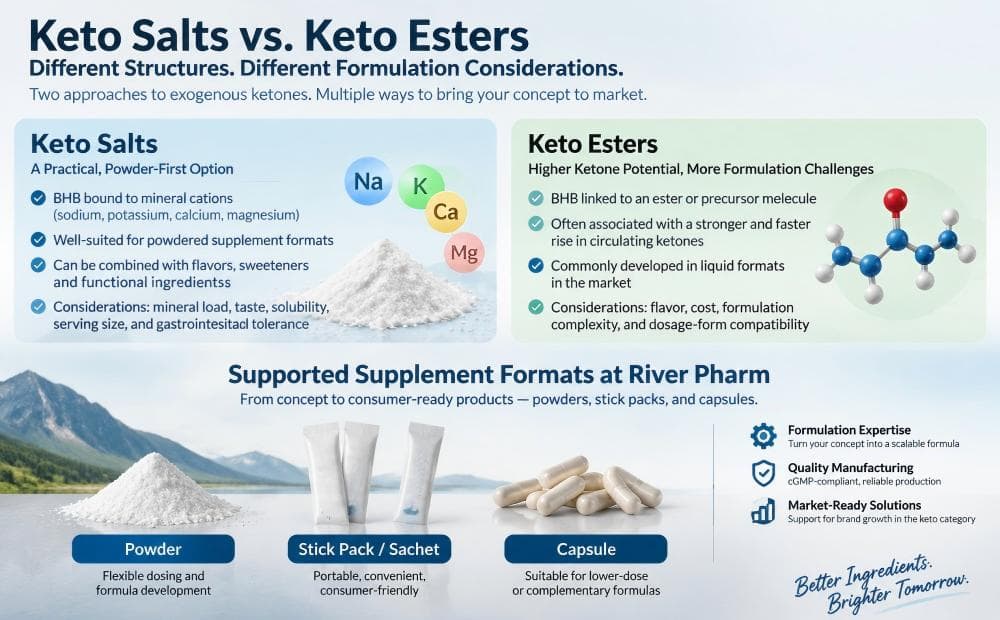
Keto Salts vs. Keto Esters: Formulation, Dose, Stability, and Manufacturing Considerations for Rapid Ketosis
Oct 13, 2026
Batch Consistency vs. Rapid Prototyping: Solving the Scaling Issues in Custom Supplement Formulation
Riverpharm · Supplement Contract Manufacturing
Your supplement brand, manufactured to the highest standard
From first formula to finished product — we handle manufacturing, packaging, and fulfillment so you can focus on building your brand.
Core services
Contract Manufacturing
GMP-certified production with full batch testing and certificate of analysis on every run.
Custom Formulation & R&D
In-house scientists develop your formula from scratch or refine existing blends for efficacy.
Packaging & Labeling
Design-to-print label service — shelf-ready, FDA-compliant, and retail-tested.
FBA Prep & Fulfillment
Amazon-ready prep and direct-to-warehouse shipping — no extra steps on your end.
By the numbers
NSF
NSF/ANSI 455-2 certified
cGMP
Certified environment
24 hr
AI-accelerated quote turnaround
600K
cGMP+ encapsulator capacity per run
Why Riverpharm
Quality systems with higher standards
- NSF/ANSI 455-2 certified
- cGMP-certified environment
- In-house + third-party testing
- Source-locked ingredients
Production capacity with faster execution
- Heavy-duty hardware
- In-house core reserves
- AI-accelerated quotes
- In-house expert hub
Delivery formats we produce
Capsules
Gelatin & HPMC vegetarian
Sachets
Single-dose powder blends
Stick packs
Convenient single-serve
Pouches
Flexible, shelf-ready
Ready to bring your supplement to market?
Free consultation · 24-hour quote · No minimum commitment to get started