Are Nootropics Legal in the U.S.? A Practical Guide for Compliant Nootropic Capsule Manufacturing
Guidance for brand owners on legal nootropic capsules, compliant ingredients, and how River Pharm Inc. supports responsible brain health manufacturing.

Nootropics are widely promoted as "brain boosters," but their legal status depends entirely on what they contain and how they are positioned. Some substances fit comfortably within the dietary supplement category, while others are treated as drugs and cannot be used in consumer capsules. For brand owners, understanding these distinctions is essential before selecting ingredients, drafting labels, or engaging a manufacturing partner.
What Counts as a Legal Nootropic Supplement?
Defining Nootropics in Practice
Originally, the term "nootropic" referred to compounds that could enhance learning and memory, protect the brain, and be remarkably safe, all at the same time. Today, the word is used much more broadly. It typically covers:
- Vitamins, minerals, and fatty acids linked to brain function
- Amino acids and nutrients associated with focus or calm
- Herbal and botanical extracts used for memory or mental performance
- Synthetic compounds that influence cognition or alertness
From a compliance perspective, however, the crucial distinction is whether a substance is treated as a dietary ingredient or as a drug. Legal nootropic supplements in capsule form focus on ingredients that fall clearly on the dietary side of that line.
Common Dietary Nootropic Ingredients
Many brain health products rely on established dietary ingredients that have a history of use and emerging human data. Examples include:
- Herbal ingredients such as Ginkgo biloba and Bacopa monnieri
- Nutrients like omega‑3 fatty acids, certain B‑vitamins, and magnesium
- Amino acids and related compounds such as L‑theanine, often paired with caffeine
- Mushroom extracts like Lion's mane used in cognitive support blends
Evidence for these ingredients varies in strength, but they are generally considered suitable for supplement use when dosed appropriately and supported by quality manufacturing. For brand owners, they form the backbone of legally viable nootropic capsule formulas.

How Regulatory Frameworks Shape Nootropic Capsules
Dietary Supplements and Legal Responsibilities
In the United States, most consumer nootropic capsules are positioned as dietary supplements. They are expected to comply with the basic framework set for this product class, including:
- Using lawful dietary ingredients or properly notified new dietary ingredients
- Ensuring products are not adulterated or misbranded
- Providing accurate labels with full ingredient disclosure and appropriate warnings
Manufacturers must follow current good manufacturing practices for dietary supplements, while brand owners maintain ultimate responsibility for product safety and truthful presentation. This shared responsibility influences how formulas are designed and how production is handled.
Claims and Product Positioning
The line between a legal supplement and an unauthorized drug is often drawn by the language used to describe the product. Supplement claims are expected to stay within the realm of supporting normal structure and function of the body. Language that implies diagnosis, treatment, mitigation, or cure of diseases brings the product into drug territory, triggering an entirely different regulatory pathway.
Responsible nootropic capsule brands therefore align their wording with what the available science can realistically support and avoid overstated promises. This protects consumers from misleading messages and helps maintain a clear distinction between supplements and medicines.
The Hidden Risks of "Smart Drug" Style Products
Drug‑Like Compounds and Controlled Substances
Many substances discussed in online nootropic communities are not suitable for inclusion in consumer dietary supplements. Examples include:
- Prescription stimulants used for attention and wakefulness
- Racetam compounds developed as drugs in other countries
- Certain synthetic stimulants and cognitive enhancers with limited safety data
These ingredients are regulated as drugs in the United States, and some fall under controlled substance regulations. Including them in a retail capsule marketed as a supplement exposes brands to significant legal and safety risks.
Adulteration and Undisclosed Ingredients
Investigations have repeatedly found products marketed as nootropics that contain undeclared drugs or unapproved compounds. In some cases, labels present the product as a "natural" supplement, while testing reveals pharmaceutical substances or experimental stimulants. This type of adulteration is a serious compliance issue and a direct threat to consumer safety.
For legitimate brands, these examples are cautionary tales. They illustrate why careful ingredient selection, reliable testing, and transparent labeling are non‑negotiable for any responsible nootropic capsule project.
Building a Compliant Nootropic Capsule Formula
Evidence‑Aligned Ingredient Selection
Designing a compliant formula starts with choosing ingredients that align with both regulatory expectations and current scientific understanding. Practical steps include:
- Focusing on ingredients with a history of dietary use and human data
- Reviewing dose ranges used in studies and staying within reasonable limits
- Considering potential interactions in multi‑ingredient blends
Rather than chasing every trending compound, brands benefit from building a formula around a small number of well‑supported ingredients. This makes it easier to explain the product clearly, manage safety considerations, and maintain consistent quality.
Dosage, Safety Margins, and Label Transparency
A capsule formula must be technically feasible, safe at intended use levels, and easy for consumers to understand. Key considerations include:
- Selecting doses that reflect realistic intake patterns rather than extreme amounts
- Providing full disclosure of ingredient forms and exact quantities
- Avoiding vague proprietary blends that make it difficult to interpret the formula
Transparent labeling supports trust and helps professional partners, such as physicians or nutrition experts, evaluate products. It also simplifies discussions with manufacturing teams and quality assurance staff.

Manufacturing Nootropic Capsules with River Pharm Inc.
OEM Manufacturing for Established Formulas
River Pharm Inc. specializes in the research, development, and production of dietary and nutritional supplements as an OEM/ODM manufacturer. Under an OEM model, brand owners provide complete formulas, and River Pharm Inc. handles the production of capsules, small pouches, stick packs, and soft packaging.
For nootropic products, OEM services typically involve:
- Translating a confirmed formula into a robust manufacturing specification
- Running pilot batches to verify flow, blending, and capsule fill characteristics
- Applying process controls to maintain batch‑to‑batch consistency
With this approach, brands retain control over concept and composition while leveraging professional infrastructure for reliable production at scale.
Custom ODM Development Without Public White‑Label Molds
River Pharm Inc. also supports custom development through ODM services, but does not offer simple public "label‑swap" molds. Instead, ODM projects are built around client reference products, target benefits, and ingredient directions. This allows for:
- Tailored combination formulas for specific user groups or usage occasions
- Thoughtful alignment with legal dietary ingredient categories
- Flexible adaptation to different capsule sizes and packaging formats
Working this way, River Pharm Inc. helps clients move from a broad idea—such as "focus and resilience for busy professionals" or "cognitive support for healthy aging"—to a concrete, manufacturable capsule that fits within the boundaries of responsible supplement practice.

Quality Systems and Testing in Nootropic Manufacturing
Identity and Purity Testing
Quality assurance is especially important for nootropic capsules, which often rely on specialized botanicals or novel extracts. River Pharm Inc. maintains systems to support:
- Identity testing of incoming raw materials
- Purity checks for contaminants such as heavy metals, residues, or microbes
- Verification of active constituent levels where applicable
These measures protect brands from the reputational and regulatory fallout associated with adulterated or misidentified ingredients. They also provide internal confidence that each batch reflects the formula as designed.
Consistency, Documentation, and Traceability
Reliable production goes beyond single‑batch testing. It depends on consistent processes and detailed documentation, such as:
- Standardized mixing and encapsulation instructions tailored to each formula
- Batch records and traceability from raw material to finished product
- Retention samples and change‑control procedures for ongoing improvements
Such systems reduce variability, simplify future audits, and support long‑term product stewardship. For nootropic capsules targeting discerning customers, this level of rigor becomes a competitive differentiator.
Practical Steps for Brand Owners Entering the Nootropic Category
Pre‑Launch Checklist for Nootropic Capsules
Before placing a nootropic capsule on the market, responsible brand owners typically walk through a structured checklist. Useful steps include:
1. Clarify the target user, use case, and benefit focus.
2. Screen ingredients against legal and safety considerations.
3. Design a formula with balanced doses and clear roles for each component.
4. Prepare transparent labels with accurate ingredient lists and sensible usage directions.
5. Select a manufacturing partner with appropriate quality systems and experience in dietary supplements.
Completing these steps reduces the likelihood of last‑minute changes, enforcement issues, or negative consumer experiences. It also helps align internal stakeholders around a shared view of the product's purpose and limitations.
Long‑Term Stewardship and Product Evolution
Once a nootropic capsule is launched, the work does not stop. Over time, brands benefit from:
- Monitoring emerging scientific data on their key ingredients
- Listening closely to user experiences and feedback
- Reviewing batch performance and quality trends with their manufacturer
These activities support meaningful product evolution and help maintain alignment between formula, evidence, and user expectations. Managed well, they turn a single launch into a sustainable, trusted presence in the brain health category.
Conclusion
Developing and manufacturing a legally compliant, high‑quality nootropic capsule is fundamentally achievable, but it requires care and discipline. Brands must understand the difference between dietary ingredients and drugs, respect the boundaries of permissible claims, and commit to transparent, well‑tested formulas. A specialized contract manufacturer like River Pharm Inc. can provide practical support at each stage, from formula realization to large‑scale production, helping ensure that brain health products are both responsible and durable.
FAQs
Q1: Are all substances marketed as nootropics suitable for dietary supplements?
No. Many substances discussed as nootropics are regulated as drugs and cannot be used in dietary supplements. Legal nootropic capsules focus on ingredients that qualify as dietary components and have a reasonable safety profile.
Q2: Why is ingredient transparency important in nootropic capsules?
Transparent labeling helps consumers, health professionals, and regulators understand what a product contains and how it is intended to be used. It supports trust, facilitates risk assessment, and simplifies quality discussions with manufacturing partners.
Q3: Can a nootropic capsule rely on a single main ingredient?
Yes, provided that the ingredient is lawful, used at a sensible dose, and supported by adequate quality control. Some products prefer simpler formulas to make their rationale and safety easier to communicate and manage.
Q4: What role does manufacturing quality play in user experience?
Manufacturing quality affects capsule integrity, dosage accuracy, and consistency from batch to batch. These factors influence how reliably users perceive effects and how confident they feel in continuing to use a product over time.
Q5: How does custom ODM development differ from basic contract manufacturing?
Basic contract manufacturing focuses on producing a formula that already exists. Custom ODM development involves helping shape the formula itself based on client goals, ingredients, and usage scenarios, then building manufacturing processes around that tailored design.
References
1. U.S. Food and Drug Administration – Dietary supplement regulatory information
https://www.fda.gov/food/dietary-supplements
2. Office of Dietary Supplements – Brain health and dietary ingredients overview
3. Nootropics: Drugs vs dietary supplements for brain health – Educational article
https://www.opss.org/article/nootropics-drugs-vs-dietary-supplements-brain-health
4. Clinical and translational research on cognitive support ingredients in human populations – Selected reports and reviews
https://www.ncbi.nlm.nih.gov/pubmed
5. NutraIngredients – Coverage of mind and brain health supplement developments
https://www.nutraingredients.com
6. Vitaquest – Discussion on global legal status of nootropics and brand implications
https://vitaquest.com/are-nootropics-legal/
7. Dicentra – Ingredient and regulatory considerations for cognitive and brain health products
https://dicentra.com/blog/fda/nootropics-and-gras-status-what-ingredient-innovators-need-to-know
Hot Tags: Nootropic Capsule Manufacturer, Brain Health Supplement OEM, Brain Health Supplement ODM, Contract Supplement Manufacturing, Private Label Nootropic Capsules, Cognitive Support Capsule Production, Dietary Supplement GMP Partner, Custom Nootropic Formulation, Brain Health Ingredient Sourcing, River Pharm Inc OEM ODM
Did you find this helpful?
Comments (0)
No comments yet. Be the first to comment!
Leave a comment
Related Posts


Riverpharm · Supplement Contract Manufacturing
Your supplement brand, manufactured to the highest standard
From first formula to finished product — we handle manufacturing, packaging, and fulfillment so you can focus on building your brand.
Core services
Contract Manufacturing
GMP-certified production with full batch testing and certificate of analysis on every run.
Custom Formulation & R&D
In-house scientists develop your formula from scratch or refine existing blends for efficacy.
Packaging & Labeling
Design-to-print label service — shelf-ready, FDA-compliant, and retail-tested.
FBA Prep & Fulfillment
Amazon-ready prep and direct-to-warehouse shipping — no extra steps on your end.
By the numbers
NSF
NSF/ANSI 455-2 certified
cGMP
Certified environment
24 hr
AI-accelerated quote turnaround
600K
cGMP+ encapsulator capacity per run
Why Riverpharm
Quality systems with higher standards
- NSF/ANSI 455-2 certified
- cGMP-certified environment
- In-house + third-party testing
- Source-locked ingredients
Production capacity with faster execution
- Heavy-duty hardware
- In-house core reserves
- AI-accelerated quotes
- In-house expert hub
Delivery formats we produce
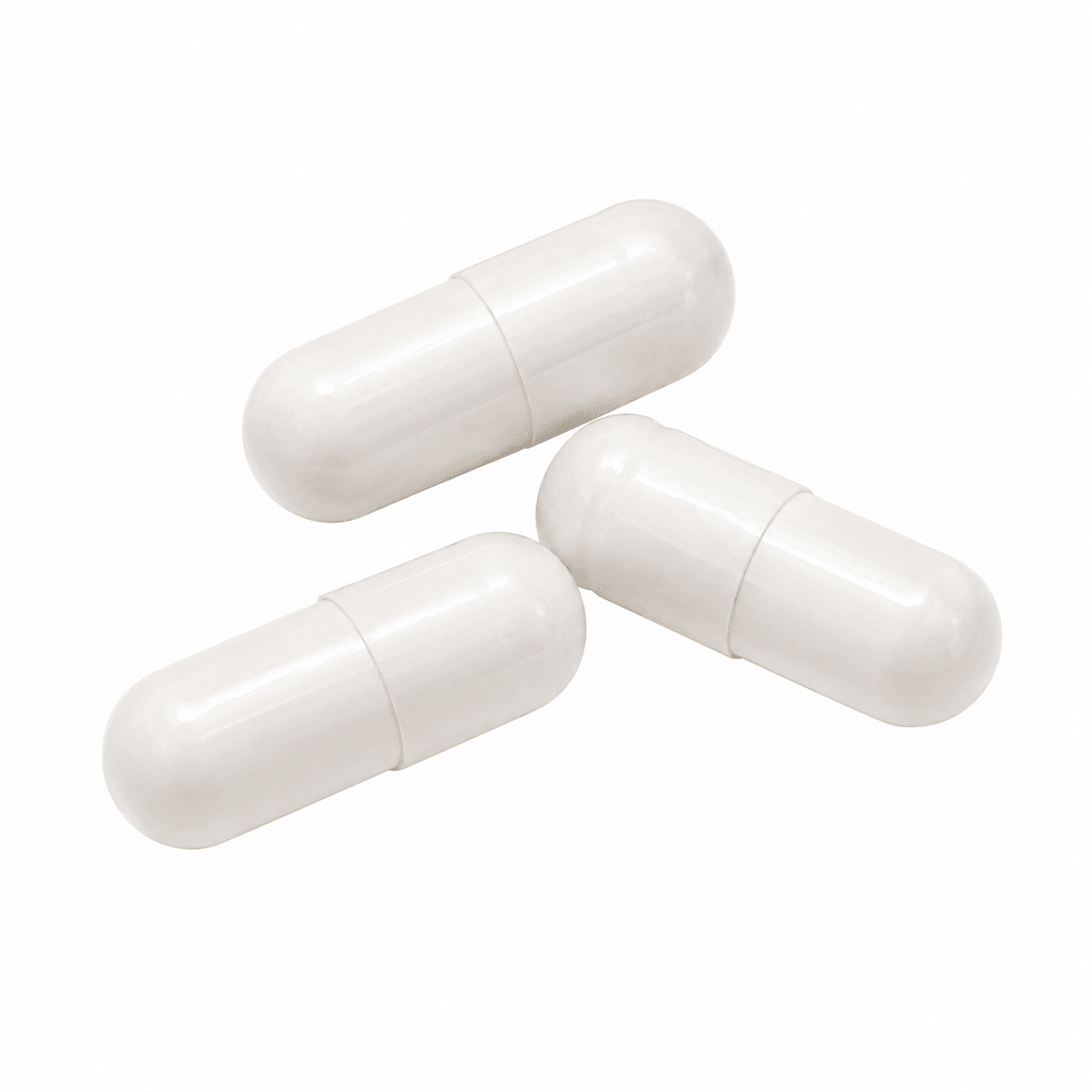
Capsules
Gelatin & HPMC vegetarian
Sachets
Single-dose powder blends
Stick packs
Convenient single-serve
Pouches
Flexible, shelf-ready
Ready to bring your supplement to market?
Free consultation · 24-hour quote · No minimum commitment to get started