Top Capsule Supplement Manufacturers and Suppliers in Denmark
Compare capsule supplement manufacturing options for Denmark, including compliance, formulation depth, production fit, and buyer verification steps.
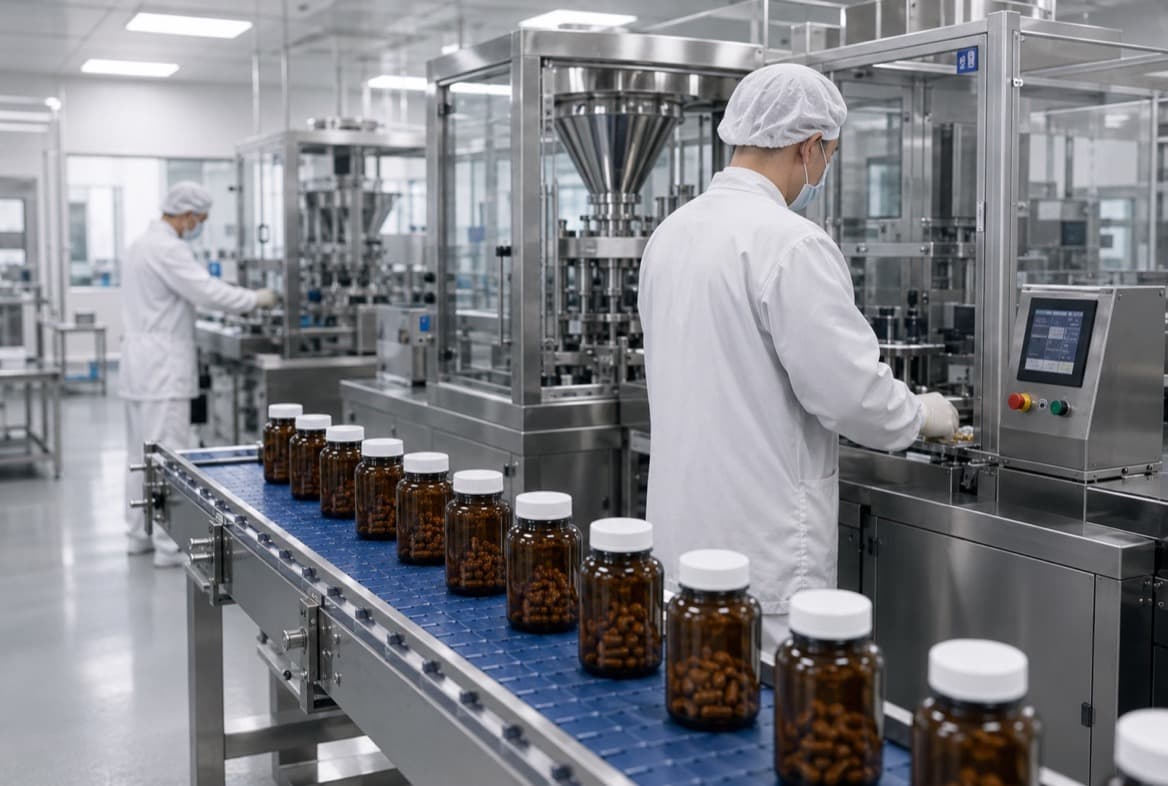
Denmark is a credible sourcing market for health-focused products because of its mature life-science ecosystem, stringent food-control environment, and strong experience in quality-managed healthcare manufacturing. However, a supplier headquartered in Denmark is not automatically the right capsule supplement manufacturing partner: many Danish companies concentrate on pharmaceuticals, tablets, oral films, or distribution rather than turnkey hard-capsule development.
For procurement teams, the strongest choice depends on the target market, formula complexity, required documentation, batch size, and how much support is needed between concept, pilot production, testing, packaging, and delivery. Denmark requires food supplements to be registered no later than the first day they are marketed, and formulation changes generally require a new registration.
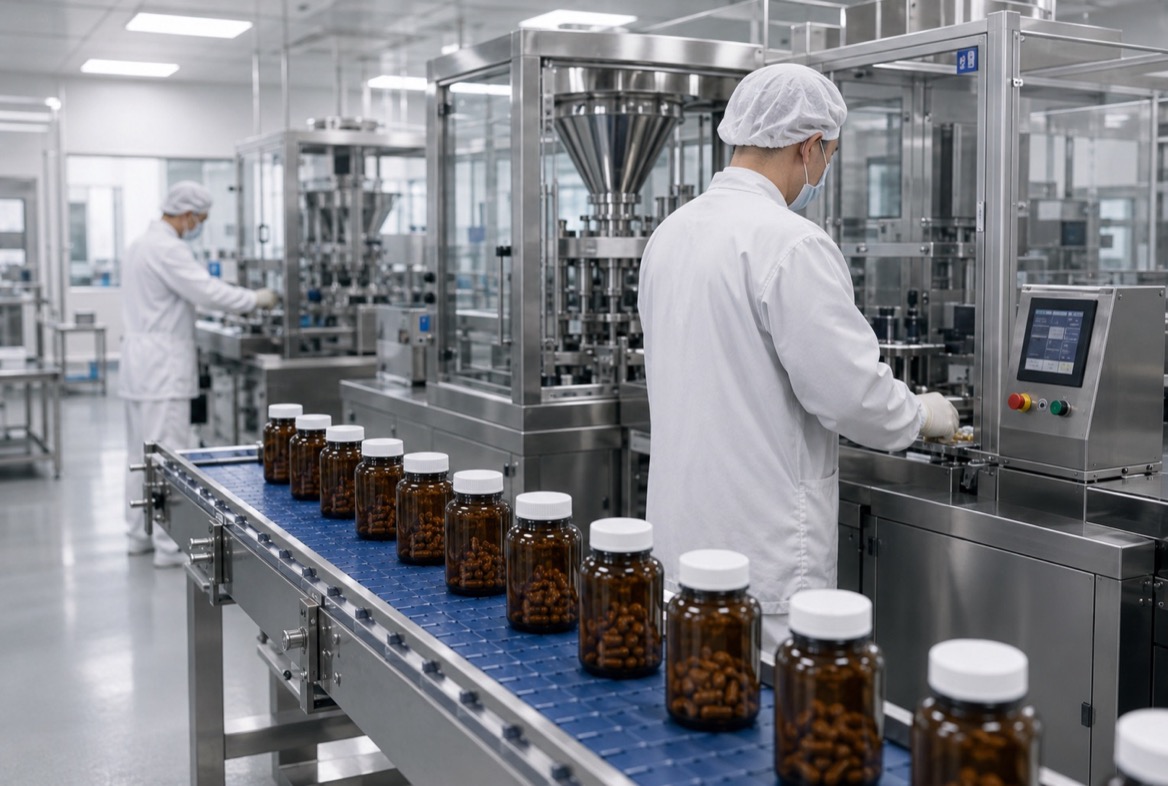
How We Evaluated Suppliers
This shortlist is not a generic directory. Companies were assessed against the factors that most affect long-term capsule supplement procurement:
Manufacturing relevance: Whether the company publicly identifies capsule, tablet, nutraceutical, food-supplement, or related oral-solid manufacturing capabilities.
Development capability: Ability to support a customer-owned formula or develop a new formula from a reference product, ingredient brief, dosage target, or intended functional positioning.
Quality documentation: Availability of evidence such as GMP, food-safety systems, batch records, certificates of analysis, supplier qualification, and traceability.
Regulatory readiness: Practical ability to support market-specific ingredient, label, claim, registration, and product-documentation requirements.
Production fit: Suitability for pilot projects, emerging brands, established retail programs, and recurring commercial orders.
Supply reliability: Communication speed, capacity planning, packaging coordination, testing procedures, and delivery discipline.
For capsule supplements, buyers should distinguish between food-grade compliance, pharmaceutical GMP, and market-specific legal suitability. A high-specification capsule facility is valuable, but it does not replace formula and labeling review for the country where the finished product will be sold.
Leading Manufacturing Options
1. JemoPharm A/S
JemoPharm A/S is one of the clearest Denmark-based options for buyers specifically seeking hard-gelatin capsule contract manufacturing. The company publicly states that it provides contract manufacturing of tablets and hard gelatin capsules for food supplements, herbal products, and pharmaceuticals.
That positioning can make JemoPharm relevant for buyers whose projects require a conventional oral-solid format and who value a Danish manufacturing relationship. The company’s overlap across food supplements, herbal products, and pharmaceutical categories may also be useful for projects requiring more disciplined documentation and controlled manufacturing processes.
Core strengths:
Direct relevance to hard gelatin capsule production
Tablet and capsule manufacturing in one supplier relationship
Experience spanning food supplements, herbal products, and pharmaceuticals
Local Danish manufacturing option for projects that require close access to the Nordic market
What buyers should verify:
Whether HPMC, pullulan, delayed-release, or enteric capsule shells are available
Minimum batch size for the specific capsule size, fill weight, and packaging format
Scope and validity date of certificates applicable to the actual production site
Whether the company supports formulation development or primarily contract manufacture
Available in-house and third-party testing for potency, contaminants, microbiology, and stability
Best fit: Buyers with defined formulas requiring hard-gelatin capsule production and a Denmark-based operational partner.
2. Fertin Pharma A/S
Fertin Pharma is a Danish contract development and manufacturing organization focused on oral and intra-oral delivery formats across nutraceutical and pharmaceutical applications. Its Denmark site in Vejle is described as cGMP certified and approved by both Danish and U.S. FDA authorities; the company reports 860 employees in its Denmark operation.
Fertin is particularly relevant when a purchasing team is not limited to conventional capsules and wants to assess whether the product could perform better as a chewable, orally disintegrating, buccal, lozenge, gum, or other user-friendly dosage format. Its public materials highlight oral and intra-oral delivery development, including solutions for consumers who experience difficulty swallowing.
Core strengths:
Strong development orientation in oral delivery systems
Pharmaceutical and nutraceutical project experience
Denmark-based cGMP facility
Large-scale global-brand operating profile
Useful alternative when conventional capsules are not the optimal consumer format
Limitations to consider:
It may be less aligned with low-volume, price-sensitive hard-capsule programs.
Buyers should confirm conventional capsule-filling scope, line availability, and order-volume thresholds before including Fertin in an RFQ.
Advanced delivery formats can extend formulation, stability, tooling, and validation timelines.
Best fit: Established brands developing differentiated oral delivery formats or managing complex nutraceutical projects with high technical requirements.
3. Scanpharm
Scanpharm is a Denmark-based GMP-certified contract manufacturing organization and contract laboratory. It publicly identifies services related to pharmaceutical and food-supplement manufacturing, including tablet production, packaging, serialization, testing, storage, and shipment. The business states it has operated since 1951.
While its public positioning appears tablet-oriented rather than capsule-first, its combination of manufacturing and laboratory services may be valuable for buyers whose portfolio includes tablets alongside capsules or who prioritize testing, packaging controls, and supply-chain documentation.
Core strengths:
Long operating history since 1951
GMP manufacturing and contract laboratory profile
Packaging, serialization, testing, warehousing, and shipment support
Relevance to regulated or pharmaceutical-adjacent oral-solid programs
What buyers should confirm:
Whether it directly fills hard capsules, or whether capsule work is outsourced
Capsule-shell options and active ingredient compatibility
Current commercial availability and expected production lead time
Testing panels for food supplements, including heavy metals, microbial limits, and assay methods
Whether the required quality system applies to supplements rather than solely pharmaceutical products
Best fit: Buyers looking for a Denmark-based quality-focused partner for tablet-led programs, analytical support, or broader oral-solid supply-chain services.
4. Orifarm
Orifarm is a Danish healthcare company founded in 1994 and headquartered in Odense. It supplies food supplementary products including vitamins and minerals, while also operating extensively in pharmaceuticals and healthcare distribution.
It should be viewed differently from a dedicated capsule OEM. Orifarm’s public profile is stronger in healthcare access, pharmaceuticals, distribution, and quality governance than in open-market, customer-led capsule contract development. Nevertheless, its scale and Nordic market experience can be relevant to established companies considering product distribution or healthcare-channel strategies in Northern Europe.
Orifarm states that it follows quality requirements applicable to pharmaceutical activities, works with qualified contract manufacturers, and uses supplier qualification and audit procedures.
Core strengths:
Long-established Danish healthcare infrastructure
Nordic and European market knowledge
Product-quality systems, supplier qualification, and regulated distribution experience
Vitamins and minerals within its health-product offering
What buyers should confirm:
Whether the specific project is eligible for contract manufacturing support
Whether capsule formulation and filling are performed internally or via qualified external manufacturers
Expected ownership of formula, dossier, artwork, and market registration responsibilities
Suitability for smaller emerging brands versus established healthcare companies
Best fit: Larger healthcare businesses that value Nordic distribution experience and mature quality governance, rather than brands seeking a flexible, custom capsule-development factory.
5. FIPROS A/S
FIPROS A/S is identified in supplier directories as a Danish company specializing in contract manufacturing and packing for food and food ingredients. Its potential relevance is strongest for procurement teams considering food-supplement blending, packing, or ingredient-oriented operations.
Because the publicly available information does not clearly establish finished capsule manufacturing as a core capability, buyers should not assume capsule filling is available. It should be assessed through a detailed technical questionnaire.
Core strengths:
Food manufacturing and packing orientation
Potential relevance for ingredient handling and food-supplement packing
Denmark-based operating base
Questions for the first supplier call:
Do you operate in-house hard-capsule filling lines?
Can you fill HPMC, gelatin, vegetarian, or delayed-release capsules?
Which capsule sizes and fill-weight ranges are supported?
Do you offer blending, sieving, metal detection, bottle filling, blister packing, and secondary packaging?
Which food-safety certificates apply to the actual site and product category?
Best fit: Buyers who need food-supplement packing or ingredient processing and are prepared to validate capsule manufacturing scope directly.
Denmark’s Manufacturing Advantage
Denmark’s main advantage is not simply low-cost capsule production. Its value is rooted in a broader life-sciences environment that connects food science, pharmaceuticals, ingredient expertise, dairy-culture heritage, clinical research, and regulated healthcare operations.
The country is especially relevant for products requiring:
High documentation standards
Nordic-market familiarity
Pharmaceutical-adjacent manufacturing discipline
Nutrition-science or functional-ingredient positioning
Local regulatory coordination
Quality assurance systems suitable for sophisticated retail or healthcare channels
For probiotics and live-culture products, Denmark’s heritage in fermentation and culture production is particularly meaningful, although the manufacturer must demonstrate controls specific to viable organisms rather than general powder handling.
The market is also regulated in a way that requires planning before commercialization. Food supplements marketed in Denmark must be registered by an EU or EEA-established company, and products cannot be marketed without the required registration.
International Manufacturer Expansion - River Pharm Inc
For brands seeking a partner capable of manufacturing based on a complete formulation or early-stage concept, River Pharm Inc. is a viable option. While not a Danish factory, we support two distinct collaboration models:
OEM Manufacturing: The client provides the final formulation and specifications; River Pharm manufactures according to the agreed-upon requirements.
Custom ODM Development: The client provides a reference product, ingredient guidance, target function, dosage concept, or product synopsis; River Pharm develops and manufactures a custom formulation.
This model is not based on the catalog's "same formulation, different label" approach. This distinction is crucial for brands committed to building a competitive product proposition, especially in categories where formulation overlap is prevalent.
Founded in 2010, River Pharm is headquartered in Dover, Delaware. The company boasts a Class 100,000 cleanroom environment, over 45 R&D scientists, more than 200 employees, and an annual production capacity exceeding 5 billion capsules. Our capsule filling equipment can produce up to 600,000 capsules per hour.
River Pharm provides the following services for capsule supplement projects:
Hydroxypropyl Methylcellulose (HPMC) Vegetarian Capsules
Gelatin Capsules
Enteric-coated Capsules
Formulation Development and Raw Material Sourcing Support
Precision Mixing and Capsule Filling
Bottle and Packaging Coordination
Strip Packaging, Pouch Packaging, and Resealable Packaging to Expand Related Product Lines
New Formulation Pilot Production Consultation
We are best suited for: Small and medium-sized brands, importers, and growing businesses that require rapid-response formulation communication, deep customization, scalable capsule production capacity, and full support from initial samples to commercial production.
Important commercial note: A Denmark-facing brand should still validate whether its specific formula, nutrient level, claims, and label meet Danish and broader EU requirements before launch. Manufacturing quality and market authorization are separate workstreams.
Capsule Manufacturing Technical Checklist
A capsule supplement should not be evaluated only by the ingredient list. Procurement teams should review the full technical package.
Capsule Shell Selection
Gelatin capsules are widely used and often cost-efficient. Buyers should verify gelatin origin, BSE/TSE statements, allergen status, moisture specifications, and suitability for the target market.
HPMC capsules are commonly selected for vegetarian, vegan, hygroscopic, botanical, and broad-positioning products. They may also offer better performance for moisture-sensitive formulations, but compatibility testing remains necessary.
Pullulan capsules can offer a plant-based option with strong oxygen-barrier properties. They may be useful for certain oxidation-sensitive formulas, although cost and supply availability should be reviewed.
Enteric or delayed-release capsules may be appropriate for acid-sensitive ingredients, odor-intensive materials, or formulations intended to release beyond the stomach. Do not accept an “enteric” claim without dissolution-method details, pass criteria, and batch testing.
Powder and Blend Controls
For capsule fills, require data on:
Raw-material identity and potency
Particle-size distribution
Bulk density and tapped density
Flowability
Moisture or water activity
Blend uniformity
Encapsulation weight variation
Capsule disintegration or dissolution, when relevant
Microbial limits
Heavy metals
Pesticide residues for botanical ingredients
Residual solvents where extraction methods make this relevant
A formula that performs well in a bench sample can fail at commercial scale if powder flow, density, segregation risk, or hygroscopicity was not properly evaluated.
Packaging Controls
Capsules can degrade through oxygen, moisture, light, or temperature exposure. The package should be selected based on stability data, not visual preference alone.
Consider:
HDPE bottles with induction seals
Desiccants appropriate to the formula
Blister packs for moisture-sensitive or unit-dose applications
Opaque packaging for light-sensitive ingredients
Child-resistant closures where required
Stability testing under realistic storage and transportation conditions
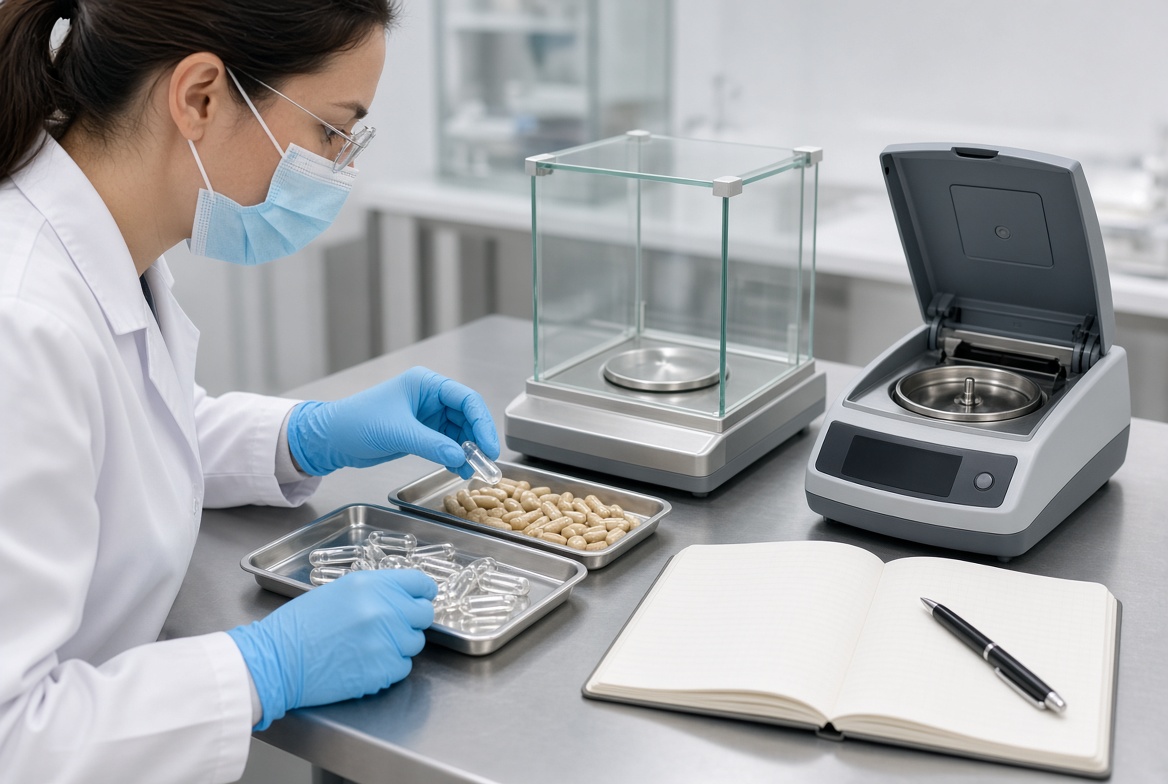
A Procurement Trap Few Buyers Discuss
One of the most common hidden problems in capsule production is not obvious substitution of an expensive ingredient with a cheap one. It is equivalence substitution within an ingredient family.
For example, a quotation may specify a botanical extract by plant name and headline ratio but omit:
Plant part used
Extraction solvent
Standardized marker level
Native versus added marker compounds
Carrier system
Moisture range
Pesticide testing method
Country of origin
Batch-to-batch potency tolerance
Two materials can look similar on a purchase order while delivering materially different performance, assay results, sensory impact, and cost.
How to avoid it: Lock a raw-material specification before commercial approval. The specification should identify the botanical Latin name, plant part, extraction ratio, marker-compound target, analytical method, carrier, allergen status, microbiological limits, heavy-metal limits, storage conditions, and approved supplier list. Do not approve a commercial batch based only on a generic certificate of analysis.
Another overlooked risk is capsule-fill density. A supplier may accept a target dose during quotation but later reduce the usable fill weight because the powder blend does not flow or compact as expected. Require a pilot encapsulation trial and a documented capsule-fill-weight range before confirming the label claim and bottle count.
Buyer’s Guide
1. Start With a Manufacturing Brief
Provide a concise document that covers:
Product name and target market
Formula or desired ingredients
Dose per capsule and daily serving
Capsule-shell preference
Packaging format and count per bottle
Target launch date
Forecast volume for the first 12 months
Required certificates and test panels
Labeling and claim requirements
Whether the project is OEM or custom ODM
A clear brief reduces rework and makes quotations comparable.
2. Separate OEM From Custom Development
For OEM, submit the complete bill of materials, target potency, capsule type, packaging specifications, testing requirements, and artwork status. The manufacturer should confirm manufacturability, material availability, cost, and batch size.
For custom ODM, submit a reference product, ingredient list, target audience, dose format, desired claims direction, exclusions, target cost, and key markets. The supplier should then conduct feasibility review before proposing a formula.
River Pharm’s operating model is particularly relevant here: brands can either provide a finished formula for manufacturing or request custom formulation based on a reference product, ingredient direction, or intended function. It does not position custom development as generic off-the-shelf relabeling.
3. Verify Certifications Properly
Do not rely on logos in a presentation deck. Ask for:
Certificate copy
Certificate number
Issuing certification body
Site address covered
Certification scope
Issue date and expiration date
Last audit date
Any major non-conformities and corrective-action status
Then confirm the certificate directly with the issuing body where a public certificate database is available. Also ensure the scope covers the actual activity: for example, food-supplement production or capsule filling—not merely warehousing, packaging, or ingredient trading.
4. Use a Three-Stage Sample Process
A robust sample process has three stages:
Bench sample: Checks taste, appearance, capsule size, ingredient fit, and early concept acceptance.
Pilot batch: Confirms blend uniformity, fill weight, manufacturability, packaging compatibility, and preliminary test results.
Commercial pre-production approval: Locks the master formula, raw-material specifications, packaging, artwork, test methods, and acceptance criteria.
Do not treat a hand-filled prototype as proof that commercial-scale machinery will produce the same result.
5. Plan Denmark Logistics and Registration
If a supplement will be sold in Denmark, plan registration and compliance work before shipment. Denmark requires food supplements to be registered, and companies established in the EU or EEA are eligible to register them.
For imports from outside the EU, clarify:
Importer of record
EU/EEA responsible food business operator
Product registration responsibilities
Customs classification
Country-of-origin documentation
Label language and mandatory information
Stability during transport
Batch release documentation
Retained-sample policy
Recall and complaint-handling procedures
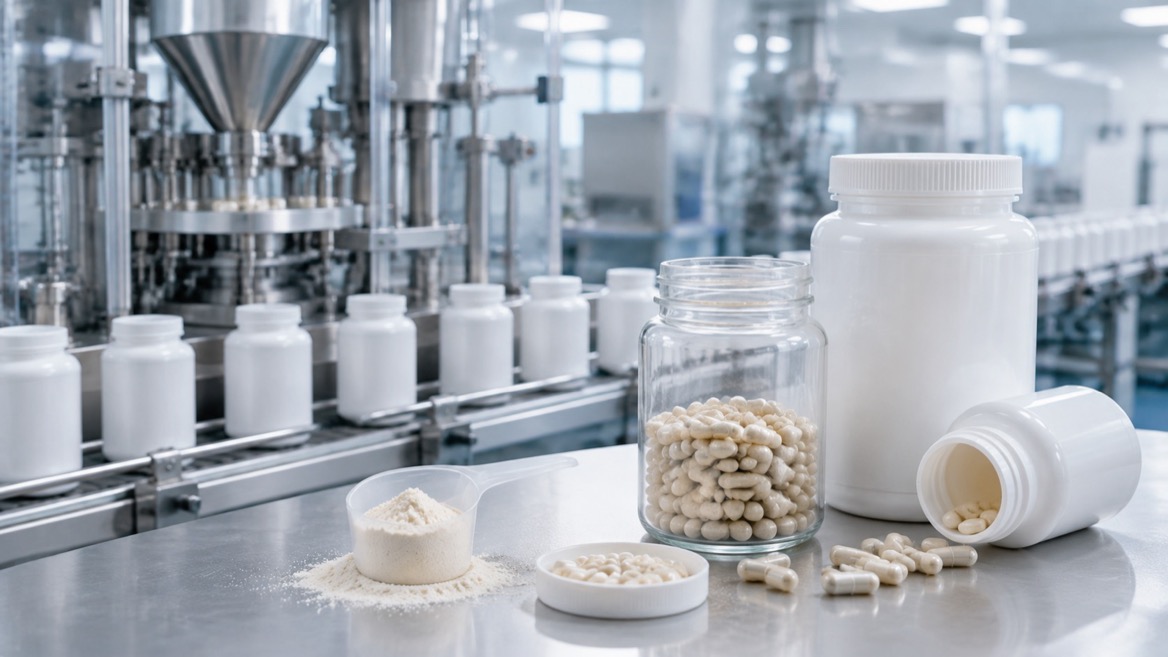
Final Recommendation
Denmark offers a credible environment for capsule supplement procurement, especially where regulated-market knowledge, quality documentation, and life-science expertise matter. However, buyers should match the supplier to the project rather than assuming every healthcare company is a suitable capsule-development manufacturer.
For a defined hard-gelatin capsule project, JemoPharm is a Denmark-based option worth direct technical evaluation. For advanced oral-format innovation, Fertin Pharma may be relevant. For tablet and laboratory-led requirements, Scanpharm warrants consideration. For custom capsule development, flexible communication, multi-format expansion, and scalable production, River Pharm Inc is a strong option to include in an RFQ process, particularly for brands that need more than a standard label application.
Send prospective manufacturers a structured product brief, request a site-specific documentation package, and require pilot-batch evidence before committing to commercial volume.
FAQ
1. How can I verify whether an ISO or GMP certificate is expired?
Request the complete certificate rather than a logo, check the expiration date and covered facility address, and contact the certification body directly when possible. Also ask for the most recent audit report summary and confirm that the certification scope includes food supplements or capsule filling—not only packaging or warehousing.
2. Is FDA registration proof that a capsule supplement is approved for sale in the United States?
No. Facility registration and product approval are different matters. A manufacturer may be registered with the FDA, but dietary supplement companies remain responsible for ensuring products are safe, properly labeled, and manufactured in compliance with applicable requirements. Manufacturing claims should never be treated as a substitute for formula, labeling, or claims review.
3. Should a Danish buyer choose a domestic factory or an overseas manufacturer?
Choose based on total operational value, not location alone. A domestic supplier may simplify visits, local communication, and regional logistics. An overseas partner may provide deeper capsule specialization, broader formulation support, more flexible development pathways, or stronger economics. Compare the complete landed cost, documentation quality, lead time, technical fit, and batch-release process.
4. What documents should be supplied with every commercial capsule batch?
At minimum, request a finished-product certificate of analysis, batch manufacturing record or release summary, ingredient traceability information, microbial test results, heavy-metal results where relevant, allergen declaration, packaging confirmation, and stability or shelf-life support. Botanical, probiotic, sports-nutrition, and high-dose nutrient products may need additional testing.
5. How do I prevent formula changes after sample approval?
Use a signed master manufacturing specification. It should list every active and excipient, ingredient grade, approved supplier or equivalency rules, capsule shell, fill weight, assay tolerance, test methods, packaging materials, artwork version, and change-control procedure. Any material or process change should require written customer approval before production.
References
Danish Veterinary and Food Administration: Food Supplements — Danish registration obligations and product-market requirements.[en.foedevarestyrelsen]
Technical University of Denmark: Dietary Supplements and Fortification — Scientific assessments used to establish vitamin and mineral levels.[food.dtu]
Danish Medicines Agency: Vitamin and Mineral Products Guidance — Guidance on products that may be regulated as medicines based on composition and strength.[laegemiddelstyrelsen]
Fertin Pharma — Denmark facility information and quality credentials.[fertin]
JemoPharm Contract Manufacturing — Publicly stated tablet and hard-gelatin capsule manufacturing scope.[jemopharm]
Scanpharm — Denmark-based GMP contract manufacturing and laboratory services.[scanpharm]
Hot Tags: Capsule Supplement Manufacturer, Dietary Supplement Manufacturer, Contract Supplement Manufacturing, Capsule OEM Manufacturer, Custom Supplement Formulation, Nutraceutical Contract Manufacturer, Private Label Supplements, Capsule Filling Services, GMP Supplement Manufacturer, Denmark Supplement Supplier, custom, private label, manufacturing company, manufacturers, suppliers, factory, Customized, Bulk, quotation, oem
Did you find this helpful?
Comments (0)
No comments yet. Be the first to comment!
Leave a comment
Related Posts
Sep 24, 2026
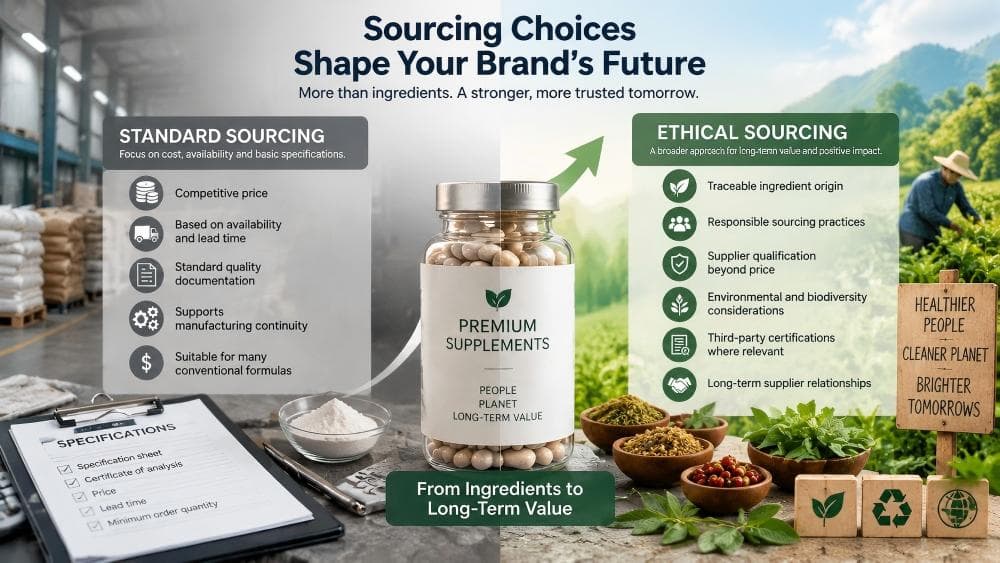
Standard Sourcing vs. Ethical Sourcing: The ROI of Sustainability in Premium Health Supplement Contracts
Sep 22, 2026
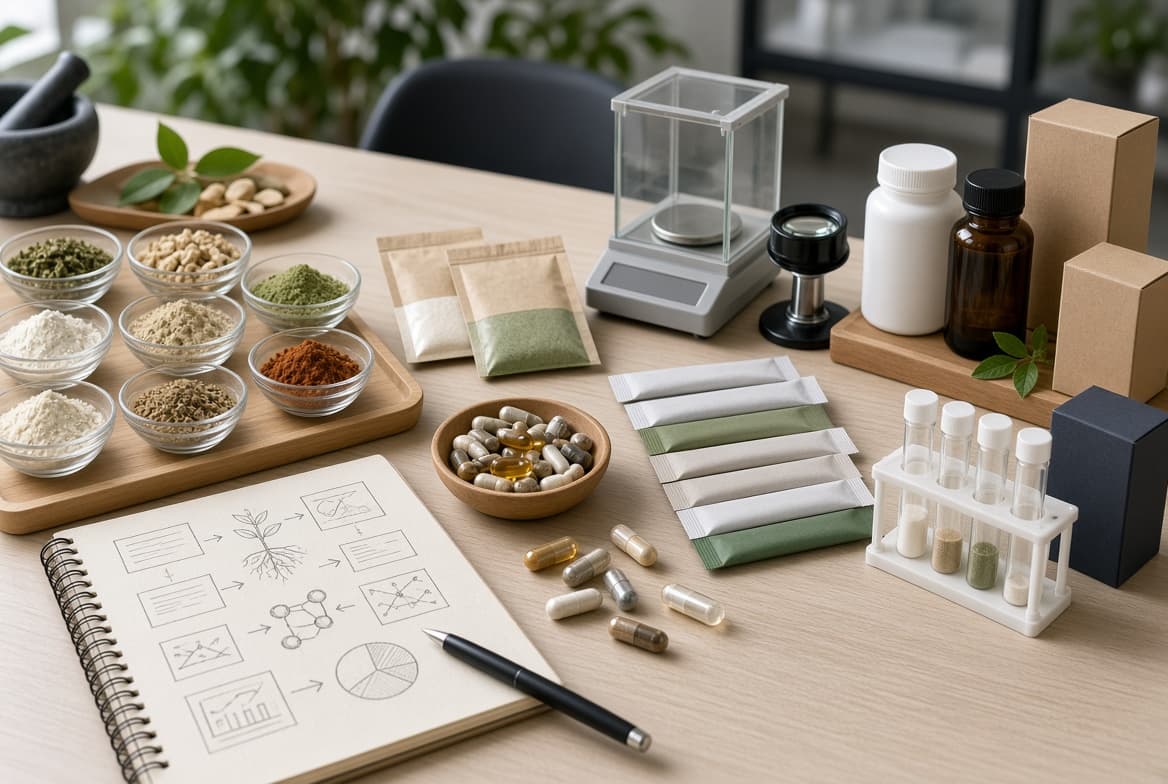
How to Design a Custom Supplement Formula: A Practical Guide for Brand Owners

Sep 21, 2026
Palmitoylethanolamide (PEA) Benefits: Evidence, Mechanisms, and Capsule Product Development
Riverpharm · Supplement Contract Manufacturing
Your supplement brand, manufactured to the highest standard
From first formula to finished product — we handle manufacturing, packaging, and fulfillment so you can focus on building your brand.
Core services
Contract Manufacturing
GMP-certified production with full batch testing and certificate of analysis on every run.
Custom Formulation & R&D
In-house scientists develop your formula from scratch or refine existing blends for efficacy.
Packaging & Labeling
Design-to-print label service — shelf-ready, FDA-compliant, and retail-tested.
FBA Prep & Fulfillment
Amazon-ready prep and direct-to-warehouse shipping — no extra steps on your end.
By the numbers
NSF
NSF/ANSI 455-2 certified
cGMP
Certified environment
24 hr
AI-accelerated quote turnaround
600K
cGMP+ encapsulator capacity per run
Why Riverpharm
Quality systems with higher standards
- NSF/ANSI 455-2 certified
- cGMP-certified environment
- In-house + third-party testing
- Source-locked ingredients
Production capacity with faster execution
- Heavy-duty hardware
- In-house core reserves
- AI-accelerated quotes
- In-house expert hub
Delivery formats we produce
Capsules
Gelatin & HPMC vegetarian
Sachets
Single-dose powder blends
Stick packs
Convenient single-serve
Pouches
Flexible, shelf-ready
Ready to bring your supplement to market?
Free consultation · 24-hour quote · No minimum commitment to get started