How to Design a Custom Supplement Formula: A Practical Guide for Brand Owners
Learn how to design a custom supplement formula, select ingredients and dosage formats, plan packaging, and prepare for contract manufacturing.
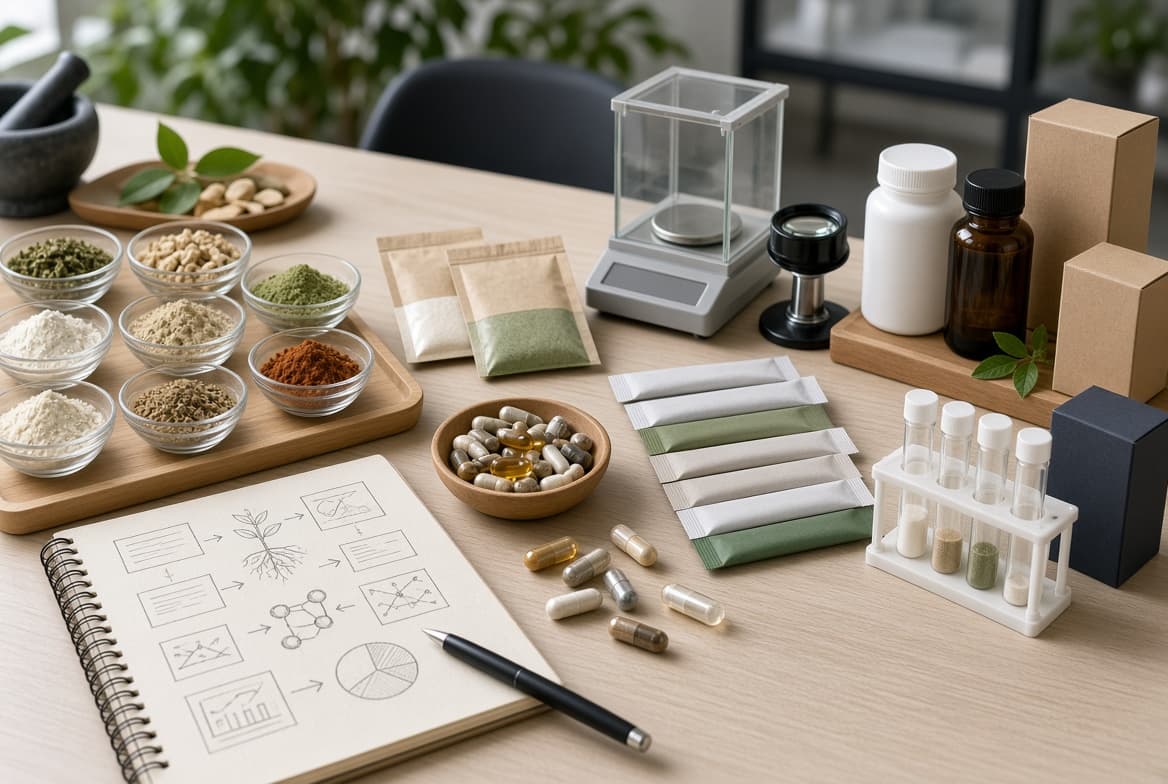
Launching a successful dietary supplement starts long before production. A strong custom supplement formula must connect a clear consumer need with credible ingredient choices, realistic dosages, a suitable delivery format, and a manufacturing plan that can be executed consistently at scale.
At River Pharm Inc., we work with supplement brands in two ways: OEM manufacturing for clients who already have a finished formula, and customized ODM development for clients who bring a benchmark product, selected ingredients, or a desired benefit direction. We do not offer off-the-shelf “private-label” formulas; each ODM project is developed around the brand’s specific product brief.
This guide explains how to design a supplement formula that is commercially differentiated, technically manufacturable, and ready for a disciplined contract manufacturing process.

Start With a Specific Product Opportunity
The first question is not “Which ingredients are trending?” It is: Who is this product for, and what job should it do?
A vague brief such as “a wellness supplement” creates too many directions. A precise brief provides a useful foundation for formulation, format selection, labeling, and packaging.
For example, a more actionable product concept could be:
A daily hydration stick pack for active office workers
A women’s beauty-support capsule with a concise, transparent formula
A travel-friendly digestive-support sachet
A plant-based protein and micronutrient pouch for convenience-focused consumers
A sleep-support capsule designed around a non-stimulant evening routine
Define the audience, usage occasion, preferred format, target market, price range, and expected experience before choosing ingredients.
A product that succeeds on paper but does not fit the customer’s real habits may struggle in the market. A two-capsule daily serving may be acceptable for a focused nutrition product, while a single-use powder stick may be better suited to hydration, travel, or on-the-go routines.
Build a Product Brief Before Formulation
A useful development brief should include:
Target consumer and use occasion
Desired product category or benefit direction
Reference products, if applicable
Preferred ingredients and ingredients to avoid
Target dosage form, such as capsules, sachets, stick packs, or pouches
Flavor, sweetness, color, and sensory expectations for powder products
Serving size and servings per package
Target sales market and planned label language
Price positioning and target cost range
Packaging preferences and expected order volume
For OEM projects, the formula supplied by the customer becomes the starting point. For customized ODM projects, this brief gives the R&D team the information needed to turn an early idea into a technically workable formula.
Select Ingredients Based on Evidence and Fit
Ingredient selection should balance consumer relevance with formulation practicality. An ingredient may be widely discussed online, but that does not automatically make it appropriate for every product, market, or delivery format.
A strong formula evaluates each ingredient through several lenses:
Its intended role in the formula
Scientific and safety information available for that ingredient
The amount needed per serving
Compatibility with other ingredients
Stability during manufacturing and throughout shelf life
Taste, odor, color, and flow properties
Supply consistency and documentation
Labeling implications in the target market
The NIH Office of Dietary Supplements provides ingredient fact sheets and evidence-based resources covering vitamins, minerals, herbs, botanicals, probiotics, and other supplement ingredients. These resources can help brands assess available research, safety considerations, possible drug interactions, and recommended intake information.
Avoid “Ingredient List” Thinking
A formula is not automatically stronger because it contains more ingredients. Excessive ingredient lists can create avoidable issues:
Too little room for meaningful amounts per serving
Large capsule counts or impractical powder serving sizes
Greater risk of unpleasant taste or odor
Higher sourcing and testing complexity
More difficult manufacturing and blending control
Consumer confusion about the product’s main purpose
Instead, begin with a primary functional direction and identify a small number of ingredients that contribute clearly to that direction. Supporting ingredients should have a defined technical or nutritional purpose, not simply fill space on a label.
For instance, a sachet intended for hydration support may need careful consideration of electrolyte quantities, flavor system, acid balance, solubility, and sweetener choice. A capsule formula may place greater emphasis on powder density, capsule capacity, ingredient flow, and whether the desired daily amount can fit into a practical serving size.
Determine Dosage With Formula Reality in Mind
Dosage is one of the most important decisions in custom supplement formulation. It influences the product’s consumer experience, label, cost, format, manufacturing process, and final package dimensions.
The amount of an ingredient should not be copied from a competitor’s label without context. The right amount depends on the ingredient form, the target user, combination effects, serving frequency, regulatory considerations, and supporting research.
NIH notes that supplement labels list active ingredients and amounts per serving, while the serving size itself is set by the manufacturer. Consumers should also understand that supplements can interact with medications and that individual needs can differ.
Work Backward From the Daily Serving
An effective formulation exercise begins with the desired daily intake, then works backward into a realistic dosage format.
Ask these practical questions:
Can the formula fit into one capsule, two capsules, or a reasonable daily capsule count?
If it is a powder, will the serving dissolve or disperse acceptably in water?
Does the total powder weight make sense for a stick pack or sachet?
Can the product maintain acceptable taste at the needed ingredient level?
Is the total formula cost consistent with the intended retail position?
Does the ingredient combination remain stable during expected shelf life?
Example: A brand may want a high-dose mineral blend inside one small capsule. During technical review, it may become clear that the desired total weight exceeds the capsule’s practical capacity. The solution may be a larger capsule, multiple capsules per serving, a powder stick pack, or a reformulated ingredient strategy. Identifying this early prevents expensive redesigns later.
Choose a Delivery Format That Supports Use
The delivery format should reinforce the product concept rather than become an afterthought. River Pharm Inc. supports capsule, sachet, stick-pack, and pouch packaging options, allowing brands to match the formula with the intended consumer experience.
Capsules
Capsules are often suitable for products with lower daily powder volumes, consumers who prefer convenient dosing, and formulas where taste masking is important.
They may be well suited to:
Vitamins and minerals
Botanical powders and extracts
Amino acids in practical capsule quantities
Multi-ingredient daily-support formulas
Products with strong or bitter sensory profiles
Key considerations include fill weight, capsule size, ingredient flowability, hygroscopicity, and the planned daily capsule count.
Sachets and Stick Packs
Single-serve sachets and stick packs can provide a portable, portion-controlled experience. They are particularly useful for powder formulas designed to be mixed with water or consumed while traveling.
They may be suitable for:
Electrolyte and hydration blends
Vitamin drink powders
Fiber or digestive-support powders
Collagen-related formats
Functional beverage-style products
For these products, taste and mixability are part of the formula—not merely packaging details. Flavor, sweetener system, acidity, particle size, and moisture protection should be considered during development.
Pouches
Pouches can support larger quantities, multi-serving powder products, refill concepts, and flexible retail presentations. Their suitability depends on formula bulk density, serving scoop requirements, barrier needs, and the product’s sensitivity to air or moisture.
A pouch may be a strong choice when consumers expect a larger serving or repeated daily use. However, brands should carefully plan the closure type, serving instructions, and packaging materials to preserve usability throughout the product’s life.
Build Quality Into the Formula Early
Quality is not a final-stage checkbox. It starts with specifications, sourcing expectations, documented manufacturing controls, and clear decisions about what the finished product must meet.
FDA dietary supplement current good manufacturing practice requirements under 21 CFR Part 111 apply to dietary supplement manufacturing, packaging, labeling, and holding operations. The requirements are intended to help ensure that products contain what their labels state and are not contaminated with harmful or undesirable substances.
FDA guidance also states that manufacturers must prepare and follow a written master manufacturing record for each unique supplement formulation and batch size, with controls designed to support batch-to-batch uniformity. The regulations require at least one appropriate test or examination to verify the identity of each dietary ingredient unless an approved exemption applies.
For brand owners, this means formulation decisions should be documented clearly from the beginning. A development conversation should cover:
Ingredient identity and required specifications
Target amount per serving
Acceptable physical characteristics
Allergen and dietary positioning requirements
Manufacturing instructions
Packaging configuration
Batch records and traceability expectations
Finished-product testing and release criteria
The best time to address potential problems is before a formula reaches commercial production.
Review Claims and Label Direction Carefully
A formula, label, and marketing message must work together. A brand should avoid allowing product claims to dictate ingredient selection without first checking whether the formula can credibly support the intended positioning.
The Supplement Facts panel should clearly identify dietary ingredients and their amounts per serving. NIH notes that its Dietary Supplement Label Database catalogs label information from products marketed in the United States, including ingredient forms, amounts, and label statements. It can be a useful benchmark resource during category research.
When reviewing labels, consider:
Is the product’s primary purpose immediately understandable?
Are ingredient amounts presented clearly?
Does the serving size match ordinary use?
Are required warnings and directions addressed?
Does the language avoid implying drug-like treatment or disease claims?
Can the packaging communicate the product’s value without making unrealistic promises?
A simple, clear positioning statement is often more effective than an overloaded label that tries to address every possible consumer concern.
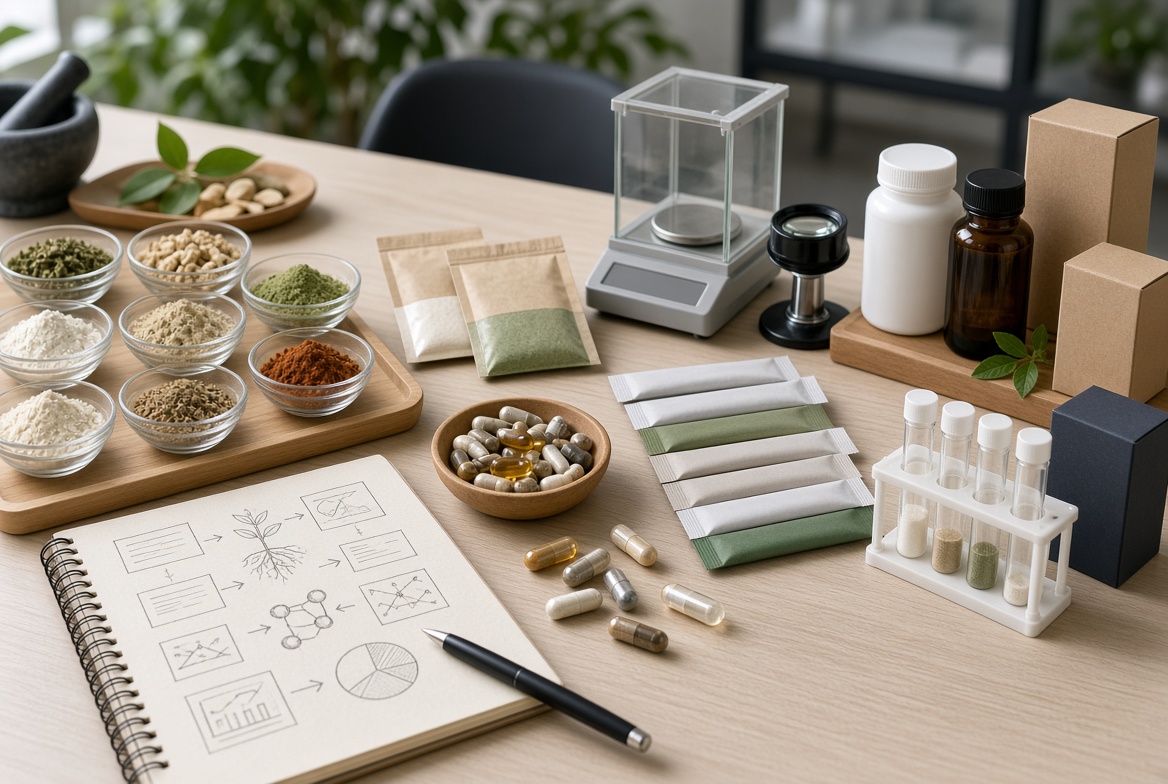
A Practical Custom Formulation Workflow
A disciplined workflow helps brands move from concept to production with fewer surprises.
Discovery and product brief
Define the target consumer, product goal, reference products, format, packaging, and commercial requirements.Formula review or R&D direction
For OEM, submit the complete formula for technical and manufacturing evaluation. For customized ODM, provide benchmark products, preferred ingredients, or benefit directions for formulation development.Feasibility assessment
Review dosage, ingredient compatibility, sourcing, sensory factors, format suitability, package requirements, and manufacturing constraints.Prototype development
Develop samples or prototypes as appropriate, especially where powder handling, flavor, color, or dispersibility affects the product experience.Specification confirmation
Finalize ingredient specifications, serving size, packaging format, label information, and quality standards.Commercial production planning
Confirm production quantities, lead times, raw-material readiness, packaging components, and required documentation.Manufacturing, packaging, and release
Produce the product according to the approved manufacturing record, package it in the selected format, and complete required quality-control activities before release.
This process makes the manufacturer more than a production vendor. It creates a structured partnership between brand strategy, formulation design, operational execution, and product quality.
Why Custom Development Creates Brand Value
Custom development gives a brand the opportunity to make intentional choices rather than entering the market with a generic product that looks like every other listing.
A well-developed product can differentiate through:
A focused ingredient combination
A consumer-friendly dosage format
A practical serving experience
A more specific audience or use occasion
A packaging format aligned with the product’s routine
A clear and coherent product story
Customization does not mean complexity. In many cases, the most persuasive products are built around a clear need, a focused formula, and a format that makes regular use easy.
At River Pharm Inc., brands can bring a completed formula for OEM manufacturing or begin customized ODM development with a reference product, ingredient concept, or functional direction. Our role is to help translate that input into a manufacturable supplement product across capsules, sachets, stick packs, and pouches.
Start Your Custom Supplement Project
Whether you already have a complete formula or only an initial product direction, the right first step is a detailed technical discussion.
Send River Pharm Inc. your formula, benchmark sample, ingredient list, intended benefit direction, target format, and packaging requirements. Our team can review the project for formulation feasibility and guide the next steps toward contract manufacturing.
FAQ
What is the difference between OEM and customized ODM supplement manufacturing?
OEM manufacturing means the brand provides an established formula and the manufacturer produces it according to agreed specifications. Customized ODM means the brand provides a reference product, target ingredients, or a desired product direction, and the manufacturer supports formula development and production. River Pharm Inc. does not provide generic off-the-shelf private-label formulas.
How long does it take to develop a custom supplement formula?
Timing depends on formula complexity, ingredient availability, sample requirements, packaging format, testing needs, and label readiness. A capsule formula with standard ingredients may follow a different timeline than a flavored stick-pack powder requiring multiple sensory iterations.
Can every formula fit into capsules?
No. Capsule capacity is limited by the ingredient volume, density, and desired daily dosage. High-dose formulas may require multiple capsules per serving or may be better suited to sachets, stick packs, or pouches.
Why are samples important for powdered supplement products?
Samples help assess taste, aroma, color, texture, dissolution, and overall consumer experience. This is especially important for formulas containing minerals, botanicals, amino acids, or other ingredients with strong sensory characteristics.
Can I use a competitor product as a reference?
Yes. A reference product can help communicate the intended format, consumer experience, ingredient direction, or market position. It should be used as a starting point for product development rather than copied directly.
What information should I send to begin a project?
Provide your formula if you have one, or share your target benefit direction, reference product, desired ingredients, dosage form, packaging preference, target market, and estimated order requirements. The more specific the brief, the more efficiently the technical review can begin.
References
U.S. Food and Drug Administration. “Final Rule for Current Good Manufacturing Practices for Dietary Supplements.” Explains manufacturing controls intended to support identity, purity, quality, strength, and composition. FDA source.[fda]
U.S. Food and Drug Administration. “Small Entity Compliance Guide: Current Good Manufacturing Practice in Manufacturing, Packaging, Labeling, or Holding Operations for Dietary Supplements.” Covers master manufacturing records, ingredient identity verification, quality control, and batch traceability. FDA source.[fda]
National Institutes of Health, Office of Dietary Supplements. “Dietary Supplement Fact Sheets.” Provides evidence-based resources on vitamins, minerals, botanicals, probiotics, and other dietary supplement ingredients. NIH source.[ods.od.nih]
National Institutes of Health, Office of Dietary Supplements. “Dietary Supplements: What You Need to Know.” Covers supplement labels, ingredient amounts, quality, safety, and potential interactions. NIH source.[ods.od.nih]
National Institutes of Health, Office of Dietary Supplements. “Dietary Supplement Label Database.” Provides access to label information, ingredient forms, amounts, and label statements for supplement products sold in the United States. NIH source.[ods.od.nih]
Hot Tags: Custom Supplement Formulation, Dietary Supplement Manufacturer, Supplement Contract Manufacturing, Supplement OEM Manufacturer, Supplement ODM Services, Capsule Supplement Manufacturing, Powder Supplement Manufacturing, Stick Pack Supplement Manufacturer, Sachet Supplement Packaging, Nutraceutical Manufacturing, custom, private label, manufacturing company, manufacturers, suppliers, factory, Customized, Bulk, quotation, oem
Did you find this helpful?
Comments (0)
No comments yet. Be the first to comment!
Leave a comment
Related Posts


Riverpharm · Supplement Contract Manufacturing
Your supplement brand, manufactured to the highest standard
From first formula to finished product — we handle manufacturing, packaging, and fulfillment so you can focus on building your brand.
Core services
Contract Manufacturing
GMP-certified production with full batch testing and certificate of analysis on every run.
Custom Formulation & R&D
In-house scientists develop your formula from scratch or refine existing blends for efficacy.
Packaging & Labeling
Design-to-print label service — shelf-ready, FDA-compliant, and retail-tested.
FBA Prep & Fulfillment
Amazon-ready prep and direct-to-warehouse shipping — no extra steps on your end.
By the numbers
NSF
NSF/ANSI 455-2 certified
cGMP
Certified environment
24 hr
AI-accelerated quote turnaround
600K
cGMP+ encapsulator capacity per run
Why Riverpharm
Quality systems with higher standards
- NSF/ANSI 455-2 certified
- cGMP-certified environment
- In-house + third-party testing
- Source-locked ingredients
Production capacity with faster execution
- Heavy-duty hardware
- In-house core reserves
- AI-accelerated quotes
- In-house expert hub
Delivery formats we produce
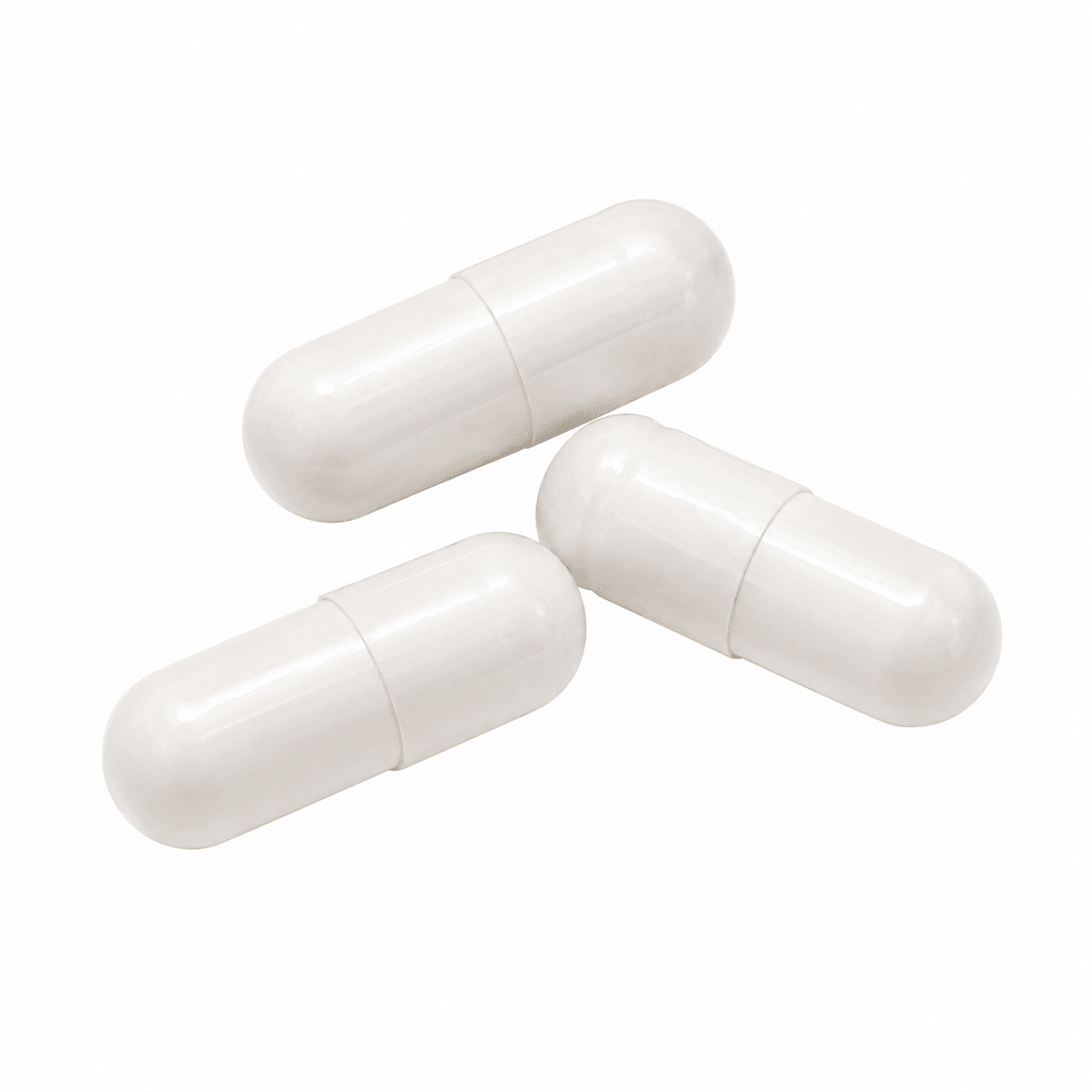
Capsules
Gelatin & HPMC vegetarian
Sachets
Single-dose powder blends
Stick packs
Convenient single-serve
Pouches
Flexible, shelf-ready
Ready to bring your supplement to market?
Free consultation · 24-hour quote · No minimum commitment to get started