Palmitoylethanolamide (PEA) Benefits: Evidence, Mechanisms, and Capsule Product Development
Explore PEA benefits, research, mechanisms, safety considerations, and how to develop a custom palmitoylethanolamide capsule supplement.

Palmitoylethanolamide, commonly called PEA, is a naturally occurring fatty acid amide increasingly used in dietary supplement formulations designed to support a balanced inflammatory response, comfort, and nervous-system wellbeing. For supplement brands, the opportunity is not simply to add PEA to a label—it is to translate clinical evidence, responsible claims language, and reliable capsule manufacturing into a credible finished product.
PEA has attracted scientific interest because it acts on several biological pathways involved in immune signaling and pain perception. Human research is promising, particularly in chronic-pain populations, but results should be communicated with appropriate caution: a dietary supplement is not a medicine and should not be promoted as diagnosing, treating, curing, or preventing disease.

What Is Palmitoylethanolamide?
Palmitoylethanolamide is a lipid compound produced naturally by the human body and found in small amounts in foods such as egg yolk, soy-derived materials, and peanuts. It belongs to a family of molecules called fatty acid ethanolamides.
Unlike a conventional vitamin or mineral, PEA is often discussed for its role in helping the body regulate inflammatory signaling and pain sensitivity. It has also been studied in relation to immune-cell activity, nerve health, and general quality-of-life measures.
For product developers, PEA is especially relevant because its story combines three consumer-friendly themes:
Inflammation balance
Daily comfort support
Nervous-system and mobility support
However, a successful PEA supplement needs more than a compelling ingredient story. It needs appropriate dose positioning, a well-considered delivery format, scientifically responsible wording, and robust quality controls.
How PEA May Work in the Body
PEA is not a single-pathway ingredient. Research suggests that it may influence multiple signaling systems associated with inflammation and discomfort.
One of the most widely discussed mechanisms involves peroxisome proliferator-activated receptor alpha, or PPAR-α. PEA can activate PPAR-α, a receptor involved in metabolic regulation and the modulation of inflammatory responses. Research also links PEA with pathways involving mast cells, cannabinoid-related signaling, GPR55, and TRPV1.
PPAR-α and inflammatory signaling
PPAR-α is a cellular receptor that helps regulate genes involved in lipid metabolism and inflammatory activity. When this pathway is activated, it may help modulate the production of certain inflammatory mediators.
From a practical communications perspective, brands should avoid oversimplifying this mechanism. It is more accurate to say that PEA has been studied for its ability to support the body’s normal inflammatory-response pathways rather than claiming that it “eliminates inflammation.”
Mast-cell modulation
Mast cells are immune cells that release signaling compounds in response to perceived threats. When their activity is dysregulated, they may contribute to inflammatory signaling and heightened sensitivity.
Published reviews describe PEA as an endogenous compound that may help regulate mast-cell activation. This mechanism remains an important part of the ingredient’s scientific rationale, although the relevance of laboratory and animal findings should not be overstated in consumer-facing copy.
Pain-perception pathways
PEA is also researched for its relationship with peripheral and central pain signaling. It may influence how discomfort signals are processed, which is why it has been investigated in populations with musculoskeletal, neuropathic, and chronic pain concerns.
That does not mean a PEA capsule should be marketed as a replacement for clinical diagnosis, physical therapy, prescription medication, or professional care. Instead, brands can consider compliant positioning around everyday comfort, healthy mobility, and nervous-system support, provided the wording is properly substantiated.

What Does Human Research Say About PEA?
The most meaningful PEA evidence comes from human studies focused on pain intensity, physical function, and quality of life. Results are encouraging, but the evidence base includes studies with different formulations, doses, durations, and patient populations.
A 2024 systematic review and meta-analysis assessed nine studies involving 742 participants who used micron-sized PEA for at least 60 days. The authors reported statistically and clinically significant reductions in pain intensity after 60 days compared with 30 days. Their secondary analysis found an average pain-score decrease of 2.08 points during the first month, followed by further improvement in the second month.
A separate 2025 meta-analysis covering 18 studies and 1,196 participants reported significant pain reductions at six weeks, eight weeks, and 24–26 weeks. The researchers observed effects across nociceptive, neuropathic, and nociplastic pain categories, while noting the need to interpret pooled evidence in light of differing study designs and populations.
Evidence by application area
Research has examined PEA in a range of settings, including:
Musculoskeletal comfort and mobility
Nerve-related discomfort
Knee osteoarthritis symptom management
Persistent pelvic discomfort
Fibromyalgia-related symptoms
General quality-of-life and functional outcomes
For example, a double-blind, randomized, placebo-controlled trial involving people with knee osteoarthritis evaluated PEA for symptoms, tolerability, and safety. The study reported that the investigated product was well tolerated, although individual study outcomes should not be generalized to every PEA formula or consumer. PubMed
Why Formulation Format Matters
Not every PEA ingredient behaves identically in a finished supplement. Particle size, excipients, capsule type, blend uniformity, and storage conditions can all influence product performance and consumer experience.
PEA is lipophilic, meaning it has low water solubility. This is why brands often explore micronized or ultramicronized PEA materials. Smaller particle sizes may improve dispersion and are frequently used in clinical research. Still, there is not enough direct comparative research to declare one format universally superior in all contexts.
An earlier clinical review noted that direct head-to-head comparisons between unmicronized and micronized PEA had not established definitive superiority.
Practical implications for a PEA capsule
A PEA capsule development project should address the following questions early:
Is the selected PEA raw material standard, micronized, or ultramicronized?
What is the target dose per capsule and suggested daily serving?
Is the formula intended for one-capsule or two-capsule daily use?
Does the brand require vegetarian capsules, gelatin capsules, or delayed-release options?
What complementary ingredients are technically and commercially appropriate?
What substantiation supports each proposed front-label and marketing claim?
These decisions affect capsule size, flowability, filling accuracy, label positioning, cost structure, and the eventual consumer experience.
Building a Responsible PEA Product Concept
A strong PEA product begins with a clear consumer use case. “PEA supplement” is broad. A focused concept is easier to formulate, position, and communicate.
Possible product directions may include:
Daily mobility and active-lifestyle support
Nervous-system comfort support
Healthy inflammatory-response support
Recovery and physical-comfort support
Mature-adult mobility formulations
The key is to match the ingredient profile with a substantiated, legally appropriate communication strategy.
Example: mobility-support capsule concept
A brand could develop a capsule product positioned around daily mobility and post-activity comfort. The formula may use a selected PEA material as the core ingredient, with optional complementary nutrients chosen according to the target market, technical compatibility, and local regulatory requirements.
Consumer-facing language might focus on statements such as:
“Supports everyday comfort and mobility”
“Supports a healthy inflammatory response”
“Designed for active adults and healthy aging routines”
“Supports nervous-system wellbeing”
The exact claim strategy must be reviewed market by market. In the United States, structure/function claims must be truthful, not misleading, appropriately substantiated, and accompanied by the required disclaimer where applicable.
PEA Safety and Responsible Use
Published reviews generally report that PEA has been well tolerated in the studies assessed. A systematic review and meta-analysis of chronic-pain studies found no major side effects attributed to PEA; some research reported no treatment-associated adverse effects, while another study recorded a low incidence of mild, transient gastrointestinal symptoms.
Still, “well tolerated in studies” does not mean suitable for every individual.
Consumers should consult an appropriately qualified healthcare professional before using a PEA supplement if they are pregnant or breastfeeding, have a medical condition, use prescription medicines, or are considering a supplement for persistent or unexplained symptoms.
For brands, safety communication should include:
Clear suggested-use instructions
Allergen review and transparent labeling
Appropriate caution statements
A system for handling customer quality complaints
Lot-level traceability and documentation
Marketing language that does not cross into disease-treatment claims
From PEA Ingredient to Finished Capsule
For a supplement brand, the main development challenge is converting an ingredient specification into a stable, scalable, consumer-ready product. This requires cross-functional decisions across sourcing, formulation, packaging, quality assurance, labeling, and production planning.
At River Pharm Inc., we support brands that already have a formula through OEM manufacturing, as well as brands that have a reference product, target ingredients, or intended benefits and need support developing a differentiated formula through custom ODM services.
We do not offer generic, open-formula private-label products. Instead, the development process is built around the brand’s own formula direction, product positioning, and packaging requirements.
A practical PEA capsule development workflow
Define the product brief
Confirm the target market, intended consumer, PEA material type, dose range, claims direction, capsule preference, and packaging format.Evaluate formulation feasibility
Assess powder flow, capsule-fill volume, ingredient compatibility, excipient requirements, and manufacturing practicality.Develop the capsule specification
Establish capsule shell type, fill weight, serving size, ingredient statement, packaging configuration, and quality specifications.Review compliant claim direction
Align the copy with permissible structure/function language and avoid disease claims or unsupported clinical promises.Produce pilot and commercial batches
Move from approved specifications into controlled production, documentation, and finished-product release procedures.Select packaging for the market
Depending on the project, PEA products may be packed in bottles, sachets, stick packs, or flexible pouch formats. Capsules are commonly bottled, while secondary packaging can be adapted to retail, e-commerce, practitioner, or export requirements.

Quality Controls That Matter for PEA Products
A PEA capsule should not be judged solely by its label dose. Quality depends on whether the product consistently meets identity, purity, strength, and composition specifications throughout manufacturing and shelf life.
In the United States, dietary-supplement manufacturers, packers, labelers, and holders are subject to 21 CFR Part 111 requirements. These rules require written master manufacturing records, component specifications, quality-control procedures, and controls intended to ensure each batch conforms to established specifications.
For a PEA product, an informed quality program may include:
Identity verification for incoming PEA raw material
Supplier documentation and qualification review
Testing or examination against established ingredient specifications
Blend uniformity and capsule-weight controls
Finished-product testing aligned with the agreed specification
Packaging and label reconciliation
Batch records and retained samples
Controlled release by qualified quality personnel
These controls are commercially important as well as operationally necessary. They help brands protect consistency across reorders, support retailer documentation requests, and build confidence with distributors and consumers.
Develop Your Custom PEA Capsule Product
A credible PEA product needs a clear ingredient rationale, realistic claims strategy, suitable capsule format, and disciplined manufacturing controls. River Pharm Inc. can help turn your existing formula—or your reference-product and benefit direction—into a customized PEA capsule solution for your brand.
Contact our team to discuss your target dosage, capsule type, packaging needs, ingredient preferences, and custom ODM or OEM manufacturing requirements.
FAQ
1. What is PEA used for in supplements?
PEA is commonly formulated in supplements intended to support everyday comfort, healthy inflammatory-response pathways, mobility, and nervous-system wellbeing. Research has explored its role in several pain-related settings, but dietary supplements should not be marketed as treatments for diseases.
2. Is PEA the same as CBD?
No. PEA and CBD are different compounds. PEA is an endogenous fatty acid amide, while CBD is a cannabinoid derived from cannabis or hemp. They may be discussed in relation to some overlapping signaling systems, but they have different regulatory, sourcing, formulation, and product-positioning considerations.
3. What dose of PEA is commonly used in research?
Research protocols vary. Clinical studies and reviews have reported a range of doses, often between 400 mg and 1,200 mg per day, with different durations and formulations. Brands should not select a dosage solely by copying a competitor’s label; dose selection should reflect the raw material, formulation design, target market, substantiation strategy, and applicable regulations.
4. Is micronized PEA better than standard PEA?
Micronized PEA is often used because smaller particles may offer improved dispersion. However, direct comparative evidence is not sufficient to state that micronized PEA is always superior to unmicronized material. The raw-material specification and finished-product design should be evaluated on a case-by-case basis.
5. Can PEA be manufactured in vegetarian capsules?
Yes. Depending on the formulation and fill-weight requirements, PEA can be developed in vegetarian capsule shells such as HPMC capsules. Capsule selection should consider ingredient compatibility, fill volume, intended market, cost objectives, and packaging conditions.
6. Can PEA be combined with other ingredients?
Potentially, yes. Brands may explore complementary ingredients based on the intended product concept, but each combination requires a technical compatibility review, dose assessment, labeling review, and market-specific regulatory evaluation.
7. How can a brand avoid non-compliant PEA claims?
Avoid statements that imply the product diagnoses, treats, cures, mitigates, or prevents a disease. Use substantiated structure/function language where permitted, maintain supporting documentation, and ensure the required disclaimer and notification procedures are addressed when applicable.
References
U.S. Food and Drug Administration. Label Claims for Conventional Foods and Dietary Supplements.
U.S. Food and Drug Administration. Structure/Function Claims.
U.S. Food and Drug Administration. Small Entity Compliance Guide: Current Good Manufacturing Practice in Manufacturing, Packaging, Labeling, or Holding Operations for Dietary Supplements.
Bortoletto R, et al. Palmitoylethanolamide Supplementation for Human Health: A State-of-the-Art Systematic Review of Randomized Controlled Trials. Nutrients. 2024.
D’Alessandro A, et al. A Systematic Review and Meta-Analysis. Journal of Pain Research. 2024.
Gabrielsson L, et al. Palmitoylethanolamide for the Treatment of Pain: Pharmacology and Clinical Relevance. British Journal of Clinical Pharmacology. 2016.
Paladini A, et al. Palmitoylethanolamide in the Treatment of Chronic Pain. Pain and Therapy. 2023.
U.S. National Library of Medicine. The Role of PPAR Alpha in the Modulation of Innate Immunity. 2021.
U.S. National Library of Medicine. A Double-Blind Randomized Placebo Controlled Study Assessing Safety, Tolerability and Efficacy of Palmitoylethanolamide for Symptoms of Knee Osteoarthritis. 2019.
ClinicalTrials.gov. Palmitoylethanolamide for Chronic Inflammatory Pain.
Hot Tags: Palmitoylethanolamide Manufacturer, PEA Capsule Manufacturer, PEA Supplement OEM, Custom PEA Capsule Formulation, Micronized PEA Powder, Dietary Supplement Contract Manufacturing, Nutraceutical Capsule Manufacturer, Custom Supplement ODM, PEA Capsule Packaging, Private Label PEA Capsules, custom, private label, manufacturing company, manufacturers, suppliers, factory, Customized, Bulk, quotation, oem
Did you find this helpful?
Comments (0)
No comments yet. Be the first to comment!
Leave a comment
Related Posts
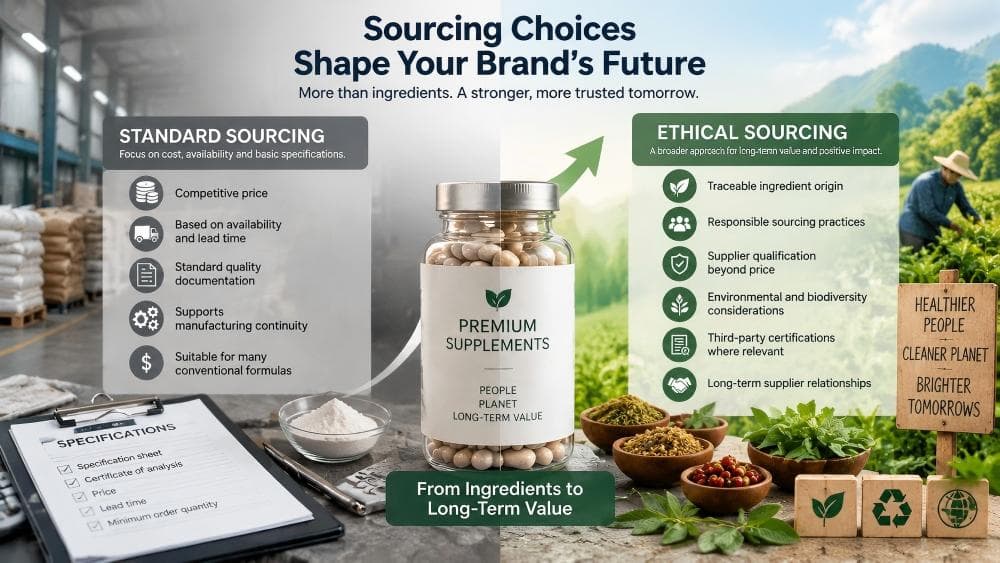


Riverpharm · Supplement Contract Manufacturing
Your supplement brand, manufactured to the highest standard
From first formula to finished product — we handle manufacturing, packaging, and fulfillment so you can focus on building your brand.
Core services
Contract Manufacturing
GMP-certified production with full batch testing and certificate of analysis on every run.
Custom Formulation & R&D
In-house scientists develop your formula from scratch or refine existing blends for efficacy.
Packaging & Labeling
Design-to-print label service — shelf-ready, FDA-compliant, and retail-tested.
FBA Prep & Fulfillment
Amazon-ready prep and direct-to-warehouse shipping — no extra steps on your end.
By the numbers
NSF
NSF/ANSI 455-2 certified
cGMP
Certified environment
24 hr
AI-accelerated quote turnaround
600K
cGMP+ encapsulator capacity per run
Why Riverpharm
Quality systems with higher standards
- NSF/ANSI 455-2 certified
- cGMP-certified environment
- In-house + third-party testing
- Source-locked ingredients
Production capacity with faster execution
- Heavy-duty hardware
- In-house core reserves
- AI-accelerated quotes
- In-house expert hub
Delivery formats we produce
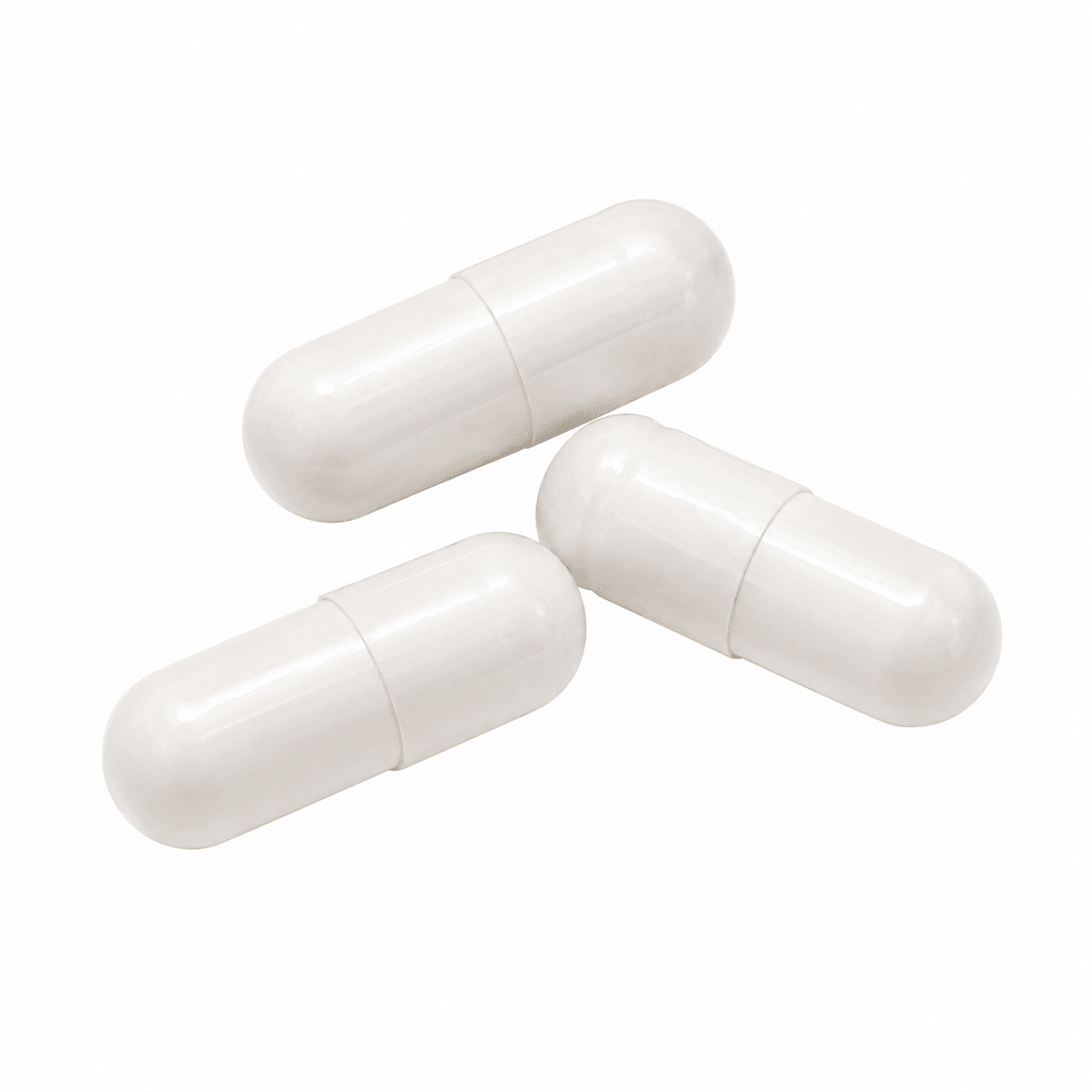
Capsules
Gelatin & HPMC vegetarian
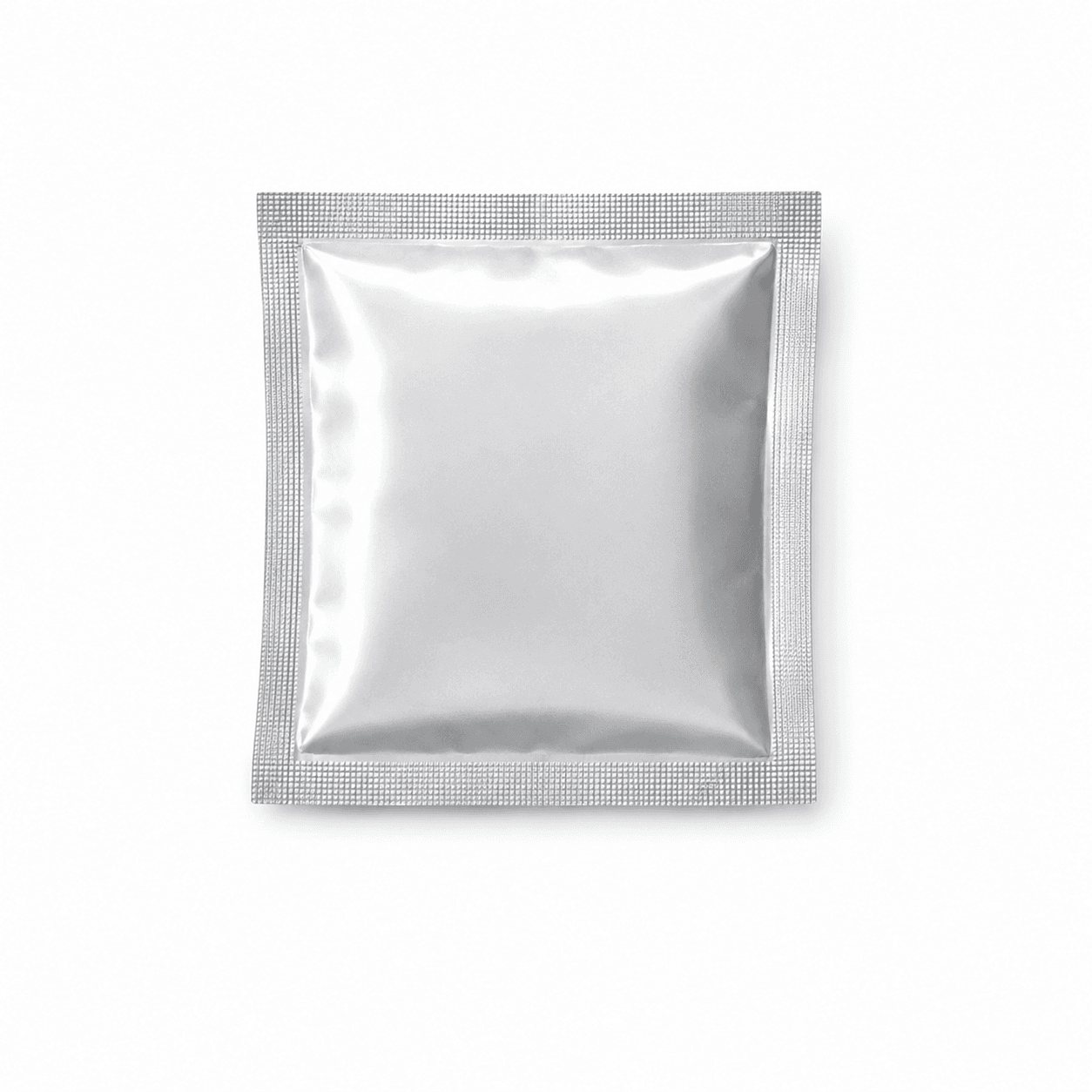
Sachets
Single-dose powder blends
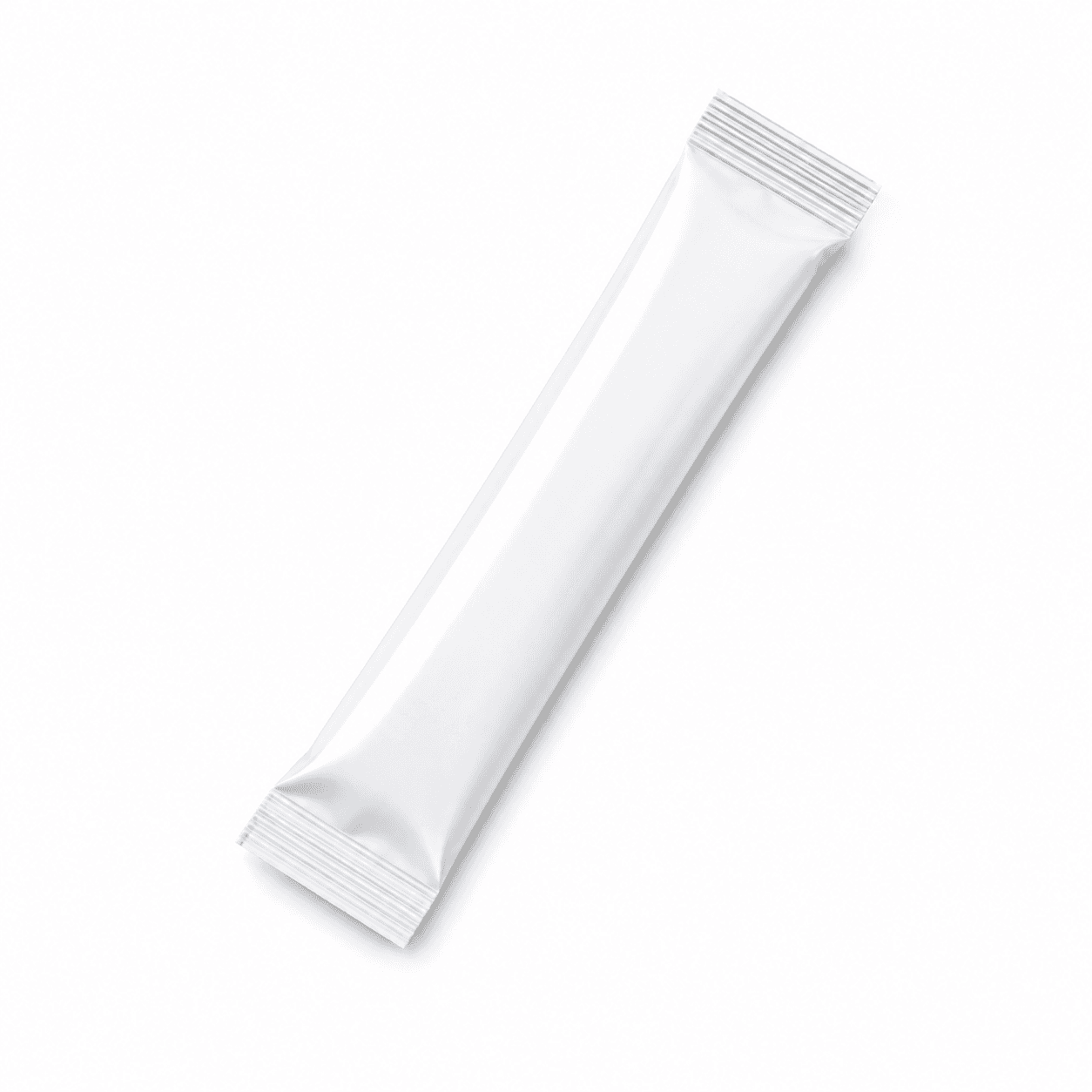
Stick packs
Convenient single-serve
Pouches
Flexible, shelf-ready
Ready to bring your supplement to market?
Free consultation · 24-hour quote · No minimum commitment to get started