Beef Liver Capsules – Science-Backed Benefits and Modern Manufacturing
Desiccated beef liver capsules concentrate key nutrients for energy, skin, and bone health, supported by modern, carefully controlled manufacturing processes.
Understanding Desiccated Beef Liver Capsules
Desiccated beef liver has shifted from a traditional food used by athletes and convalescent patients into a modern, concentrated nutritional ingredient. Today it appears in capsule formulas that aim to provide a "whole‑food micronutrient stack" rather than single isolated compounds. For brands, understanding both the nutritional profile and the production journey from raw liver to finished capsule is essential to creating trustworthy products that align with current health expectations.
What Is Desiccated Beef Liver?
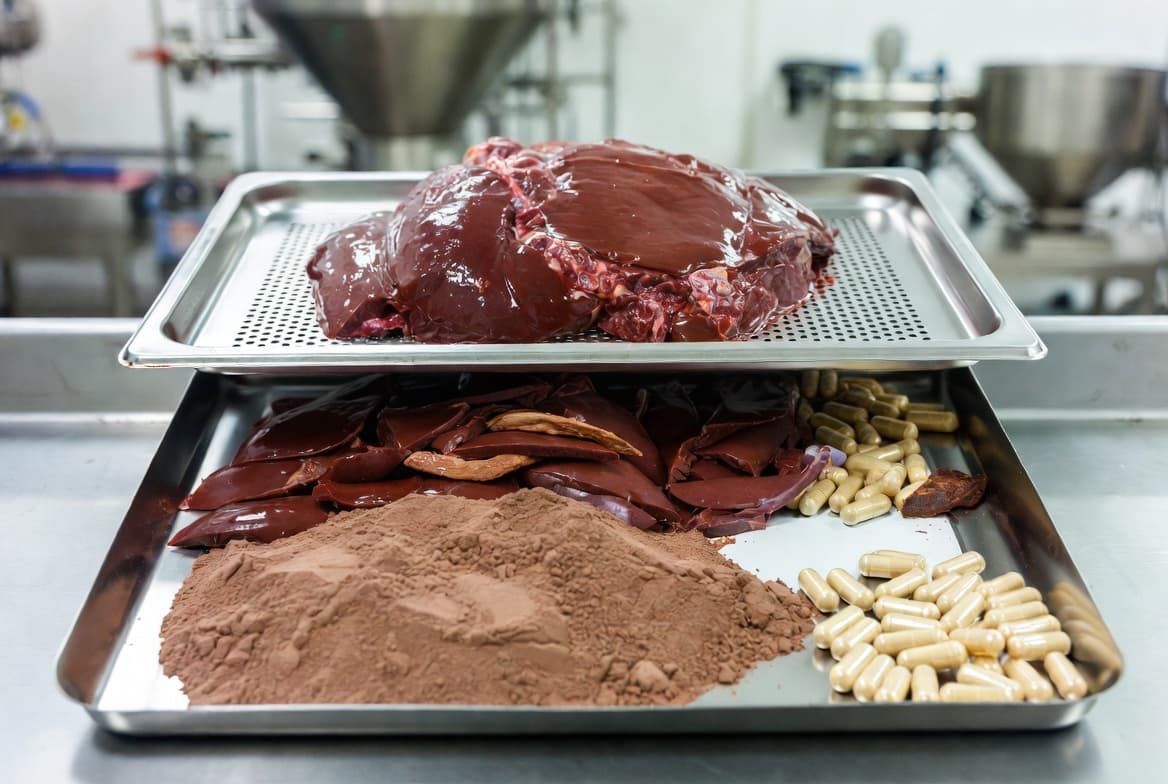
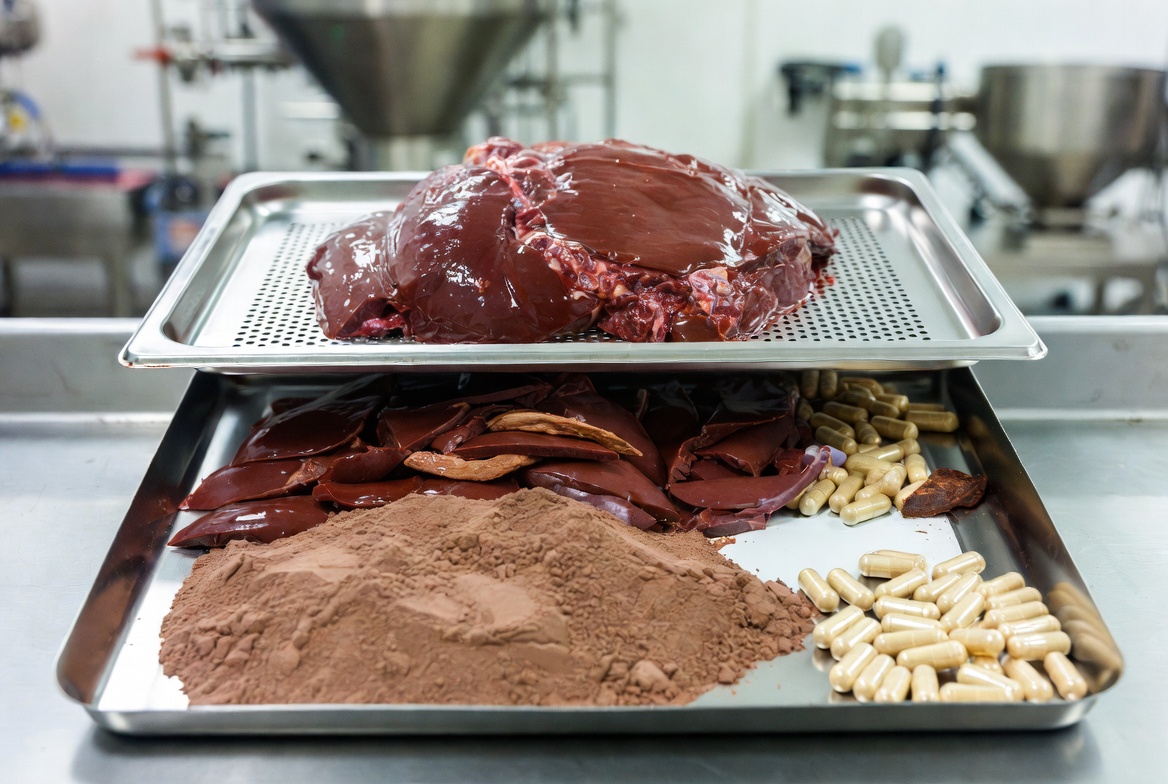
Desiccated beef liver is simply beef liver that has been dehydrated to remove moisture while preserving its naturally occurring nutrients. In most supplement applications, the liver is trimmed and partially defatted before drying so that the final powder is rich in protein and micronutrients but relatively low in fat. Dehydration typically takes place at controlled, relatively low temperatures or via freeze‑drying so that heat‑sensitive vitamins and bioactive compounds remain intact.
Once dried, the liver is milled into a fine powder that can be encapsulated. This powdered form is easier to dose accurately, easier to integrate into multi‑ingredient blends, and far more palatable than consuming cooked liver daily. Encapsulation also helps protect the powder from light, oxygen, and ambient moisture, which can degrade sensitive nutrients over time.
Key Nutrients Found in Beef Liver
Beef liver is one of the most nutrient‑dense foods available, providing an unusually broad range of vitamins, minerals, and amino acids in relatively small servings. When converted into capsules, these nutrients are delivered in a concentrated, easy‑to‑use format.
Vitamins in Beef Liver
Beef liver contains several vitamins that play central roles in human physiology.
- Vitamin A supports cell differentiation, immune function, and vision, and contributes to normal growth and development.
- Vitamin B12 is required for red blood cell formation, homocysteine metabolism, and DNA synthesis, and is often highlighted in formulations targeting energy and cognitive support.
- Folate (vitamin B9) participates in one‑carbon metabolism and nucleic acid synthesis, making it critical for rapidly dividing cells and normal blood formation.
- Niacin (vitamin B3) forms part of NAD and NADP coenzymes that underpin energy metabolism and oxidative reactions in virtually every cell.
- Choline supports lipid transport, methyl group donation, and synthesis of acetylcholine, linking beef liver intake to liver fat metabolism and nervous system function.
These vitamins work together rather than in isolation, which is one reason desiccated liver is often framed as a whole‑food alternative or complement to conventional multivitamins.
Minerals and Protein
In addition to its vitamin content, beef liver provides an array of essential minerals and high‑quality protein.
- Iron is a core component of hemoglobin and myoglobin and supports oxygen transport, energy production, and immune function.
- Phosphorus contributes to bone structure, cell membranes, and energy transfer via ATP.
- Potassium plays key roles in nerve impulse transmission, muscle contraction, and fluid balance.
- Zinc is required for hundreds of enzymatic reactions and contributes to antioxidant defense and immune function.
- Copper participates in iron metabolism, connective tissue formation, and ATP generation.
- Selenium is incorporated into selenoproteins that help regulate oxidative stress and redox balance.
By dry weight, desiccated liver powder contains predominantly protein, offering a mix of essential amino acids that support tissue repair, immune resilience, and structural maintenance throughout the body.
Evidence‑Based Benefits of Beef Liver Capsules
The benefits associated with desiccated beef liver capsules arise from this nutrient matrix rather than from a single compound. While capsules are not intended to treat or cure disease, they can support several functional health domains when used appropriately as part of an overall diet.
Energy and Vitality Support
The combination of vitamin B12, iron, niacin, and other B vitamins in liver supports red blood cell formation and mitochondrial energy production. Historically, liver has been used in clinical and athletic contexts where fatigue, low stamina, or recovery were concerns. Encapsulated liver allows individuals to access this nutrient profile consistently without needing to eat organ meats on a daily basis.
Muscle, Skin, and Bone Health
The high‑quality protein and micronutrients in beef liver contribute to muscle repair and growth, especially when combined with adequate overall protein intake and training stimulus. Liver also contains naturally occurring coenzyme Q10 and antioxidant nutrients that have been investigated for their roles in skin aging and general oxidative stress.
Older experimental work suggests that relying solely on muscle meat can compromise skeletal integrity, while inclusion of organ tissues such as liver, along with adequate minerals, helps support bone structure. Although extrapolation to human use must be cautious, this research provides a useful mechanistic backdrop for formulations that combine desiccated liver with other bone‑supporting nutrients.
Oxygenation, Detoxification, and Antioxidant Capacity
Liver‑derived vitamin B12, iron, and copper collectively support hemoglobin synthesis and red blood cell function, which in turn influence oxygen delivery to tissues. The organ itself is central to detoxification in the body, and laboratory studies suggest that certain liver extracts may stimulate hepatocyte growth and support liver cell function.
At the same time, liver provides antioxidant nutrients such as vitamin A, zinc, and selenium, which contribute to overall oxidative stress management. This combination often underpins positioning of desiccated liver capsules within broader "cellular health" or "vitality" narratives.
From Raw Liver to Capsule – How Manufacturing Works
Turning an animal‑derived ingredient into a stable capsule product requires a controlled, multi‑step manufacturing process. For brands working with a specialized OEM partner, this process is executed according to predefined formulas provided by the client.
Typical OEM Workflow for Liver Capsules
A general workflow for liver capsules includes several key stages:
1. Raw material sourcing and qualification
Fresh liver is sourced from approved suppliers, often with specifications regarding age, origin, and husbandry practices. Documentation is reviewed to confirm compliance with relevant food safety and animal health standards.
2. Pre‑processing and desiccation
The liver is inspected, cleaned, trimmed, and often partially defatted. It is then dehydrated through low‑temperature drying or freeze‑drying to minimize damage to heat‑sensitive nutrients while achieving a microbiologically stable powder.
3. Milling and blending
Dried liver is milled into a uniform particle size that flows reliably during encapsulation. Depending on the client's formula, the liver powder may be blended with flow agents or complementary nutrients such as vitamin C, zinc, or herbal extracts. Content uniformity and physical properties of the blend are validated before capsule filling.
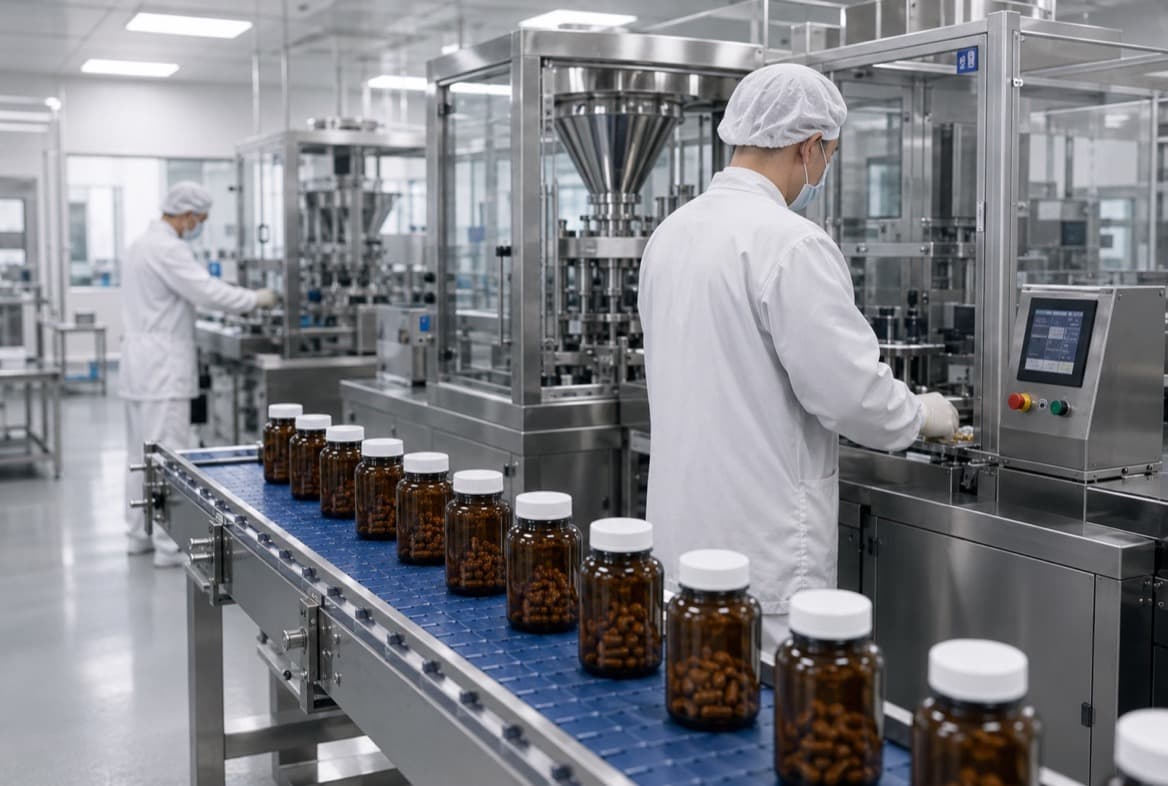
4. Encapsulation and packaging
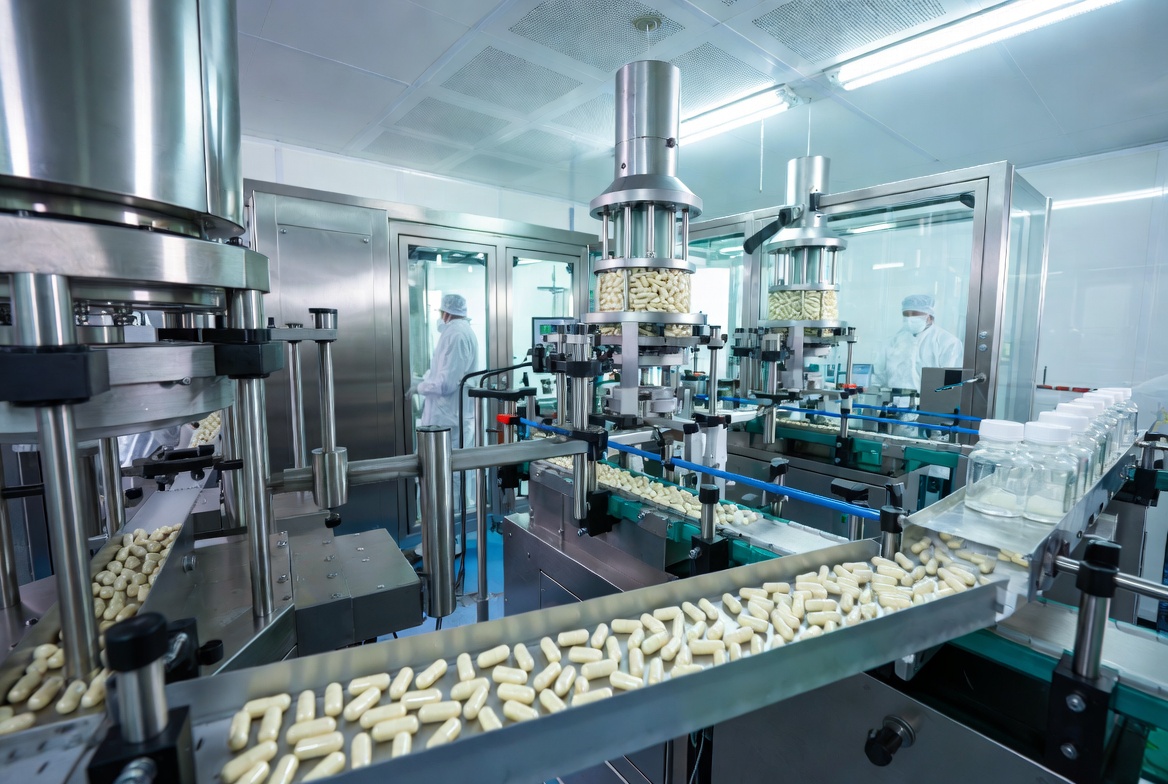
The blend is filled into suitable capsule shells, such as gelatin or plant‑based alternatives. Filled capsules are checked for weight, integrity, and visual quality, then bottled or blister‑packed with appropriate desiccants or barriers to protect against ambient moisture and light.
Throughout this process, routine testing for microbial load, heavy metals, residual solvents, and nutrient content helps ensure that the finished capsules meet agreed specifications.
Custom Development – When Brands Need More Than a Recipe
In many cases, brands approach a manufacturing partner with an idea rather than a detailed formula. A concept might be framed as "whole‑food liver support for athletes" or "liver‑based nutrient blend for busy professionals."
In a custom development scenario, the manufacturer's R&D team works with the brand to define:
- Target user groups and intended use scenarios.
- Desired nutrient ranges, capsule size, and daily serving.
- Co‑ingredients that synergize with liver, such as vitamin C for iron utilization or additional antioxidants.
- Capsule material, packaging format, and sensory considerations such as odor management.
This collaborative model allows the final product to reflect both scientific rationale and brand identity, rather than simply applying a generic formula with a different label. It also supports iterative refinement as new data or market feedback emerge.
Encapsulation Considerations for Animal‑Derived Ingredients
Liver powder itself can often be encapsulated directly after drying and milling, but broader encapsulation science offers tools to improve stability, bioavailability, and user experience when needed. Research on encapsulating bioactive compounds in food systems provides a useful technical background for supplement formulations.
Common Approaches and Trade‑Offs
Several encapsulation techniques are used in food and nutrition applications, each with distinct advantages.
- Spray‑drying allows large‑scale production of powders from liquid feeds and is widely used for vitamins and flavors. However, higher drying temperatures can stress sensitive compounds, so careful selection of wall materials and process parameters is important.
- Freeze‑drying (lyophilization) is gentler and preserves structure and bioactivity more effectively, but is more time‑ and energy‑intensive and often reserved for premium or highly sensitive ingredients.
- Coacervation and related microencapsulation methods can create protective shells around oils and other fragile actives, improving stability in complex foods or multi‑ingredient supplement blends.
- Nanoemulsion and nanocarrier systems may enhance bioavailability and control release of lipophilic nutrients, although they require additional evaluation regarding safety and long‑term stability.
For desiccated liver capsules, the core drying and simple encapsulation steps are usually sufficient, but these more advanced techniques can become relevant when liver is combined with unstable oils or carotenoids, or when specific release profiles are desired.
Stability and Quality Over Shelf Life
Maintaining product quality throughout its shelf life requires attention to several variables:
- Residual moisture after drying.
- Exposure to oxygen and light during storage.
- Temperature fluctuations in distribution.
- Compatibility of capsule shell material with the fill blend.
Using appropriately designed barriers, desiccants, and packaging, along with validated storage conditions, helps preserve nutrient content and sensory qualities over time. This is particularly important for products that highlight specific vitamins or bioactive compounds on their labels.
Designing Beef Liver Capsules for Real‑World Use
Beyond the science and manufacturing, product design decisions have a direct impact on how end users experience liver capsules in daily life. Capsules that are easy to understand, easy to swallow, and easy to integrate into routines are more likely to be used consistently.
Practical Design Choices
Brands can improve usability by considering:
- Capsule size and daily serving – Smaller capsules taken more than once per day can be preferable to large single capsules, especially for users with swallowing difficulties.
- Odor and taste management – Choosing suitable capsule shells and packaging that limit exposure to air can reduce organ‑meat aromas when the container is opened.
- Clear, concise information – Presenting nutrient content, suggested use, and any relevant cautions in straightforward language helps users make informed decisions in consultation with health professionals.
When these practical factors are matched with sound formulation and reliable manufacturing, desiccated beef liver capsules can offer a well‑rounded combination of nutrient density and day‑to‑day usability.
References
1. USDA FoodData Central – Beef, liver, cooked, braised.
2. National Institutes of Health, Office of Dietary Supplements – Vitamin A, Vitamin B12, Folate, Niacin, Iron, Zinc, Copper, Selenium.
3. Linus Pauling Institute, Micronutrient Information Center – Vitamins and essential minerals.
https://lpi.oregonstate.edu/mic
4. Rezagholizade‑shirvan A, McClements D, et al. Bioactive compound encapsulation: characteristics, applications in food systems, and implications for human health. Food Chem: X.
https://www.ncbi.nlm.nih.gov/pmc/articles/PMC11584689
5. Vitaquest. Discover the top benefits of beef liver supplements.
https://vitaquest.com/benefits-of-beef-liver-supplements
6. Cleveland Clinic. Is beef liver good for you?
https://health.clevelandclinic.org/beef-liver-benefits
Hot Tags: Desiccated Beef Liver Capsules, Beef Liver Supplement OEM, Dietary Supplement ODM, Contract Supplement Manufacturing, Capsule Filling Line, Nutrient Dense Organ Meat, Functional Nutrition Formulation, GMP Supplement Factory, Animal Derived Ingredient Encapsulation, B2B Nutrition Brand Development
Did you find this helpful?
Comments (0)
No comments yet. Be the first to comment!
Leave a comment
Related Posts
Riverpharm · Supplement Contract Manufacturing
Your supplement brand, manufactured to the highest standard
From first formula to finished product — we handle manufacturing, packaging, and fulfillment so you can focus on building your brand.
Core services
Contract Manufacturing
GMP-certified production with full batch testing and certificate of analysis on every run.
Custom Formulation & R&D
In-house scientists develop your formula from scratch or refine existing blends for efficacy.
Packaging & Labeling
Design-to-print label service — shelf-ready, FDA-compliant, and retail-tested.
FBA Prep & Fulfillment
Amazon-ready prep and direct-to-warehouse shipping — no extra steps on your end.
By the numbers
NSF
NSF/ANSI 455-2 certified
cGMP
Certified environment
24 hr
AI-accelerated quote turnaround
600K
cGMP+ encapsulator capacity per run
Why Riverpharm
Quality systems with higher standards
- NSF/ANSI 455-2 certified
- cGMP-certified environment
- In-house + third-party testing
- Source-locked ingredients
Production capacity with faster execution
- Heavy-duty hardware
- In-house core reserves
- AI-accelerated quotes
- In-house expert hub
Delivery formats we produce
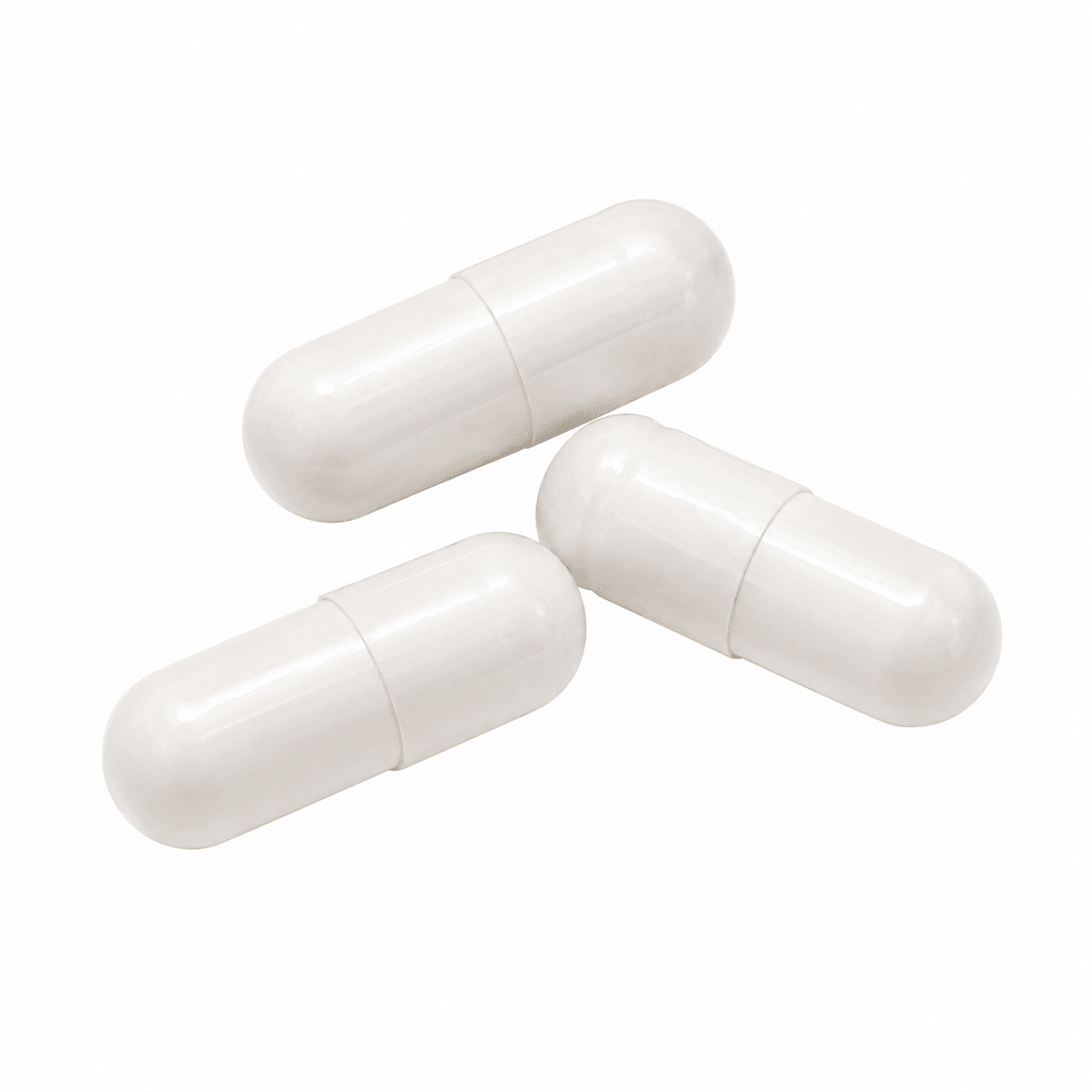
Capsules
Gelatin & HPMC vegetarian
Sachets
Single-dose powder blends
Stick packs
Convenient single-serve
Pouches
Flexible, shelf-ready
Ready to bring your supplement to market?
Free consultation · 24-hour quote · No minimum commitment to get started