Berberine vs. Metformin: Science, Market Dynamics and Formulation Opportunities for Metabolic Health Brands
Berberine and metformin share metabolic pathways but differ in use, evidence and regulation. Learn how berberine can power modern, compliant metabolic products.
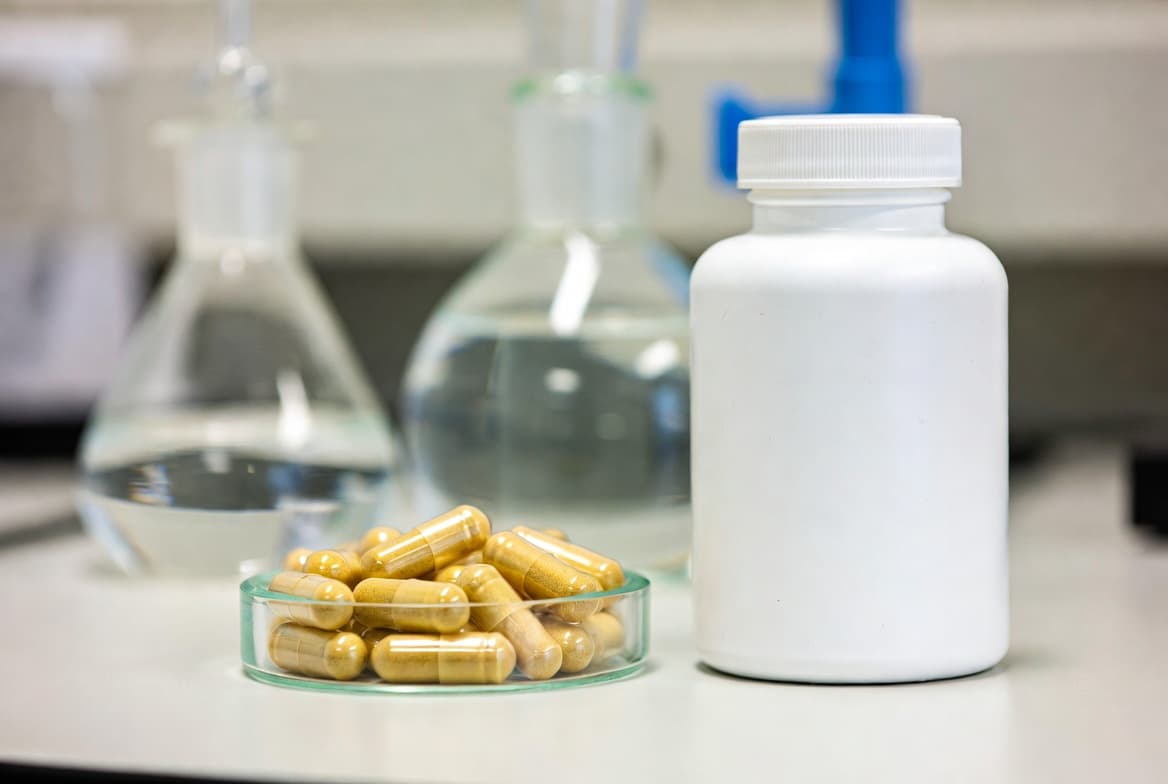
Metabolic health has become one of the defining concerns of modern consumers, and few ingredients illustrate this shift more clearly than berberine and metformin. While one is a botanical compound used in dietary supplements and the other is a long‑standing prescription drug for type 2 diabetes, they share several mechanistic touchpoints and overlapping outcome measures.
For brand owners and product developers, understanding how these two agents compare in terms of mechanisms, evidence, safety and regulatory status is essential to designing credible, differentiated metabolic health products. For OEM/ODM manufacturers, it is equally important to translate that science into robust formulations and manufacturing programs that protect both brands and end consumers.
Why Berberine Is Gaining Momentum in Metabolic Health
Over the past decade, the metabolic health category has expanded from niche blood sugar products to a broad ecosystem of formulations addressing glucose regulation, lipid balance, weight management and cardio‑metabolic wellness. Berberine has moved from traditional use into the mainstream of this category because its clinical data align with parameters that healthcare professionals use every day: fasting plasma glucose, HbA1c, lipid markers and weight.
At the same time, growing interest in lifestyle‑oriented approaches has created demand for non‑prescription solutions that can complement healthy diet and exercise routines. Berberine, as a botanical ingredient with a growing body of human data, fits naturally into this narrative. Brands can build on this trend by designing formulas that respect the boundary between dietary support and medical treatment, while still anchoring their concepts in robust scientific findings.
Mechanisms of Action – How Berberine and Metformin Influence Metabolism
Shared Core Pathways
Despite their different origins, berberine and metformin show striking similarities at the level of fundamental metabolic pathways. Both compounds are known to influence AMP‑activated protein kinase (AMPK), a central energy sensor in cells that regulates glucose uptake, fatty acid oxidation and mitochondrial function. Activation of AMPK in peripheral tissues improves insulin sensitivity and enhances the disposal of circulating glucose.
Both agents also affect hepatic glucose production. By reducing gluconeogenesis in the liver, they help lower fasting plasma glucose, one of the key markers in metabolic health assessments. In addition, research highlights that each compound interacts with the gut environment, including shifts in microbiota composition and bile acid metabolism, further shaping systemic metabolic responses.
Divergent Effects and Practical Implications
Beyond these shared pathways, berberine and metformin diverge in their pharmacokinetics and effect profiles. Metformin is known for strong and consistent glucose‑lowering effects and is widely used as first‑line pharmacologic therapy in type 2 diabetes. Its impact on HbA1c and fasting glucose is well characterized across diverse populations.
Berberine, by contrast, tends to show a more balanced profile across glucose, lipids and body weight. Clinical studies often report moderate reductions in HbA1c and fasting glucose alongside noteworthy improvements in triglycerides, LDL‑cholesterol and body mass index. This broader, multi‑parameter effect pattern makes berberine particularly attractive for product concepts that go beyond blood sugar to encompass overall metabolic balance.
Clinical Evidence – How Close Does Berberine Come to Drug‑Level Outcomes?
Evidence Base for Berberine
Modern clinical research on berberine includes randomized controlled trials and meta‑analyses evaluating its effects on glycemic control, insulin resistance and lipid markers. Across many of these trials, daily doses in the range of 900–1500 mg, typically split into two or three servings, have shown meaningful improvements in HbA1c, fasting plasma glucose and post‑prandial glucose. These studies also report favorable changes in insulin resistance indices, triglycerides and total cholesterol.
Systematic reviews combining data from multiple trials have concluded that berberine can offer clinically relevant benefits in adults with metabolic disturbances, especially when used as an adjunct to lifestyle measures or alongside standard therapies. Some work comparing berberine with oral hypoglycemic agents suggests that, in certain settings, berberine can achieve comparable reductions in glycemic markers, although direct head‑to‑head data remain relatively limited and heterogeneous.
Metformin as the Established Clinical Benchmark
Metformin has been in medical use for decades and remains the most commonly prescribed initial pharmacologic treatment for type 2 diabetes. The drug's ability to reduce HbA1c by around 1–2 percentage points in many patients, together with its relatively low cost and long safety record, has secured its place in treatment guidelines worldwide.
In addition to glycemic control, metformin is associated with favorable effects on body weight and certain cardiovascular risk markers. These broad benefits give metformin a benchmark status in metabolic health, even beyond glycemia. For formulators and brands, the question is not how to mimic metformin exactly, but how to design products that are aware of these benchmarks and can communicate their own roles in supporting metabolic health without overstepping regulatory boundaries.
Safety, Tolerability and Regulatory Context
Tolerability Profiles
Safety and tolerability are central concerns for any product targeting metabolic outcomes. Metformin's most common adverse effects are gastrointestinal, including nausea, diarrhea and abdominal discomfort, particularly when therapy is initiated or doses are increased rapidly. In rare cases, it has been associated with lactic acidosis, especially in individuals with significant kidney impairment or other risk factors, which is why careful medical supervision is required.
Berberine also has a predominantly gastrointestinal side‑effect profile at higher doses, with reports of constipation, diarrhea or stomach discomfort in some users. However, clinical trials generally describe these effects as mild to moderate and transient. Long‑term data are still emerging, but current evidence supports a favorable safety profile when products are formulated and used responsibly within studied dose ranges.
Different Regulatory Categories
For brands and manufacturers, one of the most important distinctions between berberine and metformin is regulatory status. Metformin is an approved drug, available only by prescription, and is subject to stringent pharmaceutical regulations, including specific indications, dosing guidelines and risk management requirements.
Berberine, in contrast, is a botanical constituent used as a dietary ingredient. Products containing berberine are regulated as dietary supplements, which means they must comply with relevant manufacturing standards, labeling rules and claim frameworks. In this context, it is not appropriate to position berberine as a treatment or cure for disease. Instead, formulations should be framed around support for normal physiological functions, such as healthy glucose metabolism, lipid balance or weight management, in line with applicable guidance.
Formulation Opportunities for Berberine‑Based Metabolic Products
Concept 1 – Glucose and Lipid Balance Capsules
One of the most straightforward applications of berberine is a capsule product addressing both glucose metabolism and lipid balance. A typical concept might combine berberine hydrochloride with synergistic ingredients such as alpha‑lipoic acid, chromium and standardized cinnamon extract. Each component can be selected and dosed based on human data that support structure‑function claims related to insulin sensitivity and lipid metabolism.
Capsule formats offer tight control over dose and are a natural fit for clinically oriented brands, practitioner‑dispensed lines and channels where customers expect clear serving instructions and strong evidence narratives. Splitting the daily berberine dose across two or three capsules can also help improve tolerability.
Concept 2 – Metabolic Microbiome Support Powders
Given the growing recognition of the gut–metabolism axis, a second concept involves positioning berberine as part of a powder or stick‑pack product that targets both gut ecology and systemic metabolic markers. In such formulations, berberine can be paired with fermentable fibers such as inulin or resistant starch, along with probiotic strains that have been studied in relation to metabolic markers.
This format is particularly suited to lifestyle‑oriented brands that prioritize flavor, mixability and daily rituals. Consumers can integrate the product into smoothies, water or functional beverages, reinforcing adherence over time. Such formulations also allow for creative sensory differentiation across flavors and packaging styles.
Concept 3 – Cardio‑Metabolic Combination Formulas
A third direction focuses on cardio‑metabolic support, combining berberine with ingredients that address additional cardiovascular and inflammatory markers. For example, plant sterols, omega‑3 fatty acids and selected antioxidants can be combined with berberine to build a formula that speaks to blood sugar, lipids and vascular wellness within a single product.
These more complex formulas are well suited to premium positioning, targeting consumers who understand or are advised about multiple risk factors. For such products, careful attention to ingredient interactions, stability and dosage form is essential, and experienced OEM/ODM partners can add substantial value in design and testing.

Dosage Forms and Packaging – Matching Format to Use‑Case
The choice of dosage form and packaging is more than a cosmetic decision; it shapes dosing accuracy, user experience and adherence. Capsules are often preferred for clinically driven lines and practitioner channels, where precise dosing and minimal excipients are important. They also tend to perform well in export markets that prioritize convenience and portability.
Sachets and stick packs, on the other hand, open up opportunities for flavored powders and more experiential usage, which may be advantageous in direct‑to‑consumer channels or for younger demographics. Soft pouches can reduce packaging cost and support sustainability narratives, especially for bulk formats or subscription models. An OEM/ODM manufacturer with broad format capabilities can help brands align dosage form, packaging and positioning from the earliest stages of product design.
Quality Systems and Third‑Party Certification in Metabolic Health
Metabolic health products occupy a sensitive category where regulators, healthcare professionals and consumers pay close attention to quality and labeling. Robust quality systems and independent certification therefore carry significant strategic weight.
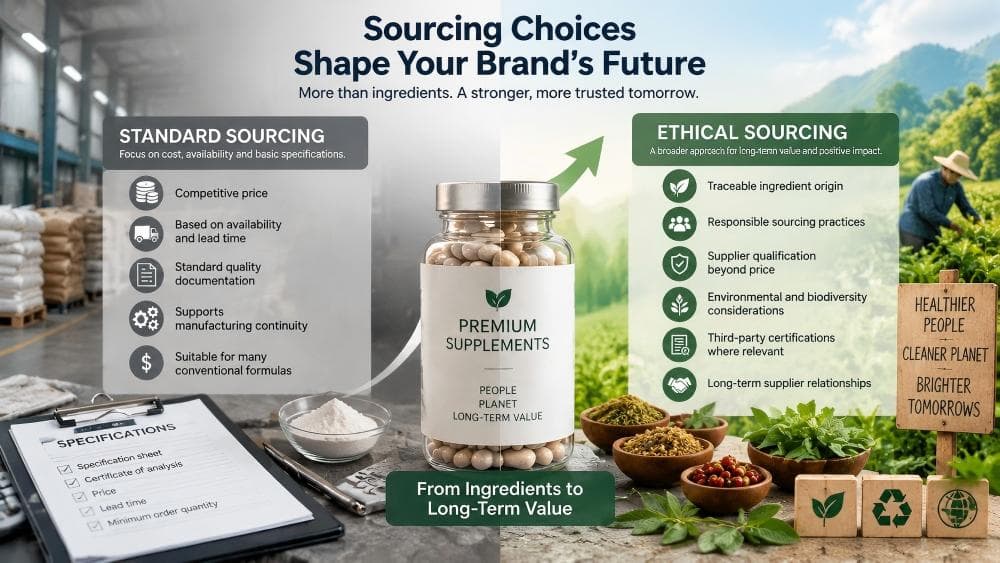
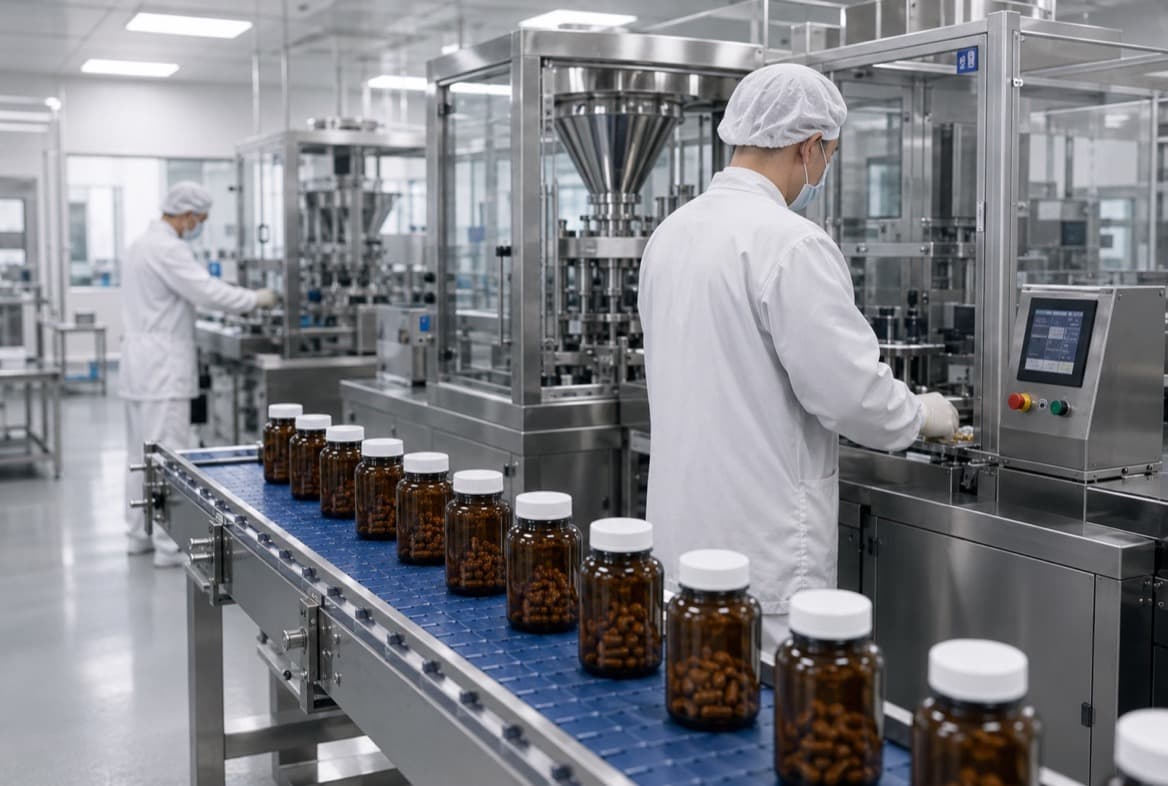
Manufacturing under current Good Manufacturing Practice standards ensures that raw materials are correctly identified, tested for contaminants and verified for potency. In‑process controls and finished product testing further strengthen batch‑to‑batch consistency. When these systems are independently assessed and certified by recognized third parties such as NSF, brands gain an additional layer of credibility that can be communicated to distribution partners and end customers.
For metabolic health products, this is especially important because any deviation in ingredient identity, dosage or purity may have direct consequences for glycemic control and overall safety in populations who may already have health challenges.
OEM and Custom ODM Services – Turning Science into Scalable Products
An OEM/ODM manufacturer with experience in dietary supplements and metabolic health categories can play a central role in transforming the berberine–metformin comparison into actual products. In a classic OEM model, the client provides a complete formula, and the manufacturer focuses on scaling, quality control and packaging according to established specifications.
Custom ODM services offer an expanded partnership. In this model, the client usually brings target outcomes or benchmark products—such as "a berberine‑anchored cardio‑metabolic capsule comparable in concept to leading blood sugar support formulas"—and the manufacturer's R&D team works to design a formula, select ingredient suppliers, define specifications and pilot production. Importantly, this process does not rely on generic, label‑ready templates; instead, each formula is built to match specific scientific, commercial and regulatory objectives.
Practical Roadmap for Developing a Berberine‑Centered Metabolic Line
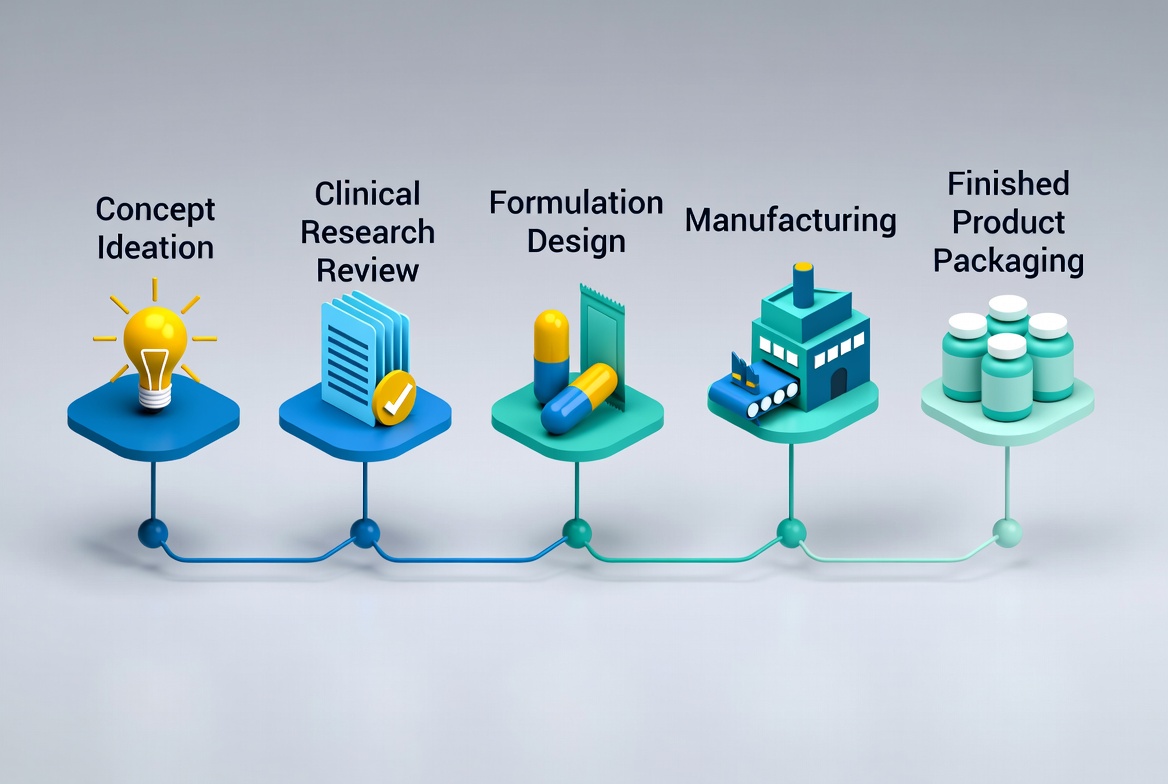
Step 1 – Define Health Focus and Claim Boundaries
The first step is to identify the primary and secondary benefits the product will emphasize, such as blood sugar support, lipid balance, body weight, or a broader cardio‑metabolic angle. These priorities must be mapped against existing human data, and the resulting claim set must remain within the permitted structure‑function claim framework for dietary supplements in the target markets.
Step 2 – Benchmark Internally Against Clinical Data
Next, product developers should review available outcome data on berberine and relevant co‑actives, focusing on endpoints like HbA1c, fasting glucose, triglycerides and body weight. These benchmarks inform decisions on dosing ranges and ingredient combinations, and they guide internal expectations around the magnitude and time course of effects.
Step 3 – Select Ingredients and Dose Ranges
Based on that analysis, formulators can select a berberine extract and define daily dose ranges that align with the evidence and with the intended user profile. Co‑actives are chosen to complement berberine's primary effects, support additional claims and fit within price and capsule/powder size constraints. Attention should be given to ingredient quality, standardization and supply chain consistency.
Step 4 – Choose Dosage Form and Packaging Strategy
Decisions on capsule versus powder, multi‑dose versus once‑daily formats, and bottle versus sachet or pouch packaging need to reflect both scientific and marketing considerations. These choices influence user adherence, perceived value and channel fit. Early alignment between brand and manufacturer helps avoid costly reformulation later.
Step 5 – Build a Robust Quality and Testing Program
Finally, a detailed quality plan is established, covering raw material qualification, in‑process checks, finished product testing and stability studies. Third‑party certification is often integrated into this plan, providing independent confirmation that the finished products meet defined standards for identity, purity and potency. This integrated approach turns the scientific promise of berberine into a stable, repeatable and defensible commercial offering.
Bringing It All Together for Metabolic Health Brands
Berberine's rise in the metabolic health space reflects a convergence of scientific progress, consumer demand and product innovation. Its mechanistic overlap with metformin, combined with a growing body of clinical evidence on glucose, lipids and weight markers, gives brands a sophisticated platform on which to build dietary supplement concepts. Metformin, meanwhile, continues to define the therapeutic benchmark in pharmacologic treatment of type 2 diabetes.
For brands, the strategic opportunity lies in using the berberine–metformin comparison as an internal compass rather than a marketing slogan. Products can be designed to support key metabolic processes, respect regulatory boundaries and communicate their value to consumers and professional audiences in a precise, responsible way. OEM/ODM manufacturers with deep category experience and strong quality systems are well positioned to help brand owners turn this vision into stable, scalable and internationally viable product lines.
References
1. National Institutes of Health – National Library of Medicine. "Efficacy of Berberine in Patients with Type 2 Diabetes." https://pubmed.ncbi.nlm.nih.gov
2. National Institutes of Health – National Library of Medicine. "Metformin and Berberine, Two Versatile Agents in the Treatment of Metabolic Disorders." https://pubmed.ncbi.nlm.nih.gov
3. National Institutes of Health – National Library of Medicine. "Berberine in the Treatment of Type 2 Diabetes Mellitus: A Systematic Review." https://pubmed.ncbi.nlm.nih.gov
4. The Journal of Evidence‑Based Complementary & Alternative Medicine. "The Effect of Berberine on Metabolic Profiles in Type 2 Diabetic Patients: A Systematic Review and Meta‑Analysis of Randomized Controlled Trials." https://onlinelibrary.wiley.com
5. JAMA Network Open. "Berberine Ursodeoxycholate for Type 2 Diabetes Treatment: A Phase 2 Randomized Clinical Trial." https://jamanetwork.com
6. ClinicalTrials.gov. "Effect of Berberine Versus Metformin on Glycemic Control." https://clinicaltrials.gov
7. U.S. Food and Drug Administration. "Dietary Supplements – Guidance, Regulations and Labeling Resources." https://www.fda.gov
8. NSF International. "Dietary Supplement Certification and Good Manufacturing Practice Programs." https://www.nsf.org
Hot Tags: Berberine Vs Metformin, Metabolic Health Supplements, Blood Sugar Support Capsules, Berberine OEM Manufacturing, Custom ODM Formulation, Cardio Metabolic Products, NSF Certified Supplement Factory, Glucose And Lipid Balance, Microbiome Focused Powders, Practitioner Grade Berberine Formulas
Did you find this helpful?
Comments (0)
No comments yet. Be the first to comment!
Leave a comment
Related Posts

Riverpharm · Supplement Contract Manufacturing
Your supplement brand, manufactured to the highest standard
From first formula to finished product — we handle manufacturing, packaging, and fulfillment so you can focus on building your brand.
Core services
Contract Manufacturing
GMP-certified production with full batch testing and certificate of analysis on every run.
Custom Formulation & R&D
In-house scientists develop your formula from scratch or refine existing blends for efficacy.
Packaging & Labeling
Design-to-print label service — shelf-ready, FDA-compliant, and retail-tested.
FBA Prep & Fulfillment
Amazon-ready prep and direct-to-warehouse shipping — no extra steps on your end.
By the numbers
NSF
NSF/ANSI 455-2 certified
cGMP
Certified environment
24 hr
AI-accelerated quote turnaround
600K
cGMP+ encapsulator capacity per run
Why Riverpharm
Quality systems with higher standards
- NSF/ANSI 455-2 certified
- cGMP-certified environment
- In-house + third-party testing
- Source-locked ingredients
Production capacity with faster execution
- Heavy-duty hardware
- In-house core reserves
- AI-accelerated quotes
- In-house expert hub
Delivery formats we produce
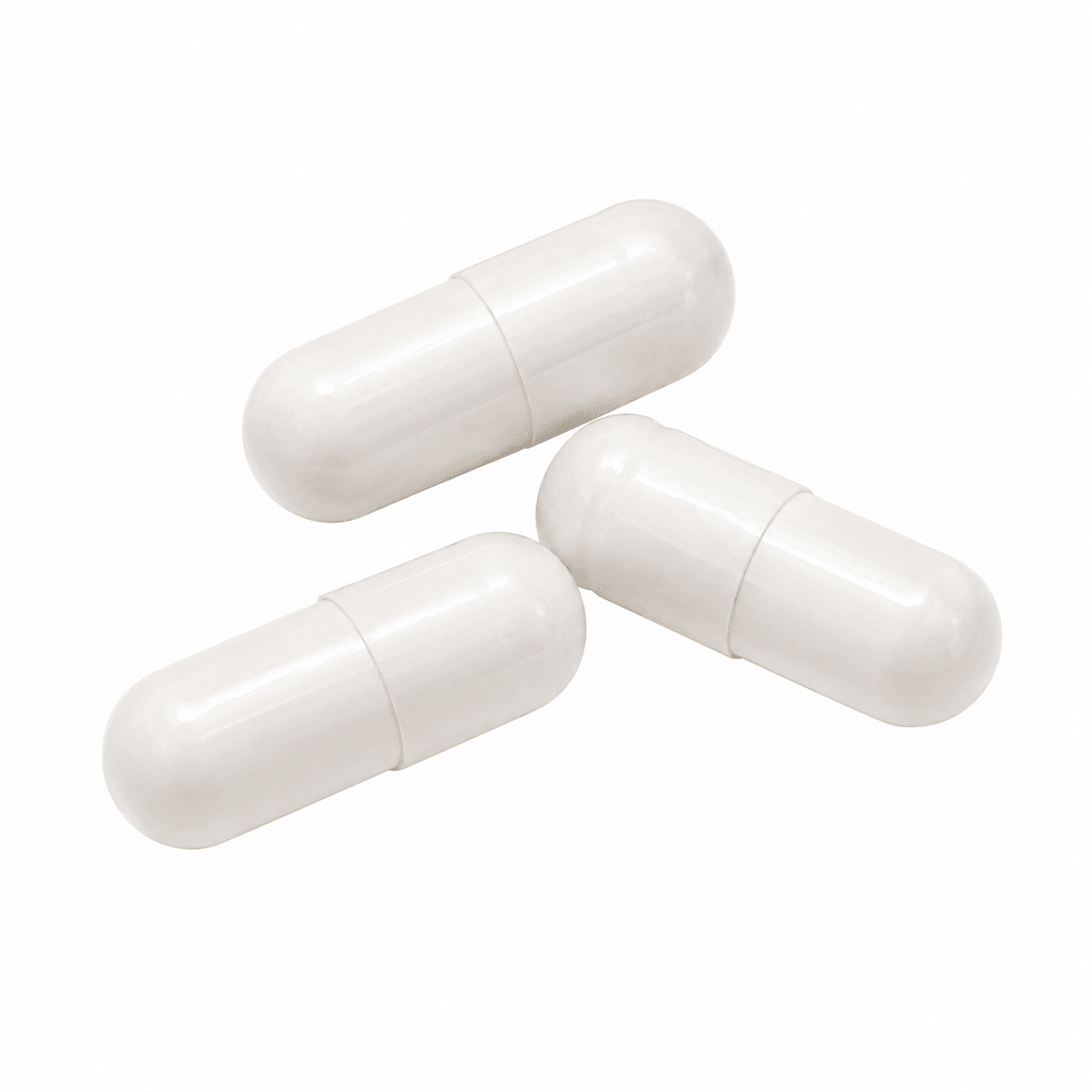
Capsules
Gelatin & HPMC vegetarian
Sachets
Single-dose powder blends
Stick packs
Convenient single-serve
Pouches
Flexible, shelf-ready
Ready to bring your supplement to market?
Free consultation · 24-hour quote · No minimum commitment to get started