Capsules vs Other Supplement Forms: Which Delivery Format Is Best for Your Nutraceutical Brand?
Capsules offer a powerful balance of bioavailability, manufacturing efficiency and user experience, helping nutraceutical brands scale differentiated, GMP compliant products globally.
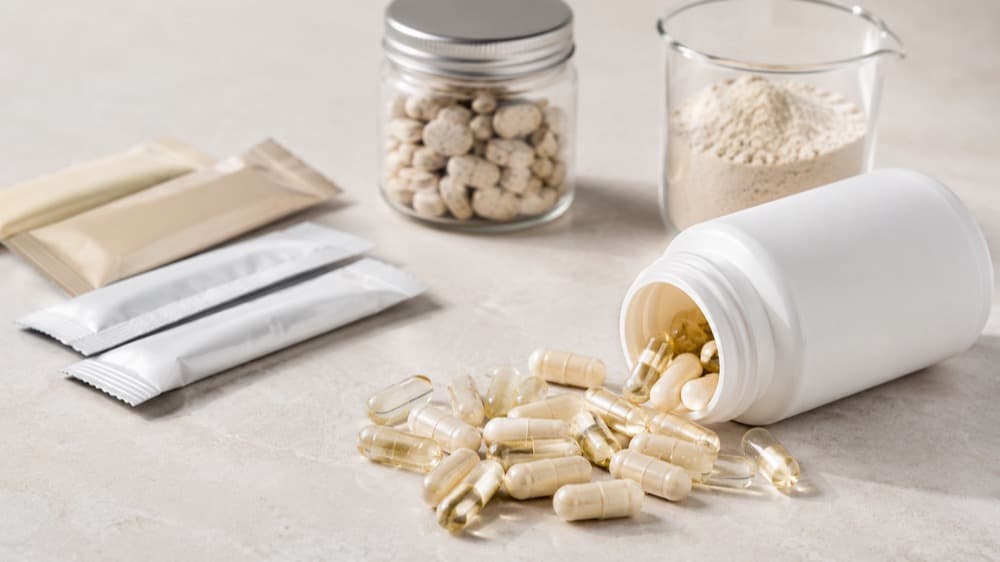
Capsules remain one of the most trusted, scalable, and regulation-friendly dosage forms for modern dietary supplements, especially for brands working with OEM/ODM partners that prioritize precision, stability, and clean-label formulation. For supplement brands choosing between capsules and other delivery formats such as powders or liquids, understanding how capsules perform across efficacy, compliance, cost, and manufacturing flexibility is critical to building a sustainable product portfolio.
Capsules vs Other Supplement Formats: An Expert Overview
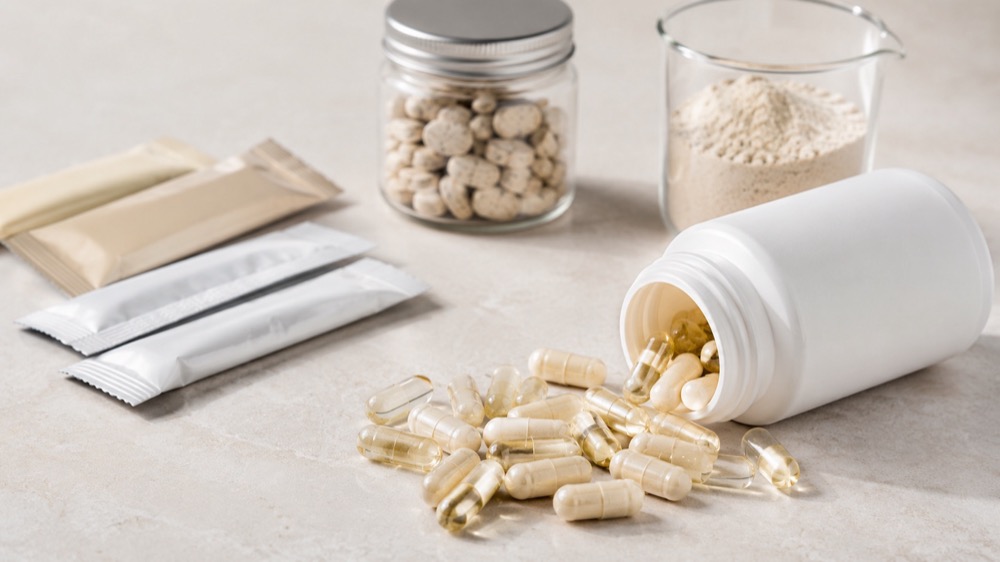
For most nutraceutical brands, capsules compete primarily with tablets, powders, liquids, and stick packs rather than gummies, which are often constrained by sugar content, shelf life, and active load. Capsules offer a versatile platform to deliver complex formulations, higher dosages, and sensitive ingredients while maintaining a consumer-friendly experience and compliant marketing positioning.
From an OEM/ODM perspective, capsules are particularly attractive because they can be produced at scale using standardized equipment, cGMP-compliant processes, and robust quality control frameworks. This allows brands to move quickly from concept to market without compromising on stability, bioavailability-oriented design, or regulatory alignment.
Why Capsules Remain a Core Dosage Form in Modern Supplement Portfolios
Capsules have evolved from a traditional pharmaceutical dosage form into a strategic delivery vehicle for dietary supplements, functional nutrition products, and condition-specific formulations. Rising global demand for nutraceuticals and preventive health solutions continues to drive capsule consumption, supporting a strong long-term market outlook.
According to recent industry data, the empty capsules market reached about 3.1 billion USD in 2023 and is projected to grow at a compound annual growth rate (CAGR) of around 6.3% through 2032, fueled largely by dietary supplement demand. This growth reflects both consumer acceptance of capsules and ongoing innovation in materials, filling technology, and formulation strategies.
Capsule-Based Supplements vs Gummies – Framing the Comparison
Even though gummies are highly visible in consumer marketing, capsules still dominate when brands need precise dosing, complex formulas, or cleaner nutritional profiles. Gummies often require added sugars, texturizers, and heat-intensive processing that can limit active ingredient choices and reduce stability for certain nutrients.
By contrast, capsules allow formulators to work with powders, granules, and certain semi-solids, integrating multiple actives and functional excipients without compromising label claims or shelf life as easily. For OEM/ODM partners like River Pharm Inc that focus on capsules, this means they can help brands deliver more sophisticated formulas with higher active loads and tailored release characteristics.
Key Advantages of Capsule Supplements for Brand Owners
Precision Dosing and Complex Formulations
Capsules are ideal when brands need accurate, repeatable dosing—for example, high-dose minerals, standardized botanical extracts, or multi-ingredient blends. Modern capsule filling technologies are designed to tightly control fill weights and blend uniformity, helping ensure each dose remains within specification throughout production runs.
Because capsules can hold powder blends, granules, and certain beadlets, they make it easier to combine synergistic ingredients—such as adaptogens, amino acids, and micronutrients—into a single daily serving. This is especially valuable for B2B brands that need to differentiate with multi-benefit formulations without pushing consumers into taking multiple products.
Stability and Shelf-Life Performance
Encapsulated powders are generally more protected from oxygen, light, and moisture compared with open powders or liquids, which can greatly influence stability. For sensitive nutrients such as certain vitamins, probiotics, or plant-based actives, this barrier helps brands maintain potency over the product's intended shelf life.
In addition, capsule formulations can be engineered with specific excipients to enhance flow, prevent clumping, and stabilize hygroscopic ingredients, improving performance in diverse climates and distribution channels. This is important for export-focused brands that ship to multiple markets with varying humidity and temperature conditions.
Consumer Experience and Compliance
While gummies are often marketed for their taste and fun factor, research and market practice show that many consumers still prefer capsules due to their low sugar content, convenience, and pharmaceutical-like trust. Capsules are typically easy to swallow, neutral in taste, and perceived as more "serious" or "clinical," especially for condition-focused or premium wellness products.
From a UX standpoint, capsules also support tidy daily routines: consumers can carry a small bottle, count capsules quickly, and integrate them into existing medication or supplement regimens without adding calories or sweetness.
Industry Data – Capsule Market Growth and Trends
The global empty capsules market reached approximately 3.1 billion USD in 2023 and is expected to grow to around 5.3 billion USD by 2032, with dietary supplements as a major growth driver. This pattern is closely linked to rising interest in preventive health, active lifestyles, and holistic wellness, particularly in North America, Europe, and Asia-Pacific.
Within this growth, manufacturers are investing in gelatin and plant-based capsule technologies, as well as specialized formats such as acid-resistant capsules for gut-focused formulations and controlled-release systems. These innovations give OEM/ODM partners more flexibility when co-developing products that align with vegan, halal, or clean-label positioning.
Technical View – How Capsule Formulation and Manufacturing Works
Step-by-Step Capsule Development Workflow
In a typical capsule formulation development project, R&D teams follow a structured workflow that ensures both performance and manufacturability. Key steps include:
1. Pre-formulation studies – Analyze active ingredients for solubility, stability, hygroscopicity, and particle size.
2. Excipient selection – Choose carriers and functional excipients (anti-caking agents, flow enhancers, disintegrants) that are compatible with actives and desired release profile.
3. Capsule type selection – Decide between hard gelatin or alternative capsule shells, based on regulatory, dietary, and formulation criteria.
4. Fill design and sizing – Determine target fill weight, bulk density, and capsule size to balance consumer swallowability with desired dose.
5. Process optimization – Validate mixing, granulation (when needed), and filling parameters to ensure consistent uniformity and throughput.
6. Stability and performance testing – Run stability studies and dissolution tests to confirm that the product remains within specification over its shelf life.
For brands working with an experienced OEM/ODM partner, many of these steps are managed in-house, but transparent collaboration is essential to align on claims, compliance, and cost structure.
Encapsulation Technology and Quality Control
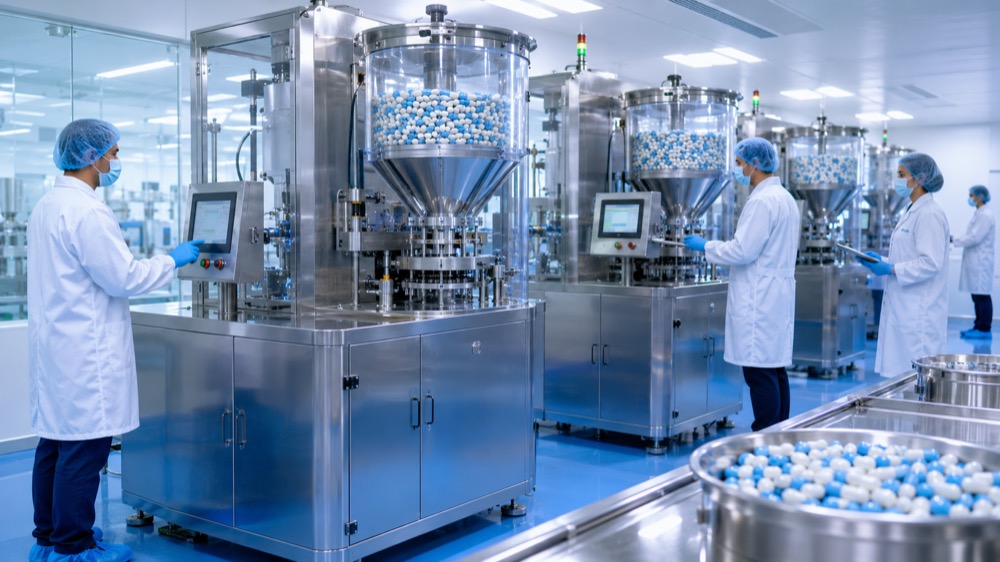
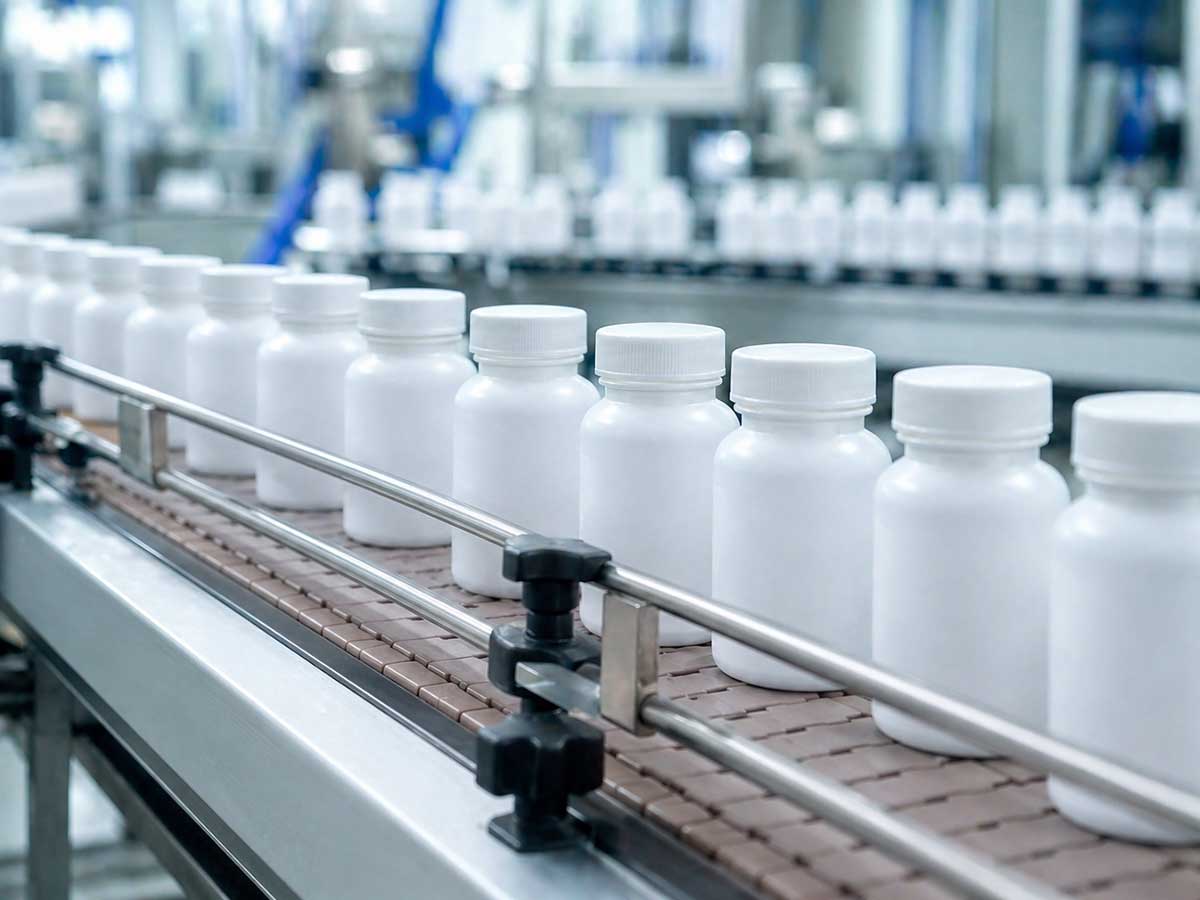
Modern encapsulation lines use automated capsule filling machines that can handle a range of fill weights, blend types, and capsule materials, enabling rapid switching between SKUs. In-process controls monitor weight variation, fill uniformity, and defect rates, helping manufacturers maintain compliance with cGMP and customer specifications.
Quality systems typically include batch-level documentation, traceability, and environmental controls, which are crucial for export markets and regulatory inspections. For brand owners, this manufacturing infrastructure translates into a reliable, scalable path from pilot batches to full commercial runs.
From OEM to Custom ODM – How River Pharm-style Partnerships Support Brand Growth
While OEM services are often about "you bring the formula, we manufacture", custom ODM goes a step further by co-developing formulations based on a brand's strategic direction, reference products, or target benefits. This model is particularly valuable for brands that have clear market positioning but limited internal R&D resources.
A typical custom ODM engagement might start with a reference product or a defined benefit area (for example, sleep support, cognitive focus, or joint comfort), and then move into tailored formula design, capsule selection, and packaging decisions. When gummies are not part of the manufacturer's scope, capsules, small sachets, stick packs, and flexible pouches can still cover a wide range of consumer experiences and channel strategies.
When Capsules Are the Strategic Choice
Aligning Format with Brand Positioning
From a UX and brand strategy viewpoint, capsules work best when a brand wants to emphasize science, precision, and trust rather than indulgence or novelty. This is especially true for:
- Condition-focused products (e.g., sleep support, joint health, cognitive function).
- High-potency or multi-active formulations where sugar or flavor systems could undermine positioning.
- Markets with stricter regulatory environments where candy-like formats may raise scrutiny.
When brands build their portfolios with capsules as a foundation, they can maintain consistent dosing logic, easy-to-understand usage instructions, and standardized packaging formats that simplify logistics and shelf presentation.
Improving User Experience with Capsule Products
Even within capsules, UX can be optimized through capsule size selection, daily capsule count, and clear front-of-pack communication. Examples include:
- Keeping daily capsule counts low (for example, 1–2 capsules per day) where possible.
- Using capsule sizes that remain comfortable for key demographics (such as older adults).
- Providing simple, bold instructions and benefit statements that align with regulatory guidance rather than disease claims.
Actionable Steps for Brands Considering Capsules
Brands that are evaluating capsules as a core format can follow a simple decision-making framework grounded in UX, formulation, and regulatory alignment.
Step-by-step decision checklist:
1. Clarify your primary benefit and audience – Are you targeting performance, wellness, or specific life stages?
2. Define dosage and formula complexity – Do you need multiple actives, standardized extracts, or high-potency dosing?
3. Assess label and regulatory requirements – Are you operating in multiple markets with varying rules?
4. Select capsule format and supporting packaging – Choose capsule type and complementary packaging such as bottles, sachets, or flexible pouches.
5. Partner with a capsule-focused OEM/ODM – Work with a manufacturer experienced in capsule R&D and production to align formulation, quality, and scale.
Clear Call to Action for Brand Owners
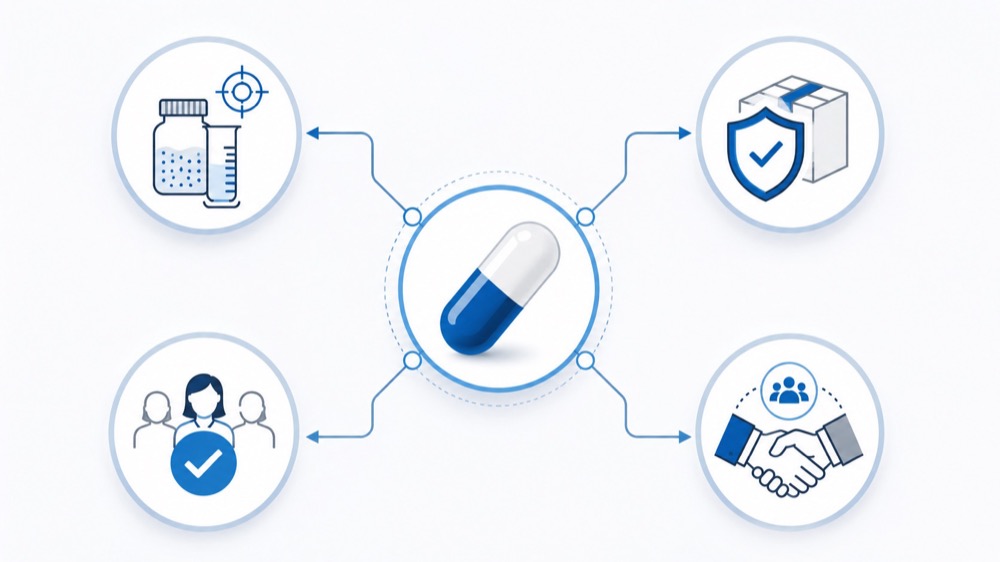
If your brand is looking to build or expand a capsule-based supplement line, now is an ideal time to align with an OEM/ODM partner that specializes in capsule formulation, filling, and packaging. With a strong market growth outlook and increasing consumer trust in science-driven products, capsules provide a resilient backbone for both domestic and export-oriented portfolios.
By collaborating with a capsule-focused manufacturer—particularly one that offers both OEM (formula-to-manufacturing) and custom ODM (concept-to-formulation-to-manufacturing) services—you can accelerate product development, streamline regulatory preparation, and deliver consistent, high-quality experiences to your customers.
Ready to develop your next capsule-based supplement? Contact our OEM/ODM team to discuss formulation options, dosage strategies, and packaging solutions tailored to your brand.
FAQ – Capsule Supplements and Manufacturing
Q1: Why choose capsules instead of gummies for my next supplement launch?
A1: Capsules support higher active loads, cleaner labels, and tighter dosing precision, making them ideal for science-led or condition-focused products, while gummies often prioritize taste and may require sugars and stabilizers.
Q2: Are plant-based capsules as stable as gelatin capsules?
A2: Both gelatin and plant-based capsules can be formulated for robust stability when paired with appropriate excipients and packaging; the choice often depends on dietary preferences, regulatory requirements, and target markets.
Q3: How many active ingredients can fit into one capsule?
A3: The number of actives depends on dosage requirements, bulk density, and capsule size, but well-designed blends commonly combine multiple vitamins, minerals, botanicals, and functional ingredients in one or two daily capsules.
Q4: What certifications should I look for in a capsule manufacturer?
A4: Look for cGMP compliance, relevant regional certifications, and evidence of robust quality systems such as environmental controls, traceability, and third-party testing where applicable.
Q5: How long does it take to go from capsule concept to commercial production?
A5: Timelines vary based on formulation complexity and regulatory requirements, but with an experienced OEM/ODM partner, many capsule projects move from concept to production in a few months, including R&D, pilot runs, and stability checks.
References
1. 1Digital Agency – "Supplement SEO Company | Vitamin SEO Services" – guidance on E-E-A-T and compliant supplement content strategies. https://www.1digitalagency.com/supplement-seo-company/
2. Jiabeikang (Guangzhou) Pharmaceutical Holding Co., Ltd – OEM/ODM supplements manufacturing overview. https://jbksupplements.com/oem-odm-services/
3. Upperton – "A Guide to Successful Capsule Formulation Development" – capsule formulation and process steps. https://upperton.com/a-guide-to-successful-capsule-formulation-development/
4. Global Market Insights – "Empty Capsules Market Size & Share, Forecast 2032" – market size and CAGR data. https://www.gminsights.com/industry-analysis/empty-capsules-market
5. Canal – "5 High-Demand Supplement Products to Dropship in 2025" – marketing insights for various supplement formats. https://www.shopcanal.com/blog/supplement-dropshipping
6. Pharma Tech Industries – "Nutritional Health & Medical Foods CDMO" – contract manufacturing capabilities for nutritional products. https://pharma-tech.com/nutritional-health-medical-foods/
7. Enhanced Labs – "Gummy vs. Capsule: Which Supplement is Best for you?" – high-level comparison of capsules and gummies. https://enhanced-labs.com/gummies-vs-capsules-which-is-right-for-you/
Hot tags: Capsule Supplements, OEM Capsule Manufacturing, Capsule Supplement Manufacturer, Capsule Vs Powder Supplements, B2B Supplement Manufacturer, Custom Capsule Formulation, Nutraceutical Capsule Production, Private Label Capsule Supplements, Supplement OEM ODM Partner, Capsule Dosage Form Development
Did you find this helpful?
Comments (0)
No comments yet. Be the first to comment!
Leave a comment
Related Posts

Riverpharm · Supplement Contract Manufacturing
Your supplement brand, manufactured to the highest standard
From first formula to finished product — we handle manufacturing, packaging, and fulfillment so you can focus on building your brand.
Core services
Contract Manufacturing
GMP-certified production with full batch testing and certificate of analysis on every run.
Custom Formulation & R&D
In-house scientists develop your formula from scratch or refine existing blends for efficacy.
Packaging & Labeling
Design-to-print label service — shelf-ready, FDA-compliant, and retail-tested.
FBA Prep & Fulfillment
Amazon-ready prep and direct-to-warehouse shipping — no extra steps on your end.
By the numbers
NSF
NSF/ANSI 455-2 certified
cGMP
Certified environment
24 hr
AI-accelerated quote turnaround
600K
cGMP+ encapsulator capacity per run
Why Riverpharm
Quality systems with higher standards
- NSF/ANSI 455-2 certified
- cGMP-certified environment
- In-house + third-party testing
- Source-locked ingredients
Production capacity with faster execution
- Heavy-duty hardware
- In-house core reserves
- AI-accelerated quotes
- In-house expert hub
Delivery formats we produce
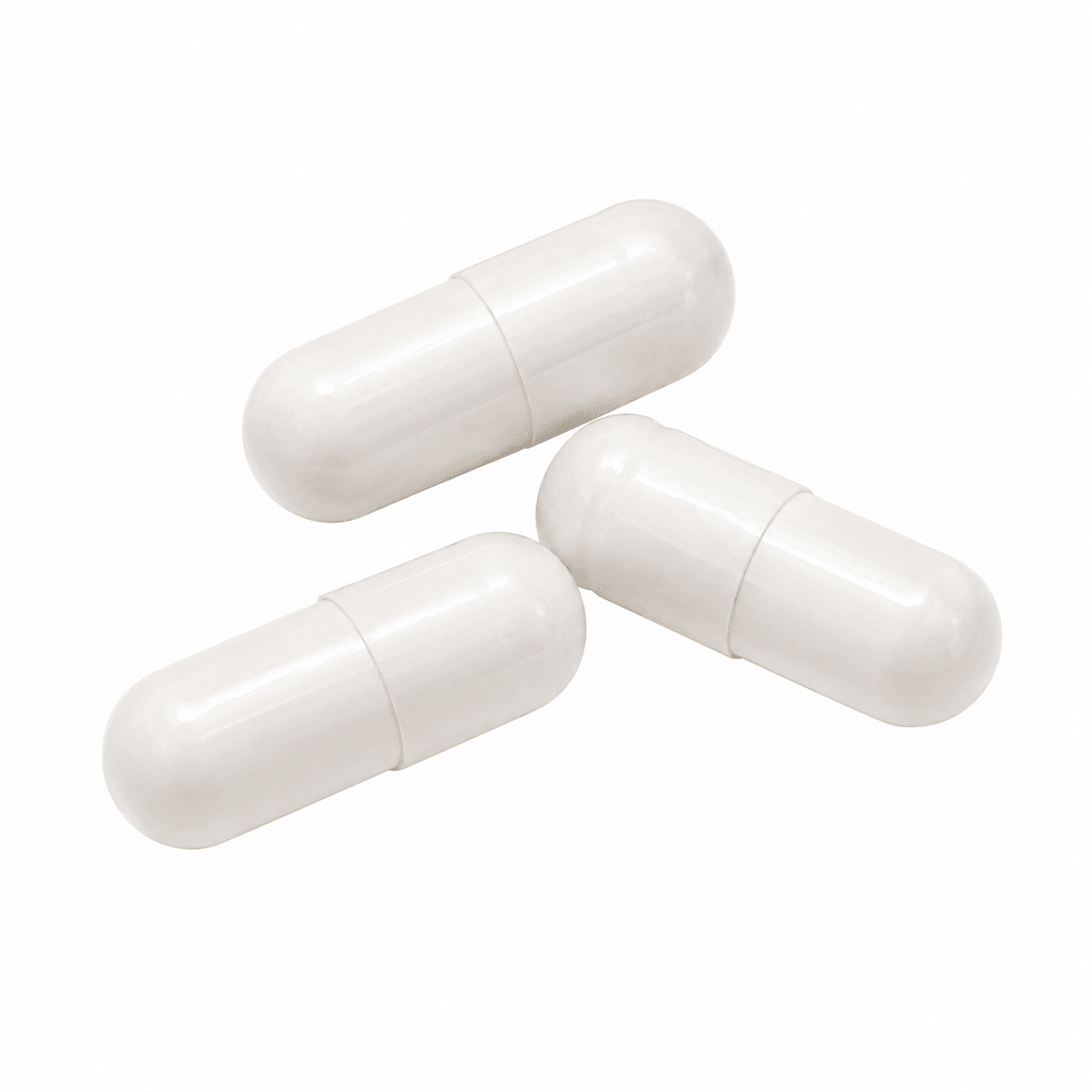
Capsules
Gelatin & HPMC vegetarian
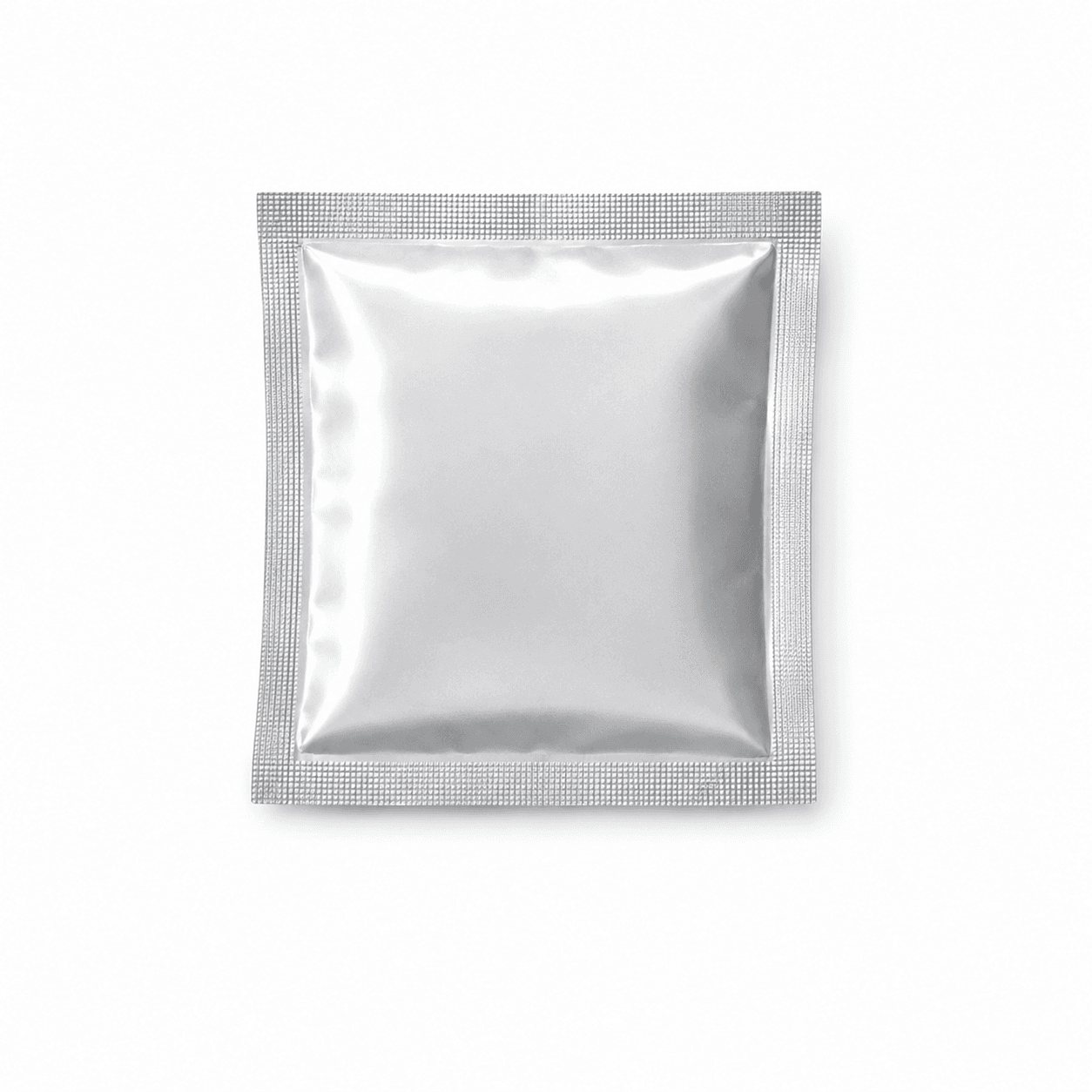
Sachets
Single-dose powder blends
Stick packs
Convenient single-serve
Pouches
Flexible, shelf-ready
Ready to bring your supplement to market?
Free consultation · 24-hour quote · No minimum commitment to get started