Controlled-Release Supplement Manufacturing: A Practical Guide for Brands
Explore controlled-release supplement manufacturing, from microencapsulation and beadlets to delayed-release capsules, sachets, stick packs, and custom ODM development.
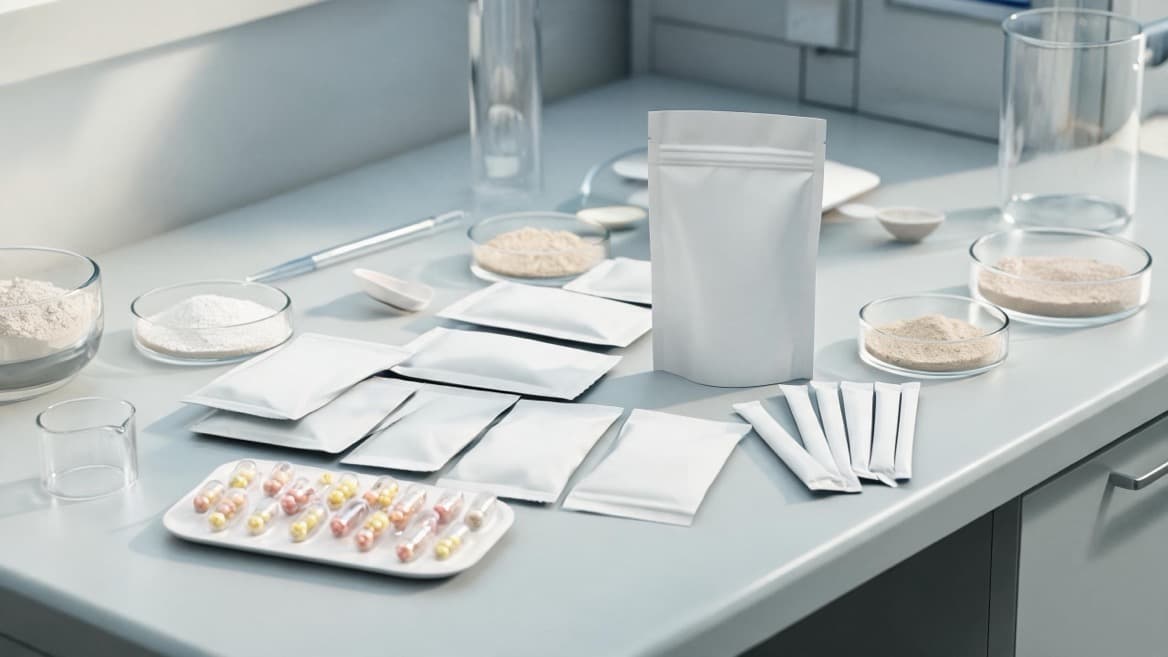
Controlled-release supplement manufacturing is not simply a matter of adding a coating to a finished capsule. For brands developing sustained-release, delayed-release, or targeted-delivery products, the delivery system must be designed around the ingredient's stability, dose, solubility, sensory profile, and intended release location.
At River Pharm Inc., we work with brands that bring either a completed formula for OEM production or a reference product, ingredient concept, or functional direction for custom ODM development. Our focus is on translating that brief into a manufacturable capsule, sachet, stick pack, or pouch product—with controlled processing, practical packaging choices, and release-profile considerations built into development from the start.
A well-designed controlled-release format can help a brand create a more differentiated product proposition. But it should be selected only when the formulation, consumer-use scenario, and quality-verification plan support it.

What Is a Controlled-Release Supplement?
A controlled-release supplement is formulated to release one or more ingredients according to a planned pattern rather than dispersing all ingredients immediately after ingestion.
The term is often used broadly, but product developers should distinguish among three common approaches:
- Immediate release: The dosage form is designed to disintegrate and release ingredients promptly after ingestion.
- Sustained release: The formulation is designed to release ingredients gradually over a defined period.
- Delayed release: The formulation is designed to resist release initially, then release ingredients later—often after reaching a different part of the gastrointestinal tract.
- Targeted release: The system aims to protect or deliver ingredients in a particular gastrointestinal environment, such as beyond the stomach.
For a brand, this distinction matters. A delayed-release capsule and a sustained-release capsule may both be positioned as advanced delivery formats, but they solve different formulation problems.
Delayed release can be relevant when an ingredient needs protection from acidic stomach conditions or when a brand wants release to occur later in the digestive tract. Sustained release can be relevant when the objective is to spread release over time rather than provide a fast initial pulse.
Why Delivery Design Matters in Nutritional Products
From a formulation perspective, the active ingredient is only one part of product performance. The final consumer experience can also depend on particle characteristics, moisture sensitivity, oxidation risk, excipient compatibility, capsule shell selection, fill uniformity, packaging barrier properties, and storage conditions.
For example, a sensitive botanical extract may require protection from humidity. A probiotic concept may need a strategy that considers both manufacturing survival and gastrointestinal conditions. A mineral-heavy formula may present challenges in powder flow, capsule fill weight, taste masking, or compatibility with other ingredients.
The delivery format should follow the formulation objective—not the other way around.
A standard immediate-release capsule may be the right choice when a brand needs a simple, efficient, and cost-conscious format. A controlled-release approach becomes more appropriate when the concept requires:
- Protection of a sensitive active during processing or storage
- Separation of incompatible ingredients
- Improved sensory performance for unpleasant-tasting powders
- A staged-release product story supported by a technical rationale
- A once-daily convenience position
- Release beyond the stomach for an ingredient that benefits from that design
- A premium product format with a clear and defensible differentiation strategy
Dietary supplements are regulated differently from drugs in the United States. Manufacturers remain responsible for product safety and labeling, and claims must be truthful and not misleading. Claims that a supplement diagnoses, treats, cures, or prevents disease are not permitted for dietary supplements.
Core Controlled-Release Technologies
Several technical routes can be considered during product development. The correct route depends on the active ingredients, dose size, desired release behavior, finished format, cost target, and testing plan.
Microencapsulation
Microencapsulation places a protective coating or carrier around small particles or droplets of an active ingredient. Depending on the material and process, this can support improved handling, reduced odor, protection from oxidation or moisture, separation of incompatible components, and modified release behavior.
This approach may be useful for ingredients that are:
- Sensitive to oxygen, humidity, light, or gastric conditions
- Prone to unpleasant taste or odor
- Difficult to blend uniformly in a powder system
- Incompatible with other actives in the same formula
- Intended for staged or more controlled release
Microencapsulation can be relevant across capsule and powder-based formats, including sachets and stick packs. However, the process must be assessed carefully because coating materials, particle size, compression forces, filling conditions, and package barriers can all affect finished-product performance.
Industry reporting has noted that encapsulation can help protect certain sensitive ingredients during manufacturing and storage, while controlled-release gastro-resistant systems may improve the survival of some probiotic strains through stomach conditions.
Matrix Systems
In a matrix system, active ingredients are dispersed through a material that controls contact with digestive fluids. As the matrix hydrates, erodes, swells, or allows diffusion, the ingredient is released according to the formulation design.
A matrix system can be based on hydrophilic polymers, lipid materials, waxes, or other functional excipients. It is commonly associated with tablets, but it can also influence the design of powders, granules, pellets, and capsule fills.
The formulation team must evaluate several variables:
- Particle size and density of active ingredients
- Compatibility between actives and matrix materials
- Desired release curve
- Dose size and final capsule capacity
- Stability under heat, pressure, and humidity
- Reproducibility from pilot scale to commercial production
A release concept that works in a small laboratory batch may not automatically perform the same way after scale-up. This is why a development program should connect formulation, process parameters, packaging, and testing rather than treating them as separate steps.
Coated Beadlets and Pellets
Coated beadlets or pellets allow developers to create a multi-particulate delivery system. Different populations of beadlets can be designed with different coating weights or materials, allowing a blend to release in stages.
This approach may be particularly valuable when a brand wants to combine:
- An initial-release fraction for earlier availability
- A later-release fraction for extended delivery
- Ingredients requiring different protection profiles
- Multiple active components that should not all be exposed at the same time
Beadlet systems can be filled into hard capsules or incorporated into selected powder presentations where physical integrity can be preserved. Product development must account for whether blending, filling, transport, and packaging could damage the coating or cause segregation.
Delayed-Release Capsule Systems
Delayed-release capsule systems are designed to remain intact longer under acidic conditions and release the fill after reaching a more suitable gastrointestinal environment.
This can be achieved through acid-resistant shells, functional coatings, or other dosage-form strategies. A delayed-release approach may be considered for ingredients that are acid-sensitive, require protection from stomach conditions, or align with a post-stomach delivery concept.
However, brands should avoid assuming that every ingredient performs better in a delayed-release format. The ingredient, delivery mechanism, release target, and available evidence should be evaluated together. A technically advanced format is useful only when it supports a clear product purpose.
A Better Development Framework for Brands
The strongest product-development projects begin with a clear technical brief rather than a broad request for "time-release technology."
Here is a practical development sequence for a controlled-release supplement project.
1. Define the Release Objective
Start with a specific question:
- Does the product need gradual release over time?
- Does the active need protection from stomach conditions?
- Is the objective improved taste masking or odor control?
- Are two ingredients incompatible in a standard blend?
- Is the goal a once-daily product experience?
- Does the reference product use beadlets, coated particles, a matrix, or a delayed-release shell?
A precise objective avoids unnecessary complexity and helps identify whether controlled release is justified.
2. Review Ingredient Suitability
Not every ingredient is appropriate for every delivery system. The development review should consider:
- Solubility and dissolution characteristics
- Heat and moisture sensitivity
- Oxidation susceptibility
- Particle size and density
- Required serving size
- Taste, odor, and color
- Compatibility with excipients and other actives
- Intended shelf-life requirements
For example, vitamin C is frequently discussed in sustained-release formats because it is water-soluble. Yet the broader evidence base should be reviewed carefully before making performance claims. Research and expert guidance indicate that vitamin C from standard supplements is bioavailable, while results and practical benefits can vary across dosage forms and use cases.
3. Select a Manufacturable Delivery Route
The formulation team can then determine whether the concept is better suited to:
- A conventional capsule
- A capsule containing coated granules or beadlets
- A delayed-release capsule shell
- A powder-based microencapsulated system
- A staged-release blend
- A different format entirely
Good development decisions often involve knowing when not to use controlled release. If the ingredient is stable, readily usable in an immediate-release system, and the product does not require delayed or sustained delivery, a conventional format may offer a more efficient route to market.
4. Establish Quality Attributes Early
Before commercial production, brands should identify the attributes that define an acceptable finished product. Depending on the project, these may include:
- Identity and composition
- Active content and uniformity
- Moisture level
- Microbiological specifications
- Heavy-metal limits
- Oxidative stability
- Capsule integrity
- Powder flow and fill accuracy
- Disintegration or dissolution behavior
- Package seal integrity
- Accelerated and real-time stability performance
In the United States, current good manufacturing practice requirements for dietary supplements require manufacturers, packers, labelers, and holders to establish and follow systems that help ensure supplement quality and compliance with master manufacturing records.
5. Align Packaging With Product Risk
Packaging selection should be made with the formulation—not after it. For example:
- Hygroscopic powders may require higher moisture-barrier packaging.
- Oxidation-sensitive oils or powders may need oxygen-control strategies.
- Coated particles may need protection from compression, abrasion, and humidity.
- High-dose products may require package sizes that support realistic consumer use and stability after opening.
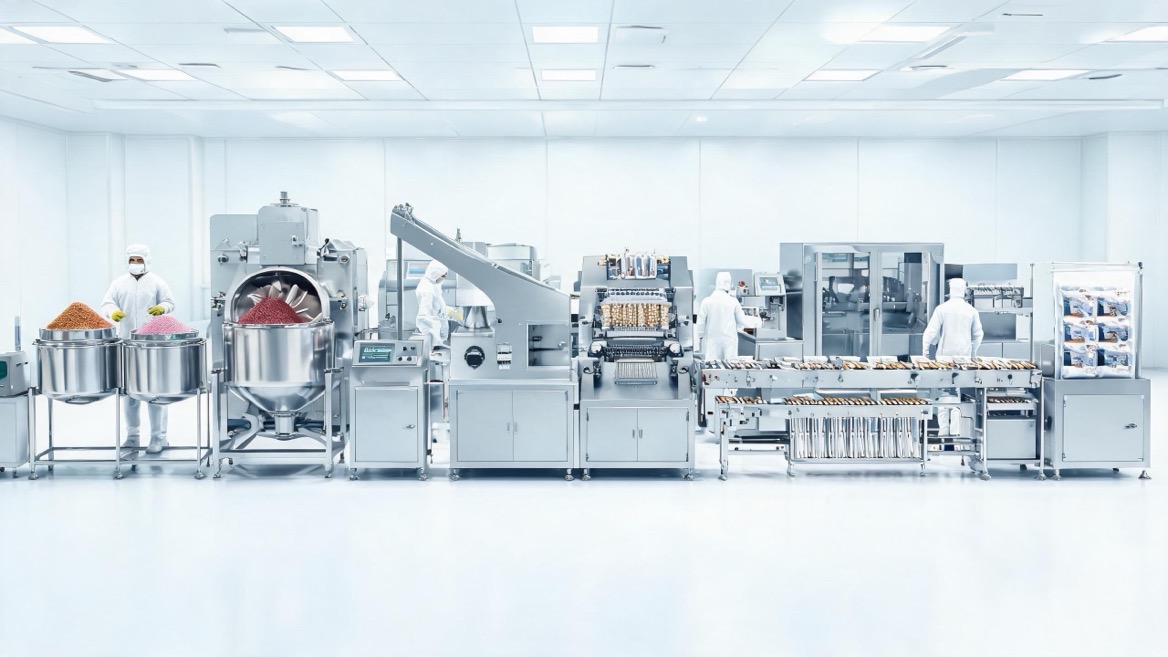
A sachet, stick pack, or sealed pouch may be a strong option for moisture-sensitive powder concepts. Capsules may be more suitable when the active requires beadlet protection or when a multi-particulate system is central to the formulation.
Common Development Mistakes to Avoid
Controlled-release projects can fail when brands focus on the marketing phrase before defining the technical mechanism. The following mistakes are especially common.
- Using "extended release" without a defined release target. A phrase alone does not establish product performance.
- Assuming all nutrients benefit from slower release. Ingredient behavior varies, and the supporting rationale should be ingredient-specific.
- Ignoring capsule-fill limitations. Coated particles and functional excipients can increase the volume required for a target dose.
- Treating packaging as an afterthought. Moisture and oxygen can undermine both stability and delivery performance.
- Making overly broad consumer claims. Claims should reflect substantiation and applicable regulatory requirements.
- Skipping scale-up evaluation. A formula can behave differently when transferred from development to commercial equipment.
- Comparing only ingredient cost. The total project cost includes development, functional excipients, manufacturing complexity, testing, packaging, and expected production yield.
How River Pharm Inc. Supports OEM and Custom ODM Projects
River Pharm Inc. provides two distinct manufacturing pathways for dietary-supplement brands.
OEM Manufacturing: Your Formula, Our Production
For OEM projects, the brand supplies the formula and River Pharm Inc. manufactures the product according to the agreed specifications. This pathway is suitable for brands with established formulations that need a capable manufacturing partner for capsules, sachets, stick packs, or pouches.
The project focus is on production readiness, material specifications, process feasibility, packaging compatibility, and finished-product quality requirements.
Custom ODM: Your Reference, Ingredient Direction, or Product Goal
For custom ODM projects, the brand may provide a reference product, an ingredient list, a desired benefit direction, or a format concept. River Pharm Inc. then supports formulation development and manufacturing.
This is not a catalog-based private-label approach. We do not offer public-mold ODM or simple label-only replication. The goal is to develop a product that fits the brand's technical brief, positioning, target format, and commercial requirements.
A useful custom ODM brief may include:
- Reference product photos or specifications
- Target ingredients and dosage range
- Ingredient restrictions or preferred sources
- Desired dosage form and package format
- Target market and label requirements
- Flavor, color, and sensory expectations for powder products
- Shelf-life target
- Planned product positioning
- Expected order volume and launch schedule
Build a Release Strategy That Can Be Manufactured
Controlled-release supplements can create meaningful differentiation, but the strongest projects are based on a real formulation purpose, not a generic innovation claim.
For brands considering a sustained-release capsule, delayed-release capsule, microencapsulated powder, or multi-particulate beadlet system, the key question is straightforward: What exact problem should the delivery technology solve?
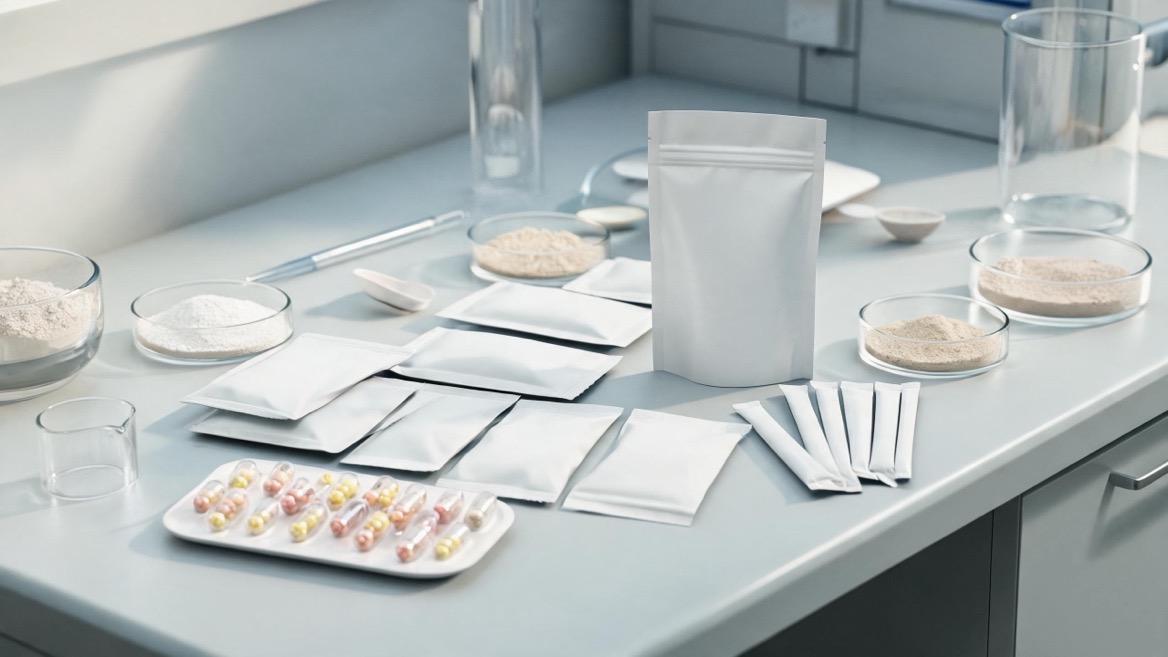
River Pharm Inc. can help evaluate your formula, reference product, or ingredient direction and identify a practical path for development and manufacturing in capsules, sachets, stick packs, or pouches.
Contact River Pharm Inc. to discuss your controlled-release supplement concept, technical requirements, and custom manufacturing pathway.
FAQ
1. What is the difference between sustained-release and delayed-release supplements?
Sustained-release supplements are designed to release ingredients gradually over a period of time. Delayed-release supplements are designed to postpone release until later, often after the dosage form has passed through the stomach.
2. Can controlled-release technology be used in capsules?
Yes. Capsules can contain coated beadlets, microencapsulated powders, coated granules, or other multi-particulate systems. In some projects, delayed-release capsule shells may also be considered.
3. Are stick packs and sachets suitable for microencapsulated ingredients?
They can be. Suitability depends on the ingredient, encapsulation system, particle strength, moisture sensitivity, blending behavior, and packaging barrier requirements.
4. Does every vitamin or mineral need a sustained-release formula?
No. Controlled release is not automatically beneficial for every ingredient. The delivery format should be selected based on the ingredient's properties, target use, product rationale, and available supporting evidence.
5. What information should I provide for a custom ODM supplement project?
Provide a reference product or product concept, target ingredients, desired function direction, preferred format, package requirements, target market, dosage expectations, and estimated order volume.
6. Does River Pharm Inc. provide public-mold private-label products?
No. River Pharm Inc. focuses on OEM manufacturing based on a client's formula and custom ODM development based on a client's reference product, ingredient direction, or functional concept.
References
1. [U.S. Food and Drug Administration — Dietary Supplements]. Information on regulatory oversight, manufacturer responsibilities, labeling, and dietary-supplement requirements. [fda]
2. [National Institutes of Health, Office of Dietary Supplements — Background Information: Dietary Supplements]. Definitions, labeling information, claim categories, quality considerations, and consumer guidance. [ods.od.nih]
3. [U.S. Food and Drug Administration — Small Entity Compliance Guide: Current Good Manufacturing Practice in Manufacturing, Packaging, Labeling, or Holding Operations for Dietary Supplements]. Overview of current good manufacturing practice requirements under 21 CFR Part 111. [fda]
4. [NIH Office of Dietary Supplements — Vitamin C: Health Professional Fact Sheet]. Scientific background on vitamin C sources, bioavailability, and evidence limitations. [ods.od.nih]
5. [Linus Pauling Institute, Oregon State University — Vitamin C]. Information on vitamin C absorption, dose-related absorption efficiency, and delivery considerations. [lpi.oregonstate]
6. [NutraIngredients-USA — The Future of Probiotics Is in Delivery Forms]. Industry discussion of encapsulation, probiotic stability, and gastro-resistant delivery approaches. [nutraingredients-usa]
7. [NutraIngredients-USA — Microencapsulated Omega 3 Fatty Acids]. Industry overview of microencapsulation for oxidative protection, ingredient handling, and controlled or targeted release concepts. [nutraingredients-usa]
8. [Makers Nutrition — The Truth About Time-Release Supplements]. Reference framework reviewed for common controlled-release formats, including coated tablets, microencapsulated capsules, beadlets, and matrix systems. [makersnutrition]
Hot Tags: Controlled Release Supplements, Dietary Supplement Manufacturing, Supplement Contract Manufacturer, Custom Supplement Formulation, Supplement OEM Manufacturing, Supplement ODM Services, Delayed Release Capsules, Sustained Release Capsules, Microencapsulation Technology, Custom Nutraceutical Manufacturing, custom, private label, manufacturing company, manufacturers, suppliers, factory, Customized, Bulk, quotation, oem, contract manufacturing, manufacturer, b2b manufacturing, gmp certified manufacturing
Did you find this helpful?
Comments (0)
No comments yet. Be the first to comment!
Leave a comment
Related Posts
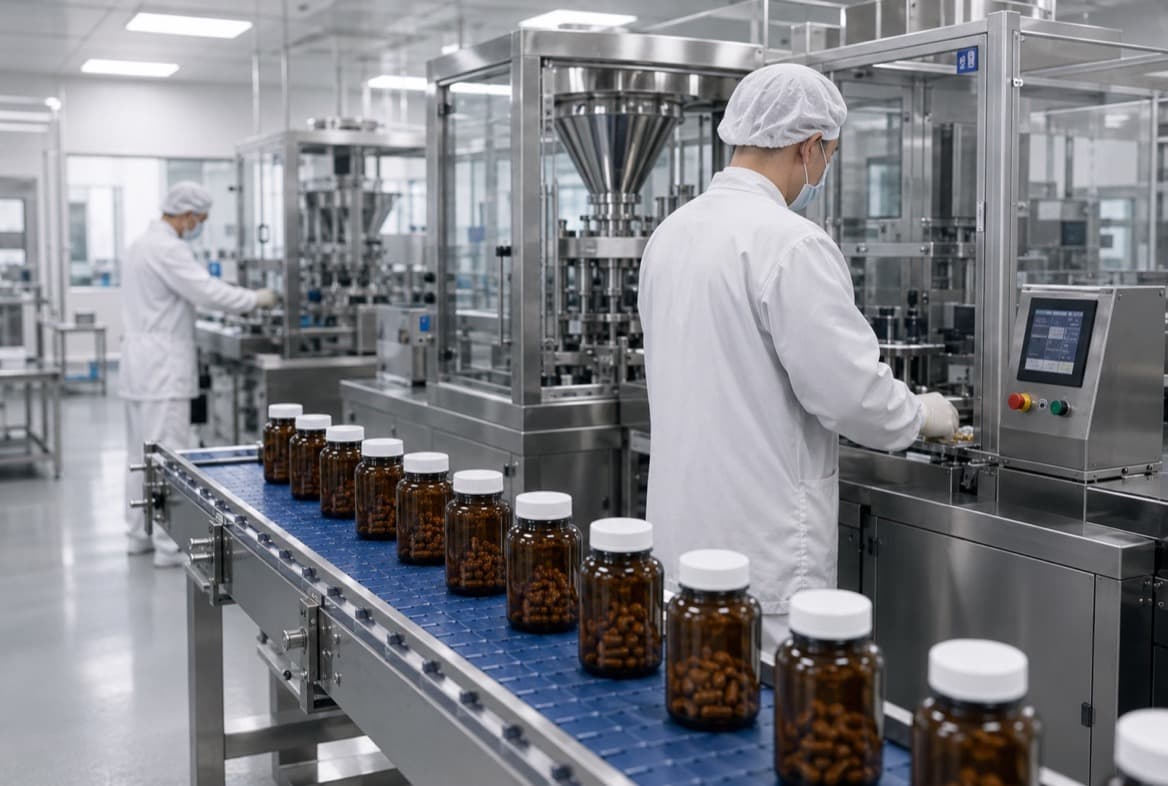
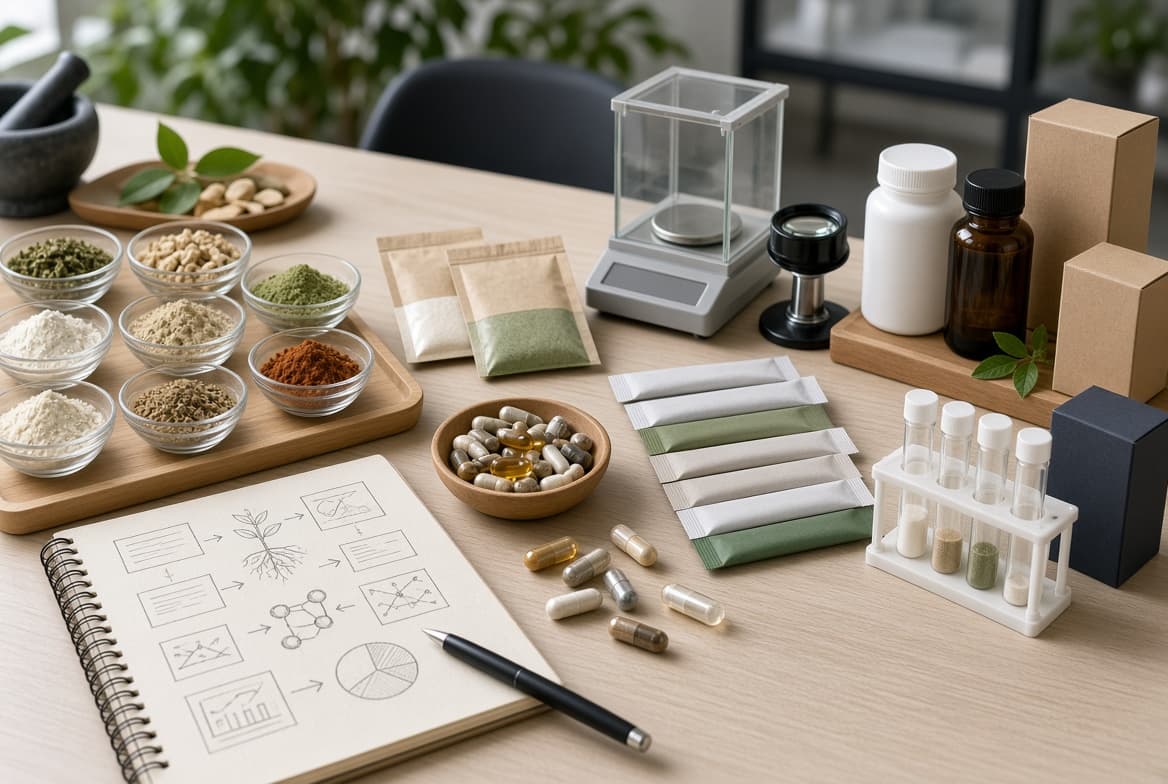
Riverpharm · Supplement Contract Manufacturing
Your supplement brand, manufactured to the highest standard
From first formula to finished product — we handle manufacturing, packaging, and fulfillment so you can focus on building your brand.
Core services
Contract Manufacturing
GMP-certified production with full batch testing and certificate of analysis on every run.
Custom Formulation & R&D
In-house scientists develop your formula from scratch or refine existing blends for efficacy.
Packaging & Labeling
Design-to-print label service — shelf-ready, FDA-compliant, and retail-tested.
FBA Prep & Fulfillment
Amazon-ready prep and direct-to-warehouse shipping — no extra steps on your end.
By the numbers
NSF
NSF/ANSI 455-2 certified
cGMP
Certified environment
24 hr
AI-accelerated quote turnaround
600K
cGMP+ encapsulator capacity per run
Why Riverpharm
Quality systems with higher standards
- NSF/ANSI 455-2 certified
- cGMP-certified environment
- In-house + third-party testing
- Source-locked ingredients
Production capacity with faster execution
- Heavy-duty hardware
- In-house core reserves
- AI-accelerated quotes
- In-house expert hub
Delivery formats we produce
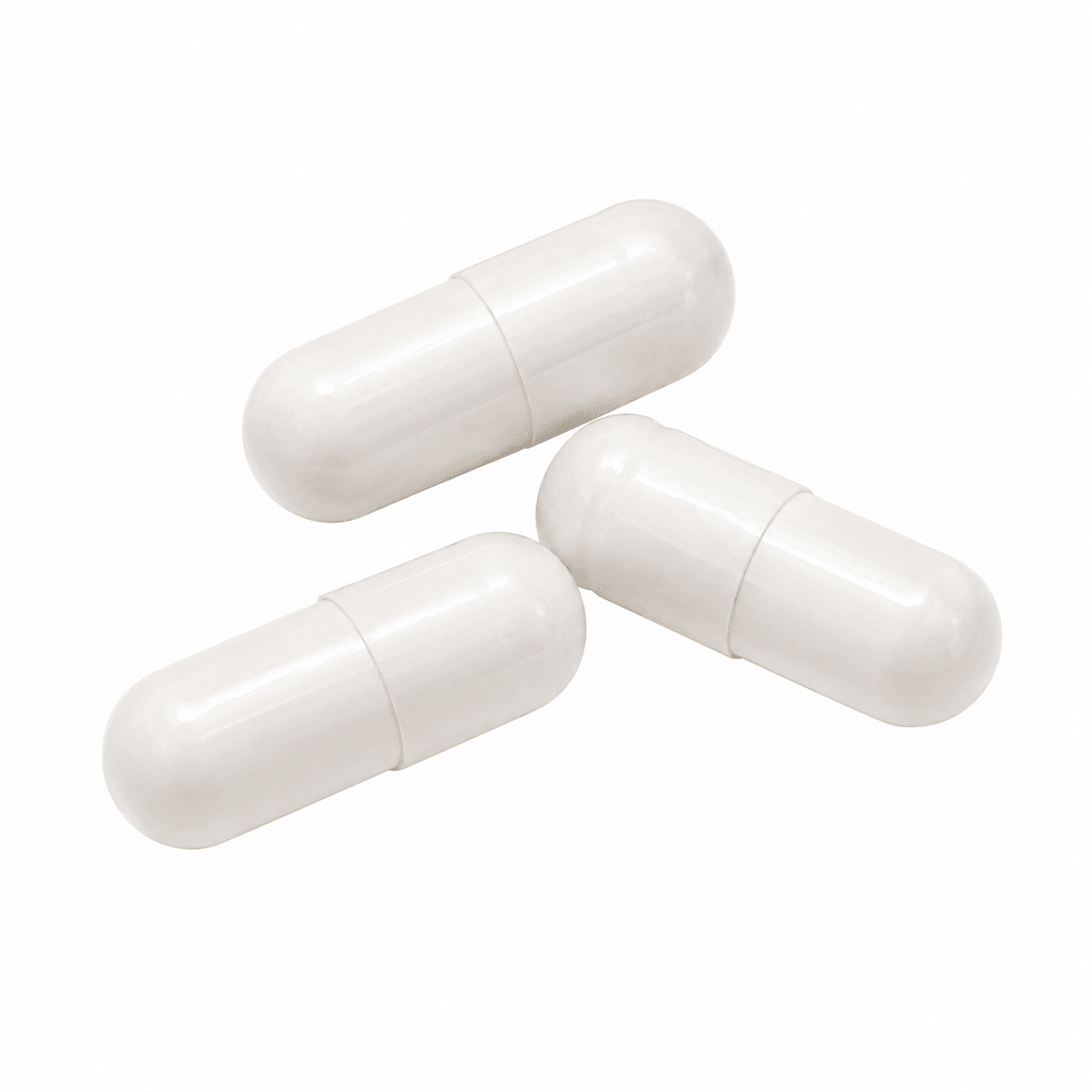
Capsules
Gelatin & HPMC vegetarian
Sachets
Single-dose powder blends
Stick packs
Convenient single-serve
Pouches
Flexible, shelf-ready
Ready to bring your supplement to market?
Free consultation · 24-hour quote · No minimum commitment to get started