Custom Capsules vs. Powder Supplements: Which Delivery Method Ensures Better Bioavailability for Fat‑Soluble Vitamins?
Evidence‑based comparison of custom capsules and powder supplements for fat‑soluble vitamins, explaining how formulation, manufacturing, and user behavior shape absorption, stability, and brand positioning for modern nutrition products.

Fat‑soluble vitamins such as A, D, E, and K require an appropriate lipid environment and careful formulation to be absorbed efficiently. While many people intuitively associate capsules with "stronger" effects and powders with "flexible" use, the reality is more nuanced. The delivery format is only one part of a broader system that includes excipients, processing technology, dosing instructions, and typical end‑user habits.
For brands collaborating with a professional OEM/ODM manufacturer, delivery format selection should be treated as a strategic decision that supports the intended use case, target population, and positioning of each product line. Both custom capsules and powders can be engineered to reach high bioavailability when formulation and manufacturing decisions are made with fat‑soluble vitamin behavior in mind.
Understanding Fat‑Soluble Vitamins and Absorption Mechanisms
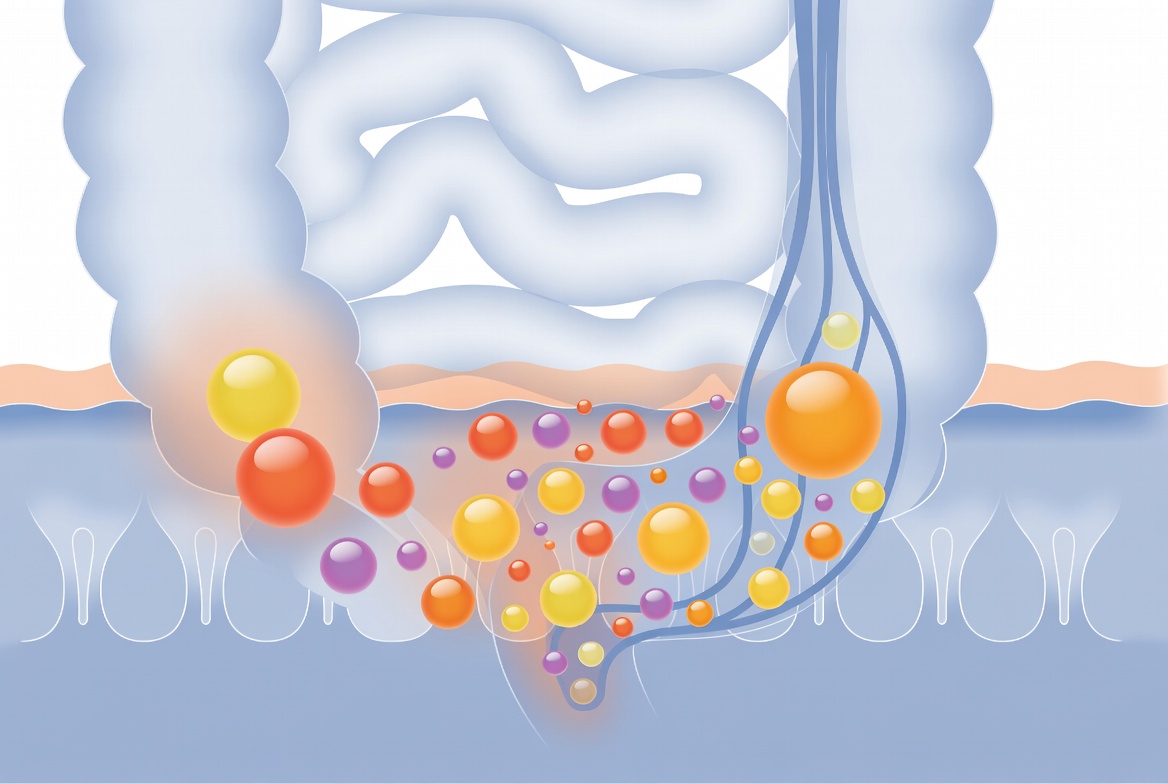
Fat‑soluble vitamins are absorbed and transported similarly to dietary fats. They rely on bile acids and mixed micelles to cross the intestinal barrier, and they are typically carried into the lymphatic system along with lipids. This means that the presence or absence of dietary fat, the solubility of the active ingredient, and the micro‑environment created by excipients are critical for absorption.
In practice, this has several consequences for product development:
- The vitamin form and carrier must be chosen with solubility and stability in mind.
- The dosage form has to support dispersion or dissolution in a way that allows the vitamins to integrate into micelles.
- Instructions for use need to align with typical eating patterns so that consumers naturally take the product under conditions that favor absorption.
When capsules or powders are compared, it is therefore essential to consider not only the physical format but also how that format interacts with food intake, lipid carriers, and the lifestyle of the intended user.
Defining Custom Capsules in a Contract Manufacturing Context
Custom capsules, in a professional manufacturing environment, are not generic off‑the‑shelf items. They are fully developed dosage forms built according to a brand's formula or to a jointly developed concept based on desired benefits and market positioning. This can include hard gelatin capsules, vegetarian alternatives, or other shell types, but the core idea is a controlled, reproducible unit dose.
Key characteristics of custom capsules for fat‑soluble vitamins include:
- Precisely dosed blends of vitamins and excipients.
- A defined lipid or emulsifier system inside the capsule to support absorption.
- A protective shell that shields sensitive actives from light, oxygen, and moisture.
Because each capsule is a closed micro‑environment, formulators can pre‑configure the conditions needed for optimal absorption. For example, vitamin D3 might be combined with a specific carrier oil and antioxidant system to create a more favorable environment for stability and uptake. This controlled micro‑environment is one of the main reasons capsules are frequently chosen for sensitive fat‑soluble nutrients.
Powder Supplements and Their Role for Fat‑Soluble Vitamins
Powder supplements cover a broad family of formats: bulk powder in jars, sachets, stick packs, and soft pouches. They may be reconstituted in water, milk, smoothies, or other beverages, or sprinkled on food. For fat‑soluble vitamins, powders often rely on encapsulated or emulsified ingredients that can disperse in liquid and then behave similarly to lipid solutions in the digestive tract.
Important features of powder formats include:
- Flexible serving size and dosing, especially useful for protocol‑based or lifestyle products.
- The ability to combine multiple nutrient systems and flavors in a single serving.
- Strong dependence on how end users prepare and consume the product.
Powders can be engineered to transform into emulsions or suspensions upon mixing. When a microencapsulated vitamin premix dissolves into a fat‑containing beverage, for example, the resulting mixture may provide a favorable environment for absorption. However, this depends on the consumer actually following preparation instructions, which introduces a behavioral dimension that capsules often avoid.
Bioavailability Fundamentals That Matter More Than Format
When comparing capsules and powders for fat‑soluble vitamins, it is useful to step back and focus on the underlying drivers of bioavailability. Several factors usually have more impact than the simple choice of format:
- Molecular form of the vitamin
The specific chemical form, such as retinyl palmitate versus beta‑carotene or vitamin D2 versus D3, influences how well the nutrient is absorbed and used. Different forms may require tailored excipients and processing methods.
- Formulation technology and excipients
Use of emulsions, micelles, nanoemulsions, solid dispersions, or microencapsulation can significantly change how a vitamin behaves in the gastrointestinal tract. The combination of carriers, emulsifiers, stabilizers, and fillers needs to be tuned to each format.
- Intake conditions and dietary fat
Many fat‑soluble vitamins show better absorption when taken with meals containing fat. The product's recommended use pattern should therefore be aligned with realistic diet behaviors and clearly communicated.
A powder containing sophisticated encapsulated ingredients may outperform a basic capsule that relies on simple, poorly optimized excipients. Conversely, a well‑engineered capsule with a tailored oil system can rival or exceed many powder formulations. The deciding factor is not the container itself, but what goes into it and how it is used.
Advantages of Custom Capsules for Fat‑Soluble Vitamins
Controlled Micro‑Environment and Dose Consistency
Custom capsules offer a highly controlled micro‑environment for each dose. Every unit contains the same composition of vitamins, oils, and excipients, sealed in a shell that isolates the fill from external factors. This consistency supports predictable pharmacokinetic behavior across users.
Several practical advantages follow:
- Doses are pre‑measured, reducing the chance of under‑ or overdosing.
- The lipid and excipient system is fixed and repeatable, which supports dependable absorption profiles.
- The closed capsule environment helps limit oxygen exposure, which can slow oxidation of sensitive vitamins.
For brands that need tight control over potency, such as professional lines or products used under practitioner supervision, capsules are often preferred. The format supports a clear narrative around precision, reliability, and long‑term stability testing.
Stability and Shelf‑Life Protection
Fat‑soluble vitamins can degrade when exposed to air, light, and heat. A well‑designed capsule can mitigate these risks by protecting the fill from oxygen and limiting light penetration. Combined with appropriate packaging and storage conditions, this can help maintain label potency throughout shelf life.
This stability advantage is particularly important for:
- Products distributed through longer, more complex supply chains.
- International shipments that may experience temperature and humidity variation.
- Brands that promise potency retention up to the end of shelf life.
By focusing on shell material, antioxidant systems, and controlled environmental conditions during manufacturing, capsule products can achieve robust stability profiles, supporting the reliability and trustworthiness of the brand.
Advantages of Powder Supplements for Fat‑Soluble Vitamins
Dosing Flexibility and Integration into Daily Routines
Powder formats shine when flexibility and lifestyle integration matter. Users can adjust serving sizes within recommended ranges, split doses across meals, or incorporate the product into personal rituals such as morning smoothies or evening shakes.
This offers several benefits:
- Higher total nutrient loads can be delivered without an excessive number of capsules.
- Products can be framed as part of a food‑like experience rather than a strict regimen.
- Different user segments can adapt how they take the product while remaining within guidance.
This flexibility is particularly appealing for sports nutrition, wellness, and functional food‑style products, where experience, flavor, and customization play a central role in adherence.
Advanced Dry‑Form Technologies and Reconstitution Behavior
Modern powder systems frequently use microencapsulation, spray‑drying, and particle engineering. These technologies aim to stabilize fat‑soluble vitamins in a dry state and then allow them to disperse or partially dissolve upon mixing with liquid or food.
When executed well, this can provide:
- Improved stability during storage, thanks to protective matrices.
- Enhanced dispersibility, reducing clumping and ensuring uniform intake.
- The potential for reconstituted emulsions that behave similarly to liquid oil solutions in the gut.
In such formulations, the powder format is not simply a loose collection of particles; it is a carefully engineered system that delivers fat‑soluble vitamins in a controlled manner once mixed with a suitable vehicle. This can lead to high bioavailability when users follow directions that emphasize mixing with appropriate liquids and consuming alongside food.

Manufacturing and Process Considerations for Capsules and Powders
Professional OEM/ODM manufacturing environments approach capsules and powders as distinct but complementary process streams. Each format has specific process controls, equipment, and validation methods that influence product performance.
For custom capsules, key process aspects often include:
- Controlled filling operations to ensure accurate fill weights.
- Strict environmental controls to limit oxygen exposure during production.
- Shell selection and drying conditions calibrated to maintain integrity and protect active ingredients.
For powders and related stick packs or sachets, the focus shifts toward:
- Particle size distribution and flow properties to ensure uniform filling.
- Prevention of ingredient segregation, especially in multi‑component blends.
- Optimization of mixing and packaging to maintain dose consistency.
The choice between formats should take into account not only the theoretical behavior of the dosage form, but also how manufacturing processes can consistently reproduce that behavior at scale. Reliable, validated processes are essential for maintaining product quality across batches and over time.

Strategic Considerations When Choosing Between Capsules and Powders
Product Positioning and Channel Strategy
Different channels and audiences respond differently to capsules and powders. Capsules are often associated with medical or professional products and are widely accepted in pharmacy, clinic, and practitioner markets. Powders tend to align with wellness, sports, and lifestyle products, where flavor, customization, and integration into routines are central.
When deciding on a format, consider:
- Whether the product is intended for clinical or lifestyle use.
- The expected retail or distribution environment.
- How the format supports the brand's long‑term portfolio strategy.
In many cases, building a portfolio that uses both capsules and powders allows brands to address different segments with formats that best fit each use case.
Dose Requirements and Consumer Behavior
Practical dose requirements and consumer preferences are equally important. High‑dose or multi‑nutrient products can quickly become difficult to deliver via capsules alone, leading to large daily capsule counts. Powders, by contrast, can accommodate larger total loads in a single serving, especially when integrated into food or beverages.
At the same time, adherence patterns differ:
- Some users prefer the simplicity and discretion of swallowing capsules.
- Others prefer the ritual and sensory experience of mixing powders.
Understanding the behavior of the target population—whether they are more likely to follow capsule dosing instructions or consistently prepare powders—will inform the optimal choice. Ultimately, the best format is the one users can and will take correctly over long periods.
Balanced Perspective on Bioavailability: No Single Format Wins in All Cases
When all factors are considered, there is no universally superior format for fat‑soluble vitamins. Custom capsules and powders each offer unique advantages and limitations. Bioavailability is shaped by a synthesis of decisions: ingredient selection, excipient strategy, process controls, packaging, usage instructions, and consumer behavior.
A balanced perspective includes the following points:
- High‑quality capsules can offer strong dose control, stability, and predictable absorption when formulated with appropriate lipid systems.
- Advanced powder technologies can achieve excellent bioavailability when properly microencapsulated or emulsified, especially when taken with suitable foods or beverages.
- Brand strategies should focus on aligning format choice with intended use, channel, and user lifestyle rather than pursuing a simplistic "capsule vs powder" narrative.
By treating the delivery format as one component within a larger design framework, brands can create product lines that are both scientifically robust and practically successful in real‑world use.
Concluding Perspective for Brand Owners
For nutrition brands developing products with fat‑soluble vitamins, custom capsules and powder supplements should be viewed as complementary tools rather than competing options. Each format can be engineered to deliver meaningful bioavailability when supported by appropriate formulation, manufacturing, and user guidance.
Thoughtful selection of delivery method, grounded in an understanding of vitamin behavior, process capabilities, and realistic consumer routines, allows brands to build differentiated, trustworthy products. Over time, this approach supports the creation of portfolios that serve diverse user needs while maintaining a consistent standard of quality and effectiveness.
FAQs
Q1: Can powder supplements for fat‑soluble vitamins match the bioavailability of capsules?
Yes, powders that use modern microencapsulation or emulsified premixes and are consumed with suitable foods or beverages can reach bioavailability levels comparable to well‑formulated capsules when used correctly.
Q2: In which scenarios are capsules generally preferred for fat‑soluble vitamins?
Capsules are generally preferred when precise dosing, long‑term stability, discreet use, and a professional presentation are primary goals, especially in practitioner or clinical product lines.
Q3: When do powder formats offer a clear advantage for fat‑soluble vitamins?
Powders are advantageous when higher doses, multi‑nutrient blends, lifestyle integration, and customizable serving sizes are important, such as in sports nutrition or wellness‑oriented products.
Q4: What is the most important factor for improving absorption of fat‑soluble vitamins?
The most important factor is an appropriate formulation that provides a lipid or emulsifier environment supporting micelle formation, combined with intake under conditions that include dietary fat.
Q5: Should brands rely on one format only for their fat‑soluble vitamin product lines?
Not necessarily. Using both capsules and powders across a portfolio can help serve different audiences and use cases, allowing each product to leverage the strengths of its chosen format.
Reference
1. National Research Council. Fat‑Soluble Vitamins – Diet and Health. NCBI Bookshelf. https://www.ncbi.nlm.nih.gov/books/NBK218749/
2. Andrès E, et al. Fat‑Soluble Vitamins A, D, E, and K: Review of the Literature. 2024. https://pmc.ncbi.nlm.nih.gov/articles/PMC11242131/
3. Reddy P, et al. Biochemistry, Fat Soluble Vitamins. StatPearls. https://www.ncbi.nlm.nih.gov/books/NBK534869/
4. FDA. Dietary Supplements – Guidance Documents & Regulatory Information. https://www.fda.gov/food/dietary-supplements-guidance-documents-regulatory-information
5. Amin Talati Wasserman. Dietary Supplements: New Dietary Ingredient Notifications and Related Issues – Guidance for Industry (summary). https://naturallyinformed.net/wp-content/uploads/2025/09/Naturally-Informed-JA.pdf
6. EFSA‑linked guidance. Safety evaluation of sources of nutrients and related substances added to food. https://pmc.ncbi.nlm.nih.gov/articles/PMC8002907/
7. Sreedevi et al. Nanoemulsion oral solution of cholecalciferol showed greater bioavailability compared with soft gelatin capsules. https://pubmed.ncbi.nlm.nih.gov/36407493/
8. FDA/HHS. Food‑Effect Bioavailability and Fed Bioequivalence Studies: Guidance for Industry. https://www.hhs.gov/guidance/document/food-effect-bioavailability-and-fed-bioequivalence-studies-guidance-industry
9. River Pharm Inc. Industry Insights & Manufacturing Resources. https://www.riverpharm.com/resources
10. River Pharm Inc. Custom Supplement Contract Manufacturing vs Private Label. https://www.riverpharm.com/blog/custom-supplement-contract-manufacturing-vs-private-label-how-oem-and-odm-partners-power-stronger-brands
Hot Tags: Custom Supplement Manufacturing, OEM ODM Supplements, B2B Nutrition Brands, Fat Soluble Vitamins, Capsule Supplement Formulation, Powder Stick Pack Supplements, Contract Supplement Manufacturer, Nutritional Encapsulation Technology, Dietary Supplement Product Development, River Pharm Inc OEM
Did you find this helpful?
Comments (0)
No comments yet. Be the first to comment!
Leave a comment
Related Posts

Riverpharm · Supplement Contract Manufacturing
Your supplement brand, manufactured to the highest standard
From first formula to finished product — we handle manufacturing, packaging, and fulfillment so you can focus on building your brand.
Core services
Contract Manufacturing
GMP-certified production with full batch testing and certificate of analysis on every run.
Custom Formulation & R&D
In-house scientists develop your formula from scratch or refine existing blends for efficacy.
Packaging & Labeling
Design-to-print label service — shelf-ready, FDA-compliant, and retail-tested.
FBA Prep & Fulfillment
Amazon-ready prep and direct-to-warehouse shipping — no extra steps on your end.
By the numbers
NSF
NSF/ANSI 455-2 certified
cGMP
Certified environment
24 hr
AI-accelerated quote turnaround
600K
cGMP+ encapsulator capacity per run
Why Riverpharm
Quality systems with higher standards
- NSF/ANSI 455-2 certified
- cGMP-certified environment
- In-house + third-party testing
- Source-locked ingredients
Production capacity with faster execution
- Heavy-duty hardware
- In-house core reserves
- AI-accelerated quotes
- In-house expert hub
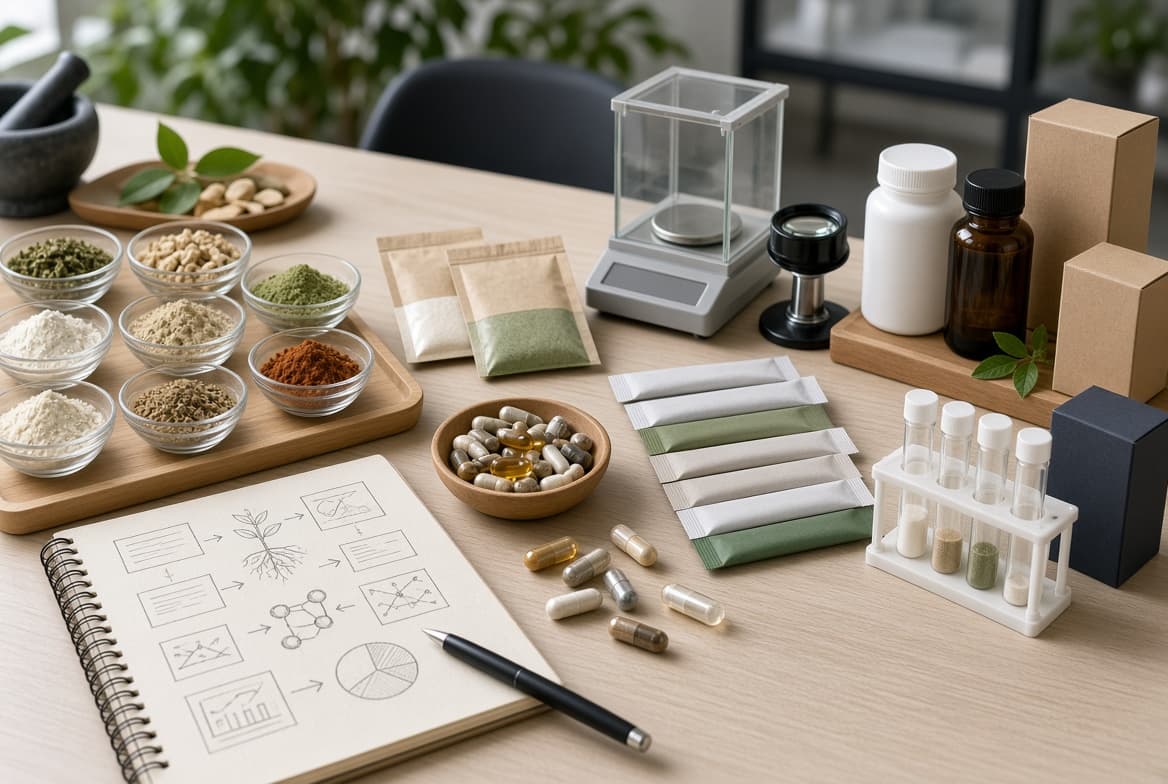
Delivery formats we produce
Capsules
Gelatin & HPMC vegetarian
Sachets
Single-dose powder blends
Stick packs
Convenient single-serve
Pouches
Flexible, shelf-ready
Ready to bring your supplement to market?
Free consultation · 24-hour quote · No minimum commitment to get started