Custom Electrolyte Powder Manufacturing: How Brands Build Better Hydration Supplements
Discover how custom electrolyte powder manufacturing supports hydration brands with tailored formulas, stick packs, sachets, pouches, testing, and production.
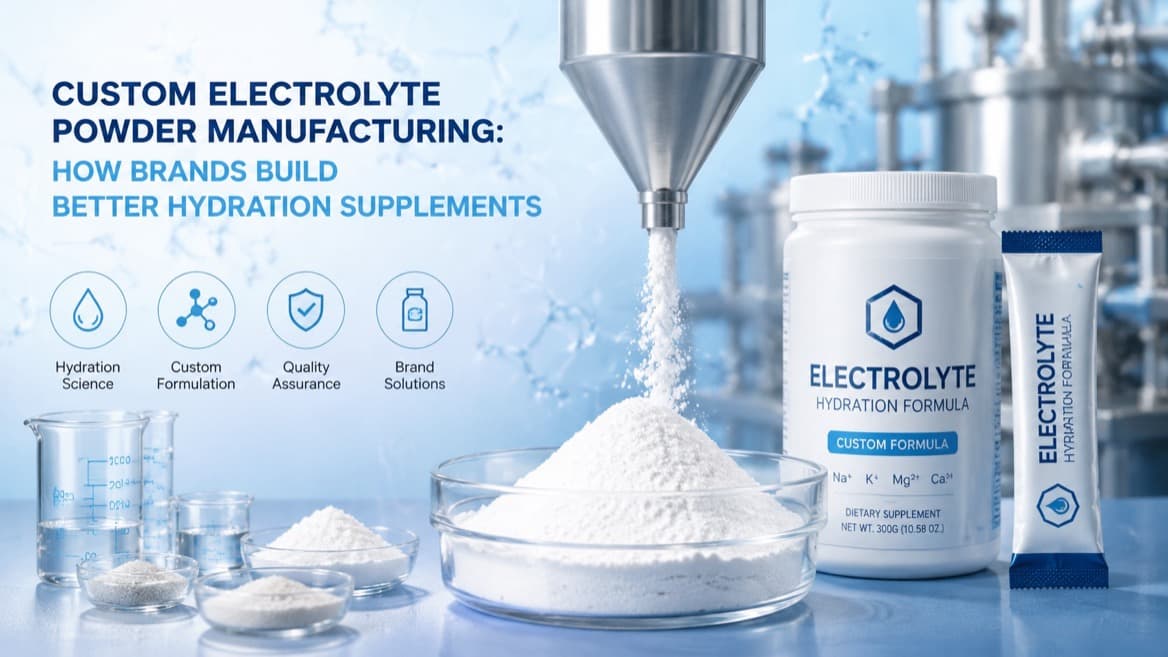
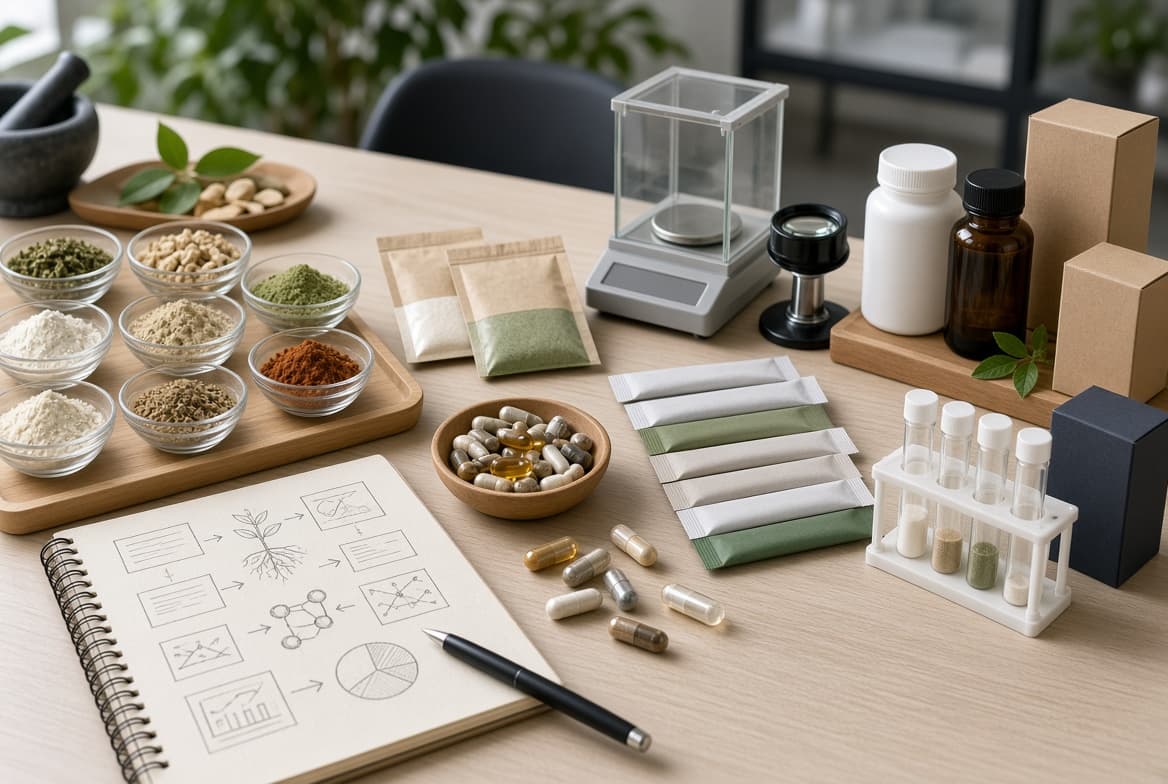
A successful custom electrolyte powder is more than a blend of minerals and flavor. It is a carefully engineered hydration product that must balance ingredient selection, sensory experience, powder flow, packaging protection, label strategy, and repeatable production.
For brands entering sports nutrition, active lifestyle, travel hydration, workplace wellness, or everyday nutrition, electrolyte drink mixes offer a flexible format with strong differentiation potential. At River Pharm Inc., we help brands turn either a finished formula or an early-stage product brief into manufacturable electrolyte powder supplements in sachets, stick packs, and pouches.
Electrolytes—including sodium, potassium, chloride, magnesium, and calcium—help regulate fluid balance and contribute to nerve signaling, muscle contraction, and acid-base balance. However, hydration products should be positioned responsibly: many healthy consumers can meet ordinary electrolyte needs through food and water, while electrolyte beverages and mixes may be especially relevant during prolonged activity, physically demanding work, or exposure to hot and humid conditions.
Why Custom Electrolyte Powders Continue to Stand Out
Powdered electrolyte supplements fit a wide range of consumer routines. They are portable, easy to portion, and designed to be mixed with water when needed. Compared with ready-to-drink beverages, powder formats can also help brands reduce shipping weight and offer greater flexibility in serving size, flavor, and packaging format.
For a brand owner, the real opportunity lies in building a product around a clear use occasion rather than launching another generic "hydration powder."
Possible product directions include:
- Sports hydration powders for endurance training, gym sessions, and post-workout routines
- Heat-support hydration mixes for outdoor workers, travelers, and hot-climate lifestyles
- Sugar-conscious electrolyte powders for consumers seeking lower-sugar or sugar-free options
- Everyday wellness drink mixes with approachable flavor profiles and convenient daily serving sizes
- Multi-function powder supplements that combine electrolytes with selected vitamins, amino acids, carbohydrates, or other permitted ingredients
- Travel-friendly stick packs designed for single-serve, on-the-go use
Industry activity also shows that hydration innovation is increasingly focused on delivery format, sugar reduction, flavor, and combinations of sodium, potassium, magnesium, and other supporting ingredients.
The most competitive products do not merely list minerals on a label. They make it easy for consumers to understand when to use the product, how it fits their lifestyle, and why they may want to purchase it again.
The Science Behind an Effective Electrolyte Formula
Electrolyte formulation requires more judgment than simply adding several minerals to a powder base. Each ingredient can affect taste, solubility, hygroscopicity, flowability, color, cost, and consumer perception.
Start With the Intended Consumer
Before selecting ingredient levels, a brand should define its intended audience and usage scenario.
A hydration product for a marathon runner may differ significantly from one intended for office workers, travelers, or consumers spending time outdoors. The formula, serving size, carbohydrate level, flavor intensity, and packaging choice should all follow from that decision.
A focused product brief should answer:
1. Who is the intended consumer?
2. When will they use the product?
3. How much water should one serving be mixed with?
4. Is the product designed for daily use, occasional use, or activity-related use?
5. Does the brand want a sweetened, lightly sweetened, or unsweetened sensory profile?
6. Which markets will the finished product enter?
7. What claims can be supported by the formula and local labeling requirements?
This early planning avoids a common product-development mistake: building a technically acceptable powder that has no clear commercial position.
Understand the Role of Key Minerals
Electrolytes are minerals that carry an electric charge in body fluids. Their functions are interconnected, which is why a thoughtful formula considers the overall mineral system rather than highlighting one nutrient in isolation.
- Sodium is a central electrolyte involved in extracellular fluid balance.
- Potassium contributes to normal cell function, muscle contraction, nerve transmission, and heart and kidney function.
- Magnesium participates in many physiological processes and is commonly considered in active-lifestyle and nutrition formulations.
- Calcium contributes to muscle-related physiological functions and can be included when it fits the product concept.
- Chloride works alongside sodium in fluid balance and is often relevant to a complete electrolyte profile.
The level and form of each mineral should be selected based on the intended use, sensory requirements, applicable regulations, and the final serving recommendation. A product that is high in mineral content may create challenges in bitterness, saltiness, grittiness, or dissolution. In practice, a formula's effectiveness in the marketplace depends on whether consumers can comfortably drink it as directed.
Taste Is a Formulation Requirement
Flavor is not an afterthought. It is one of the strongest drivers of repeat purchase.
Electrolyte systems can produce salty, bitter, metallic, sour, or astringent notes. Magnesium and potassium sources, in particular, may require careful flavor balancing. A strong formulation process evaluates taste alongside functional composition from the beginning.
Common flavor directions include:
- Lemon lime
- Orange citrus
- Watermelon
- Mixed berry
- Peach mango
- Tropical fruit
- Grapefruit
- Strawberry kiwi
- Coconut citrus
- Seasonal limited-edition concepts
A sensory brief should also define the desired finish. For example, some brands want a crisp, lightly sweet profile, while others prefer a bold sports-drink experience. The right choice depends on the target audience—not merely what is popular in the category.
From Product Brief to Production-Ready Formula
River Pharm Inc. supports two distinct development pathways for electrolyte powder projects.
OEM Manufacturing: Your Formula, Our Production
Our OEM service is designed for brands that already have a formula, ingredient specification, or finished product standard.
The brand supplies the formula and key requirements. River Pharm Inc. then supports manufacturing execution, including ingredient handling, blending, filling, and packaging in the agreed format.
This route is appropriate when a brand already has:
- A finalized formula
- Defined ingredient sources or specifications
- A target serving size
- Packaging requirements
- Artwork or label direction
- A quality and testing plan
- A clear commercial strategy
OEM manufacturing gives established brands greater control over their product architecture while allowing them to use specialized production capacity.
Custom ODM: Your Direction, Our Development Support
Our custom ODM service is for brands that have a reference product, ingredient concept, target benefit direction, flavor idea, or target consumer—but do not yet have a finalized formula.
For example, a client may approach us with a brief such as:
> "We want a low-sugar citrus hydration powder for outdoor sports consumers, with sodium, potassium, magnesium, and a clean-tasting flavor profile in single-serve stick packs."
From there, the development process can address:
- Ingredient selection
- Mineral forms and inclusion levels
- Sweetener system
- Flavor direction
- Color expectations
- Serving size
- Powder performance
- Packaging recommendation
- Prototype refinement
River Pharm Inc. does not offer stock-formula relabeling or generic private-label ODM. Every ODM project is developed around the client's product direction, reference product, target ingredients, or functional objective.
That distinction matters. A custom project gives brands more room to build a recognizable product identity instead of entering the market with a formula that looks and tastes like numerous competing products.
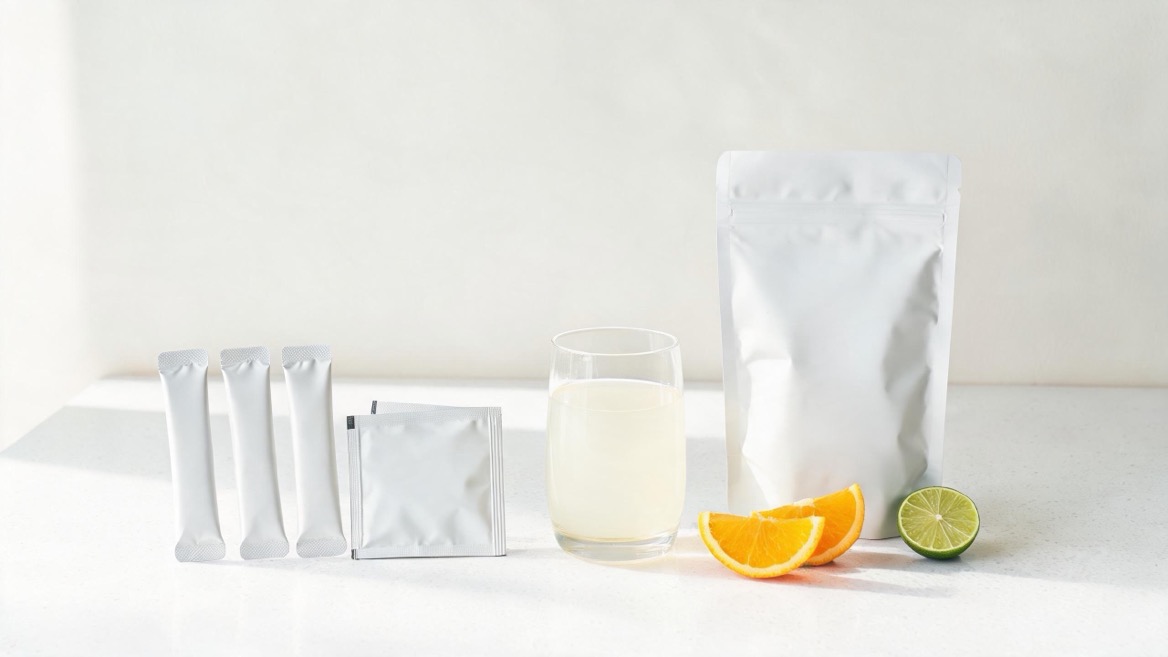
Choosing Sachets, Stick Packs, or Pouches
Packaging is a product decision, not only a logistics decision. The right format depends on serving size, use occasion, retail channel, and consumer behavior.
Single-Serve Sachets
Sachets are practical for precise, individual portions. They work well for samples, subscription kits, travel packs, fitness events, and retail multipacks.
Benefits include:
- Convenient portion control
- Easy sample distribution
- Simple consumer instructions
- Strong fit for everyday carry
- Potential for multipack retail configurations
Stick Packs
Stick packs are slim, portable, and visually distinctive. They are especially suitable for electrolyte powders designed to be used away from home.
They can be a strong option for:
- Gym bags
- Travel kits
- Cycling and running events
- Office drawers
- Outdoor activities
- Direct-to-consumer bundles
A stick pack should not be selected only because it looks premium. The powder's particle characteristics, fill weight, flow performance, and barrier needs must also be compatible with the format.
Pouches
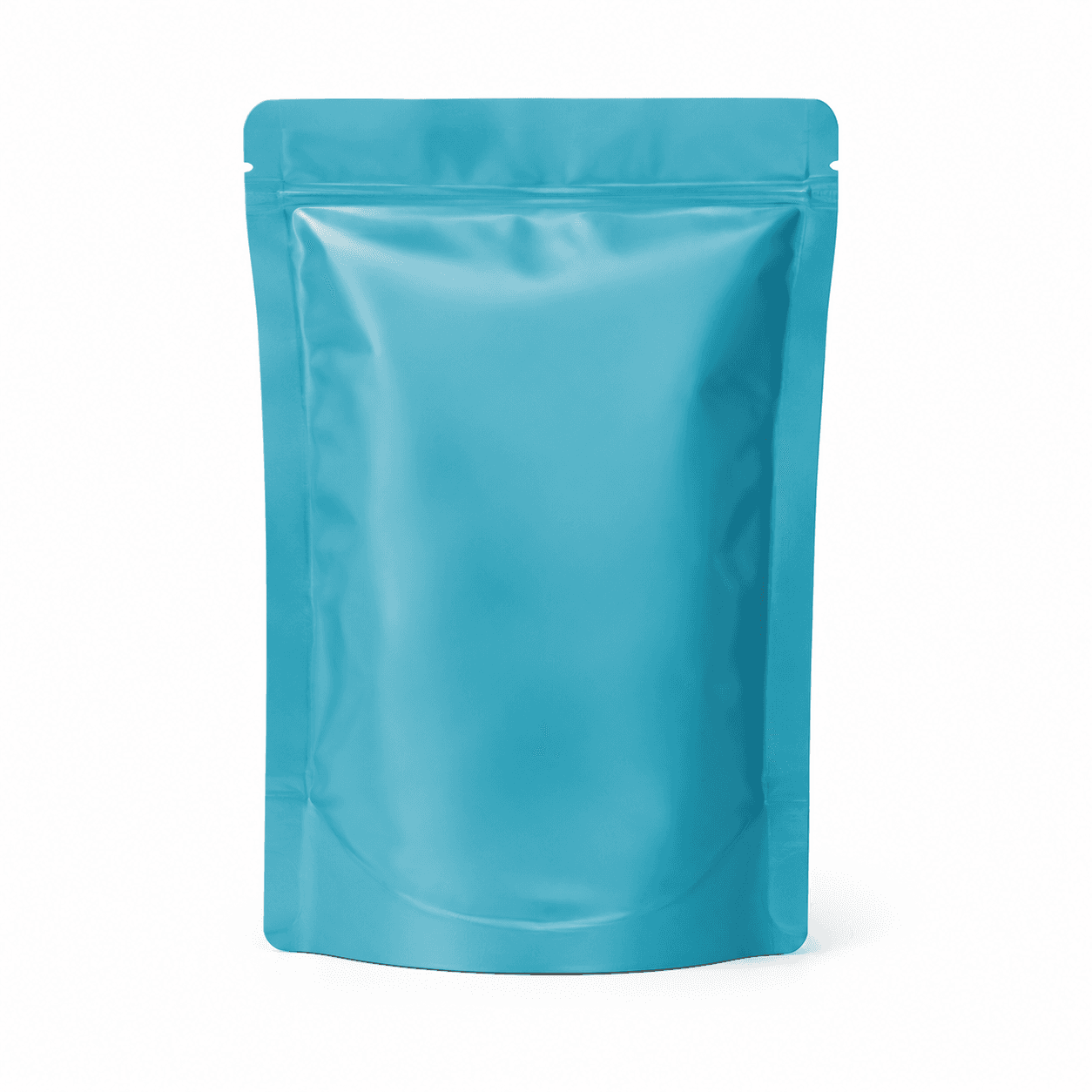
Pouches are ideal for larger-format products, including 10-serving, 20-serving, or 30-serving hydration powders. They can provide a cost-efficient format for repeat users and allow brands to create a more substantial shelf presence.
Pouch projects should consider:
- Scoop or serving system
- Reseal performance
- Moisture protection
- Headspace requirements
- Storage instructions
- Shelf-life objectives
- Shipping durability
Because electrolyte ingredients may absorb moisture, packaging barrier performance is especially important. Product quality is not preserved by formula alone; it also depends on how effectively the finished powder is protected from environmental exposure.

Quality Controls That Matter in Powder Manufacturing
For supplement brands, a supplier quotation is not enough. The more useful question is: What controls are used to demonstrate that each batch matches the agreed specification?
Under U.S. dietary supplement current good manufacturing practice requirements, manufacturers, packers, labelers, and holders must establish and follow systems designed to ensure product quality and that the finished product is packaged and labeled according to the master manufacturing record.
For electrolyte powder manufacturing, critical quality considerations commonly include:
- Verification of incoming ingredient identity
- Supplier documentation and qualification
- Raw-material specification review
- Weighing and dispensing controls
- Blending sequence and blend uniformity
- In-process checks
- Finished-product testing against established specifications
- Packaging and label reconciliation
- Batch records and traceability
- Retention samples and complaint-handling procedures
- Storage conditions that protect product quality
The Food and Drug Administration explains that a master manufacturing record is required for each unique dietary supplement formulation and each batch size to support batch-to-batch uniformity.
For a brand owner, this means a well-managed project should create a documented bridge from approved formula to final packaged product. It should be possible to trace what went into a batch, how it was processed, what checks were performed, and how the product was released.
Three Common Formulation Problems to Solve Early
1. Mineral Taste Overpowers the Flavor
A high-mineral product may sound attractive on paper but become difficult to drink. Bitter, metallic, salty, or lingering notes can lead to poor consumer reviews.
The practical solution is to conduct sensory evaluation during development. Ingredient forms, acid systems, flavors, sweeteners, and serving dilution should be assessed together.
2. Powder Clumps or Flows Poorly
Powder flow affects blending, filling consistency, and consumer experience. Hygroscopic ingredients can attract moisture, causing clumping during storage or difficulty dissolving in water.
Potential solutions may include:
- Adjusting the ingredient system
- Reviewing particle size compatibility
- Selecting appropriate processing aids where permitted
- Improving moisture-barrier packaging
- Refining production conditions
- Testing product performance during storage
3. The Product Concept Is Too Broad
"Hydration for everyone" is rarely a compelling product position. Consumers usually choose a product that fits a recognizable moment or need.
A better approach is to define a precise product story, such as:
- "Portable hydration for long-distance cyclists"
- "Low-sugar electrolyte drink mix for afternoon training"
- "Convenient stick packs for hot-weather travel"
- "Fruit-forward hydration powder for active families"
Specificity helps guide formulation, packaging, creative direction, and retail messaging.
A Practical Launch Checklist for Brands
Before moving a custom electrolyte powder into commercial production, confirm the following:
1. Product objective: Define the consumer, use occasion, and central product proposition.
2. Formula direction: Confirm ingredients, serving size, flavor, sweetener system, and nutrition profile.
3. Format choice: Select sachets, stick packs, or pouches based on actual consumer use.
4. Sensory approval: Review taste, sweetness, dissolution, mouthfeel, color, and aroma.
5. Specifications: Establish standards for raw materials, in-process controls, and finished product.
6. Label review: Ensure product presentation and claims align with the requirements of the intended market.
7. Packaging validation: Confirm that the chosen format protects the powder throughout its expected shelf life.
8. Pilot evaluation: Use development samples or pilot batches to identify issues before full-scale production.
9. Launch plan: Prepare sales materials, usage instructions, channel strategy, and replenishment forecasts.
A disciplined development process may take more planning at the beginning, but it helps prevent avoidable reformulation, packaging, and customer-experience problems later.
Build a Custom Electrolyte Powder With River Pharm Inc.
A strong electrolyte product starts with a clear brief and a manufacturing partner that understands both product development and production realities.
Whether you already have a complete formula or only a reference product and functional direction, River Pharm Inc. can help you develop and manufacture customized electrolyte powder supplements in sachets, stick packs, and pouch formats.
Share your product concept, target market, reference formula, ingredient preferences, desired flavor profile, and packaging requirements. Our team will help you assess a practical path from idea to a production-ready hydration product.
FAQ
What is custom electrolyte powder manufacturing?
Custom electrolyte powder manufacturing is the process of producing a hydration powder based on a brand's own formula or product brief. It can include formulation support, ingredient sourcing, blending, testing, filling, and packaging into formats such as stick packs, sachets, and pouches.
What is the difference between OEM and custom ODM electrolyte powder services?
With OEM manufacturing, the brand provides the finished formula and product specifications, while the manufacturer produces it. With custom ODM, the brand provides a reference product, ingredient direction, target consumer, or intended function, and the manufacturer supports formula development and production.
Does River Pharm Inc. provide stock private-label electrolyte powders?
No. River Pharm Inc. does not provide generic stock-formula relabeling. Our custom ODM approach is built around each client's reference product, ingredients, functional direction, and market requirements.
Which packaging format is best for electrolyte powder?
Stick packs and sachets are often suitable for portable, single-serve products. Pouches are commonly selected for larger, multi-serving formats. The best option depends on serving size, target channel, product flow, and moisture-protection needs.
Why is taste testing important for electrolyte drink mixes?
Electrolyte minerals can create salty, bitter, or metallic notes. Taste testing helps ensure that flavor, sweetness, acidity, and mineral content work together in a way that consumers will enjoy and repurchase.
Can electrolyte powders be made with low sugar or no added sugar?
Yes, depending on the formulation goals and ingredient strategy. Brands should decide early whether they want a conventional sweetened profile, a lower-sugar profile, or a no-added-sugar approach, because this affects flavor balance and consumer positioning.
What quality documentation should a brand expect?
Documentation may include agreed specifications, ingredient records, batch production records, testing documentation, packaging records, and other quality records appropriate to the project and destination market. U.S. requirements place emphasis on written manufacturing records and controls designed to ensure consistent product quality.
References
1. National Institutes of Health, Office of Dietary Supplements. "ODS Digest: News & Insights—July 2, 2026." Discusses electrolyte roles in fluid balance, nerve signaling, muscle contraction, and acid-base balance, and notes that electrolyte beverages or mixes may help during prolonged activity or extended heat exposure. [https://ods.od.nih.gov/News/odsdigest20260702.aspx] [ods.od.nih]
2. U.S. Food and Drug Administration. "Small Entity Compliance Guide: Current Good Manufacturing Practice in Manufacturing, Packaging, Labeling, or Holding Operations for Dietary Supplements." Covers 21 CFR Part 111, master manufacturing records, quality controls, laboratory operations, packaging, labeling, and recordkeeping. [https://www.fda.gov/regulatory-information/search-fda-guidance-documents/small-entity-compliance-guide-current-good-manufacturing-practice-manufacturing-packaging-labeling] [fda]
3. National Institutes of Health, Office of Dietary Supplements. "Potassium—Consumer Fact Sheet." Explains potassium's role in muscle contraction, nerve transmission, and heart and kidney function. [https://ods.od.nih.gov/factsheets/Potassium-Consumer/] [ods.od.nih]
4. National Institutes of Health, Office of Dietary Supplements. "Magnesium—Health Professional Fact Sheet." Provides evidence-based information on magnesium, including physiological roles, intake guidance, interactions, and safety considerations. [https://ods.od.nih.gov/factsheets/Magnesium-HealthProfessional/] [ods.od.nih]
5. NutraIngredients. "Next-Gen Hydration Solutions Spotted at Vitafoods." Reviews hydration-category innovation, including evolving product formats and electrolyte formulation approaches. [https://www.nutraingredients.com/Article/2025/06/12/next-gen-hydration-solutions-spotted-at-vitafoods/] [nutraingredients]
6. NutraIngredients. "Sterling Select Helps Electrolyte Boost Bolster Strategic Growth in Sports, Health Consumer Markets." Reports on hydration delivery formats and formulations featuring electrolytes such as sodium, potassium, and magnesium. [https://www.nutraingredients.com/Article/2025/07/01/sterling-select-helps-electrolyte-boost-bolster-strategic-growth-in-sports-health-consumer-markets/] [nutraingredients]
Hot Tags: Custom Electrolyte Powder, Electrolyte Powder Manufacturer, Electrolyte Powder OEM, Electrolyte Powder ODM, Custom Supplement Manufacturing, Stick Pack Manufacturer, Sachet Packaging, Hydration Powder Manufacturing, Dietary Supplement Manufacturer, Powder Supplement Manufacturing, custom, private label, manufacturing company, manufacturers, suppliers, factory, Customized, Bulk, quotation, oem, contract manufacturing, manufacturer, b2b manufacturing, gmp certified manufacturing
Did you find this helpful?
Comments (0)
No comments yet. Be the first to comment!
Leave a comment
Related Posts

Riverpharm · Supplement Contract Manufacturing
Your supplement brand, manufactured to the highest standard
From first formula to finished product — we handle manufacturing, packaging, and fulfillment so you can focus on building your brand.
Core services
Contract Manufacturing
GMP-certified production with full batch testing and certificate of analysis on every run.
Custom Formulation & R&D
In-house scientists develop your formula from scratch or refine existing blends for efficacy.
Packaging & Labeling
Design-to-print label service — shelf-ready, FDA-compliant, and retail-tested.
FBA Prep & Fulfillment
Amazon-ready prep and direct-to-warehouse shipping — no extra steps on your end.
By the numbers
NSF
NSF/ANSI 455-2 certified
cGMP
Certified environment
24 hr
AI-accelerated quote turnaround
600K
cGMP+ encapsulator capacity per run
Why Riverpharm
Quality systems with higher standards
- NSF/ANSI 455-2 certified
- cGMP-certified environment
- In-house + third-party testing
- Source-locked ingredients
Production capacity with faster execution
- Heavy-duty hardware
- In-house core reserves
- AI-accelerated quotes
- In-house expert hub
Delivery formats we produce
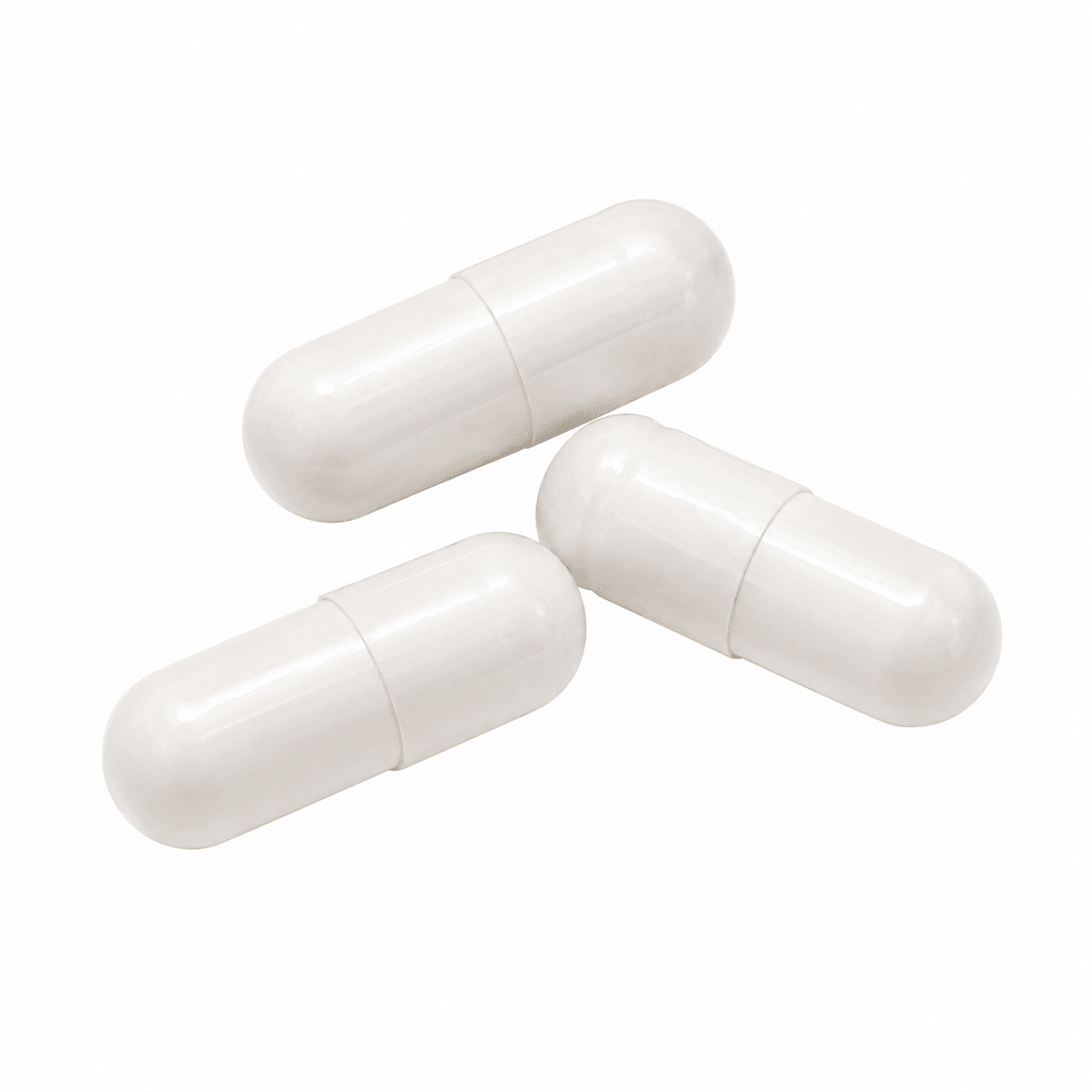
Capsules
Gelatin & HPMC vegetarian
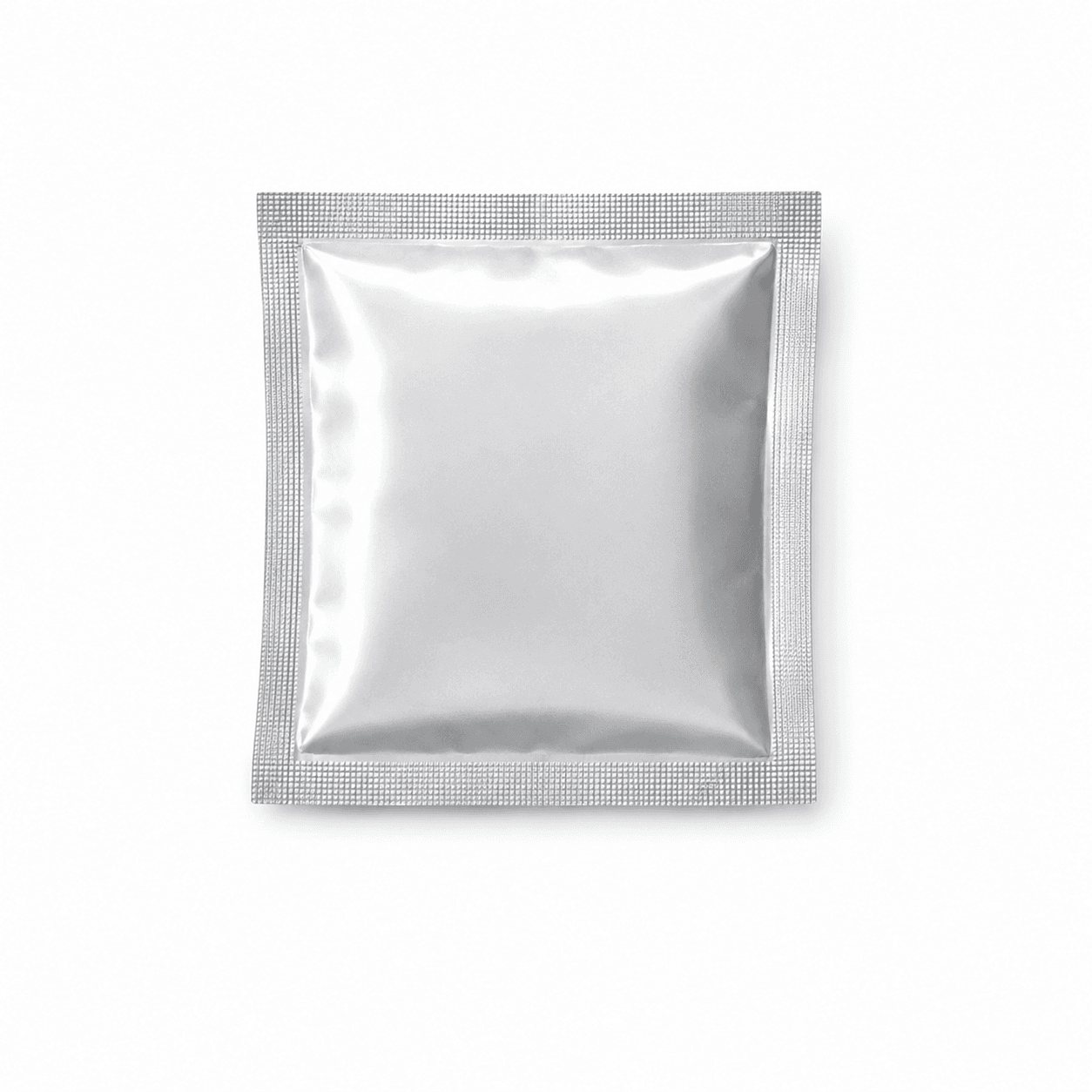
Sachets
Single-dose powder blends
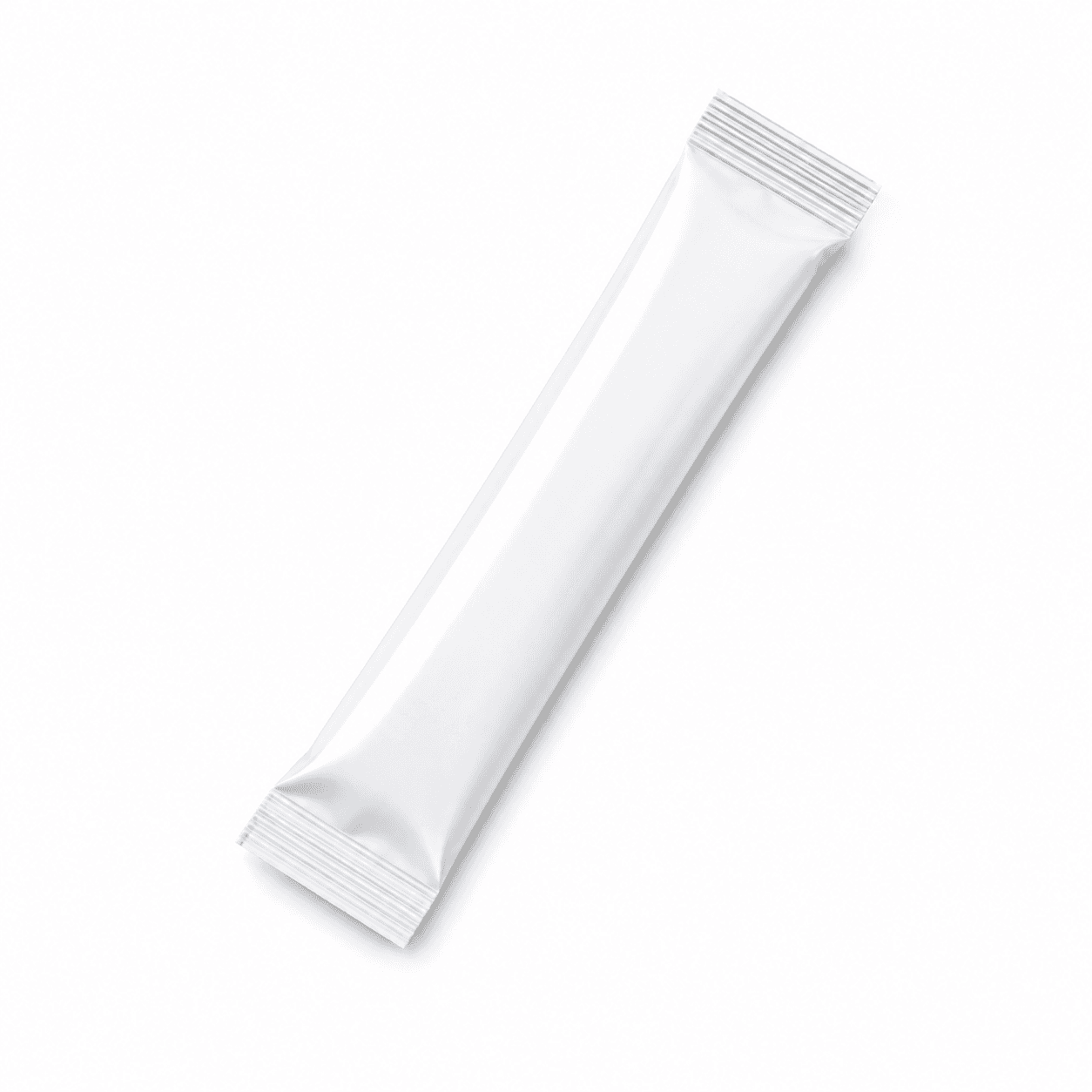
Stick packs
Convenient single-serve
Pouches
Flexible, shelf-ready
Ready to bring your supplement to market?
Free consultation · 24-hour quote · No minimum commitment to get started