Delayed-Release Capsules vs. Standard Encapsulation: Solving the Problem of Acid-Sensitive Probiotic Survival
Delayed-release capsules offer meaningful protection for acid-sensitive probiotic strains by shifting release from the stomach to the intestine, which can significantly improve survival compared with standard encapsulation. While standard capsules remain useful for robust strains and simpler products, formulations that depend on sensitive microorganisms or support more demanding gut health applications increasingly benefit from delayed-release delivery. Considering capsule technology early in product design—alongside strain selection, excipients, and packaging—allows brands to build probiotic products that more reliably deliver viable cells to the intended site of action.

Probiotic products increasingly compete on more than strain selection and CFU numbers; the capsule technology itself now plays a decisive role in whether sensitive bacteria survive the journey through the upper digestive tract. For acid-sensitive probiotic strains especially, the choice between delayed-release capsules and standard encapsulation can determine whether the formula delivers meaningful benefits or falls short of expectations. This article examines both formats from a practical, manufacturing-oriented perspective and explores how formulation teams can align capsule technology with real-world performance goals in gut health.
Understanding the Acid Barrier in Probiotic Formulation
The stomach presents one of the harshest environments a probiotic will encounter, with pH levels often falling below 3 and exposure to proteolytic enzymes. For many common strains used in supplements, such as various Lactobacillus and Bifidobacterium species, this combination can drastically reduce viability within a relatively short transit time. Even formulations that look robust on paper can deliver only a fraction of their labeled CFU count to the intestine if the delivery system offers no protection against acid.
From a formulation and product development standpoint, this creates a clear bottleneck. Investments in strain science, raw material quality, and analytical testing can be undermined when live microorganisms are released too early in the digestive tract. For brands, this may translate into inconsistent user experiences, weaker-than-expected outcomes in usage trials, and difficulty sustaining long-term product loyalty in a crowded gut health category.

What Are Delayed-Release Capsules?
Delayed-release capsules are designed to remain intact in the stomach and release their contents later in the digestive tract, typically in response to higher pH conditions found in the small intestine. In practice, this is achieved through specific capsule materials or coatings that resist disintegration in acidic environments while dissolving more readily at neutral to mildly alkaline pH.
Several functional features characterize delayed-release formats used for probiotics:
Acid resistance during the typical gastric residence time.
pH-dependent opening, often optimized for the small intestine.
Enhanced survivability of sensitive strains during simulated gastric transit tests.
Compatibility with modern expectations for plant-based or clean-label capsule materials in many projects.
For acid-sensitive strains, these features help bridge the gap between CFU values at manufacturing and CFU values actually delivered to the intestine, where colonization and functional activity are expected to occur.
What Is Standard Encapsulation?
Standard encapsulation typically involves uncoated gelatin or basic HPMC capsules that disintegrate quickly upon exposure to gastric fluid. Disintegration times often fall within a range that is acceptable for many nutrients, allowing rapid release and absorption in the upper digestive tract.
However, in the case of delicate probiotic organisms, this rapid disintegration exposes them directly to low pH and digestive enzymes at the very start of their journey. While certain robust or spore-forming strains can tolerate these conditions reasonably well, many popular species show substantial losses in viability when tested under conditions that mimic stomach transit.
Standard encapsulation is therefore not inherently unsuitable, but it is more appropriate when:
The strains have intrinsic acid resistance or form spores.
The positioning of the product is more basic or entry-level, with modest expectations about targeted delivery.
Cost constraints are strict and the delivery system is not a central part of the value proposition.
Delayed-Release vs. Standard Encapsulation: Key Technical Differences
Release Timing and Site of Action
One of the most significant differences between delayed-release and standard capsules is the timing and location of content release. Standard capsules typically begin disintegrating in the stomach within minutes, while delayed-release shells are engineered to remain intact for much longer, only opening when they reach the more favorable pH of the intestine.
This shift in release profile has downstream consequences for probiotic survival and the site where viable cells can start interacting with the gut environment. For formulations that target intestinal or colonic effects, a delayed-release format often provides a more direct route to the intended site of action.
Impact on Probiotic Viability
In laboratory models that simulate gastrointestinal transit, delayed-release technologies consistently show higher survival of sensitive probiotic strains compared to immediate-release capsules. By limiting exposure to low pH and pepsin, these capsules reduce the attrition that normally occurs in the stomach, allowing a larger fraction of the original CFU count to reach the small intestine alive.
Standard encapsulation can yield acceptable survival only when other factors compensate for the acid exposure, such as highly robust strains, carefully chosen excipients, or specific dosing recommendations. For formulations that rely heavily on acid-sensitive microorganisms, the delivery system becomes a primary determinant of whether the finished product performs as intended.
Formulation Flexibility and Stability
Delayed-release capsules can introduce additional considerations in terms of formulation and process design. Moisture levels, fill weight, bulk density, and excipient selection may all need to be tuned to ensure optimal performance of the capsule material while safeguarding probiotic viability during production and storage.
Standard capsules, by contrast, often offer a more forgiving process window, especially for simpler formulations. Nevertheless, the gains in survival and downstream performance that can be achieved with delayed-release formats frequently justify the added attention required at the formulation and manufacturing stages, particularly for flagship gut health products.

Considerations for Acid-Sensitive Probiotic Strains
Many of the strains most frequently used in gut health formulations do not tolerate prolonged exposure to strong acid and enzymes. For these organisms, the path from ingestion to colonization can be unforgiving if the delivery system releases them into the stomach unprotected. This is precisely where delayed-release capsules provide a measurable advantage.
From a formulation perspective, the following factors are particularly important:
Strain-level acid tolerance and historical performance in simulated gastric fluid.
Target site of action (upper small intestine vs. distal gut), which shapes the ideal release profile.
Intended daily dose and whether capsule count per serving can be adjusted to accommodate shell type.
Compatibility between strains, excipients, and the capsule material, including moisture and oxygen sensitivity.
When several of these factors point toward a need for stronger protection, delayed-release becomes less a premium add-on and more a structural requirement for aligning labeled CFU values with actual delivery of viable cells.
OEM Manufacturing: When the Capsule Spec Is Fixed
In an OEM scenario, a brand typically approaches the manufacturing partner with a defined formula and specified capsule format. For probiotics, this often includes exact strain designations, CFU targets, excipient constraints, and a clear decision between delayed-release and standard capsules.
With this information in hand, the manufacturer focuses on translating the specification into consistent, compliant production. Key tasks include:
Verifying the compatibility of the chosen capsule with the powder blend and chosen packaging.
Optimizing filling parameters to protect viability while maintaining throughput.
Designing stability testing protocols that confirm the product will meet CFU and performance expectations throughout shelf life.
When brands arrive with delayed-release capsules already specified, the OEM role centers on protecting the integrity of that choice through disciplined process control and documentation, rather than rethinking the delivery system itself.
Custom ODM Development: Designing Around Acid Sensitivity
Custom ODM projects often begin earlier in the product life cycle, when the brand has a desired benefit profile or reference product but has not fully locked in the technical details. In this context, the decision between delayed-release and standard encapsulation is part of a broader design exercise rather than a fixed parameter.
A typical development path for an acid-sensitive probiotic formula might include:
Defining target benefits, usage scenarios, and the user groups the product is meant to serve.
Selecting strains based on mechanistic rationale and available data, including their sensitivity to low pH.
Screening potential capsule formats, with delayed-release as a strong candidate when survival in the stomach is a critical concern.
Running pilot batches and conducting stability and transit-mimicking tests to compare survival under different encapsulation strategies.
Refining excipients, capsule type, and packaging until both performance and manufacturability align with the project’s objectives.
This approach treats the capsule as an integral part of the formula rather than a simple container. Decisions made at this stage shape how reliably the product can deliver live probiotics to the intestine under real-world conditions.
Practical Design Choices for Gut Health Portfolios
For companies managing multiple SKUs, not every product requires the same level of delivery sophistication. Some lines may emphasize robust, well-tolerated strains and broad digestive support, while others aim at demanding applications where acid-sensitive species are central to the concept.
When designing a product portfolio, several patterns often emerge:
Flagship or clinically oriented formulas tend to benefit from delayed-release capsules, especially when sensitive strains and higher user expectations are involved.
Entry-level products or formulations using naturally resilient strains may rely on standard encapsulation to balance performance and cost.
Line extensions sometimes upgrade from standard to delayed-release formats to address feedback about tolerability or perceived effectiveness.
By aligning capsule technology with the role each product plays in the overall portfolio, brands can better match user expectations and differentiate offerings within their own range.
Advanced Considerations for Formulation Teams
Experienced formulation teams typically move beyond a simple either–or decision and look at how encapsulation interacts with other design elements. Probiotic survival and performance are the result of a system, not just a single technology choice.
Some of the more advanced considerations include:
Strain–excipient interactions, including how prebiotics, buffer systems, and protective carriers might complement capsule performance.
Multi-phase or nested delivery systems that combine delayed-release capsules with additional protective structures or targeted release mechanisms.
Packaging design tuned to control moisture and oxygen, which can affect both capsule integrity and probiotic viability over time.
Balance between shelf-life stability and in vivo survival, ensuring that CFU counts remain within specification without overcompensating in ways that complicate the formula.
In this broader view, delayed-release capsules are one of several tools that can be combined to create robust, high-performing gut health products. The most effective solutions often emerge when all components—strains, excipients, capsules, and packaging—are designed to work together.
Implementation Roadmap for Transitioning to Delayed-Release
For brands currently using standard encapsulation and considering a shift toward delayed-release formats in their probiotic lines, a structured implementation roadmap can reduce risk and improve outcomes. A clear sequence of steps also helps coordinate internal stakeholders and manufacturing partners.
A practical roadmap often includes the following stages:
Clarify objectives and constraints. Define the main reasons for transitioning, such as improving survival of specific strains, addressing user feedback, or repositioning key SKUs.
Audit existing formulations. Review current strain choices, excipients, CFU targets, packaging, and available data on survival and stability.
Select candidate products. Start with one or a small set of SKUs where acid sensitivity and user expectations make delayed-release especially compelling.
Develop and test pilot batches. Compare delayed-release and standard formats using relevant stability and transit-mimicking tests, with attention to both viability and manufacturability.
Finalize specifications and documentation. Lock in capsule type, fill parameters, quality standards, and supporting data for internal and external communication.
Following a systematic process like this makes it easier to scale the transition to more products over time and to maintain consistency across production runs.

Key Takeaways for Probiotic Product Development
Delayed-release capsules address a fundamental challenge in probiotic formulation: how to help acid-sensitive strains survive passage through the stomach and reach the intestine in a viable state. By altering where and when contents are released, these capsules provide a way to align labeled CFU counts with real delivery of live microorganisms to the gut.
Standard encapsulation still has a place in probiotic product development, particularly for strains that tolerate gastric conditions or for more basic formulations where the delivery system is not a central focus. However, as knowledge about probiotic survival and user expectations continues to grow, delayed-release formats increasingly become a logical choice for formulations that rely on sensitive strains or aim for more demanding gut health applications.
For brands evaluating their next generation of products, careful consideration of capsule technology—alongside strain selection, excipients, and packaging—can help transform probiotic survival from a vulnerability into a core strength of the product line.
FAQ
1. Are delayed-release capsules always necessary for probiotic products?
Delayed-release capsules are not required for every probiotic formulation, but they are particularly useful when the product contains strains that are vulnerable to acidic conditions. When strains are naturally robust or spore-forming, standard encapsulation may still support acceptable survival, especially if other formulation strategies are in place.
2. Do delayed-release capsules change how quickly users feel the effects of probiotics?
Delayed-release capsules can shift the timing of release from the stomach to the intestine, but this does not necessarily delay perceived effects in a negative way. For many gut health applications, delivering viable probiotics closer to the intended site of action is more important than immediate release in the stomach.
3. Can delayed-release capsules be used together with prebiotics in the same formula?
Yes. Combining probiotics with prebiotics inside delayed-release capsules is a common strategy in formulations that aim to support both survival and subsequent activity. This combination needs to be evaluated for stability and compatibility, but it can enhance the overall functionality of the product.
4. How do delayed-release capsules affect manufacturing complexity?
Delayed-release capsules often require tighter control over filling conditions, moisture, and certain excipients. While this can add complexity compared to standard encapsulation, the process remains manageable with appropriate equipment, protocols, and experience. The potential benefits in survival and performance often justify this additional attention.
5. Is it possible to move an existing standard-encapsulated probiotic product into a delayed-release format?
In many cases, an existing probiotic formula can be adapted to a delayed-release capsule. This typically involves revisiting capsule specifications, adjusting process parameters, and performing new stability and transit-mimicking tests to confirm that the revised format maintains or improves viability and product performance.
References
1. Govender M, et al. “A Review of the Advancements in Probiotic Delivery.” Journal of Human Nutrition & Food Science. National Institutes of Health (NIH) PubMed Central. https://pmc.ncbi.nlm.nih.gov/articles/PMC3909163/
2. Kuijpers A, et al. “Comparison of protection and release behavior of different capsule configurations in a SHIME model.” PubMed. https://pubmed.ncbi.nlm.nih.gov/34384885/
3. Q Nutra Pharma. “Using Delayed Release Capsules.” Technical article on delayed-release capsule performance. https://www.qnutrapharma.com/en-eu/technical_papers/using-delayed-release-capsules/
4. Rajam R, et al. “Encapsulation of probiotics: past, present and future.” Applied Food Biotechnology. https://link.springer.com/article/10.1186/s43088-022-00228-w
5. “Do Probiotics Survive Stomach Acid?” GetCrunchy Library. https://getcrunchy.co/library/supplements/do-probiotics-survive-stomach-acid
6. “Benefits of Enteric Coated Probiotics for Gut Health.” Dr.Oracle. https://www.droracle.ai/articles/217163/what-are-the-benefits-of-taking-enteric-coated-probiotics
Hot Tags: Delayed Release Capsules, Probiotic Encapsulation, Acid Sensitive Probiotics, Gut Health Supplements, Enteric Coated Capsules, Probiotic OEM Manufacturing, Probiotic ODM Development, Custom Probiotic Formulation, Intestinal Targeted Delivery, B2B Supplement Manufacturer
Did you find this helpful?
Comments (0)
No comments yet. Be the first to comment!
Leave a comment
Related Posts

Riverpharm · Supplement Contract Manufacturing
Your supplement brand, manufactured to the highest standard
From first formula to finished product — we handle manufacturing, packaging, and fulfillment so you can focus on building your brand.
Core services
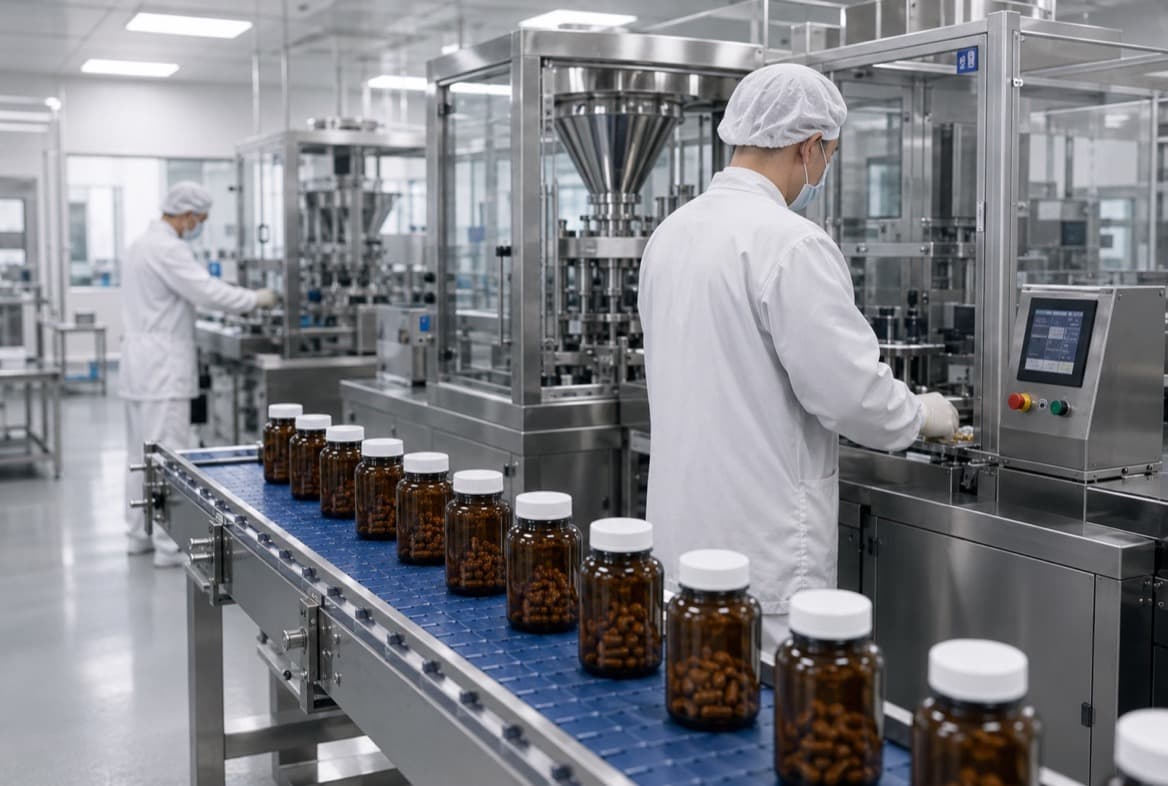
Contract Manufacturing
GMP-certified production with full batch testing and certificate of analysis on every run.
Custom Formulation & R&D
In-house scientists develop your formula from scratch or refine existing blends for efficacy.
Packaging & Labeling
Design-to-print label service — shelf-ready, FDA-compliant, and retail-tested.
FBA Prep & Fulfillment
Amazon-ready prep and direct-to-warehouse shipping — no extra steps on your end.
By the numbers
NSF
NSF/ANSI 455-2 certified
cGMP
Certified environment
24 hr
AI-accelerated quote turnaround
600K
cGMP+ encapsulator capacity per run
Why Riverpharm
Quality systems with higher standards
- NSF/ANSI 455-2 certified
- cGMP-certified environment
- In-house + third-party testing
- Source-locked ingredients
Production capacity with faster execution
- Heavy-duty hardware
- In-house core reserves
- AI-accelerated quotes
- In-house expert hub
Delivery formats we produce
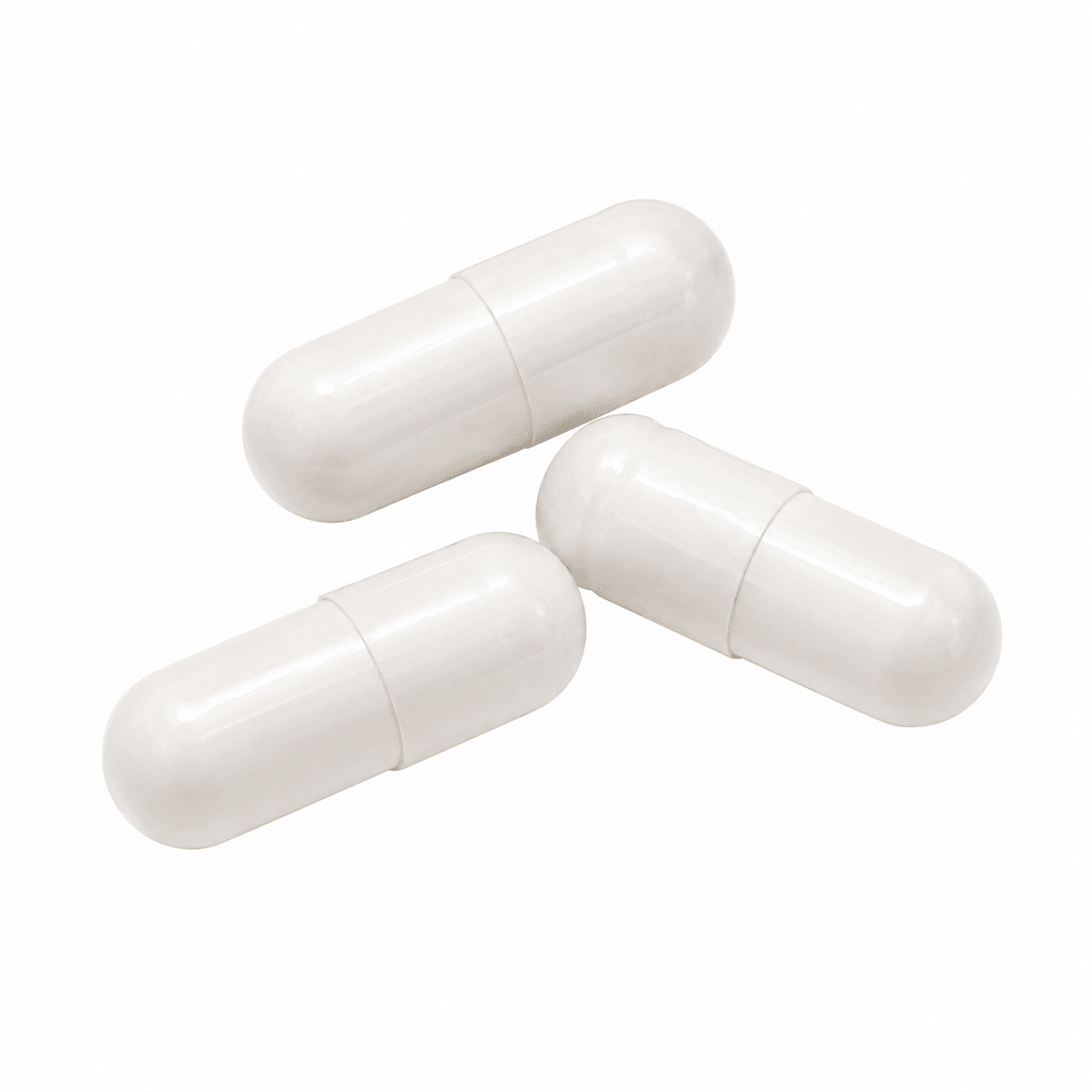
Capsules
Gelatin & HPMC vegetarian
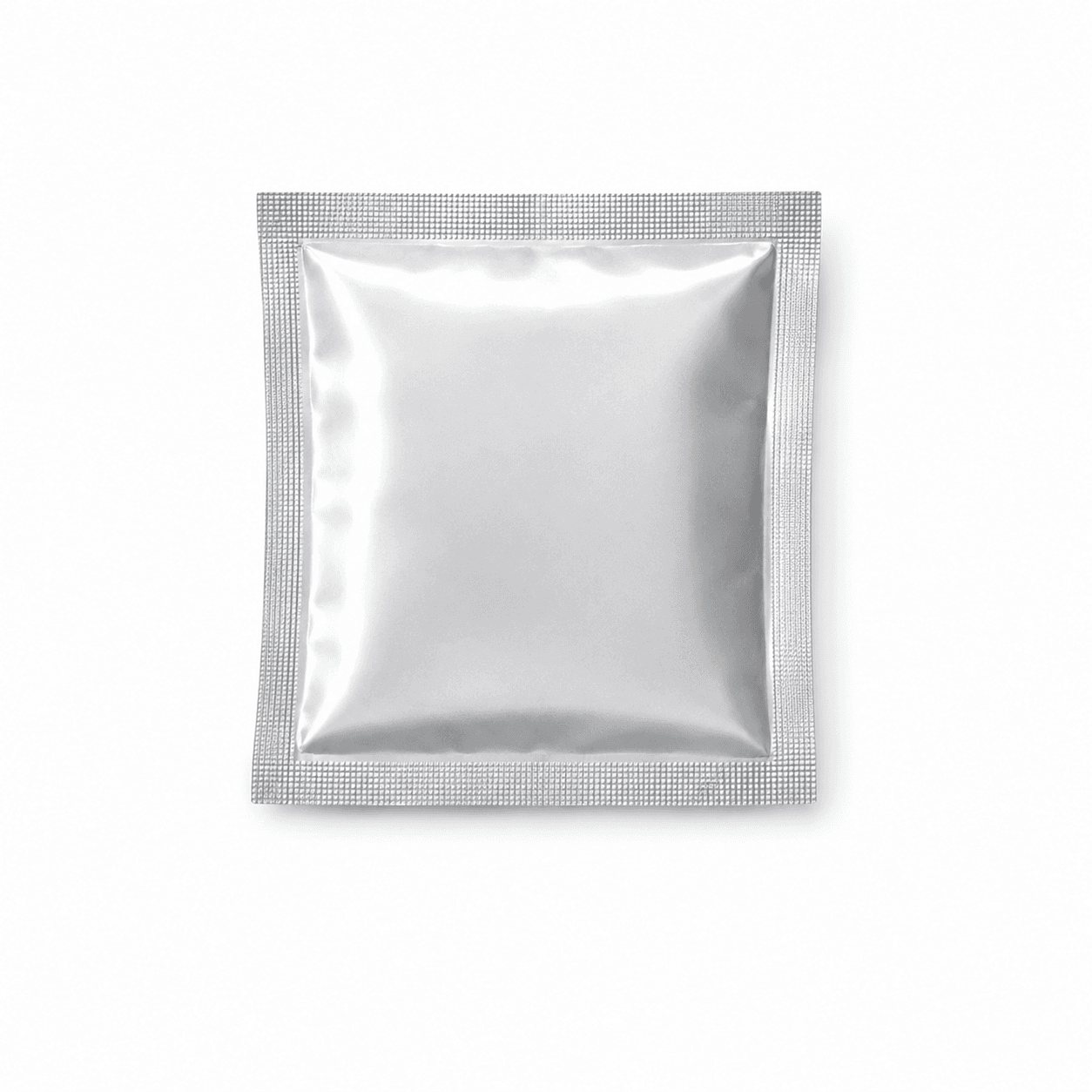
Sachets
Single-dose powder blends
Stick packs
Convenient single-serve
Pouches
Flexible, shelf-ready
Ready to bring your supplement to market?
Free consultation · 24-hour quote · No minimum commitment to get started