Digestive Health Supplement Manufacturing: A Practical Guide to Probiotic, Prebiotic, and Synbiotic Product Development
Explore digestive health supplement manufacturing for probiotics, prebiotics, synbiotics, and postbiotics in capsules, sachets, stick packs, and pouches.
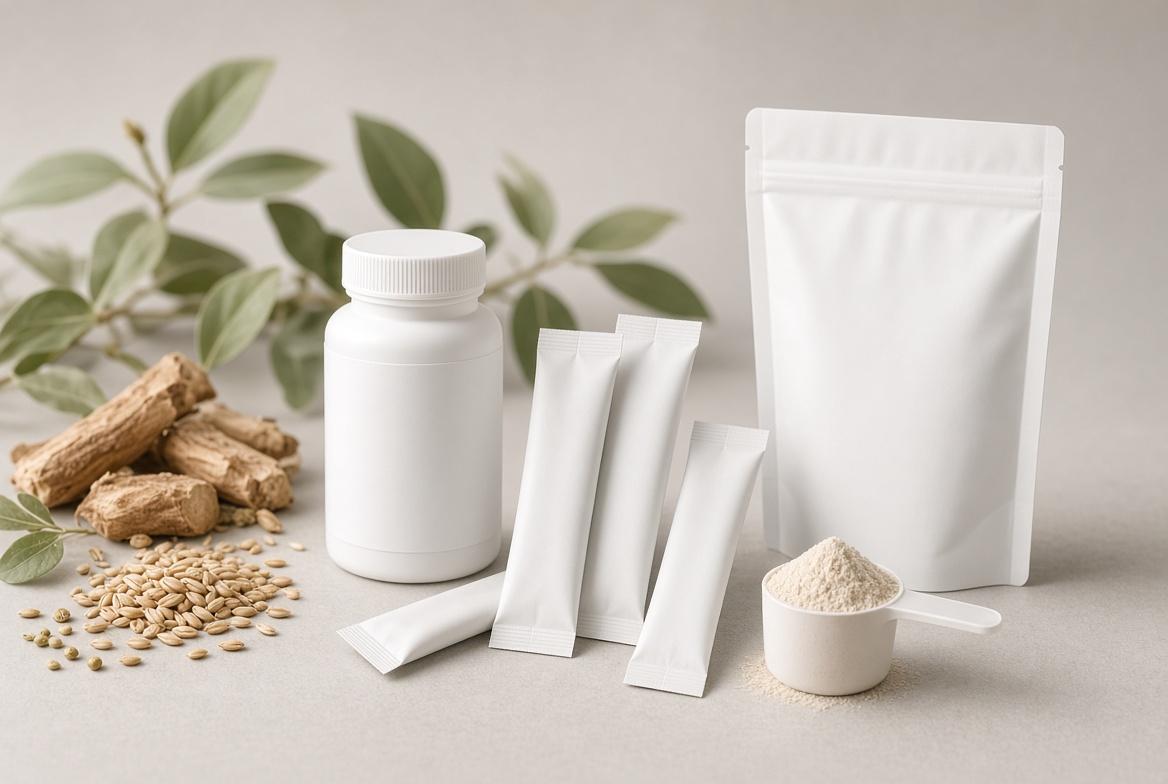
Digestive health remains one of the most active areas of dietary supplement innovation, but successful products require much more than adding a popular probiotic strain to a label. For brands developing digestive health supplements, the strongest opportunities come from evidence-aligned ingredient selection, stability-conscious formulation, suitable delivery formats, and responsible claim development.
At River Pharm Inc., we work with brands that bring either a finished formula for OEM production or a reference product, target ingredients, and desired benefits for custom ODM development. We do not offer generic stock-formula relabeling. Instead, we help brands develop and manufacture differentiated digestive health supplements in capsules, powder sachets, stick packs, and flexible pouches—formats that can support a clear product concept and a better daily-use experience.
Digestive wellness is no longer a narrow category. Buyers increasingly look for products positioned around microbiome balance, digestive comfort, fiber intake, regularity, post-meal support, and convenient nutrition routines. That shift creates a commercial opportunity, but it also raises the standard for brands. A product must be scientifically coherent, manufacturable at scale, stable through its stated shelf life, and communicated in language that is truthful and appropriately supported.

Why Digestive Health Supplements Continue to Expand
Digestive health has become a central platform for supplement innovation because it connects with several consumer priorities at once: daily comfort, dietary habits, active lifestyles, immunity-related interest, healthy aging, and personalized nutrition.
Industry monitoring has also shown growing attention to prebiotics, probiotics, and postbiotics. Although probiotics remain a major part of the category, emerging concepts such as prebiotic fiber blends, synbiotics, and heat-stable postbiotic formats are helping brands differentiate beyond conventional "high-CFU" products. NutraIngredients reported that prebiotic and postbiotic claims still appear on a relatively small share of global supplement products, leaving room for brands that can explain these ingredients clearly and formulate them responsibly.
For a brand team, the key lesson is simple: digestive health is not one product type. It is a formulation platform that can be adapted for different consumer occasions, from a once-daily capsule to a travel-friendly stick pack mixed into water.
A focused product strategy may serve audiences such as:
- Adults seeking daily digestive support.
- Consumers who want more fiber in their routine.
- Active consumers who prefer portable powder stick packs.
- Beauty-and-wellness customers interested in microbiome-focused routines.
- Adults looking for convenient support after dietary changes, travel, or irregular eating patterns.
- Brands that want a non-capsule format to stand apart in a crowded marketplace.
The most durable concepts begin with a clear user need rather than a long, unfocused ingredient list.
Understanding Probiotics, Prebiotics, Synbiotics, and Postbiotics
A credible digestive health formula should distinguish between related—but different—ingredient categories. These terms are often used interchangeably in consumer marketing, yet they describe different formulation approaches.
Probiotics: Live, Strain-Specific Microorganisms
Probiotics are live microorganisms that, when consumed in adequate amounts, provide a health benefit to the host. Their identity matters at the genus, species, and strain level. A formula that lists only a broad category, such as "Lactobacillus blend," may be less informative than one that identifies specific strains and aligns them with appropriate technical documentation.
Probiotic development is not simply a matter of selecting the highest possible colony-forming unit count. A higher number is not automatically a better product. The relevant question is whether the chosen strain, delivered dose, formulation system, and shelf-life target work together.
From a manufacturing perspective, the critical considerations include:
- Strain identity and supplier documentation.
- Target CFU at the end of shelf life, not only at production.
- Sensitivity to heat, moisture, oxygen, and compression.
- Compatibility with excipients and prebiotic fibers.
- Packaging barrier performance.
- Storage conditions and distribution environment.
The U.S. National Institutes of Health notes that probiotic effects can be strain-specific, and that different strains, doses, and formulations make it difficult to generalize findings across all products. It also notes that labels may voluntarily list CFU counts, while total microorganism weight alone does not indicate viable cell count.
Prebiotics: Fermentable Ingredients for Microbial Activity
Prebiotics are generally nondigestible food components that selectively stimulate the growth or activity of desirable microorganisms. Common examples may include inulin, fructo-oligosaccharides, galacto-oligosaccharides, resistant starches, and selected soluble fibers.
For product developers, prebiotic ingredients offer several advantages. They can fit naturally into powdered beverages, sachets, stick packs, and flexible pouches. They can also help brands create fiber-forward positioning, which may be easier to integrate into a daily routine than a traditional capsule-only product.
However, fiber selection requires practical formulation judgment. Some fibers affect mouthfeel, sweetness, solubility, hygroscopicity, or gastrointestinal tolerance. A highly effective powder is not just an ingredient list; it is a balance of dose, sensory performance, flowability, mixing behavior, and user comfort.
Synbiotics: A Deliberate Combination Strategy
Synbiotics combine probiotics and prebiotics in one product. The concept can be compelling, but a meaningful synbiotic product should be designed intentionally. Adding a low level of generic fiber next to a probiotic does not automatically create a differentiated formula.
A stronger approach is to define:
1. The desired consumer use occasion.
2. The probiotic strain or strains.
3. The prebiotic component and serving size.
4. The product format.
5. The stability plan through the stated shelf life.
6. The language used to communicate the product's intended role.
For example, a daily powder stick pack may combine a soluble fiber system with documented probiotic strains, natural flavoring, and a low-sugar or no-added-sugar positioning strategy. In contrast, a delayed-release capsule may prioritize probiotic protection, compact dosing, and convenient once-daily use.
Postbiotics: A Flexible Format for Product Innovation
Postbiotics are preparations of inanimate microorganisms and/or their components that provide a health benefit. Unlike live probiotics, postbiotic ingredients can offer useful formulation flexibility because they do not rely on maintaining viable cells throughout the shelf life.
That does not mean postbiotics are automatically easier or better. They still require careful supplier qualification, ingredient characterization, substantiation review, and formulation compatibility testing. But for products exposed to challenging processing conditions—or for brands that want a compact, stable capsule or powder format—postbiotics can be a useful direction to explore.
Choosing the Right Delivery Format for Digestive Health Products
Format selection should follow the formula, target user, and product-use experience. A technically sound ingredient system can still underperform commercially if the delivery format is inconvenient or inconsistent with the brand's target audience.
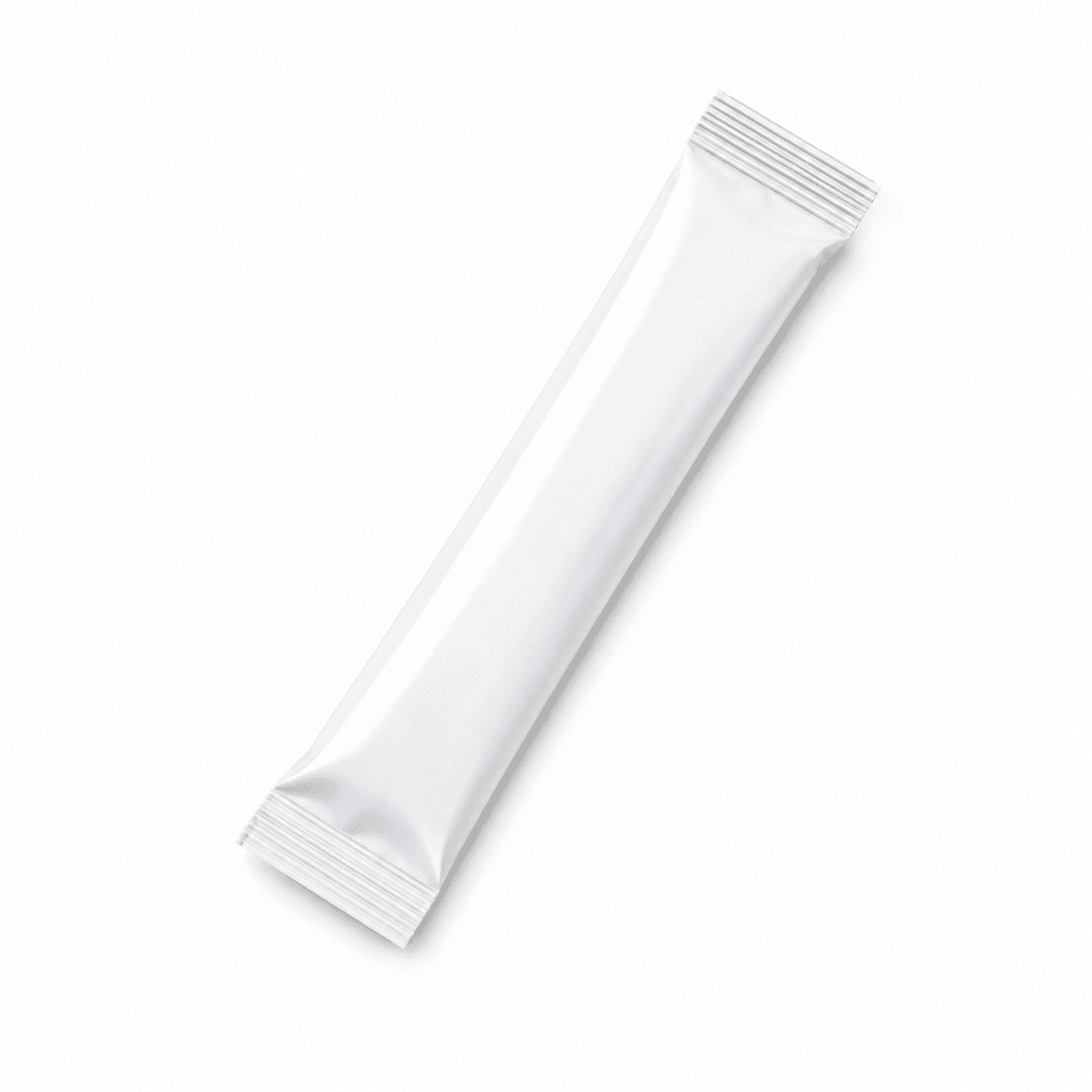
For many brands, stick packs and sachets offer a practical opportunity to differentiate. They turn a supplement into a repeatable ritual: tear, pour, mix, and consume. This format is particularly suitable for products containing fiber systems, flavored synbiotic powders, or multi-ingredient digestive support blends.
Capsules remain highly relevant, especially when the formula requires precise dosing, a compact serving size, minimal flavor exposure, or a premium clinical-style presentation.

The Manufacturing Reality: Stability Is Part of the Formula
A digestive health product should be designed around what will still be present and functional when the customer uses it—not merely what was added on the day of production.
This is especially important for live microbial products. Probiotic viability can be influenced by raw-material age, water activity, heat exposure, oxygen, blending time, capsule-fill conditions, packaging, transportation, and storage. A formula with an impressive label claim but weak stability planning may create unnecessary commercial risk.
At River Pharm Inc., a digestive health development discussion should address the following before commercial production:
- The intended markets and regulatory context.
- The product's desired shelf life.
- The target CFU level at end of shelf life, where applicable.
- Ingredient certificates, identity, and microbiological specifications.
- The need for overage to support stability targets.
- The compatibility of probiotic strains with minerals, botanicals, enzymes, acids, flavors, or fiber systems.
- Packaging selection for moisture and oxygen protection.
- Storage conditions and distribution expectations.
- Finished-product testing and documentation requirements.
Packaging is not an afterthought. It is part of the product-protection system.
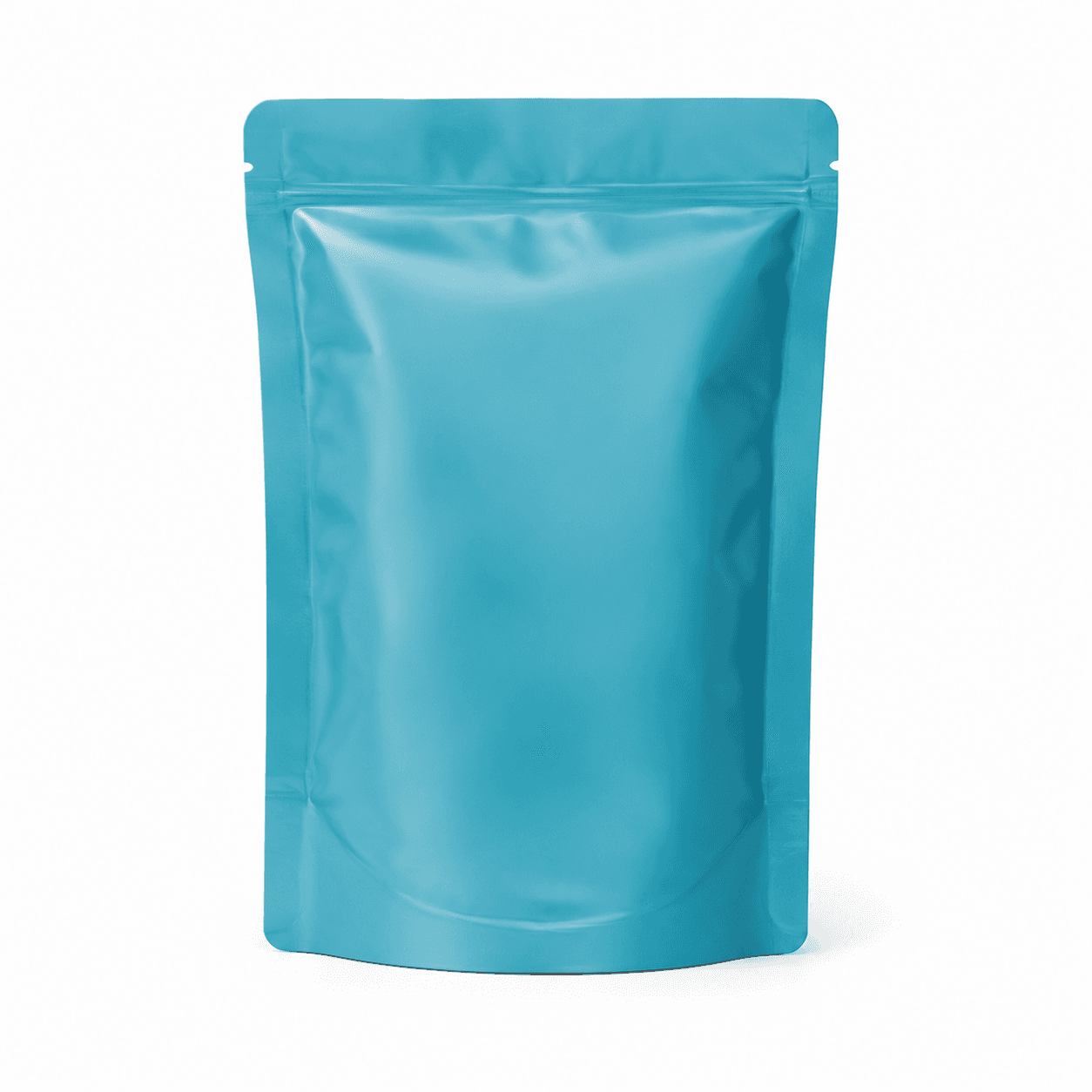
For example, a probiotic capsule may require a moisture-conscious bottle configuration, induction seal, desiccant, and carefully selected storage instructions. A powder stick pack may require high-barrier film and validated sealing performance to reduce moisture ingress during storage and shipment.
How to Build a More Credible Digestive Health Formula
Brands often ask whether they should begin with a popular ingredient, a competitor reference product, or a broad benefit statement. In our experience, the best starting point is a structured development brief.
Step 1: Define the Consumer and Occasion
Avoid building for "everyone with gut health concerns." Instead, define the product's practical place in a routine.
Examples include:
- A once-daily capsule for busy professionals.
- A fiber stick pack for consumers who do not meet daily fiber goals.
- A travel-friendly sachet designed for routine continuity away from home.
- A flavored synbiotic powder for wellness consumers who prefer drink mixes.
- A capsule-and-powder product family built around the same brand platform.
A clear use occasion helps determine format, flavor direction, serving size, price architecture, and packaging.
Step 2: Set an Evidence-Aligned Ingredient Framework
The formula should have a clear internal rationale. If the product includes probiotics, identify strains precisely. If it includes a prebiotic, determine whether the dose is commercially meaningful and technically compatible with the format. If it includes digestive enzymes or botanicals, assess whether they fit the product concept and intended communication.
Do not combine ingredients merely because they are popular. Complexity can increase cost, reduce stability, complicate manufacturing, and make the finished product harder to explain.
Step 3: Design Claims Before Finalizing the Label
Claims should shape formulation choices early. A responsible product-development process does not wait until artwork is finished to ask whether a statement is appropriate.
For dietary supplements, structure/function claims may describe the role of an ingredient in supporting normal body structure or function. The company must have substantiation that the claim is truthful and not misleading. Such claims require the applicable disclaimer and cannot state that the product diagnoses, treats, cures, or prevents disease.
Examples of more appropriate direction may include:
- "Supports digestive health."
- "Helps support a healthy gut microbiome."
- "Supports digestive comfort."
- "Supports regularity with dietary fiber."
- "Supports the body's natural digestive processes."
The exact claim language should always be reviewed in the context of the complete label, formula, substantiation file, target market, and product presentation.
Step 4: Validate the Manufacturing and Packaging Plan
Before launch, establish a plan for ingredient acceptance, blending or filling controls, quality testing, packaging configuration, and shelf-life verification. This is particularly important for microbial products because the number of viable organisms can decline over time.
A serious digestive health product should be built for real-world handling, including warehousing, shipping, retailer storage, and consumer use.
Common Product Development Mistakes to Avoid
The market rewards clarity, not unnecessary complexity. Brands can strengthen their launch strategy by avoiding several common mistakes.
- Chasing the highest CFU number without considering strain evidence, survival, and end-of-shelf-life viability.
- Using broad strain descriptions instead of precise identification.
- Adding fiber to a formula without checking taste, texture, solubility, and serving-size practicality.
- Selecting packaging after the formula has already been finalized.
- Making disease-related claims that create avoidable regulatory exposure.
- Copying a competitor's label instead of creating a distinct, supportable product position.
- Choosing a generic product concept that does not give customers a reason to switch brands.
- Treating powder flavor development as secondary to the active ingredients.
A strong product does not need to promise everything. It needs to deliver a clear, credible reason to be used consistently.
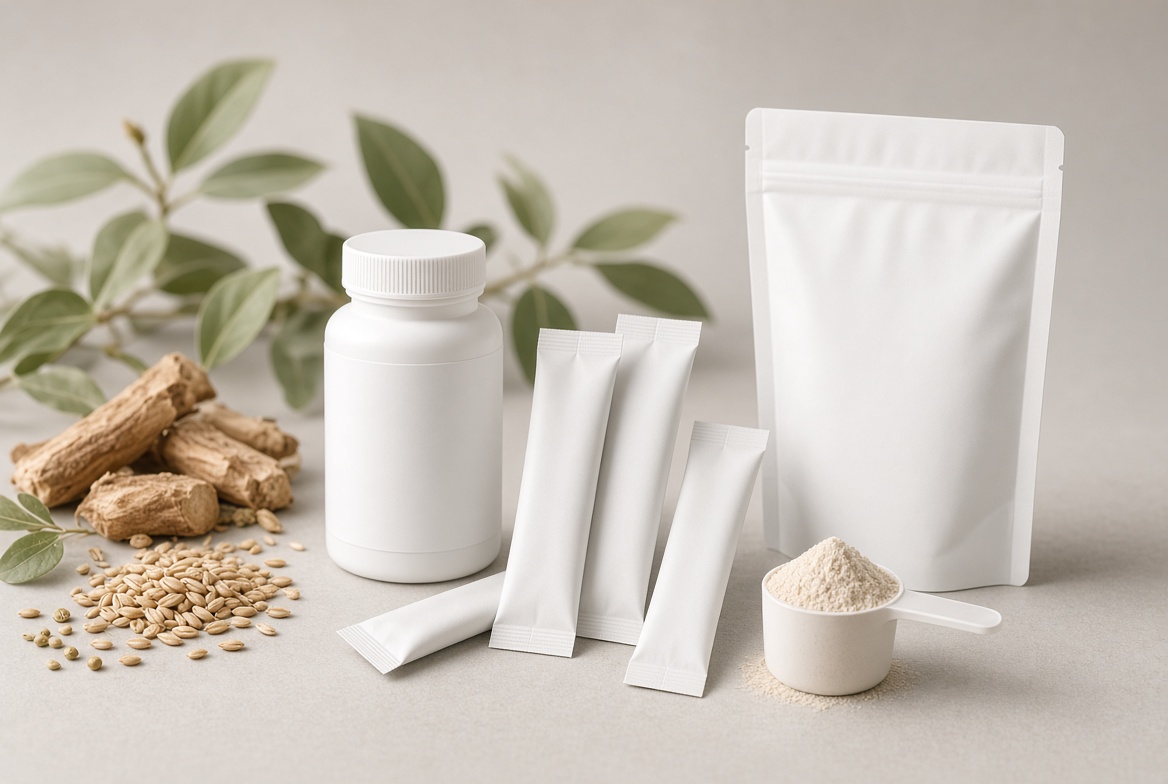
Developing a Digestive Health Supplement With River Pharm Inc.
River Pharm Inc. supports brands that want a manufacturing partner for digestive health supplements across capsules, powder sachets, stick packs, and flexible pouch formats.
Our OEM model is straightforward: you provide the formula, and we manufacture it according to the agreed production and quality requirements.
Our custom ODM model is designed for brands that provide a reference product, target ingredient list, functional direction, or desired format. Our team then supports formulation development and manufacturing based on that brief. We do not offer generic stock-formula relabeling because meaningful differentiation requires more than placing a new label on a common product.
Whether you are planning a precision probiotic capsule, a fiber-forward powder sachet, a synbiotic stick pack, or a stable postbiotic formula, the development process should begin with a practical conversation about your target market, positioning, ingredient direction, packaging expectations, and commercial goals.
Ready to develop a differentiated digestive health supplement? Contact River Pharm Inc. with your existing formula, reference product, ingredient concept, or target benefit direction to discuss an OEM or custom ODM manufacturing project.
FAQ
What is the difference between a probiotic and a prebiotic?
A probiotic is a live microorganism intended to provide a health benefit when consumed in adequate amounts. A prebiotic is a nondigestible component that can selectively stimulate the growth or activity of desirable microorganisms. Products that combine both are commonly called synbiotics.
Can digestive health supplements be manufactured as stick packs?
Yes. Stick packs can be suitable for flavored fiber powders, prebiotic blends, synbiotic drink mixes, and other single-serve digestive health products. The formula must be developed with attention to solubility, taste, moisture protection, powder flow, and fill-weight consistency.
Why does probiotic strain identification matter?
Probiotic effects may be strain-specific. That means evidence associated with one strain cannot automatically be applied to another strain in the same species or genus. A well-developed product should identify its microbial ingredients accurately and align its formulation with available technical and scientific documentation.
Is a higher CFU count always better?
No. A higher CFU count does not automatically make a probiotic more effective. The appropriate dose depends on the specific strain, product format, intended use, and stability through shelf life. NIH notes that products with higher CFU counts are not necessarily more effective than lower-CFU products.
Can a digestive health supplement claim to treat IBS, Crohn's disease, or colitis?
Dietary supplements should not be marketed with claims that they diagnose, treat, cure, or prevent disease. Product claims should be carefully reviewed to ensure they are truthful, not misleading, and appropriate for the product category.
Which format is better for a digestive health product: capsule or powder?
The best format depends on the formula and consumer experience. Capsules are often suitable for compact daily probiotic or postbiotic products. Powders, sachets, and stick packs can be better for products featuring meaningful fiber doses, beverage-style routines, or portable single-serve use.
What information should a brand provide to start a custom ODM project?
A useful brief may include a reference product, intended benefits, target ingredients, desired format, target market, packaging preferences, planned serving size, price level, and expected launch timeline. River Pharm Inc. can then evaluate formulation and manufacturing feasibility.
References
1. National Institutes of Health, Office of Dietary Supplements. "[Probiotics: Fact Sheet for Health Professionals]." Accessed August 2026. This source was used for probiotic definitions, distinctions among probiotics, prebiotics, synbiotics, and postbiotics, strain specificity, CFU labeling context, and shelf-life viability considerations. [ods.od.nih]
2. U.S. Food and Drug Administration. "[Structure/Function Claims]." Accessed August 2026. This source was used for discussion of substantiation, structure/function claim requirements, notifications, disclaimers, and disease-claim limitations for dietary supplements. [fda]
3. National Center for Complementary and Integrative Health. "[Probiotics: Usefulness and Safety]." Accessed August 2026. This source was used for definitions of probiotics, prebiotics, and synbiotics; safety context; and the importance of distinguishing product claims from disease-treatment claims. [nccih.nih]
4. NutraIngredients. "[Beyond Basic Biotics: Gut Health Ingredients Set for Success in 2026]." Published January 22, 2026. This source was used for category context related to the expanding role of digestive-health ingredients. [nutraingredients]
5. NutraIngredients. "[Euromonitor Outlines Drivers Accelerating the Biotic Boom]." Published February 26, 2026. This source was used for market observations regarding the emerging presence of prebiotic and postbiotic terminology in global supplement products. [nutraingredients]
6. Makers Nutrition. "[Digestive Health Supplement Manufacturing: Back to Basics]." Accessed August 2026. This article was reviewed as a structural reference for B2B digestive health manufacturing themes, including category segmentation, probiotic and prebiotic product concepts, and powder-format relevance. [makersnutrition]
Hot Tags: Digestive Health Supplement Manufacturer, Probiotic Supplement Manufacturer, Prebiotic Supplement Manufacturer, Synbiotic Supplement Manufacturing, Dietary Supplement OEM, Custom Supplement Manufacturing, Supplement ODM Services, Probiotic Contract Manufacturing, Stick Pack Supplement Manufacturer, Powder Sachet Manufacturer, custom, private label, manufacturing company, manufacturers, suppliers, factory, Customized, Bulk, quotation, oem
Did you find this helpful?
Comments (0)
No comments yet. Be the first to comment!
Leave a comment
Related Posts



Riverpharm · Supplement Contract Manufacturing
Your supplement brand, manufactured to the highest standard
From first formula to finished product — we handle manufacturing, packaging, and fulfillment so you can focus on building your brand.
Core services
Contract Manufacturing
GMP-certified production with full batch testing and certificate of analysis on every run.
Custom Formulation & R&D
In-house scientists develop your formula from scratch or refine existing blends for efficacy.
Packaging & Labeling
Design-to-print label service — shelf-ready, FDA-compliant, and retail-tested.
FBA Prep & Fulfillment
Amazon-ready prep and direct-to-warehouse shipping — no extra steps on your end.
By the numbers
NSF
NSF/ANSI 455-2 certified
cGMP
Certified environment
24 hr
AI-accelerated quote turnaround
600K
cGMP+ encapsulator capacity per run
Why Riverpharm
Quality systems with higher standards
- NSF/ANSI 455-2 certified
- cGMP-certified environment
- In-house + third-party testing
- Source-locked ingredients
Production capacity with faster execution
- Heavy-duty hardware
- In-house core reserves
- AI-accelerated quotes
- In-house expert hub
Delivery formats we produce
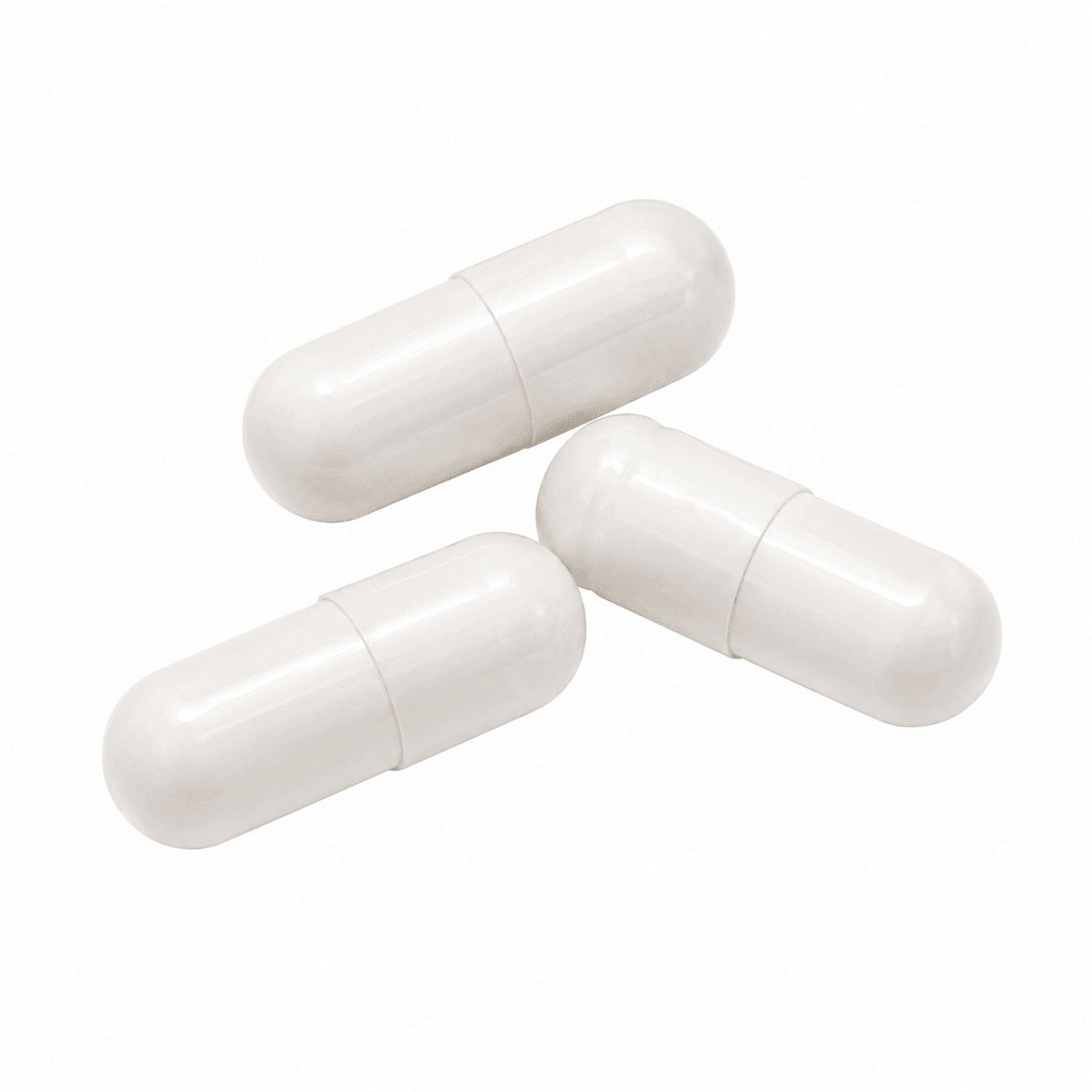
Capsules
Gelatin & HPMC vegetarian
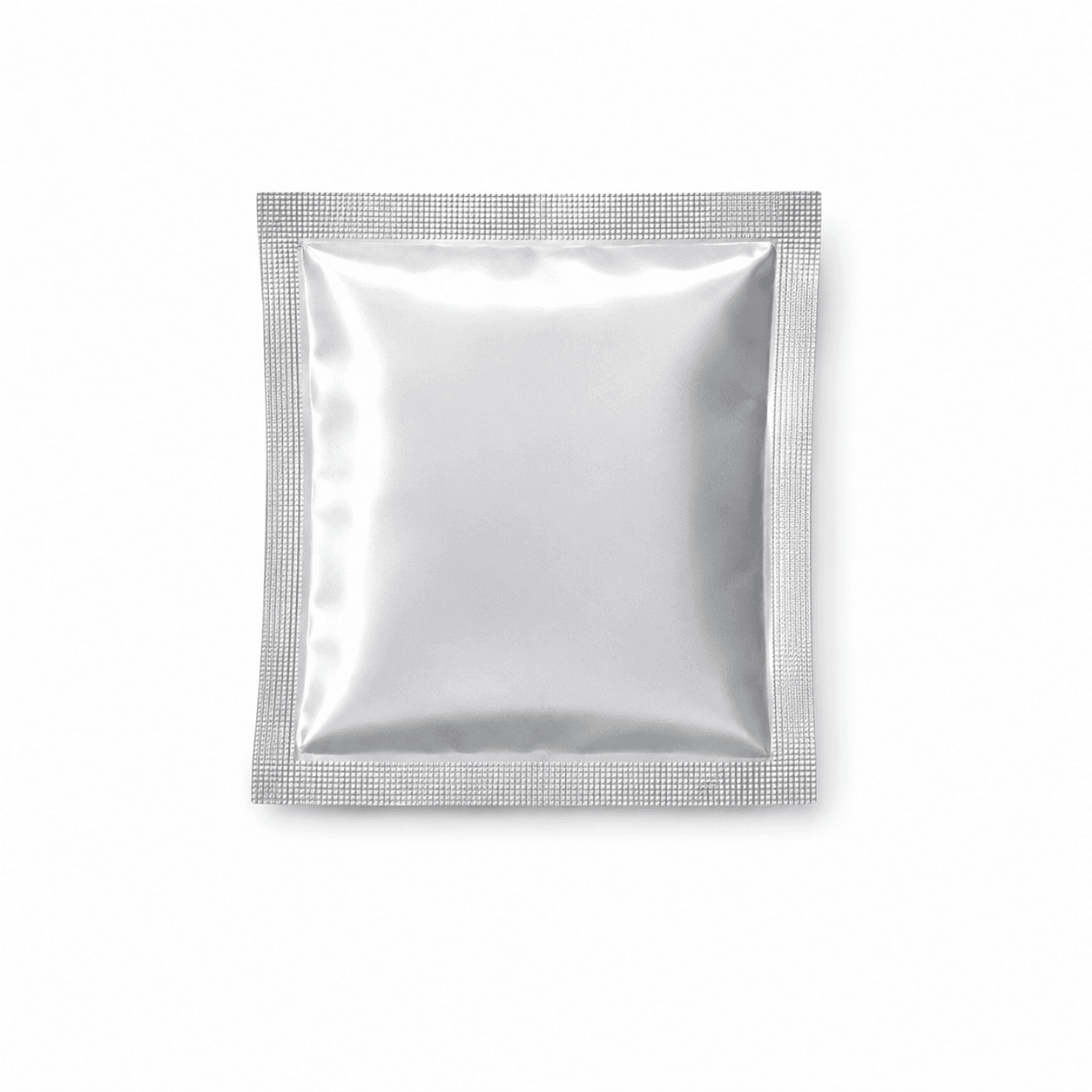
Sachets
Single-dose powder blends
Stick packs
Convenient single-serve
Pouches
Flexible, shelf-ready
Ready to bring your supplement to market?
Free consultation · 24-hour quote · No minimum commitment to get started