High-Quality Brain Health Supplement Manufacturing with OEM & ODM Partners
Discover how OEM and custom ODM partnerships with River Pharm Inc can turn brain health concepts into high-quality, cGMP‑produced supplements. Learn about capsules, stick packs, sachets and pouches designed for memory, focus and long‑term cognitive support.
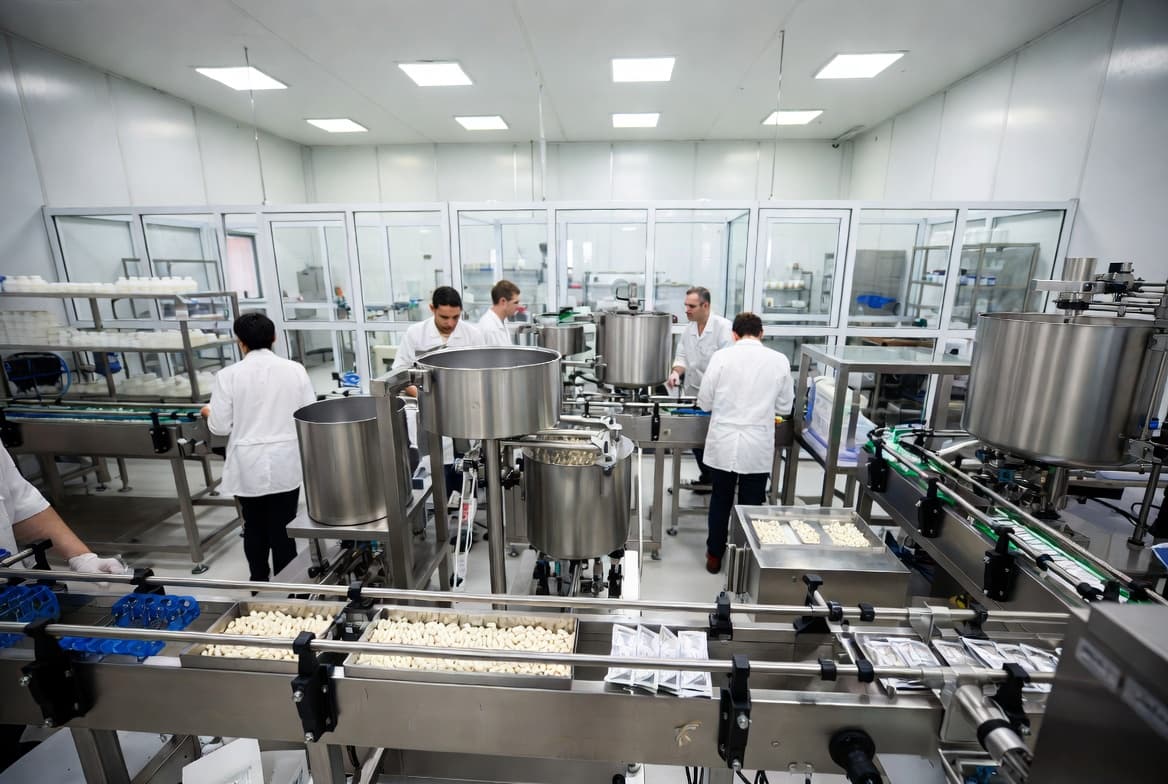
As cognitive health moves to the center of the global wellness conversation, brands can no longer treat brain health supplements as simple commodity products. To build trust with increasingly informed B2B buyers and end consumers, it is essential to combine evidence-informed formulation, rigorous manufacturing standards, and a clear user experience strategy. For brands working with an OEM/ODM specialist like River Pharm Inc, this means turning concepts around memory, focus, and long-term brain performance into stable, compliant, and scalable products in capsule, sachet, stick pack, and pouch formats.
Understanding the Brain Health Supplement Opportunity
Brain health supplements occupy a unique position in the nutraceutical market. They aim to support functions that are both highly valued and highly scrutinized: memory, concentration, mental energy, mood balance, and cognitive resilience as we age. At the same time, consumers expect products that feel credible, safe, and consistent, rather than quick fixes or vague claims.
From a manufacturing and product strategy perspective, this creates a clear opportunity for brands that take the category seriously. Instead of launching generic formulas with unclear benefits, successful brands build tightly defined cognitive products targeted at specific user scenarios, such as deep work, exam preparation, stress-heavy lifestyles, or healthy aging. The role of a specialized manufacturer is to translate these strategic intentions into practical formulas and robust production processes that can withstand regulatory and market scrutiny.
OEM vs ODM: Choosing the Right Path for Your Brain Health Portfolio
When working with a contract manufacturer, brands typically choose between OEM and ODM modes of collaboration. Both can work well for cognitive health products, but they serve different strategic needs.
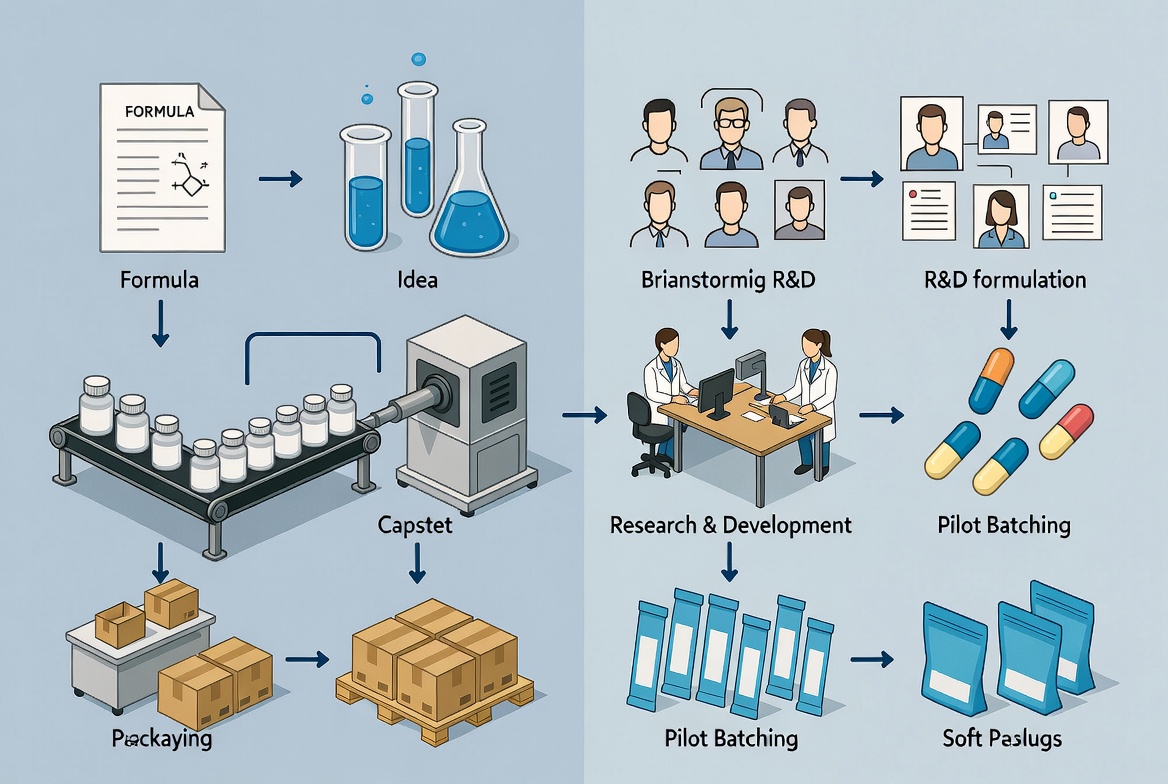
OEM: From Your Formula to Scalable Production
In an OEM model, the brand already has a formula, or at least a nearly finalized concept with defined ingredients and dosages. The manufacturer’s job is to verify feasibility, refine technical details, and then produce the product in a compliant, repeatable way.
For brain health supplements, OEM collaboration often looks like this:
The brand presents a detailed formula focused on cognitive benefits, such as memory support, mental clarity, or stress-related focus.
The manufacturer reviews the ingredient list for compatibility, stability, and manufacturability in target formats like capsules, stick packs, or small pouches.
Raw materials are sourced according to agreed specifications, and pilot batches are produced to validate blend uniformity, filling behavior, and packaging performance.
Once the process is proven, full-scale production proceeds under defined manufacturing procedures and quality standards.
OEM is ideal for brands with strong in-house R&D who need a reliable production partner to scale existing formulas. It allows them to keep tight control over scientific positioning and ingredient choices, while benefiting from professional manufacturing and packaging capabilities.
Custom ODM: From Concept and Reference Products to Unique Formulas
ODM collaboration goes deeper into the development process. Instead of delivering a complete formula, the brand brings a concept, reference products, or a direction such as “productivity and focus,” “memory support for older adults,” or “stress and mood balance for busy professionals.” The manufacturer’s R&D team then designs a new formula and delivery format around that concept.
In this custom ODM model:
The brand defines target users, desired cognitive outcomes, and market positioning, often referencing existing products or ingredients without prescribing exact formulas.
The R&D team researches suitable ingredients, evaluates dosage ranges, and builds a coherent formula that aligns with the brand’s concept and regulatory norms.
Delivery formats are chosen to match both the formula and the user scenario—capsules for precision and convenience, powders in stick packs for on-the-go use, or soft pouches for daily packs and subscription models.
Process development and pilot runs ensure the formula can be produced consistently at scale, with appropriate stability and quality controls.
Unlike public stock or “label-slapping” solutions, custom ODM at River Pharm focuses on unique formulas tailored to each brand. This approach protects brand differentiation and avoids direct competition with identical products sold under multiple labels.
The Importance of Manufacturing Standards in Cognitive Health
Brain health supplements may be sold in the wellness market, but they are judged with almost pharmaceutical-level expectations. Users want consistent experiences, and regulators expect clear and documented processes. That is why current good manufacturing practice (cGMP) is foundational rather than optional.
A serious brain health manufacturing partner will work within established quality and safety frameworks for dietary supplements. This includes defined procedures for weighing, blending, filling, and packaging; controlled environments to protect product integrity; and documented batch records that capture every step of production. Incoming raw materials and finished products are tested for identity, purity, strength, and composition, helping ensure that the formula in the specification is the formula in the capsule or sachet.
For brands, these standards mean greater confidence in their products and easier communication with distributors, retailers, and regulators. They also reduce the risk of variability in cognitive effects from batch to batch, which is crucial in a category where perceived performance directly influences repeat purchases and long-term brand credibility.
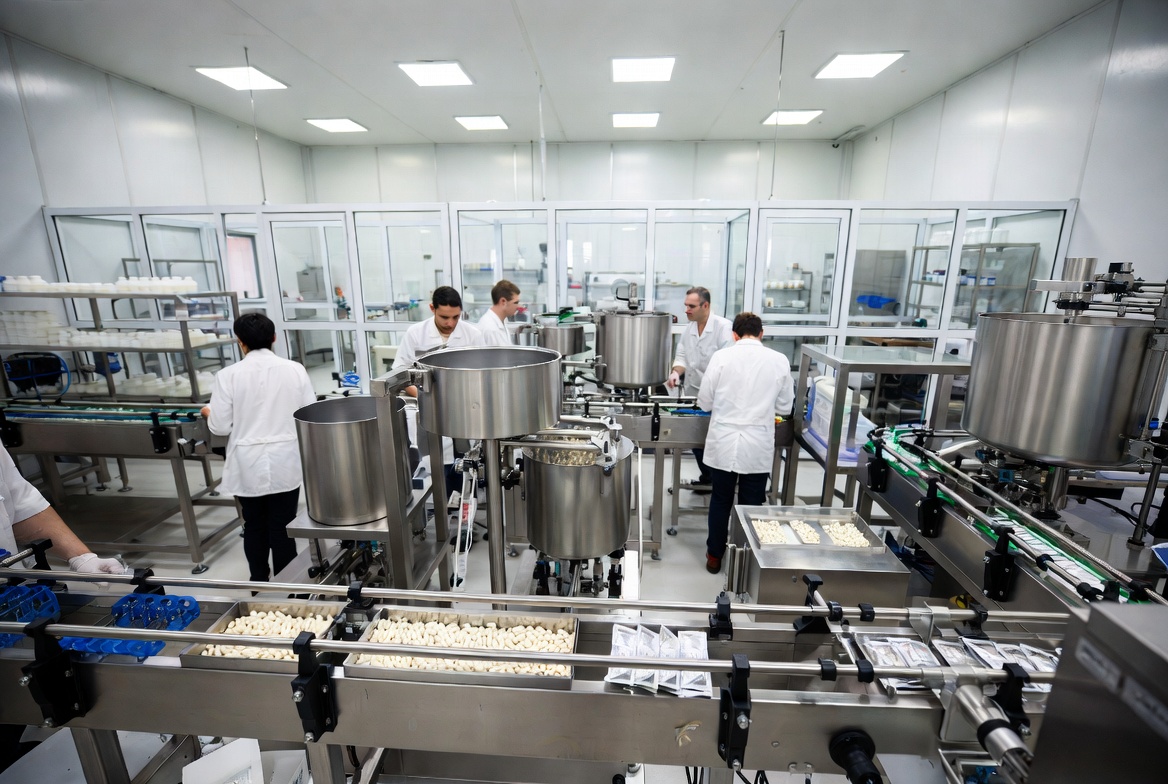
From Concept to Finished Product: A Practical Workflow
Whether you start from OEM or custom ODM, the development of a brain health supplement typically follows a structured workflow. Understanding that workflow helps brands make better decisions and set realistic expectations for timelines and costs.
Concept and Target Definition
The process begins with a clear articulation of what the product should achieve and for whom. Brands define the core benefit—such as supporting focus during long workdays, enhancing learning and recall, or supporting mental clarity in high-stress environments—and the primary audience, such as students, professionals, gamers, or older adults.
This stage is also the right time to discuss market positioning and product experience. Will users take capsules once per day with breakfast? Will they mix a stick pack in water before deep work sessions? Will there be an evening formula linked to sleep and overnight cognitive recovery? The better defined these use cases are, the easier it is to design formulas and formats that make sense.
Evidence-Informed Formulation Design
Once the concept is defined, formulation specialists build an ingredient matrix aligned with the intended cognitive outcomes. This involves selecting nutrients and botanicals that support brain function, choosing appropriate dosages, and ensuring that ingredients work together rather than against each other.
In practice, this means focusing on synergy instead of simply “more ingredients.” A well-designed formula balances active compounds, supportive cofactors, and excipients needed for manufacturability. It also respects realistic capsule fill limits or powder weights for sachets and stick packs, so users can easily consume the required dose.
Process Development and Pilot Batching
Before committing to full-scale production, manufacturers run pilot batches to check how the formula behaves under manufacturing conditions. This includes assessing blend uniformity, flow properties, encapsulation efficiency, filling accuracy for stick packs and pouches, and product stability during storage.
Based on pilot data, the process may be adjusted to improve consistency, protect sensitive ingredients, or optimize packaging. This iterative step is critical; it ensures that the elegant formulation on paper becomes a stable, reproducible product in practice.
Full-Scale Production and Packaging
Once the process is validated, the project moves into full production. Controlled weighing and blending give way to encapsulation lines or powder filling machines, and products are packaged into bottles of capsules, single-serve stick packs, small sachets, or soft pouches.
Throughout production, in‑process inspections and final product testing help confirm that every batch meets agreed specifications. Brands receive documentation and, where applicable, certificates demonstrating that their products have been produced according to defined quality and safety standards.
Brain Health Supplement Formats River Pharm Supports
Brain health products are not only defined by formulas; they are shaped by how users interact with them. River Pharm focuses on formats that align with modern cognitive use cases and practical manufacturing considerations.
Capsules
Capsules remain one of the most reliable and user-friendly dosage forms for cognitive supplements. They offer precise dosing, protect ingredients inside the shell, and fit easily into daily routines. For complex formulas with multiple active ingredients, capsules allow fine control of ratios and can be scaled from small pilot runs to large commercial batches.
From a brand perspective, capsules are often the easiest starting point for a new cognitive product. They suit both single-ingredient focus formulas and multi-component blends for memory and brain resilience. They also integrate well into subscription models and bundled wellness kits.
Stick Packs and Sachets
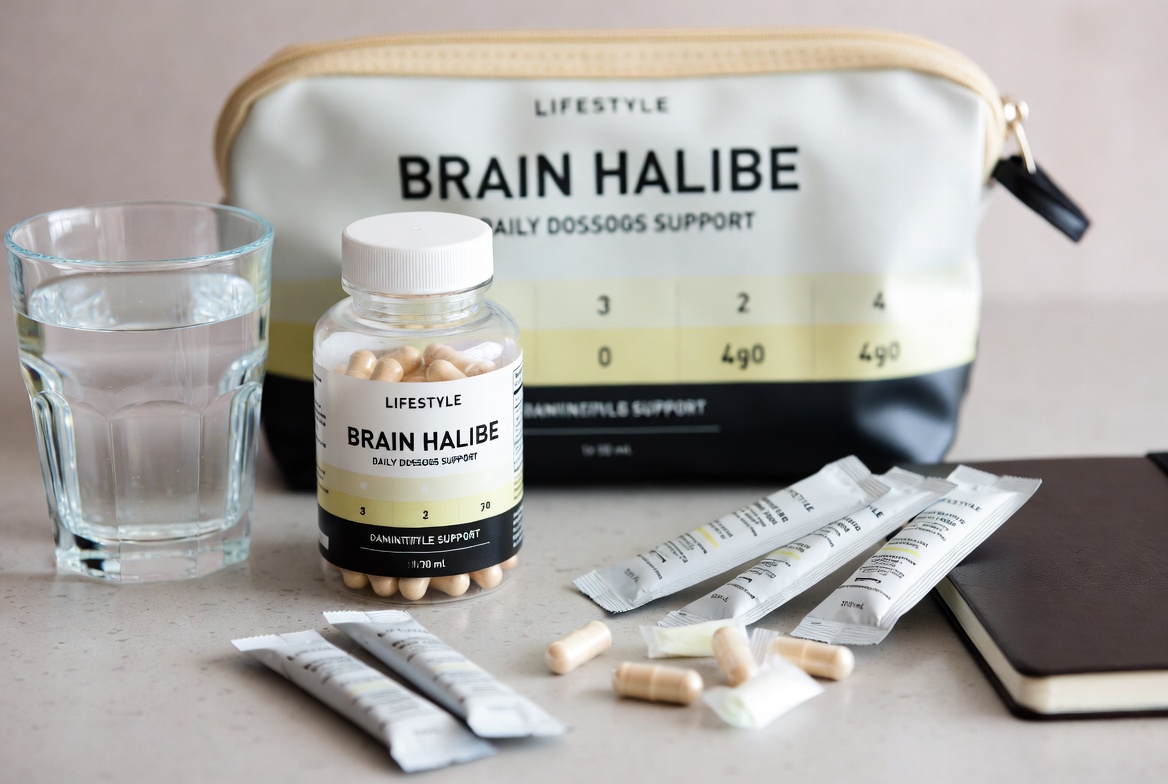
Powder formats in stick packs or small sachets cater to mobile and experience-oriented use. Users can mix a single-serve powder in water, juice, or smoothies, turning cognitive support into a daily ritual or performance ritual around work or study.
For brands, stick packs and sachets provide opportunities to build a sensory identity. Flavor, color, and aroma can reinforce the product’s positioning, while convenient single-serve packaging makes dosing simple and travel-friendly. These formats are particularly attractive for products positioned as “on-demand focus,” “brain drink before deep work,” or “study support.”
Soft Pouches and Multi-Serving Packs
Soft pouches can contain multiple capsules or sachets as a daily or weekly pack, offering flexibility for subscription programs and bundled concepts. They work well for brands that want to present cognitive support as part of a broader lifestyle routine, such as a complete morning or evening regimen.
By combining pouches with clear portioning and educational material, brands can improve adherence and help users understand why and how to use the product consistently. This is especially important for long-term brain health concepts, where benefits compound over time.
What B2B Brands Value Most in a Brain Health Manufacturing Partner
Having worked closely with B2B nutraceutical brands, it is clear that technical capability alone is not enough. Brand owners look for manufacturing partners that behave as strategic allies, not just vendors. Several recurring expectations stand out.
First, brands want transparent communication about feasibility, timelines, and risk. If a concept is too ambitious for a given format or regulation, they expect honest guidance rather than optimistic promises. Second, they value practical support on aligning formulas and claims with current knowledge, so products can stand up to scrutiny from both consumers and regulators. Third, they appreciate robust documentation and responsiveness when they need to update formulas or packaging due to new data or market feedback.
Ultimately, the most successful partnerships are built on shared responsibility for product quality and user experience. When the manufacturer treats each cognitive product as a long-term asset rather than a one‑off project, brands gain a reliable base for portfolio expansion and market growth.
Expert Insights: Designing Cognitive Supplements for Real-World Use
Many articles about brain health supplements focus on ingredients and buzzwords, but overlook how people actually use the products. A more effective approach is to start from real-world scenarios and design around them.
Instead of combining every possible “brain” ingredient into a single formula, brands can build focused products targeting specific needs. Deep work or productivity formulas might emphasize quick but sustained mental energy and concentration. Healthy aging products might prioritize long-term support for memory and brain resilience. Stress-related cognitive formulas could integrate ingredients that support mood, stress management, and sleep quality, recognizing that cognition does not exist in isolation.
Another important insight is treating manufacturing and post‑launch data as strategic tools. By consistently collecting and reviewing quality data—such as test results, stability reports, and batch performance—brands can refine formulas over time and maintain a high level of reliability. Aligning this data with user feedback helps identify which product variations truly deliver meaningful cognitive improvements, and which may need adjustment.
OEM or ODM: How to Decide for Your Next Cognitive Product
Choosing between OEM and custom ODM depends on your internal capabilities, timelines, and long-term strategy.
If you already have a well-researched formula and clear claims, OEM allows you to move faster into production while keeping direct control over scientific decisions. It works especially well for brands with dedicated formulation teams or those extending an existing portfolio.
If you have a strong market insight but limited formulation capacity, or you want to develop a differentiated flagship cognitive product, custom ODM is often the better route. It may take longer at the R&D stage, but the result is a unique formula and format combination that aligns closely with your audience, positioning, and long-term brand identity.
In practice, many brands use both paths over time—starting with OEM for speed on initial products, while building more distinctive ODM-based formulas as they deepen their presence in the brain health category.
Call to Action: Building Your Next Brain Health Product with River Pharm
If your brand is planning to enter the cognitive health market or expand an existing brain supplement portfolio, now is the time to assess whether your products are engineered for long-term credibility, not just short-term launches. Working with a specialist OEM/ODM partner like River Pharm Inc allows you to connect your market insights and brand vision with experienced R&D, cGMP manufacturing, and flexible packaging formats tailored to brain health.
Whether you are ready to scale an existing formula through OEM, or you want a custom ODM solution built around your target users and cognitive focus, a structured collaboration can turn your ideas into stable, compliant, and scalable products. By approaching brain health supplements with a blend of scientific rigor, operational excellence, and user-centered design, your brand can build a portfolio that stands out in a crowded and demanding category.
FAQ: Brain Health Supplement Manufacturing
Q1: How long does it typically take to develop and launch a new brain health supplement?
Project timelines depend on complexity, but a full process from concept to finished product often spans from several weeks to a few months. R&D depth, regulatory review, ingredient sourcing, and packaging choices all influence the schedule.
Q2: When should a brand choose OEM instead of ODM for cognitive products?
OEM is best suited for brands that already have a defined formula and scientific direction. If you know exactly which ingredients and dosages you want, and you simply need a reliable manufacturer, OEM provides a direct path to production.
Q3: What makes custom ODM valuable in a competitive brain health market?
Custom ODM allows you to build a unique, concept‑driven formula instead of relying on generic stock products. It helps align ingredients, formats, and claims with the specific needs of your audience, supporting stronger differentiation and brand loyalty.
Q4: How important is the choice of dosage form for brain health supplements?
Dosage form strongly affects user experience and adherence. Capsules suit precise and routine dosing, stick packs and sachets support on‑the‑go and ritualized use, and soft pouches fit subscription and bundled concepts. The right format can make a product more engaging and convenient for users.
Q5: How can brands maintain consistent quality across multiple production runs?
Consistency comes from defined manufacturing procedures, stable ingredient sourcing, and regular testing of both raw materials and finished products. Working with a manufacturer that treats quality as a continuous process, not a single check, helps ensure each batch meets expectations.
References
U.S. Food and Drug Administration. Dietary Supplements Guidance Documents & Regulatory Information.
https://www.fda.gov/food/guidance-documents-regulatory-information-topic-food-and-dietary-supplements/dietary-supplements-guidance-documents-regulatory-informationU.S. Food and Drug Administration. Current Good Manufacturing Practice (CGMP) Regulations.
https://www.fda.gov/drugs/pharmaceutical-quality-resources/current-good-manufacturing-practice-cgmp-regulationsNational Institutes of Health Office of Dietary Supplements. Brain Health and Dietary Supplements – Research and Resources.
https://ods.od.nih.govNutraIngredients. Market Insights and Innovation Trends in Cognitive Health Supplements.
https://www.nutraingredients.comAtrium Scientific. Dietary Supplement Contract Manufacturing Overview.
https://atriumsci.com/dietary-supplement/
Did you find this helpful?
Comments (0)
No comments yet. Be the first to comment!
Leave a comment
Related Posts


Riverpharm · Supplement Contract Manufacturing
Your supplement brand, manufactured to the highest standard
From first formula to finished product — we handle manufacturing, packaging, and fulfillment so you can focus on building your brand.
Core services
Contract Manufacturing
GMP-certified production with full batch testing and certificate of analysis on every run.
Custom Formulation & R&D
In-house scientists develop your formula from scratch or refine existing blends for efficacy.
Packaging & Labeling
Design-to-print label service — shelf-ready, FDA-compliant, and retail-tested.
FBA Prep & Fulfillment
Amazon-ready prep and direct-to-warehouse shipping — no extra steps on your end.
By the numbers
NSF
NSF/ANSI 455-2 certified
cGMP
Certified environment
24 hr
AI-accelerated quote turnaround
600K
cGMP+ encapsulator capacity per run
Why Riverpharm
Quality systems with higher standards
- NSF/ANSI 455-2 certified
- cGMP-certified environment
- In-house + third-party testing
- Source-locked ingredients
Production capacity with faster execution
- Heavy-duty hardware
- In-house core reserves
- AI-accelerated quotes
- In-house expert hub
Delivery formats we produce
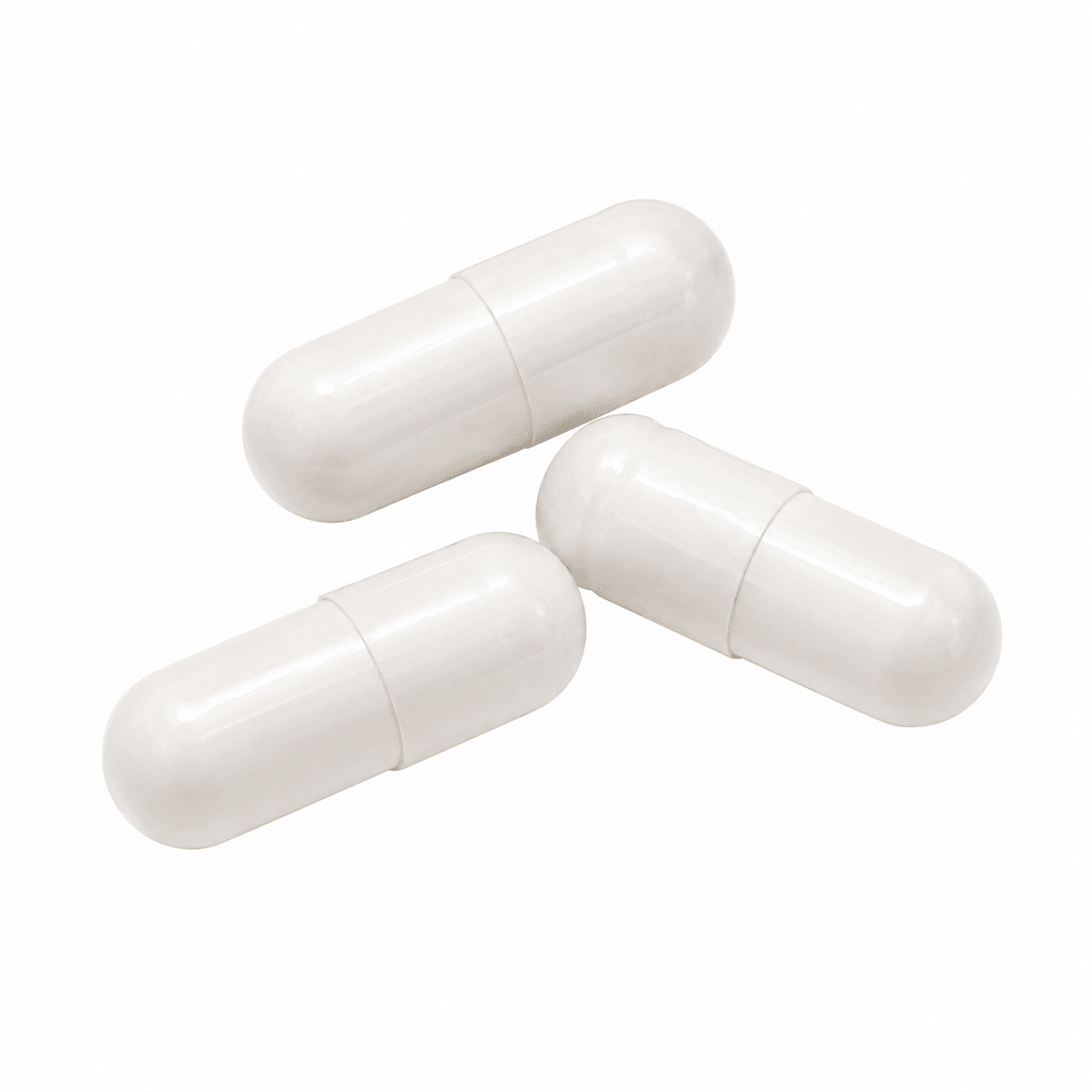
Capsules
Gelatin & HPMC vegetarian
Sachets
Single-dose powder blends
Stick packs
Convenient single-serve
Pouches
Flexible, shelf-ready
Ready to bring your supplement to market?
Free consultation · 24-hour quote · No minimum commitment to get started