How to Create a High-Quality Dietary Supplement Brand with OEM & Custom ODM Manufacturing
Evidence-informed guide for OEM and custom ODM supplement manufacturing, cGMP quality, and capsule or sachet development for serious B2B brands.
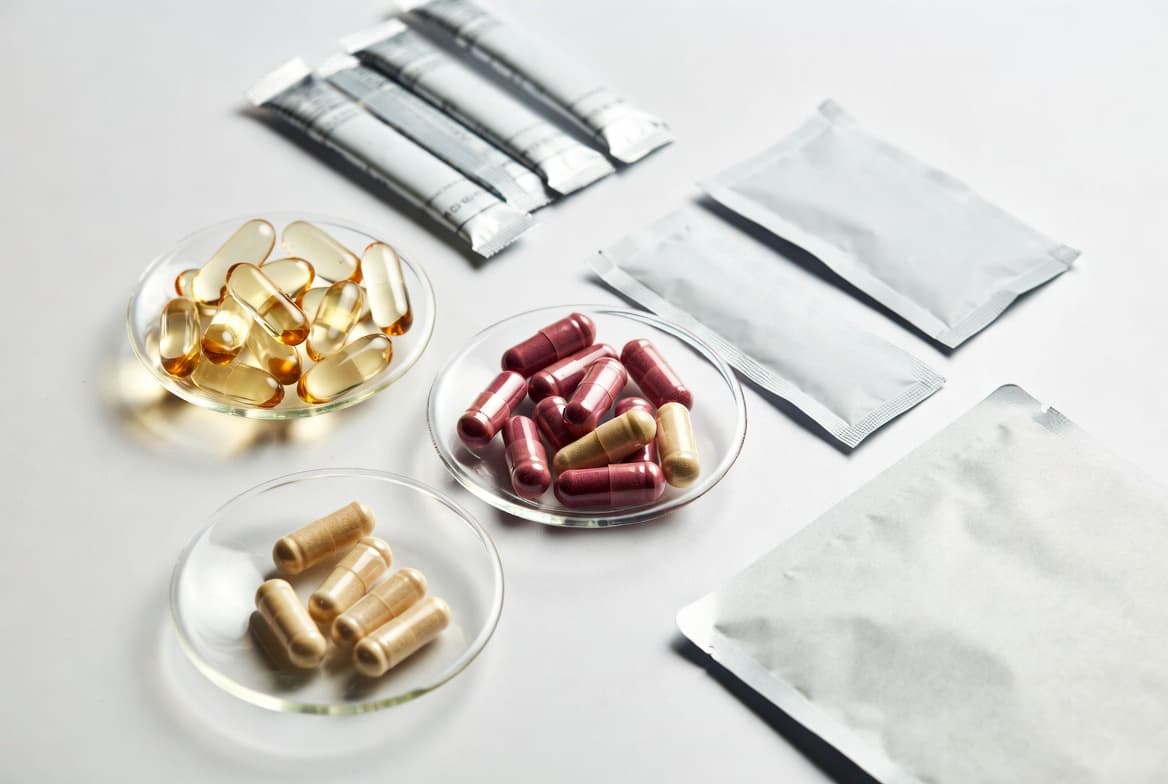
Creating a successful dietary supplement brand today means making deliberate choices about quality, compliance, and manufacturing partners—not just chasing trends. As someone who has spent years working with OEM and ODM supplement projects, I've seen that brands which treat formulation, GMP manufacturing, and transparent labeling as strategic assets are the ones that actually survive in the global market.
Building a supplement brand is no longer about putting a logo on a bottle; it's about designing a reliable, compliant product that can stand up to regulatory scrutiny and increasingly savvy consumers. In this guide, we'll walk through the end‑to‑end process from concept to shelf‑ready capsules or stick packs, using River Pharm Inc's OEM and custom ODM services as a practical roadmap. The focus is on real‑world experience and neutral, science‑aligned practices so you can build a brand that lasts.
Understanding OEM vs Custom ODM in Supplement Manufacturing
What OEM Manufacturing Really Means for Your Brand
In an OEM supplement project, you bring an existing formula and the manufacturer focuses on turning that specification into a stable, compliant finished product. OEM means you own the formula direction, while the manufacturing partner provides dosage form development (capsules, sachets, stick packs, soft pouches), raw material sourcing, and GMP‑compliant production services.
In a typical OEM engagement:
- The brand provides a complete formula or detailed specification.
- The manufacturer converts the formula into a validated manufacturing process and packaging format.
- Both sides align on claims, labeling, and quality expectations based on current regulations.
This division of roles allows you to maintain creative and scientific control over product positioning while leveraging professional manufacturing infrastructure and documentation.
How Custom ODM Differs from Private Label
Custom ODM is often misunderstood as simple "white label" or private label. In reality, River Pharm Inc's ODM is formula‑driven rather than template‑driven. Instead of selecting a generic stock product, you provide reference products, ingredients, or desired health benefits, and the R&D team develops a bespoke composition tailored to your brand, target market, and regulatory constraints.
Key differences from traditional private label:
- No generic "public mold" formulas where multiple brands share identical products.
- Formulations built from functional goals (for example, immune support, gut balance, joint comfort, cognitive performance).
- Emphasis on scientific plausibility, safety, and manufacturing feasibility, aligned with current good manufacturing practice (cGMP).
For brands competing in saturated categories such as multivitamins or sports powders, this level of custom development is often the only sustainable way to differentiate and justify a premium positioning.
Regulatory Foundations: Why Compliance Is a Strategic Asset
Regulatory Literacy as a Competitive Advantage
Under modern dietary supplement frameworks, manufacturers and distributors must ensure their products are safe, accurately labeled, and not misleading before they reach the market. Regulatory bodies define specific rules for labeling, claims, and manufacturing practices, and can take action against adulterated or misbranded products.
For a brand owner, understanding the basics of these frameworks is crucial for three reasons:
- Avoiding unsubstantiated disease claims on labels and marketing materials.
- Ensuring supplement facts panels, ingredient lists, and disclaimers meet current standards.
- Collaborating effectively with your OEM/ODM partner on quality specifications and documentation.
Neutral scientific and regulatory resources also provide summaries of ingredient evidence, typical dosages, and safety considerations. These references are invaluable when evaluating whether a proposed formula is realistic, responsible, and commercially viable.
Current Good Manufacturing Practices for Supplements
Dietary supplement manufacturers must follow dedicated cGMP regulations covering facility design, production controls, documentation, and quality systems. These rules are designed to ensure that each batch meets its labeled specifications for identity, purity, strength, and composition.
From a brand owner's perspective, this means you should expect:
- Documented procedures for critical steps such as weighing, blending, encapsulation, filling, and packaging.
- Scientifically valid testing methods for key specifications and potential contaminants.
- Lot‑level traceability, batch records, and retention samples for packaged products.
When you evaluate an OEM/ODM partner, asking how they implement and audit cGMP is one of the fastest ways to identify facilities that can consistently meet quality expectations—and filter out those that cannot.
From Concept to Finished Capsules or Sachets: A Step‑By‑Step Journey
Step 1 – Define Your Market and Positioning
Before thinking about ingredients, define who the product serves and why it exists. The most resilient brands start with a specific use case, such as "daily joint support for office workers over 40," instead of vague promises like "general wellness."
Helpful questions at this stage:
- Who is the target demographic (age, lifestyle, geography)?
- What is the primary benefit (energy support, sleep quality, digestive comfort, immune resilience, etc.)?
- What does the competitive landscape look like in your chosen niche and price tier?
A concise, data‑backed positioning makes subsequent formulation and packaging decisions far more focused, and it gives your OEM/ODM partner a clear brief to work from.
Step 2 – Choose the Right Dosage Form
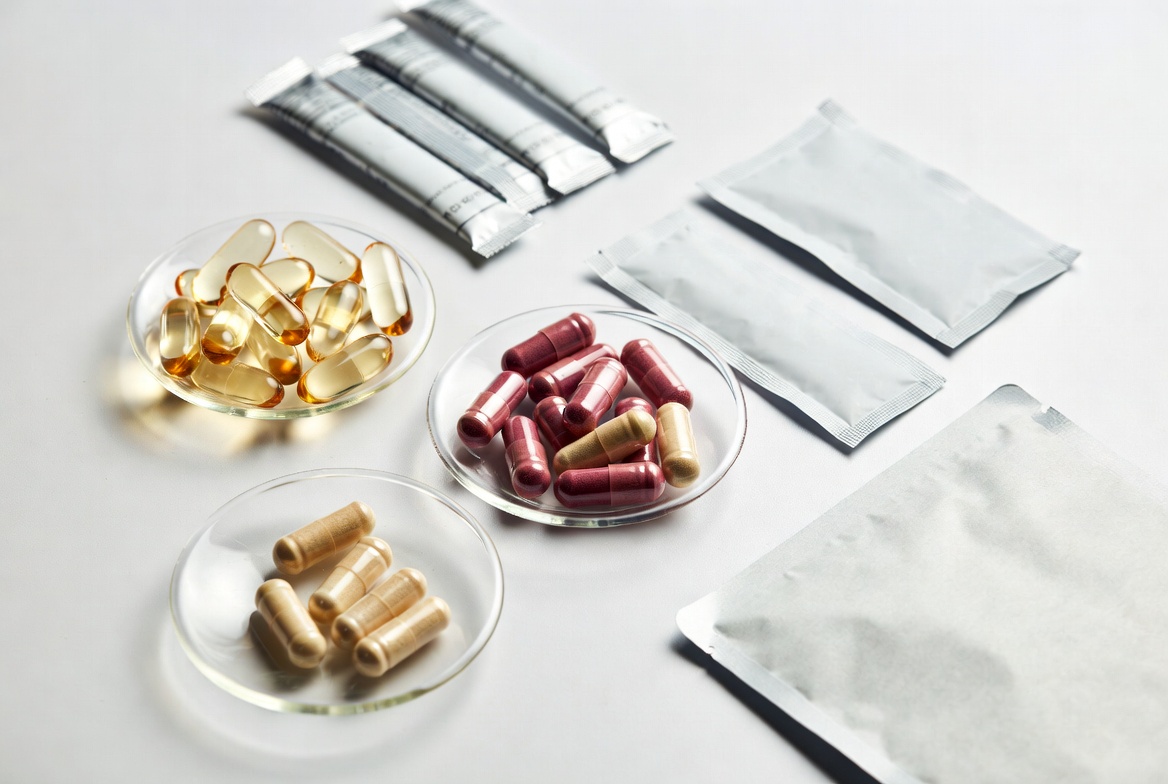
Dosage form is not a cosmetic detail. It affects stability, dosing flexibility, user adherence, logistics, and even brand perception. River Pharm Inc commonly works with several key formats:
- Hard capsules: Excellent for precise dosages, sensitive ingredients, and compact serving sizes. They are often preferred for complex micronutrient or botanical blends.
- Powders in sachets or stick packs: Ideal for functional beverages, sports nutrition, and ingredients requiring gram‑level doses, such as electrolytes, protein, or fiber.
- Soft pouches: Flexible for multi‑serving powders, refills, or bundle packs.
A capsule format may be perfect for concentrated botanicals or vitamin complexes, while a stick pack is usually better for hydration formulas or pre‑workout blends that need larger volumes. Aligning dosage form with user habit (tablet vs drink vs on‑the‑go stick) can significantly improve long‑term adherence.
Step 3 – Formulation and Ingredient Selection
At this stage, OEM and custom ODM take different paths:
- In OEM, you provide the formula and the manufacturer reviews it for feasibility, safety, and regulatory alignment.
- In custom ODM, the manufacturer's R&D team designs the formula based on the benefits you want, your reference products, and your positioning strategy.
Evidence‑informed formulation means looking beyond trends and focusing on ingredients with meaningful data, realistic dosing ranges, and known safety profiles. Responsible formulation practice typically involves:
- Defining target daily intake ranges per ingredient based on available data, typical market practice, and safety thresholds.
- Considering excipients required for flow, stability, and encapsulation characteristics.
- Assessing taste, solubility, and texture early for powders and sachets, to avoid unpleasant mouthfeel or poor dispersibility.
A professional ODM team will pressure‑test your concept by asking: "Can we manufacture this at scale?" and "Can we document and justify this composition if questioned by regulators or buyers?"
Step 4 – Quality, Testing, and Manufacturing
Once the formula is locked, it moves into structured manufacturing workflows. A well‑run facility will typically focus on three major quality stages:
1. Raw material qualification
- Suppliers are evaluated for reliability and documentation.
- Incoming raw materials are checked against identity, purity, and strength specifications.
2. In‑process controls
- Blending, encapsulation, filling, and packaging follow written procedures.
- Line checks confirm weight uniformity, appearance, and proper line clearance between batches.
3. Finished product testing
- Statistical sampling plans verify that strength and composition meet specifications across batches.
- Additional tests may check for microbial loads, heavy metals, or other relevant quality parameters.
These controls are often invisible to the end user, but they determine whether every bottle or box delivers the same experience—and whether the brand can withstand external audits or retailer evaluations.
Step 5 – Labeling, Claims, and Compliance Review
Before any product leaves the facility, labels must meet requirements for supplement facts format, ingredient listing, mandatory statements, and appropriate claims. This step is crucial not only for compliance but also for user trust.
Best practices for labeling include:
- Using structure/function claims ("supports joint comfort," "helps maintain normal energy levels") instead of disease claims ("treats arthritis," "cures fatigue").
- Ensuring all claims can be supported with credible data and are not misleading or exaggerated.
- Including clear dosing instructions, storage information, and contact details for questions or adverse event reporting.
Careful label review at launch prevents costly relabeling, market confusion, and reputational damage later.

A Typical Brand Journey with OEM/ODM Manufacturing
From a practical standpoint, many capsule or sachet projects follow a similar timeline:
- Weeks 1–4: Market definition, dosage form selection, initial formulation concept.
- Weeks 4–8: Formula refinement, pilot samples, preliminary stability and palatability checks.
- Weeks 8–12 and beyond: cGMP manufacturing, batch testing, labeling finalization, and first commercial run.
For instance, a brand serving busy professionals might co‑develop a once‑daily capsule combining micronutrients with adaptogenic botanicals. The project team would validate each ingredient's role, choose capsule size based on fill volume, test sample batches for density and flow, and then move into fully documented production once stability and sensory feedback meet expectations.
Advanced Considerations for Long‑Term Brand Success
Lifecycle Management and Continuous Improvement
A modern supplement brand is a living system rather than a static SKU list. Over time, you may adjust formulas based on new data, ingredient availability, and customer feedback, while monitoring how these changes affect stability, sensory characteristics, and brand perception.
Strong lifecycle management usually involves:
- Periodic review of emerging ingredient evidence and regulatory updates.
- Formal change‑control processes when ingredients, dosages, or manufacturing steps are modified.
- Feedback loops between customer support, marketing, and production teams to track recurring user comments and complaints.
Brands that consistently refine their formulas and communication tend to adapt more effectively to market shifts and regulatory scrutiny.
Risk Management and Transparent Communication
Regulators periodically inspect supplement facilities to verify manufacturing and labeling practices. They can enforce actions against adulterated or misbranded products. In this environment, risk management and transparency are no longer optional.
For brand owners, this means:
- Explaining quality controls and testing practices in plain language on websites and product literature.
- Encouraging customers to report problems, and responding systematically to any complaint or adverse event.
- Avoiding sensational health claims in digital advertising and respecting regulatory boundaries.
Over the long term, transparent communication becomes a competitive differentiator, especially in B2B channels where procurement teams look for both technical compliance and reputational reliability.

Clear Call to Action for Serious Supplement Brands
If you are planning to build or expand a dietary supplement line—whether your focus is capsules, sachets, stick packs, or soft pouch powders—the next step is to test your concept against regulatory, formulation, and manufacturing realities. River Pharm Inc's OEM service supports brands that already have formulas, while our custom ODM option is designed for those who have a clear benefit direction but need expert R&D and cGMP production to bring it to life.
To move from idea to implementation:
- Prepare a concise brief describing your target market, core benefit, and preferred dosage form.
- Gather any reference products, ingredient lists, or scientific rationale you already have.
- Contact River Pharm Inc to discuss feasibility, timelines, documentation requirements, and long‑term quality strategy.
By treating formulation and manufacturing as strategic pillars—not afterthoughts—you give your supplement brand the strongest possible foundation in an increasingly demanding global market.
References
1. U.S. Food and Drug Administration (FDA). "Dietary Supplements – Guidance Documents & Regulatory Information." https://www.fda.gov/food/guidance-documents-regulatory-information-topic-food-and-dietary-supplements/dietary-supplements-guidance-documents-regulatory-information
2. FDA. "Information for Industry on Dietary Supplements." https://www.fda.gov/food/dietary-supplements/information-industry-dietary-supplements
3. FDA. "Current Good Manufacturing Practices (CGMPs) for Food and Dietary Supplements." https://www.fda.gov/food/guidance-regulation-food-and-dietary-supplements/current-good-manufacturing-practices-cgmps-food-and-dietary-supplements
4. FDA. "Small Entity Compliance Guide: Current Good Manufacturing Practice in Manufacturing, Packaging, Labeling, or Holding Operations for Dietary Supplements." https://www.fda.gov/regulatory-information/search-fda-guidance-documents/small-entity-compliance-guide-current-good-manufacturing-practice-manufacturing-packaging-labeling-or
5. United States Pharmacopeia (USP). "Manufacturing Practices for Dietary Supplements (〈2750〉)." https://doi.usp.org/USPNF/USPNF_M99987_02_01.html
6. FDA. "Food/Dietary Supplement Guidance and Regulatory Information." https://www.fda.gov/food/guidance-regulation-food-and-dietary-supplements/guidance-documents-regulatory-information-topic-food-and-dietary-supplements
7. FDA. "Dietary Supplements – Consumer Information." https://www.fda.gov/food/dietary-supplements
8. Consumer Healthcare Products Association (CHPA). "Summary of Key Differences Between FDA Drug and Dietary Supplement GMPs." https://www.chpa.org/sites/default/files/media/docs/2020-10/Summary-of-Key-Differences-Between-FDA-Drug-Dietary-Supplement-GMPs.pdf
9. FDA. "FDA 101: Dietary Supplements – Consumer Update." https://www.fda.gov/consumers/consumer-updates/fda-101-dietary-supplements
10. Makers Nutrition. "How to Make Your Own Supplements and Build a Thriving Brand." https://www.makersnutrition.com/news/make-your-own-supplement
Hot Tags: OEM Dietary Supplement Manufacturer, Custom ODM Supplement Formulation, B2B Supplement Contract Manufacturing, Capsule Stick Pack Production, GMP Supplement Manufacturing Services, Private Label Alternative Solutions, Nutraceutical Brand Development Support, Evidence-Informed Supplement R And D, Global OEM ODM Supplement Partner, Dietary Supplement Product Lifecycle Management
Did you find this helpful?
Comments (0)
No comments yet. Be the first to comment!
Leave a comment
Related Posts

Oct 14, 2026
Why Full-Service Supplement Manufacturing Matters for Growing Brands
Oct 13, 2026
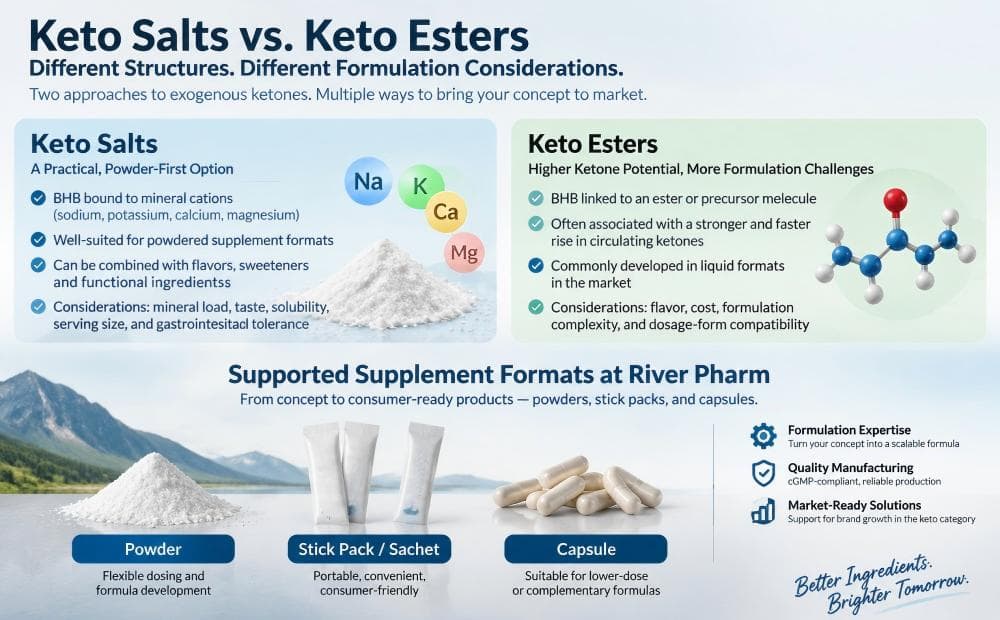
Keto Salts vs. Keto Esters: Formulation, Dose, Stability, and Manufacturing Considerations for Rapid Ketosis

Oct 13, 2026
Batch Consistency vs. Rapid Prototyping: Solving the Scaling Issues in Custom Supplement Formulation
Riverpharm · Supplement Contract Manufacturing
Your supplement brand, manufactured to the highest standard
From first formula to finished product — we handle manufacturing, packaging, and fulfillment so you can focus on building your brand.
Core services
Contract Manufacturing
GMP-certified production with full batch testing and certificate of analysis on every run.
Custom Formulation & R&D
In-house scientists develop your formula from scratch or refine existing blends for efficacy.
Packaging & Labeling
Design-to-print label service — shelf-ready, FDA-compliant, and retail-tested.
FBA Prep & Fulfillment
Amazon-ready prep and direct-to-warehouse shipping — no extra steps on your end.
By the numbers
NSF
NSF/ANSI 455-2 certified
cGMP
Certified environment
24 hr
AI-accelerated quote turnaround
600K
cGMP+ encapsulator capacity per run
Why Riverpharm
Quality systems with higher standards
- NSF/ANSI 455-2 certified
- cGMP-certified environment
- In-house + third-party testing
- Source-locked ingredients
Production capacity with faster execution
- Heavy-duty hardware
- In-house core reserves
- AI-accelerated quotes
- In-house expert hub
Delivery formats we produce
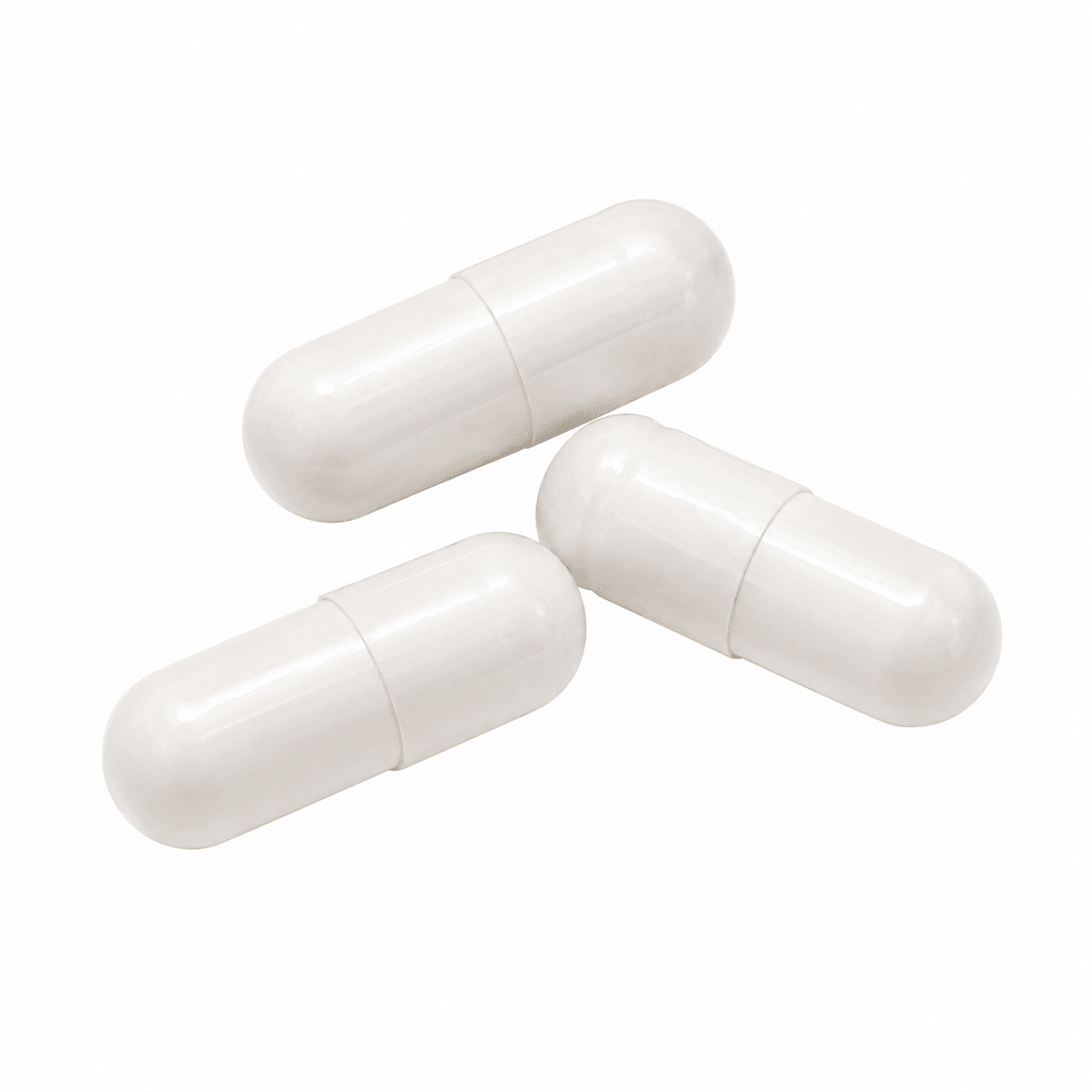
Capsules
Gelatin & HPMC vegetarian
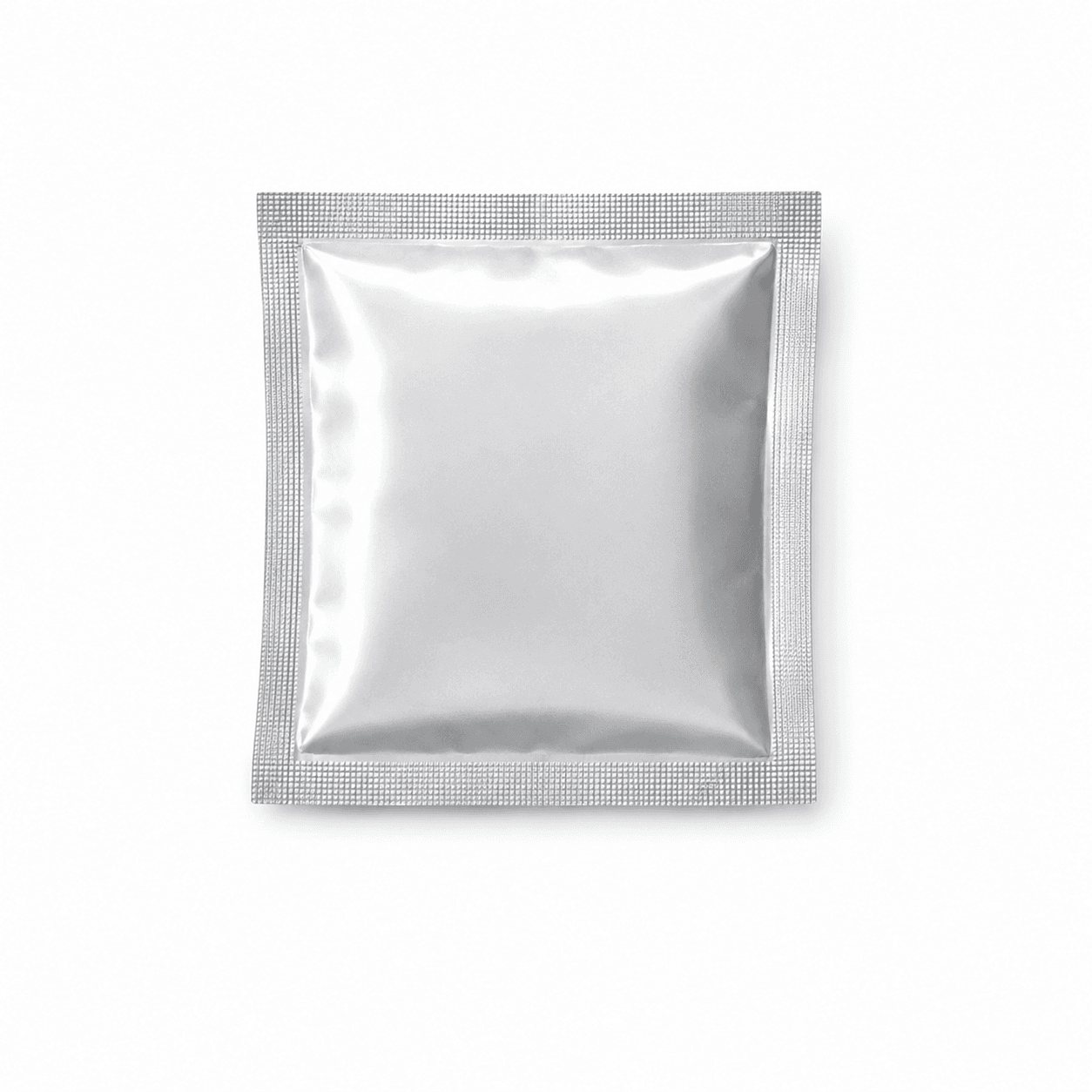
Sachets
Single-dose powder blends
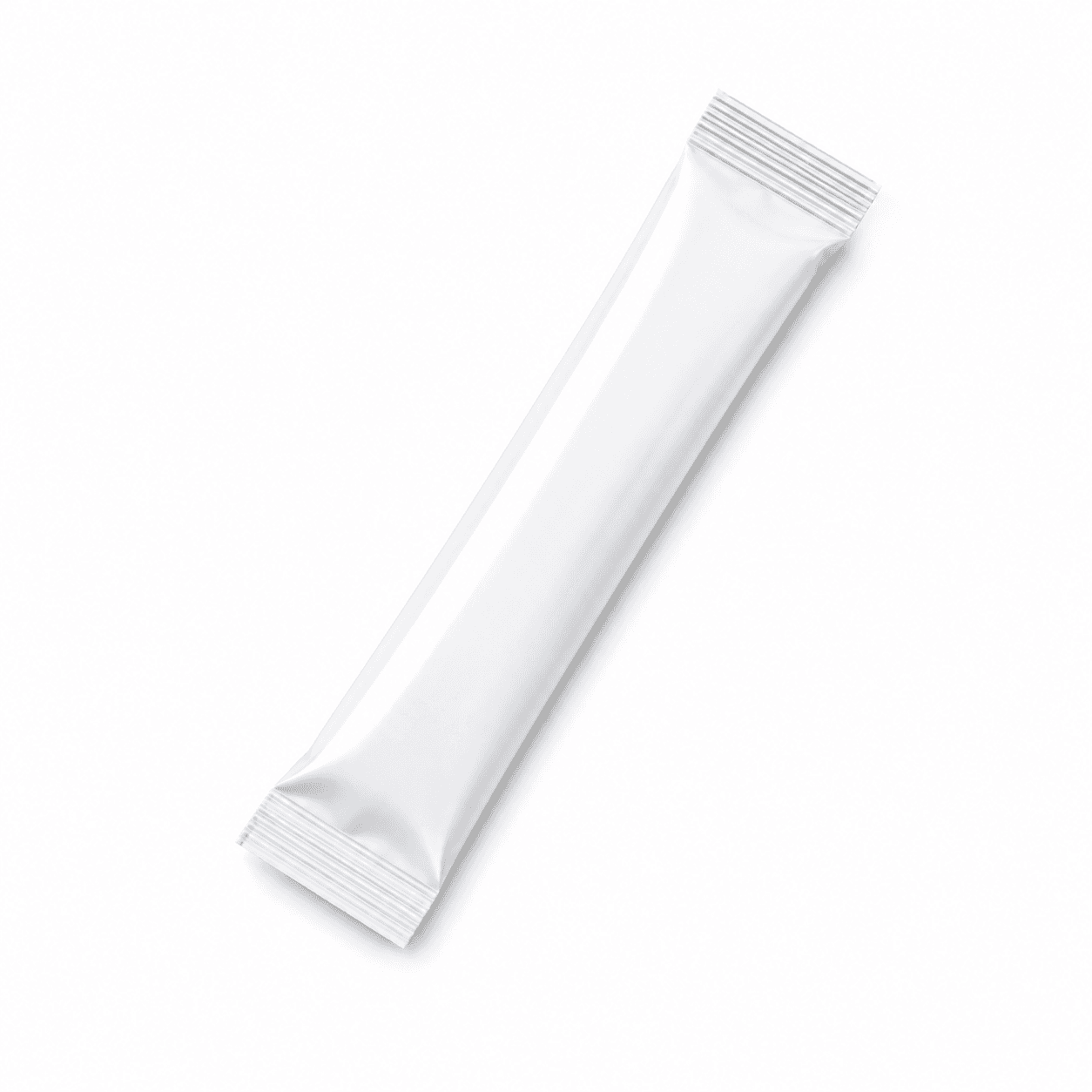
Stick packs
Convenient single-serve
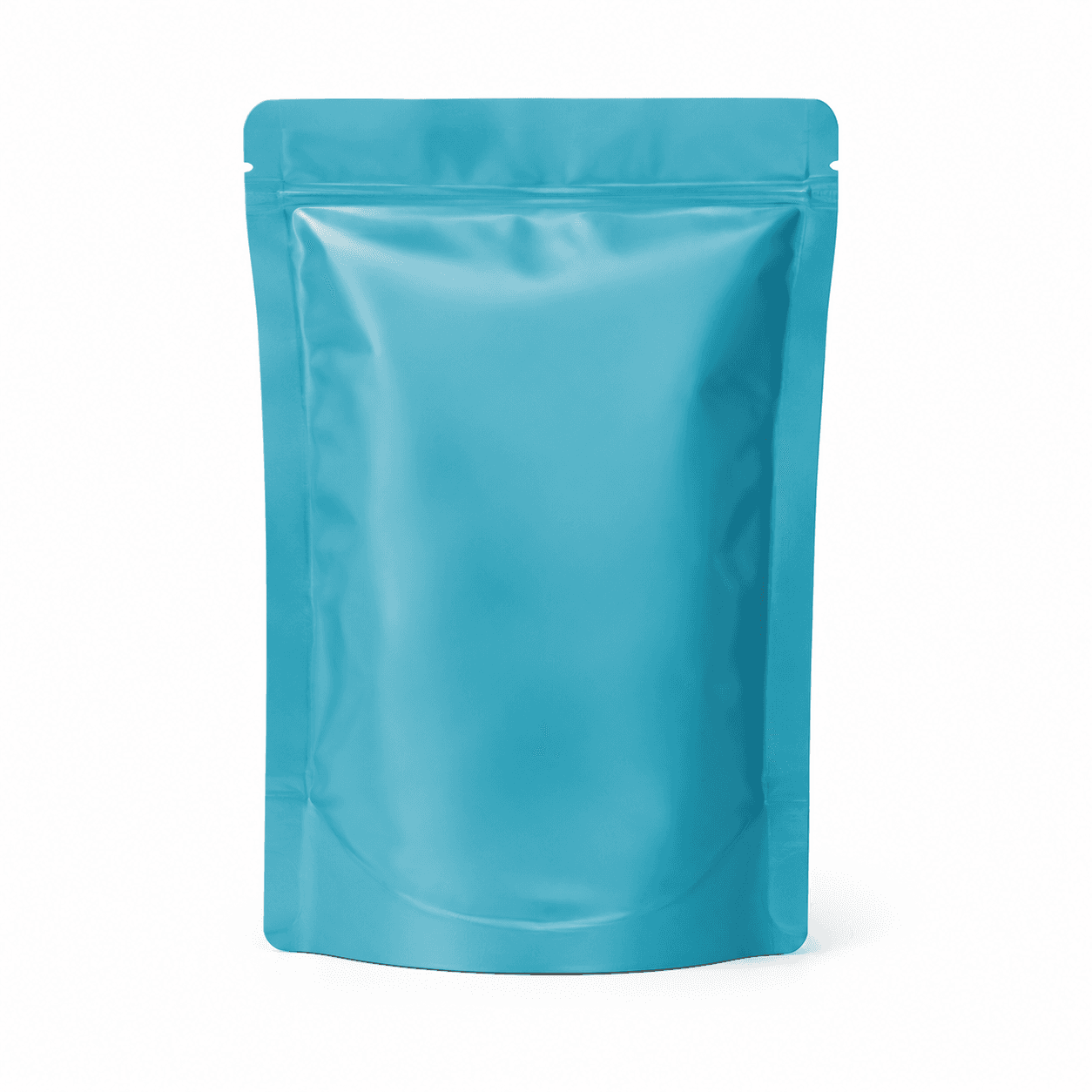
Pouches
Flexible, shelf-ready
Ready to bring your supplement to market?
Free consultation · 24-hour quote · No minimum commitment to get started