In-house Lab Testing vs. Third-Party NSF Verification: Ensuring label accuracy for high-potency vitamin supplements
Compare in-house lab testing and third-party NSF verification to improve label accuracy for high-potency vitamin supplements.

For high-potency vitamin supplements, label accuracy is not a marketing detail—it is a product-quality commitment. A capsule, sachet, stick pack, or soft pouch must contain the vitamin identity and dosage declared on its Supplement Facts panel, while remaining within established limits for contaminants and manufacturing variation.
At River Pharm Inc., we believe reliable quality requires more than a final test report. Our approach combines in-house QC laboratory testing throughout production with third-party NSF verification for an additional layer of independent review. This dual-testing model helps supplement brands build products that are not only manufacturable, but also better supported by documented quality controls.
High-potency formulas can be particularly demanding. When a formula contains concentrated vitamin C, B-complex vitamins, vitamin D3, vitamin K2, vitamin A, or multi-vitamin blends, even small deviations in raw-material potency, blend uniformity, moisture exposure, or analytical method selection can affect the finished product. For brands selling into demanding markets, a structured testing strategy should begin long before finished-goods release.

Why Label Accuracy Matters for High-Potency Vitamins
A dietary supplement label communicates the product's intended nutrient content per serving. For vitamins, it may also state the percentage Daily Value, the serving size, dosage form, and other ingredients. The manufacturer's responsibility is to ensure the product is produced according to defined specifications for identity, purity, strength, composition, and contaminant limits.
For high-potency vitamin supplements, the margin for error can become more visible because consumers, retailers, and brand owners often expect precise dosages. A product positioned as "high strength" or "maximum potency" may face closer scrutiny from customers and channel partners.
Label accuracy supports several business priorities:
- Brand credibility: Consumers expect the nutrient amount stated on the label to be present in the package.
- Product consistency: Batch-to-batch control supports repeat purchases and reduces unexpected variation.
- Retail readiness: Major retailers and distribution partners may request quality documentation, testing records, or independent verification.
- Risk management: Defined specifications and documented test results can help brands identify deviations before product release.
- International expansion: Export-focused brands often need a stronger documentation package to respond to customer, importer, or market-specific questions.
Independent laboratory testing does not establish that a supplement is safe or effective for every person or that a claim is clinically proven. Instead, it can help demonstrate that a product was properly manufactured, contains the declared ingredients, and does not contain harmful levels of certain contaminants.
In-House Lab Testing: Fast, Process-Focused Quality Control
In-house lab testing refers to testing performed within the manufacturer's own quality-control system. Its greatest value is speed, process visibility, and the ability to make informed decisions while materials and batches are still under the manufacturer's control.
At River Pharm Inc., an internal QC laboratory can support testing and inspection from incoming raw materials through blending, filling, packaging, and finished-product release. Rather than treating quality as a final-stage activity, the internal laboratory becomes part of the manufacturing workflow.
What In-House Testing Can Cover
The exact test plan depends on the formula, dosage form, analytical methods, and market requirements. A high-potency vitamin testing plan may include:
- Raw-material identity verification to confirm that the received ingredient matches the approved specification.
- Appearance and organoleptic checks for color, odor, texture, and visible abnormalities.
- Moisture or water-activity monitoring where relevant, especially for hygroscopic vitamin blends and powder sachets.
- Blend-uniformity checks to help verify consistent nutrient distribution before filling.
- Fill-weight or net-content checks for capsules, sachets, stick packs, and pouches.
- Packaging integrity checks to help reduce exposure to oxygen, humidity, or leakage.
- Finished-product testing against selected identity, strength, composition, and contaminant specifications.
- Retention sample management to support future investigation if needed.
FDA dietary supplement CGMP requirements call for established specifications related to identity, purity, strength, composition, and limits on contamination. Manufacturers must also perform at least one appropriate test or examination to verify the identity of dietary ingredients, unless an approved exemption applies.
The Operational Advantage of Internal QC
The most important benefit of internal testing is not simply that it is "in-house." It is that quality information can be used promptly.
For example, if an incoming vitamin B12 material does not meet an approved identity or quality specification, the issue can be investigated before that material enters blending. If a vitamin powder blend shows an unexpected result during a process check, the production and quality teams can evaluate the batch before filling thousands of units.
This approach helps brands avoid a costly scenario: discovering a problem only after packaging, labeling, warehousing, or shipment.
Where In-House Testing Has Limits
Internal quality control is essential, but it should not be presented as the only evidence of product quality. Because the laboratory operates within the manufacturer's own system, some buyers may want an additional independent assessment—particularly for products making premium, high-potency, sports-nutrition, or retailer-sensitive claims.
In-house testing also depends on the suitability of methods, instruments, calibration, trained analysts, sample handling, documentation controls, and the scope of the laboratory's capabilities. Complex matrices may require specialized methods or external laboratory support.
That is where third-party verification can add meaningful value.
Third-Party NSF Verification: Independent Product Confidence
Third-party NSF verification involves assessment by an organization that is independent of the manufacturer and brand owner. For dietary supplements, NSF certification is associated with review against NSF/ANSI 173, an American National Standard covering dietary supplement ingredients and products.
NSF's dietary supplement certification program includes a label-claim review, toxicology review, contaminant review, product testing, and ongoing facility audits or periodic retesting. NSF states that its program evaluates whether what is stated on the label is present in the product, while also reviewing for undeclared ingredients and unacceptable contaminant levels.
What NSF Verification Can Add
For a brand owner, independent verification can provide a clear external signal that product quality has been assessed beyond the manufacturer's own release process.
NSF describes its certification process as including:
- Label claim review to evaluate whether declared contents are supported.
- Toxicology review of the formulation.
- Contaminant review for undeclared ingredients or unacceptable contaminant levels.
- Manufacturing-facility audits as part of the certification process.
- Ongoing audits and periodic retesting to help support continued compliance.
This does not mean every formula, ingredient, dosage form, or claim automatically qualifies for certification. The certification pathway, timing, documentation requirements, sampling, and testing scope should be reviewed case by case.
Why Independence Matters
Independent verification can be especially useful when a brand needs to communicate quality in a marketplace where customers cannot personally evaluate what is inside a capsule or sachet.
A sealed package gives consumers limited visibility. They can read the label, but they cannot directly confirm nutrient potency, contamination controls, or manufacturing practices. An independent program can help bridge that information gap.
The U.S. National Institutes of Health notes that several independent organizations offer quality testing and seals indicating that products were properly manufactured, contain listed ingredients, and do not contain harmful levels of contaminants. It also emphasizes that these quality seals do not guarantee safety or effectiveness.
In-House Testing and NSF Verification: Different Roles, Stronger Together
The question is not whether in-house laboratory testing is "better" than third-party NSF verification. They solve different quality questions.
A dependable high-potency vitamin program should not rely on one checkpoint. Internal QC helps control the process; independent NSF verification helps validate confidence beyond the process.
For River Pharm Inc., this dual structure is particularly relevant for brands seeking OEM manufacturing or customized ODM development:
- In an OEM project, the brand provides the formula and River Pharm manufactures according to the agreed specifications, packaging format, and quality plan.
- In a custom ODM project, the brand provides a reference product, ingredient concept, dosage target, or desired functional direction, while River Pharm supports formulation development and manufacturing.
- River Pharm does not offer a public-mold private-label model. The focus is on manufacturing based on a customer formula or developing a customized formula around the customer's stated product direction.
High-Potency Formula Risks That Testing Should Address
Not all vitamins behave the same way during manufacturing and storage. A strong testing strategy should account for the unique risks of the formula rather than applying one generic panel to every product.
Potency Degradation During Shelf Life
Some vitamins can be sensitive to heat, moisture, oxygen, light, pH, or interactions with other ingredients. A formula may test well immediately after production but require further stability planning to help support label claims throughout its intended shelf life.
For example, an effervescent or moisture-sensitive powder format may need more protective packaging than a dry capsule. A high-dose vitamin C sachet may require careful evaluation of moisture-barrier performance. A vitamin D3 soft pouch product may require consideration of light exposure, oil compatibility, and seal integrity.
Blend Uniformity in Multi-Ingredient Products
A high-potency ingredient used at a small inclusion level can be difficult to distribute evenly in a large powder blend. Differences in particle size, density, flow properties, electrostatic behavior, and mixing time can affect uniformity.
This is why sampling plans, blend control, and documented process parameters matter. A single finished-product sample alone may not tell the full story of how consistently an active nutrient was distributed across a production batch.
Dosage-Form and Packaging Compatibility
Capsules, sachets, stick packs, and soft pouches create different technical considerations:
- Capsules may require attention to fill consistency, powder flow, shell compatibility, and disintegration considerations.
- Sachets may need accurate net weight, powder flow control, sealing reliability, and moisture protection.
- Stick packs require controlled filling and sealing to protect consumer convenience and portion accuracy.
- Soft pouches may need careful evaluation of pouch-film compatibility, seal strength, oxygen transmission, and handling conditions.
A quality plan should connect the formula to the packaging system. A well-tested powder inside a poorly matched package can still lose quality during storage or distribution.

A Practical Dual-Testing Workflow for Brands
When evaluating an OEM or customized ODM partner for a high-potency vitamin supplement, brands should ask how testing is built into the project—not simply whether a factory "has a lab."
A practical workflow may look like this:
1. Define the target product profile. Confirm the dosage form, serving size, vitamin forms, potency targets, packaging format, intended markets, and required label language.
2. Set measurable product specifications. Establish specifications for identity, potency, purity, composition, microbiological criteria where appropriate, and relevant contaminant limits.
3. Qualify raw materials. Review supplier documentation and conduct appropriate identity and quality verification before materials are released for production.
4. Control blending and filling. Use documented manufacturing instructions, in-process checks, weight controls, and line-clearance procedures.
5. Test finished batches. Evaluate finished products according to the approved specification and release criteria before shipment.
6. Plan stability and packaging evaluation. Consider whether the formula requires real-time or accelerated stability work, moisture-barrier packaging, desiccants, nitrogen flushing, or other protective measures.
7. Assess independent verification needs. Determine whether NSF certification or another suitable third-party program aligns with the brand's channel strategy, customer expectations, and product category.
8. Maintain traceable records. Keep batch records, certificates of analysis, specifications, change controls, and retention samples organized for customer and quality review.

Questions to Ask a Supplement Manufacturing Partner
A credible manufacturing conversation should include specific questions. General statements such as "premium quality" or "strict testing" are not enough for a high-potency vitamin project.
Ask potential partners:
- Which tests are performed internally, and which are outsourced to qualified third-party laboratories?
- How do you verify the identity of incoming vitamin ingredients?
- What specifications apply to potency, contaminants, microbial limits, and finished-product release?
- How do you assess blend uniformity for low-dose or high-potency actives?
- Can you support capsules, sachets, stick packs, and soft pouch formats under one coordinated quality plan?
- What documentation can be shared with the brand, subject to confidentiality?
- Can the facility support an NSF verification pathway when the brand's project requires it?
- How are formula, supplier, packaging, and process changes reviewed and documented?
The answers should be concrete. Look for explanations of specifications, sampling, records, release procedures, and escalation paths—not only broad claims about equipment or certifications.
Build a Label-Accurate Vitamin Product With River Pharm
For high-potency vitamin supplements, quality is built through disciplined controls at every stage: raw-material review, controlled manufacturing, in-house QC testing, finished-product evaluation, and—where appropriate—independent NSF verification.
River Pharm Inc. supports brands with OEM manufacturing based on customer-provided formulas and customized ODM development based on a reference product, ingredient direction, dosage target, or functional concept. Whether you are developing capsules, sachets, stick packs, or soft pouch products, our team can help define a testing-oriented manufacturing plan that fits your product requirements.
Contact River Pharm to discuss your high-potency vitamin formula, packaging format, testing expectations, and customized manufacturing requirements.
FAQ
1. What is the difference between in-house lab testing and third-party NSF verification?
In-house testing is conducted within the manufacturer's quality-control system and supports day-to-day decisions on materials, process controls, and finished-batch release. Third-party NSF verification is an independent program that may include label review, product testing, contaminant evaluation, and ongoing facility audits or retesting.
2. Does NSF verification guarantee that a supplement is effective?
No. Independent quality verification can help demonstrate that a product was properly manufactured, contains listed ingredients, and does not contain harmful contaminant levels within the program's scope. It does not guarantee that the supplement is safe or effective for every consumer or health purpose.
3. Why are high-potency vitamin formulas harder to control?
High-potency formulas can be sensitive to raw-material variation, ingredient interactions, blend uniformity, moisture, light, oxygen, filling accuracy, and packaging performance. The specific risks depend on the vitamin forms, dosage level, dosage form, and intended shelf life.
4. Can River Pharm manufacture both customer formulas and customized formulas?
Yes. River Pharm provides OEM manufacturing when the customer supplies a formula. It also provides customized ODM development when a customer supplies a reference product, ingredient concept, desired dosage, or functional direction. River Pharm does not provide public-mold private-label ODM services.
5. Can high-potency vitamins be manufactured in sachets or stick packs?
Yes, depending on formula feasibility, ingredient behavior, serving size, and packaging requirements. Sachets and stick packs can be appropriate for powder-based vitamin products, but the project should include assessment of blend flow, fill-weight accuracy, seal integrity, and moisture protection.
6. What documents should a brand request before releasing a supplement order?
The documentation package varies by project, but brands commonly discuss product specifications, batch records, certificates of analysis, raw-material qualification information, packaging specifications, finished-product release records, and stability-related information where applicable.
7. Is third-party verification required for every dietary supplement?
Not necessarily. The appropriate approach depends on the intended market, retailer requirements, consumer expectations, product category, and the brand's quality-positioning strategy. However, independent verification can add value when a brand needs externally recognized assurance beyond internal testing.
References
1. U.S. Food and Drug Administration. "Small Entity Compliance Guide: Current Good Manufacturing Practice in Manufacturing, Packaging, Labeling, or Holding Operations for Dietary Supplements." Explains specification and testing requirements under 21 CFR Part 111. [Read the FDA guidance].
2. U.S. Food and Drug Administration. "Final Rule for CGMPs for Dietary Supplements." Outlines requirements intended to help ensure supplements contain labeled ingredients and are not contaminated with harmful or undesirable substances. [Read the FDA overview].
3. National Institutes of Health, Office of Dietary Supplements. "Frequently Asked Questions." Provides information on Supplement Facts labels and good manufacturing practices for identity, purity, strength, and composition. [Read the NIH resource].
4. National Institutes of Health, Office of Dietary Supplements. "Dietary Supplements: What You Need to Know." Explains Supplement Facts labels, manufacturing controls, and the role and limits of independent quality seals. [Read the NIH fact sheet].
5. NSF. "Dietary Supplement and Vitamin Certification." Describes NSF/ANSI 173 and the elements of NSF's dietary supplement certification program, including label claim review, toxicology review, contaminant review, audits, and periodic retesting. [Read the NSF overview].
6. Operation Supplement Safety. "Why Is Third-Party Certification Important for Dietary Supplements?" Discusses the role of laboratory testing and independent certification in assessing supplement ingredients and amounts. [Read the article].
7. NutraIngredients-USA. "Q&A: Pure Market Tests Thousands of Products and Lists Results on Its Site." Discusses testing themes including contaminants, nutrition, efficacy, and label-claim accuracy. [Read the industry article].
Hot Tags: Dietary Supplement Manufacturer, Vitamin Supplement OEM, High Potency Vitamin Supplements, Third Party NSF Verification, In House Lab Testing, Dietary Supplement Quality Control, Custom Supplement Formulation, Vitamin Capsule Manufacturing, Stick Pack Supplement Manufacturer, Supplement Label Accuracy, custom, private label, manufacturing company, manufacturers, suppliers, factory, Customized, Bulk, quotation, oem, contract manufacturing, manufacturer, b2b manufacturing, gmp certified manufacturing
Did you find this helpful?
Comments (0)
No comments yet. Be the first to comment!
Leave a comment
Related Posts

Sep 20, 2026
Carbohydrate Powder Benefits: A Practical Guide to Sports Nutrition Formulation and Powder Manufacturing
Sep 18, 2026
Proprietary Blends vs. Transparent Labeling: Building Consumer Trust in the Competitive Keto Supplement Market
Sep 17, 2026
Pharmaceutical Grade vs. Food Grade Ingredients: Which Is Necessary for Medical-Grade Nutritional Supplements?
Riverpharm · Supplement Contract Manufacturing
Your supplement brand, manufactured to the highest standard
From first formula to finished product — we handle manufacturing, packaging, and fulfillment so you can focus on building your brand.
Core services
Contract Manufacturing
GMP-certified production with full batch testing and certificate of analysis on every run.
Custom Formulation & R&D
In-house scientists develop your formula from scratch or refine existing blends for efficacy.
Packaging & Labeling
Design-to-print label service — shelf-ready, FDA-compliant, and retail-tested.
FBA Prep & Fulfillment
Amazon-ready prep and direct-to-warehouse shipping — no extra steps on your end.
By the numbers
NSF
NSF/ANSI 455-2 certified
cGMP
Certified environment
24 hr
AI-accelerated quote turnaround
600K
cGMP+ encapsulator capacity per run
Why Riverpharm
Quality systems with higher standards
- NSF/ANSI 455-2 certified
- cGMP-certified environment
- In-house + third-party testing
- Source-locked ingredients
Production capacity with faster execution
- Heavy-duty hardware
- In-house core reserves
- AI-accelerated quotes
- In-house expert hub
Delivery formats we produce
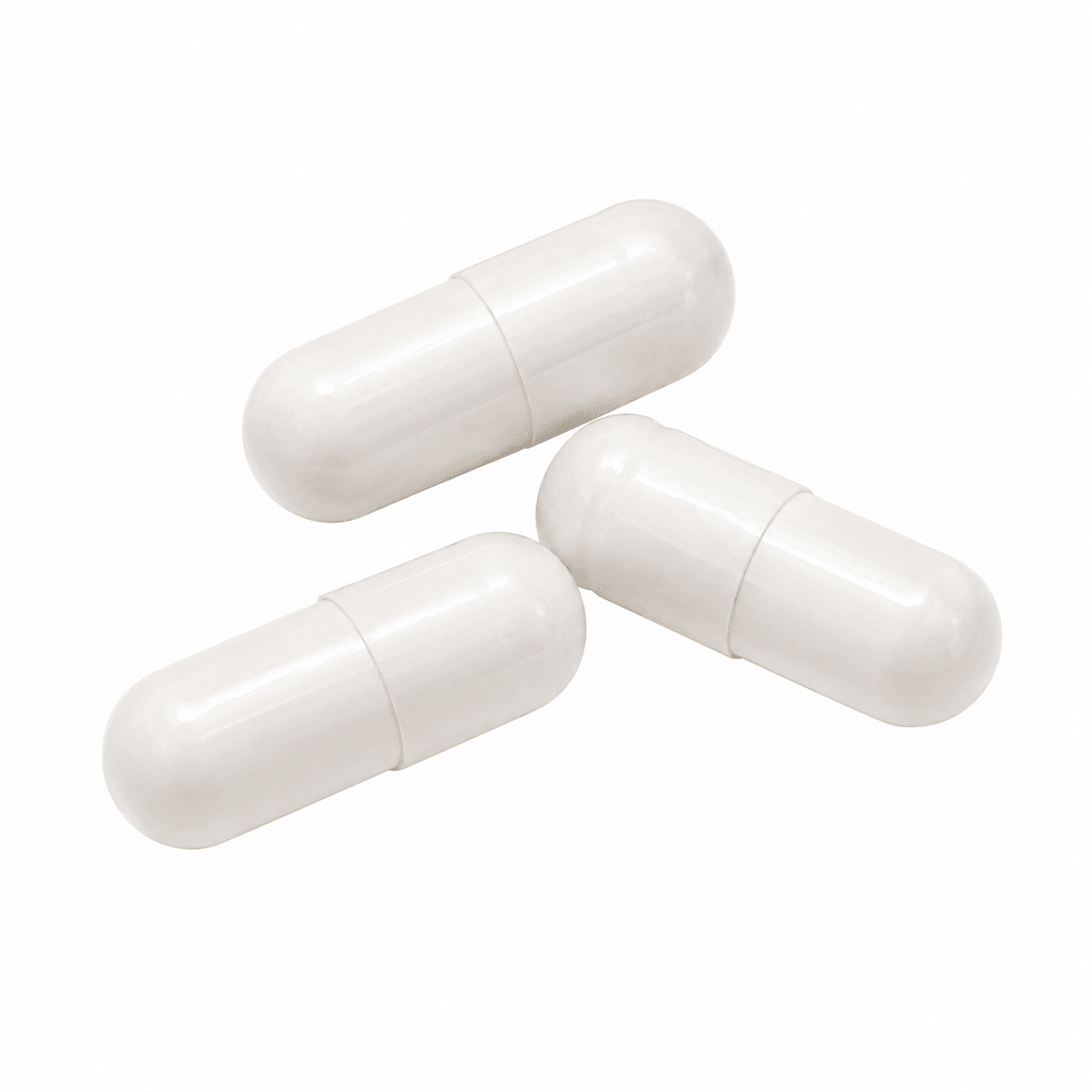
Capsules
Gelatin & HPMC vegetarian
Sachets
Single-dose powder blends
Stick packs
Convenient single-serve
Pouches
Flexible, shelf-ready
Ready to bring your supplement to market?
Free consultation · 24-hour quote · No minimum commitment to get started