Pharmaceutical Grade vs. Food Grade Ingredients: Which Is Necessary for Medical-Grade Nutritional Supplements?
Compare pharmaceutical grade and food grade ingredients for nutritional supplements. Learn how testing, specifications, and supplier controls protect quality.
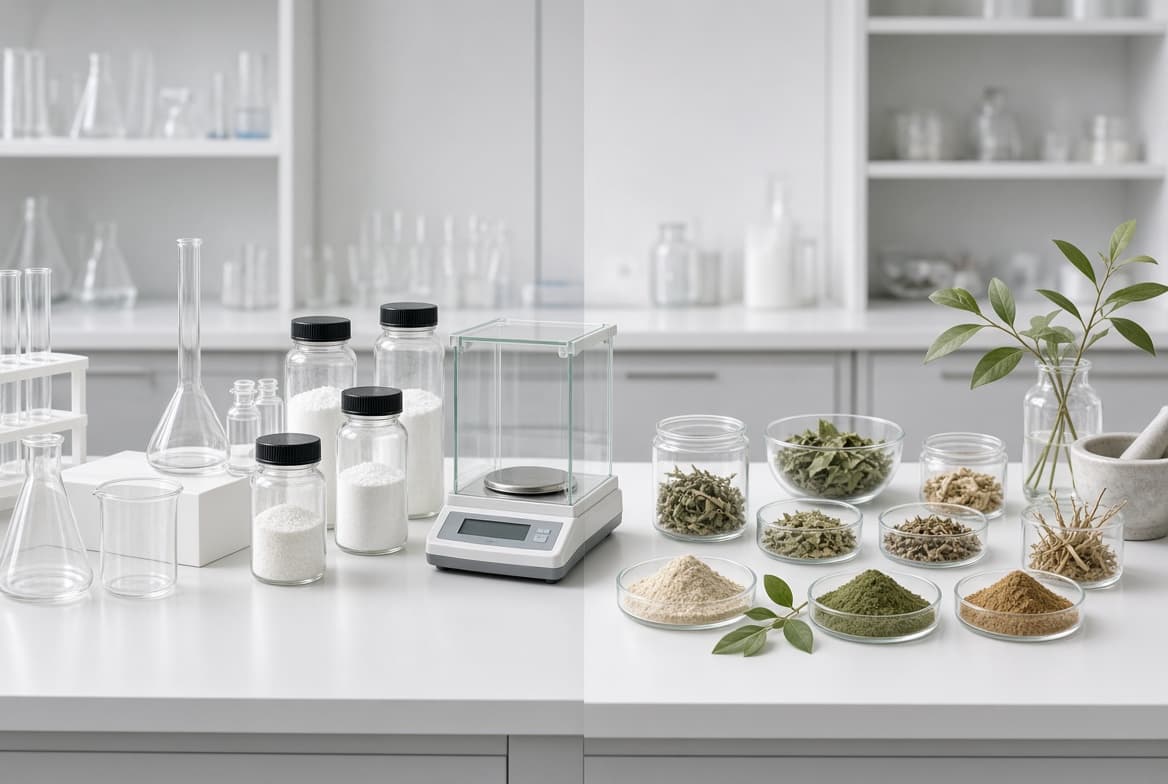
For brands developing dietary supplements, ingredient grade is an important sourcing consideration—but the label “pharmaceutical grade” alone does not prove that an ingredient is appropriate, compliant, or superior for every formulation. The more meaningful question is whether each ingredient has defined specifications, traceable documentation, suitable purity, validated identity, and testing that matches the product’s intended use.
At River Pharm Inc., we support dietary supplement brands with OEM manufacturing and custom ODM development. Whether you provide a finished formula through our OEM service, or bring a reference product, target ingredient, or desired benefit for custom development, ingredient selection and incoming quality control should begin with a documented specification—not a marketing term.
River Pharm Inc. manufactures dietary supplement products and does not represent its finished products as pharmaceutical products or as “medical-grade” products. Where a supplier uses terms such as “pharmaceutical grade,” “USP grade,” or “food grade,” those terms should be evaluated against the material’s applicable specifications, documentation, testing methods, and intended use in a dietary supplement formulation.
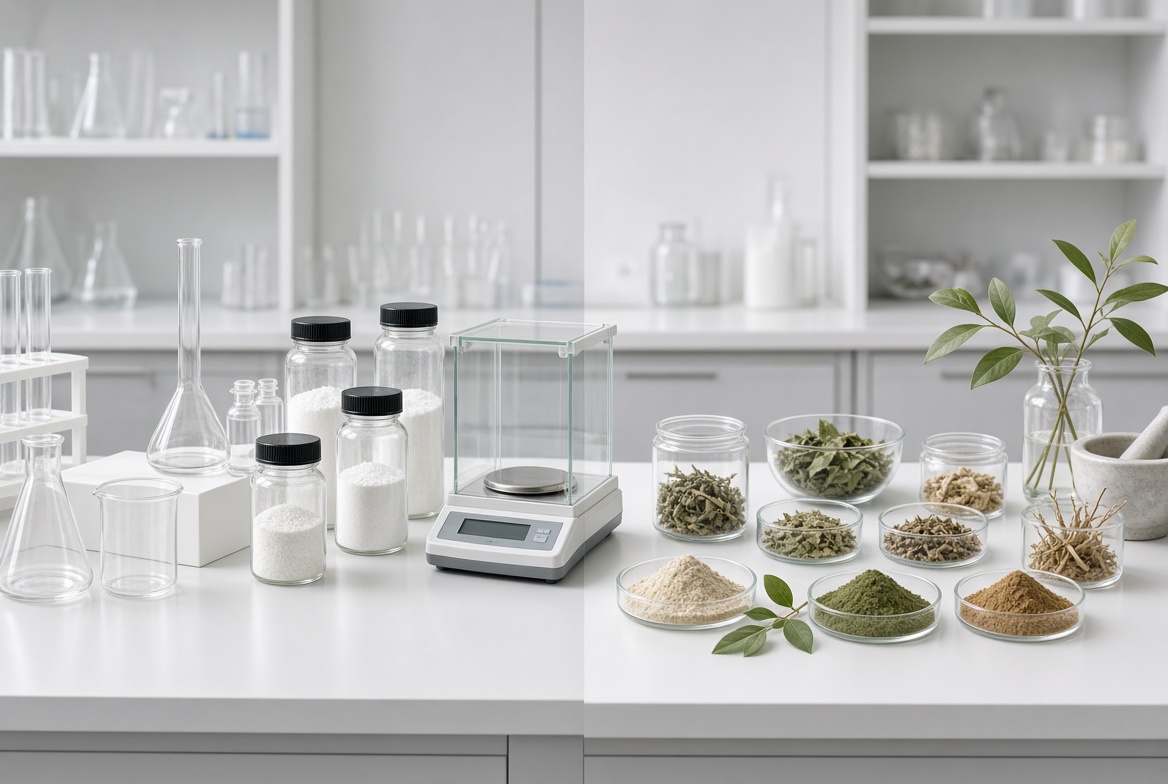
What Do “Pharmaceutical Grade” and “Food Grade” Mean?
“Pharmaceutical grade” generally refers to material manufactured and tested to meet a recognized pharmacopeial standard, such as a United States Pharmacopeia (USP) or National Formulary (NF) monograph where one exists. Such standards may define identity tests, assay requirements, impurity limits, and other acceptance criteria.
“Food grade” generally indicates that an ingredient is suitable for use in food applications and meets applicable food-safety requirements or food-industry specifications. However, food grade is not one universal global standard. Its actual quality depends on the supplier’s specification, applicable regulations, contaminant controls, manufacturing process, and supporting analytical documentation.
For dietary supplements, neither phrase should replace a full technical review. A supplier may describe an ingredient as pharmaceutical grade, food grade, premium grade, or nutraceutical grade. These descriptions are useful only when backed by the actual specification sheet, certificate of analysis, test method, batch data, and traceability records.
USP materials explain that dietary supplements are commonly made with ingredients meeting USP, NF, or Food Chemicals Codex standards; where those standards do not exist, ingredients may still be used if they demonstrate acceptable food-grade quality through suitable procedures.
Is Pharmaceutical Grade Necessary for Medical-Grade Nutritional Supplements?
Not always. For most dietary supplements, “medical grade” is not a legally standardized product category in the United States, and “pharmaceutical grade” is not an automatic regulatory requirement for every dietary ingredient.
A brand should therefore avoid treating pharmaceutical-grade terminology as proof that a finished dietary supplement is clinically appropriate, medically intended, or superior in every application. The relevant question is whether the ingredient and finished product meet documented specifications appropriate for the formula, dosage form, intended use, target market, and applicable regulatory requirements.
What is necessary is a quality system that can demonstrate that the finished dietary supplement consistently meets defined specifications for:
Identity
Purity
Strength
Composition
Contaminant limits
Stability through the stated shelf life
Packaging and labeling suitability
FDA dietary supplement manufacturing requirements focus on these specifications rather than requiring every raw material to be described as pharmaceutical grade.
A Better Standard: “Specification-Driven Quality”
Instead of asking, “Do we need pharmaceutical grade for every ingredient?” a brand should ask:
What claims, target consumers, and dosage form define the product’s risk profile?
Does a recognized monograph exist for this ingredient?
Which contaminants or substitutions are realistic risks for this raw material?
What test methods can verify identity and active content?
Are the supplier’s results specific, complete, and repeatable?
Does the ingredient remain stable in capsules, stick packs, sachets, or soft pouches?
A dietary supplement may require a more rigorous specification package when its formulation complexity, dosage level, ingredient risk profile, target market, dosage form, packaging format, or claim strategy makes that necessary. This may involve pharmacopeial-aligned material for selected ingredients, but it may also involve a well-qualified food-grade or dietary-supplement-grade material supported by robust, fit-for-purpose testing. This may mean pharmacopeial-grade material for selected ingredients—but it may also mean a thoroughly qualified food-grade or dietary-supplement-grade ingredient supported by stronger testing than a generic “pharmaceutical grade” claim.
Why Incoming Ingredient Testing Matters More Than a COA
A certificate of analysis is valuable, but it is not a guarantee. A COA should show the ingredient name, lot number, test methods, specification limits, actual results, dates, and approval information. It should also match the material received.
FDA guidance explains that a manufacturer may rely on a supplier’s COA for certain component specifications only after qualifying the supplier, confirming the reliability of the supplier’s analyses, documenting the qualification process, periodically reconfirming the COA, and obtaining a COA that includes methods, limits, and actual results.
For dietary ingredients, independent identity verification is especially important. This helps prevent:
Raw-material substitution
Incorrect botanical species
Incorrect extract ratio or marker content
Dilution or adulteration
Mislabeling between similar-looking powders
Unexpected allergens or contaminants
Batch inconsistency that affects finished-product performance
NIH guidance also emphasizes that supplement materials should be analytically assessed for identity, purity, strength, composition, and stability. For botanical materials, the scientific name, plant source, and relevant composition details should be defined; for probiotics, genus, species, and strain should be identified.

Ingredient Risk Changes by Category
Not every ingredient requires the same analytical package. A robust quality program starts by matching testing to ingredient risk.
Vitamins, Minerals, and Amino Acids
For standardized ingredients such as vitamin C, magnesium salts, zinc compounds, or amino acids, common priorities include:
Identity confirmation
Assay or active-content testing
Heavy metals
Microbiological limits where relevant
Particle size and flow properties for manufacturing
Moisture and stability
Compatibility with other ingredients
For these materials, a recognized pharmacopeial standard may be especially useful because it can provide established analytical procedures and acceptance criteria. However, the final decision should still consider the dosage form and finished-product requirements.
Botanicals and Herbal Extracts
Botanical ingredients often present more complicated risks. “Food grade” is not enough if the supplier cannot demonstrate plant identity, extraction solvent, extract ratio, marker compounds, pesticide compliance, microbiological control, and heavy-metal limits.
A practical botanical specification may include:
Latin botanical name and plant part
Country or region of origin
Extraction solvent and ratio
Marker compound target and test method
Pesticide-residue limits
Heavy-metal limits
Microbial limits
Mycotoxin screening when relevant
Adulterant screening
DNA, microscopy, chromatography, or other fit-for-purpose identity tools
A botanical extract with clear specifications and lot-specific test results can be more appropriate than an ingredient promoted with a vague premium-grade label.
Probiotics and Fermented Ingredients
For probiotic products, potency alone is insufficient. The identity of the strain matters. Brands should define the genus, species, strain designation, viable count at manufacture, expected count at the end of shelf life, storage requirements, and methods used for enumeration and identification.
A product claiming a specific strain should not accept a generic species-level statement as adequate evidence. Stability testing also becomes essential because heat, moisture, oxygen, packaging selection, and interaction with other ingredients may affect viable counts over time.
From Raw Material to Finished Supplement
A high-quality ingredient can still produce a weak finished product if formulation, blending, packaging, and storage are poorly controlled. This is why raw-material grade should be evaluated as part of a complete manufacturing plan.
At River Pharm Inc., a practical workflow for OEM and custom ODM projects can include the following stages:
Define the target product specification.
Establish the dosage form, serving size, target actives, label claim, shelf life, sensory requirements, packaging format, and target market.Build material specifications.
Define identity, assay, purity, microbial limits, heavy metals, allergens, solvents, physical properties, and other ingredient-specific acceptance criteria.Qualify suppliers and review documentation.
Assess COAs, specification sheets, origin records, manufacturing information, test methods, and batch traceability.Perform incoming quality control.
Verify identity and assess whether each lot meets the established specifications before release to production.Control manufacturing and packaging.
Monitor weighing, blending, fill weights, seal integrity, packaging compatibility, and lot traceability across capsules, sachets, stick packs, and soft pouches.Verify finished-product quality.
Confirm that the finished batch meets its identity, purity, strength, composition, and contaminant specifications before release.Support shelf-life confidence.
Use stability planning to confirm that important actives remain within specification throughout the intended shelf life.
This approach protects brand credibility because it links an ingredient decision directly to measurable finished-product performance.
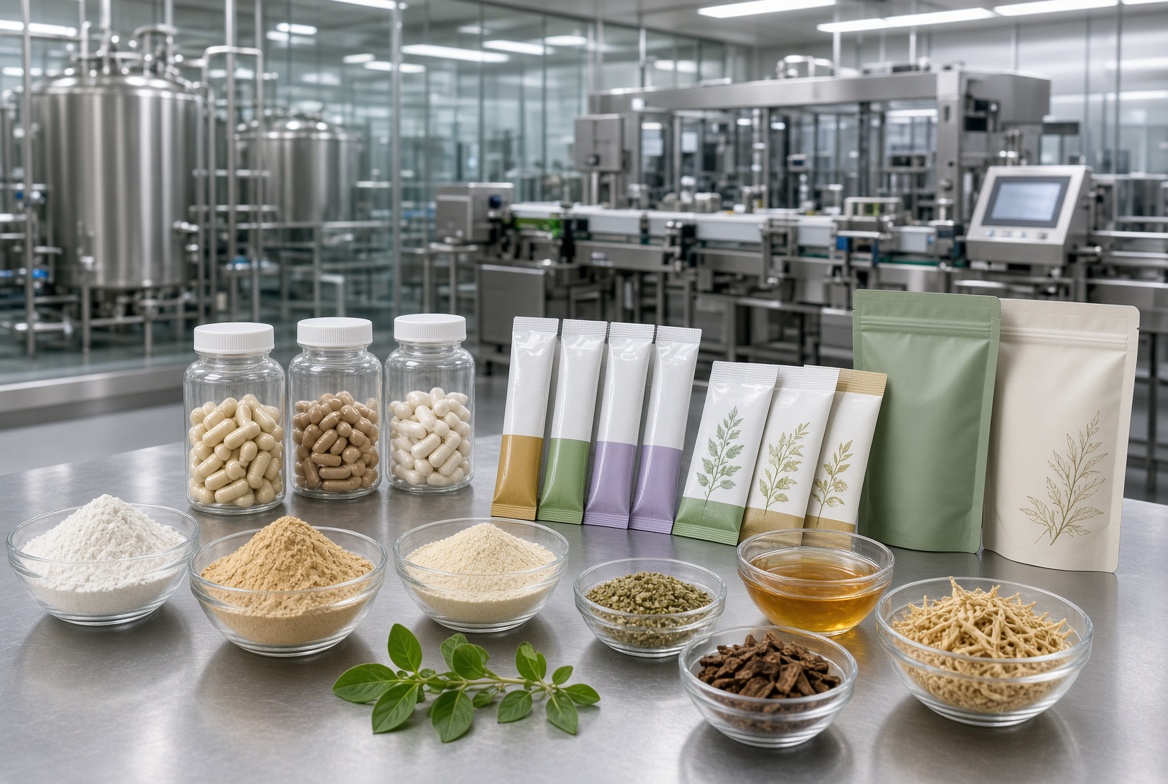
A Short Example: Magnesium + Botanical Sleep Formula
Consider a stick-pack supplement containing magnesium, L-theanine, and a botanical extract positioned for nighttime relaxation.
Using “pharmaceutical grade magnesium” may be appropriate if the brand wants a defined high-purity mineral source with a recognized specification. But that alone does not make the product high quality.
The brand must also determine:
Whether the magnesium amount can be delivered in the chosen stick-pack serving size
Whether the botanical is authenticated and standardized to the intended marker compound
Whether the botanical carries acceptable pesticide and heavy-metal results
Whether the formula has acceptable taste and flowability
Whether moisture-barrier packaging protects ingredient stability
Whether finished-product testing confirms label-claim levels through shelf life
In this example, the finished specification is the real quality target. Ingredient grade supports that target, but it does not replace formulation controls, testing, and documented release procedures.
Choosing the Right Ingredient Grade
Use pharmaceutical-grade or pharmacopeial-aligned materials when they are available, relevant, commercially practical, and aligned with your product specification. This can be particularly useful for highly purified compounds, certain vitamins, minerals, amino acids, and excipients.
Use well-qualified food-grade or supplement-grade materials when they meet the intended product specification and are supported by strong documentation and appropriate testing. This is often necessary for specialized botanicals, flavors, fibers, fermentation-derived ingredients, and other materials without an applicable pharmacopeial monograph.
Avoid decisions based only on:
A supplier’s marketing language
A generic COA without methods and actual results
Lowest-price sourcing
Assumptions that all lots will perform identically
Claims that “pharmaceutical grade” guarantees finished-product quality
Copying a competitor’s ingredient list without reviewing technical requirements
Build a Defensible Quality Standard
For brands developing dietary supplements, the strongest approach is not “pharmaceutical grade at any cost.” It is a documented, testable, and application-specific material-control strategy.
River Pharm Inc. supports brands with OEM manufacturing when they already have a formula, as well as custom ODM development when they provide a reference product, desired ingredients, or target wellness benefits. We do not offer off-the-shelf private-label ODM. Instead, we help establish a manufacturing and quality-control path aligned with the formula, dosage format, packaging requirements, intended market, and applicable dietary supplement standards.
Contact River Pharm Inc. to discuss your formula, raw-material specifications, testing expectations, and packaging format for capsules, sachets, stick packs, or soft pouches.
Important note: River Pharm Inc. provides manufacturing services for dietary supplements. References to “pharmaceutical grade,” USP, NF, or other pharmacopeial standards in this article relate to raw-material specifications where applicable. They do not mean that River Pharm Inc. manufactures pharmaceutical drugs, nor do they mean that a finished dietary supplement is a pharmaceutical or medical product.
FAQ
1. Is pharmaceutical-grade material required for every dietary supplement ingredient?
No. Dietary supplement manufacturing requirements focus on meeting established specifications for identity, purity, strength, composition, and contaminant limits. Pharmacopeial-aligned materials may be useful for certain ingredients when a relevant monograph or specification exists, but they are not automatically required for every ingredient or every dietary supplement formula.
2. Is food grade safe enough for nutritional supplements?
Food grade can be appropriate when the material meets the product’s documented specifications and is supported by adequate identity, purity, contaminant, and traceability controls. The exact requirements depend on the ingredient, formula, dosage form, and intended market.
3. Can a manufacturer rely only on a supplier COA?
Not for identity verification of dietary ingredients under FDA dietary supplement manufacturing requirements. At least one appropriate test or examination is required to verify the identity of each dietary ingredient unless FDA grants an exemption.
4. What should a raw-material COA include?
A useful COA should identify the lot, list applicable specifications, describe the test methods, state acceptance limits, provide actual results, and include release information. Supplier qualification and periodic confirmation are also important.
5. Which tests are most important for botanical ingredients?
Common priorities include botanical identity, marker-compound assay, heavy metals, pesticide residues, microbiological limits, residual solvents where applicable, mycotoxins when relevant, and adulterant screening. The correct panel should be based on the specific botanical and its supply-chain risks.
6. Does a USP monograph guarantee that a finished supplement is high quality?
No. A monograph can provide a strong ingredient-quality reference, but the finished product must still be properly formulated, manufactured, packaged, tested, and shown to meet its own specifications.
7. How does packaging affect ingredient quality?
Packaging can affect moisture exposure, oxygen exposure, light protection, microbial risk, powder flow, and active stability. A suitable raw material may still lose quality if the selected capsule, sachet, stick pack, or pouch does not protect it adequately.
References
U.S. Food and Drug Administration. “Audit Standards Comparison to the Current Good Manufacturing Practices for Dietary Supplements Regulation.” Discusses required specifications for identity, purity, strength, composition, and contamination limits. FDA source
U.S. Food and Drug Administration. “Small Entity Compliance Guide: Current Good Manufacturing Practice in Manufacturing, Packaging, Labeling, or Holding Operations for Dietary Supplements.” Explains identity testing, supplier qualification, and COA requirements under 21 CFR Part 111. FDA source
U.S. Food and Drug Administration. “Final Rule for Current Good Manufacturing Practices for Dietary Supplements.” Summarizes the purpose of dietary supplement manufacturing requirements and product-quality specifications. FDA source
National Institutes of Health, Office of Dietary Supplements. “Product Integrity Guidance.” Provides recommendations for demonstrating identity, purity, strength, composition, and stability for dietary supplement test articles. NIH source
Cornell Legal Information Institute. “21 CFR § 111.75—What must you do to determine whether specifications are met?” Provides the regulatory text on identity verification, supplier COAs, qualification, and periodic confirmation. Legal text
U.S. Pharmacopeia-related publication. “Conformance to Standards.” Notes that dietary supplements are generally prepared from ingredients meeting USP, NF, or Food Chemicals Codex standards, while suitable food-grade procedures may apply where standards do not exist. Source
Dietary Supplement Adulteration: Laboratory Approaches to Risk Assessment and Quality Assurance. Discusses ingredient adulteration risks, fit-for-purpose testing, and science-based quality standards in dietary supplement manufacturing. Article
Hot Tags: Pharmaceutical Grade Ingredients, Food Grade Ingredients, Dietary Supplement OEM, Nutritional Supplement Manufacturer, Supplement Ingredient Testing, Raw Material Quality Control, Dietary Supplement Quality Assurance, Custom Supplement Formulation, Supplement Supplier Qualification, Dietary Supplement Manufacturing, custom, private label, manufacturing company, manufacturers, suppliers, factory, Customized, Bulk, quotation, oem
Did you find this helpful?
Comments (0)
No comments yet. Be the first to comment!
Leave a comment
Related Posts

Sep 20, 2026
Carbohydrate Powder Benefits: A Practical Guide to Sports Nutrition Formulation and Powder Manufacturing
Sep 18, 2026
Proprietary Blends vs. Transparent Labeling: Building Consumer Trust in the Competitive Keto Supplement Market

Sep 16, 2026
US-Based Manufacturing vs. Overseas Supplement Contract: Navigating Supply Chain Reliability in 2026
Riverpharm · Supplement Contract Manufacturing
Your supplement brand, manufactured to the highest standard
From first formula to finished product — we handle manufacturing, packaging, and fulfillment so you can focus on building your brand.
Core services
Contract Manufacturing
GMP-certified production with full batch testing and certificate of analysis on every run.
Custom Formulation & R&D
In-house scientists develop your formula from scratch or refine existing blends for efficacy.
Packaging & Labeling
Design-to-print label service — shelf-ready, FDA-compliant, and retail-tested.
FBA Prep & Fulfillment
Amazon-ready prep and direct-to-warehouse shipping — no extra steps on your end.
By the numbers
NSF
NSF/ANSI 455-2 certified
cGMP
Certified environment
24 hr
AI-accelerated quote turnaround
600K
cGMP+ encapsulator capacity per run
Why Riverpharm
Quality systems with higher standards
- NSF/ANSI 455-2 certified
- cGMP-certified environment
- In-house + third-party testing
- Source-locked ingredients
Production capacity with faster execution
- Heavy-duty hardware
- In-house core reserves
- AI-accelerated quotes
- In-house expert hub
Delivery formats we produce
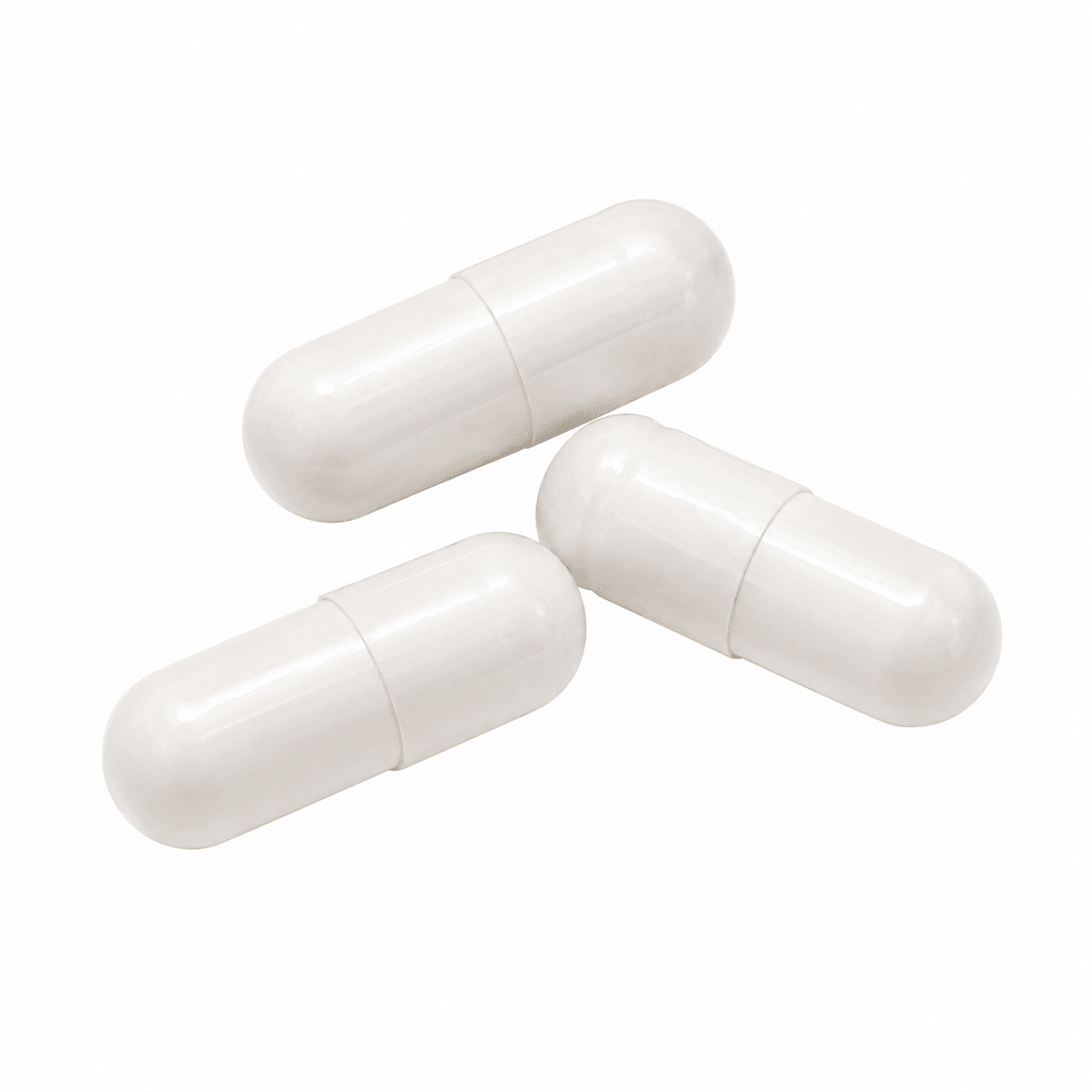
Capsules
Gelatin & HPMC vegetarian
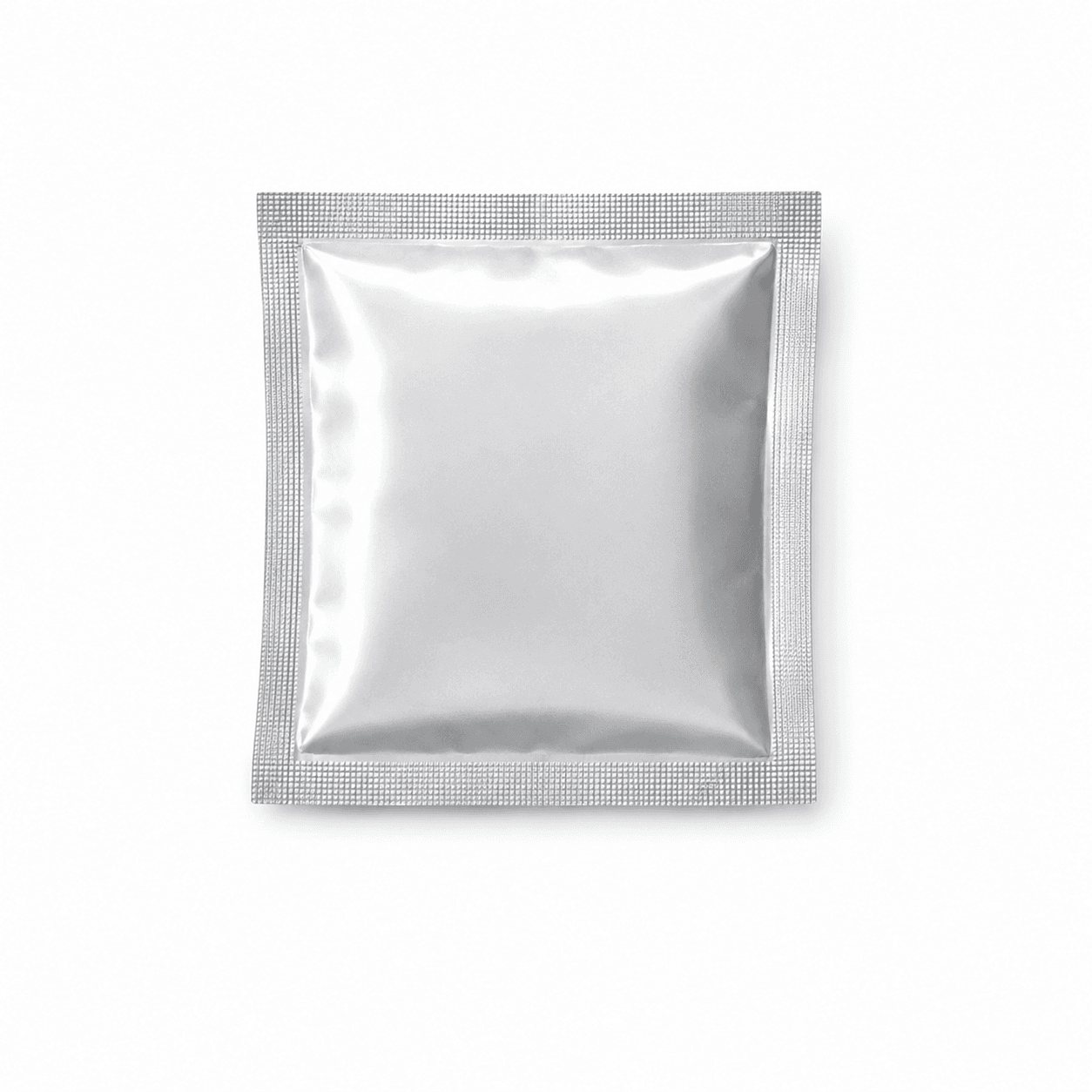
Sachets
Single-dose powder blends
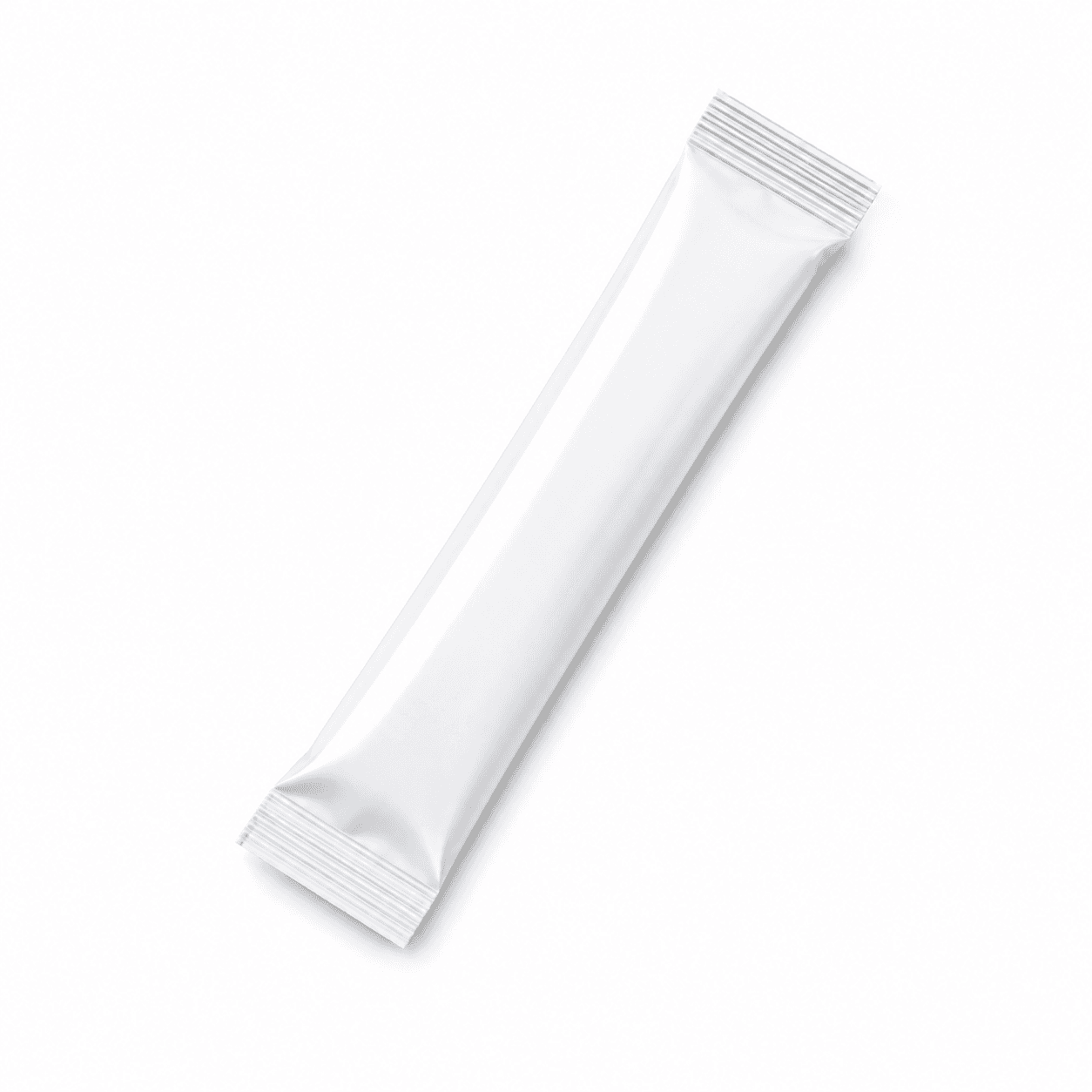
Stick packs
Convenient single-serve
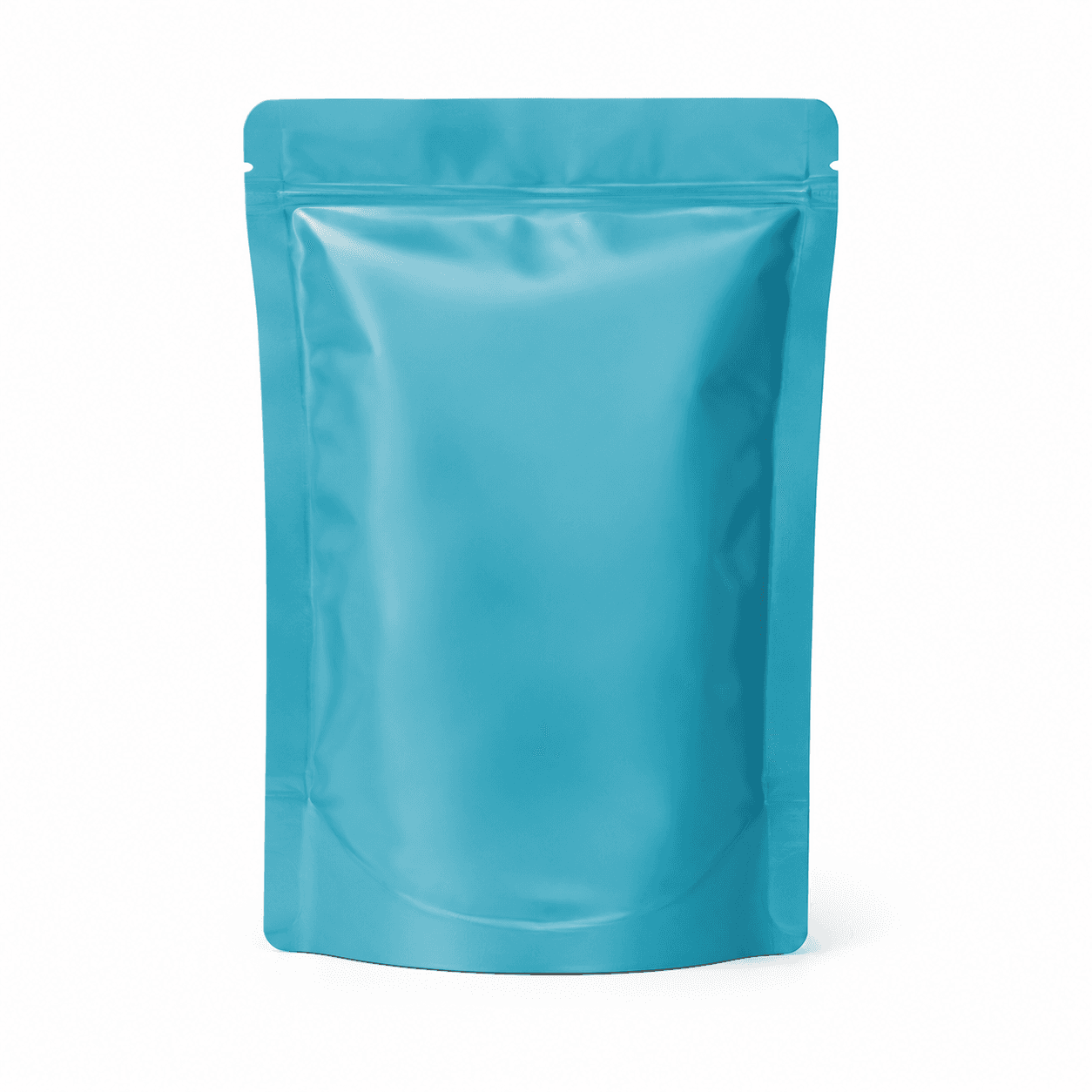
Pouches
Flexible, shelf-ready
Ready to bring your supplement to market?
Free consultation · 24-hour quote · No minimum commitment to get started