Liquid-Filled Capsules vs. Dry Powder Encapsulation: Best solutions for maximizing absorption of herbal extracts
Dry powder encapsulation vs. liquid-filled capsules for herbal extracts: compare absorption, stability, cost, and River Pharm’s OEM/ODM fit.
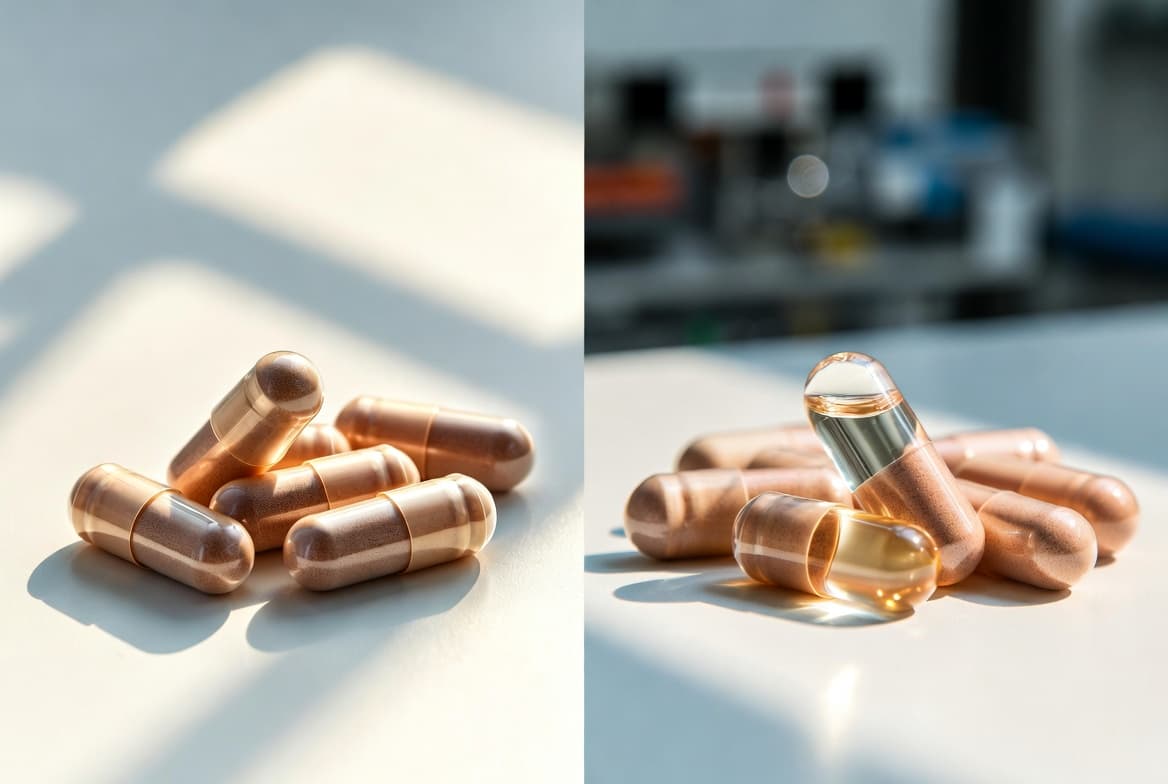
Herbal extract supplements are only as effective as their formulation allows. For brands trying to improve absorption, stability, and consumer compliance, the choice between dry powder encapsulation and liquid-filled capsules can shape everything from bioavailability to manufacturing cost.
At River Pharm, we focus on dry powder encapsulation for herbal extracts and other nutritional ingredients, while liquid-filled capsules serve as an important comparison point for brands evaluating advanced delivery systems. If your goal is to build a supplement that is practical to manufacture, stable in transit, and scalable for global markets, dry powder encapsulation deserves serious attention.
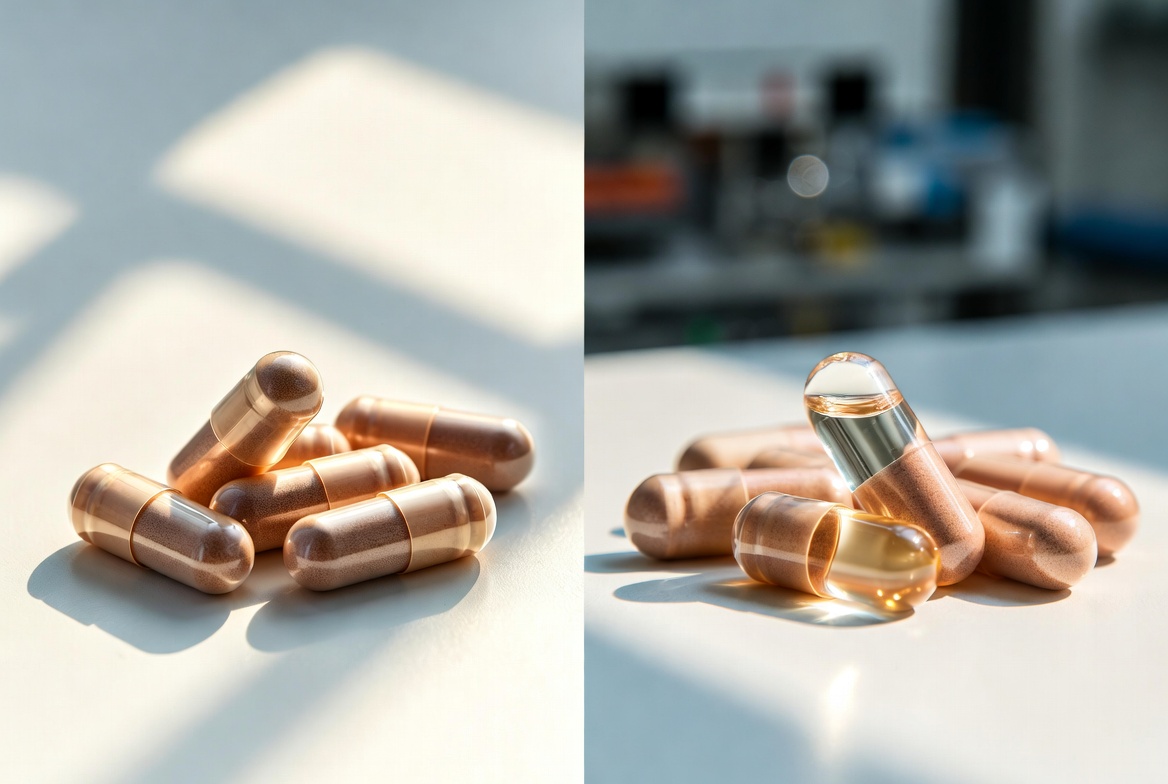
Why Absorption Matters in Herbal Supplements
Herbal ingredients are not simple single-compound inputs. Many botanicals contain multiple active constituents, and their human bioavailability can be difficult to predict because the chemistry is complex and the active components vary by extract source.
This matters because a product can be "high potency" on paper but still underperform in the body. In practice, absorption depends on solubility, particle size, extraction quality, matrix design, and capsule technology.
What Is Dry Powder Encapsulation?
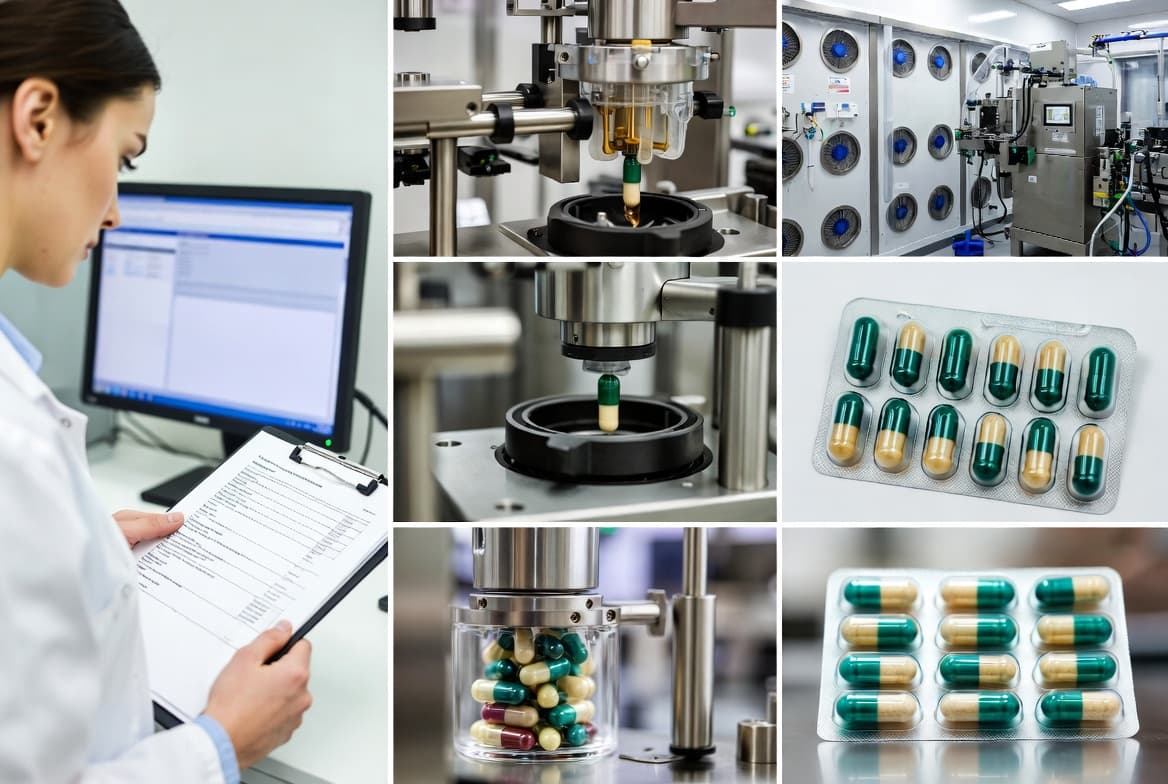
Dry powder encapsulation means filling a capsule with a solid powder blend, such as an herbal extract, excipient system, or premix designed for better flow, stability, and dose accuracy. This is one of the most widely used supplement formats and remains highly relevant for herbal products sold in capsule form.
For manufacturers, dry powder encapsulation offers clear operational advantages:
- High formulation flexibility for single herbs, blends, and multi-ingredient systems.
- Strong stability for ingredients sensitive to moisture or oxidation.
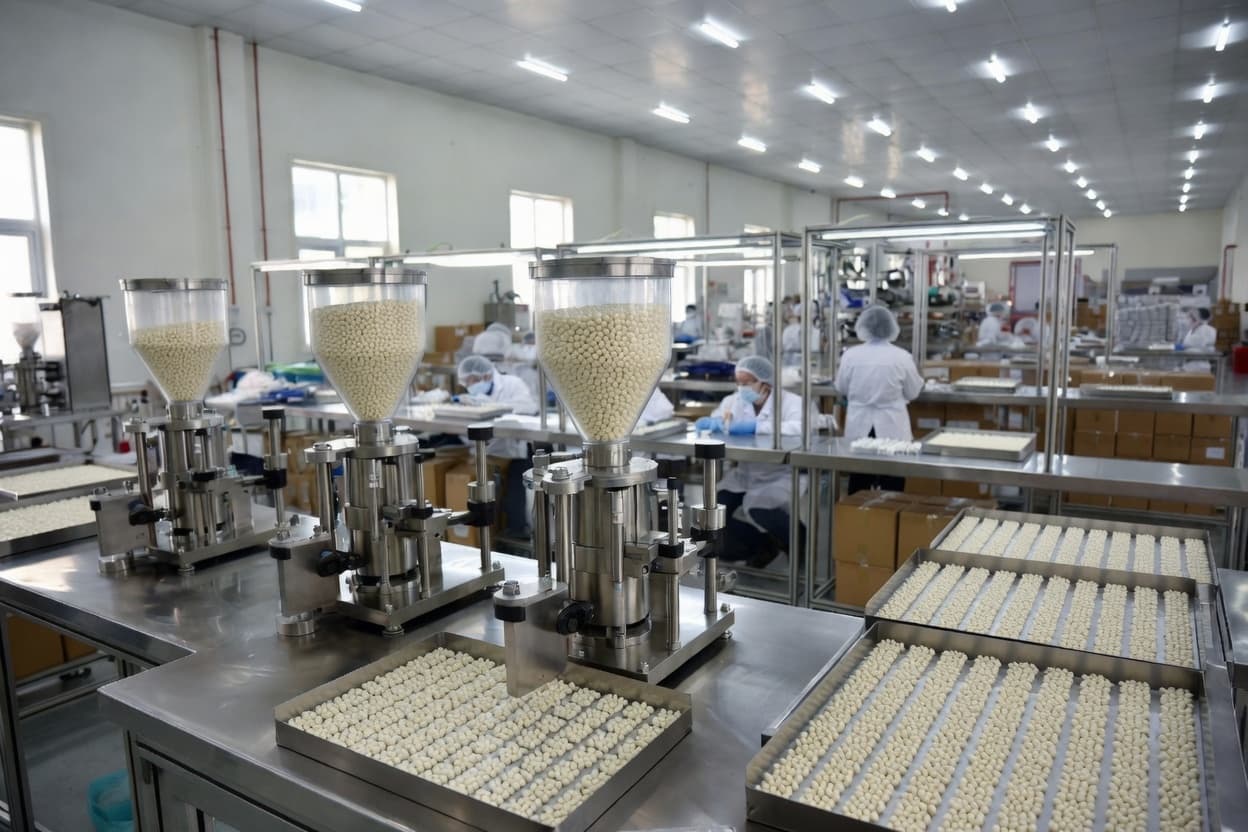
- Efficient production scalability for OEM and custom ODM programs.
- Lower packaging complexity than many liquid-filled systems.
For River Pharm clients, this format is especially useful when the product concept needs to be technically sound, commercially scalable, and easier to register or launch across markets.
What Are Liquid-Filled Capsules?
Liquid-filled capsules typically use a liquid or semi-liquid fill, often in hard capsules or softgel-like systems, to improve delivery of ingredients that benefit from solubilization. Theoretically, liquid systems may help some compounds dissolve faster after ingestion, which is one reason they are often discussed in absorption-focused product development.
However, liquid-filled systems also bring formulation tradeoffs. They can require stricter compatibility testing, moisture control, sealing performance, and packaging protection, especially when botanicals are chemically unstable or prone to degradation. For many herbal extract projects, that makes liquid systems technically appealing but operationally more demanding.
When Dry Powder Works Best
Dry powder encapsulation is often the better fit when the herbal extract:
1. Has acceptable oral absorption in solid form.
2. Is sensitive to heat, oxygen, or long-term liquid contact.
3. Needs to be manufactured at scale with predictable quality.
4. Must fit a cost-conscious or high-volume commercial model.
It is also the more natural fit for brands that want a clean capsule story with straightforward labeling, efficient filling, and easier supply-chain control.
When Liquid Systems May Win
Liquid-filled capsules may be considered when the ingredient has poor intrinsic solubility and the formulator can create a stable solution or dispersion. In some research settings, absorption-focused encapsulation methods have shown promise for herbal aqueous extracts, especially where material design improves uptake or preserves compound stability.
That said, "may improve absorption" is not the same as "best overall solution." For many herbal products, the added complexity of liquid systems can outweigh the theoretical bioavailability gain, especially if the same product can be optimized in powder form through better extraction, micronization, excipient selection, or capsule architecture.
A Practical Formulation Framework
Here is the decision process we recommend for herbal extract projects:
1. Define the primary goal. Is the brand prioritizing absorption, stability, cost, or launch speed?
2. Profile the extract chemistry. Check solubility, hygroscopicity, oxidation risk, and dose size.
3. Test the manufacturing path. Evaluate whether dry powder encapsulation can achieve the target performance.
4. Compare real-world tradeoffs. Consider shelf life, packaging, filling efficiency, and regulatory implications.
5. Select the simplest system that meets the performance target.
This approach is especially important for OEM buyers, because the best technical solution is not always the most commercially efficient one.
River Pharm Manufacturing View
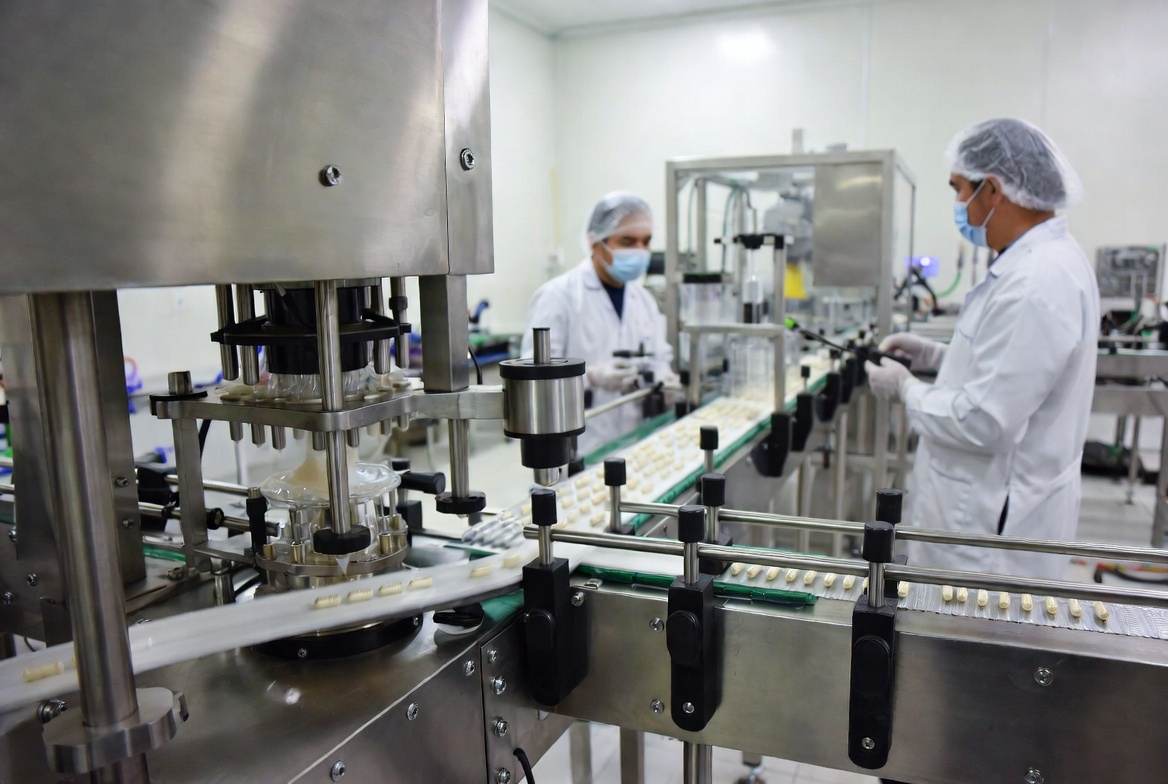
From River Pharm's perspective, dry powder encapsulation is often the most practical and scalable solution for herbal extract products. It aligns with our production strengths in capsule manufacturing and custom formulation support, while keeping the project focused on reliable output, stable quality, and export-ready execution.
For customers who come with a reference product or desired function direction, our ODM model can help turn that concept into a manufacturable dry powder capsule. For OEM clients, we can work directly from the provided formula and optimize the process for capsule compatibility, blending uniformity, and production consistency.
Expert Insight for Brands
A common mistake in the supplement industry is assuming the "most advanced" delivery system is automatically the best one. In reality, the winning solution is usually the one that balances bioavailability, manufacturability, shelf stability, and market fit.
If the ingredient does not need a liquid platform, dry powder encapsulation often gives brands a better commercial outcome. If the ingredient truly requires solubilization, then liquid-filled technology can be explored as a specialist route, but it should be justified by data rather than marketing language.
How To Choose the Right Format
Use dry powder encapsulation when you need:
- A stable capsule product.
- Efficient OEM production.
- Broad ingredient compatibility.
- Easier cost control.
- A proven format for herbal extracts.
Use liquid-filled capsules only when:
- The actives clearly benefit from liquid delivery.
- The formulation can remain stable over shelf life.
- The project can support the added process complexity.
Conclusion
For most herbal extract projects, dry powder encapsulation is the most balanced solution when the goal is stable, scalable, and commercially efficient supplement production. Liquid-filled capsules can be useful in specialized cases, but they are not automatically superior—and they are not the default answer for every absorption challenge.
If your brand is developing a herbal capsule product and wants a practical OEM/ODM path, River Pharm can help evaluate whether dry powder encapsulation is the right manufacturing strategy for your formula.
FAQ
1. Is liquid-filled capsule technology always better for absorption?
No. Absorption depends on the ingredient's chemistry, formulation design, and stability, not just the capsule format.
2. Why is dry powder encapsulation still so common?
Because it is scalable, stable, cost-effective, and suitable for many herbal extracts and nutritional ingredients.
3. Can dry powder capsules improve herbal extract performance?
Yes. With the right particle engineering, excipients, and extraction quality, dry powder capsules can perform very well.
4. Does River Pharm produce liquid-filled capsules?
No. Based on your company scope, River Pharm's strength is dry powder encapsulation, while liquid-filled capsules are outside the current production range.
5. What is the safest way to choose a capsule format for herbal extracts?
Start with ingredient properties, then compare stability, cost, manufacturability, and market requirements before choosing the simplest system that meets the target.
References
- U.S. FDA. Dietary Supplement Labeling Guide. [https://www.fda.gov/food/dietary-supplements-guidance-documents-regulatory-information/dietary-supplement-labeling-guide]
- U.S. FDA. Labeling & Nutrition Guidance Documents & Regulatory Information. [https://www.fda.gov/food/guidance-documents-regulatory-information-topic-food-and-dietary-supplements/labeling-nutrition-guidance-documents-regulatory-information]
- NIH Office of Dietary Supplements. Dietary Supplement Fact Sheets. [https://ods.od.nih.gov/factsheets/list-all/]
- MedlinePlus. Herbs and Supplements. [https://medlineplus.gov/druginfo/herb_All.html]
- Kesarwani RK, Gupta R. Selection of bioavailability markers for herbal extracts. PubMed. [https://pubmed.ncbi.nlm.nih.gov/18481869/]
- Encapsulation of herbal aqueous extract through absorption with ca-alginate hydrogel beads. [https://research.monash.edu/en/publications/encapsulation-of-herbal-aqueous-extract-through-absorption-with-c/]
- Cassileth BR. The Public Health Impact of Herbs and Nutritional Supplements. PMC. [https://pmc.ncbi.nlm.nih.gov/articles/PMC2771878/]
- StatPearls. Herbal Supplements. NIH Bookshelf. [https://www.ncbi.nlm.nih.gov/books/NBK536964/]
Did you find this helpful?
Comments (0)
No comments yet. Be the first to comment!
Leave a comment
Related Posts
Aug 21, 2026
Hard-Shell Capsules vs. Softgels: Which performs better for complex nutraceutical formulations with high oil content?
Aug 21, 2026
Top Capsule Supplement Manufacturers and Suppliers in Asia

Aug 20, 2026
Neuroplasticity Supplements: What B2B Brands Need to Know About the Future of Cognitive Health OEM/ODM Manufacturing
Riverpharm · Supplement Contract Manufacturing
Your supplement brand, manufactured to the highest standard
From first formula to finished product — we handle manufacturing, packaging, and fulfillment so you can focus on building your brand.
Core services
Contract Manufacturing
GMP-certified production with full batch testing and certificate of analysis on every run.
Custom Formulation & R&D
In-house scientists develop your formula from scratch or refine existing blends for efficacy.
Packaging & Labeling
Design-to-print label service — shelf-ready, FDA-compliant, and retail-tested.
FBA Prep & Fulfillment
Amazon-ready prep and direct-to-warehouse shipping — no extra steps on your end.
By the numbers
NSF A
Grade A, zero defect tolerance
ISO 7
Cleanroom controlled production
24 hr
AI-accelerated quote turnaround
600K
cGMP+ encapsulator capacity per run
Why Riverpharm
Quality systems with higher standards
- NSF Grade A excellence
- ISO 7 cleanroom control
- In-house + third-party testing
- Source-locked ingredients
Production capacity with faster execution
- Heavy-duty hardware
- In-house core reserves
- AI-accelerated quotes
- In-house expert hub
Delivery formats we produce
Capsules
Gelatin & HPMC vegetarian
Sachets
Single-dose powder blends
Stick packs
Convenient single-serve
Pouches
Flexible, shelf-ready
Ready to bring your supplement to market?
Free consultation · 24-hour quote · No minimum commitment to get started