Micro-encapsulation vs. Raw Powder: Preventing cross-contamination in multi-ingredient keto supplements
Micro-encapsulation vs. raw powder in keto supplements: compare stability, contamination control, cGMP compliance, and manufacturing tradeoffs for safer products.
Why this comparison matters in keto supplement manufacturing
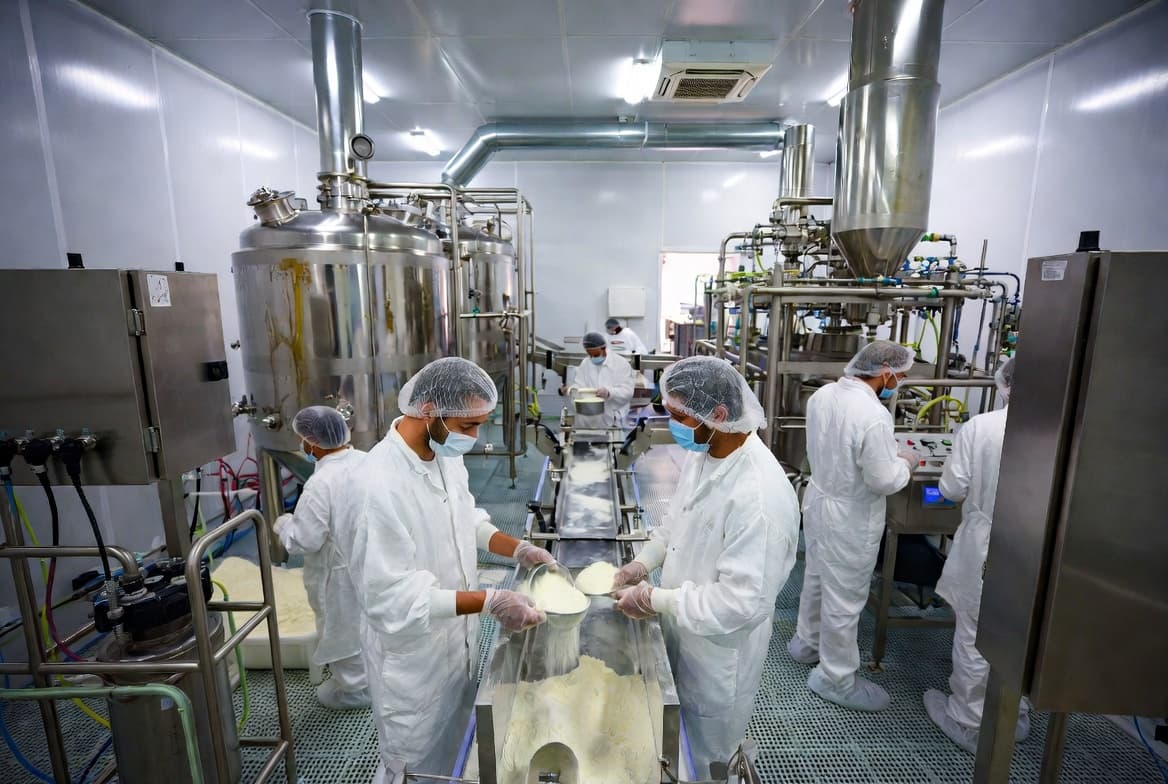
In multi-ingredient keto supplements, the choice between micro-encapsulation and raw powder is not only a formulation decision. It is also a manufacturing decision that affects cross-contamination risk, ingredient stability, taste masking, process flow, and product consistency.
For brands launching ketone-support, MCT-based, electrolyte, or advanced metabolic formulas, the production format can influence both user experience and compliance outcomes. FDA's dietary supplement CGMP rule requires manufacturers, packers, labelers, and holders to ensure identity, purity, quality, strength, and composition while preventing contamination with harmful or undesirable substances.
From an OEM/ODM manufacturing perspective, this is where product design and plant controls must work together. A raw powder can be efficient and flexible, but it may create more exposure to dust, segregation, and carryover between ingredients if controls are weak. A micro-encapsulated ingredient can improve handling and stability, but it does not eliminate the need for validated cleaning, environmental controls, and lot segregation.
Micro-encapsulation in keto formulations
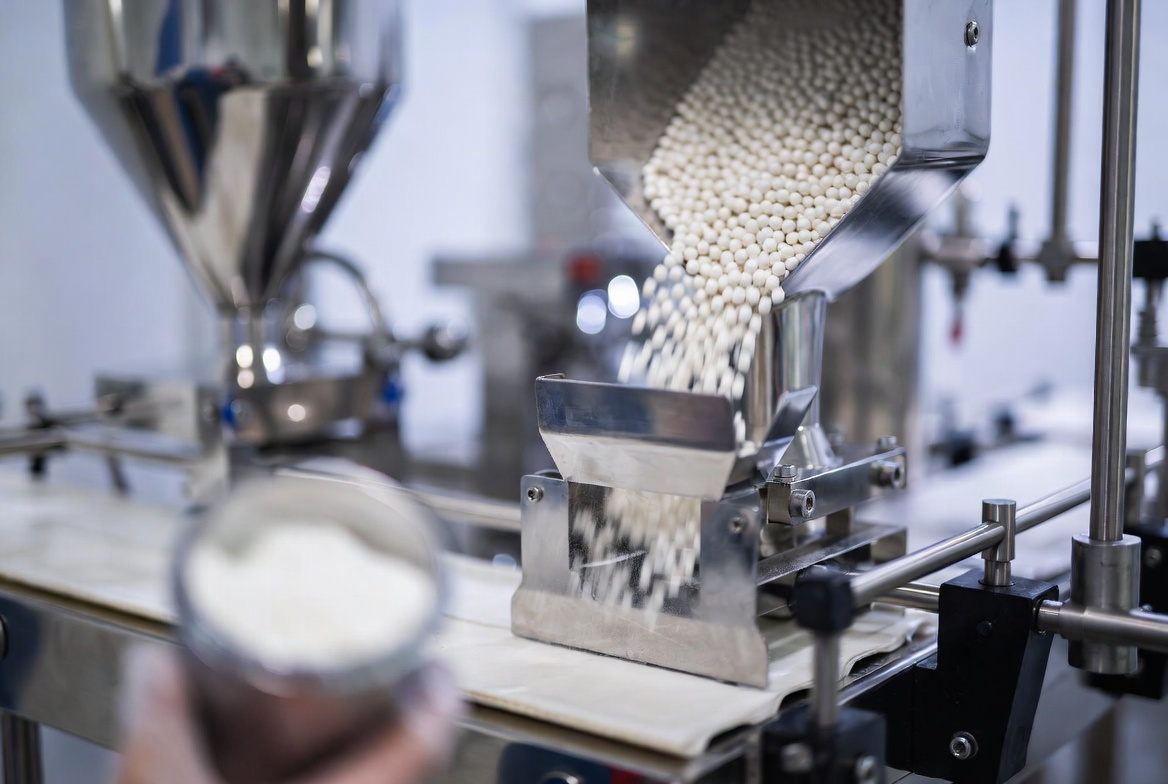
Micro-encapsulation means surrounding an active ingredient with a protective shell so it can be handled, protected, or released in a more controlled way. In dietary supplements, research shows that microencapsulation can support controlled release, protection of sensitive compounds, odor masking, and improved stability.
For keto supplements, that can be useful when a formula includes ingredients that are sensitive to moisture, oxidation, heat, or strong odor. This matters because keto formulas often combine several challenging components. A single product may include exogenous ketones, MCT powder, minerals, electrolytes, flavor systems, sweeteners, and support ingredients.
If one ingredient is fragile or reactive, micro-encapsulation can help reduce degradation during blending, storage, and transport. It can also help reduce taste interference, which is especially valuable in powdered drink mixes and stick packs where consumer acceptance depends on flavor and mouthfeel.
Raw powder and its manufacturing profile
Raw powder is still one of the most common and cost-effective ingredient formats in supplement manufacturing. It is easy to blend, scale, and fill into sachets, stick packs, bottles, and bulk tubs. For brands seeking faster development and lower ingredient cost, raw powder often offers an attractive starting point.
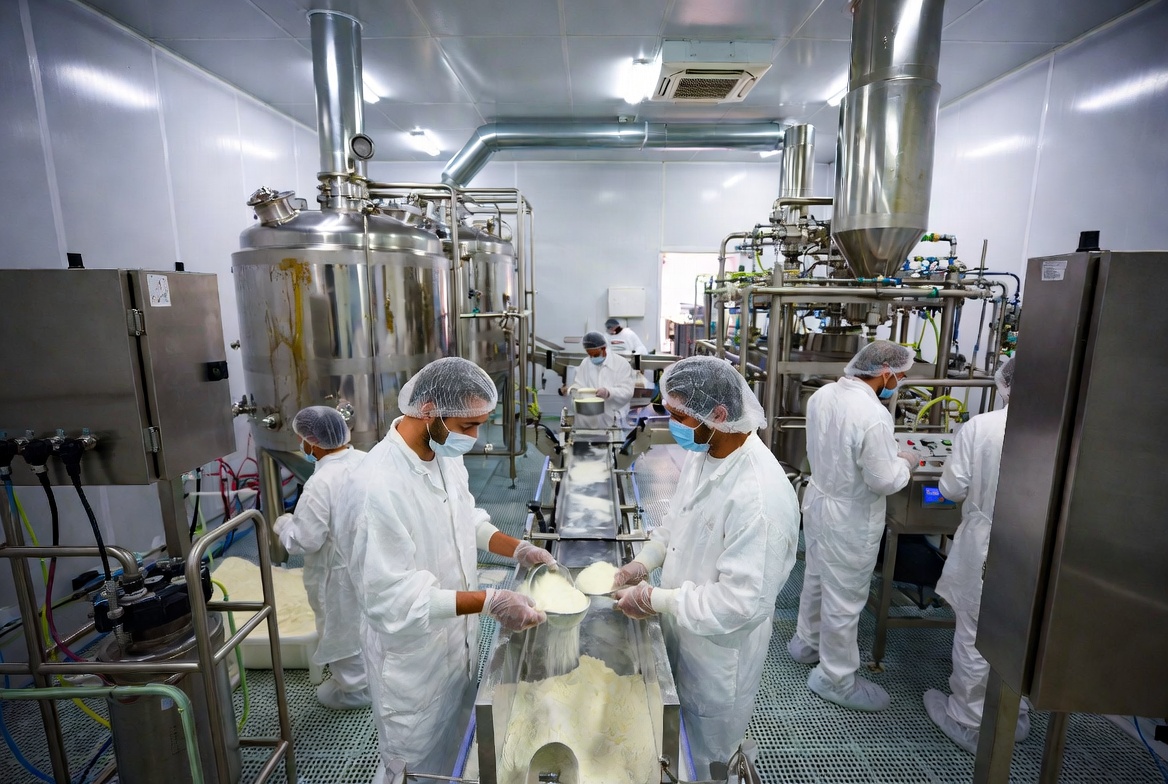
However, raw powder usually exposes the formula more directly to moisture, oxygen, friction, and physical contact during weighing and mixing. That exposure creates a stronger need for dust control and line clearance. In multi-ingredient keto supplements, this is important because powders can vary widely in density, particle size, flowability, and electrostatic behavior.
Those differences can lead to segregation, inconsistent dosing, and residue transfer between batches. In other words, raw powder is not inherently inferior, but it usually requires tighter operational discipline to achieve the same level of protection that a coated or encapsulated ingredient may offer.
Which format better controls cross-contamination?
The short answer is: micro-encapsulation can reduce some product-level risks, but it cannot replace good manufacturing controls. Cross-contamination is primarily a plant and process issue. FDA's CGMP framework emphasizes preventing contamination and ensuring that the finished product contains what it is labeled to contain.
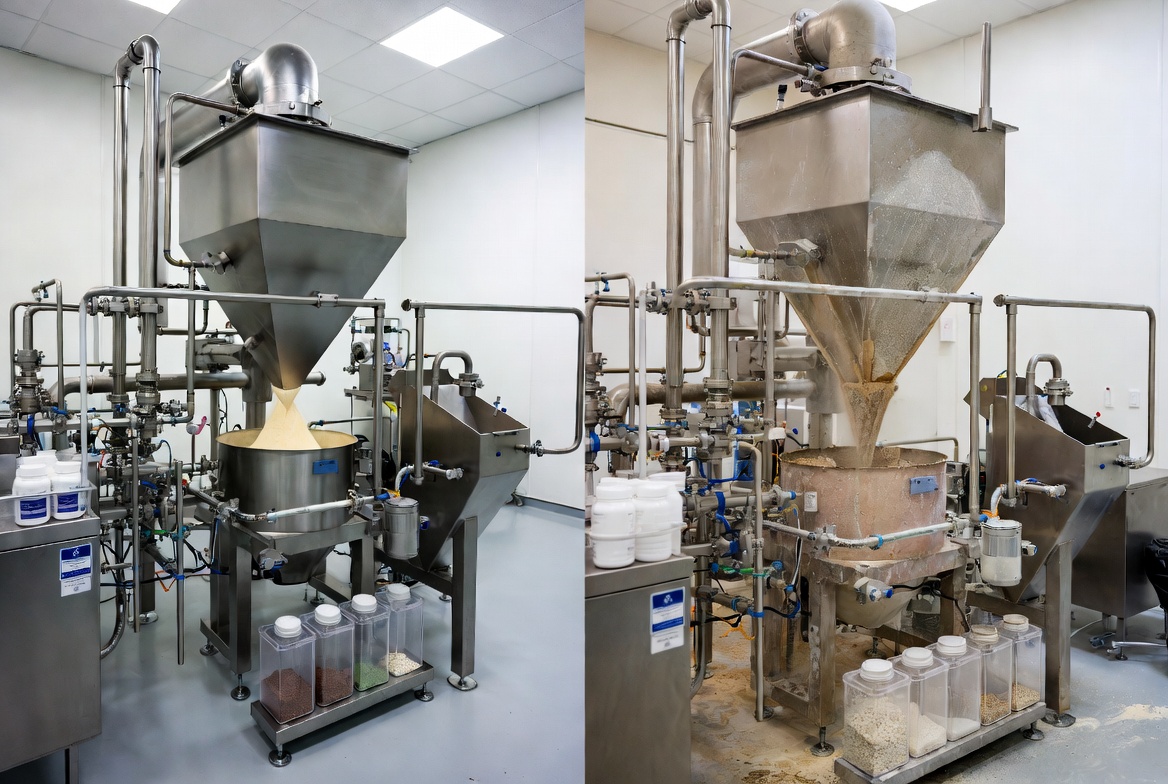
That means the factory must control material flow, equipment cleaning, batch sequencing, allergen risk, environmental dust, and packaging integrity. Micro-encapsulation can help by reducing direct exposure of the core material, improving powder handling, and limiting interactions between ingredients. For example, a coated mineral may be less reactive than the same mineral in free powder form.
But if the facility has poor sanitation, inadequate segregation, or weak validation, encapsulation will not solve the problem. Raw powder can be safe and effective too, provided the manufacturer uses strong controls such as closed transfer, validated cleaning, dedicated utensils, and disciplined material release procedures.
Regulatory and quality lens
For U.S.-market dietary supplements, 21 CFR Part 111 is the baseline compliance framework. FDA states that the rule is designed to ensure supplements are properly manufactured and are not contaminated with harmful or undesirable substances such as pesticides, heavy metals, or other impurities. The rule applies to manufacturing, packaging, labeling, and holding operations, which means the factory must control the full chain from receipt to shipment.
This is especially relevant for keto supplements because multi-ingredient blends can contain ingredients from several supply chains. The more ingredients a formula includes, the more points there are for contamination, mix-up, or mislabeling. Industry coverage has also highlighted that incoming raw materials can carry foreign matter or other contamination concerns if supplier controls are weak, reinforcing the need for robust receiving inspection and lot disposition procedures. For a manufacturer, the lesson is simple: quality starts before blending begins.
Practical contamination-control workflow
A high-performing plant should treat contamination prevention as a system, not a single step. In our view, the most effective workflow includes the following:
1. Supplier qualification and ingredient specification review.
2. Incoming material inspection and identity testing.
3. Dedicated staging zones for high-risk ingredients.
4. Validated cleaning between batches and product families.
5. Controlled powder transfer and dust containment.
6. Line clearance before packaging.
7. Finished-product release review with documented traceability.
Micro-encapsulation can make some of these steps easier because the ingredient may flow more consistently and create less dust. Raw powder can still work well, but it usually needs stronger attention to segregation and cleaning because free powders are more likely to spread across contact surfaces. In both cases, the goal is the same: ensure the finished keto supplement matches the label and remains safe through shelf life.
When micro-encapsulation is the better choice
Micro-encapsulation is often the better option when a keto formula contains ingredients that are unstable, unpleasant to taste, or difficult to process. It is also useful when a brand wants better sensory performance in a drink mix or stick pack. If the ingredient is sensitive to oxidation or moisture, encapsulation may reduce quality loss during storage and distribution.
Research supports its role in stability improvement and controlled release across functional foods and supplement applications. In a practical manufacturing sense, micro-encapsulation is also attractive when you want to reduce ingredient interaction. For example, a reactive mineral and a flavor system may be better separated by a protective shell.
That can help preserve taste and reduce premature release in the package. For premium keto products, this can support a stronger consumer experience and a more defensible product story.
When raw powder is the better choice
Raw powder is often the better choice when the formula is straightforward, cost-sensitive, and designed for rapid scale-up. It is especially practical for brands that want fast iteration across flavors or serving sizes. If the ingredients are stable and the product is not highly sensitive to odor or oxidation, raw powder can deliver excellent manufacturing efficiency.
It is also a good option when the brand's priority is a clean and simple label architecture without the added complexity of coated inputs. In well-run facilities, raw powder can be manufactured safely and consistently. The key is that the factory must be built for powder handling discipline, not just for throughput.
River Pharm manufacturing perspective
From a manufacturer's point of view, the smartest solution is not to choose one format blindly. It is to match the ingredient system to the product goal. For River Pharm Inc, that means evaluating whether a keto formula should use micro-encapsulated actives, raw powder ingredients, or a combination of both based on stability, flowability, sensory performance, and contamination control.
That approach fits both OEM projects, where the client provides the formula, and custom ODM development, where the client provides a product direction or ingredient target. This is also where packaging format matters. Capsules, sachets, stick packs, and soft pouches each have different exposure points and process constraints.
A powder blend that performs well in one format may not be ideal in another. A strong development partner should therefore evaluate the full system, not only the ingredient list.
The hidden cost of "simple" powder formulas
One of the biggest misconceptions in supplement development is that raw powder is always the easier route. In reality, a "simple" powder formula can become difficult if the particles segregate, absorb moisture, or create excessive dust. That hidden complexity can increase rework, reject rates, and cleaning burden.
It can also raise the risk of a batch-to-batch inconsistency that damages brand trust. Micro-encapsulation may look more expensive at the ingredient level, but it can lower downstream costs if it improves handling, filling consistency, and shelf-life stability. This is why a true cost analysis should include not only raw material price, but also yield, cleaning time, stability loss, and customer complaint risk.
For premium keto supplements, that broader lens often favors encapsulation for at least part of the formula.
A decision framework for brands
If a brand is deciding between micro-encapsulation and raw powder, the decision should start with five questions:
- Does the ingredient need protection from moisture, oxygen, or heat?
- Is taste masking important for the final consumer experience?
- Will the formula be filled into a high-contact powder format like stick packs?
- Does the ingredient have a high cross-contamination sensitivity?
- Is the brand optimizing for premium positioning or lowest cost?
If the answer is "yes" to most of the first four questions, micro-encapsulation is often worth serious consideration. If the main priority is speed, simplicity, and budget, raw powder may be the better starting point. The best brands usually do not force one answer; they use the format that best fits the claim, the dose, and the risk profile.
Practical production recommendations
For keto supplement brands, we recommend the following approach:
- Use micro-encapsulation for sensitive, bitter, reactive, or premium-positioned actives.
- Use raw powder for stable, cost-sensitive ingredients that do not require special protection.
- Separate powder families by allergen risk, material behavior, and cleaning complexity.
- Validate cleaning and line clearance before switching between formulas.
- Match ingredient format to packaging format early in product development.
This reduces unnecessary compromise. It also makes the final product easier to manufacture, easier to protect, and easier to scale. In the supplement category, those three goals usually matter as much as the formula itself.
Conclusion
For multi-ingredient keto supplements, micro-encapsulation and raw powder are not opposing ideas. They are two different tools for achieving the same business outcome: a stable, consistent, and compliant product. Micro-encapsulation brings stronger protection and better sensory control, while raw powder brings lower cost and faster scale.
Under FDA CGMP expectations, neither format removes the need for contamination control, validated sanitation, and disciplined process management. For brands, the best choice depends on the ingredient challenge and the commercial strategy. For manufacturers, the real advantage comes from understanding how the formula behaves inside the plant, not just how it looks on paper.
In that sense, the winning keto supplement is the one that is both scientifically designed and operationally manufacturable.
FAQ
1. Is micro-encapsulation always safer than raw powder?
No. It can reduce some handling risks, but overall safety still depends on cGMP controls, sanitation, supplier qualification, and batch discipline.
2. Does raw powder increase cross-contamination risk?
It can, because loose powders create more dust and residue spread, especially in multi-ingredient lines. Good plant controls can reduce this risk significantly.
3. Why is micro-encapsulation useful in keto supplements?
It can improve stability, mask unpleasant taste, and help control release, which is useful for advanced keto formulas and drink mixes.
4. Can both formats be used in the same formula?
Yes. Many premium supplements use a hybrid structure with encapsulated actives and selected raw powders to balance performance and cost.
5. What matters most for FDA compliance?
The manufacturer must ensure the product is properly manufactured, labeled, and held, and that contamination, mix-ups, and identity failures are controlled under 21 CFR Part 111.
Reference
1. FDA. Small Entity Compliance Guide: Current Good Manufacturing Practice in Manufacturing, Packaging, Labeling, or Holding Operations for Dietary Supplements. https://www.fda.gov/regulatory-information/search-fda-guidance-documents/small-entity-compliance-guide-current-good-manufacturin
2. FDA. Final Rule for CGMPs for Dietary Supplements. https://www.fda.gov/food/dietary-supplements-guidance-documents-regulatory-information-topic-food-and-dietary-supplements/backgrounder-final-rule-current-good-manufacturing-practice-cgmp-operations-dietary-supplements
3. PubMed. A review and meta-analysis of coating materials, release and food fortification of microencapsulated vitamins. https://pubmed.ncbi.nlm.nih.gov/38763670/
4. PubMed. Microencapsule delivery systems of functional substances for precise nutrition. https://pubmed.ncbi.nlm.nih.gov/39218503/
5. PubMed. In Vitro Release Kinetics of Microencapsulated Materials and the Effect of the Food Matrix. https://pubmed.ncbi.nlm.nih.gov/28125351/
6. NutraIngredients-USA. Warning letter alleges company used raw materials tainted with glass and plastic. https://www.nutraingredients-usa.com/Article/2022/08/24/Warning-letter-alleges-company-used-raw-materials-tainted-with-glass-and-plastic
Did you find this helpful?
Comments (0)
No comments yet. Be the first to comment!
Leave a comment
Related Posts


Riverpharm · Supplement Contract Manufacturing
Your supplement brand, manufactured to the highest standard
From first formula to finished product — we handle manufacturing, packaging, and fulfillment so you can focus on building your brand.
Core services
Contract Manufacturing
GMP-certified production with full batch testing and certificate of analysis on every run.
Custom Formulation & R&D
In-house scientists develop your formula from scratch or refine existing blends for efficacy.
Packaging & Labeling
Design-to-print label service — shelf-ready, FDA-compliant, and retail-tested.
FBA Prep & Fulfillment
Amazon-ready prep and direct-to-warehouse shipping — no extra steps on your end.
By the numbers
NSF
NSF/ANSI 455-2 certified
cGMP
Certified environment
24 hr
AI-accelerated quote turnaround
600K
cGMP+ encapsulator capacity per run
Why Riverpharm
Quality systems with higher standards
- NSF/ANSI 455-2 certified
- cGMP-certified environment
- In-house + third-party testing
- Source-locked ingredients
Production capacity with faster execution
- Heavy-duty hardware
- In-house core reserves
- AI-accelerated quotes
- In-house expert hub
Delivery formats we produce
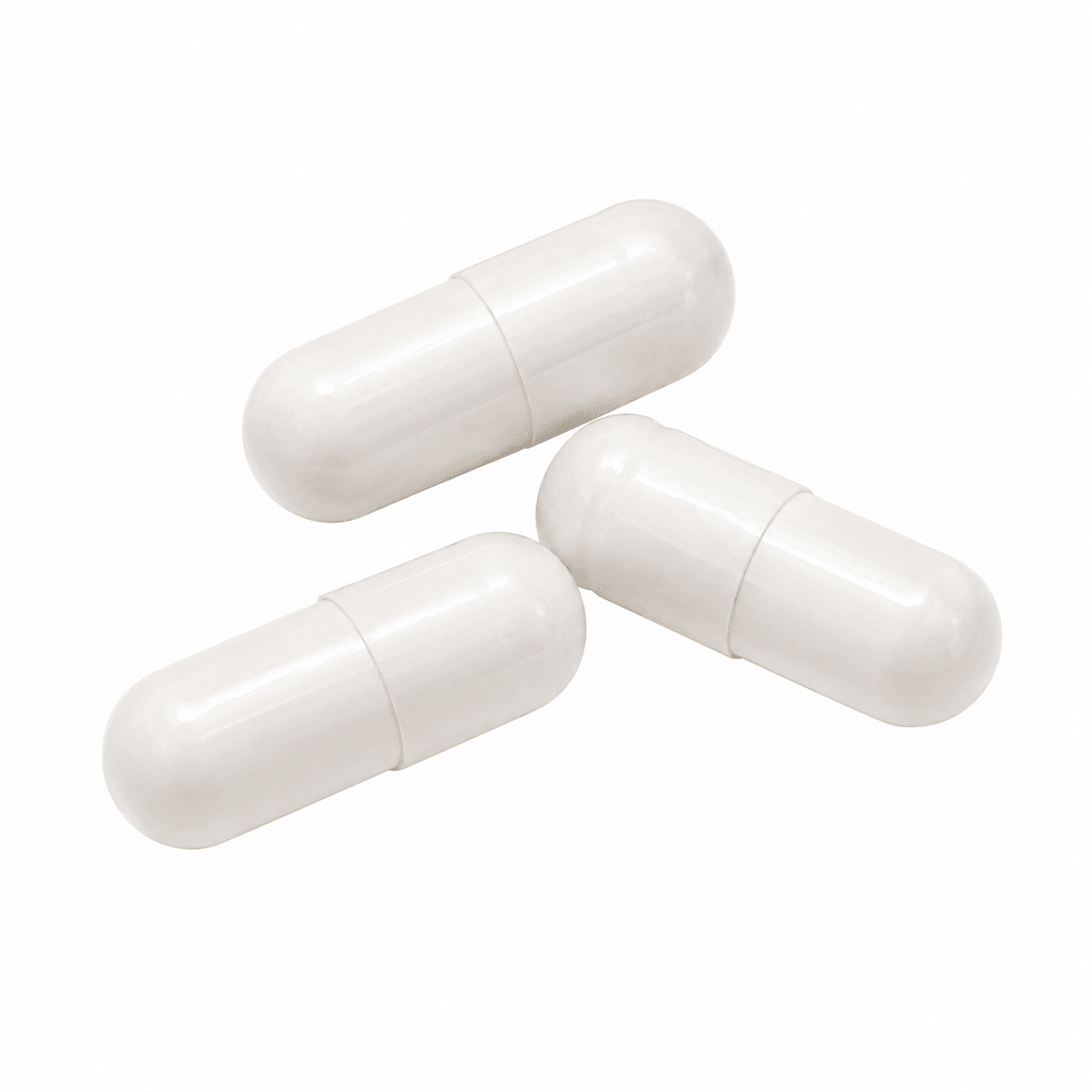
Capsules
Gelatin & HPMC vegetarian
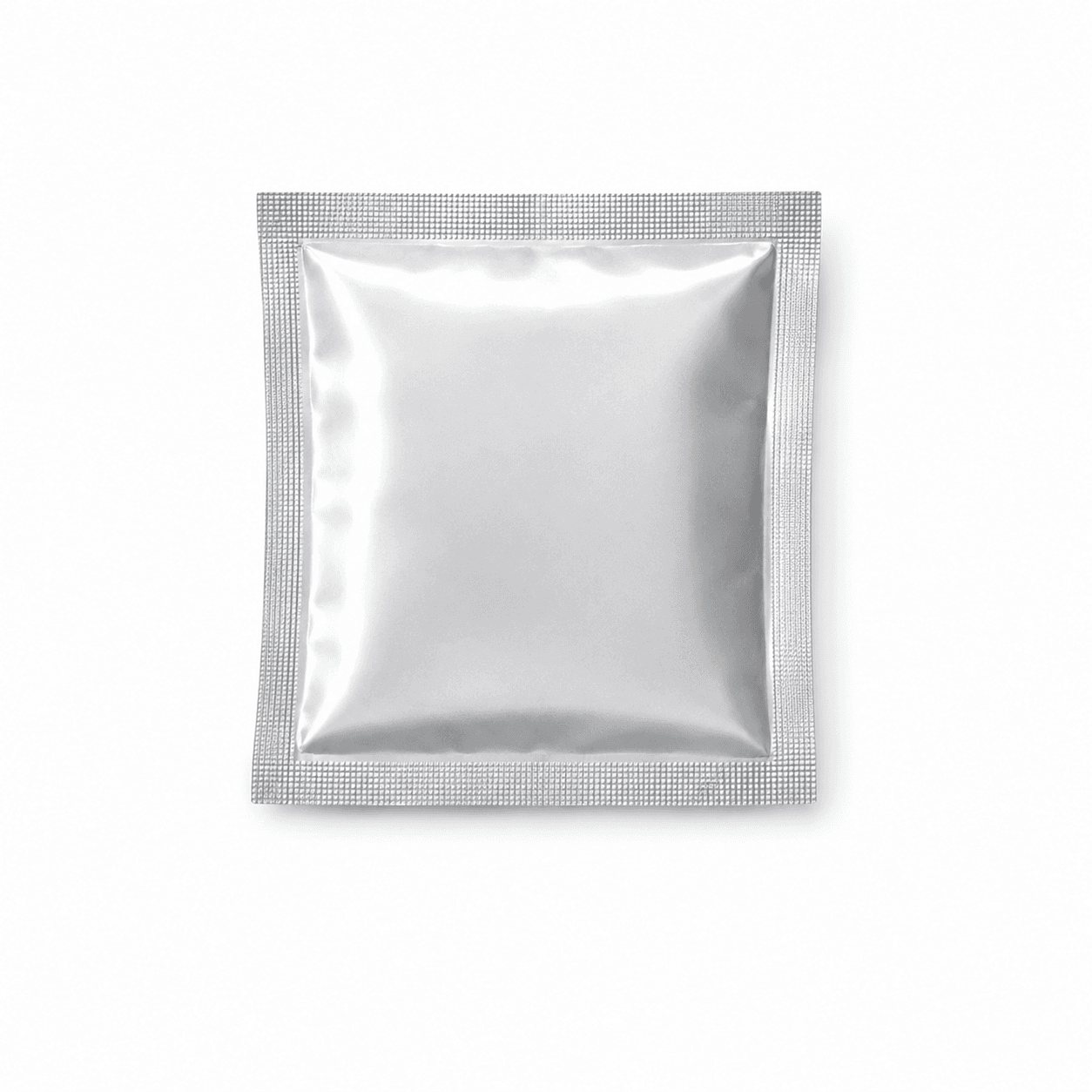
Sachets
Single-dose powder blends
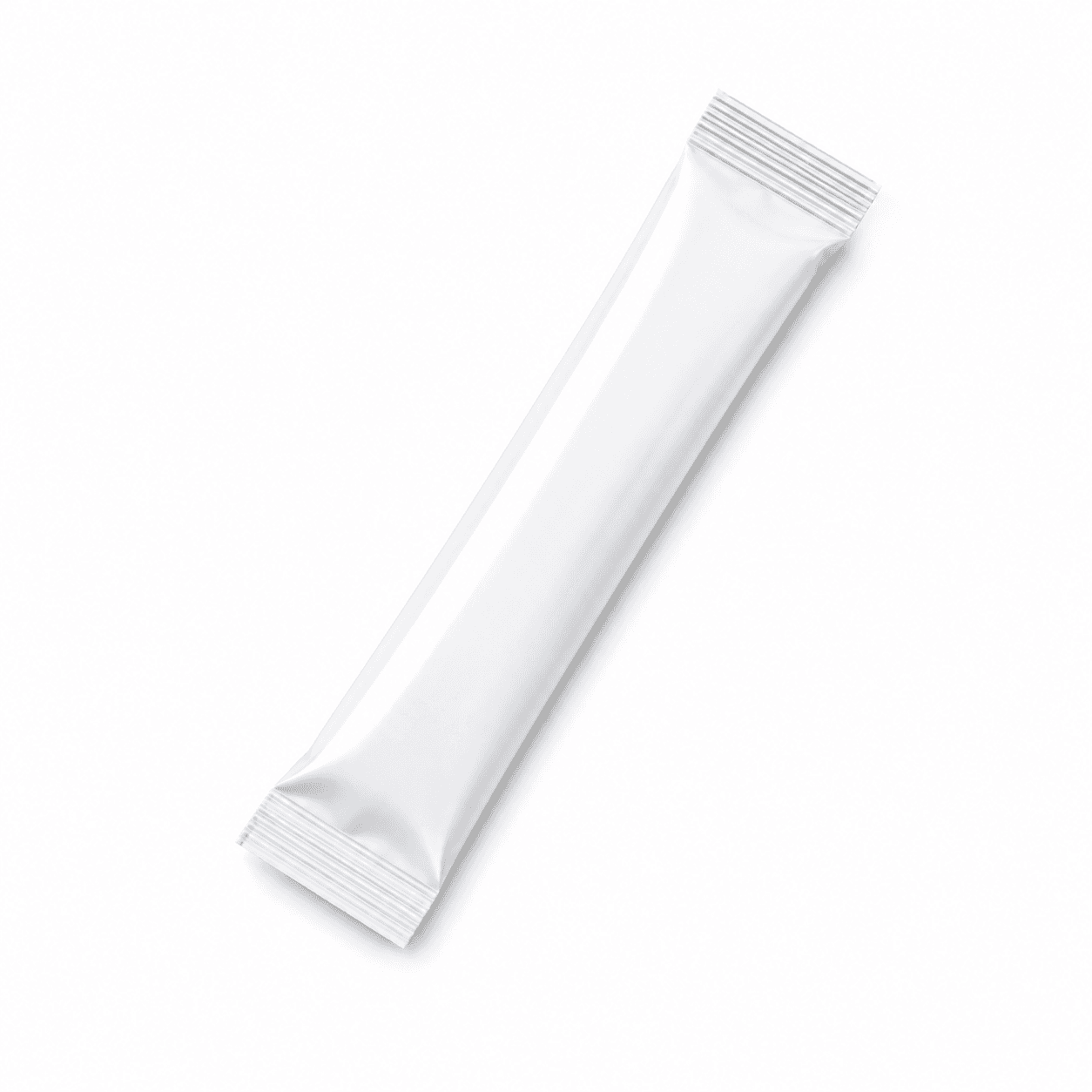
Stick packs
Convenient single-serve
Pouches
Flexible, shelf-ready
Ready to bring your supplement to market?
Free consultation · 24-hour quote · No minimum commitment to get started