Mushroom Extract Supplement Manufacturing for Cognitive Health: An OEM/ODM Expert's Guide
This expert guide explains how to develop and manufacture mushroom extract cognitive health supplements with a specialized OEM/ODM partner. Learn about quality standards, extraction and encapsulation challenges, and strategic choices between capsule and powder formats for long-term brand success.
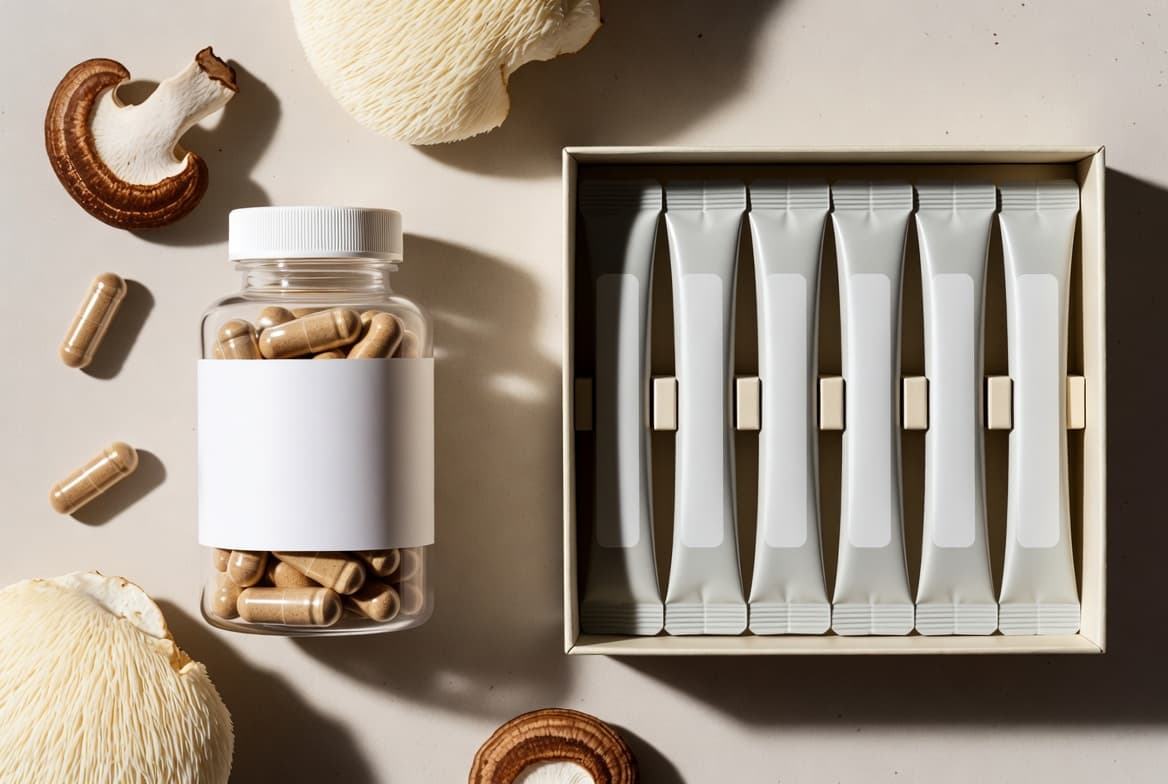
As demand for natural cognitive support continues to rise, mushroom extract supplements have moved from niche shelves into the mainstream of global nutraceutical portfolios. For brand owners, however, transforming a promising mushroom-based cognitive concept into a compliant, stable, and scalable finished product is not straightforward. It requires a deep understanding of regulatory expectations, extraction technology, encapsulation, and the realities of OEM/ODM manufacturing.
This article focuses on capsule and powder formats for cognitive health and outlines what you should look for in a professional OEM/ODM manufacturer, what happens at each stage of development, and how to avoid common pitfalls.
Understanding Mushroom Extract Cognitive Health Supplements
Mushroom extract cognitive health supplements use concentrated bioactive components from functional mushrooms to support areas such as focus, memory, mood balance, and overall mental performance. Instead of relying on high-stimulant formulas, many brands are turning to lion's mane, reishi, cordyceps, and other species to develop gentler, more holistic brain support products.
These supplements are typically produced as hard capsules or powder formats. Capsules are filled with standardized mushroom extract powders, while powders can be packed in jars, sachets, or stick packs for easy mixing in water, smoothies, or other beverages. The commercial success of these products depends not only on the choice of mushroom species and dosage, but also on how well the formula can be manufactured, stabilized, and scaled.

Why Regulatory and Quality Foundations Matter
Even though dietary supplements are not regulated as pharmaceuticals, they are still subject to strict quality and safety expectations. For mushroom extract cognitive products, it is essential that the manufacturer operates under recognized good manufacturing practices, maintains robust documentation, and understands local regulatory rules in your target market.
A serious OEM/ODM partner should have clear procedures for identity, purity, and strength verification for each raw material and finished batch. This includes specifications for microbial limits, heavy metals, residual solvents where applicable, and consistent active content. For cognitive health products, where consumer expectations are closely tied to perceived performance, batch-to-batch consistency is critical. Poorly controlled processes not only risk regulatory issues but can also damage brand reputation in a highly competitive category.
OEM vs. Custom ODM: Two Different Collaboration Models
When you work with a contract manufacturer for mushroom extract supplements, it is important to clearly distinguish between OEM and ODM collaboration models, because they imply very different responsibilities and advantages.
In an OEM model, you provide the formula, and the manufacturer executes it. You may already have a proprietary blend, a clinically inspired concept, or an internal R&D team that has finalized ingredient ratios and dosage. The manufacturer is responsible for sourcing raw materials to match your specifications, producing according to agreed standards, and delivering finished capsules or powders that meet your quality criteria. This model offers maximum control for brands that already know exactly what they want to bring to market.
In a custom ODM model, you provide direction rather than a completed formula. You might share reference products, target ingredients, or simply a desired benefit such as "focus and mental clarity for busy professionals" or "memory support for aging consumers." The manufacturer's R&D team then designs a unique formula that fits your positioning, regulatory requirements, and cost targets. Unlike generic white-label approaches, custom ODM focuses on tailored formulations rather than standard public templates. This is particularly attractive for brands seeking long-term differentiation and brand equity in the cognitive health space.
How a Specialized Manufacturer Approaches Mushroom Extracts
Mushroom extract cognitive health products are technically more demanding than they may appear at first glance. A competent manufacturer must understand more than just basic blending and encapsulation. They need experience with sourcing, extraction methods, standardization, and powder handling specific to mushrooms.
Different mushroom species bring different technical challenges. Lion's mane is often used in formulas positioned for mental clarity and cognitive function. Reishi is commonly included in products that aim to support stress resilience and overall balance, which indirectly affect mental performance. Cordyceps is frequently chosen for energy, endurance, and combating fatigue, making it a logical addition to cognitive formulas that target productivity and sustained focus. Each of these materials can differ in density, flow, moisture behavior, and sensory characteristics.
Extraction method is another key parameter. Hot water extraction is widely used to concentrate polysaccharides and beta-glucans, while hydroalcoholic or dual extraction may be employed when both water-soluble and fat-soluble components are desirable. For B2B buyers, what matters is that the manufacturer is able to secure consistent, traceable extracts with defined markers. This ensures that the formula your customers receive in year two or three remains comparable to what you launched in year one.
Managing Capsule and Powder Manufacturing Challenges
Mushroom extract powders can present several manufacturing challenges that must be addressed to guarantee reliable production. First, many mushroom extracts are low-density and fluffy, which can impair flow during encapsulation and sachet filling. This can lead to weight variability and reduced line efficiency. A skilled manufacturer will mitigate these issues through appropriate excipient selection, granulation or pre-blending strategies, and optimized machine parameters.
Second, certain mushroom-based blends may be hygroscopic, absorbing moisture from the environment and forming clumps over time. This is particularly relevant for powder and stick pack formats. To handle this, the facility must maintain controlled temperature and humidity, use suitable anti-caking strategies where permitted, and design packaging that protects the product throughout its shelf life.
Third, taste and odor can significantly influence consumer acceptance. Mushroom extracts can have strong, earthy notes that work well in some concepts but may be challenging in others. Capsules reduce taste exposure and are ideal for consumers who want simplicity. For powders, however, flavor systems, sweeteners, and sometimes masking techniques or encapsulation of specific bitter components are necessary. These decisions must be tested in pilot runs and refined based on sensory feedback.
The OEM/ODM Process: From Concept to Commercial Batch
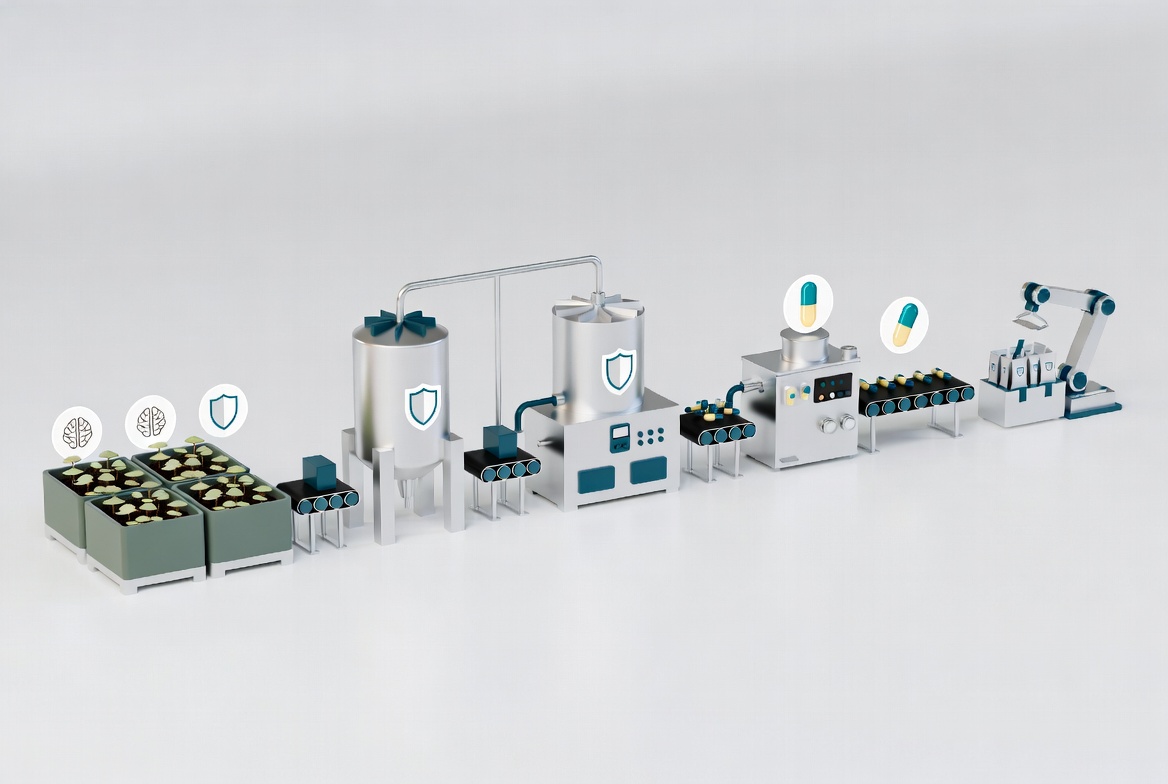
A well-structured OEM/ODM process ensures that promising ideas turn into manufacturable, compliant, and commercially viable products. Although details vary by manufacturer, a typical end-to-end flow includes several key stages.
The process begins with a clear product brief. Before engaging deeply with your manufacturing partner, you should define the target consumer segment, desired cognitive benefits, preferred format (capsules, powder, or stick pack), target markets, and any constraints such as allergen status, vegetarian capsules, or specific excluded ingredients. The more precise your brief, the more efficiently the manufacturer can respond with realistic options and timelines.
Once the brief is aligned, R&D begins. In an OEM scenario, this means validating your formulation for manufacturability and proposing adjustments if necessary. In a custom ODM scenario, the manufacturer's development team will generate one or more formula concepts that align with your positioning and regulatory needs. Lab samples or small pilot batches are then produced for evaluation. At this stage, organoleptic properties (especially for powders), capsule fill behavior, and initial stability are closely examined.
After formulation and process parameters are confirmed, the project moves to scale-up and commercial production. Lead times depend on ingredient availability, line capacity, and the complexity of the product. During production, in-process checks monitor parameters such as blend uniformity, capsule weight variation, and fill accuracy for powders. Once the batch is complete, quality control testing is performed according to agreed specifications. Documentation such as certificates of analysis, batch records, and, where available, stability data are compiled before the finished goods are released for shipment.
Choosing Between Capsules and Powder Stick Packs
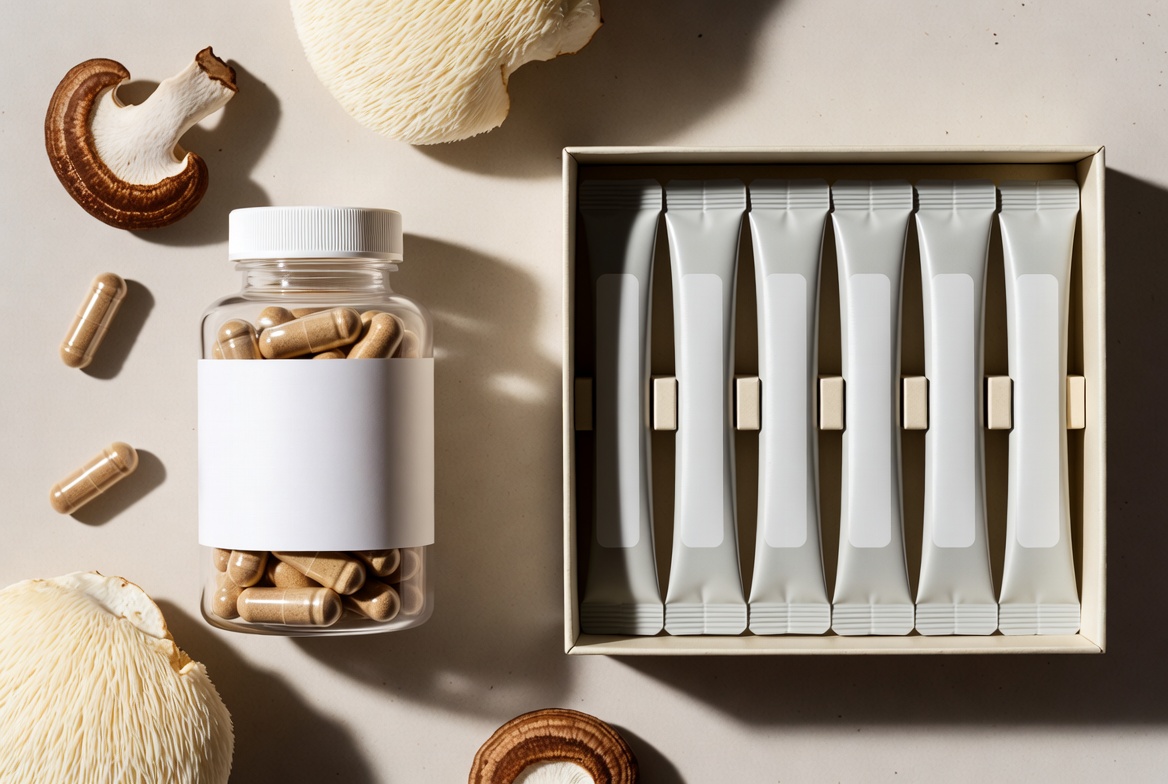
One of the most strategic decisions in mushroom cognitive supplement development is the choice of format. Capsules and powder stick packs each have distinct advantages that may align differently with your brand identity and market strategy.
Capsules are often favored for their simplicity and familiarity. They offer straightforward dosing, portability, and minimal taste exposure, making them ideal for professionals or older consumers who prefer a pharmaceutical-like presentation. Capsules can also be combined with other actives beyond mushroom extracts, provided the total fill weight fits within the selected capsule size. The main constraints are dosage density and the number of active ingredients you want to include.
Stick packs and powder formats, on the other hand, offer an entirely different consumer experience. They allow flexible dosing, can be blended with flavors that complement the earthy character of mushrooms, and encourage ritual-like consumption patterns such as a daily morning drink. Powders also provide additional space for synergistic nutrients—such as certain vitamins, plant extracts, or amino acids—without being constrained by capsule volume. The trade-off is the need for more sophisticated flavor development, moisture management, and packaging solutions.
Advanced Approaches to Stability and Encapsulation
As mushroom cognitive formulas become more complex, some projects benefit from advanced encapsulation and protective technologies. These are not always necessary, but they can be decisive for products that combine mushrooms with other sensitive ingredients or that are intended for markets with challenging climate conditions.
Microencapsulation or protective coating techniques may be used to shield certain actives from moisture, oxygen, or interactions with other components in the formula. In cognitive formulations, this can help preserve potency over the full shelf life and reduce cross-interactions that might affect product performance or sensory quality. For powder formats, encapsulation of specific bitter or highly aromatic ingredients can significantly improve consumer acceptance without sacrificing efficacy.
Stability testing forms another pillar of responsible manufacturing. Well-designed projects include both accelerated and, where feasible, real-time stability protocols. These studies inform decisions on packaging materials, storage recommendations, and shelf-life claims. When launching a new mushroom cognitive product, especially a premium or flagship item, it is prudent to plan stability work early and integrate those timelines into your go-to-market schedule.
Key Criteria for Selecting an OEM/ODM Partner
Not all supplement manufacturers are equally suited to handle mushroom extract cognitive formulas. When evaluating potential partners, there are several practical criteria you should consider before committing to a production agreement.
First, experience with mushroom extracts and cognitive health positioning is invaluable. A manufacturer familiar with the specific challenges of mushroom powders is more likely to anticipate potential issues and propose effective solutions proactively. Ask about past projects, ingredient handling experience, and any insights they can share on product performance in the market.
Second, look closely at quality systems and certifications. Manufacturers who operate under recognized good manufacturing practices, maintain traceable documentation, and are open to audits are better positioned to support long-term brand growth. Ask what types of testing they perform, how they qualify suppliers, and what documentation you can expect with each batch.
Third, consider flexibility and communication. Minimum order quantities, lead times, and responsiveness to technical questions all affect your ability to launch and sustain a product line. A valuable partner is one who can give realistic timelines, flag potential regulatory concerns early, and collaborate on future extensions such as higher-strength variants, new flavors, or region-specific versions.
Building a Long-Term Cognitive Health Portfolio
Mushroom extract cognitive supplements are rarely one-off launches. Brands that succeed in this space tend to build a coherent portfolio that addresses multiple consumer needs and price points. This might include an entry-level cognitive support capsule, a premium multi-mushroom plus nutrient formula, and a flavored powder aimed at younger professionals or gamers.
Working with a single OEM/ODM partner who understands your long-term roadmap can simplify ingredient sourcing, streamline quality management, and minimize variability between products. It also allows for strategic planning around batch sizes, shared components, and future innovation cycles. Over time, this relationship can evolve from basic contract manufacturing toward a collaborative innovation partnership, where your brand and your manufacturer co-develop concepts informed by market data, technical advances, and regulatory trends.
Clear Next Steps for Brands
For brands considering a mushroom extract cognitive health product, the most important step is to move from general interest to a concrete brief. Clarify your target audience, define the benefits you want to emphasize, choose your primary format, and outline any constraints regarding dosage, allergens, market regulations, or preferred ingredient origins.
With that brief in hand, engage a specialized OEM/ODM manufacturer that has real experience with mushroom extracts and cognitive-positioned formulas. Ask them to review your concept for feasibility, suggest manufacturing-oriented refinements, and provide a clear roadmap from development to first commercial batch. By aligning expectations early and insisting on robust quality and documentation standards, you can create a cognitive health product that stands out in the market, respects regulatory boundaries, and delivers on consumer expectations for performance and consistency.
References
1. U.S. Food and Drug Administration. "Dietary Supplements Guidance Documents & Regulatory Information."
https://www.fda.gov/food/dietary-supplements-guidance-documents-regulatory-information
2. U.S. Food and Drug Administration. "Current Good Manufacturing Practice (CGMPs) for Dietary Supplements."
3. National Institutes of Health Office of Dietary Supplements. "Dietary Supplements: General Information."
4. University of Illinois Extension. "Mushroom Supplements."
https://extension.illinois.edu/mushrooms/supplements
5. NutraIngredients. "Market Trends in Cognitive Health Supplements."
https://www.nutraingredients.com/
6. Jiabei Global. "OEM and ODM Supplement Manufacturing Guide."
https://jiabeiglobal.com/oem-and-odm-supplement-manufacturing-guide/
7. Pharmatradz. "Private-Label Nutraceutical Contract Manufacturing Global Buyers Guide."
Hot Tags: Mushroom Extract Manufacturing, Cognitive Health Supplements, Mushroom OEM ODM, B2B Supplement Manufacturing, Lion's Mane Formulation, Reishi Capsule Production, Cordyceps Powder OEM, Cognitive Support Formula, Dietary Supplement Contract Manufacturing, Brain Health Nutraceuticals
Did you find this helpful?
Comments (0)
No comments yet. Be the first to comment!
Leave a comment
Related Posts


Riverpharm · Supplement Contract Manufacturing
Your supplement brand, manufactured to the highest standard
From first formula to finished product — we handle manufacturing, packaging, and fulfillment so you can focus on building your brand.
Core services
Contract Manufacturing
GMP-certified production with full batch testing and certificate of analysis on every run.
Custom Formulation & R&D
In-house scientists develop your formula from scratch or refine existing blends for efficacy.
Packaging & Labeling
Design-to-print label service — shelf-ready, FDA-compliant, and retail-tested.
FBA Prep & Fulfillment
Amazon-ready prep and direct-to-warehouse shipping — no extra steps on your end.
By the numbers
NSF
NSF/ANSI 455-2 certified
cGMP
Certified environment
24 hr
AI-accelerated quote turnaround
600K
cGMP+ encapsulator capacity per run
Why Riverpharm
Quality systems with higher standards
- NSF/ANSI 455-2 certified
- cGMP-certified environment
- In-house + third-party testing
- Source-locked ingredients
Production capacity with faster execution
- Heavy-duty hardware
- In-house core reserves
- AI-accelerated quotes
- In-house expert hub
Delivery formats we produce
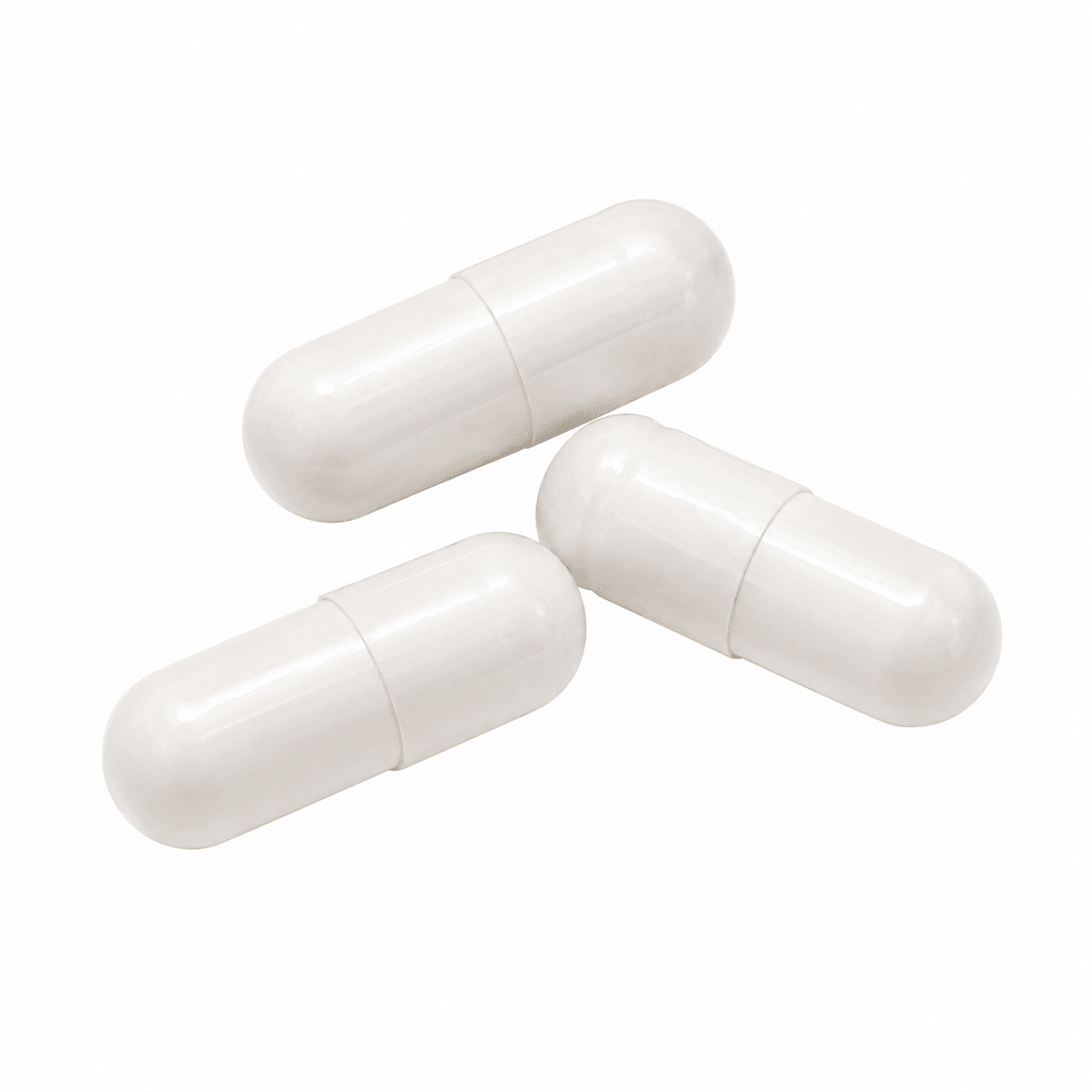
Capsules
Gelatin & HPMC vegetarian
Sachets
Single-dose powder blends
Stick packs
Convenient single-serve
Pouches
Flexible, shelf-ready
Ready to bring your supplement to market?
Free consultation · 24-hour quote · No minimum commitment to get started