Plant-Powered OEM and ODM Manufacturing for Modern Nutraceutical Brands
Plant-based OEM/ODM supplements: how brands design, test and manufacture high-efficacy botanical formulas in capsules, sticks and pouches for B2B growth.
Plant-powered dietary supplements have become a strategic growth engine for nutrition brands, and the real competitive advantage now lies in custom, scientifically designed plant-based formulations backed by reliable OEM/ODM manufacturing rather than generic private label products. As an industry practitioner, I have seen how the brands that invest in robust formulation science and high-integrity manufacturing partnerships are the ones that build durable, differentiated positions in crowded categories.
Plant-Based Nutraceuticals as a Long-Term Brand Strategy
Over the past decade, plant-based dietary supplements have shifted from a niche proposition to a mainstream expectation in many markets. Consumers now look for botanical actives, clean-label claims, and transparent sourcing, and retailers increasingly treat plant-based products as core portfolio items rather than experimental add-ons. For B2B nutrition brands, that change demands a more strategic approach: plant-based formulations must not only meet marketing expectations, they must comply with regulatory standards, deliver reproducible results, and integrate into long-term product roadmaps.
In practice, plant-based nutraceuticals combine herbal extracts, plant-derived antioxidants, and functional food components to address major health categories such as joint comfort, stress management, metabolic wellness, immune support, and healthy aging. When these ingredients are delivered in capsule, stick pack, or pouch formats with the right dosage and quality controls, brands can offer clinically relevant products that satisfy both professional and consumer audiences. The difference between a commodity product and a strategic asset lies in how the formula is specified, how the supply chain is managed, and how the OEM/ODM partner executes each batch.
Why B2B Brands Choose Custom Plant-Based OEM and ODM Models
For most brands, building an in-house facility capable of handling complex botanicals, capsules, and powders is not economical or efficient. This is where OEM and ODM manufacturing models provide leverage. In an OEM arrangement, the brand supplies a finalized formula, including ingredient list, dosages, and target specifications. The manufacturer then focuses on manufacturing execution, scaling that formula into commercial batches with full traceability, documentation, and quality control.
ODM, by contrast, is a custom development model. Instead of giving a finished recipe, the brand provides reference products or a clear functional direction, such as "plant-based joint mobility support for aging athletes" or "caffeine-free energy from botanicals." The manufacturer's R&D team then translates this direction into a proprietary formula and dosage form. This process includes literature review, ingredient selection, regulatory considerations, prototype development, and stability testing. The result is a product that fits the brand's positioning, market requirements, and long-term IP strategy much better than generic off-the-shelf formulas.
The value of these models becomes obvious when we look at the realities of plant-based product development. Botanical extracts vary in potency, physical properties, and sensory characteristics. They interact with excipients and with each other. Regulatory expectations around safety, labelling, and claims are tightening. Brands that rely only on basic private label solutions quickly discover that they struggle to maintain consistency, innovate beyond competitors, or justify premium pricing. Custom OEM and ODM partnerships provide a structured way to handle these complexities.
Core Plant Actives Shaping Modern Supplement Portfolios
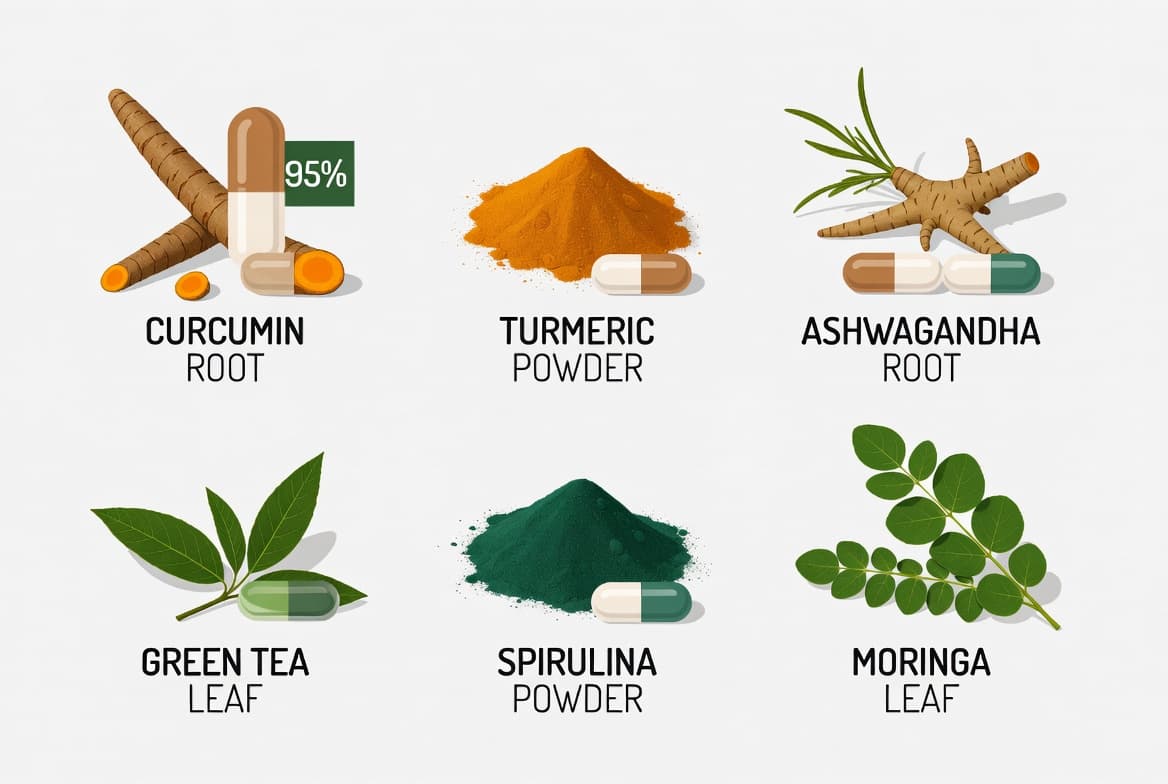
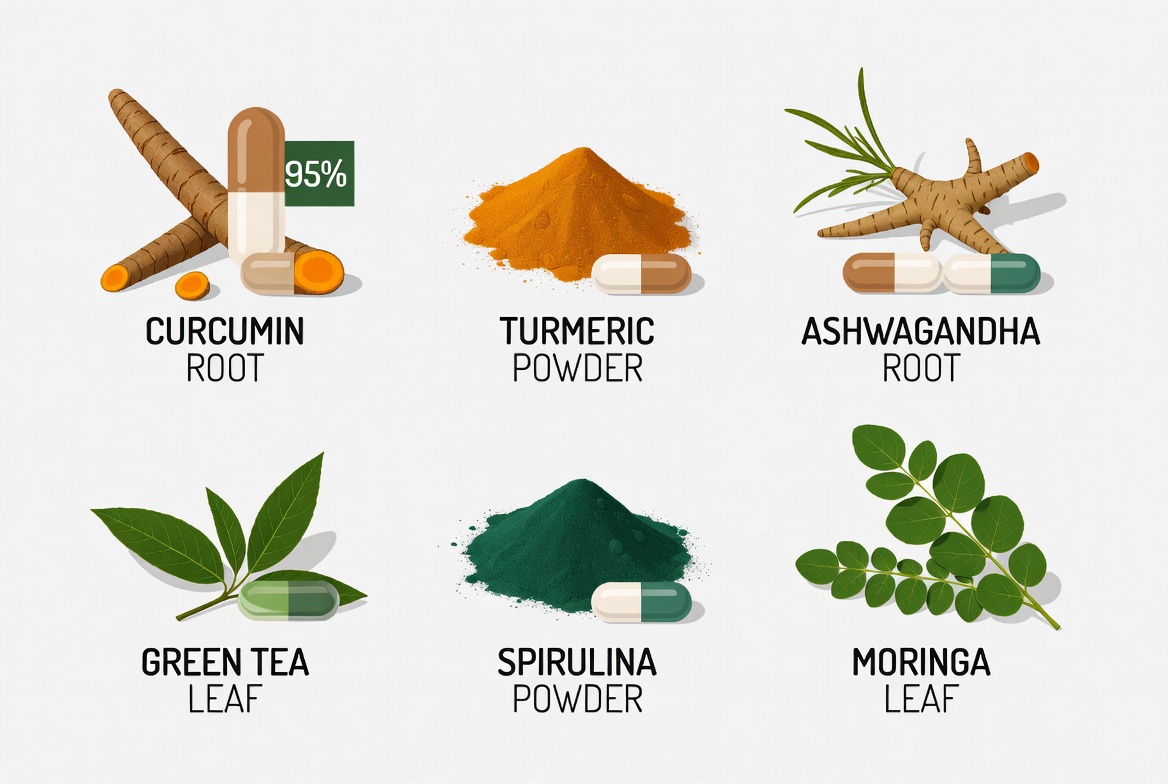
Although new botanicals emerge regularly, several plant-derived ingredients consistently anchor high-performance formulations and serve as reference points in R&D conversations. Curcumin from turmeric root is widely used in joint, mobility, and healthy aging products due to its well-characterized anti-inflammatory and antioxidant properties. It is often delivered in capsule format, sometimes with absorption enhancers such as piperine, or via technologies like microencapsulation and liposomal delivery for improved bioavailability. The challenge for manufacturing is ensuring uniform distribution of curcumin in blends, controlling particle size, and verifying that each capsule meets the target content.
Adaptogens such as ashwagandha have become central to stress, mood, and sleep support formulations. Here, R&D teams consider extract standardization (for example, withanolide levels), dosage ranges, and potential interactions with other botanicals and micronutrients. Manufacturing lines must then deliver consistent fill weights, content uniformity, and stability, particularly for multi-ingredient sleep or daytime stress formulas where consistency is critical to user experience.
Green tea extract, rich in catechins like EGCG, is a core component of metabolic wellness and weight management products. It is found in capsules, tablets, softgels, and functional drink powders. Because EGCG can be sensitive to heat and oxidation, manufacturers implement careful raw material testing, environmental controls, and stability monitoring. The same applies to superfood botanicals such as spirulina, chlorella, and moringa, which bring protein, pigments, and micronutrients to detox and daily wellness formulas but require sensory optimization due to strong taste and color profiles.
The common thread across these ingredients is that they demand both scientific understanding and disciplined manufacturing. Effective plant-based products are not built by adding trendy herbs into a generic base; they are the result of evidence-based formulation choices, precise specifications, and repeatable production parameters.
Inside a Modern Plant-Based OEM Manufacturing Workflow
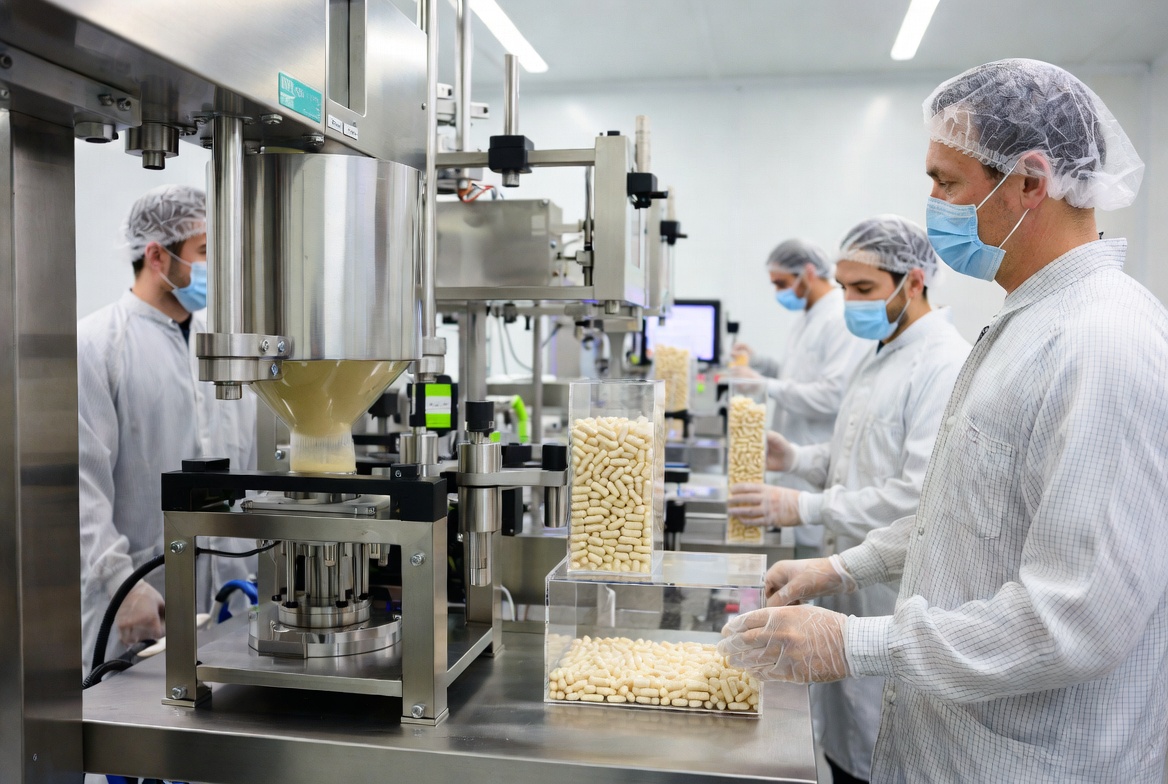
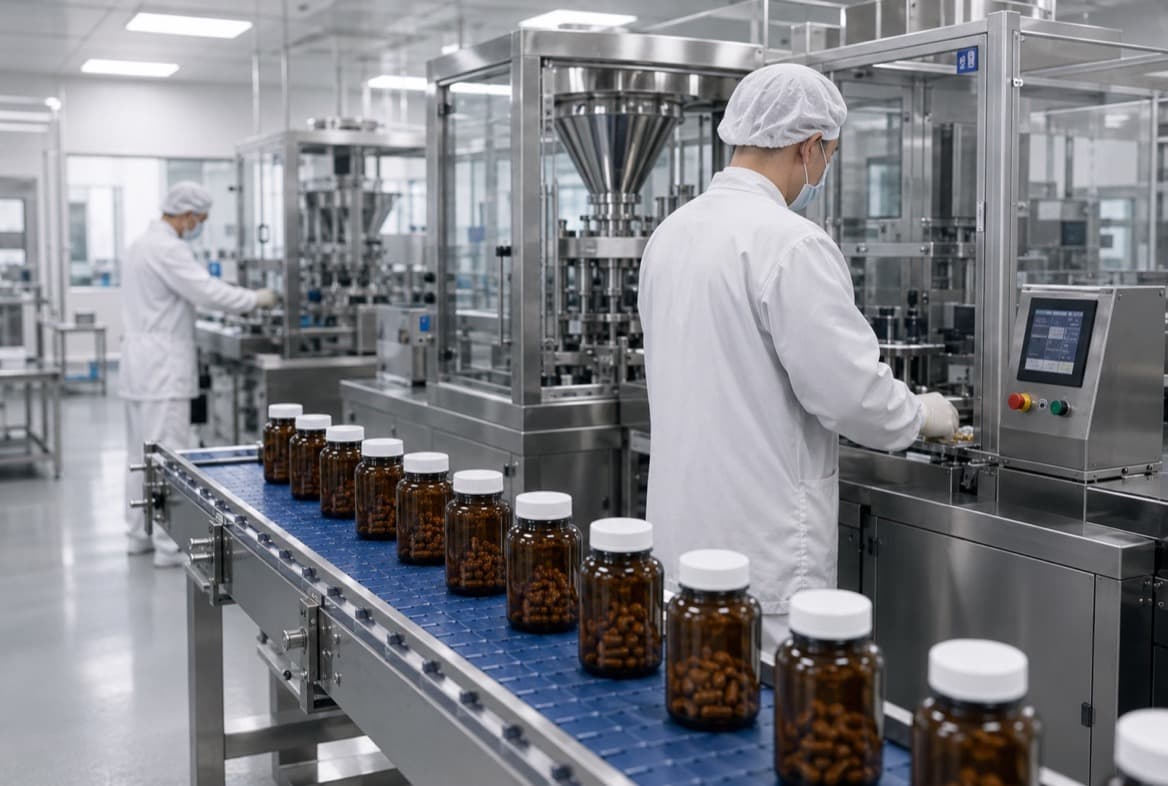
From a manufacturing perspective, the success of a plant-based dietary supplement project depends on a well-structured, documented process that can be audited and scaled. A typical OEM workflow begins with specification confirmation and technical feasibility assessment. At this stage, the brand and manufacturer align on the formula, dosage form, packaging format, labelling requirements, and target markets. The technical team then evaluates ingredient compatibility, flow properties, capsule stability, and potential risks related to moisture or temperature sensitivity.
Once feasibility is confirmed, the manufacturer procures raw materials from qualified suppliers and places incoming lots into quarantine for testing. Identity, purity, potency, microbiological safety, and contaminants such as heavy metals are checked according to pre-defined criteria. This step is especially crucial for plant-based products, where agricultural variability and regional sourcing can introduce differences in composition. Only when materials pass this gate are they released into production.
The core production phase involves weighing ingredients according to the bill of materials, blending them to achieve uniform distribution, and transferring them to encapsulation or powder filling lines. For capsules, manufacturers monitor fill weight, sealing integrity, hardness, and disintegration times. For stick packs and pouches, they control powder flowability, density, and sealing conditions to ensure moisture protection and convenient preparation. Throughout the process, samples are taken for in-process checks and final batch testing.
Documentation ties the workflow together. Each batch is supported by records linking raw material lots, process parameters, test results, and packaging details to a unique batch number. This traceability protects both brand and manufacturer. It simplifies audits, enables rapid investigation of complaints or deviations, and reinforces consumer trust when brands communicate their quality standards.
How Custom ODM R&D Creates Differentiated Plant-Based Products
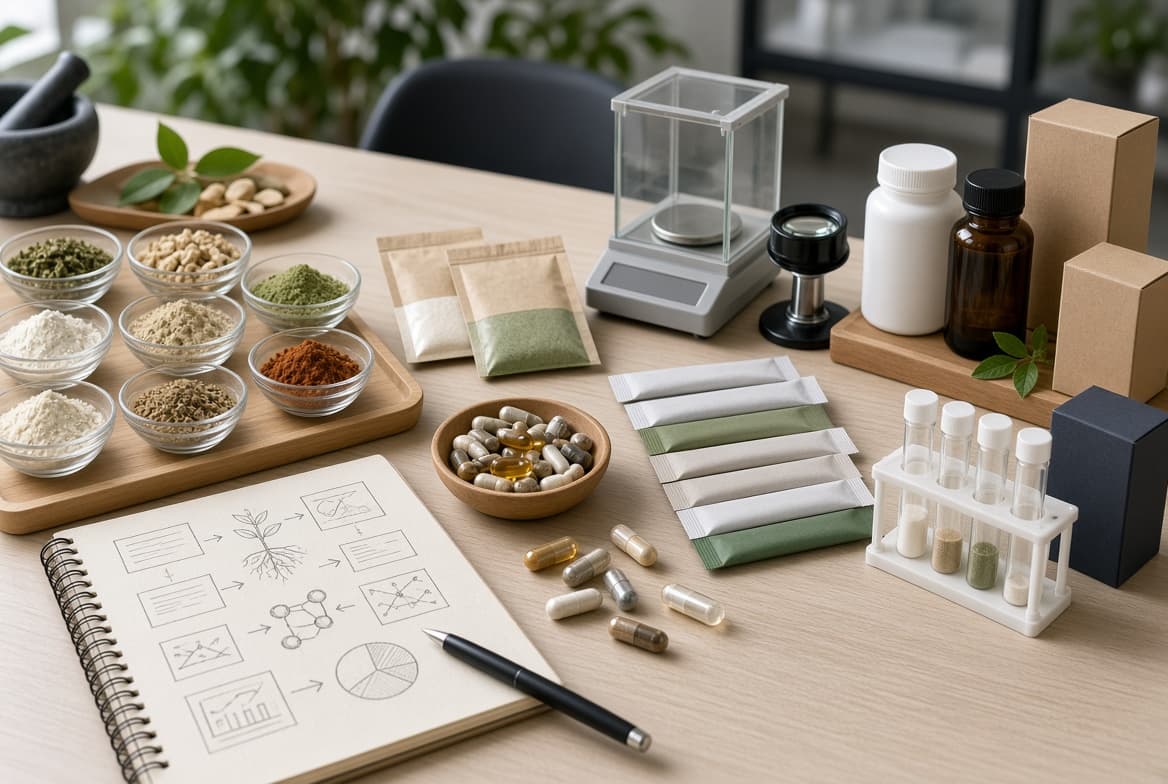
Where OEM focuses on executing a fixed formula, ODM is about designing a formula that aligns with brand strategy and market opportunity. The ODM process starts with an intake phase in which the brand shares target benefits, reference products, desired positioning, and constraints such as regulatory environments or price points. R&D teams then transform this brief into a concept formula that integrates suitable plant actives, complementary nutrients, and excipients.
Evidence-based formulation is central to this process. Teams analyze available data on individual botanicals and combinations, consider regulatory guidelines for claims and ingredients, and evaluate feasibility within proposed delivery formats. For example, a plant-based joint support product might combine standardized curcumin with other anti-inflammatory herbs, collagen alternatives, or micronutrients, but each component's dosage and form must be justified.
ODM projects proceed through prototyping rounds. Pilot batches are produced for internal evaluation and client feedback, with particular attention to sensory properties for powder formats and swallowability for capsules. Laboratory testing covers dissolution, moisture sensitivity, shelf-life under different storage conditions, and potential interactions between ingredients. Insights from this phase lead to formula refinement and the definition of manufacturing parameters for commercial scale-up.
The output is a proprietary product that belongs to the brand's portfolio as a distinctive asset. Unlike generic private label products, custom ODM formulas can support more specific claims, align more tightly with target audiences, and create space for long-term branding and line extensions.

Strategic Format Choices: Capsules, Stick Packs, and Pouches
Deciding on dosage form is a strategic decision that influences both user experience and operational costs. Capsules are often the format of choice for concentrated plant extracts and multi-ingredient blends that require precise dosing and a professional appearance. They fit well into clinical or practitioner channels and are generally accepted across diverse markets.
Stick packs and soft pouches, by contrast, allow brands to create experiential products linked to smoothies, teas, and functional beverages. These formats are beneficial when large actives per serving are needed or when taste and ritual are part of the value proposition. Plant-based powders in such formats can integrate superfoods, fibers, and flavor systems to deliver multi-sensory experiences that capsules cannot. They do, however, demand more attention to powder flow, solubility, and packaging integrity.
From an operational viewpoint, brands should consider where capsules, stick packs, and pouches fit into their distribution and marketing strategies. Capsules may lend themselves to pharmacy and practitioner channels, while sachets and pouches are often more suitable for e-commerce, retail sets, and lifestyle marketing that emphasizes daily routines and recipes.
Practical Planning Steps for a Plant-Based OEM/ODM Project
Based on repeated project cycles, certain practical steps consistently improve outcomes for plant-based OEM/ODM collaborations. First, brands should clearly define their health category and target audience before engaging manufacturers. Knowing whether a product is aimed at joint mobility for seniors, stress management for busy professionals, or metabolic support for active consumers shapes ingredient selection, format choice, and communication strategy.
Second, brands benefit from gathering reference products and data early. Competitive formulas, pricing, claim structures, and regulatory constraints inform what is realistically achievable and where differentiation opportunities exist. This preparation makes technical discussions with OEM/ODM partners more efficient.
Third, brands must decide whether they are ready with a fixed formula (OEM) or prefer to start with a benefit direction and rely on R&D support (ODM). This decision strongly affects timelines, costs, and IP outcomes. In either case, early feasibility and compliance reviews can save months of delay by identifying potential conflicts or stability issues before they become bottlenecks.
Fourth, iterative prototyping and validation should be considered non-negotiable, especially for complex plant-based products. Pilot batches, internal testing, and limited market trials provide feedback on sensory qualities, real-world usage, and performance. Once prototypes are confirmed, brands and manufacturers can lock specifications, define quality checkpoints, and scale production with confidence.
Call to Action for Plant-Based Supplement Brands
For brands planning to expand or refine their plant-based supplement portfolios, the most effective next step is to turn general interest into a structured project. Rather than simply asking for a price list, it is wise to initiate a technical consultation with a cGMP-compliant OEM/ODM partner. During that consultation, teams can review target categories, format options, ingredient considerations, regulatory constraints, and realistic launch timelines.
By approaching plant-based OEM/ODM projects in this way, brands move beyond generic solutions toward formulations and manufacturing programs that genuinely support long-term differentiation, reliable quality, and scalable growth. That shift is ultimately what transforms plant-powered supplements from trend-driven products into sustainable strategic assets in a competitive global market.
References
1. Makers Nutrition. "Plant-Powered Wellness: Top Plant Nutrients in Today's Supplements and Vitamins." https://www.makersnutrition.com/news/plant-powered-wellness-top-plant-nutrients-in-todays-supplements-and-vitamins
2. CSK Biotech. "OEM Dietary Supplement Manufacturing Explained." https://www.cskbiotech.com/blog/oem-dietary-supplement-manufacturing-explained-csk-biotech/
3. Zoomsheal Health. "7-Step Supplement Manufacturing Process: OEM/ODM & Custom Formulation." https://www.zoomsheal.com/news/zoomsheal-health-7-step-supplement-manufacturing-process
4. Pharmatech Asia Group. "Supplement OEM Process: A Step-by-Step Guide to Private Label Supplements and Contract Manufacturing." https://pagnutrition.com/supplement-oem-process-a-step-by-step-guide-to-private-label-supplements-and-contract-manufacturing/
5. Champion Bio. "Inside Guide to Manufacturing Nutritional Supplements." https://www.champion-bio.com/news-detail/Inside-Guide-to-Manufacturing-Nutritional-Supplements/
6. Springer Nature. "Plant-Based Dietary Supplements: An Overview." https://link.springer.com/rwe/10.1007/978-981-97-9936-7_2-1
Hot Tags: Plant Based Supplements, B2B Supplement Manufacturing, OEM Supplement Services, ODM Formulation Development, Nutraceutical Contract Manufacturing, Plant Extract Capsules, Stick Pack Supplements, Pouch Format Nutrition, Botanical Ingredient Sourcing, Custom Dietary Supplement R And D
Did you find this helpful?
Comments (0)
No comments yet. Be the first to comment!
Leave a comment
Related Posts
Riverpharm · Supplement Contract Manufacturing
Your supplement brand, manufactured to the highest standard
From first formula to finished product — we handle manufacturing, packaging, and fulfillment so you can focus on building your brand.
Core services
Contract Manufacturing
GMP-certified production with full batch testing and certificate of analysis on every run.
Custom Formulation & R&D
In-house scientists develop your formula from scratch or refine existing blends for efficacy.
Packaging & Labeling
Design-to-print label service — shelf-ready, FDA-compliant, and retail-tested.
FBA Prep & Fulfillment
Amazon-ready prep and direct-to-warehouse shipping — no extra steps on your end.
By the numbers
NSF
NSF/ANSI 455-2 certified
cGMP
Certified environment
24 hr
AI-accelerated quote turnaround
600K
cGMP+ encapsulator capacity per run
Why Riverpharm
Quality systems with higher standards
- NSF/ANSI 455-2 certified
- cGMP-certified environment
- In-house + third-party testing
- Source-locked ingredients
Production capacity with faster execution
- Heavy-duty hardware
- In-house core reserves
- AI-accelerated quotes
- In-house expert hub
Delivery formats we produce
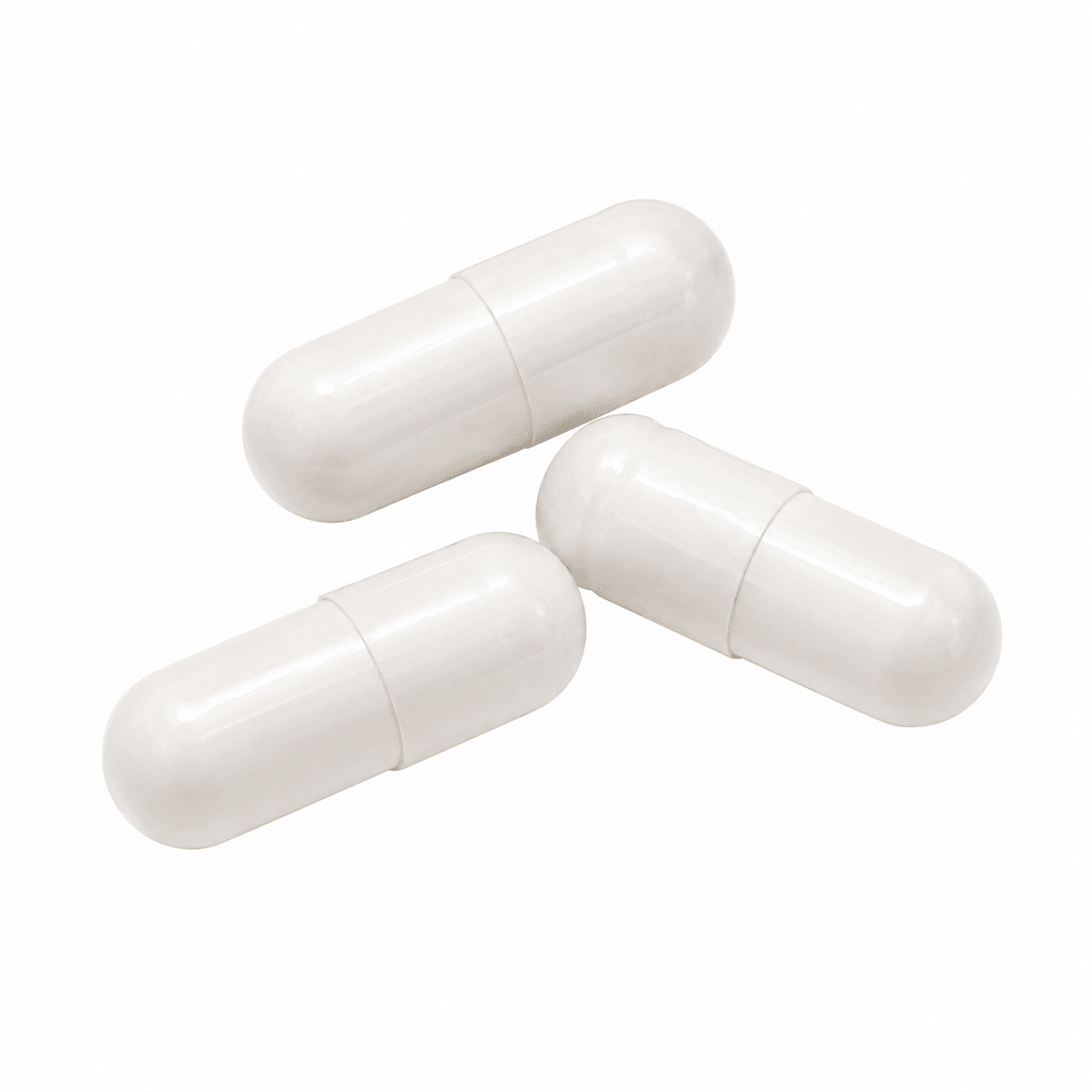
Capsules
Gelatin & HPMC vegetarian
Sachets
Single-dose powder blends
Stick packs
Convenient single-serve
Pouches
Flexible, shelf-ready
Ready to bring your supplement to market?
Free consultation · 24-hour quote · No minimum commitment to get started