Standard Contract Manufacturing vs. Full-Service Supplement Contract: Who bears the risk of regulatory non-compliance?
Compare standard contract manufacturing and full-service supplement contracts to understand compliance risk, quality agreements, OEM, and custom ODM responsibilities.

Choosing between standard contract manufacturing and a full-service supplement contract is not simply a sourcing decision. It determines how responsibilities are divided across formulation, raw-material qualification, production, packaging, documentation, label review, release, and post-market monitoring.
For supplement brands, the key question is not, "Who physically makes the product?" It is: Who owns each compliance decision, who documents it, and who remains exposed if something goes wrong? Under U.S. dietary-supplement requirements, a contract manufacturer may be directly responsible for the operations it performs, but the brand, distributor, or responsible party named on the label can still carry major market-facing obligations. A contract cannot eliminate those obligations; it can only define how the parties manage, document, and allocate operational risk.
For brands working with River Pharm Inc., the practical distinction is clear. OEM manufacturing is designed for customers that provide a finished formula and product specification. River Pharm manufactures the requested capsules, sachets, stick packs, or soft pouches. Custom ODM development is designed for customers with a reference product, ingredient direction, target benefit, or commercial concept that needs to be converted into a manufacturable and documented product. River Pharm does not provide stock-formula private-label ODM services.

The Short Answer: Risk Is Shared, but Not Equally
In a standard manufacturing relationship, the brand normally retains more responsibility because it supplies or controls key decisions: formula, ingredient selection, intended claims, label content, and market positioning. The manufacturer is responsible for executing its manufacturing, packaging, labeling, and holding operations in accordance with applicable requirements.
In a full-service supplement contract, the manufacturer assumes a broader operational and technical risk-management role. It may help assess formula feasibility, source materials against specifications, develop production controls, coordinate testing, prepare manufacturing documentation, and support packaging execution. However, a brand cannot fully transfer every legal and commercial duty merely by outsourcing work.
The party whose name appears on the product label may have obligations relating to serious adverse-event reporting. Manufacturers and distributors introducing a product containing a new dietary ingredient may also have notification obligations.
The best model is not "risk transfer." It is documented risk ownership.
What Standard Contract Manufacturing Covers
Standard supplement contract manufacturing is typically a production-focused arrangement. The brand provides a formula, formula percentages, active-ingredient targets, finished-product requirements, packaging specifications, and often label artwork. The manufacturer then produces the supplement to agreed specifications.
For River Pharm's OEM service, the customer provides the formula and River Pharm manufactures the product in the requested format, including:
- Capsules
- Sachets
- Stick packs
- Soft pouch packaging
- Other agreed finished-product configurations
This approach can be highly effective for experienced supplement brands with an established formula, validated ingredient supply strategy, and internal regulatory or quality team.
Where the Brand Carries More Exposure
A standard manufacturer can control the quality of its own production activities, but it cannot automatically validate every upstream commercial decision made by the brand. The brand generally has greater exposure when it controls:
- The final formula and dosage levels
- Ingredient identity and supplier selection
- The decision to use a novel, restricted, or high-risk ingredient
- The target market and local regulatory pathway
- Product-positioning statements and advertising claims
- Label text, artwork, and consumer-facing instructions
- The final commercial decision to launch the product
For example, a brand may provide a complete capsule formula containing botanical extracts, vitamins, and minerals. The manufacturer can accurately blend, encapsulate, test, package, and document the batch. But if the brand's label claims that the product can "treat insomnia," the claim may create a separate issue that production accuracy alone cannot solve.
Dietary-supplement companies are responsible for ensuring that products are safe before marketing and that their claims are truthful and not misleading. Structure/function claims have specific notification and labeling requirements, while disease claims can place a product in a different regulatory category.
Where the Manufacturer Carries Direct Exposure
A contract manufacturer is not merely a passive production vendor. If it performs manufacturing, packaging, labeling, or holding operations, it must comply with the requirements applicable to those operations.
This includes controls such as:
- Written procedures for production activities
- Ingredient and component specifications
- Identity testing and verification procedures
- Batch production records
- Master manufacturing records
- Equipment cleaning and maintenance controls
- Packaging and label controls
- Finished-product specifications
- Quality-control review and release procedures
- Complaint-handling and recordkeeping processes
Failures in these areas can cause products to be considered adulterated because they were manufactured, packed, or held under conditions that do not meet required current good manufacturing practice standards. FDA warning letters have repeatedly cited failures involving specifications, batch documentation, and quality-control procedures.

What a Full-Service Supplement Contract Changes
A full-service supplement contract extends beyond manufacturing. It connects product development and production into one controlled process.
For a custom ODM project, the customer may provide:
- A benchmark product
- Desired ingredients
- A target benefit direction
- A dosage form preference
- A target cost range
- A preferred packaging format
- A market concept
River Pharm can then support development and manufacturing around those inputs. This is not stock-formula private labeling. It is a custom product-development route in which the product is developed to the customer's defined commercial brief.
A full-service model is especially valuable when the product concept has not yet been converted into a stable, manufacturable, testable, and commercially appropriate formula.
The Main Risk Reduction Advantage
The greatest benefit of a full-service relationship is continuity of information.
When formula development, sourcing, manufacturing, testing, packaging, and documentation are disconnected across multiple suppliers, critical decisions can be lost between handoffs. A raw material may be substituted without adequate impact review. A powder may be difficult to flow into stick packs. A capsule fill weight may be unrealistic for the selected shell size. A packaging material may not protect the formula adequately. A label may not match the final formula or serving size.
A full-service process gives one technical team the opportunity to identify those conflicts before commercial production.
This does not eliminate regulatory risk. It reduces preventable execution risk.
Full-Service Risk Areas
A capable full-service partner should provide a clear workflow covering the following areas:
1. Product feasibility review
The formula concept is assessed for dosage form, ingredient compatibility, physical properties, taste, solubility, stability concerns, fill-weight limits, and packaging fit.
2. Raw-material specification control
Each material should be evaluated against identity, purity, strength, composition, and contamination-related requirements relevant to the product specification.
3. Manufacturing process design
The production method should be aligned with the formula's characteristics, whether the final product is a capsule, sachet, stick pack, or soft pouch.
4. Packaging compatibility review
Packaging should support product protection, correct identification, lot coding, and appropriate handling during storage and transport.
5. Documentation alignment
Formula version, bill of materials, batch record, test specifications, packaging instructions, and final label information should be consistent.
6. Change-control discipline
Any revision to a formula, raw material, process, packaging component, or label should be assessed and approved before implementation.
The Regulatory Risks Brands Often Miss
Ingredient Status Is Not a Purchasing Detail
Ingredient sourcing is often treated as a commercial task: select a supplier, obtain a quotation, and place an order. In reality, it is a quality and market-access decision.
An ingredient must be evaluated in the context of its identity, specifications, intended use level, form, source, and target market. For U.S. products, manufacturers and distributors must determine whether an ingredient is a new dietary ingredient and whether a premarket notification is required. When required, the notification must be submitted at least 75 days before the product is introduced into interstate commerce.
A full-service development process helps by requiring these questions earlier—before formula finalization, packaging purchase, and production scheduling.
A Compliant Facility Does Not Make Every Product Compliant
Brands sometimes assume that working with a compliant facility means the finished product, label, and claims are automatically acceptable. That assumption is unsafe.
A well-controlled facility supports compliant production practices. It does not automatically validate:
- A disease-treatment claim
- A misleading advertising message
- An unsupported efficacy statement
- A market-specific import requirement
- An ingredient's regulatory status in every target country
- A label that was modified after technical review
The FDA does not approve individual dietary supplements or their labels before marketing. Companies remain responsible for meeting applicable requirements.
Documentation Is a Commercial Asset
For many brands, documents are requested only when a buyer, marketplace, customs authority, auditor, or distributor asks for them. That is too late.
A stronger approach treats documentation as part of the product from the start. Depending on the project, useful records may include:
- Approved formula and specification sheet
- Ingredient specifications
- Supplier qualification information
- Certificates of analysis
- Master manufacturing records
- Batch production records
- Finished-product test results
- Packaging specifications
- Label approval records
- Lot traceability information
- Complaint and escalation procedures
Industry specialists have emphasized that a written quality agreement should define the responsibilities of both parties, including product specifications, documentation, quality standards, and release-related duties.

How to Build a Better Risk-Control System
A strong supplement manufacturing relationship should begin with a written responsibility map, not a quotation alone.
Step 1: Define the Product Precisely
Before production begins, define:
- Formula version and serving size
- Ingredient forms and target levels
- Dosage form
- Packaging format
- Target markets
- Intended consumer group
- Required testing
- Shelf-life expectations
- Label language and claims boundaries
For River Pharm's custom ODM service, a reference product or ingredient/benefit direction can begin this process. The development stage should convert that initial concept into an agreed formula and manufacturing specification.
Step 2: Separate Commercial and Quality Agreements
The commercial agreement should cover price, payment, minimum order quantities, lead times, intellectual property, forecasting, and delivery terms.
The quality agreement should cover:
- Product specifications
- Sampling and testing responsibilities
- Release authority
- Deviation handling
- Change control
- Complaint handling
- Recall communication
- Document retention
- Audit access
- Notification timelines
- Responsibilities for labels and claims
A quality agreement is not paperwork for its own sake. It is the operating manual for moments when something does not go as planned.
Step 3: Assign Final Release Authority
Every project needs one unambiguous answer to this question: Who has the authority to release or reject a finished lot?
The answer should be documented before the first commercial batch. It should specify:
- Which records must be reviewed
- Which test results are required
- Who can approve deviations
- Whether customer approval is required before shipment
- How nonconforming product is segregated
- How rework, destruction, or disposition decisions are handled
Unclear release authority creates one of the most common compliance gaps in outsourced manufacturing.
Step 4: Control Changes Before They Reach Production
Changes are normal. Uncontrolled changes are dangerous.
Require written review before changing:
- Ingredient supplier
- Ingredient grade or botanical source
- Formula percentage
- Capsule shell or pouch material
- Flavor system
- Manufacturing site
- Test method
- Label artwork
- Serving size
- Product claim
A formula can appear unchanged while a change in ingredient form, supplier, or manufacturing process materially affects quality or product performance.
When Each Model Is the Better Choice
Choose standard contract manufacturing when your brand already has:
- A finalized and technically validated formula
- Approved ingredient specifications
- Internal regulatory and quality capability
- Established label-control procedures
- Clear market-specific requirements
- A supplier-management system
Choose a full-service supplement contract when your brand needs:
- Custom formula development from a concept or benchmark
- Technical input on dosage form and packaging
- Integrated ingredient sourcing and manufacturing coordination
- More structured documentation flow
- Early identification of manufacturability risks
- Fewer handoffs between separate development and production vendors
For newer brands, multi-format launches, or products with complex ingredient combinations, the full-service route often offers stronger control because it addresses technical decisions before the product reaches the production floor.
Why River Pharm's Approach Matters
River Pharm Inc. supports brands that need either a focused manufacturing partner or a broader custom development-and-manufacturing workflow.
With OEM manufacturing, customers provide the formula and River Pharm produces it in the requested format. This is suitable for brands that already control their formula and product specifications.
With custom ODM development, customers provide a reference product, ingredient direction, or target benefit concept. River Pharm supports the development and manufacture of a custom product rather than offering stock-formula private-label options.
The right engagement model depends on the maturity of your product documentation. If you already know exactly what to make, OEM manufacturing may be efficient. If you know what the product should achieve but need a partner to turn that brief into a manufacturable finished supplement, custom ODM offers a more integrated route.
The goal is not to shift blame after a problem occurs. The goal is to build controls that prevent avoidable problems before launch.
Start With a Responsibility Review
Before selecting a supplement manufacturing model, review your formula ownership, ingredient status, claim strategy, packaging requirements, testing expectations, and release process.
If your brand has a finished formula, River Pharm can evaluate your OEM manufacturing requirements for capsules, sachets, stick packs, and soft pouches. If you have a reference product or a defined ingredient or benefit direction, River Pharm can discuss a custom ODM development path built around your project requirements.
Contact River Pharm to map your product concept, manufacturing format, documentation needs, and responsibility boundaries before production begins.
FAQ
1. Does a full-service manufacturer assume all regulatory responsibility?
No. A full-service manufacturer can assume broader operational responsibilities for development, sourcing, production, testing coordination, packaging, and documentation. However, the brand and the party named on the label may still have market-facing responsibilities, including claim controls and serious adverse-event reporting obligations.
2. Is OEM manufacturing the same as private labeling?
No. In River Pharm's OEM model, the customer provides the formula and River Pharm manufactures it. River Pharm's custom ODM service begins with a customer's reference product, ingredient direction, or target benefit concept and develops a custom product. River Pharm does not offer stock-formula private-label ODM services.
3. Who is responsible for label claims on a dietary supplement?
The brand should retain final accountability for consumer-facing claims, marketing statements, and target-market requirements. A manufacturer can help ensure that product specifications, serving size, and technical details align with production records, but it should not be assumed that manufacturing approval validates all marketing claims.
4. Why is a quality agreement necessary?
A quality agreement clearly assigns responsibilities for specifications, testing, batch release, deviations, changes, complaints, recall coordination, and document control. It helps prevent gaps between the commercial agreement and day-to-day quality operations.
5. What happens if a contract manufacturer does not follow required manufacturing practices?
If manufacturing, packaging, labeling, or holding operations do not meet applicable requirements, the finished product may be considered adulterated. Regulatory consequences can include inspections, warning letters, recalls, product holds, and commercial disruption.
6. Can a manufacturer guarantee that a supplement is "FDA approved"?
No. Dietary supplements are not individually approved before marketing in the way some other regulated products are. Brands should avoid describing a dietary supplement as "FDA approved."
7. When should a brand choose custom ODM instead of OEM manufacturing?
Choose custom ODM when you have a product concept, benchmark product, ingredient direction, or benefit objective but need support converting it into a custom formula and manufacturable finished product. Choose OEM manufacturing when you already have a completed formula and defined specifications.
References
1. U.S. Food and Drug Administration. "Small Entity Compliance Guide: Current Good Manufacturing Practice in Manufacturing, Packaging, Labeling, or Holding Operations for Dietary Supplements." [Read the guidance]
2. U.S. Food and Drug Administration. "Questions and Answers on Dietary Supplements." [Read the FDA resource]
3. U.S. Food and Drug Administration. "New Dietary Ingredients in Dietary Supplements: Background for Industry." [Read the FDA resource]
4. U.S. Food and Drug Administration. "Notifications for Structure/Function and Related Claims in Dietary Supplement Labeling." [Read the FDA resource]
5. U.S. Food and Drug Administration. "Guidance for Industry: Questions and Answers Regarding Adverse Event Reporting and Recordkeeping for Dietary Supplements." [Read the guidance]
6. National Institutes of Health, Office of Dietary Supplements. "Frequently Asked Questions." [Read the NIH resource]
7. U.S. Food and Drug Administration. "Is It Really 'FDA Approved'?" [Read the FDA consumer update]
8. NutraIngredients. "Quality Agreements Vital Part of Contract Manufacturing." [Read the industry analysis]
9. U.S. Food and Drug Administration. "Quality Supplement Manufacturing, Inc. Warning Letter." [Read the warning letter]
10. U.S. Food and Drug Administration. "Dietary Supplements Compliance Program." [Read the compliance program]
Hot Tags: Supplement Contract Manufacturing, Dietary Supplement Manufacturer, Supplement OEM Manufacturing, Custom Supplement ODM, Nutraceutical Contract Manufacturing, Dietary Supplement Compliance, cGMP Supplement Manufacturing, Supplement Formulation Development, Private Label Supplement Manufacturing, Quality Agreement
Did you find this helpful?
Comments (0)
No comments yet. Be the first to comment!
Leave a comment
Related Posts

Sep 20, 2026
Carbohydrate Powder Benefits: A Practical Guide to Sports Nutrition Formulation and Powder Manufacturing
Sep 18, 2026
Proprietary Blends vs. Transparent Labeling: Building Consumer Trust in the Competitive Keto Supplement Market
Sep 17, 2026
Pharmaceutical Grade vs. Food Grade Ingredients: Which Is Necessary for Medical-Grade Nutritional Supplements?
Riverpharm · Supplement Contract Manufacturing
Your supplement brand, manufactured to the highest standard
From first formula to finished product — we handle manufacturing, packaging, and fulfillment so you can focus on building your brand.
Core services
Contract Manufacturing
GMP-certified production with full batch testing and certificate of analysis on every run.
Custom Formulation & R&D
In-house scientists develop your formula from scratch or refine existing blends for efficacy.
Packaging & Labeling
Design-to-print label service — shelf-ready, FDA-compliant, and retail-tested.
FBA Prep & Fulfillment
Amazon-ready prep and direct-to-warehouse shipping — no extra steps on your end.
By the numbers
NSF
NSF/ANSI 455-2 certified
cGMP
Certified environment
24 hr
AI-accelerated quote turnaround
600K
cGMP+ encapsulator capacity per run
Why Riverpharm
Quality systems with higher standards
- NSF/ANSI 455-2 certified
- cGMP-certified environment
- In-house + third-party testing
- Source-locked ingredients
Production capacity with faster execution
- Heavy-duty hardware
- In-house core reserves
- AI-accelerated quotes
- In-house expert hub
Delivery formats we produce
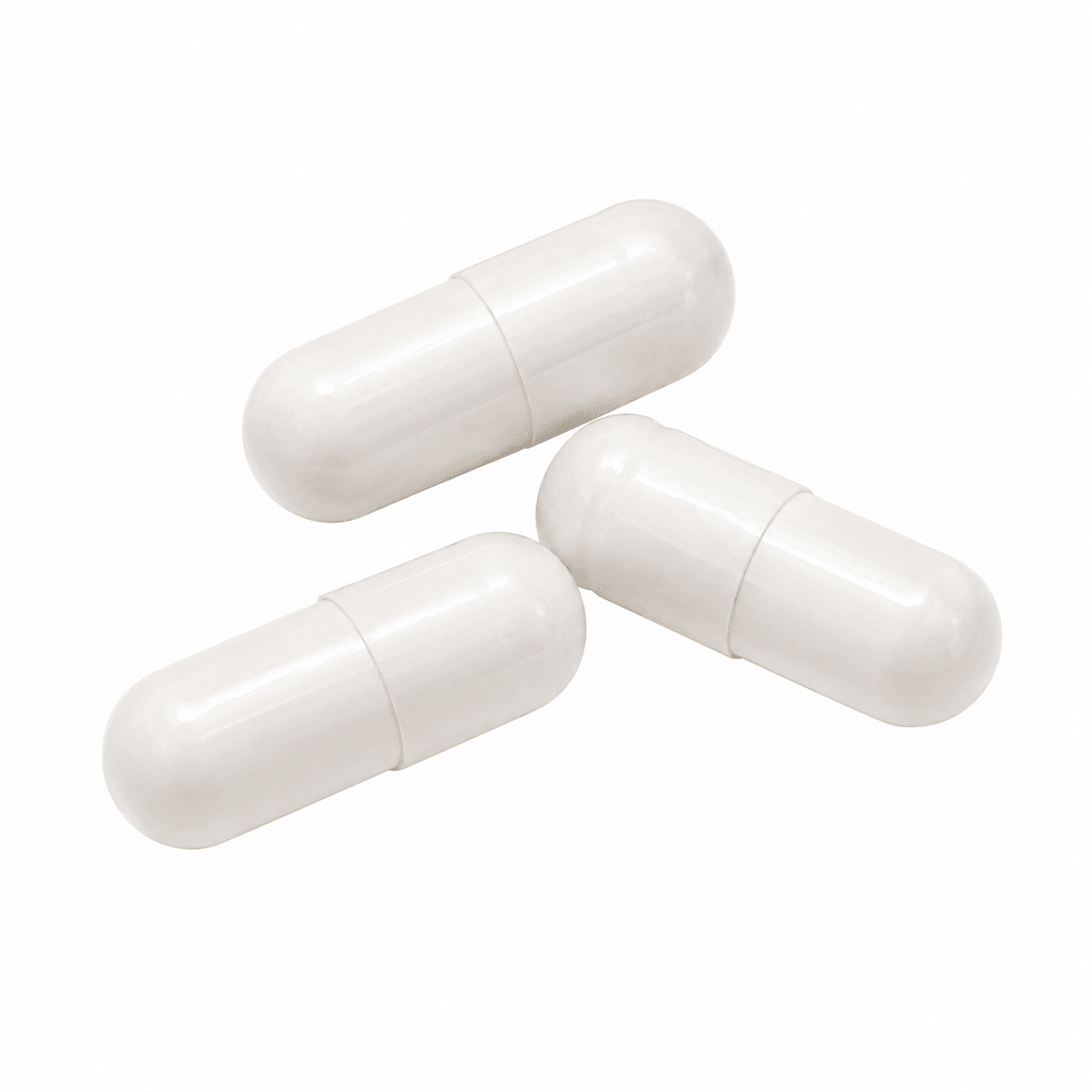
Capsules
Gelatin & HPMC vegetarian
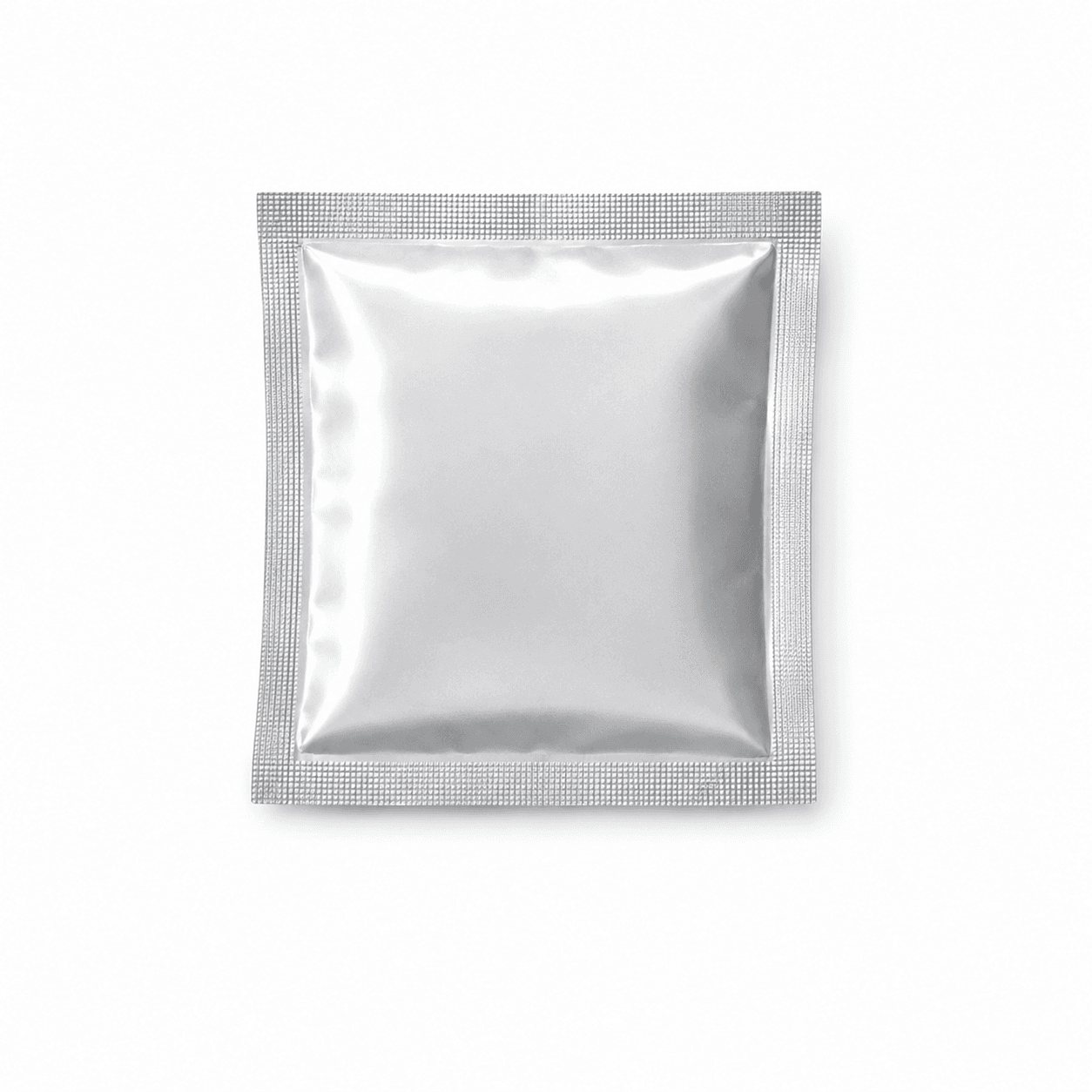
Sachets
Single-dose powder blends
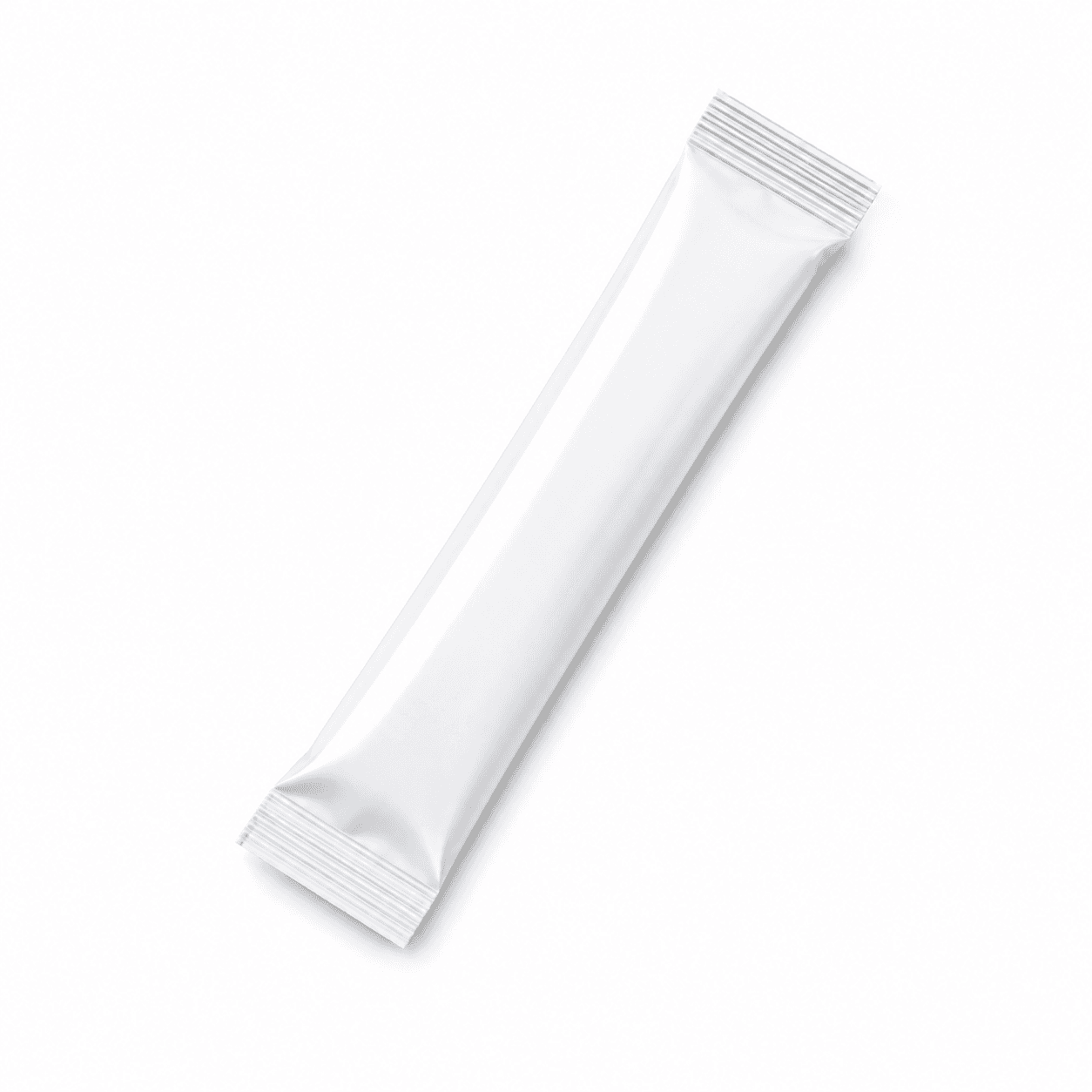
Stick packs
Convenient single-serve
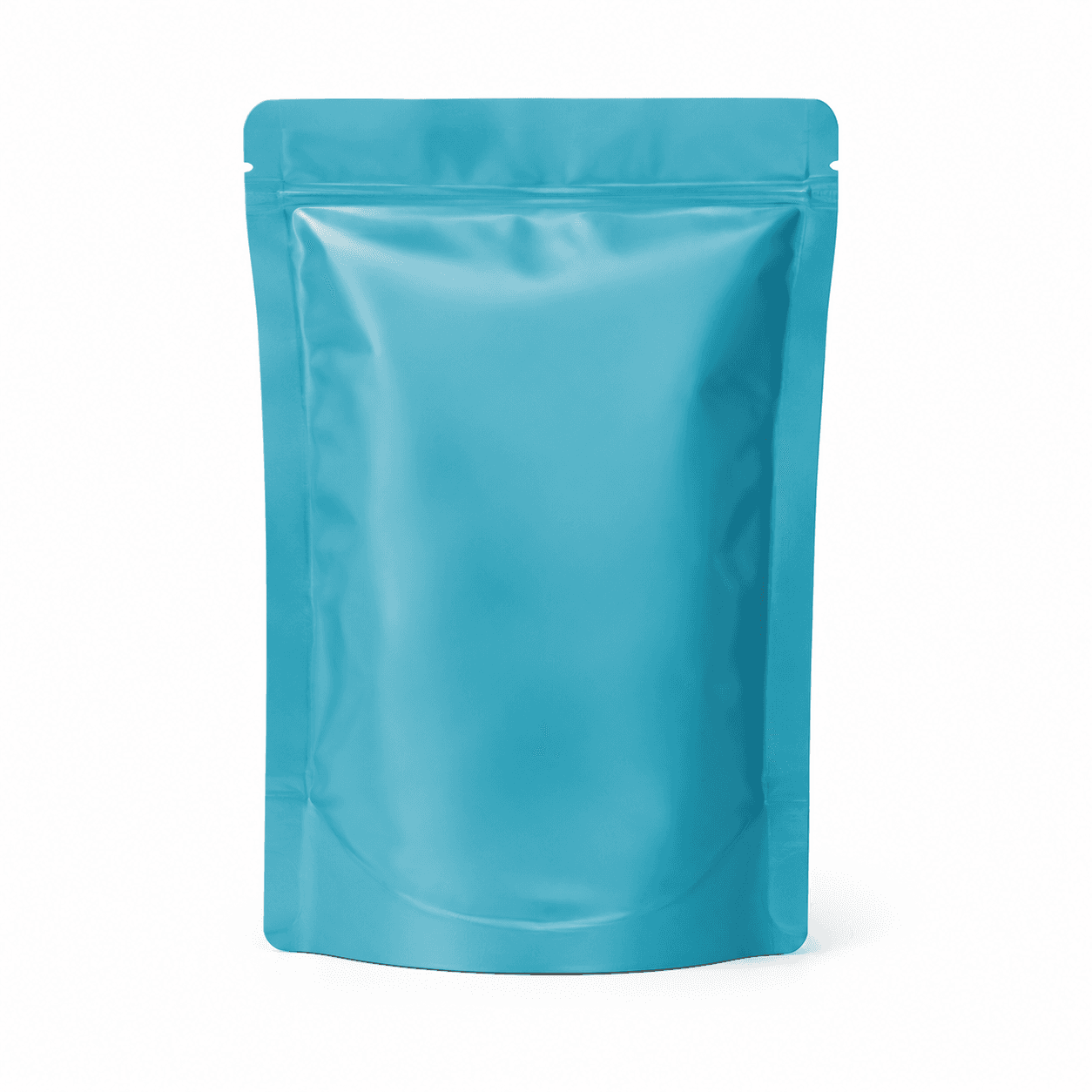
Pouches
Flexible, shelf-ready
Ready to bring your supplement to market?
Free consultation · 24-hour quote · No minimum commitment to get started