Sustained Release vs. Immediate Release: Engineering custom supplements for 24-hour sports nutrition support
A B2B guide comparing sustained release and immediate release supplements for 24-hour sports nutrition, with OEM/ODM manufacturing insight.
Introduction
In sports nutrition, timing is product design. The difference between sustained release and immediate release is not just a formulation detail; it shapes how an athlete experiences energy, focus, endurance, recovery, and adherence across the day. For OEM and custom ODM brands, this choice can determine whether a supplement feels like a quick boost, a steady support system, or a full-day performance platform.
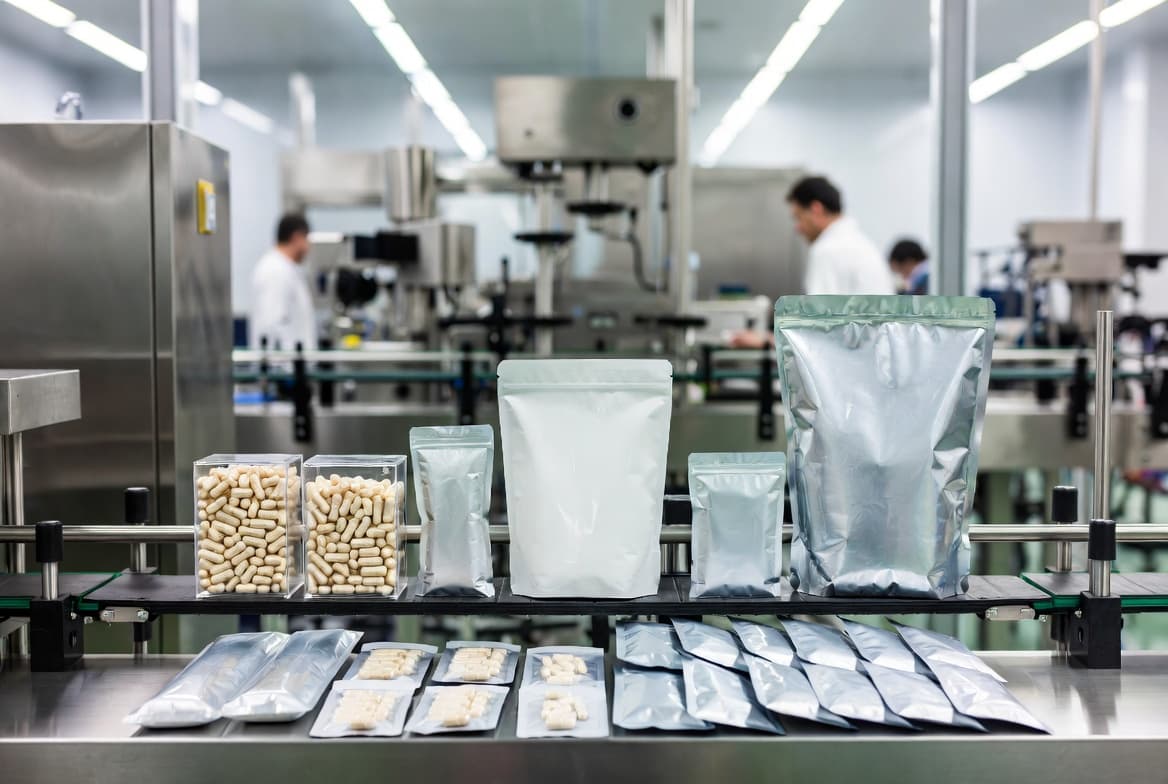
From a manufacturing standpoint, this topic matters because dosage form, release profile, and ingredient selection must work together. At River Pharm Inc, that means aligning the clinical logic of the formula with the practical realities of capsules, stick packs, sachets, and flexible pouches, while still meeting dietary supplement quality expectations under FDA CGMP principles.
What Release Profiles Mean
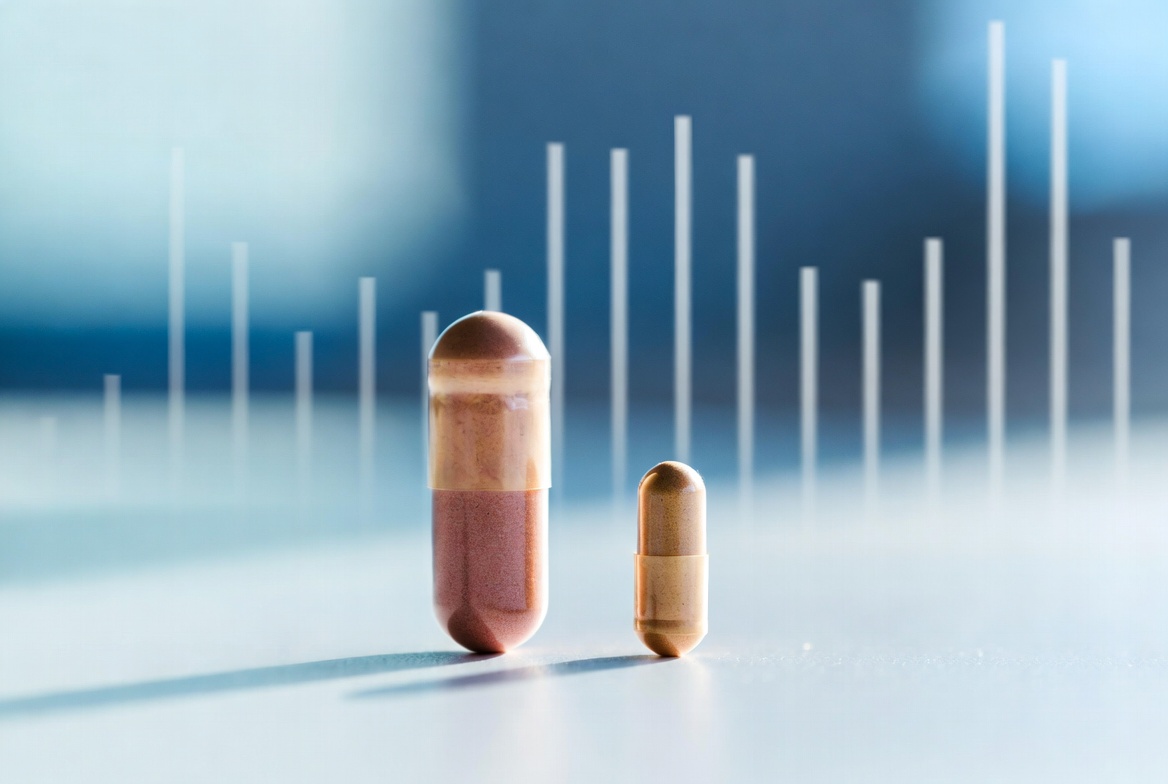
Immediate release supplements are designed to disintegrate and release ingredients quickly after ingestion, making them suitable for fast-acting goals such as pre-workout alertness or rapid nutrient delivery. Sustained release supplements are designed to slow the release of actives over time, which can help extend exposure, reduce peak-and-crash effects, and improve convenience for multi-hour use cases.
In practical sports nutrition terms, immediate release supports fast onset, while sustained release supports longer coverage. That distinction becomes important when a brand wants to serve a training block, a competition day, a shift-based athlete, or a consumer looking for 24-hour support rather than a short performance spike.
Immediate Release
Immediate release formats are usually the better fit when the objective is speed. They are often used for caffeine-based pre-workouts, electrolyte support before training, or ingredient stacks intended to act during a specific session window. The downside is that the effect may be more pronounced early and less useful later in the day.
Sustained Release
Sustained release systems are built to smooth delivery over several hours. In sports nutrition, they are especially useful where a brand wants more stable perceived energy, less irritation, or better tolerance from ingredients that commonly cause sharp peaks, such as beta-alanine. This is why sustained release is often viewed as a formulation strategy, not just a dosage form choice.
The Sports Nutrition Use Case
For sports nutrition brands, the question is not "Which release profile is better?" The real question is which release profile matches the consumer job to be done. NIH's sports nutrition fact sheet shows that athletes use supplements for strength, endurance, training tolerance, and recovery, but it also notes that the quality of evidence varies by ingredient and use case. That means the release profile should support the ingredient's role, not override it.
A fast pre-workout may benefit from immediate release caffeine or nitric oxide-related ingredients. A daily endurance product may benefit from slower release, especially when the goal is sustained tolerance, reduced tingling, or all-day support. For 24-hour sports nutrition support, the best products often combine both approaches in the same system or in adjacent SKUs.
Ingredient Engineering Choices
Different ingredients behave differently in immediate or sustained release systems. Caffeine is a classic example of an ingredient that is often positioned for rapid pre-workout use, while beta-alanine is frequently discussed in the context of sustained exposure because the loading effect depends on daily intake over time, and sustained-release versions can reduce paresthesia. Protein, creatine, and nitrate-based ingredients may also be used strategically, but the ideal release profile depends on the product's intended timing and compliance goals.
For formulators, the real work is not only choosing ingredients, but choosing how they are delivered. That includes granulation, coating, capsule fill behavior, compatibility between actives, and whether a product can survive stability, taste, and packaging requirements without performance loss. In custom supplement manufacturing, release engineering is often the hidden factor behind consumer satisfaction.
Common Fit by Ingredient
- Immediate release: caffeine, electrolytes, fast-acting amino acid blends, pre-training focus formulas.
- Sustained release: beta-alanine, multi-hour endurance support, low-irritation daily sports formulas.
- Hybrid systems: products that combine immediate and delayed fractions for "now + later" positioning.
Why 24-Hour Support Sells
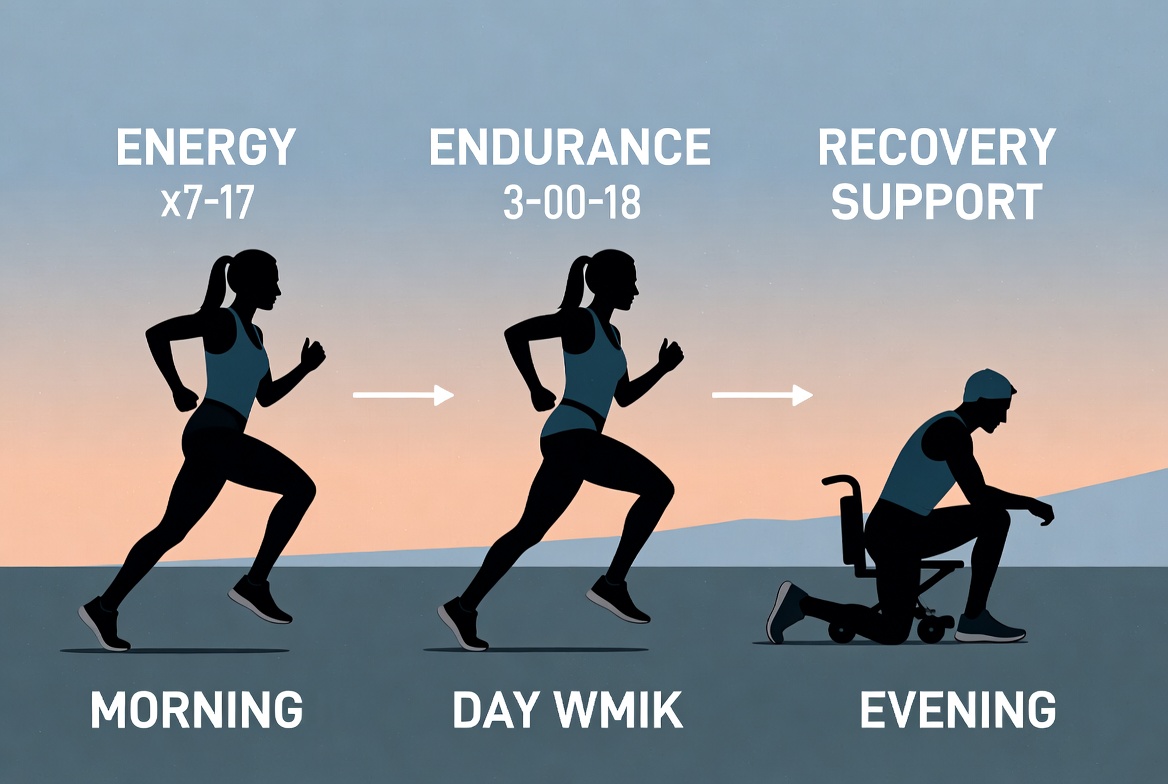
The 24-hour sports nutrition concept is appealing because athletes do not live in a one-hour performance window. They train, recover, travel, work, and sleep across the whole day, and supplement programs increasingly reflect that reality. A well-designed sustained-release or hybrid formula can support morning activation, training-day endurance, and post-session recovery without asking the consumer to take multiple products every few hours.
From a marketing standpoint, this also creates stronger product differentiation. Many products promise energy; fewer can credibly promise coverage. Coverage is easier to position when the manufacturing design supports it through controlled release, clear usage instructions, and a dosage form that fits the athlete's lifestyle.
Manufacturing Strategy for OEM and ODM
For OEM projects, the client usually brings a formula, and the manufacturer's job is to execute it accurately and consistently. For custom ODM projects, the client may bring a target benefit, ingredient direction, or reference product, and the manufacturer develops the formula and process from there. River Pharm's stated model fits this custom approach, while excluding stock private-label ODM.
That distinction matters for release-profile projects because sustained release is rarely a simple repackaging exercise. It often requires early-stage design decisions about ingredient feasibility, release mechanism, capsule or pouch format, pilot testing, and quality validation under CGMP expectations. If the release profile is central to the product claim, it should be validated as part of the development process, not added at the end.
Practical Development Steps
1. Define the performance job: pre-workout, endurance support, recovery, or all-day coverage.
2. Choose the release logic: immediate, sustained, or hybrid.
3. Match the dosage form: capsule, stick pack, sachet, or flexible pouch.
4. Test feasibility: stability, dissolution behavior, sensory fit, and scale-up risks.
5. Align claims and label language with the actual formulation behavior.
Regulatory and Quality Considerations
FDA guidance emphasizes that dietary supplements must be manufactured, packaged, labeled, and held under appropriate CGMP controls so the product contains what it is labeled to contain and is not contaminated. That is especially important for release-controlled products because a sophisticated formulation is only valuable if the manufacturing process is reproducible and compliant.
Labeling also matters. Terms such as immediate, sustained, delayed, and extended release may have different regulatory or industry meanings depending on context, so brands should avoid vague promises and instead use clear, supportable language. In B2B supplement development, precise wording protects both the brand and the manufacturer.
Market Insight for Brands
The sports nutrition category is still heavily driven by ingredients with measurable consumer demand, such as protein, creatine, beta-alanine, caffeine, and nitrate-based products. At the same time, the evidence base shows that effects are not universal, and benefits often depend on the athlete, the dose, the timing, and the training context. This makes formulation strategy a competitive advantage.
In other words, the winning product is not always the one with the longest ingredient list. It is often the one with the best-fit delivery system for the intended promise, user, and usage occasion. That is where sustained release versus immediate release becomes a commercial decision as much as a technical one.
Conclusion
For sports nutrition brands, immediate release is best when speed matters, while sustained release is best when the consumer needs longer coverage, smoother delivery, and better adherence. The smartest custom products often use both ideas strategically, especially when the goal is 24-hour support rather than a one-time performance spike.
River Pharm Inc can help brands translate that strategy into a manufacturable supplement through OEM execution or custom ODM development, with formats such as capsules, sachets, stick packs, and flexible pouch packaging. If your brand is building a sports nutrition product around sustained release, the right starting point is not the label claim—it is the delivery system.
FAQ
1. What is the main difference between sustained release and immediate release?
Immediate release delivers ingredients quickly, while sustained release releases them gradually over time.
2. Which release type is better for pre-workout products?
Immediate release is usually better for pre-workout products because consumers want a faster onset.
3. Can sustained release help reduce beta-alanine tingling?
Yes. Research and sports nutrition guidance indicate that sustained-release beta-alanine can reduce paresthesia compared with non-sustained forms.
4. Are sports nutrition supplements strongly supported by evidence?
Some are, but not all. NIH notes that evidence varies by ingredient, dose, athlete type, and outcome, so product claims should stay aligned with the science.
5. What manufacturing formats work best for custom sports nutrition products?
Capsules, stick packs, sachets, and flexible pouches can all work, depending on the target release profile, dosage, stability needs, and user experience goals.
6. Why does CGMP matter for release-based supplements?
CGMP helps ensure that products are consistently manufactured, properly labeled, and free from contamination, which is essential for any custom supplement product.
Reference
1. NIH Office of Dietary Supplements. Dietary Supplements for Exercise and Athletic Performance. [https://ods.od.nih.gov/factsheets/ExerciseAndAthleticPerformance-HealthProfessional/] [stage-digitalmedia.hhs]
2. U.S. FDA. Final Rule for CGMPs for Dietary Supplements. [https://www.fda.gov/food/dietary-supplements-guidance-documents-regulatory-information/backgrounder-final-rule-current-good-manufacturing-practice-cgmp-regulations-dietary-supplements] [fda]
3. U.S. FDA. Small Entity Compliance Guide: Current Good Manufacturing Practice. [https://www.fda.gov/regulatory-information/search-fda-guidance-documents/small-entity-compliance-guide-current-good-manufacturing-practice-dietary-supplements] [fda]
4. River Pharm Inc. Custom Supplement Contract Manufacturing vs Private Label. [https://www.riverpharm.com/blog/custom-supplement-contract-manufacturing-vs-private-label-how-oem-and-odm-partners-power-stronger-launches/] [riverpharm]
5. River Pharm Inc. Direct Supplement Contract Manufacturer in Delaware, USA. [https://www.riverpharm.com/] [riverpharm]
6. Colorcon. Controlled Release vs. Sustained Release vs. Extended Release. [https://www.colorcon.com/education-insights/controlled-vs-sustained-vs-extended-release] [colorcon]
7. U.S. NIH / ODS content mirror used for web retrieval. Release timing and sports supplement evidence context sourced from the NIH fact sheet above. [stage-digitalmedia.hhs]
8. Frontiers in Nutrition. Effect of a sustained-release formulation of beta-alanine on laboratory parameters and paresthesia in recreational trained men. [https://www.frontiersin.org/journals/nutrition/articles/10.3389/fnut.2023.1213105/full] [frontiersin]
9. International Society of Sports Nutrition. Position stand: Beta-Alanine. [https://www.tandfonline.com/doi/full/10.1186/s12970-015-0090-y] [tandfonline]
10. NutraIngredients. Meta-analysis examines most effective sports nutrition supplements. [https://www.nutraingredients.com/Article/2025/08/11/researchers-investigate-most-effective-sports-nutrition-supplements/] [nutraingredients]
Hot Tags: Sustained Release Supplements, Immediate Release Supplements, Sports Nutrition Manufacturing, Custom Supplement Formulation, OEM Supplement Manufacturer, ODM Supplement Development, Capsule Manufacturing, Stick Pack Supplements, Sachet Packaging, B2B Sports Nutrition
Did you find this helpful?
Comments (0)
No comments yet. Be the first to comment!
Leave a comment
Related Posts
Riverpharm · Supplement Contract Manufacturing
Your supplement brand, manufactured to the highest standard
From first formula to finished product — we handle manufacturing, packaging, and fulfillment so you can focus on building your brand.
Core services
Contract Manufacturing
GMP-certified production with full batch testing and certificate of analysis on every run.
Custom Formulation & R&D
In-house scientists develop your formula from scratch or refine existing blends for efficacy.
Packaging & Labeling
Design-to-print label service — shelf-ready, FDA-compliant, and retail-tested.
FBA Prep & Fulfillment
Amazon-ready prep and direct-to-warehouse shipping — no extra steps on your end.
By the numbers
NSF
NSF/ANSI 455-2 certified
cGMP
Certified environment
24 hr
AI-accelerated quote turnaround
600K
cGMP+ encapsulator capacity per run
Why Riverpharm
Quality systems with higher standards
- NSF/ANSI 455-2 certified
- cGMP-certified environment
- In-house + third-party testing
- Source-locked ingredients
Production capacity with faster execution
- Heavy-duty hardware
- In-house core reserves
- AI-accelerated quotes
- In-house expert hub
Delivery formats we produce
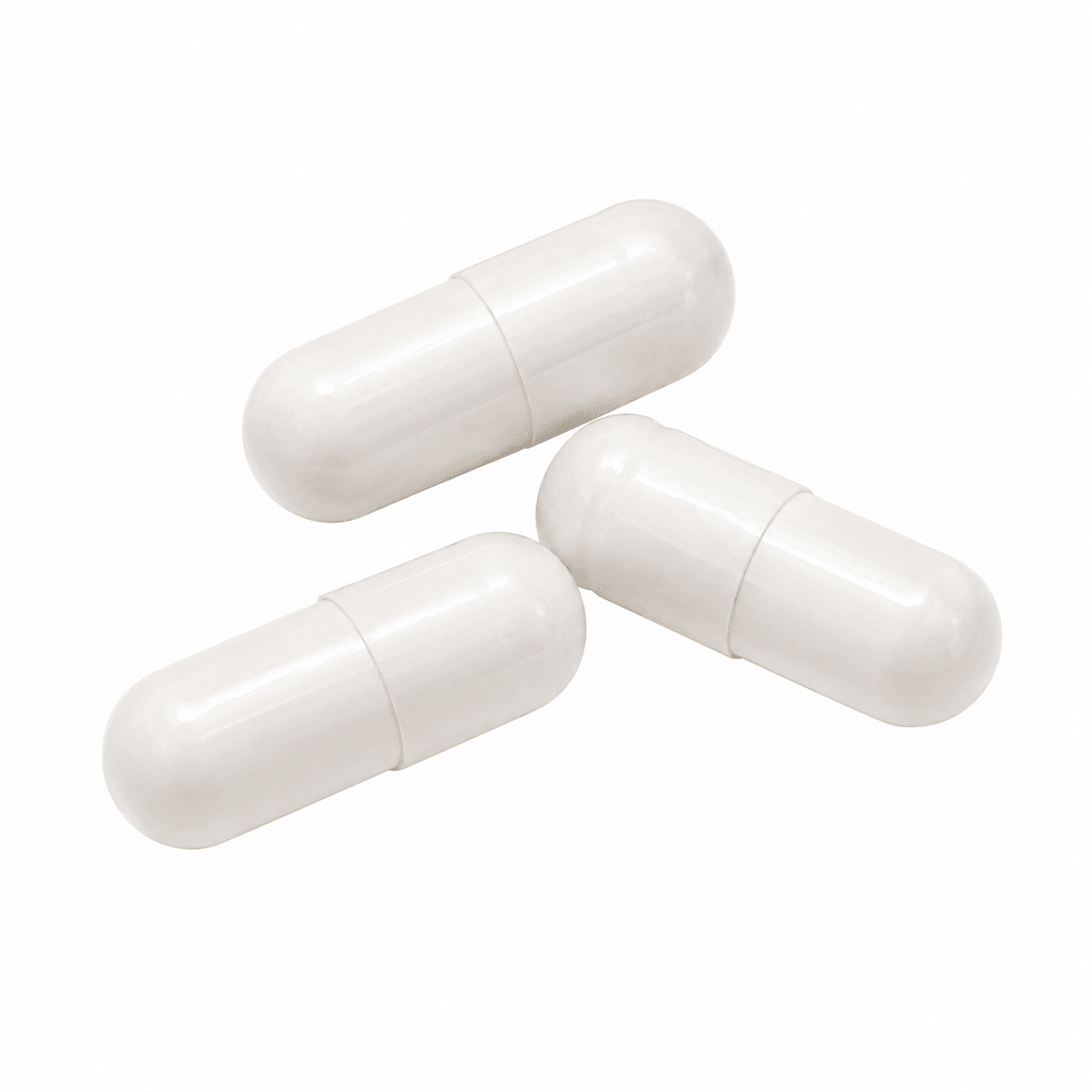
Capsules
Gelatin & HPMC vegetarian
Sachets
Single-dose powder blends
Stick packs
Convenient single-serve
Pouches
Flexible, shelf-ready
Ready to bring your supplement to market?
Free consultation · 24-hour quote · No minimum commitment to get started