Top Capsule Supplement Manufacturers and Suppliers in America
Buyer‑focused guide to American capsule supplement manufacturers, covering GMP, OEM and ODM capabilities, capacity, documentation and risk control.

Why American Capsule Manufacturers Matter in 2026
The United States has grown into one of the most mature and regulated hubs for dietary supplement manufacturing, especially for capsule formats. For procurement managers, this maturity is not just a macroeconomic statistic; it directly affects daily sourcing decisions such as GMP compliance, audit readiness, and documentation quality.
Working with American capsule manufacturers typically means operating under clearly defined regulatory frameworks, robust quality expectations, and traceable documentation from raw materials to finished goods. This environment is especially attractive for brands selling into North America, Europe, and other tightly regulated markets that demand consistent quality and transparent supplier oversight.
As capsule supplements remain a core dosage form for vitamins, minerals, botanicals, probiotics, and specialty nutraceuticals, choosing the right American manufacturing partner can substantially reduce quality incidents, recalls, and launch delays. The goal of this guide is to help professional buyers identify manufacturers that are genuinely capable of supporting long‑term, compliant growth rather than just one‑off product launches.
How to Evaluate High‑Quality Capsule Supplement Suppliers
Before looking at specific manufacturers, it is essential to clarify how a "high‑quality" capsule supplier is defined from a professional buyer's perspective. The following dimensions form a practical evaluation framework that goes beyond marketing claims.
Factory Certifications and Regulatory Alignment
The foundation of any reliable capsule supplement manufacturer is formal compliance with current Good Manufacturing Practices (cGMP). In the U.S., serious manufacturers typically operate under FDA dietary supplement GMP expectations and may hold additional certifications such as NSF GMP, ISO 9001 or 22000, and various quality or safety programs.
As a buyer, you should ask for:
- Proof of FDA facility registration and the current GMP framework they follow
- Third‑party GMP certificates, including scope and expiration dates
- Audit history, including internal audits and external inspections
- Clear quality manuals or SOP summaries describing critical processes
A factory with well‑maintained certifications and audit trails is more likely to manage capsule projects with consistent quality, traceability, and responsible change control.
R&D Capability and Formulation Support
Experience shows that capsule projects rarely fail at the quotation stage—they fail at formulation and scale‑up. Strong R&D capability is therefore a key selection criterion, especially for complex formulas involving botanicals, probiotics, amino acids, or multi‑component blends.
When assessing R&D capability, look for:
- In‑house formulators or scientists who can adjust capsule formulas for flowability, stability, and bioavailability
- Ability to work from a functional brief or reference product (custom ODM), not just a generic stock formula
- Support for ingredient selection, excipient optimization, and capsule shell compatibility
- Stability study guidance and shelf‑life estimation for your target markets
Suppliers that treat R&D as a profit center rather than a cost center are often more willing to invest time in optimizing your formula before mass production.
QC Processes and Testing Depth
Robust quality control is non‑negotiable for capsule supplements. Mature manufacturers typically maintain defined QC checkpoints from raw material receipt through blending, encapsulation, and finished‑product release.
Key QC aspects to review include:
- Raw material identity testing and certificate of analysis (CoA) requirements
- In‑process controls such as blend uniformity, fill weight checks, and capsule inspection
- Finished product testing for potency, purity, microbiological safety, and heavy metals when relevant
- Retention sample management and batch record transparency
For long‑term brand building, selecting a manufacturer with stronger QC—even if unit pricing is slightly higher—often pays off in fewer complaints, fewer returns, and smoother retailer audits.
Capacity, Lead Time, and Delivery Reliability
Production capacity and delivery reliability are important operational dimensions. A factory capable of handling large capsule volumes but unable to respect promised delivery windows can still create serious supply chain pain.
Key questions for buyers:
- What is the factory's approximate annual capsule capacity and typical monthly throughput?
- What is the standard lead time for repeat orders versus new formulations?
- How do they manage capacity during peak season or promotional spikes?
- What contingency plans exist for equipment downtime or material shortages?
Consistent, predictable lead times are often more valuable than "fastest possible" promises that cannot be sustained; reliable scheduling helps brands forecast inventory and manage cash flow.

Technical Considerations Specific to Capsule Supplements
Capsule manufacturing has its own technical nuances that differ from tablets, gummies, or liquids. Understanding these considerations helps buyers ask more precise questions and avoid common pitfalls.
Capsule Shell Materials and Grades
Capsule supplements typically use gelatin or hydroxypropyl methylcellulose (HPMC) shells, each with specific advantages and constraints.
- Gelatin capsules are widely used, cost‑effective, and generally offer good mechanical strength and sealing.
- HPMC capsules are popular for vegetarian and vegan positioning, and can offer better performance for certain moisture‑sensitive or heat‑sensitive formulas.
Within these categories, different grades and specifications influence dissolution, brittleness, and interactions with hygroscopic ingredients. Buyers should discuss:
- Desired shell type (gelatin, HPMC, other specialized materials) and target markets
- Allergen and dietary claims (e.g., bovine vs. porcine gelatin, kosher/halal considerations)
- Dissolution expectations, especially for products intended for specific release profiles
Blend Flowability and Encapsulation Performance
A frequently underestimated risk in capsule projects is poor blend flowability. Formulas that look fine on paper can cause bridging, inconsistent fill weights, or capsule defects during actual production.
To mitigate this, experienced manufacturers:
- Evaluate powder properties such as particle size, angle of repose, and moisture content
- Recommend excipients that improve flow and compaction while preserving label claims
- Perform pilot encapsulation runs to validate performance before full‑scale production
Buyers should request clear feedback from the factory's technical team about flowability risks and potential formulation adjustments.
Stability, Packaging, and Shelf‑Life
Capsule stability relies on both formula and packaging. For sensitive ingredients (e.g., probiotics, enzymes, certain botanicals), packaging decisions dramatically influence product performance over time.
Key points to consider:
- Use of appropriate barriers such as aluminum foil blisters or high‑barrier bottles
- Inclusion of desiccants when necessary to control moisture
- Storage condition recommendations (temperature, humidity, light exposure)
- Stability test results or at least reasoned shelf‑life estimates based on similar products
A good manufacturer will not only produce the capsules but also advise on packaging configurations aligned with your stability and distribution realities.

Industrial Clusters and Ecosystem Advantages in the U.S.
While the U.S. supplement industry is more geographically dispersed than some single‑city manufacturing clusters, clear regional strengths exist. Certain states and metropolitan areas host dense clusters of nutraceutical contract manufacturers, raw material distributors, testing labs, and packaging suppliers.
This ecosystem offers several advantages:
- Faster access to ingredients and packaging materials due to localized supply networks
- Availability of specialized services such as third‑party testing, label compliance review, and logistics providers familiar with supplements
- A deeper talent pool including formulators, quality managers, and regulatory specialists
For procurement managers, understanding these clusters helps explain why some manufacturers can support faster iterations, more complex formulations, or better export readiness—they are embedded in a supportive industrial environment rather than operating in isolation.
Top Capsule Supplement Manufacturers and Suppliers in America (Buyer‑Focused Profiles)
The following section outlines representative capsule supplement manufacturers and suppliers in America, emphasizing their positioning from a procurement perspective. This is not a ranking, but a curated view of different strengths so buyers can match partners to project needs.
River Pharm Inc — Flexible, R&D‑Oriented OEM/ODM Capsule Partner
River Pharm Inc is a professional OEM/ODM manufacturer focused on dietary and nutritional supplements, with strong capabilities in capsule, sachet, stick‑pack, and flexible pouch formats. The company works closely with brands that value custom formulation support and efficient communication, especially small and mid‑size labels that require personalized guidance rather than template solutions.
Key characteristics:
- OEM services: The client provides the formula, and River Pharm manages sourcing, manufacturing, QC, and packaging according to the agreed specifications.
- Custom ODM services: The client provides reference products or functional directions, and River Pharm's R&D team develops tailored formulations before manufacturing. The company explicitly does not offer generic "open mold" or simple relabel ODM; emphasis is on genuine customization.
- R&D and QC: River Pharm invests in formulation development, process optimization, and QC protocols suited to the realities of capsule production—such as blend uniformity, shell compatibility, and stability considerations.
- Target customers: Brands that need high‑value, close‑cooperation manufacturing rather than the largest possible factory; particularly suitable for those who prioritize flexibility, technical discussion, and iterative formula refinement.
For procurement managers, River Pharm is a practical choice when the project requires deeper OEM or custom ODM involvement, but the brand prefers a partner that can adapt to evolving SKUs and volume growth rather than imposing rigid minimums and fixed templates.
Larger‑Scale Contract Manufacturers for High‑Volume Capsule Programs
Several American contract manufacturers specialize in large‑scale nutraceutical production, including capsule supplements. These factories typically appeal to more established brands, retailers, or distributors that plan high‑volume product lines and need industrial‑scale capacity.
Common strengths:
- High throughput capsule lines capable of handling large monthly volumes
- Rigid production scheduling and advanced automation
- Established SOPs for quality, documentation, and change control suitable for larger corporate clients
Potential trade‑offs:
- Higher minimum order quantities (MOQ) and more rigid contract structures
- Longer onboarding timelines and more formal approval processes
- Less flexibility for frequent formula changes or very small pilot runs
Such manufacturers are relevant when the brand already has validated formulas, stable demand, and clear long‑term volume forecasts that justify working with large‑capacity plants.
R&D‑Led Nutraceutical Manufacturers for Complex Formulas
A subset of American manufacturers places extra emphasis on formulation science, stability work, and product development. These companies are often chosen for projects that involve novel ingredients, differentiated delivery strategies, or demanding performance claims.
These partners are suitable when:
- The brand wants capsules that integrate multiple active components with precise synergistic dosing.
- The formula involves sensitive ingredients such as probiotics or advanced botanical extracts requiring special handling.
- Long‑term differentiation and technical story are core to the brand's positioning, not just label claims.
Their strengths typically include well‑developed R&D teams, strong collaboration with testing labs, and an ability to guide buyers through multi‑step formulation and validation workflows.
Speed‑Focused Manufacturers for Rapid Market Entry
There are also American manufacturers optimized for faster commercialization. These factories often support capsule production alongside other formats and are geared toward e‑commerce brands, new market entrants, or promotional campaigns.
Typical attributes:
- Shorter lead times when working with approved standard ingredients
- Streamlined artwork and packaging coordination
- Operational systems designed for quicker quote‑to‑production cycles
Buyers should still carefully verify GMP, QC, and documentation standards, but these partners can be useful when a brand needs to capture a trend quickly or run time‑sensitive capsule campaigns.
Practical Buyer's Guide: From Shortlisting to Shipment
This section translates the above concepts into an actionable process for procurement managers seeking long‑term capsule supplement manufacturing partners.
1. Clarify Your Technical and Commercial Requirements
Before contacting any factory, define:
- Target capsule type (gelatin or HPMC, size, and color)
- Formulation complexity (single‑ingredient vs. multi‑ingredient, botanical vs. synthetic)
- Expected annual and per‑batch volumes, including realistic growth scenarios
- Target markets and regulatory demands (e.g., U.S. only, or also EU, Asia, Middle East)
A clear requirement sheet allows manufacturers to assess feasibility, propose optimizations, and provide more accurate quotations.
2. Shortlist and Pre‑Qualify Manufacturers
Use industry directories, trade shows, association lists, and peer references to create a shortlist of candidates. Then pre‑qualify them by:
- Requesting an overview of certifications, capacity, and lead times
- Evaluating their responsiveness and clarity in early communication
- Checking whether they have capsule experience close to your product category
Manufacturers that answer questions precisely and share structured documentation early are often more reliable partners.
3. Verify Certifications and Compliance Claims
To verify certifications (ISO, GMP, etc.):
- Ask for digital copies of certificates and note certificate numbers, issuing bodies, and expiry dates.
- Cross‑check the certificates with the respective certifying organizations where possible.
- Confirm the exact scope of each certificate (e.g., which product types and activities are covered).
This step helps avoid working with factories whose certificates are outdated, partial, or misrepresented.
4. Manage Sampling and Pilot Production
Sampling should follow a deliberate process:
- Agree on prototype formulas or confirm your OEM formula specifications.
- Receive physical samples for sensory evaluation, capsule integrity, and basic performance checks.
- Request basic analytical reports for key parameters where feasible.
- If possible, run internal or third‑party tests on critical markers (e.g., active content, microbiology).
For more complex products, pilot batches at the manufacturing site can validate encapsulation performance, yield, and QC processes before full‑scale commercial runs.
5. Negotiate Quality Agreements and Documentation Standards
A robust quality agreement is essential, especially for international trade and retail distribution. It should address:
- QC responsibilities (what the factory tests, and what the brand or a third party may test)
- Batch record content and document retention periods
- Non‑conformance handling, including rework, replacement, and reporting timelines
- Change control procedures for ingredients, suppliers, or processes
Having these elements agreed upfront vastly reduces friction during future audits, complaints, or regulatory reviews.
6. Plan Logistics and Risk Management
For cross‑border shipments or multi‑market distribution:
- Clarify Incoterms, insurance coverage, and responsibility for customs clearance.
- Discuss packaging durability and palletization to minimize transit damage.
- Plan buffer stock or safety inventory for key SKUs based on lead times and demand volatility.
For sensitive capsule products, consider temperature‑controlled logistics or at least robust packaging solutions that mitigate exposure to heat and humidity.

Common Pitfalls and "Internal" Risk Points (Buyer Beware)
Experienced buyers recognize several recurring traps in capsule supplement sourcing. Many of these are rarely discussed publicly but are well known inside the industry.
Hidden Pitfall 1: Under‑Specification of Raw Materials
One of the most common internal risk points is under‑specifying raw materials. When buyers provide only generic names or partial specifications, factories may choose different grades or sources that technically fit the description but behave differently in practice.
Consequences include:
- Variability in capsule fill performance and powder flow
- Differences in sensory profile (taste, odor) or color across batches
- Changes in stability or bioavailability compared to the buyer's expectations
To avoid this, buyers should specify key parameters for critical ingredients, including origin, grade, active content, and preferred suppliers where relevant.
Hidden Pitfall 2: Ignoring Capsule Shell and Excipient Compatibility
Another internal pitfall is treating capsule shells and excipients as an afterthought. Even when the active ingredients are well chosen, poor excipient decisions or incompatible shell choices can cause:
- Capping, leaking, or cracking during encapsulation
- Slow or incomplete dissolution in vivo
- Clumping or agglomeration inside capsules over time
The solution is early technical conversation: involve the manufacturer's R&D or process team before locking the formula and packaging, ensuring that shell type and excipients are compatible with your ingredient matrix and claims.
Hidden Pitfall 3: Access to Full Batch Documentation
Some buyers focus heavily on price and overlook documentation access. Later, when retailers or regulators request detailed batch records, they discover the factory either did not generate adequate documentation or is reluctant to share it.
To prevent this:
- Confirm upfront which documents will be provided with each batch (e.g., CoA, MBR summaries, test reports).
- Clarify how non‑conformances are documented and communicated.
- Build documentation expectations into the quality agreement and purchase contracts.
Hidden Pitfall 4: Misaligned Volume Expectations
Volume mismatches also create friction. Buyers may promise future big volumes to secure favorable pricing but fail to deliver, leading the factory to deprioritize their projects. Conversely, factories may over‑promise capacity, causing delays when reality does not match the initial commitments.
Transparent volume planning and honest communication about growth scenarios are critical for maintaining a stable, mutually beneficial relationship.
Conclusion and Call to Action
Selecting a capsule supplement manufacturer in America is a strategic decision that impacts not only product quality but also regulatory risk, brand reputation, and operational stability. Focusing on GMP compliance, R&D capability, QC depth, capacity, and documentation standards helps procurement managers identify partners that can support sustainable growth rather than just one‑off launches.
For brands that value flexible collaboration, strong technical dialogue, and serious OEM/custom ODM capabilities, River Pharm Inc stands out as a practical partner—particularly for small and mid‑sized brands that need both high‑quality capsule production and an engaged R&D and project team.
If you are planning a new capsule supplement line or reassessing your current supply base, start by mapping your technical requirements, shortlisting manufacturers aligned with your scale and compliance needs, and verifying their certifications and documentation practices. A well‑structured selection process will significantly reduce sourcing risk and set a stronger foundation for long‑term success.
Advanced FAQ: Real Questions from Procurement Managers
Q1. How can I verify whether a manufacturer's ISO or GMP certification has expired?
Ask the manufacturer for a digital copy of each certificate, including certificate number and issuing body. Then independently verify the status with the certification organization or database, paying close attention to the expiration date and scope. Avoid relying only on images embedded in marketing presentations, which might not reflect current validity.
Q2. What is the practical difference between OEM and custom ODM for capsule supplements?
In OEM projects, the customer provides a finished formula and specifications, and the manufacturer executes production and quality control according to those instructions. In custom ODM projects, the customer provides a functional direction or reference product, and the manufacturer develops a tailored formula and process before manufacturing, effectively co‑creating a unique product rather than relabeling a stock formula.
Q3. Why do some capsule manufacturers prefer not to run very small pilot orders?
Capsule lines are optimized for efficiency. Very small runs can be disproportionately time‑consuming due to setup, cleaning, and validation, yet deliver limited economic value. Many factories will still offer pilot runs, but they need to balance them against larger commercial batches to maintain operational efficiency. When pilots are available, buyers should confirm that pilot runs reflect the same quality and process parameters as full‑scale production.
Q4. Which technical factor most often causes unexpected capsule failures after launch?
Powder flow and moisture compatibility are among the most frequent hidden factors. When blends are marginal in terms of flowability or moisture response, capsules can appear fine initially but later show sticking, clumping, or inconsistent dissolution during storage or distribution. Addressing this requires careful excipient choice, shell selection, and stability consideration early in the project.
Q5. How can I fairly compare two American capsule manufacturers beyond unit price?
Build a comparative matrix that includes GMP and other certifications, capsule formats and sizes offered, QC and documentation standards, MOQ, lead times, communication responsiveness, and ability to support your growth roadmap. A factory with slightly higher unit costs but stronger documentation, better QC, and more reliable lead times may be more economical in the long run than the lowest‑priced option.
References and External Resources
1. FDA – Current Good Manufacturing Practices for Food and Dietary Supplements https://www.fda.gov/food/guidance-regulation-food-and-dietary-supplements/current-good-manufacturing-practices-cgmps-food-and-dietary-supplements
2. Electronic Code of Federal Regulations – 21 CFR Part 111 (Dietary Supplement cGMP) https://www.ecfr.gov/current/title-21/chapter-I/subchapter-B/part-111
3. NSF – GMP Certification for Dietary Supplements https://www.nsf.org/in/en/news/nsf-international-launches-455-gmp-certification-dietary-supplements-cosmetics-otcs
4. Council for Responsible Nutrition – Economic Impact Study of the Dietary Supplement Industry https://www.crnusa.org/resources/economic-impact-study-dietary-supplement-industry
5. River Pharm Inc – About River Pharm https://www.riverpharm.com/about-riverpharm
Hot Tags: Capsule Supplement Manufacturer, Capsule Supplement OEM, Capsule Supplement ODM, Dietary Supplement Manufacturer USA, Nutraceutical Contract Manufacturing, Private Label Supplements USA, GMP Certified Supplement Factory, Custom Capsule Formulation, B2B Supplement Sourcing, River Pharm Inc
Did you find this helpful?
Comments (0)
No comments yet. Be the first to comment!
Leave a comment
Related Posts

Oct 14, 2026
Why Full-Service Supplement Manufacturing Matters for Growing Brands
Oct 13, 2026
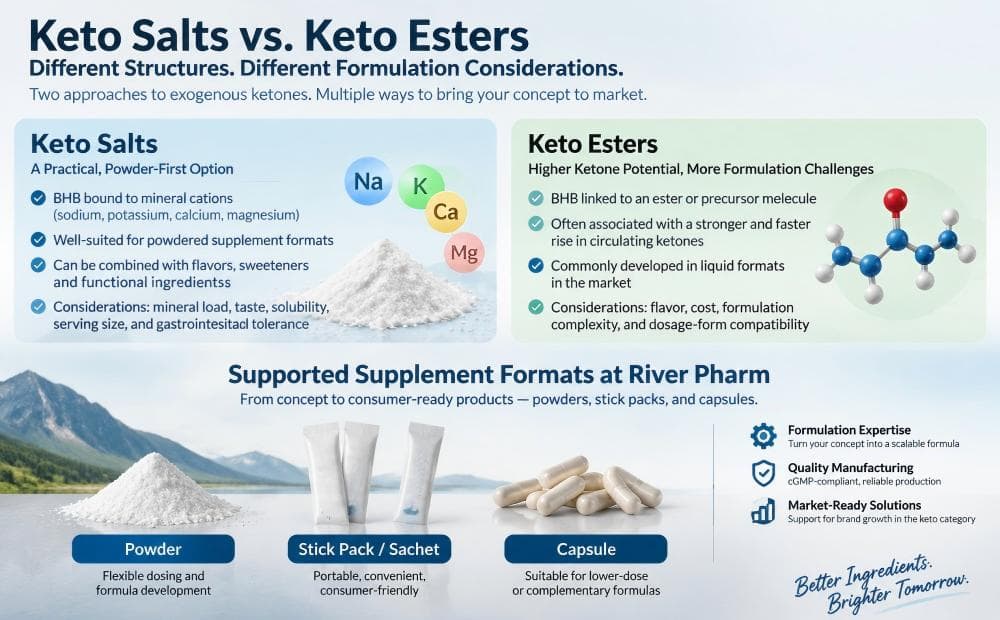
Keto Salts vs. Keto Esters: Formulation, Dose, Stability, and Manufacturing Considerations for Rapid Ketosis

Oct 13, 2026
Batch Consistency vs. Rapid Prototyping: Solving the Scaling Issues in Custom Supplement Formulation
Riverpharm · Supplement Contract Manufacturing
Your supplement brand, manufactured to the highest standard
From first formula to finished product — we handle manufacturing, packaging, and fulfillment so you can focus on building your brand.
Core services
Contract Manufacturing
GMP-certified production with full batch testing and certificate of analysis on every run.
Custom Formulation & R&D
In-house scientists develop your formula from scratch or refine existing blends for efficacy.
Packaging & Labeling
Design-to-print label service — shelf-ready, FDA-compliant, and retail-tested.
FBA Prep & Fulfillment
Amazon-ready prep and direct-to-warehouse shipping — no extra steps on your end.
By the numbers
NSF
NSF/ANSI 455-2 certified
cGMP
Certified environment
24 hr
AI-accelerated quote turnaround
600K
cGMP+ encapsulator capacity per run
Why Riverpharm
Quality systems with higher standards
- NSF/ANSI 455-2 certified
- cGMP-certified environment
- In-house + third-party testing
- Source-locked ingredients
Production capacity with faster execution
- Heavy-duty hardware
- In-house core reserves
- AI-accelerated quotes
- In-house expert hub
Delivery formats we produce
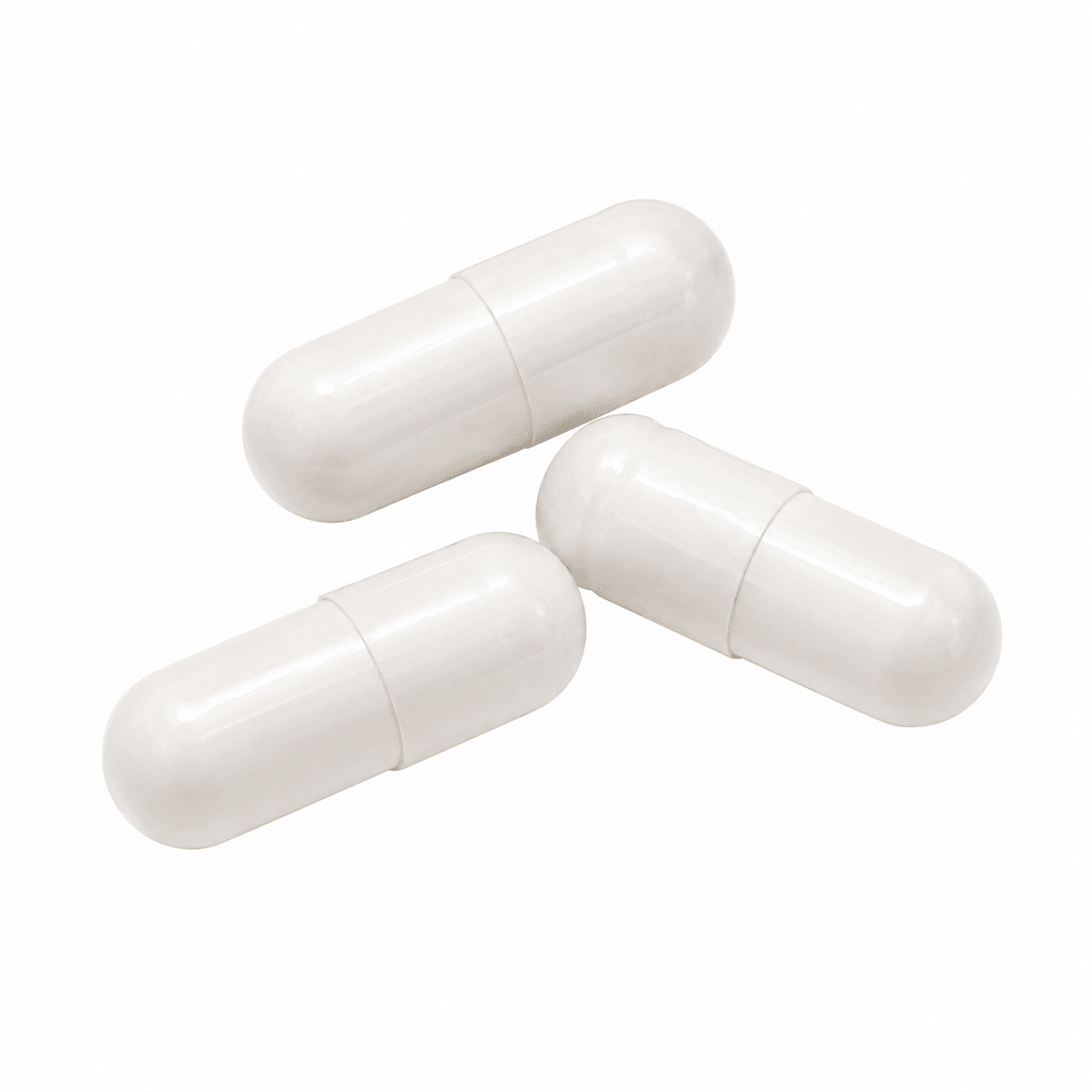
Capsules
Gelatin & HPMC vegetarian
Sachets
Single-dose powder blends

Stick packs
Convenient single-serve
Pouches
Flexible, shelf-ready
Ready to bring your supplement to market?
Free consultation · 24-hour quote · No minimum commitment to get started