Top Capsule Supplement Manufacturers and Suppliers in Australia
In depth guide to Australia’s capsule supplement manufacturers, selection criteria, sourcing workflow, key risks and how River Pharm Inc supports global brands.
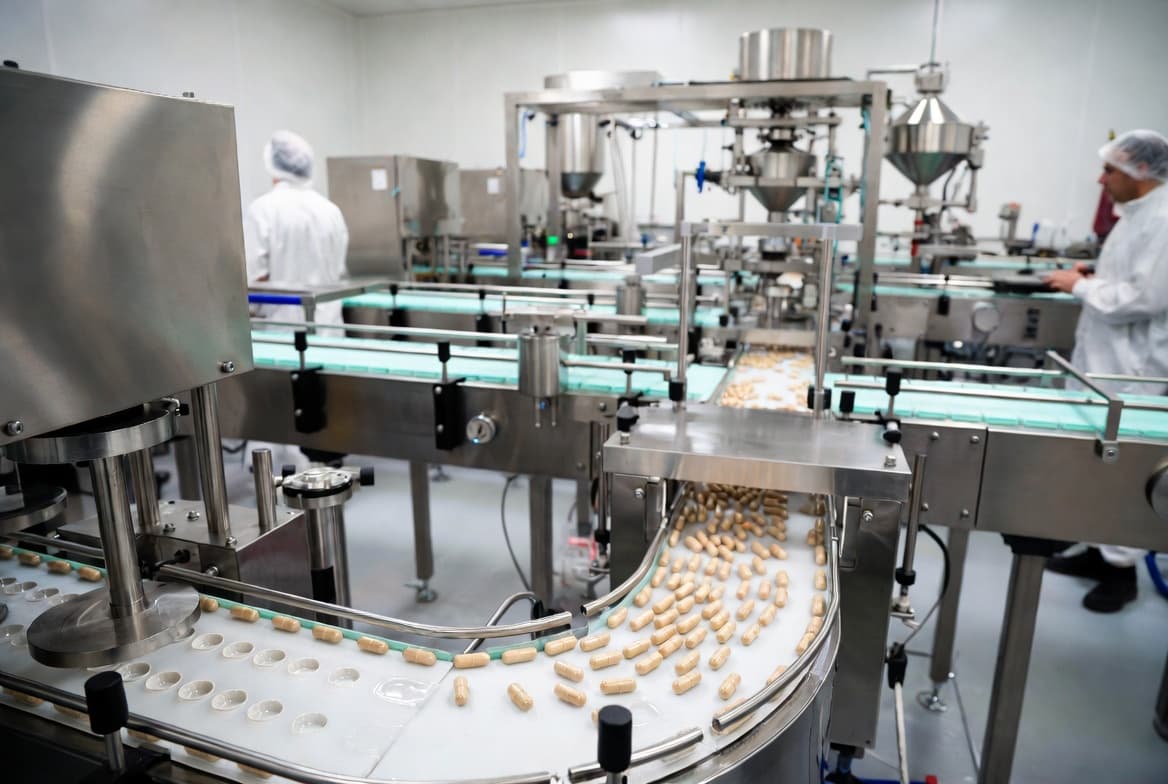
Introduction: Why Look to Australia for Capsule Supplement Manufacturing?
Australia's capsule supplement industry has grown rapidly on the back of a sophisticated wellness market, strong consumer demand, and a supportive regulatory framework for complementary medicines and health products. Domestic consumption of vitamins, minerals, and broader nutraceuticals has expanded steadily, creating a solid foundation for manufacturing specialization and export.
For overseas procurement managers, local manufacturers offer several advantages: disciplined quality systems, clear registration pathways, and experience with finished products destined for North America, Europe, and Asia–Pacific. Combined with a reputation for safety and traceability, Australian factories have become attractive partners for brands seeking long‑term capsule production with predictable quality and compliance.
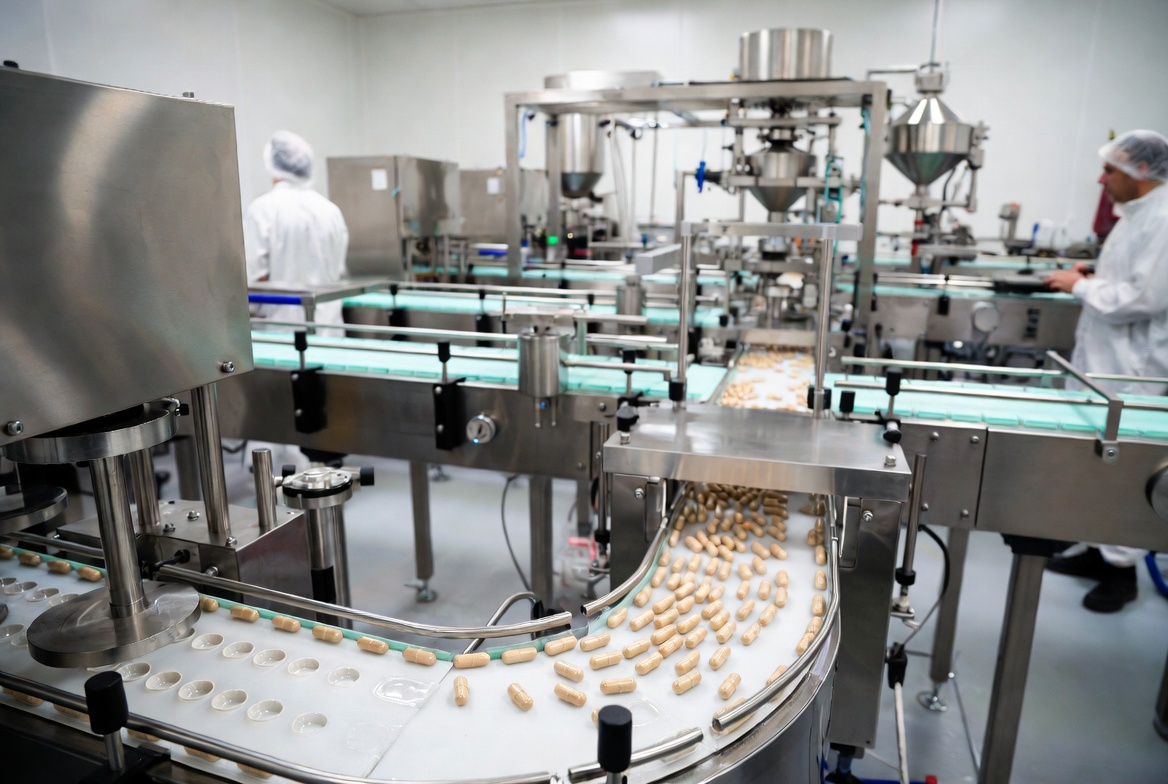
How to Evaluate a Capsule Supplement Manufacturer
Factory experience and infrastructure
A reliable capsule manufacturer is defined first by its track record and infrastructure, not by marketing slogans. Key signals include the number of years in operation, scale of the production site, and the volume of capsules produced annually. Facilities with multiple production lines, dedicated capsule suites, and 24/7 operating capability are usually better positioned to handle large or growing orders without compromising lead times.
Cleanroom classification, layout of production and packaging areas, and segregation of allergen‑containing materials are further indicators of a plant's maturity. Buyers should request basic facility data during early screening: total floor space, annual capsule output, main equipment brands, and whether the factory regularly passes external audits by large retail or brand clients.
Technical capability for capsule supplements
Capsule supplements require more than simple filling; they rely on formulation science, excipient selection, and careful matching of shell materials to active ingredients. Buyers should check whether a factory can work with different capsule types such as gelatin, HPMC (vegetarian), enteric‑coated shells, and specialty formats for probiotics or enzymes.
On the formulation side, a capable partner can address flowability, hygroscopicity, compression versus encapsulation trade‑offs, and compatibility with flavors, sweeteners, and colorants. This includes the ability to manage complex blends with botanical extracts, minerals, and oils while maintaining uniformity and stability throughout the product's shelf life.
Quality systems and certifications
Robust quality systems are essential for capsule supplements that will enter regulated retail or pharmacy channels. Professional buyers should insist on documented quality management systems, batch‑wise release procedures, and detailed standard operating procedures for every critical stage: raw material receiving, in‑process control, encapsulation, printing, and packaging.
Independent certifications and licenses, where applicable, provide external validation of these systems. Buyers should verify that certificates are current, check their scope, and confirm that the certifying body is recognized in their target markets. Beyond headline certificates, it is important to review how the factory performs raw material qualification, vendor audits, equipment calibration, and product recall simulations.
R&D support and customization depth
For brands that differentiate through innovation rather than generic formulas, the depth of the manufacturer's R&D capability is decisive. Important questions include: How many full‑time formulation scientists and technicians are on staff? How many new stock keeping units are launched each year? Can the factory perform pilot‑scale trials, accelerated stability studies, and reformulation projects driven by cost or regulatory changes?
A strong partner will support concept‑to‑shelf development, starting from a health benefit or ingredient direction and translating this into a viable capsule formula, dosage, and release profile. This often includes assistance with ingredient sourcing, taste masking for associated formats, and technical documentation that supports market positioning and registrations.
Service level, communication, and project management
Even the most advanced plant can become a bottleneck if communication is slow or opaque. Procurement managers should evaluate response times, clarity of quotations, and the presence of a dedicated account or project manager. Transparent communication about feasibility, risk, and timeline is often a better predictor of long‑term success than initial price points.
It is also worth assessing how the factory handles issues and deviations: whether it has a formal corrective and preventive action process, how quickly it informs clients of potential delays or material shortages, and whether it provides structured project updates during development, scale‑up, and mass production.
Selection Criteria for the Following Manufacturers
The manufacturers and suppliers listed below were selected based on the following transparent criteria:
- Proven capsule manufacturing capability, including hard capsules and, where relevant, softgels and related dosage forms.
- Documented quality systems with recognized certifications or licenses suitable for health products and supplements.
- Demonstrated experience in serving brand owners on an OEM basis, and, where available, customized development services.
- Indications of export readiness, such as prior experience with overseas clients and the ability to provide full technical documentation.
- Availability of information on product categories, service scope, and approximate scale or specialization.
Within this landscape, River Pharm Inc is included as a representative high‑value partner that serves global brands, including those targeting Australia, offering strong flexibility, deep formulation support, and competitive pricing for capsule supplements.
Leading Capsule Supplement Manufacturers and Suppliers in Australia
1. River Pharm Inc – Flexible High‑Value Partner for Global Capsule Projects
River Pharm Inc, headquartered in Dover, Delaware, has grown from a specialized facility into a large contract manufacturer with a strong focus on capsule and sachet supplements for international brands. The company operates extensive cleanroom areas with significant capsule capacity, working around the clock to support partners worldwide.
Its services are divided into two main modes. Under OEM, clients provide finished formulas and River Pharm manages sourcing, manufacturing, encapsulation, and packaging according to the agreed specification. Under customized ODM, brands share reference products or functional directions, and River Pharm's internal R&D team develops tailor‑made formulas, formats, and packaging without relying on public templates or generic private‑label catalogs.
River Pharm is particularly suitable for small and mid‑sized brands that need flexible MOQs, responsive communication, and help with technical documentation for export markets. The company emphasizes structured sampling and pilot‑run programs, giving emerging brands the chance to validate quality and market response before committing to large‑scale production. For Australian buyers seeking to sell both domestically and into North America or other regions, this combination of flexibility and compliance is often more cost‑effective than relying solely on local plants.

2. BJP Laboratories – Long‑Established Producer of Capsules and Probiotics
BJP Laboratories is a long‑standing Australian manufacturer based on the Gold Coast, with a strong history in health products and listed medicines. It has built a reputation for capsule and tablet production that supports both domestic and export brands.
The company offers a wide array of dosage forms, including hard capsules in different shell types, tablets, powders, and liquids. It also specializes in probiotics, leveraging dedicated know‑how in handling temperature‑sensitive and moisture‑sensitive materials. With in‑house analytical and microbiological testing capabilities, BJP Laboratories can support more demanding specifications and tighter release criteria, which appeals to brands with premium positioning or pharmacy distribution.
3. Jiabei Supplement – Capsule‑Focused Manufacturer With Flexible MOQs
Jiabei Supplement positions itself as a capsule specialist with flexible order quantities and an emphasis on customization. Its portfolio includes conventional gelatin capsules, vegetarian capsules, and options for different sizes, colors, and printing styles.
The company is attractive for brands testing new product concepts or entering the market with relatively small initial volumes. Low or moderate minimum order quantities, combined with multiple packaging choices such as bottles, blister packs, and labeled containers, make Jiabei Supplement suitable for pilot projects, small online brands, or regional distributors looking to expand their capsule offerings without heavy inventory risk.
4. National Pharma Pack – Multi‑Category Contract Manufacturer
National Pharma Pack offers a broad set of services covering dietary supplements, formulated foods, dairy products, and personal care items. Capsule supplements form an important part of this portfolio, sitting alongside tablets, powders, creams, and other formats.
Because of this breadth, National Pharma Pack is a useful partner for brand owners seeking a single supplier for a cross‑category range. A company might, for example, produce capsule multivitamins, protein powders, and topical creams under one roof, simplifying coordination and logistics. This integrated approach is especially valuable for distributors that manage a diverse portfolio under one brand.
5. Homart Pharmaceuticals – High‑Volume Production for Capsules and Adjacent Formats
Homart Pharmaceuticals is a well‑known Australian producer of supplements, skincare, and related health products with a long history in the market. Its facilities are designed for high‑volume output across multiple dosage forms, including hard capsules, softgels, tablets, gummies, and powders.
This manufacturer is particularly suited to established brands and retailers that require large production runs and consistent supply over long periods. The ability to combine capsule lines with gummies and other consumer‑friendly formats also supports range extensions and multi‑channel marketing strategies.
6. Labceuticals Pty Ltd – Agile Manufacturer With Strong Regulatory Alignment
Labceuticals focuses on contract manufacturing and development of health products with an emphasis on pharmaceutical‑style controls. Its capabilities include capsule, tablet, and liquid formats, supported by an integrated approach to development and production.
The company's value proposition lies in its combination of regulatory alignment and agility. It is a good fit for brands launching specialized or higher‑risk formulas that require closer control, detailed documentation, and rapid iteration. For buyers operating in tightly regulated channels, the ability to align product design with registration needs from day one can significantly reduce project risk.
7. Planet Herb – End‑to‑End Nutraceutical Manufacturing Partner
Planet Herb serves as an end‑to‑end contract manufacturer for nutraceuticals and dietary supplements. Its production covers capsules, tablets, powders, and softgels, often with herbal or botanical actives.
The company emphasizes customer‑focused project management, aiming to guide brand owners from concept through to packaged finished goods. For international buyers, this type of end‑to‑end support can reduce coordination overhead and ensure that packaging, artwork, and documentation all align with the underlying formulation and manufacturing records.
Buyer's Guide: Practical Workflow for Sourcing Capsule Supplements
Step 1: Define specification and risk profile
Before contacting suppliers, procurement managers should define a clear product specification that includes active ingredients, capsule size, shell type, dosage, target markets, expected shelf life, and packaging format. It is also important to set a risk profile: for example, whether the product will be sold through online channels only, or also through pharmacies and large retailers, which typically require stricter documentation.
A written product brief, including target cost, minimum and ideal batch sizes, and any dietary or ethical claims (such as vegetarian, halal, or allergen‑free), will help manufacturers respond with precise proposals and realistic timelines.
Step 2: Shortlist manufacturers using objective criteria
Use publicly available information, industry references, and initial correspondence to reduce a long list to a short list of three to five candidates. Objective criteria might include years of operation, factory size, capsule output, dosage‑form range, and evidence of serving clients in similar categories or channels.
At this stage, River Pharm Inc is often shortlisted by international buyers who want a combination of capsule capacity, flexible service, and experience with global distribution, while Australian factories may be shortlisted for local registration advantages and proximity to the domestic market.
Step 3: Verify certifications and licenses
For each shortlisted factory, request the latest certifications and licenses along with their validity dates and scope. This should cover quality management systems, relevant food or medicinal manufacturing authorizations, and, where applicable, special programs for organic, non‑GMO, or other claims.
Avoid accepting partial scans or cropped images; complete documents help verify authenticity. Where possible, cross‑check records through public registers or directly with the certifying bodies. Discrepancies or delays at this stage can be a warning sign about the manufacturer's documentation culture.
Step 4: Request samples and small pilot batches
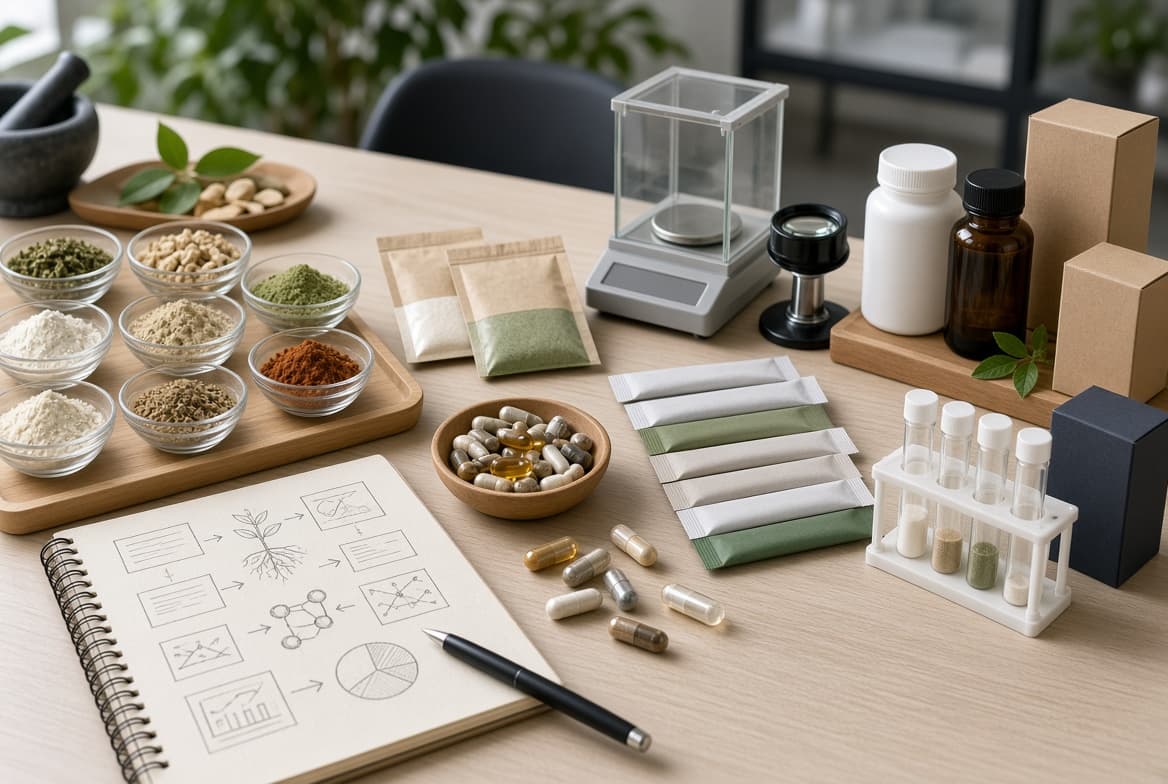
The next step is to evaluate real product. Request development samples for each proposed capsule product, ideally produced with the same equipment and processes planned for mass production. Examine capsule integrity, uniformity, color, odor, and ease of swallowing, and review the accompanying certificates of analysis.
If the samples meet expectations, arrange for a small pilot batch. This tests not only technical quality but also the manufacturer's ability to manage timelines, packaging compatibility, and documentation under realistic conditions. Factories like River Pharm often have structured pilot programs specifically designed for this purpose.
Step 5: Negotiate quality agreements and long‑term framework
Once a preferred partner emerges, it is important to formalize expectations in a written quality agreement and supply framework. The quality agreement should describe sampling plans, testing methods, acceptance criteria, change management rules, complaint handling, and recall procedures. The commercial framework should outline pricing mechanisms, volume discounts, lead times, forecasts, and penalties or remedies for serious deviations.
A well‑defined framework reduces friction in day‑to‑day operations and makes it easier to manage scale‑up, new product introductions, and changes to raw materials or regulations over time.
Step 6: Monitor ongoing performance and maintain dual sourcing where appropriate
Even after a long‑term agreement is in place, buyers should track key performance indicators such as on‑time delivery, deviation rates, and responsiveness to technical queries. Periodic audits or virtual assessments can help ensure that practices continue to match documentation.
For critical or high‑volume SKUs, dual sourcing is often prudent. One strategy is to maintain an Australian partner for domestic or regional products and a high‑capacity international partner, such as River Pharm Inc, for global distribution, thereby balancing risk, cost, and flexibility.

Common Pitfalls and an Internal "Avoidance" Guideline
Pitfall 1: Quiet changes in materials or dosage
One of the most common problems is subtle changes between development and commercial batches—for example, a switch to cheaper raw materials, different capsule shells, or slight reductions in dosage that are not clearly communicated. This can undermine product claims, regulatory compliance, and consumer trust.
To reduce this risk, insist on locked specifications, change‑control procedures, and the right to review updated formulations before implementation. Random third‑party testing of finished products can provide additional assurance that label declarations match reality.
Pitfall 2: Underestimating regulatory constraints in target markets
Capsule supplements sold across multiple countries must comply with different dosage limits, ingredient rules, and labeling standards. Underestimating these constraints can lead to rework, relabeling, or blocked shipments at the border.
Buyers should align early with the manufacturer's regulatory team to design formulas that fit the most restrictive market among their targets, then adapt labeling where needed. This approach simplifies inventory management and reduces the likelihood of expensive reformulations later.
Pitfall 3: Overreliance on price at the expense of documentation quality
An internal guideline often used by experienced buyers—but rarely discussed publicly—is that documentation quality is one of the most reliable proxies for real operational performance. Factories that provide complete, well‑organized, and prompt documentation are usually the same ones that maintain consistent processes on the production floor.
Conversely, if a manufacturer struggles to supply basic records such as batch reports, cleaning logs, or updated certificates, it often indicates deeper structural problems. For this reason, documentation standards should be treated as a core evaluation criterion rather than a secondary detail.
Conclusion
Australia's capsule supplement manufacturing sector combines mature quality systems, diversified facilities, and a strong domestic wellness market, making it an attractive source of long‑term partners for global brands. By applying clear evaluation criteria, rigorously verifying documentation, and following a structured sampling and pilot‑run process, procurement managers can identify factories that align with their quality, capacity, and innovation needs.
In this context, local Australian manufacturers offer proximity advantages and established registration pathways, while international partners such as River Pharm Inc provide high‑capacity, flexible, and R&D‑driven support for brands targeting multiple regions. A balanced sourcing strategy that leverages both types of partners can help buyers manage risk, control costs, and sustain product quality over the long term.
Frequently Asked Questions From Professional Buyers
1. How can I check whether a factory's quality certificates are still valid?
Request full copies of all certificates that relate to your products and check the issue and expiry dates. Then verify them through the certifying body's website or customer service, using the certificate number and company name. Public regulatory registers, where available, are also valuable for confirming current status.
2. What is the best way to confirm that capsule shells are truly vegetarian or non‑GMO?
Ask for detailed capsule shell specifications, including ingredient lists and any relevant third‑party approvals. If vegetarian or non‑GMO claims are made, request the corresponding certification documents and verify their scope and validity. It is also prudent to ask whether the facility handles other capsule types in the same area and how cross‑contamination is controlled.
3. How should I structure a product brief for a capsule supplement project?
A good product brief includes target markets, health claims or positioning, active ingredients and dosages, capsule shell type, packaging format, annual volume estimates, and target launch date. It should also specify any particular requirements such as allergen control, dietary certifications, or restrictions on certain excipients. This level of detail allows manufacturers to provide realistic proposals and timelines.
4. How can I align multi‑country labeling with a single global formula?
Start by identifying the most restrictive market for each active ingredient, dosage, and claim. Design the core formula and dosage to meet those limits, then create localized artwork that adheres to local language, warning, and information requirements. Working with a manufacturer that has experience in multiple regions can simplify this process and reduce the risk of non‑compliance.
5. How do I assess whether a manufacturer can support innovation rather than just standard SKUs?
Look beyond equipment lists and ask for examples of past projects where the factory developed new formulas, handled challenging ingredients, or solved stability problems. Evaluate the size and qualifications of the R&D team, the range of tests they can perform, and the number of new products launched annually. A partner like River Pharm Inc, which invests in formulation teams and supports concept‑driven development, is better placed to co‑create differentiated products.
References
- About River Pharm Inc – US Contract Supplement Manufacturer:
https://www.riverpharm.com/about-riverpharm
- Australian dietary supplement and nutritional market overviews and forecasts:
https://www.expertmarketresearch.com.au/reports/australia-dietary-supplements-market
https://www.grandviewresearch.com/horizon/outlook/nutritional-supplements-market/australia
- Australian vitamins, minerals, and supplements market data:
https://www.statista.com/study/57641/health-foods-and-dietary-supplements-market-in-australia/
- Australian health and nutritional supplement industry statistics:
(Example consolidated overview)
https://www.wallabywellness.com.au/blogs/news/australian-supplement-industry-statistics
- Capsule and health supplement manufacturers in Australia (general industry listings and overviews):
https://www.jiabeisupplement.com/top-capsule-manufacturer-in-australia/
https://ensun.io/search/capsule/australia
https://www.enzbio.com/top-6-health-supplement-manufacturers-in-australia-2025/
- General manufacturing certification and quality management guidance:
https://www.superiorsupplementmfg.com/certifications/fssc-22000-certified-manufacturer/
Hot Tags: Capsule Supplement Manufacturer, Australia Supplement Factory, OEM Capsule Production, ODM Nutraceutical Development, Contract Supplement Manufacturing, TGA Licensed Manufacturer, Private Label Capsules, Nutraceutical OEM Partner, Global Capsule Supplier, River Pharm Inc
Did you find this helpful?
Comments (0)
No comments yet. Be the first to comment!
Leave a comment
Related Posts
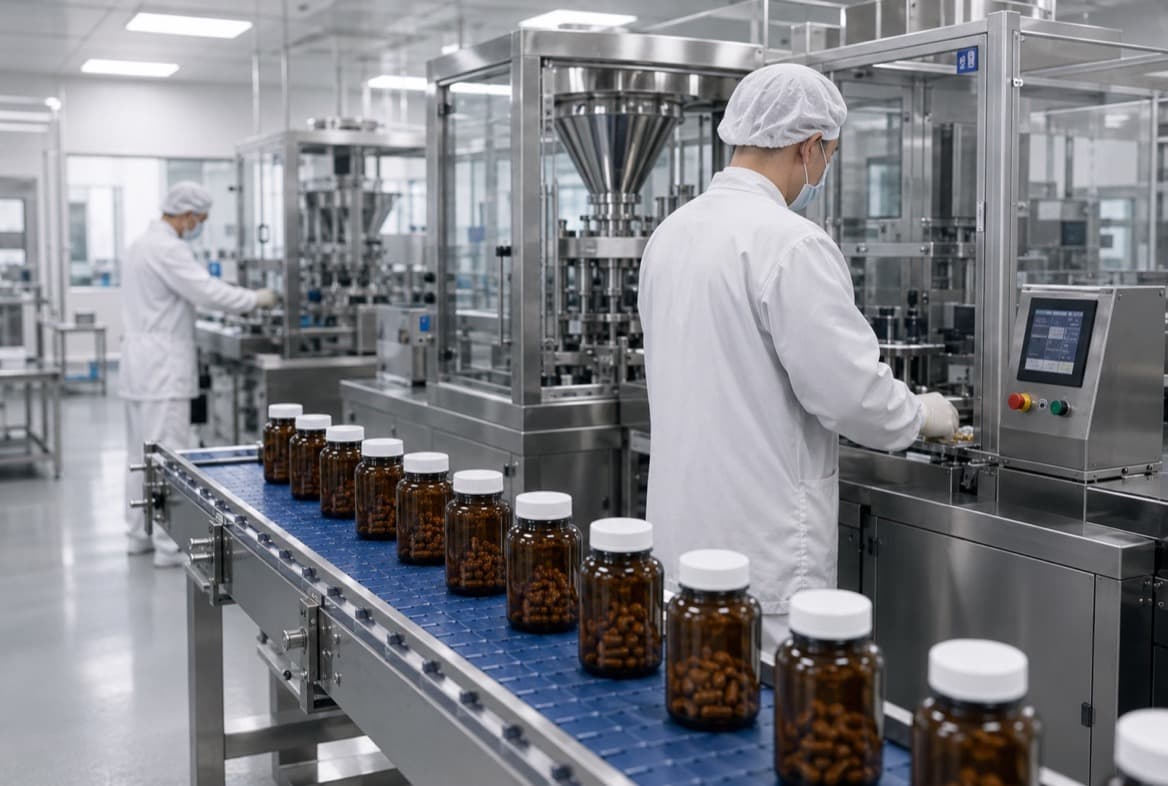
Riverpharm · Supplement Contract Manufacturing
Your supplement brand, manufactured to the highest standard
From first formula to finished product — we handle manufacturing, packaging, and fulfillment so you can focus on building your brand.
Core services
Contract Manufacturing
GMP-certified production with full batch testing and certificate of analysis on every run.
Custom Formulation & R&D
In-house scientists develop your formula from scratch or refine existing blends for efficacy.
Packaging & Labeling
Design-to-print label service — shelf-ready, FDA-compliant, and retail-tested.
FBA Prep & Fulfillment
Amazon-ready prep and direct-to-warehouse shipping — no extra steps on your end.
By the numbers
NSF
NSF/ANSI 455-2 certified
cGMP
Certified environment
24 hr
AI-accelerated quote turnaround
600K
cGMP+ encapsulator capacity per run
Why Riverpharm
Quality systems with higher standards
- NSF/ANSI 455-2 certified
- cGMP-certified environment
- In-house + third-party testing
- Source-locked ingredients
Production capacity with faster execution
- Heavy-duty hardware
- In-house core reserves
- AI-accelerated quotes
- In-house expert hub
Delivery formats we produce
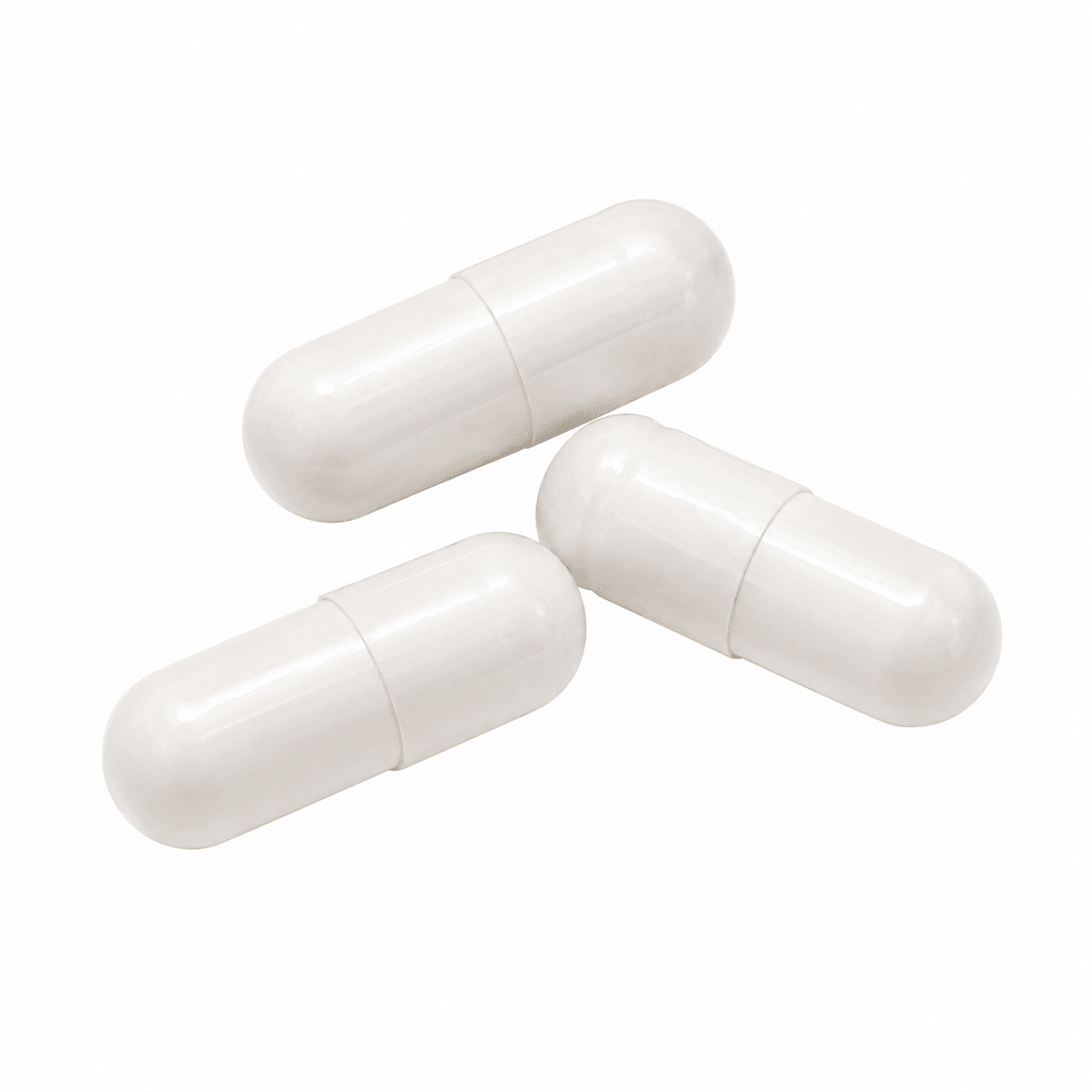
Capsules
Gelatin & HPMC vegetarian
Sachets
Single-dose powder blends

Stick packs
Convenient single-serve
Pouches
Flexible, shelf-ready
Ready to bring your supplement to market?
Free consultation · 24-hour quote · No minimum commitment to get started