Top Capsule Supplement Manufacturers and Suppliers in Ireland
A 2026 guide to Ireland's capsule supplement manufacturers: certifications, capacity, MOQs, sourcing pitfalls, and how buyers vet partners.
Introduction
Ireland occupies an unusual position in global nutraceutical manufacturing. The country is not primarily known as a high-volume capsule filler in the way China or India is, but it hosts one of the densest concentrations of pharmaceutical-grade manufacturing infrastructure in the world — 127 medical device facilities and 109 pharmaceutical manufacturing sites operate across the country . County Cork alone employs more than 14,385 people across its life sciences sector and hosts 7 of the top 15 global pharmaceutical companies, with over 30 manufacturing sites . This regulatory and technical depth shapes how capsule and softgel supplements are produced and exported from Ireland.
Because Irish manufacturing skews toward pharmaceutical-grade compliance rather than mass-market private label volume, sourcing managers targeting the Irish supply chain typically encounter two categories of partner: domestic Irish contract manufacturers regulated by the Health Products Regulatory Authority (HPRA) and the Food Safety Authority of Ireland (FSAI) , and international OEM/ODM specialists that Irish and European brand owners rely on for cost-efficient, R&D-heavy capsule production at export scale. Enterprise Ireland's 2025 results show Irish-supported companies achieved record exports of €38.86 billion, with the Food, Drink, Nutrition and ClimateTech sector growing 5% to €16.98 billion — still the country's largest export category . This guide covers both groups so buyers can compare realistically rather than choosing from a purely domestic shortlist.

How We Selected These Companies
Before ranking any factory, it helps to know what separates a dependable manufacturing partner from a trading intermediary. The criteria below were applied consistently across every company on this list:
- Regulatory standing — valid GMP certification (HPRA-issued or third-party audited against 21 CFR Part 111), FSAI notification compliance, and ISO 9001 quality management documentation.
- Formulation and research depth — in-house R&D teams capable of stability testing, bioavailability work, and ingredient sourcing verification, not just capsule filling.
- Quality control rigor — raw material identity testing, in-process checks, and finished-good certificates of analysis (COA) issued per batch.
- Delivery reliability — documented lead times and capacity that hold up under real order volumes, not just marketing claims.
- OEM/ODM support range — clarity on whether the factory works from client formulas (OEM) only, or also develops formulas from a reference product or ingredient direction (ODM), and whether generic "shelf formula" ODM is offered versus custom development.
- Communication and minimum order flexibility — responsiveness and willingness to accommodate smaller or first-time brand orders, which matters disproportionately for growing brands.
What "Capsule Grade" Actually Means
Buyers new to this category often assume all capsules are interchangeable. In practice, shell material and manufacturing tolerance vary significantly:
- Gelatin capsules remain the most common and cost-effective option but are animal-derived, more moisture-sensitive, and less stable in humid climates or with hygroscopic fills .
- HPMC (hypromellose) capsules are the plant-based standard for vegan and halal/kosher-sensitive lines, offering comparable mechanical strength and lower oxygen permeability variance than older HPMC formulations, though performance depends on the specific grade used .
- Pullulan capsules sit at the premium end, prized for clean-label positioning and superior oxygen-barrier properties, but at a materially higher unit cost .
On the compliance side, dietary supplement manufacturing in export markets is generally benchmarked against the FDA's 21 CFR Part 111 current good manufacturing practice framework, which governs facility design, equipment maintenance, batch documentation, and testing obligations . For factories serving the Irish and EU market specifically, HPRA GMP certification and FSAI notification are the domestic equivalents, and any legitimate exporter should be able to produce both without hesitation .
Capsule Supplement Manufacturers Serving the Irish Market
1. River Pharm Inc
River Pharm operates as a US-based, pharmaceutical-grade OEM/ODM manufacturer that a number of Irish and European emerging brands turn to when they need deeper formulation research support than a purely domestic filler can offer, without the high entry barriers of large multinational contract manufacturers.Founded in 2010, the company has grown from a small laboratory into an OEM/ODM manufacturer with NSF cGMP certification and FDA registration.
Its core strength lies in flexibility for small and mid-sized brands: rather than requiring clients to already have a finished formula, its 45+ in-house formulators support both OEM production from client-supplied recipes and reference-based ODM development. The Dover, Delaware facility runs Class 100k cleanrooms with capsule filling lines rated up to 600,000 capsules per hour and roughly 5 billion capsules of annual output, serving more than 450 global brand partners . For Irish or European brands weighing whether to manufacture domestically or work with an overseas partner for cost and R&D efficiency, River Pharm's standard capsule MOQ of around 2000 units/bottles, with pilot-run options for new formulations, positions it as a mid-tier entry point between boutique Irish fillers and billion-unit Asian mega-factories.
2. Irish Supplements (Macánta Nutrition Group)
Based in Ballinasloe, County Galway, Irish Supplements was founded by Liam Salmon after building the Macánta Nutrition retail brand, and the contract manufacturing arm was later spun off as a dedicated division. With roughly three decades of combined industry experience behind the founding team, the factory produces capsules, stick packs, and bottled formats for both Irish retail brands and international private-label customers. Its advantage is proximity and market familiarity for brands specifically targeting the Irish and UK health-store channel, though its scale is smaller than pharmaceutical-cluster manufacturers.
3. Solvotrin Therapeutics
Headquartered in County Cork with R&D staff based at Trinity College Dublin, Solvotrin is best known for its patented Active Iron delivery technology and has since expanded into broader nutraceutical development . The company raised €6.7 million in growth funding at a €45 million valuation and has pursued international partnerships, including a 2026 agreement with Nuance Pharma to launch its iron supplement line in China . Solvotrin's strength is deep, patent-backed formulation science rather than high-volume generic capsule filling — a fit for brands prioritizing clinically differentiated actives over low-cost bulk runs.
4. BioAtlantis Ltd
Founded in 2004 and based at Kerry Technology Park in Tralee, BioAtlantis specializes in natural compounds extracted from marine and terrestrial biomass, including seaweed-derived bioactives used across human, animal, and plant health supplement lines . Its core competency is upstream ingredient science and extraction rather than finished-capsule contract manufacturing at scale, making it a relevant partner for brands sourcing novel marine-derived actives to be encapsulated elsewhere.
5. Almac Group
Almac operates an HPRA-approved European campus in Dundalk, Ireland, with capsule-filling equipment designed for multiple tooling configurations across pharmaceutical and nutraceutical dosage forms . As part of a group employing 5,001–10,000 people globally and covering commercial manufacturing, Almac's scale and regulatory infrastructure suit brands requiring clinical-trial-grade documentation and technology transfer support, though its cost structure and minimum volumes are typically calibrated for larger, established pharmaceutical and nutraceutical clients rather than early-stage brands .
6. Glanbia Performance Nutrition
Part of Glanbia plc, headquartered in Kilkenny, Ireland, Glanbia Performance Nutrition positions itself as the world's largest sports nutrition company by category share, with manufacturing and R&D infrastructure supporting capsule, powder, and bar formats. Its scale is best suited to established sports nutrition brands seeking co-manufacturing at significant volume rather than boutique or first-run capsule orders.
7. APC (APC & VLE Therapeutics)
Based in Dublin, APC partners with nine of the top ten global pharmaceutical companies and has invested €25 million in expanding manufacturing capacity, including a vaccine and advanced-therapeutics facility at Cherrywood. APC's focus skews toward pharmaceutical process development and acceleration technology rather than consumer capsule supplement filling, making it more relevant to brands with drug-adjacent or clinically substantiated formulations.
8. Nuritas
A Dublin-based biotechnology company, Nuritas uses AI-driven peptide discovery to identify cell-signaling peptides from natural sources, having closed a $42 million Series C funding round to scale commercialization . Nuritas functions primarily as an ingredient science and licensing partner rather than a finished-capsule contract manufacturer, so brands typically pair its peptide actives with a separate encapsulation partner.
Buyer's Guide: Verifying a Partner Before You Commit
Confirm certificates against the issuing registry, not the factory's own claim. GMP certificates issued in Ireland appear on the EMA's EudraGMDP database within 90 days of a completed inspection, and buyers can cross-check facility name, address, and expiry date directly there rather than relying on a PDF alone . ISO certificates should similarly be checked against the accredited registrar's public database.
Request a sample production run before committing to a bulk order. Ask specifically whether the sample is made on the same production line and with the same raw material lot as future commercial runs — samples made in a lab-scale pilot unit can look and test differently from full production batches.
Match the certificate's stated scope to your actual product. A GMP certificate scoped to food production does not automatically cover dietary supplements, and a certificate covering tablets does not guarantee the same facility or audit scope covers capsules or softgels. Always request the specific dosage-form scope in writing.
Plan logistics around export documentation, not just freight cost. Irish manufacturers exporting outside the EU may need HPRA-issued export certificates for finished products, and buyers should confirm which party is responsible for obtaining these before signing a purchase agreement .

An Industry Pitfall Rarely Discussed Openly
One issue that experienced sourcing managers know but rarely see written about publicly: a factory can hold a valid, verifiable GMP or ISO certificate for its facility while still substituting a lower-grade capsule shell material mid-contract — for example, swapping a specified HPMC grade for a cheaper HPMC blend with different disintegration or oxygen-barrier performance — without technically violating the certificate's scope, because shell-grade specification is rarely written into the audit itself. The only reliable defense is to name the exact capsule shell brand, grade, and supplier in the purchase agreement, and to request a certificate of analysis for the capsule shell batch itself, separate from the finished-product COA. Buyers who skip this step often only discover the substitution after a stability failure or a customer complaint about texture or dissolution time.
Conclusion
Ireland's strength in this category comes less from high-volume capsule filling and more from its pharmaceutical-grade regulatory infrastructure, research depth, and export credibility — reinforced by a national life sciences base of over 100 pharmaceutical facilities and a Food, Drink, and Nutrition export sector worth nearly €17 billion . Buyers evaluating partners for the Irish market should weigh domestic factories for retail-channel familiarity against internationally positioned OEM/ODM manufacturers, such as River Pharm Inc, for R&D flexibility and SME-friendly order structures. Before signing any agreement, verify certificates against the original issuing registry, lock in exact capsule shell specifications in writing, and request a documented sample run — these three steps eliminate the majority of quality disputes seen in this industry.
Frequently Asked Questions
How do I confirm a manufacturer's ISO certificate hasn't expired?
Request the certificate number and issuing registrar's name, then search that registrar's public certificate database directly — most accredited ISO bodies maintain searchable registries precisely so buyers don't have to rely on the manufacturer's word.
Does a GMP certificate automatically cover capsule dosage forms?
No. Always request written confirmation that the audit scope explicitly names capsules (and, if relevant, the specific shell material) rather than assuming a general food or supplement GMP certificate covers every format the factory produces.
Who typically pays for samples and sample shipping?
Practices vary, but most established manufacturers charge a nominal sample fee and expect the buyer to cover international shipping; be wary of factories offering completely free samples with no minimum documentation, as this can signal a broker rather than an actual manufacturer.
How can I detect if a capsule shell material has been downgraded without notice?
Request a certificate of analysis for the capsule shell itself (separate from the finished product), specify the exact shell brand and grade in the contract, and periodically request retained samples from different production dates for independent lab comparison.
What shipping terms reduce risk on a first-time international order?
For first orders, FOB or CIF with a third-party inspection clause before loading is generally safer than EXW, since it shifts responsibility for verifying quantity and basic quality onto a documented checkpoint before goods leave the factory.
References
- [HPRA — Regulation of Manufacturing, Medicines for Human Use]
- [HPRA — GMP Inspections and Export Certification]
- [FSAI — Food Supplements Guidance]
- [Enterprise Ireland — 2025 Export Results]
- [FDA — Dietary Supplement CGMP, 21 CFR Part 111]
- [NIH Office of Dietary Supplements — Dietary Supplement Label Database]
- [Irish Health Trade Association]
- [Statista — Vitamins & Minerals Market Forecast, Ireland]
Hot Tags: Capsule Supplement Manufacturer, OEM Capsule Manufacturing, ODM Supplement Development, Private Label Capsules, HPMC Capsule Supplier, GMP Certified Manufacturer, Nutraceutical Contract Manufacturing, Dietary Supplement Sourcing, Ireland Supplement Factory, Softgel And Capsule OEM
Did you find this helpful?
Comments (0)
No comments yet. Be the first to comment!
Leave a comment
Related Posts

Sep 20, 2026
Carbohydrate Powder Benefits: A Practical Guide to Sports Nutrition Formulation and Powder Manufacturing
Sep 18, 2026
Proprietary Blends vs. Transparent Labeling: Building Consumer Trust in the Competitive Keto Supplement Market
Sep 17, 2026
Pharmaceutical Grade vs. Food Grade Ingredients: Which Is Necessary for Medical-Grade Nutritional Supplements?
Riverpharm · Supplement Contract Manufacturing
Your supplement brand, manufactured to the highest standard
From first formula to finished product — we handle manufacturing, packaging, and fulfillment so you can focus on building your brand.
Core services
Contract Manufacturing
GMP-certified production with full batch testing and certificate of analysis on every run.
Custom Formulation & R&D
In-house scientists develop your formula from scratch or refine existing blends for efficacy.
Packaging & Labeling
Design-to-print label service — shelf-ready, FDA-compliant, and retail-tested.
FBA Prep & Fulfillment
Amazon-ready prep and direct-to-warehouse shipping — no extra steps on your end.
By the numbers
NSF
NSF/ANSI 455-2 certified
cGMP
Certified environment
24 hr
AI-accelerated quote turnaround
600K
cGMP+ encapsulator capacity per run
Why Riverpharm
Quality systems with higher standards
- NSF/ANSI 455-2 certified
- cGMP-certified environment
- In-house + third-party testing
- Source-locked ingredients
Production capacity with faster execution
- Heavy-duty hardware
- In-house core reserves
- AI-accelerated quotes
- In-house expert hub
Delivery formats we produce
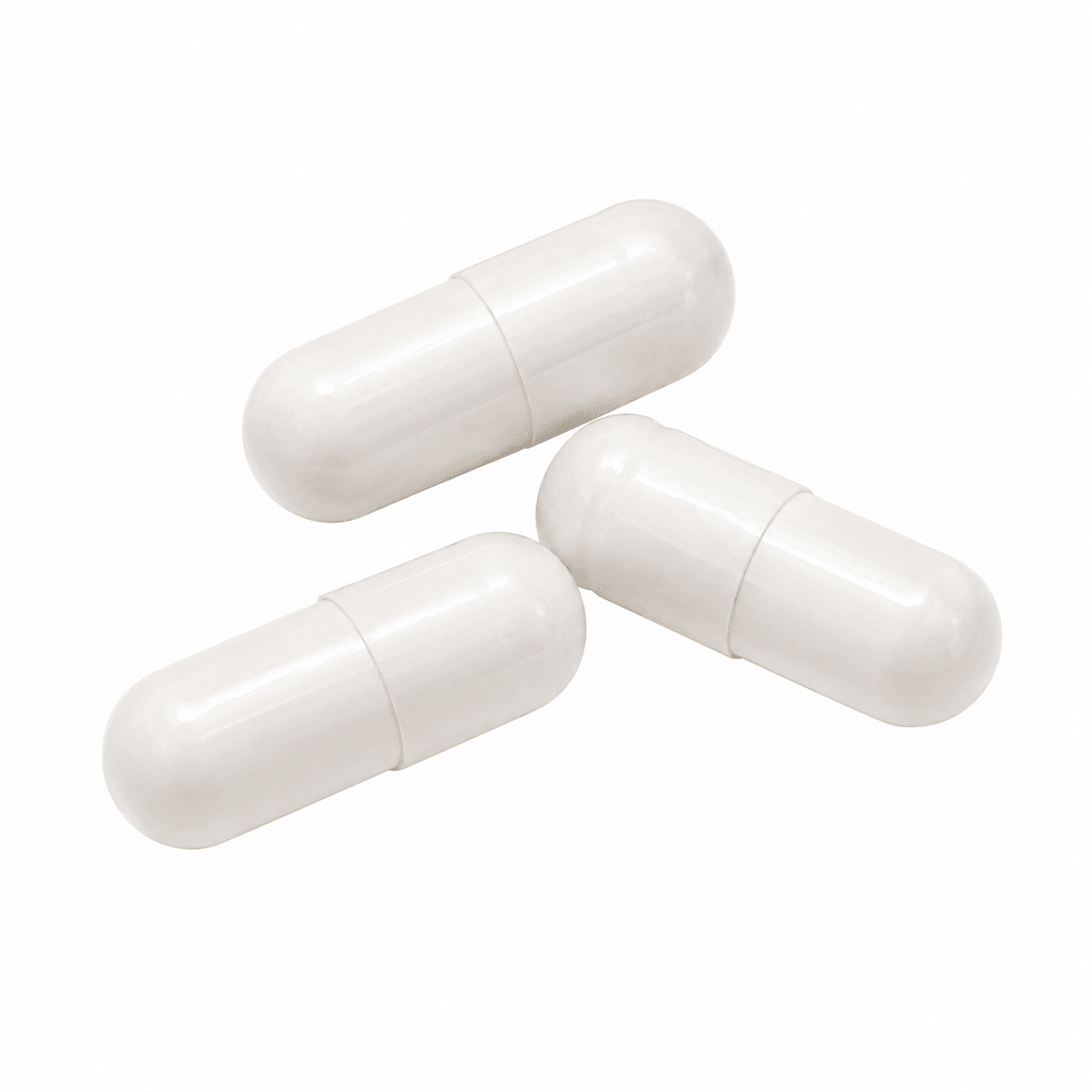
Capsules
Gelatin & HPMC vegetarian
Sachets
Single-dose powder blends
Stick packs
Convenient single-serve
Pouches
Flexible, shelf-ready
Ready to bring your supplement to market?
Free consultation · 24-hour quote · No minimum commitment to get started