Vegan (HPMC) vs Gelatin Capsules: A B2B Manufacturing Guide for Supplement Brands.
Learn how B2B supplement brands should choose between gelatin and vegan HPMC capsules, balancing cost, stability, ethics, and NSF aligned OEM ODM manufacturing.
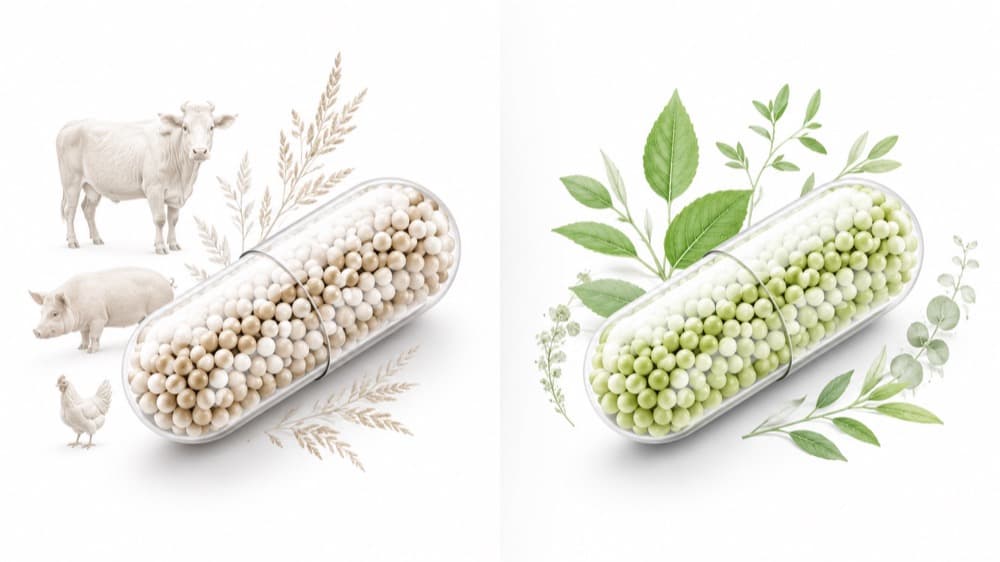
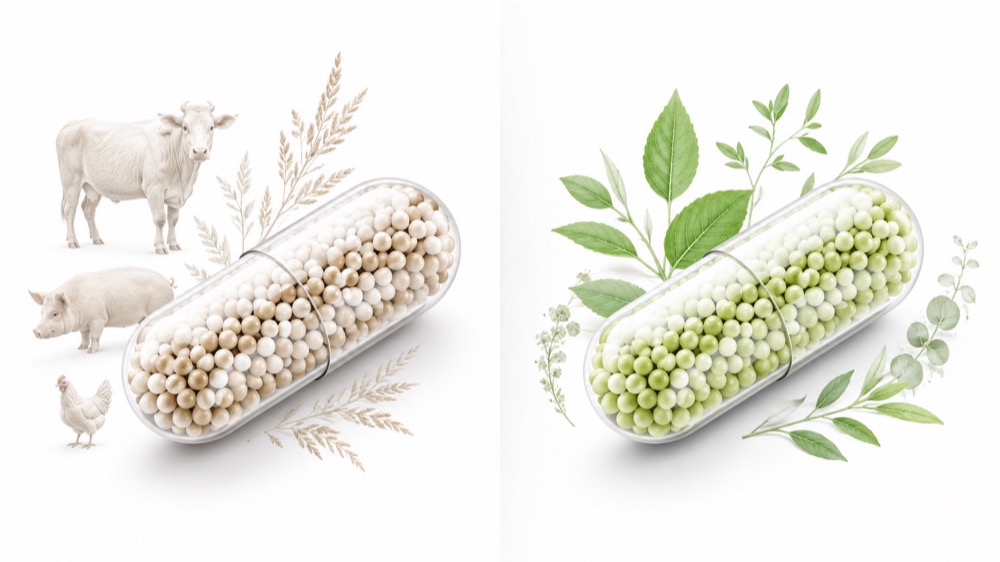
HPMC vegan capsules and gelatin capsules each offer clear advantages for different supplement brands, and the best choice depends on your target market, formulation, and manufacturing strategy. For B2B buyers, working with an NSF‑aligned, clean‑room capsule manufacturer like River Pharm Inc ensures whichever capsule you choose can be produced consistently, safely, and at scale.
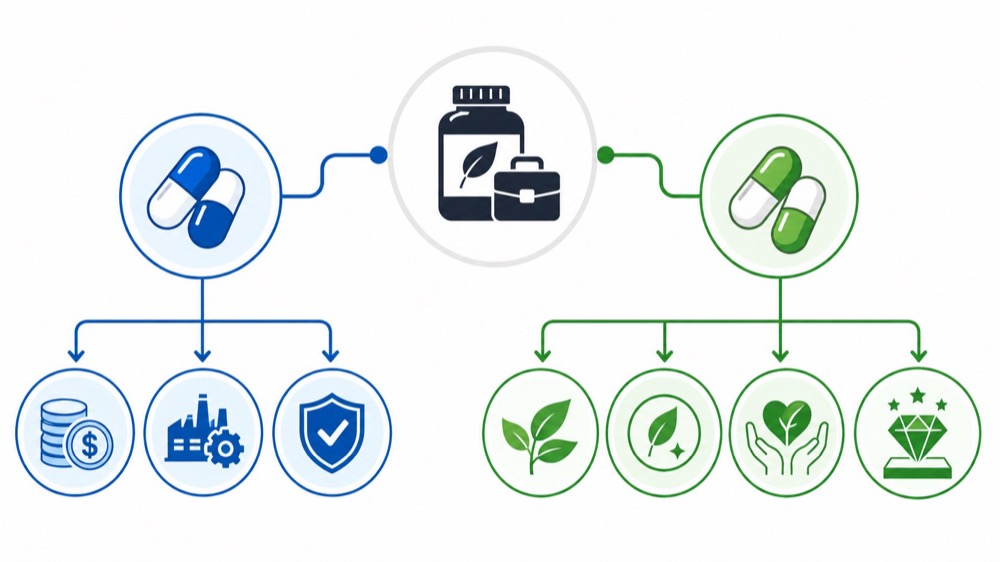
From a brand-owner perspective, capsule selection is a strategic decision, not just a technical detail. Capsule material directly affects your product's regulatory positioning, consumer perception, stability profile, and total landed cost across markets. As an OEM/ODM supplement manufacturer, River Pharm Inc supports both gelatin hard capsules and plant-based HPMC capsules, helping brands translate positioning into manufacturable formulations under NSF‑aligned, clean‑room conditions.
What Are Gelatin and HPMC Capsules?
Gelatin Capsules – The Industry Workhorse
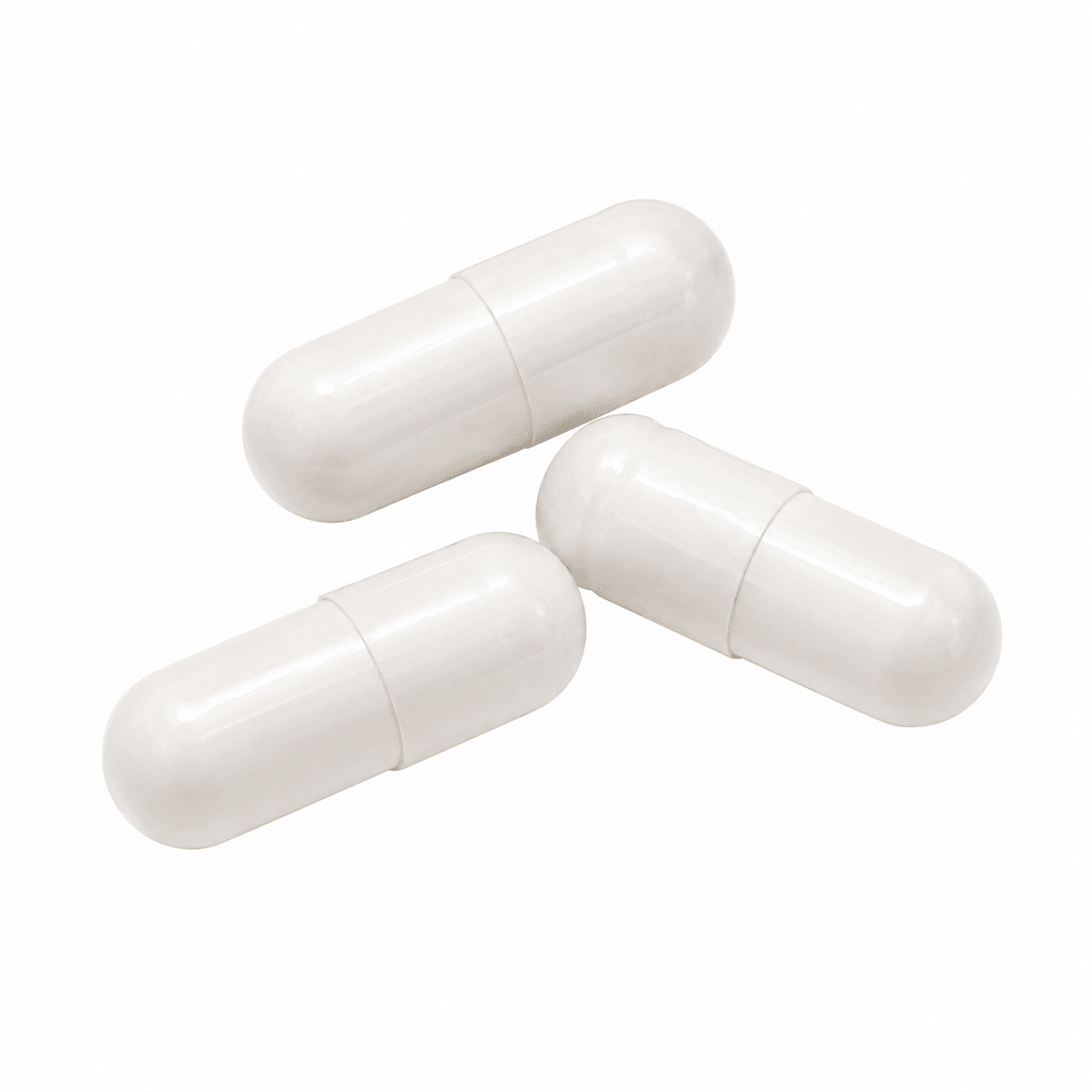
Gelatin hard capsules are made from animal‑derived collagen, typically from bovine, porcine, or fish raw materials. This collagen is hydrolyzed, purified, and processed into a film that is formed into two‑piece capsules using industrial encapsulation lines.
Key properties of gelatin capsules for manufacturers include:
- High machinability on standard encapsulation equipment.
- Excellent oxygen and moisture barrier compared with many plant‑based alternatives.
- Wide global regulatory familiarity, especially in pharmaceuticals and legacy nutraceutical brands.
For cost‑sensitive or mass‑market SKUs, gelatin remains the default material in many markets due to its favorable price and robust performance.
HPMC Vegan Capsules – Plant-Based and Label-Friendly
Vegan capsules are typically produced from hydroxypropyl methylcellulose (HPMC), a cellulose derivative sourced from plants such as pine or other wood pulp. The HPMC solution is formed, dried, and cut into cap and body components similar to gelatin capsules, enabling direct use on modern encapsulation machines.
From a branding and regulatory standpoint, key HPMC advantages are:
- Free from animal ingredients, suitable for vegan, vegetarian, Halal, and often Kosher formulations.
- Allergen‑friendly, with no dairy, egg, or common animal‑derived allergens.
- Strong alignment with "clean label", sustainability, and ethical sourcing narratives in premium markets.
River Pharm's dual‑capability lines allow brand owners to qualify either capsule material while keeping process controls, clean‑room environmental standards, and documentation consistent across projects.
Manufacturing Considerations in NSF-Aligned Clean Rooms
Why Clean-Room and GMP Controls Matter
Regardless of capsule material, capsule manufacturing requires strict control of temperature, humidity, and airborne particulates to ensure capsule integrity and fill uniformity. Clean‑room environments typically operate in controlled ranges of temperature and relative humidity, with separate personnel and material flows to minimize cross‑contamination.
When OEM/ODM production follows cGMP and NSF/ANSI dietary supplement standards, brands benefit from documented processes that ensure identity, purity, strength, and composition of finished products. NSF‑aligned certification frameworks help verify that encapsulation, polishing, inspection, and packaging steps all meet consistent safety and quality requirements.
Gelatin vs HPMC on the Production Line
From a production engineer's viewpoint, gelatin and HPMC capsules behave slightly differently under real‑world conditions. Key operational points include:
- Gelatin capsules:
- Tend to run very smoothly on high‑speed encapsulation machines when temperature and humidity are kept stable.
- Can become brittle at low humidity or too soft at high humidity, impacting yield and defect rates.
- HPMC capsules:
- Offer better performance at lower moisture conditions, which can be advantageous for hygroscopic or moisture‑sensitive fills.
- May require fine‑tuning of machine settings (vacuum, closing force, speed) during validation runs to match gelatin‑level efficiency.
River Pharm's clean‑room protocols, preventive maintenance, and SOP‑driven line setup are designed to stabilize these variables, so B2B clients experience reliable throughput regardless of capsule type.

Consumer Trends and Market Positioning
Vegan and Ethical Consumption Trends
Global demand for plant‑based products continues to grow as consumers seek ethical, sustainable, and allergen‑conscious options across food, cosmetics, and supplements. Vegan or vegetarian capsules help brands clearly signal this positioning on front‑of‑pack claims and digital product listings.
For premium and D2C brands, HPMC capsules support narratives around sustainability, cruelty‑free sourcing, and transparency in the supply chain. Pairing these capsules with robust manufacturing credentials (NSF‑aligned audits, clean‑room production, traceable documentation) strengthens trust with increasingly informed buyers.
Where Gelatin Still Wins
Despite the rise of vegan capsules, gelatin remains a strong choice for:
- Cost‑sensitive SKUs in mass retail or price‑competitive marketplaces.
- Regimens where capsule count per bottle is high and unit margin is tight.
- Categories where consumer expectations still lean toward conventional dosage forms, such as legacy joint, bone, and multivitamin products.
In these segments, brands may prioritize proven machinability, stability, and cost efficiency, while using other components of the product (e.g., active ingredients, certifications, or packaging) to differentiate.
Practical Selection Framework for Brand Owners
5-Step Capsule Choice Checklist
As a B2B buyer or product manager collaborating with an OEM/ODM manufacturer, you can use a simple decision flow:
1. Define your core audience.
- Vegan, vegetarian, Halal/Kosher, or ethically focused? HPMC capsules are typically the safer choice.
- General population with no strict dietary filters? Gelatin capsules may offer better cost and availability.
2. Assess formulation sensitivity.
- Highly hygroscopic or moisture‑sensitive actives may benefit from capsules that work well at lower moisture levels (often HPMC).
- For oxidatively unstable ingredients, gelatin's barrier properties can be advantageous when combined with proper packaging.
3. Clarify brand positioning and price point.
- Premium, lifestyle‑driven branding often justifies the higher cost of HPMC capsules.
- Value‑oriented SKUs may require gelatin to hit target MSRP and channel margins.
4. Map regulatory and market access.
- Check regional dietary norms and regulatory expectations for each capsule type.
- Align capsule choice with your claims strategy and supporting certifications.
5. Consult your OEM/ODM partner early.
- Share target markets, shelf‑life goals, and fill characteristics so that line trials and stability planning can begin before finalizing specs.
River Pharm Inc's OEM model supports client‑provided formulations, while its custom ODM service can help reformulate around a specific capsule choice or market positioning brief.
OEM vs Custom ODM for Capsule-Based Supplements
When to Use OEM (You Provide the Formula)
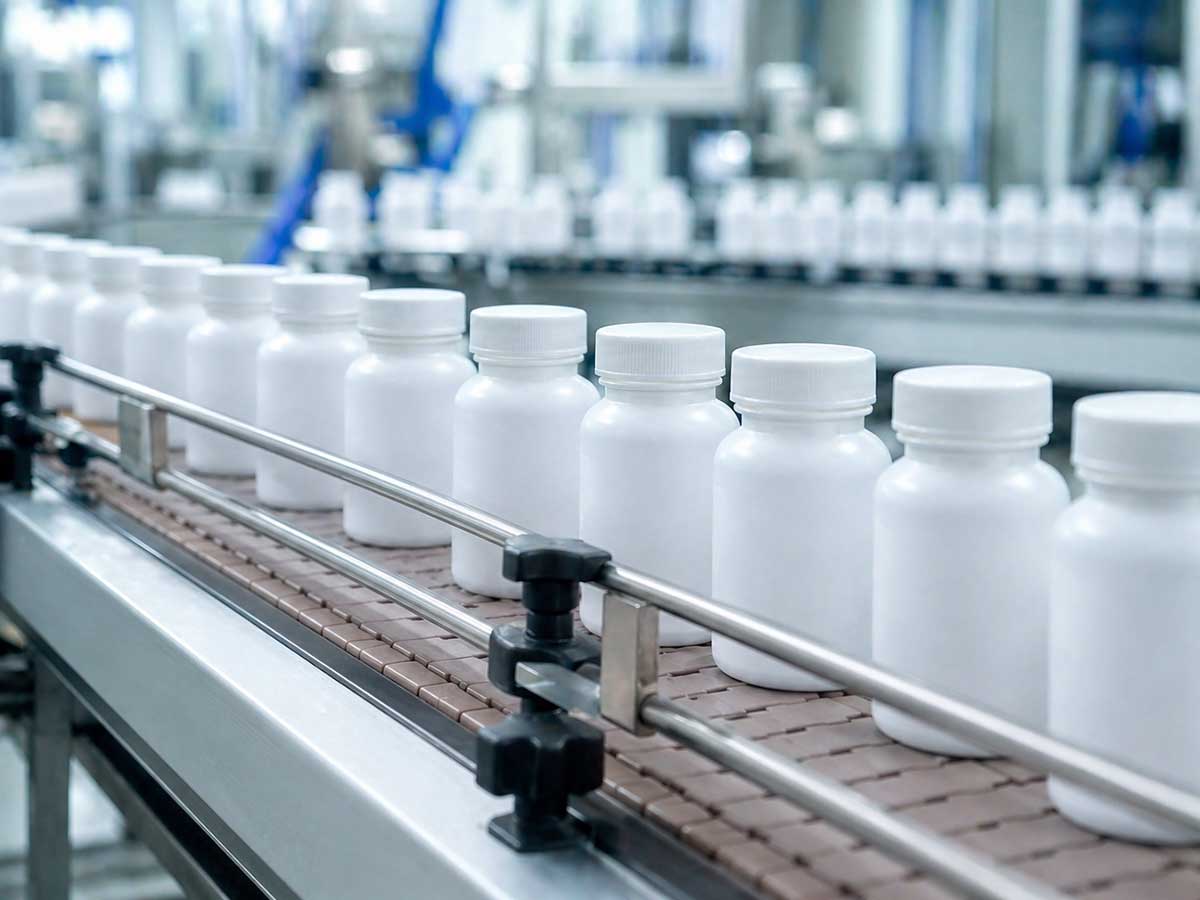
OEM is ideal when you already have a validated formula and clear capsule material preference. You provide the formulation, and River Pharm manages encapsulation, packaging format (bottles, sachets, stick packs, soft pouches), and scale‑up under cGMP and clean‑room controls.
This path shortens time‑to‑market for experienced brands that have done their own R&D, stability testing, or market validation. For capsule material, the OEM route works well when you know, for example, that all SKUs in a line will standardize on HPMC for "fully vegan" positioning.
When to Use Custom ODM (You Provide Direction, Not a Formula)
Custom ODM is the better fit when you bring a reference product, ingredient direction, or target benefit and need a development partner to translate this into a manufacturable formula. River Pharm can help you:
- Select gelatin or HPMC capsules aligned with your target claims and channels.
- Optimize excipient systems and fill density to achieve efficient encapsulation and consistent weights.
- Prepare technical documentation and batch records compatible with NSF‑aligned and cGMP expectations.
Public "label‑slap" or generic templates are not supported; instead, each ODM project is designed as a custom solution, aligned to your brand's long‑term positioning and differentiation.
CTA – Partner with a Capsule Expert Manufacturer
Choosing between gelatin and HPMC capsules is ultimately a strategic decision that links science, branding, and supply chain performance. To translate that decision into a high‑performing finished product, you need a manufacturing partner that combines capsule know‑how with NSF‑aligned, clean‑room production standards and flexible OEM/ODM services.
If you are planning new capsule‑based SKUs or looking to switch existing products from gelatin to HPMC (or vice versa), contact River Pharm Inc to review your formulation, capsule selection, and production options. An early technical consultation can prevent costly reformulations, reduce time‑to‑market, and ensure your final product matches both regulatory expectations and customer expectations at scale.
FAQ: Vegan vs Gelatin Capsules for B2B Brands
Q1: Are HPMC capsules always better than gelatin for premium brands?
A1: Not always. HPMC offers stronger alignment with vegan, ethical, and clean‑label positioning, but for certain formulations or highly price‑sensitive channels, gelatin's cost and barrier performance can still make more sense.
Q2: Do HPMC capsules require different encapsulation machinery?
A2: Most modern encapsulation lines can handle both gelatin and HPMC capsules, but HPMC often requires adjusted settings and validation runs to achieve optimal output and defect rates.
Q3: Can I claim my product is "vegan" if I use gelatin capsules with only plant‑based active ingredients?
A3: No. Because gelatin is animal‑derived, using gelatin capsules generally disqualifies vegan claims even when the fill itself is plant‑based, so HPMC capsules are preferred for vegan‑positioned SKUs.
Q4: How does capsule choice affect shelf life?
A4: Capsule material, fill composition, and packaging all interact; gelatin can offer strong moisture and oxygen barrier properties, while HPMC performs well at lower moisture levels but may need tailored packaging for highly sensitive actives.
Q5: When should I involve the OEM/ODM partner in capsule selection?
A5: Ideally at the concept stage, before formulas are locked. Early involvement allows your manufacturing partner to advise on capsule material, excipients, and process conditions based on NSF‑aligned and cGMP manufacturing realities.
References
1. Advanced Supplements. "Vegan vs Gelatin Capsules: Differences You Should Know." – Overview of ingredient, safety, and performance differences between vegan and gelatin capsules. [advancedsupplements]
2. Fame Health Labs. "Key Differences: Vegan vs Gelatin Capsules." – Detailed comparison of benefits, costs, and environmental impacts of capsule materials. [famehealthlabs]
3. ATP Bio. "Gelatin vs Vegetarian Capsules." – Technical comparison of gelatin and HPMC (vegetarian) capsules, including ethical and environmental considerations. [atp-bio]
4. HyperChem. "GMP Explained: Detailed Requirements for Capsule Manufacturing." – Explanation of GMP and clean‑room requirements for capsule production. [linkedin]
5. Index Capsule Fillers. "Regulatory Compliance for Capsule Filling Machines." – Discussion of FDA cGMP, NSF/ANSI, ISO standards, and equipment requirements for capsule manufacturing. [indexcapsulefillers]
6. JBK Supplements. "OEM ODM Services for Supplement Brand." – Example of OEM/ODM scope and dosage forms in the dietary supplement sector. [jbksupplements]
Hot tags: Vegan Capsules Manufacturing, Gelatin Capsules Manufacturing, HPMC Capsule Supplier, B2B Supplement Manufacturer, OEM ODM Capsule Production, Empty Capsule Market Trends, Vegan Supplement Brand Strategy, Plant Based Capsule OEM, Nutraceutical Contract Manufacturer, NSF GMP Capsule Factory
Did you find this helpful?
Comments (0)
No comments yet. Be the first to comment!
Leave a comment
Related Posts

Riverpharm · Supplement Contract Manufacturing
Your supplement brand, manufactured to the highest standard
From first formula to finished product — we handle manufacturing, packaging, and fulfillment so you can focus on building your brand.
Core services
Contract Manufacturing
GMP-certified production with full batch testing and certificate of analysis on every run.
Custom Formulation & R&D
In-house scientists develop your formula from scratch or refine existing blends for efficacy.
Packaging & Labeling
Design-to-print label service — shelf-ready, FDA-compliant, and retail-tested.
FBA Prep & Fulfillment
Amazon-ready prep and direct-to-warehouse shipping — no extra steps on your end.
By the numbers
NSF
NSF/ANSI 455-2 certified
cGMP
Certified environment
24 hr
AI-accelerated quote turnaround
600K
cGMP+ encapsulator capacity per run
Why Riverpharm
Quality systems with higher standards
- NSF/ANSI 455-2 certified
- cGMP-certified environment
- In-house + third-party testing
- Source-locked ingredients
Production capacity with faster execution
- Heavy-duty hardware
- In-house core reserves
- AI-accelerated quotes
- In-house expert hub
Delivery formats we produce
Capsules
Gelatin & HPMC vegetarian
Sachets
Single-dose powder blends
Stick packs
Convenient single-serve
Pouches
Flexible, shelf-ready
Ready to bring your supplement to market?
Free consultation · 24-hour quote · No minimum commitment to get started