Whey Protein vs Plant Protein Powder: How Supplement Brands Should Choose Their Next OEM Formula
B2B guide comparing whey and plant protein powders for supplement brands, focusing on formulation, manufacturability, cost, and OEM ODM strategies with River Pharm Inc.
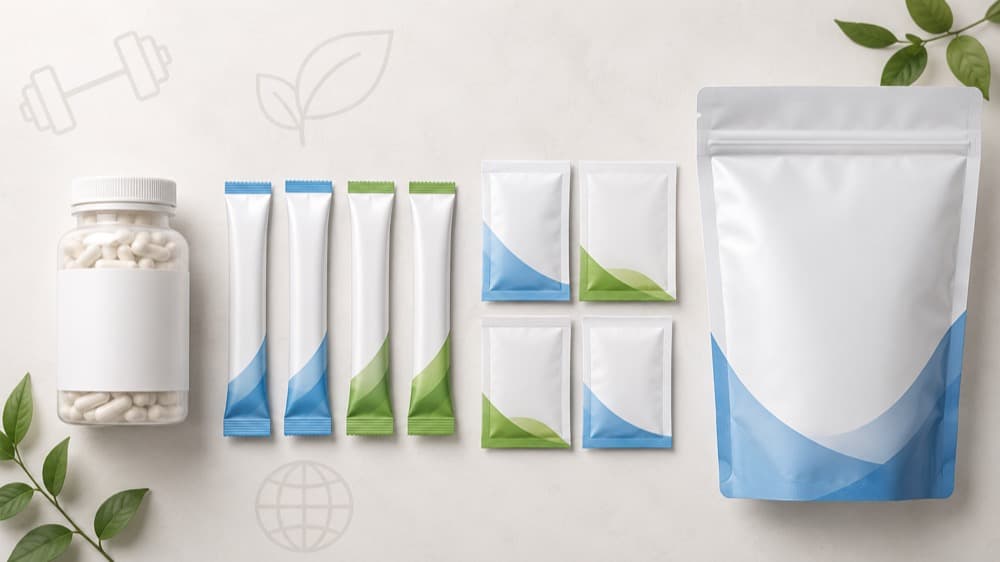
Introduction: From Consumer Debate to B2B Formulation Decision
For consumers, whey protein vs plant protein usually sounds like a lifestyle question about digestion, allergies, or ethics. For brand owners and product developers, it is a strategic formulation decision that affects cost structure, positioning, manufacturing risk, and long‑term portfolio strategy.
In this guide, I'll analyze whey and plant protein powders from a B2B formulation and OEM/ODM perspective, using criteria that matter to supplement brands: amino acid quality, sensory profile, regulatory and label claims, cost-in-use, and manufacturability at scale. I will also highlight where River Pharm Inc's OEM/ODM capabilities make execution easier—especially for capsule, sachet, stick pack, and pouch formats.
Market Reality – Why You Need Both Whey and Plant Protein in Your Roadmap
Global demand is growing for both animal-based and plant-based protein powders, and the gap between them is narrowing in size and growth rate.
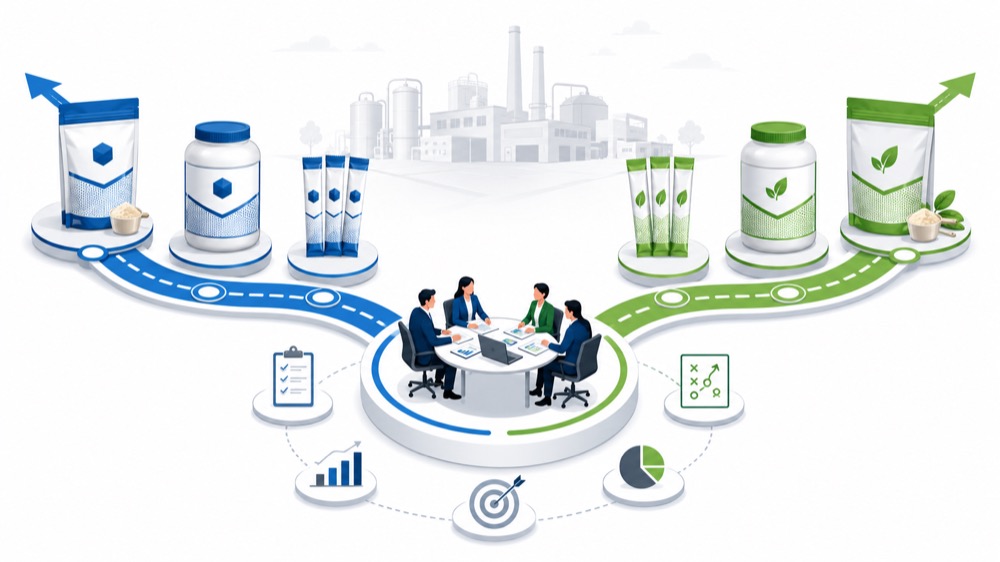
For brand owners, this means that whey protein vs plant protein is not a one-time either‑or decision, but a roadmap question: which format to launch first, at what price point, into which channel, and with which manufacturing partner. A balanced portfolio—whey, plant, and hybrid blends—can capture more segments and reduce dependence on a single supply chain.
Technical Overview – What Exactly Are Whey and Plant Protein Powders?
Whey Protein – Dairy-Derived, High-PDCAAS Workhorse
Whey protein is a dairy-derived ingredient produced as a by‑product of cheesemaking, then filtered and dried into concentrate, isolate, or hydrolysate powders.
Its key advantages for formulators include high essential amino acid density, very high Protein Digestibility Corrected Aminino Acid Score (PDCAAS), and a naturally creamy, neutral sensory profile, making it ideal for mainstream performance and lifestyle products.
Main industrial forms:
- Whey protein concentrate (WPC 70–80): Good mouthfeel, some residual lactose and fat, cost-effective.
- Whey protein isolate (WPI 90+): Very low lactose and fat, cleaner label and easier digestibility.
- Hydrolyzed whey (WPH): Enzymatically pre-digested peptides for faster absorption and specialized sports/performance SKUs.
Plant Protein – Multi-Source, Label-Driven and Rapidly Maturing
Plant protein powders are concentrates or isolates derived from soy, pea, rice, hemp, and other plant sources.
Individually, some plant proteins are "incomplete", but blend strategies (e.g., pea + rice) can deliver a complete amino acid profile close to whey while enabling vegan, dairy‑free, and sustainability‑focused claims.
Common plant protein options for B2B formulations:
- Pea protein isolate – High protein content, improved flavor vs earlier generations, strong satiety positioning.
- Brown rice protein – Hypoallergenic, strong in certain amino acids and often used in blends.
- Soy protein – Long-established, strong functional data, but label perception varies by region.
- Hemp protein – Sustainability story and "whole food" positioning, often used in premium or niche SKUs.
Manufacturing Considerations – What Your OEM/ODM Partner Actually Cares About
Powder Flow, Solubility, and Agglomeration
From an OEM/ODM perspective, good protein powders must behave well on high‑speed lines. Poorly flowing or highly hygroscopic powders slow down runs and create inconsistency.
- Whey: Typically offers better flow and instantization in traditional spray‑dried and agglomerated forms. This reduces dusting and line stoppages in large V‑blenders and filling systems.
- Plant: Particle morphology and fiber content can challenge flow and solubility; engineering may require specific granulation, blending sequences, or anti‑caking strategies to achieve consistent sachet and stick pack filling.
How River Pharm supports this
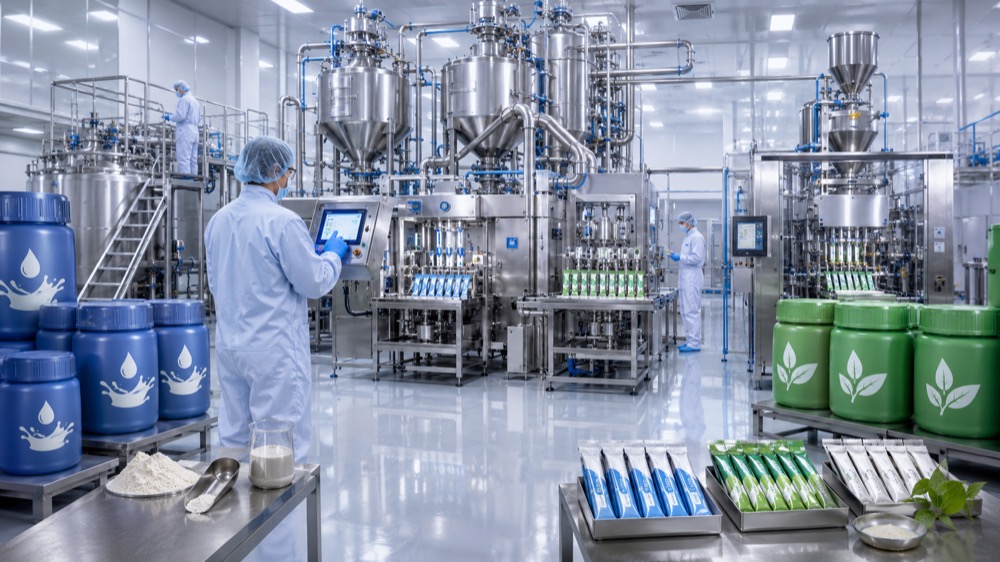
River Pharm operates high-speed encapsulation and powder blending lines backed by pharmaceutical-grade cleanroom environments (ISO 7) and in‑house testing, allowing rapid adjustment when a plant or whey batch behaves differently than expected at scale.
Cleanroom, Contamination Control, and Allergen Segregation
Protein powders—especially flavored SKUs—are highly sensitive to cross‑contamination and odor carryover. A tight environmental and cleaning protocol is crucial.
River Pharm's NSF‑certified, ISO 7 facility maintains strict airborne particle control and cGMP workflows, reducing risk when running alternating whey and plant protein products, and when brands require allergen segregation (e.g., dairy vs vegan lines).
Format Strategy – Matching Protein Type to Capsules, Sachets, Stick Packs, and Pouches
Your choice of delivery format is just as strategic as whey vs plant.
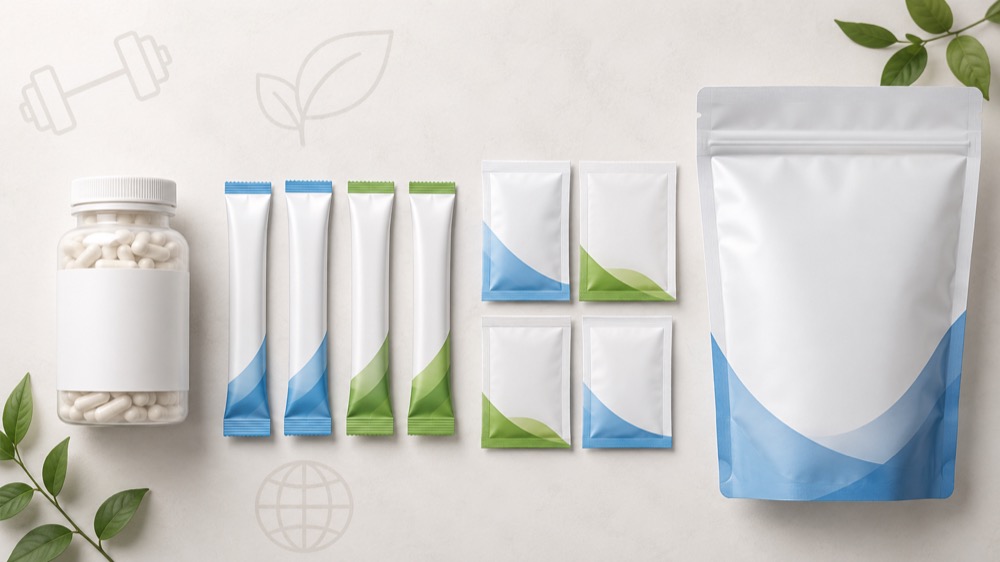
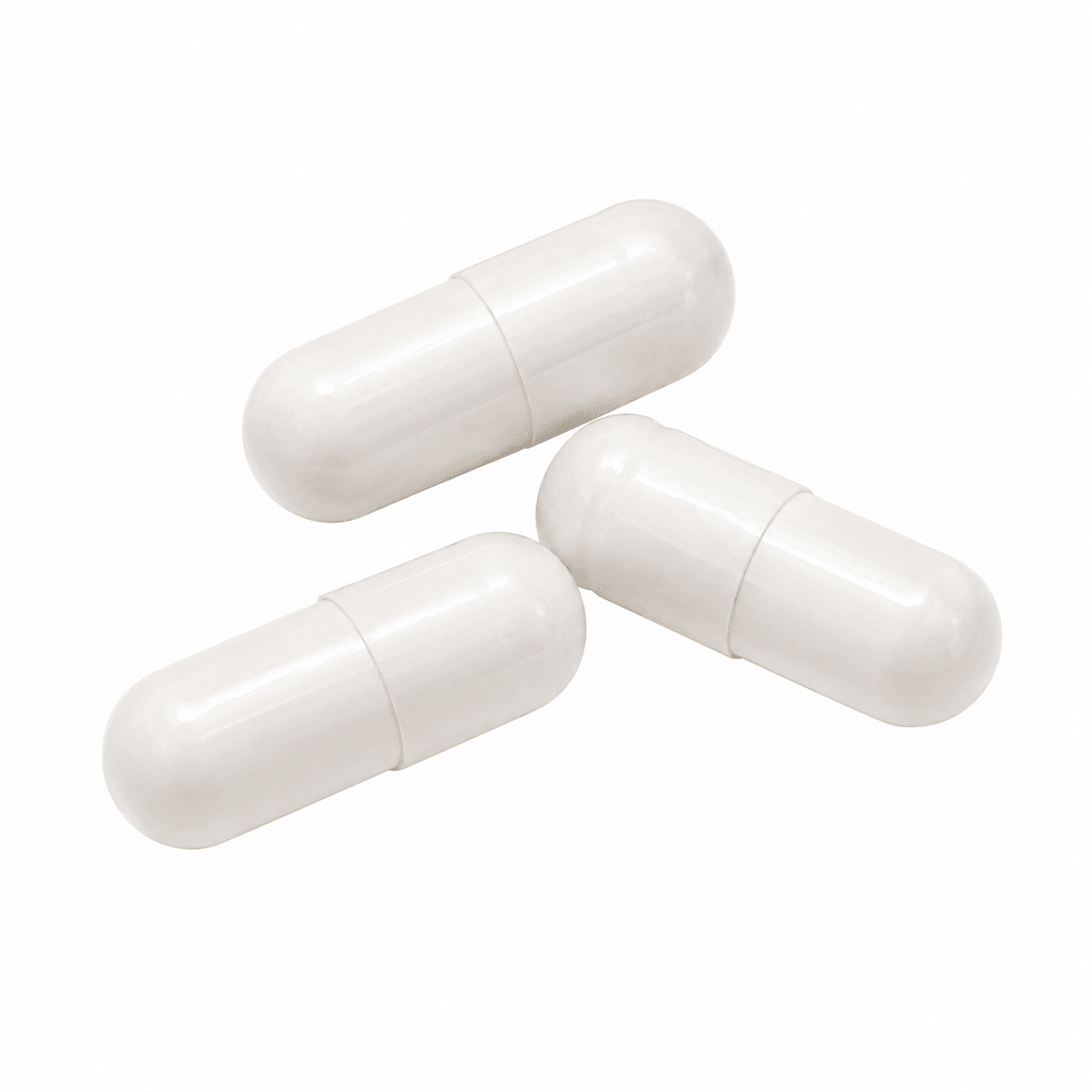
Capsules – Concentrated Premium or Cross-Sell SKUs
Protein capsules are not designed to replace a full serving of powder, but they work well as premium add‑ons (e.g., digestive enzyme blends with whey, joint or performance stacks, or highly concentrated specialty proteins).
River Pharm's high‑speed capsule lines can support custom complexes where protein is paired with enzymes, probiotics, or joint ingredients, all under ISO 7 conditions for stability and cleanliness.
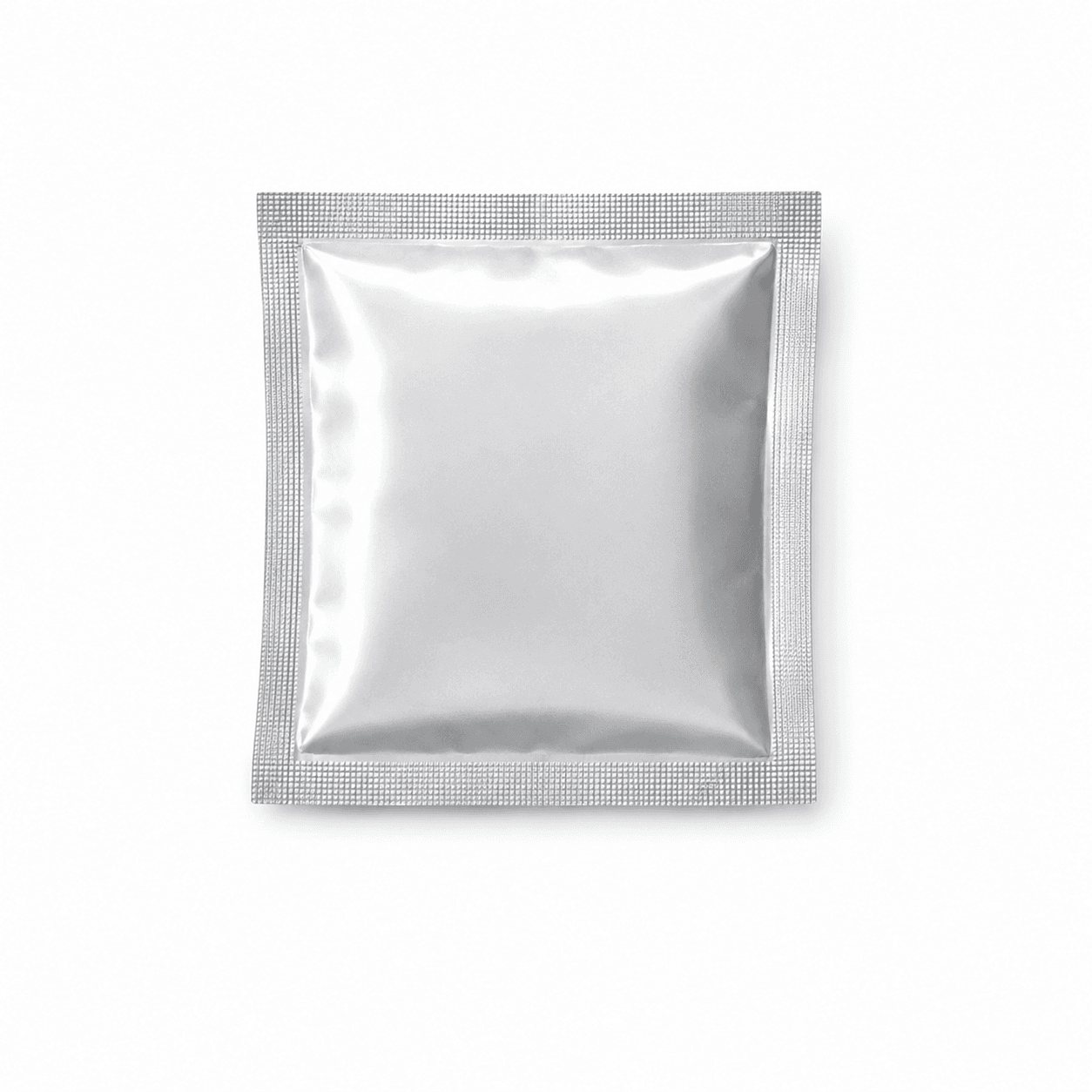
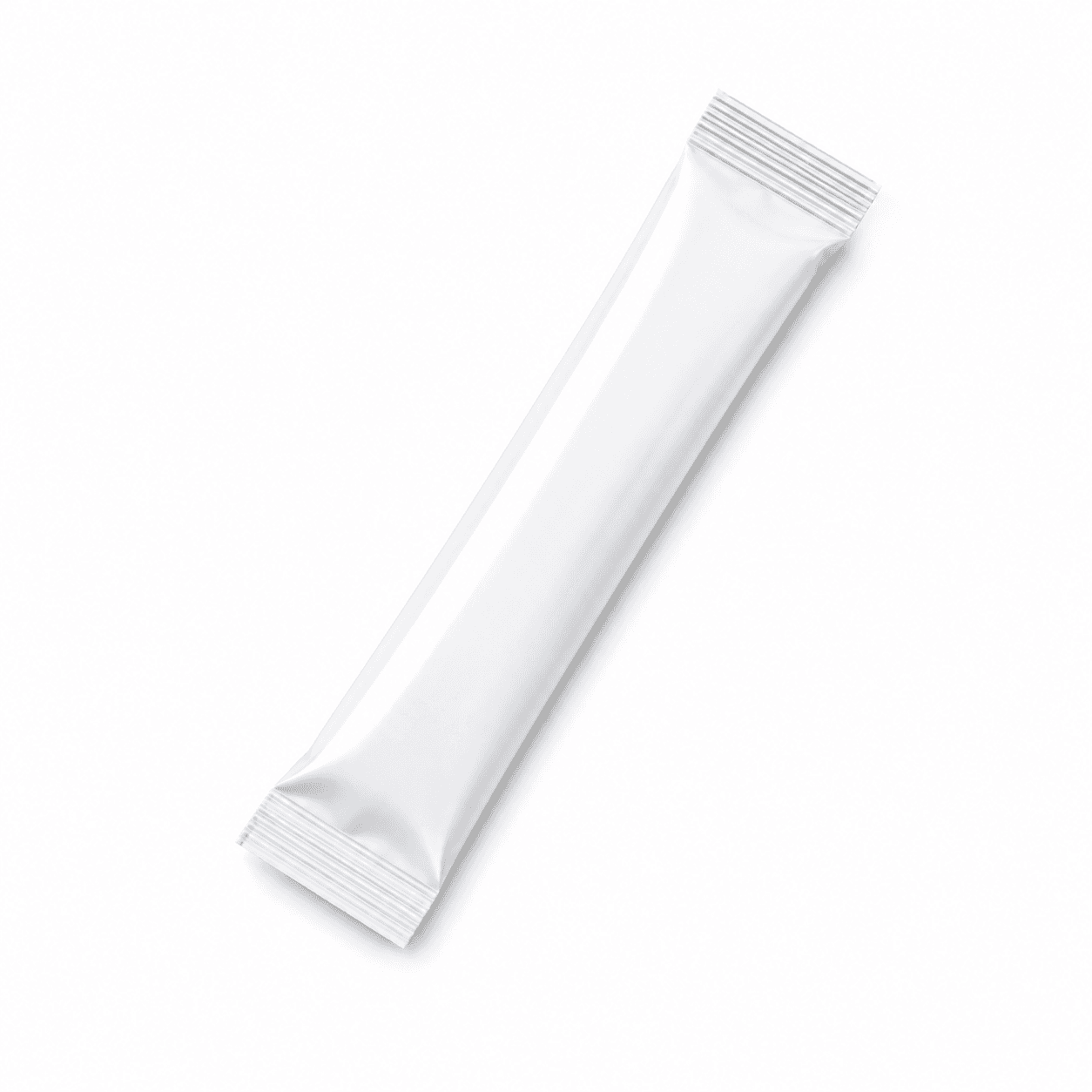
Sachets and Stick Packs – Single‑Serve for D2C and Travel
Single‑serve sachets and stick packs are ideal for trial sizes, subscription boxes, and travel-friendly SKUs.
- Whey works well here thanks to its instantization and creamy mouthfeel in small portions.
- Plant proteins benefit from single‑serve packaging to encourage trial without committing to a full tub, especially when taste perception is still evolving.
River Pharm provides automated sachet and stick pack manufacturing with barrier materials designed to protect protein quality and minimize moisture ingress over the full shelf life.
Pouch Packaging – Cost-Effective Volume and Sustainable Storytelling
Resealable pouches are popular for both whey and plant-based proteins because they reduce packaging cost per unit, ship efficiently, and support eco-friendly messaging.
River Pharm's pouch capabilities, combined with large V‑blenders and high-speed filling lines, enable brands to scale from pilot runs to six‑figure monthly units while maintaining consistent fill weights and blend uniformity.
Strategic Scenarios – When Brands Should Lead with Whey vs Plant
Scenario 1 – Performance Brand Launching Its First Powder
For a performance or strength‑focused brand entering powders for the first time, a whey protein isolate SKU often delivers the cleanest story: high protein, low lactose, and a familiar taste curve for gym‑goers.
In this case, River Pharm can take an existing formula or R&D brief and translate it into a whey-based powder in sachets, stick packs, or pouches, with rapid scale-up and in‑house testing for label claim verification.
Scenario 2 – Lifestyle or Wellness Brand with Vegan Positioning
If your brand already anchors itself on plant-based, sustainability, or dietary inclusion, launching with a pea‑ or blended plant-based protein is strategically aligned.
With plant proteins, pre‑commercial bench work is crucial: taste masking, blend ratios (e.g., pea + rice), and flavor systems must be carefully designed before committing to production-scale volumes. River Pharm's R&D and formulation teams can help optimize the plant blend for solubility, flavor, and cost-per-gram of effective protein.
Scenario 3 – Multi-Channel Brand Needing Risk Diversification
Brands selling through Amazon, D2C, and wholesale are vulnerable to supply shocks in any single protein category. A dual strategy—whey + plant, potentially joined by a hybrid blend—can reduce risk.
Working with a single, high-capacity manufacturer like River Pharm simplifies logistics, as both whey and plant lines can be coordinated in one facility, with synchronized packaging, testing, and Amazon FBA prep.
OEM vs Custom ODM – How River Pharm Works with Protein Brands
OEM – You Bring the Formula, We Scale the Manufacturing
If your formulation is already finalized, River Pharm operates as an OEM contract manufacturer: you provide the formula, target specifications, and regulatory requirements, and the team reproduces your protein powder at scale in capsules, sachets, stick packs, or pouches.
Key OEM advantages:
- Fast onboarding with 24‑hour quoting and 6–8 week typical lead times after formula confirmation.
- In-house analytical testing plus third‑party verification to lock in label claims and compliance for each batch.
Custom ODM – You Provide Direction, We Engineer the Protein System
For brands that have a benchmark product or functional direction but no fully specified formula, River Pharm's ODM service can design a custom protein system around either whey, plant, or blended solutions. (Note: not generic "white-label" / public mold ODM.)
This includes:
- Protein source selection (WPC/WPI/WPH vs pea/rice/others).
- Sensory and flavor system development to meet channel expectations.
- Packaging and delivery format decisions that align with COGS and positioning.
River Pharm's on-site formulation and engineering teams clear technical roadblocks quickly, so your concept moves from idea to stable, scalable production without needing multiple vendors.
Practical Checklist – How to Brief Your Protein OEM/ODM Partner
To get the most from your manufacturing partner, prepare a concise technical and commercial brief. At minimum, you should clarify:
1. Target consumer and positioning
- Performance, weight management, lifestyle, vegan, functional wellness, etc.
2. Protein system
- Whey (WPC/WPI/WPH) vs plant (pea, rice, blends) vs hybrid.
3. Key claims and compliance requirements
- Vegan, dairy-free, organic, kosher, halal, non‑GMO, or specific regional regulations.
4. Format and packaging
- Capsules, sachets, stick packs, pouches; unit size, serving size, and flavor count.
5. Target COGS and margin objectives
- Maximum ex‑factory price per unit and preferred batch size.
6. Channel-specific requirements
- Amazon FBA prep, club pack sizing, export documentation, and country-specific labeling.
River Pharm's 24‑hour quotation workflow and in‑house lab audit process can then translate this brief into realistic MOQs, timelines, and cost-per-unit projections.
Call to Action – Turn Your Whey or Plant Protein Concept into a Scalable Product
Choosing between whey protein vs plant protein powder is no longer just a product question—it's a full brand and operations strategy decision. Amino acid profile, sensory performance, claims, cost, and manufacturability must all align across your roadmap.
If you are evaluating new protein SKUs or preparing to scale an existing formula, River Pharm Inc can act as your direct supplement factory partner in the USA, combining pharmaceutical-grade cleanroom standards, in‑house testing, and high‑speed capsule, sachet, stick pack, and pouch lines tailored to protein powder products.
Next step: Share your protein formula or formulation brief with River Pharm's team to receive a custom OEM or ODM quote within 24 hours, including feasibility assessment, recommended format, and projected COGS.
Frequently Asked Questions (B2B Focus)
Q1: Is whey protein always the better choice for high-performance sports nutrition brands?
Not necessarily. Whey protein still offers superior amino acid density and familiar taste in many performance segments, but well-designed plant protein blends can achieve comparable functional outcomes while enabling vegan and sustainability positioning. The "better" choice depends on your audience, price point, and claims strategy.
Q2: Are plant protein powders significantly harder to manufacture at scale than whey?
Plant proteins can present more challenges in flowability, solubility, and flavor, especially for high‑dose powders and single‑serve packaging, but modern isolates and proper process engineering largely mitigate these issues. A manufacturer with strong blending and packaging experience can deliver plant-based SKUs that run efficiently on high‑speed lines.
Q3: Can one facility safely manage both whey and plant-based protein products without cross-contamination?
Yes, provided the facility runs under strict cGMP controls, has validated cleaning procedures, and implements allergen segregation protocols. River Pharm's ISO 7 cleanroom environment and zero‑tolerance contamination policy are designed to protect both dairy-based and vegan product lines.
Q4: When does it make sense to use both whey and plant proteins in a single formula?
Hybrid blends can leverage the sensory benefits of whey and the label and sustainability benefits of plant proteins, sometimes optimizing amino acid profiles and cost at the same time. This is especially attractive for brands wanting a "bridge" SKU between traditional gym users and plant-based lifestyle consumers.
Q5: What's the minimum information a brand should provide before requesting an OEM quote for a protein powder?
At minimum, you should specify your desired protein type (whey/plant/hybrid), approximate protein per serving, intended format (pouch, sachet, stick pack, capsule), target batch size, and any critical certifications or claims. With this, River Pharm can return a structured quote, feasibility notes, and recommended next steps within 24 hours.
References
1. Vitaquest. Whey Protein vs. Plant Protein: Which One is Better? (accessed 2026). [yenchuan]
2. River Pharm Inc. USA Supplement Contract Manufacturing Built for Scale. (accessed 2026). [thacoindustries]
3. Yenchuan. WPC vs WPI vs Hydrolyzed Whey – B2B Formulator's Guide. 2026. [yenchuan]
4. Global Resources Direct. The Rise of Plant-Based Proteins in Food Manufacturing. 2025. [globalresourcesdirect]
5. FrieslandCampina Ingredients. Guide: How to Overcome Protein Formulation Challenges. 2026. [frieslandcampinaingredients]
Hot tags: Whey Protein Manufacturer, Plant Protein Manufacturer, Protein Powder OEM, Protein Powder ODM, Supplement Contract Manufacturer, Protein Powder Private Label, Whey Protein Bulk Supplier, Plant Based Protein OEM, Protein Powder Stick Pack Manufacturer, US Supplement OEM Factory
Did you find this helpful?
Comments (0)
No comments yet. Be the first to comment!
Leave a comment
Related Posts


Riverpharm · Supplement Contract Manufacturing
Your supplement brand, manufactured to the highest standard
From first formula to finished product — we handle manufacturing, packaging, and fulfillment so you can focus on building your brand.
Core services
Contract Manufacturing
GMP-certified production with full batch testing and certificate of analysis on every run.
Custom Formulation & R&D
In-house scientists develop your formula from scratch or refine existing blends for efficacy.
Packaging & Labeling
Design-to-print label service — shelf-ready, FDA-compliant, and retail-tested.
FBA Prep & Fulfillment
Amazon-ready prep and direct-to-warehouse shipping — no extra steps on your end.
By the numbers
NSF
NSF/ANSI 455-2 certified
cGMP
Certified environment
24 hr
AI-accelerated quote turnaround
600K
cGMP+ encapsulator capacity per run
Why Riverpharm
Quality systems with higher standards
- NSF/ANSI 455-2 certified
- cGMP-certified environment
- In-house + third-party testing
- Source-locked ingredients
Production capacity with faster execution
- Heavy-duty hardware
- In-house core reserves
- AI-accelerated quotes
- In-house expert hub
Delivery formats we produce
Capsules
Gelatin & HPMC vegetarian
Sachets
Single-dose powder blends
Stick packs
Convenient single-serve
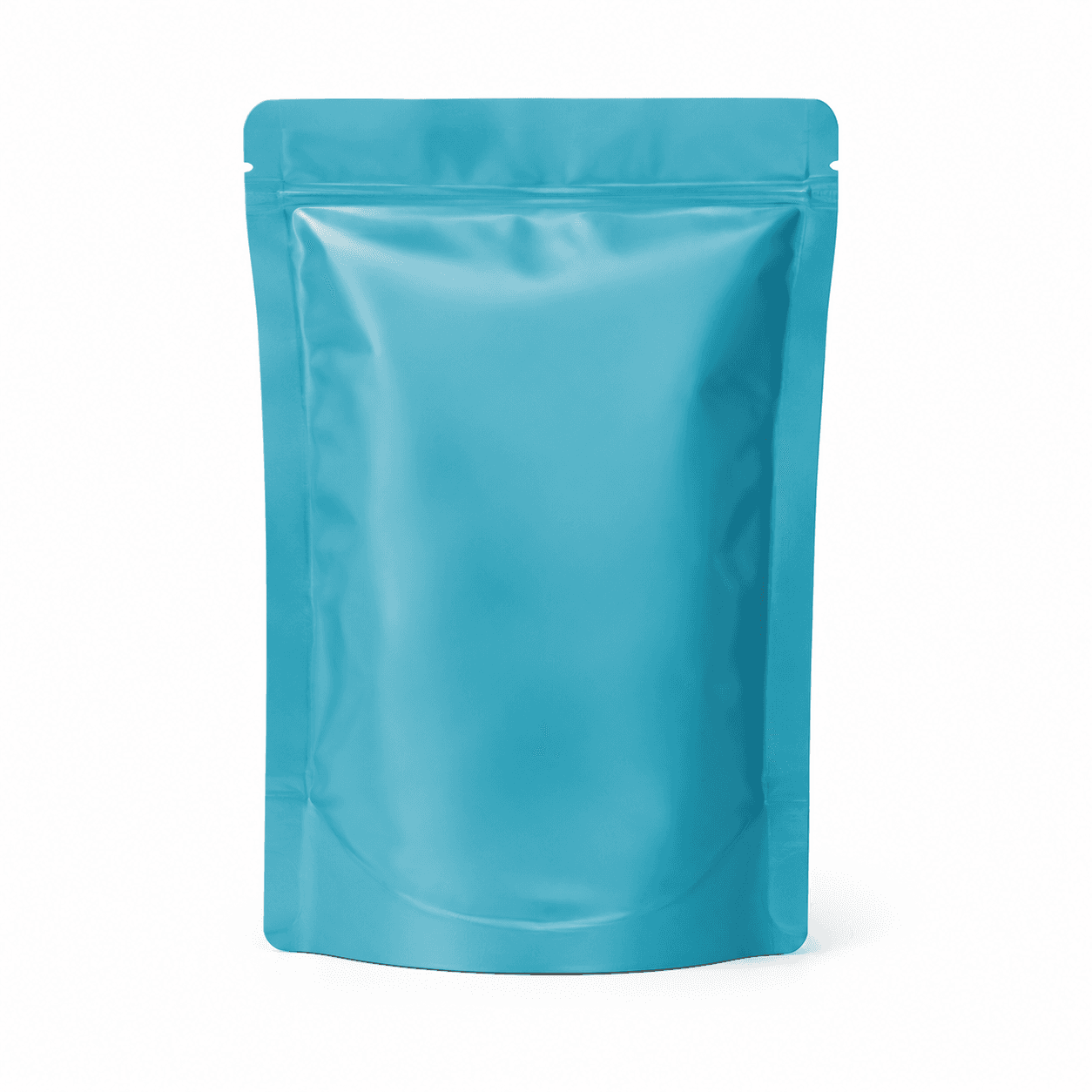
Pouches
Flexible, shelf-ready
Ready to bring your supplement to market?
Free consultation · 24-hour quote · No minimum commitment to get started