Why Vitamin D OEM and ODM Manufacturing Is a Strategic Pillar for Modern Health Brands
Strategic guide to OEM/ODM Vitamin D supplements, covering science, formats, quality and user experience for brands building trusted health lines.

Vitamin D is no longer just a seasonal nutrient; for serious health brands it has become a year‑round strategic pillar in their supplement portfolios. For OEM/ODM manufacturers like River Pharm Inc, clinically credible Vitamin D capsules, powders and stick packs are a powerful way to help partners build trusted, science‑backed products that genuinely support consumer health while staying aligned with global regulatory expectations.
As someone who has spent years working with Vitamin D formulations for different markets and demographics, I have seen first‑hand how quickly consumer expectations have evolved. People now read labels, compare dosages, and ask their healthcare providers about their Vitamin D status. Brand owners are under pressure not just to launch "another D capsule", but to create differentiated, evidence‑aligned products that are safe, stable and easy to use. That is exactly where a specialized OEM/ODM partner can make the difference.
Why Vitamin D Matters So Much Today
In my work with health brands, one pattern is impossible to ignore: far too many consumers spend most of their time indoors, often at latitudes or in climates where sunlight exposure is limited. When we combine modern lifestyles, sunscreen use and nutritional gaps, Vitamin D deficiency or insufficiency is no longer a rare phenomenon—it's a common clinical concern.
For brand owners, this translates into a very clear market reality. Vitamin D is not a niche ingredient. It is a foundational nutrient with strong evidence for bone health and calcium metabolism, and emerging data for immune, mood and cardiometabolic support. When physicians and dietitians repeatedly emphasize one nutrient, consumers eventually look for it on store shelves. This sustained clinical and public health focus is why Vitamin D remains one of the most resilient categories in the dietary supplement industry.
From an OEM/ODM manufacturing perspective, that resilience is important. It means your Vitamin D line is not dependent on short‑lived trends or social media hype. Instead, it sits on top of decades of research, clear intake recommendations and a global conversation about deficiency, safety and long‑term health. When you build a Vitamin D portfolio correctly, you are investing in an evergreen product family that can be updated and extended as new evidence emerges.
From Science to Product: Building Evidence‑Aligned Vitamin D Formulas
The starting point for any serious Vitamin D supplement is alignment with recognized scientific and regulatory guidance. In practice, this means understanding recommended intakes for different age groups, tolerable upper intake levels, and the risk profile of high‑dose, long‑term use.
When I consult with brands, I always bring the discussion back to three simple questions:
1. Who is the target user—children, adults, seniors, specific risk groups?
2. What is the intended use—maintenance, deficiency correction under professional supervision, or integration into broader bone or immune health formulas?
3. Which regulatory environment will the product be sold in?
The answers drive dose selection, choice between vitamin D2 and D3, and decisions about whether the product will be a standalone Vitamin D supplement or part of a multi‑ingredient formulation. For example, the typical adult maintenance range often runs between low hundreds and under one thousand international units per day, while medical correction protocols can be much higher and should be handled under professional supervision. A consumer product should never try to mimic aggressive clinical protocols without the required oversight.
Another crucial aspect is messaging. Responsible brands avoid disease claims and instead focus on supporting normal physiological functions. The label and marketing copy should talk about maintaining normal bone health, supporting normal immune function or contributing to normal muscle function, depending on the regulatory language of the target market. An experienced OEM/ODM manufacturer can help align dosage, label text and formulation architecture, so every product feels coherent and trustworthy.
OEM Vitamin D Manufacturing: When You Bring the Formula
OEM manufacturing is the right model when your team already has a well‑developed formulation and a clear brand concept, but you need a reliable partner to turn that idea into a compliant, scalable product. In my experience, the most efficient OEM projects share three characteristics: well‑defined formula specifications, transparent quality expectations and clear commercial parameters.
For Vitamin D, a typical OEM brief might include:
- The preferred form of Vitamin D (D2 vs D3, and source considerations such as conventional or vegan).
- The target dose per serving and any specific intake pattern (once‑daily, weekly, etc.).
- The desired dosage form: hard capsules, vegetarian capsules, powder sachets, stick packs or other flexible pouch formats.
- Exclusion lists and certification needs (for example, allergen‑free, gluten‑free, non‑GMO, halal).
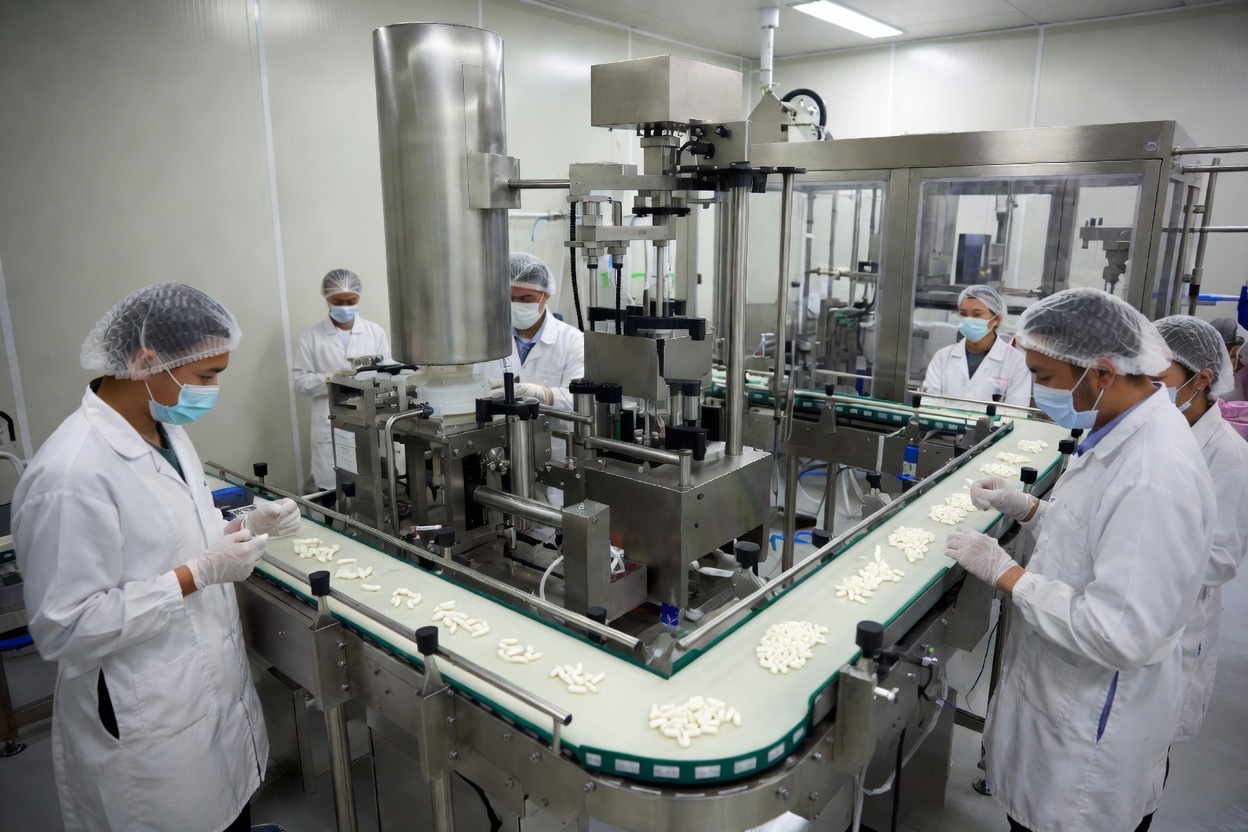
River Pharm Inc's role in such a project is to take that formulation and subject it to manufacturing reality. This includes verifying raw material quality, testing flow properties and compressibility, checking compatibility with capsule shells or film materials, and ensuring that the chosen format maintains potency and product integrity over the declared shelf life. The aim is simple: the finished product must deliver the stated amount of Vitamin D reliably, batch after batch.
OEM partners also rely on us to manage the full regulatory and quality chain. We implement validated processes and documented controls, so the brand owner can demonstrate compliance with applicable manufacturing standards. Identity and potency testing, microbiological safety checks, and impurity control are not optional—they are fundamental. When everything is done properly, the brand can focus on marketing and distribution, knowing that the product behind the label has been built on solid technical foundations.
Custom ODM Development: From Idea to Market‑Ready Vitamin D Line
ODM is a different conversation. In ODM projects, brands often come to us with a direction rather than a finished formula. They may bring a reference product, a list of desired effects, or a target consumer persona, and ask us to design a product that can compete—or stand out—in a crowded market. For Vitamin D, this is where much of the strategic creativity happens.
One brand might ask for a "minimalist adult Vitamin D capsule" designed for daily use by busy professionals with no time for complex routines. Another might be looking for an "immune‑focused powder stick", combining Vitamin D with carefully selected co‑ingredients to support seasonal resilience, especially in regions with limited winter sunlight. A third brand might see an opportunity in women's bone health, pairing Vitamin D with other micronutrients and positioning the product around long‑term skeletal strength.
In all of these scenarios, our approach as an ODM partner is to start with the evidence, identify realistic benefits and then build formulations that deliver those benefits in a usable, stable and pleasant format. We consider bioavailability, synergistic interactions, formulation stability, and user experience. We also pay close attention to how much dose headroom the regulatory environment allows for different age groups and risk segments. The result is a custom formula that feels both unique and scientifically grounded.
Importantly, River Pharm Inc does not simply apply a generic, public "stock formula" for ODM projects. We design each product specifically around the brand's direction, supported by our R&D expertise, internal data and external literature. This allows our partners to position their Vitamin D supplements as truly bespoke solutions rather than relabelled commodities.
Capsules, Powders and Flexible Packaging: Choosing the Right Format
One of the biggest levers a brand has in user experience is dosage form. Over the years I have seen how format choice can make or break adherence. Even a scientifically perfect formula can fail if users find the product unpleasant or inconvenient.
Capsules remain the most common choice for Vitamin D because they are compact, familiar and easy to dose. They lend themselves well to single‑nutrient products and simple blends. From a manufacturing perspective, capsule projects focus heavily on size, shell material, filling homogeneity and visual cleanliness. A capsule that is too large or has an off‑putting odour will quickly lose users, regardless of how good the science is.
Powders in sachets or stick packs offer different advantages. They can be integrated into daily routines such as morning drinks or smoothies, and they allow for more elaborate multi‑ingredient formulations. For Vitamin D powders, we need to think carefully about solubility, flow properties, flavour masking and particle size. Co‑ingredients like calcium or certain botanicals can change mouthfeel significantly, so the formulation work must include sensory testing and iterative improvements.
Flexible pouch packaging and modern stick formats have become particularly popular for on‑the‑go use. Here, attention shifts to moisture control, oxygen barrier performance and mechanical robustness. A good OEM/ODM partner will not only fill and seal the product, but also validate how the packaging behaves under transport, storage and consumer handling. For brands, this means they can offer convenient, portable and visually modern formats without compromising on stability or dosage accuracy.

Quality, Compliance and Trust: Non‑Negotiables in Vitamin D Manufacturing
In the Vitamin D category, trust is a core asset. Consumers increasingly ask whether the dosage on the label matches what is in the capsule or sachet. Healthcare professionals expect supplements to meet defined quality standards before they recommend them. Regulators pay attention when high‑dose products cross into risk territory or when marketing language drifts into drug‑like claims.
As manufacturers, we see quality assurance as a chain, not a single checkpoint. It starts with verified raw materials from reputable suppliers and continues through controlled processing, in‑process testing and finished product analysis. Batch records, specification adherence and deviation management are not just internal documents; they are part of the product's story. When a brand owner can point to a robust quality system behind their Vitamin D line, it directly supports marketing claims around reliability and professionalism.
Regulatory compliance is equally critical. In practice, this means designing labels and claims that stay firmly within the regulatory definition of a dietary supplement. It involves transparent listing of active ingredients and excipients, clear serving size information and appropriate caution statements for vulnerable populations. It also means respecting upper intake levels and integrating best‑practice guidance on safety and responsible use. If a brand wants to develop specialist products, for example high‑dose formulations intended for use under medical guidance, they must be prepared to navigate more stringent expectations and professional oversight.
For River Pharm Inc, combining OEM and ODM capabilities allows us to meet different levels of ambition. Some partners simply need a reliable, compliant Vitamin D capsule manufactured at scale. Others want to build sophisticated, multi‑format product families with nuanced positioning and long‑term strategic potential. In both cases, our role is to bring technical expertise, regulatory awareness and manufacturing discipline together in a way that protects end users and strengthens the brand's reputation.
Strategic Opportunities in the Vitamin D Category
Looking ahead, I see several strategic angles for brands working with Vitamin D:
- Designing Vitamin D products that address specific lifestyle patterns, such as indoor workers, shift workers or people in polluted urban environments.
- Creating segmented lines for different life stages: children and adolescents, women during key hormonal transitions, seniors looking to maintain independence and mobility.
- Integrating Vitamin D into broader health concepts—bone, immune, mood, energy—while staying honest about evidence levels and claim boundaries.
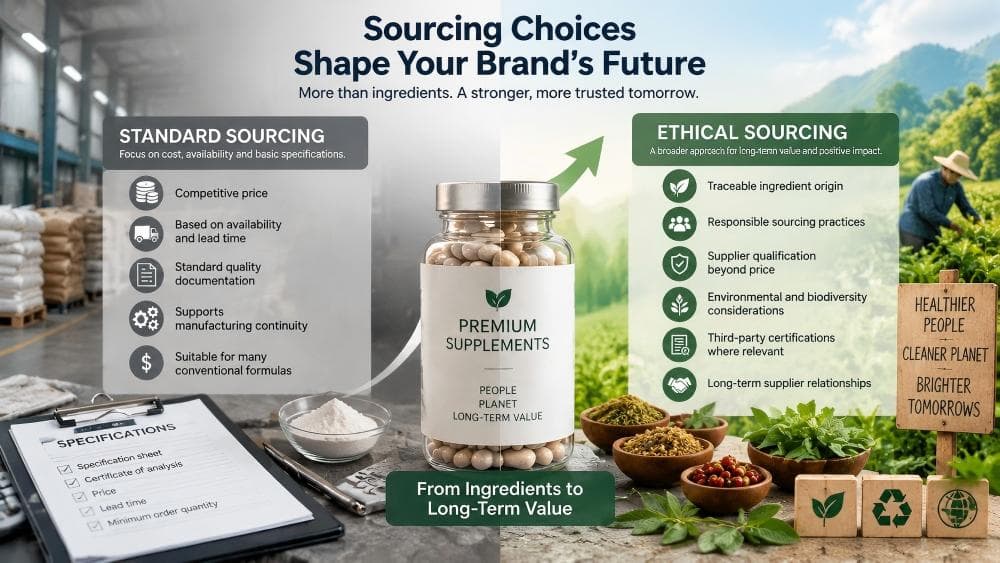
There is also room to explore sustainability and ethical sourcing, such as vegan vitamin D3 or packaging innovations that reduce environmental impact. As consumers become more conscious about their footprint, these aspects can differentiate otherwise similar products.
However, the core remains unchanged: every successful Vitamin D supplement must anchor its story in solid science, safe dosing and dependable manufacturing. Everything else—format, branding, positioning—is built on that foundation.
Working with River Pharm Inc on Vitamin D OEM/ODM Projects
When a brand approaches us to develop or manufacture Vitamin D supplements, we do not start with the machine or the packaging line. We start with the user, the evidence and the regulatory context. We ask who the product is for, what the brand wants that user to feel, and how the product will be used in real life. Then we translate those answers into a technical and commercial plan.
Our OEM service is ideal for companies that have already invested in formulation design and now need a manufacturing partner that can execute consistently and compliantly. Our custom ODM service suits brands that have a clear strategic direction but prefer to rely on our R&D experience to translate that into a differentiated formula. In both models, we focus on Vitamin D formats such as capsules, small sachets, stick packs and soft pouches, covering a wide spectrum of use cases and market positioning options.
By combining formulation science, regulatory awareness, modern packaging options and disciplined quality control, we help partners build Vitamin D lines that can stand up to scrutiny—from consumers, from healthcare professionals and from regulators. In a category where trust and evidence drive long‑term demand, that combination is not a luxury; it is a necessity.
FAQs
1. Why should a brand prioritize Vitamin D in its supplement portfolio?
Because Vitamin D is backed by strong evidence for bone and calcium metabolism and has broad relevance across age groups and lifestyles, making it a resilient, evergreen category with sustained clinical and consumer interest.
2. Is vitamin D2 or D3 better for supplements?
Most modern formulations prefer vitamin D3 due to its generally better performance in raising and maintaining serum Vitamin D levels, although D2 remains relevant in some regulatory environments and specific product concepts.
3. How important is dosage form for user adherence?
Dosage form is critical. Even a scientifically excellent formula can fail if the capsule is too large, the powder has poor mouthfeel or the packaging is inconvenient, so format and sensory experience should be part of early product design.
4. What is the main difference between OEM and ODM for Vitamin D products?
OEM manufacturing focuses on scaling and controlling a formula the brand already provides, while ODM development involves designing a custom formula and product concept based on the brand's strategic direction and target users.
5. How can brands stay compliant while still differentiating their Vitamin D products?
By grounding dosage and claims in recognized guidance, avoiding disease treatment language, using clear, structured‑function messaging, and innovating in format, co‑ingredients, lifecycle targeting and user experience rather than in exaggerated promises.
References
1. National Institutes of Health, Office of Dietary Supplements. "Vitamin D – Fact Sheet for Health Professionals." https://ods.od.nih.gov/factsheets/VitaminD-HealthProfessional/
2. National Institutes of Health, PMC. "Vitamin D: Evidence-Based Health Benefits and Recommendations." https://www.ncbi.nlm.nih.gov/pmc/articles/PMC11767646/
3. National Institutes of Health, PMC. "Recommended intakes of vitamin D to optimise health, associated with bone, immune and extra-skeletal outcomes." https://www.ncbi.nlm.nih.gov/pmc/articles/PMC4463009/
4. National Institutes of Health, PMC. "Vitamin D Supplementation Guidelines for General Population and High-Risk Groups." https://www.ncbi.nlm.nih.gov/pmc/articles/PMC5990871/
5. U.S. Food and Drug Administration. "FDA 101: Dietary Supplements." https://www.fda.gov/consumers/consumer-updates/fda-101-dietary-supplements
6. U.S. Food and Drug Administration. "Dietary Supplements Guidance Documents & Regulatory Information." https://www.fda.gov/food/guidance-documents-regulatory-information-topic-food-and-dietary-supplements/dietary-supplements-guidance-documents-regulatory-information
7. PubMed. "Vitamin D supplementation guidelines and evidence for skeletal and non-skeletal effects." https://pubmed.ncbi.nlm.nih.gov/28216084/
8. PubMed Central. "Vitamin D Dosing: Basic Principles and a Brief Algorithm." https://www.ncbi.nlm.nih.gov/pmc/articles/PMC8709011/
Hot Tags: Vitamin D OEM Manufacturing, Vitamin D ODM Development, B2B Supplement Manufacturer, Contract Supplement Manufacturing, Capsule Stick Pack Production, Custom Vitamin D Formulas, Evidence Based Nutraceuticals, Bone And Immune Health Supplements, cGMP Supplement Factory, Private Label Alternatives
Did you find this helpful?
Comments (0)
No comments yet. Be the first to comment!
Leave a comment
Related Posts

Riverpharm · Supplement Contract Manufacturing
Your supplement brand, manufactured to the highest standard
From first formula to finished product — we handle manufacturing, packaging, and fulfillment so you can focus on building your brand.
Core services
Contract Manufacturing
GMP-certified production with full batch testing and certificate of analysis on every run.
Custom Formulation & R&D
In-house scientists develop your formula from scratch or refine existing blends for efficacy.
Packaging & Labeling
Design-to-print label service — shelf-ready, FDA-compliant, and retail-tested.
FBA Prep & Fulfillment
Amazon-ready prep and direct-to-warehouse shipping — no extra steps on your end.
By the numbers
NSF
NSF/ANSI 455-2 certified
cGMP
Certified environment
24 hr
AI-accelerated quote turnaround
600K
cGMP+ encapsulator capacity per run
Why Riverpharm
Quality systems with higher standards
- NSF/ANSI 455-2 certified
- cGMP-certified environment
- In-house + third-party testing
- Source-locked ingredients
Production capacity with faster execution
- Heavy-duty hardware
- In-house core reserves
- AI-accelerated quotes
- In-house expert hub
Delivery formats we produce
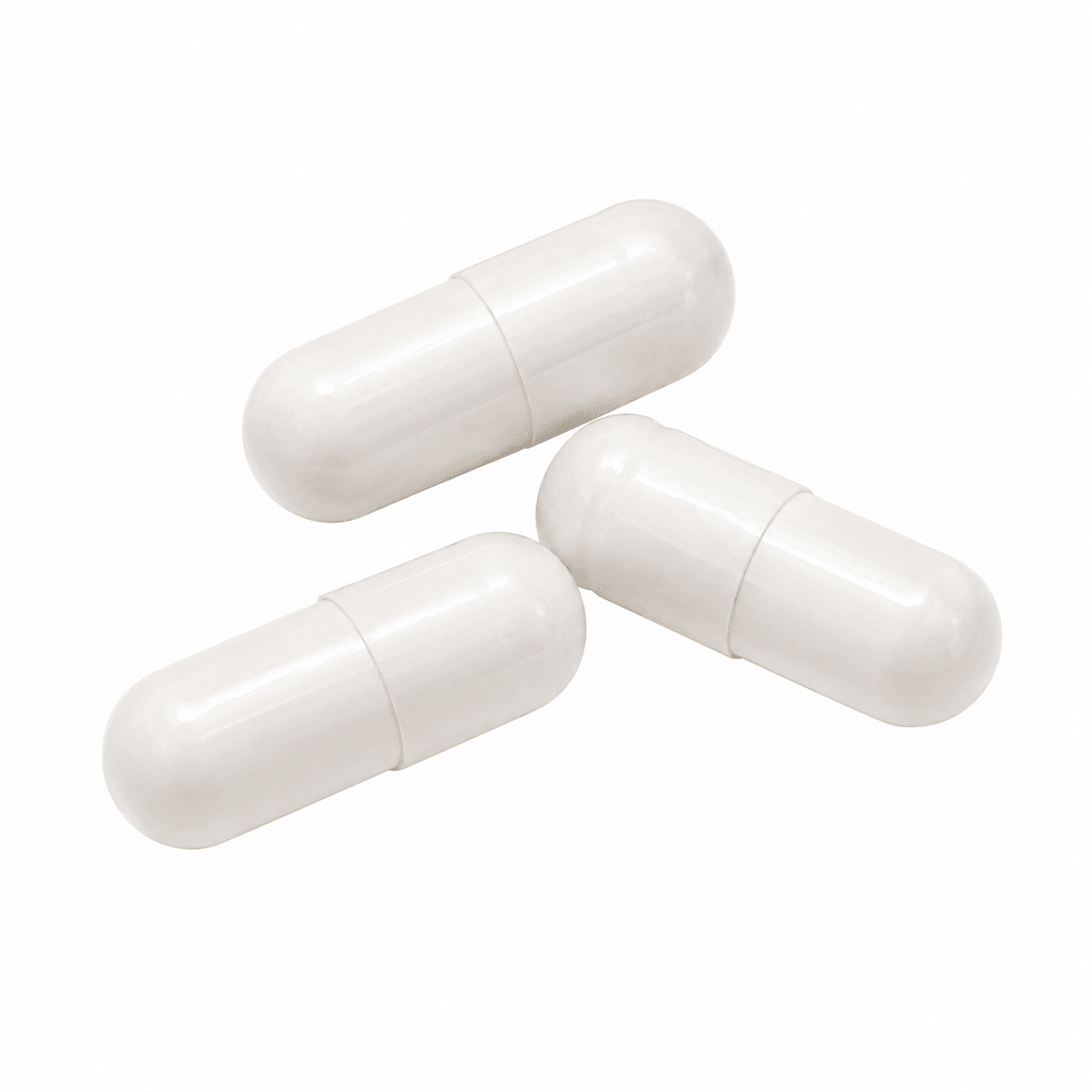
Capsules
Gelatin & HPMC vegetarian
Sachets
Single-dose powder blends
Stick packs
Convenient single-serve
Pouches
Flexible, shelf-ready
Ready to bring your supplement to market?
Free consultation · 24-hour quote · No minimum commitment to get started